
Most people who grew up watching a parent do laundry absorbed a version of the task that was 80% correct and never questioned. The drum gets filled. The detergent cap gets tipped over the machine. The clothes come out smelling fine, more or less. Good enough. The problem is that “good enough” has been quietly wearing out fabrics, spreading bacteria across kitchen surfaces, and in at least one case, creating a genuine fire risk inside the laundry room wall.
These aren’t rare or specialist errors. They’re the everyday household chores mistakes built so deep into routine that most people don’t notice them at all. The dryer vent has never been cleaned. The carpet stain from three months ago got scrubbed, not blotted, and the fiber damage is permanent. The window was cleaned at noon on a Tuesday and streaked worse than before. Some of this is nobody’s fault, these habits came from someone who also picked them up uncritically, and the feedback loop is slow enough that the connection between cause and effect rarely registers.
Here are ten of the most common, and what actually fixes each one.
Doing Laundry: The Overloading Trap
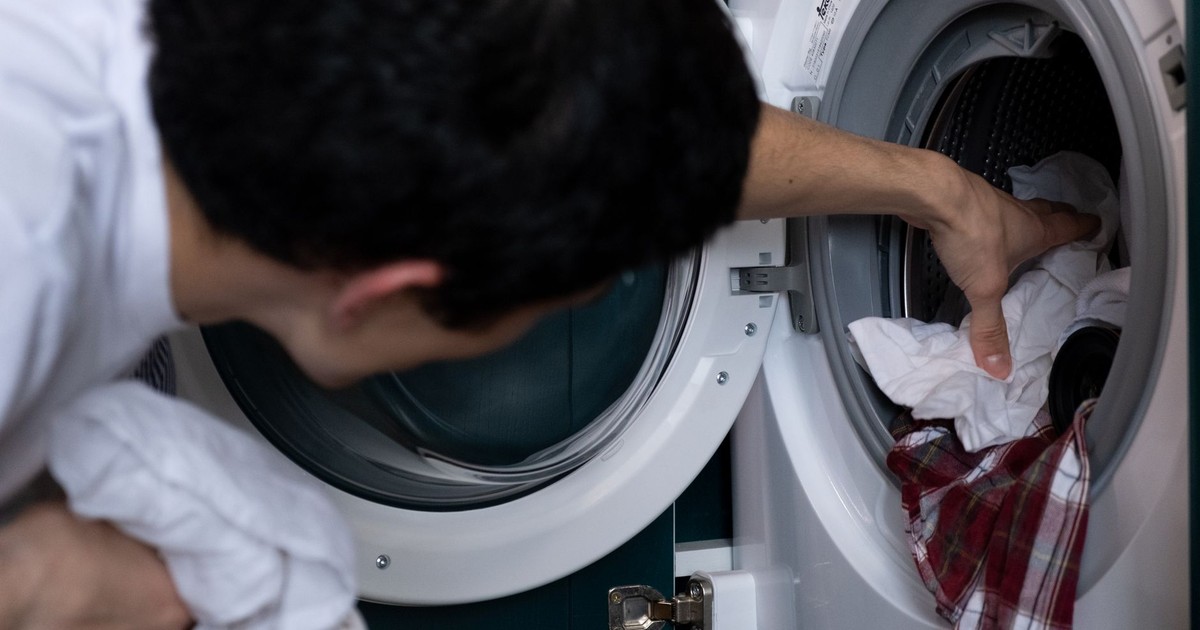
The most common laundry mistake is overloading the washing machine. Clothes need space to move around to get clean, and stuffing the machine full leads to ineffective washing and rinsing, clothes won’t get clean and may still carry soap residue when the cycle ends. According to Consumer Reports, overloading also increases friction between fabrics, wearing them out faster and shortening their lifespan. The drum fills, the water has nowhere to circulate, and the load that took 45 minutes comes out damp and vaguely unclean. You run it again. Now you’ve used twice the water and energy for one acceptable result.
Extra detergent doesn’t fix the problem, it makes it worse. Using more detergent than recommended leaves a soapy residue on laundry, attracts more dirt, and irritates sensitive skin. For high-efficiency machines in particular, the recommended dose is already far lower than the cup line suggests. Laundry experts recommend using the minimum measured amount for most medium loads, noting that concentrated modern formulations mean most people are using roughly twice what’s necessary.
Fabric softeners are worth reconsidering too. They can cause a waxy build-up on clothes, reducing absorbency and breathability, and can damage fabrics over time. For towels especially, this is counterproductive. A good rule: fill the drum no more than three-quarters full, measure the detergent rather than eyeballing it, and for towels, skip the fabric softener entirely.
The Kitchen Sponge That’s Making Things Worse
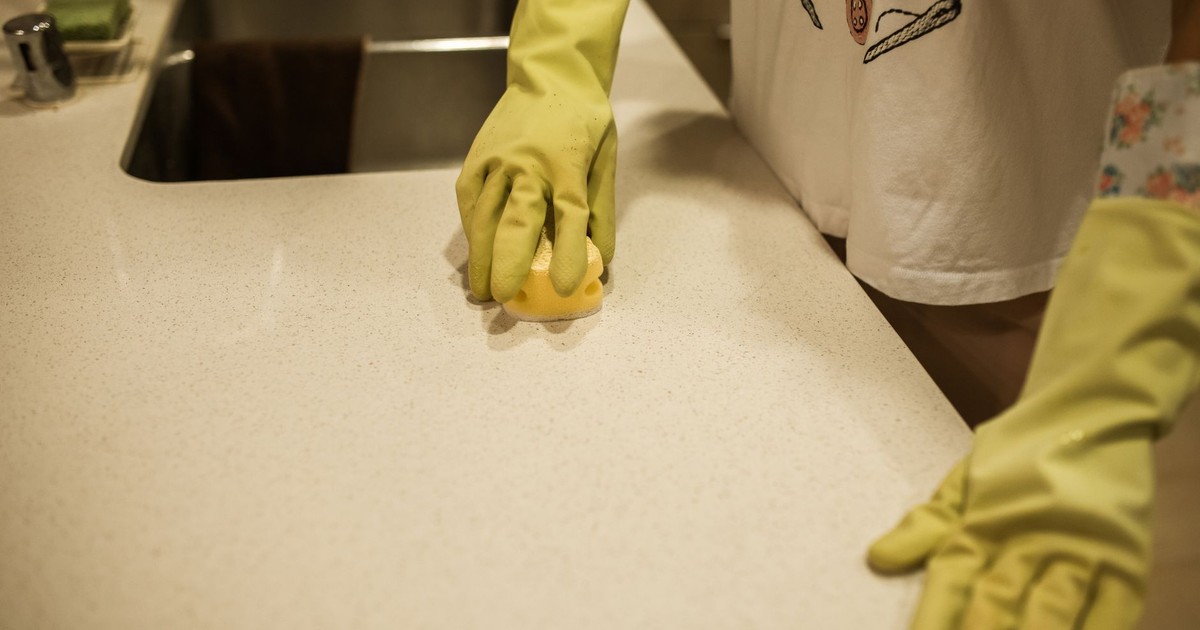
Most people use a kitchen sponge to clean dishes, wipe down counters after raw chicken, and then set it wet in the corner of the sink. That’s a reliable way to spread bacteria across every surface in the kitchen.
Researchers from Furtwangen University described kitchen sponges as a common microbial hot spot. DNA analysis of 14 kitchen sponges from private households found 362 kinds of bacteria, more than typically found on a toilet seat. Because sponges are permanently moist and designed for absorption, they pick up pathogens like salmonella, E. coli, and staphylococcus and carry them wherever the sponge goes next. A 2026 study in Frontiers in Microbiology confirmed that the porous structure of kitchen sponges makes them long-term reservoirs for harmful bacteria, with pathogen populations remaining detectable even when sponges appear dry.
The fix isn’t more thorough rinsing. Use brushes that can go in the dishwasher, or washable dishcloths that dry faster and can be disinfected in a hot wash. Replace sponges every week regardless, and stop using the same one for both dishes and counters in the same session.
Vacuuming: Running Over the Same Mess
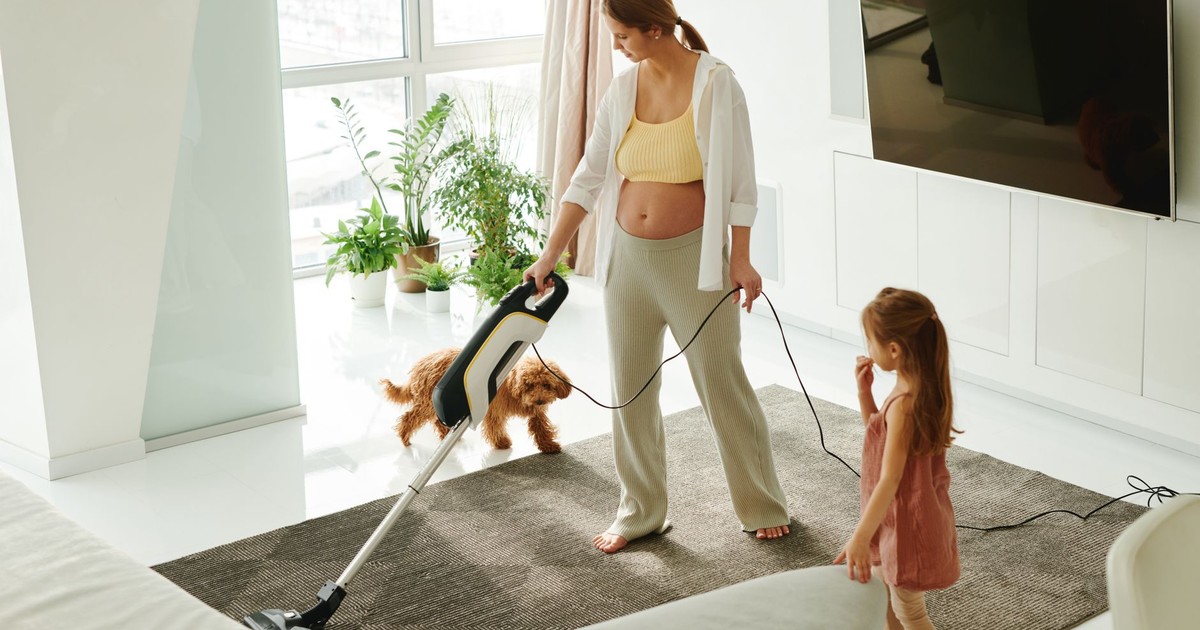
Running a vacuum over a floor you haven’t prepared is a bit like painting over a dusty wall. The result looks fine for about four minutes.
On hard flooring, a vacuum that isn’t set to the correct height is often pushing debris around or scratching the surface rather than lifting it. Always check the height adjustment when switching from carpet to hard floors. On carpets, always vacuum from multiple angles rather than in a single back-and-forth direction, one pass in one direction leaves dirt behind that a cross-pass would have caught.
The canister or bag is the other overlooked factor. A full canister doesn’t just reduce suction, it also redistributes some of what it picked up back into the air. Empty it after every session, not once it looks full.
Cleaning Windows on a Sunny Day

The warmth of sunshine quickly evaporates window cleansers. When the cleanser dries on the glass before you’ve wiped it away, it leaves streaks. Save window cleaning for a dreary, overcast day — the lower temperature keeps the solution on the glass long enough to actually work.
Overcast light also has a practical advantage: streaks are far easier to spot as you go, which means you catch them mid-clean rather than noticing them only when the sun comes back out. Microfiber cloths rather than paper towels are the other half of this fix. Paper towels leave lint deposits that catch the light as badly as streaks do.
Mopping Without Sweeping First

One of the biggest household chores mistakes when mopping is skipping the sweep. Mopping without sweeping first simply spreads dust, crumbs, and hair across the floor surface in a thin film of dirty water. Add pets to the equation and it’s less cleaning than redistribution, what was on the floor is now bonded to it.
The floor passes the visual test for about twenty minutes after this kind of mop, until the water dries and the dust reappears with a faint halo around it. Sweep or vacuum first. Use a damp rather than soaking-wet mop, excess water on hardwood gets into the seams and warps the boards over time. Change the mop water mid-floor on larger rooms rather than pushing around water that’s already grey.
Not Cleaning the Dryer Vent
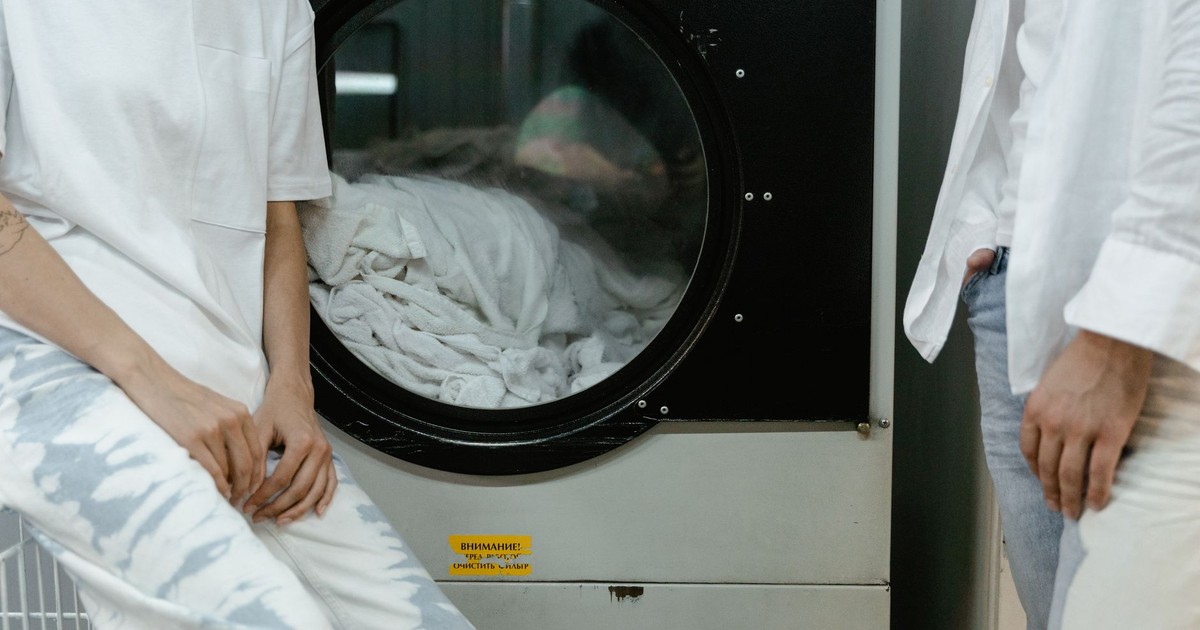
This is the mistake with the most serious consequences. Most people clean the lint trap after each load and assume that’s sufficient. It isn’t.
The National Fire Protection Association reports that dryers and washing machines cause an average of 15,970 fires each year, with dryers responsible for 92% of them and an average of $238 million in property damage annually. The leading cause is failure to clean, specifically, lint that accumulates inside the vent duct itself, not just in the easily accessible trap.
Many people clean the lint filter and never consider the duct behind the machine. The fix: clean the lint trap every single cycle, and pull the dryer out once a year to disconnect and vacuum the vent duct all the way to the exterior. If your dryer is taking noticeably longer than it used to for a normal load, that’s the vent telling you something.
Rubbing Carpet Stains
The instinct when something spills on carpet is to scrub at it immediately with whatever cloth is closest. This makes the stain worse in almost every case.
Rubbing drives the stain deeper into carpet fibers and, especially with synthetic carpets, creates a fuzzy, matted patch that no amount of cleaning will undo. The correct motion is press, lift, repeat, working from the outside edge of the stain toward the center so you’re not spreading it further. Cold water first, then a light detergent solution. Hot water sets protein-based stains like blood and many food spills permanently, so resist that instinct too. Blot with an absorbent cloth or paper towel, press firmly, don’t drag.
Reusing the Same Cloth Across Different Surfaces
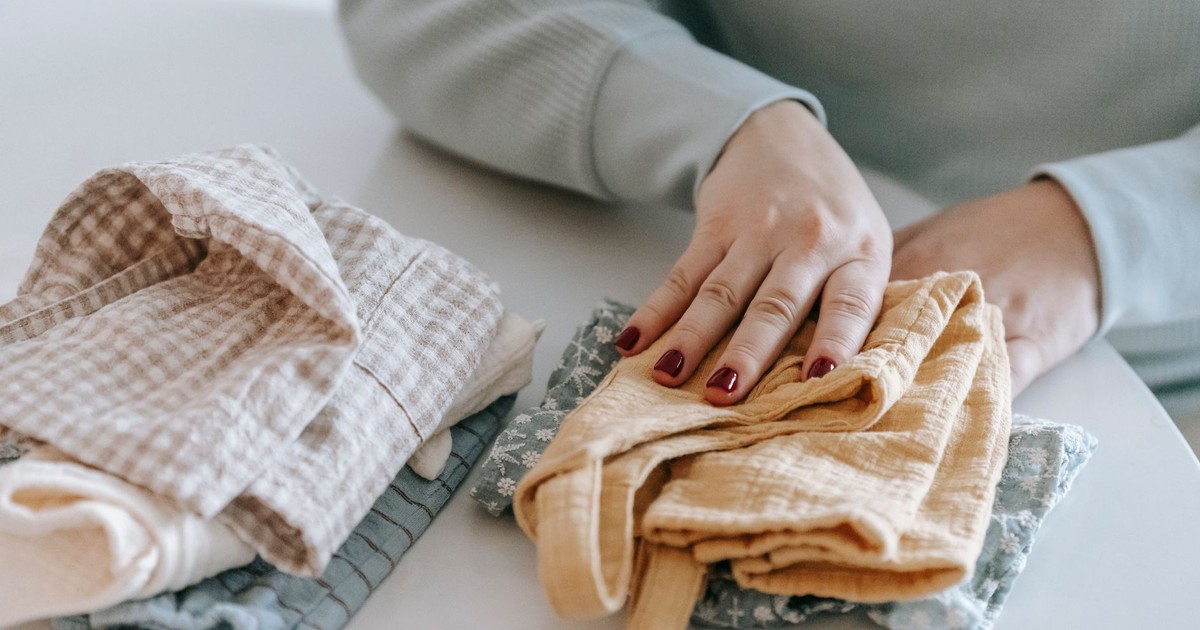
This is one of the household chores mistakes that sounds minor but compounds quickly. Using the same cloth to wipe the toilet seat and then the bathroom counter is obvious. Using it to clean the bathroom sink and then the kitchen counter is less obvious but microbiologically similar.
Color-coded cloths are the simplest system available, one color per room or task, so there’s no guesswork mid-clean about where this cloth has already been. This is also worth pairing with awareness about cleaning products to never mix: cross-contamination through cloths and sponges spreads bacteria just as effectively as the wrong chemical combination.
Over-Using Cleaning Products
More product does not mean a cleaner surface. It usually means a residue problem.
Spray cleaners leave a film if not wiped up thoroughly, and that film collects dust. Dish soap residue on counters makes them tacky within hours. There’s also a practical difference between cleaning and disinfecting that most people skip over: a surface needs to be physically clean of dirt before any disinfection can work. Applying a disinfectant to a grimy surface is largely just cleaning the grime, the active compounds are used up before they reach the bacteria underneath. Clean first with a regular cleaner and a cloth, then apply disinfectant and let it sit for the contact time listed on the label, usually 30 seconds to a minute, before wiping. That dwell time is the part almost everyone skips.
Cleaning the Toilet Without Closing the Lid
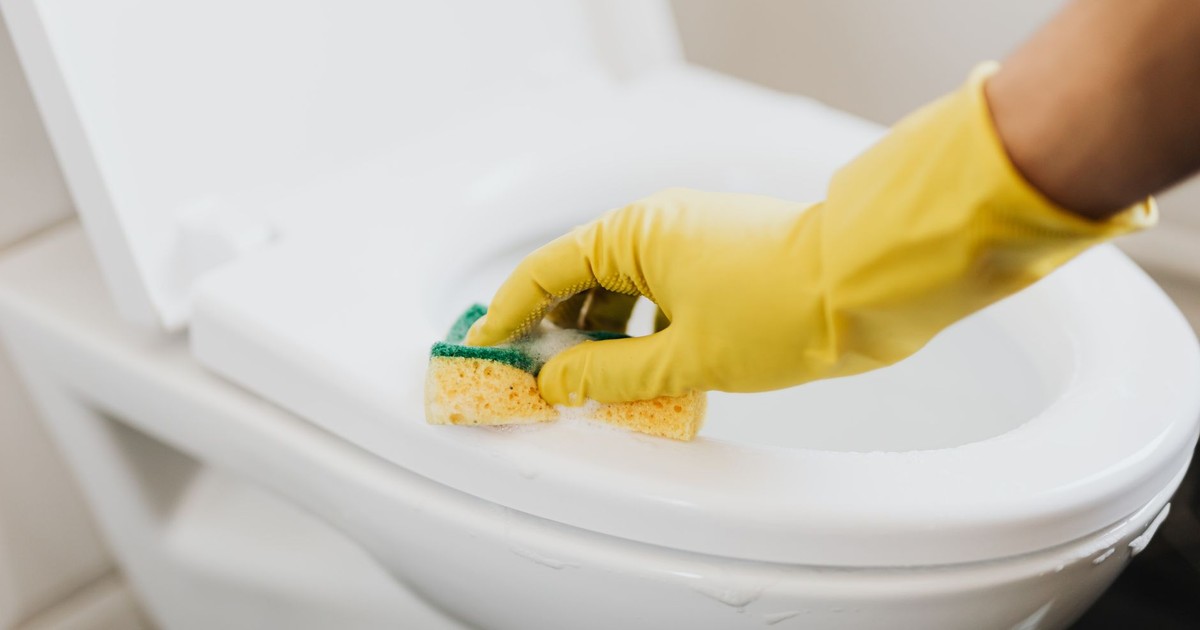
Flushing with the lid open sends a fine aerosol mist, containing whatever is in the bowl, across a radius of several feet. The toothbrush holder catches it. So does the hand towel, the soap dispenser, and anything else on the bathroom counter. Close the lid before every flush, not just when guests are coming.
The toilet cleaning routine itself has the same kind of shortcut problem. Most people spray and immediately wipe. The correct approach is to apply toilet cleaner under the rim and let it sit for several minutes while you clean the rest of the bathroom, then scrub. This gives the product time to break down mineral deposits and bacteria rather than just moving them around with a brush. Two small changes, one bathroom that’s actually clean.
Read More: 10 DIY Storage Ideas to Organize Your Home ASAP
What to Do With All of This
None of these fixes require a new product, a specialized cleaner, or a Saturday afternoon cleared for deep cleaning. Most are adjustments to what you’re already doing, smaller loads, a different cloth, an overcast day for the windows, a closed lid before the flush.
The reason these household chores mistakes persist isn’t carelessness. The feedback loop is too slow. The towels that smell musty from fabric softener build-up don’t smell that way immediately. The carpet stain that got scrubbed instead of blotted looks fine until it sets permanently. The dryer vent that hasn’t been cleaned in three years hasn’t caused a fire yet. So the habit continues, uncorrected, passed down to whoever was watching.
Pick up two or three of these adjustments, particularly the dryer vent, the sponge, and the mopping sequence, and the difference will be more noticeable than most dedicated deep-cleaning sessions. Most of us are already spending the time. It’s just a question of whether the result matches the effort.
Disclaimer: This information is not intended to be a substitute for professional medical advice, diagnosis, or treatment and is for information only. Always seek the advice of your physician or another qualified health provider with any questions about your medical condition and/or current medication. Do not disregard professional medical advice or delay seeking advice or treatment because of something you have read here.
AI Disclaimer: This article was created with the assistance of AI tools and reviewed by a human editor.