

Odors accumulate in the places you stop noticing: the trash bin under the sink, the carpet in the hallway the dog claims as personal territory, the dish towel wrung out one too many times. You spray something from a can, the smell retreats, and within an hour it is back, slightly blended with whatever synthetic “linen breeze” you just unleashed. The spray was not a solution. It was a delay tactic.
Levels of several organic pollutants average 2 to 5 times higher indoors than outdoors, according to the U.S. EPA. A significant portion of that indoor chemical load comes from the products we buy to make homes feel cleaner. Fragranced consumer products emit numerous volatile organic compounds. Previous research has found that hundreds of VOCs, including hazardous air pollutants, are released from everyday fragranced products, with only a small fraction disclosed on the label. The plug-in behind your couch is not a minor detail.
Getting your home to smell genuinely clean does not require a cabinet full of products. It requires addressing what is actually causing the smell, layering in a few simple natural strategies, and stopping the cycle of masking and remasking. These seven approaches cover the full picture, from the structural habits that prevent odors from forming to the satisfying add-ons that make a room feel intentional.
1. Ventilate First, Freshen Second
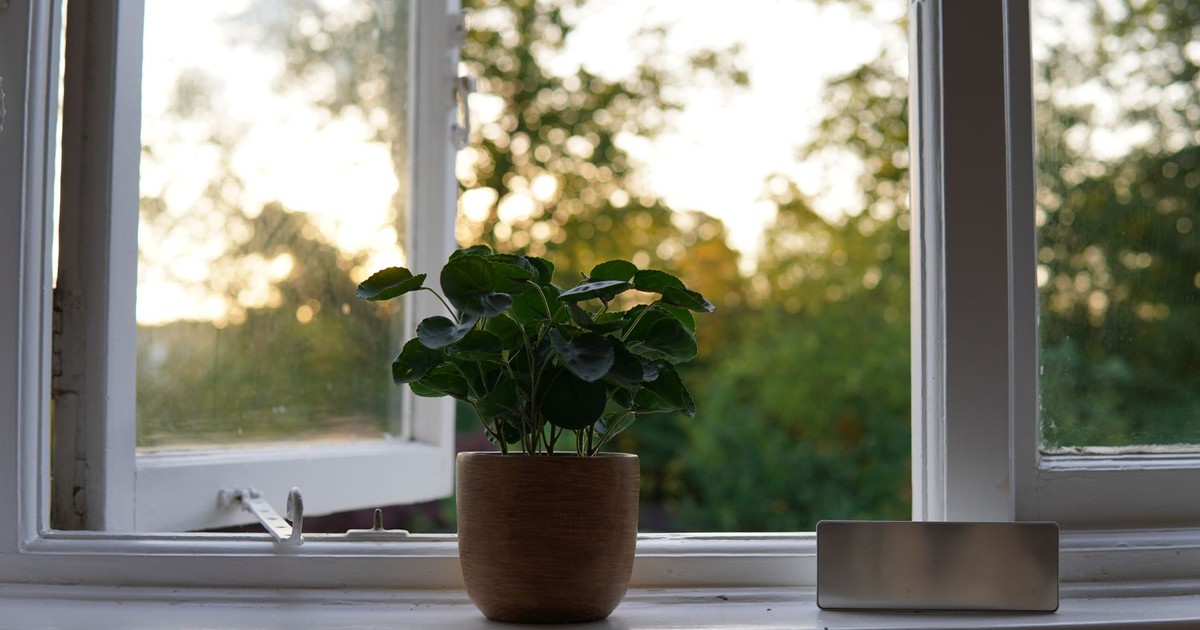
Almost every odor problem in a home has a ventilation problem underneath it. Stale air is a literal accumulation of moisture, cooking vapors, pet dander, and carbon dioxide that builds up in enclosed spaces and has nowhere to go. Indoor VOC concentrations are frequently higher than outdoor levels, which raises the danger of exposure particularly for young people and those with respiratory conditions. These compounds can create secondary pollutants like ozone and aerosols that lead to cardiovascular and pulmonary problems.
Opening windows for even ten to fifteen minutes a day creates a cross-draft that clears the accumulated air in a way no spray can replicate. Opening windows at opposite ends of a room creates a pressure differential that actively pulls the stale air out and draws fresh air in, rather than just letting things drift. On days when outdoor air quality is poor or it is genuinely freezing, running exhaust fans in the bathroom and kitchen achieves a slower version of the same result.
The kitchen deserves specific attention. Cooking smells saturate fabrics, settle into curtains, and embed themselves in wooden furniture at a rate most people underestimate. Running the range hood during cooking (not just after) and cracking a window while you cook is one of the most impactful things you can do for the overall smell of your home, particularly if you cook with strong aromatics like fish, garlic, or curry. The archive of last Tuesday’s dinner lives in your sofa cushions until you ventilate it out.
2. Address the Source, Not the Symptom
Many plug-in air fresheners emit dozens of different VOCs, even those labeled “unscented” or “natural.” Air fresheners mask odors, not eliminate them. Masking an odor leaves the source intact, and the smell compounds as the underlying cause, whether bacteria in a fabric, mold in a corner, or residual grease on a surface, continues to grow beneath the synthetic layer.
The areas that accumulate odors fastest are the ones most people clean last: the rubber seal around the refrigerator door, the inside of the kitchen trash can itself (not just the bag), the washing machine drum, the bathroom grout, and the dish drying mat. None of these smell dramatically bad on their own, but together they create that ambient domestic funk that no amount of candle can overpower. A weekly wipe-down of the trash can interior with white vinegar and water removes the bacterial buildup doing most of the olfactory damage.
Fabrics are the other underestimated culprit. Sofas, curtains, and rugs absorb smells continuously and release them slowly. If your home generally smells fine when you clean but goes stale again within a few days, the fabrics are likely the main storage point. Washing throws, cushion covers, and curtains more frequently than you think is necessary, and rotating them into fresh air when possible, addresses the problem at the source.
3. Use Baking Soda as a Passive Odor Absorber
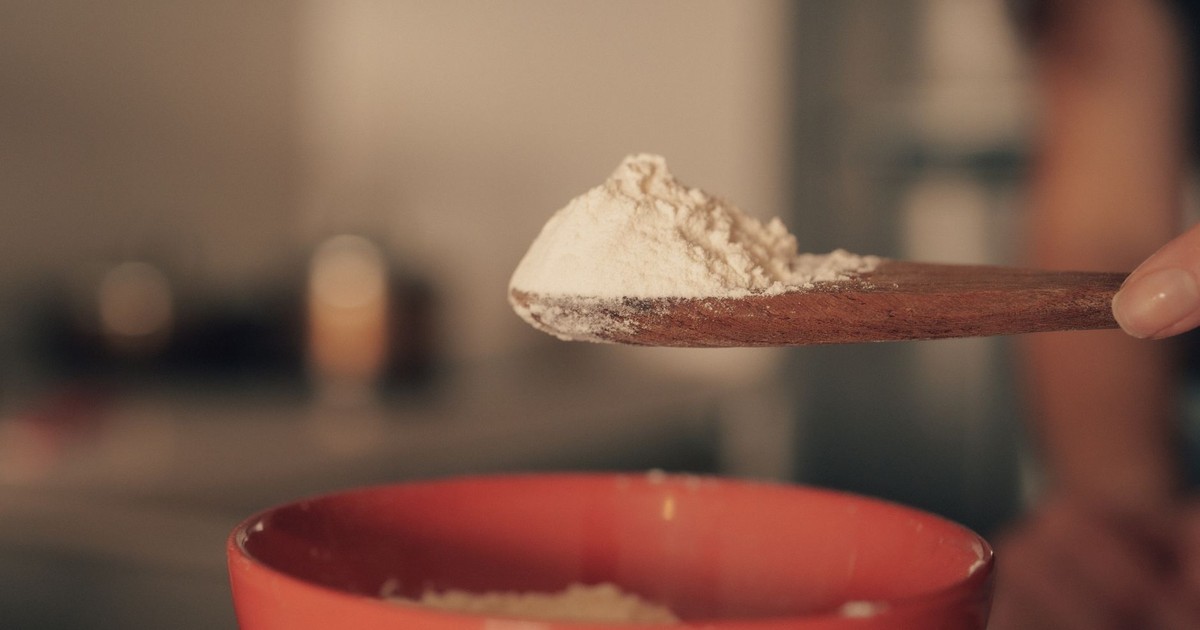
Baking soda (sodium bicarbonate) neutralizes acidic and basic odor molecules on contact rather than masking them with a competing scent. It does not announce itself, does not run out after two sprays, and simply sits there and does its job.
Placed in an open bowl or jar in enclosed spaces like closets, basements, under the sink, or the back shelf of the refrigerator, baking soda absorbs ambient odors continuously. For carpets, cleaning without chemicals is straightforward: sprinkle baking soda generously over the carpet, let it sit for at least thirty minutes (longer if the carpet has embedded pet odors), then vacuum thoroughly. The difference in a carpet that has not been treated this way in a while is immediate.
You can add a few drops of an essential oil directly into the baking soda before sprinkling, which turns a purely functional deodorizer into something that also leaves a light, natural scent. Lavender and eucalyptus both work well. Five to ten drops per half cup of baking soda is a reasonable starting point. Store the mixture in a sealed jar and use it within a few weeks for best results.
4. Simmer Pots: The Kitchen Trick That Works Everywhere
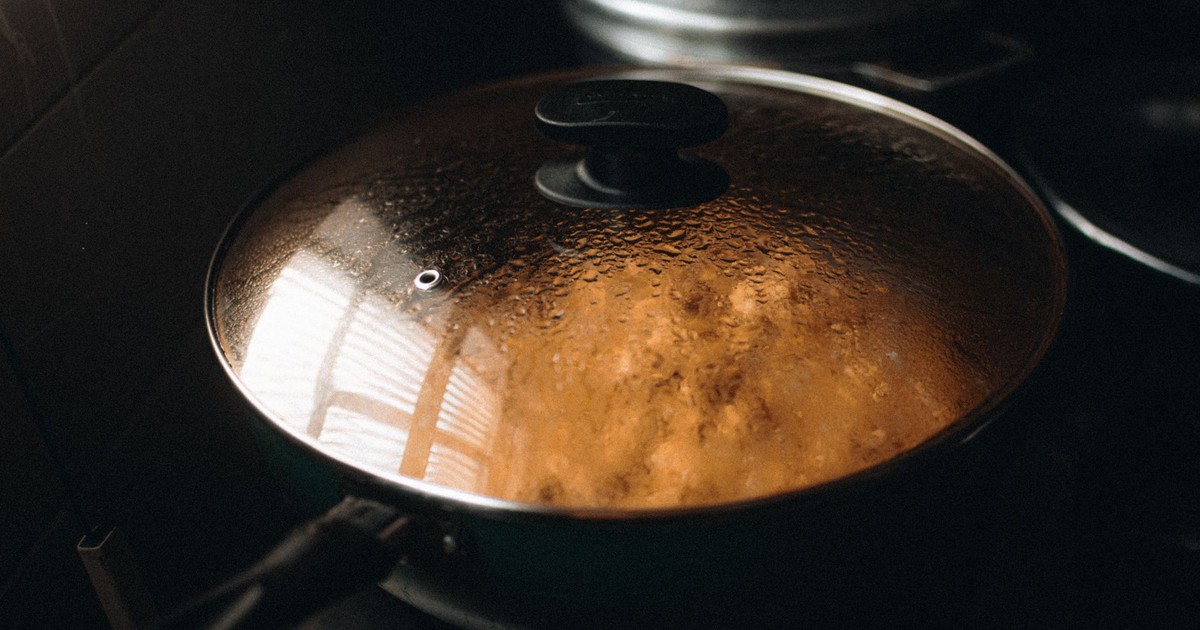
A simmer pot is a small pot of water on the stovetop with aromatic ingredients added, simmering on the lowest heat so that the steam carries fragrance through the house. It costs essentially nothing, uses ingredients you likely already have, and produces a scent that is genuinely hard to replicate with a spray because it is actually coming from real botanicals rather than synthetic compounds.
The classic combination is citrus peels (orange, lemon, or grapefruit), cinnamon sticks, and a few whole cloves in water brought to a low simmer. You can let it go for an hour or two as long as you keep an eye on the water level and top it up as needed. Variations that work equally well include apple slices with vanilla extract and star anise, fresh rosemary with lemon and a bay leaf, or just sliced ginger with cinnamon on a morning when the house feels flat.
The steam also adds a small amount of humidity back into the air, which helps in winter months when forced-air heating dries homes out considerably. Dry air exacerbates the way some odors register because it irritates nasal passages and makes them more sensitive. A simmer pot addresses both issues at once.
5. Deploy Natural Odor Absorbers Strategically
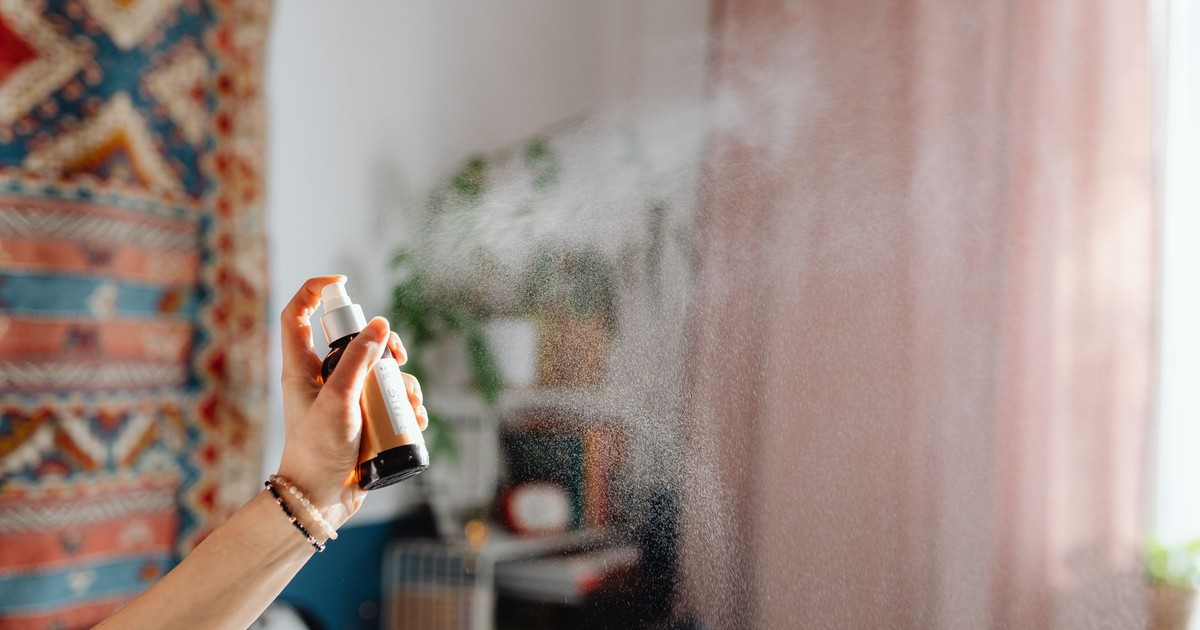
Baking soda is not the only passive absorber worth keeping around. Activated charcoal (finely ground carbon that has been treated to increase its surface area) is exceptionally effective at absorbing odors in high-humidity areas like bathrooms, laundry rooms, and garages. Unlike baking soda, it does not need to be replaced frequently. Many activated charcoal bags can be recharged by placing them in direct sunlight for a few hours, which releases the absorbed compounds and restores the charcoal’s absorbing capacity.
A small bowl of undiluted white vinegar left in a room overnight will absorb many airborne odors by morning, particularly cooking smells and smoke. The vinegar smell itself dissipates completely as it dries, leaving behind genuinely neutral air. If you have painted walls that have absorbed smoke, cooking residue, or pet odors, wiping them down periodically with a diluted vinegar solution removes the embedded smell rather than coating it.
Coffee grounds in the refrigerator serve the same absorbing function that baking soda does, and some people find the faint coffee smell preferable to no smell at all. Dried citrus peels in drawers and closets release a light, clean fragrance for several weeks. None of these require a shopping trip. They require using what you already have in a more deliberate way.
6. Introduce Real Plants Strategically
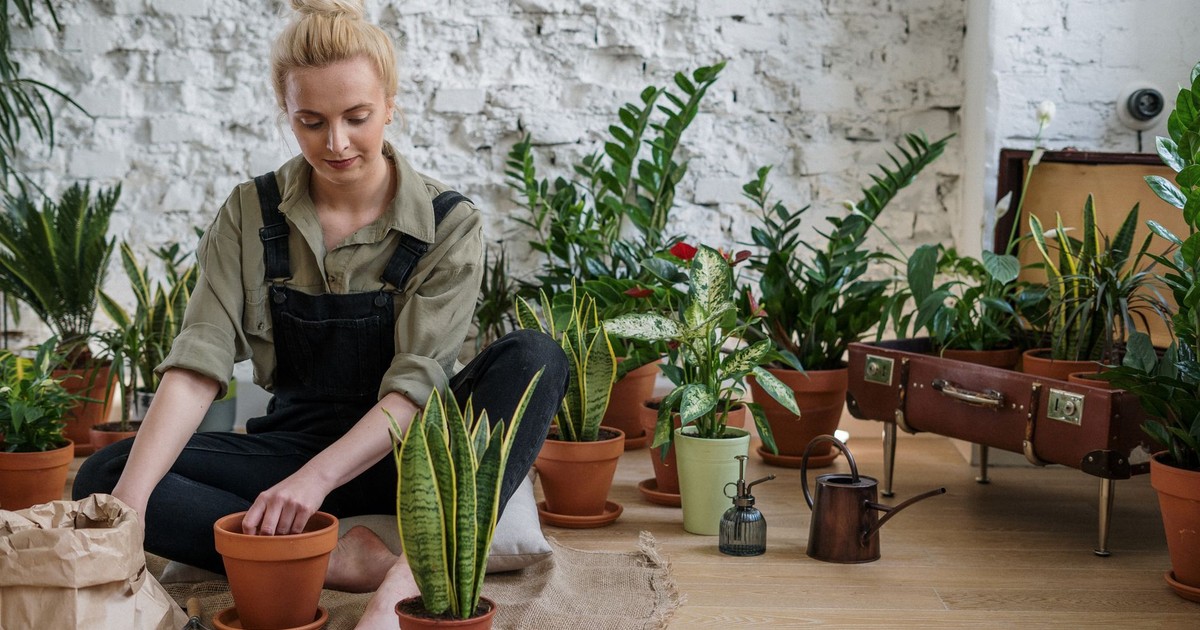
Houseplants improve indoor air quality through transpiration (the process by which plants release water vapor and cycle air through their root systems and leaves), and some species are more effective at this than others. Spider plants, snake plants, and peace lilies can help reduce unpleasant odors by absorbing airborne compounds including formaldehyde and other VOCs through their leaves and root systems.
Beyond their air-cycling properties, certain plants contribute a direct, natural fragrance. A few fresh eucalyptus branches hung in a bathroom or placed in a vase near a window release a clean, camphor-like scent that fills a moderate-sized room without being overwhelming. The scent lasts one to two weeks in a vase of water and fades gently rather than cutting off abruptly like a spray. Lavender plants on a sunny windowsill, fresh rosemary in the kitchen, and jasmine in a warm corner all add fragrance that is real, graduated, and responds to heat and light in a way that synthetic versions never can.
The key to making plants work for fragrance rather than against you is placement and moisture management. Overwatered plants in poorly drained pots produce a musty, earthy smell from the soil that quickly overwhelms any fragrance the plant itself produces. Well-draining pots, careful watering, and good light exposure keep the soil conditions from becoming the problem. For more on how odors accumulate at home, the principles apply broadly across any household.
7. Layer Linen Sprays and Essential Oil Diffusers as the Final Touch
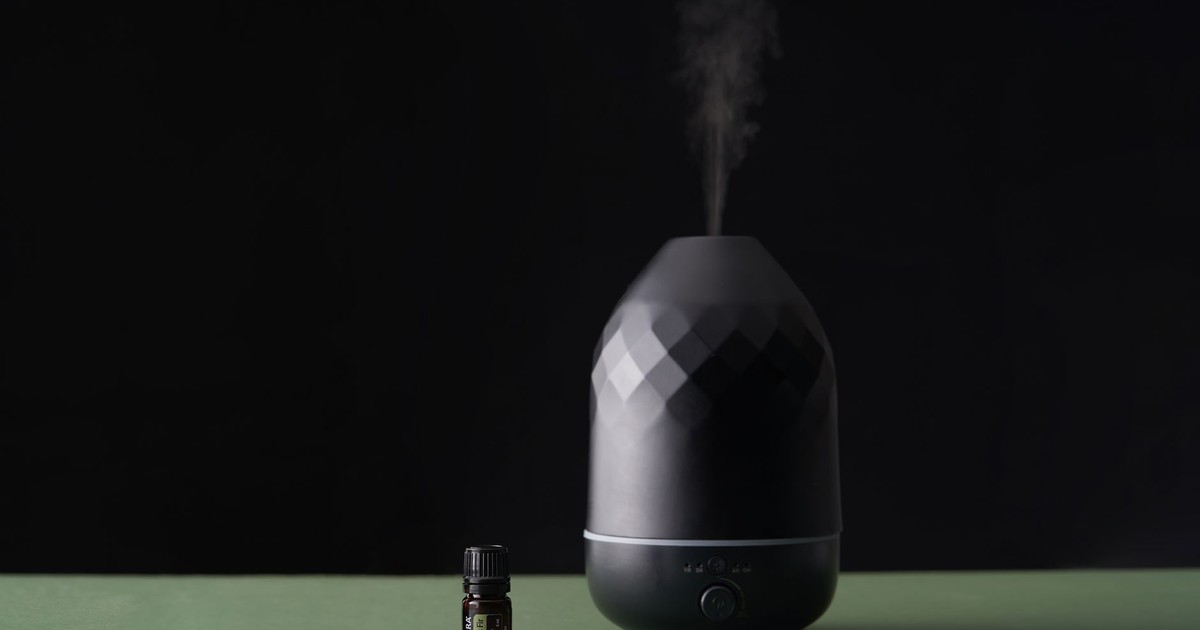
Essential oil diffusers and homemade linen sprays are the finish, not the foundation. A diffuser running eucalyptus or peppermint oil in a room that already smells clean from ventilation and regular maintenance creates something genuinely pleasant. The same diffuser running in a room that smells of damp dog and last night’s cooking is fighting a losing battle, because the oils will compete with the existing smell and often produce something stranger than either component alone.
Both conventional and “green” fragranced products have been shown to release hazardous compounds, with little difference between them, according to research published in 2025. Homemade linen sprays made with real essential oils offer more ingredient transparency than commercial fragranced products, whose full chemical contents are rarely disclosed on the label.
A simple DIY linen spray combines one cup of distilled water with two tablespoons of rubbing alcohol and ten to twenty drops of your chosen oil in a spray bottle. Lavender on pillowcases, citrus in the kitchen, eucalyptus in the bathroom. Shaken well before each use, it lasts weeks and costs almost nothing. The alcohol helps the oil disperse in the water and also evaporates quickly, carrying the scent with it rather than leaving a damp residue on fabric. Applied to upholstery, curtains, and bed linens after they are freshly laundered, it keeps the spaces that store smell smelling intentional.
What Actually Makes a House Smell Good

Most odors are not a presence waiting to be covered. They are an absence of cleaning, ventilation, and maintenance that has been covered instead, repeatedly, until the covering starts to smell too. The natural approach just reverses the logic: remove the source, absorb what remains, then add something real on top.
None of this requires a complete overhaul of your cleaning routine or a pantry full of specialist products. Baking soda, white vinegar, a pot of water with citrus peels, and an open window will handle the majority of what an entire shelf of air fresheners was trying and mostly failing to do. The simmer pot does not care that it is a Tuesday and nothing impressive is happening. It just makes the kitchen smell like something worth coming home to.
Disclaimer: This information is not intended to be a substitute for professional medical advice, diagnosis, or treatment and is for information only. Always seek the advice of your physician or another qualified health provider with any questions about your medical condition and/or current medication. Do not disregard professional medical advice or delay seeking advice or treatment because of something you have read here.
AI Disclaimer: This article was created with the assistance of AI tools and reviewed by a human editor.