

Retirement has a way of arriving with more silence than you expected. After decades of a schedule built around other people’s needs and calendars, the sudden freedom can feel less like a gift and more like a question you weren’t ready to answer. What do you do when the thing that structured your entire adult life simply stops?
The hobbies that genuinely stick in retirement are almost never the ones you chose because you thought you were supposed to. They’re the ones that make you feel like you’re still becoming something, still figuring things out, still a person with an interior life that’s evolving. And for people who have always been driven by curiosity, the question isn’t what to do with the time. It’s which of the genuinely interesting options to start with.
Research increasingly confirms that the type of activity matters more than the fact of staying busy. Only certain activities – learning a mentally demanding skill like photography, for instance – are likely to improve cognitive functioning. Passive engagement, the kind that asks nothing of you, delivers far less of the brain-health benefit. The hobbies for retirees that tend to deliver the most, in every measurable sense, are the ones that keep demanding something new.
1. Learning a New Language

Few cognitive workouts are more complete than learning a new language in retirement. It simultaneously taxes memory, pattern recognition, listening comprehension, and the kind of humility that comes from being a beginner again. None of those things are comfortable. All of them are good for you.
The mechanics are more accessible than ever. Apps like Duolingo and Babbel have made language learning available to adult learners at any stage of life. But the real payoff comes when you graduate from the app and into a conversation class, a language exchange partner, or a trip where you actually have to use what you’ve learned. That is where the brain really earns its keep.
The social dimension is worth taking seriously, too. Language groups for adult learners are remarkably welcoming places, in part because everyone in the room is equally confused about the subjunctive tense. The shared struggle is its own kind of social glue, and the friendships that form in that context tend to be genuine rather than obligatory.
2. Watercolor Painting
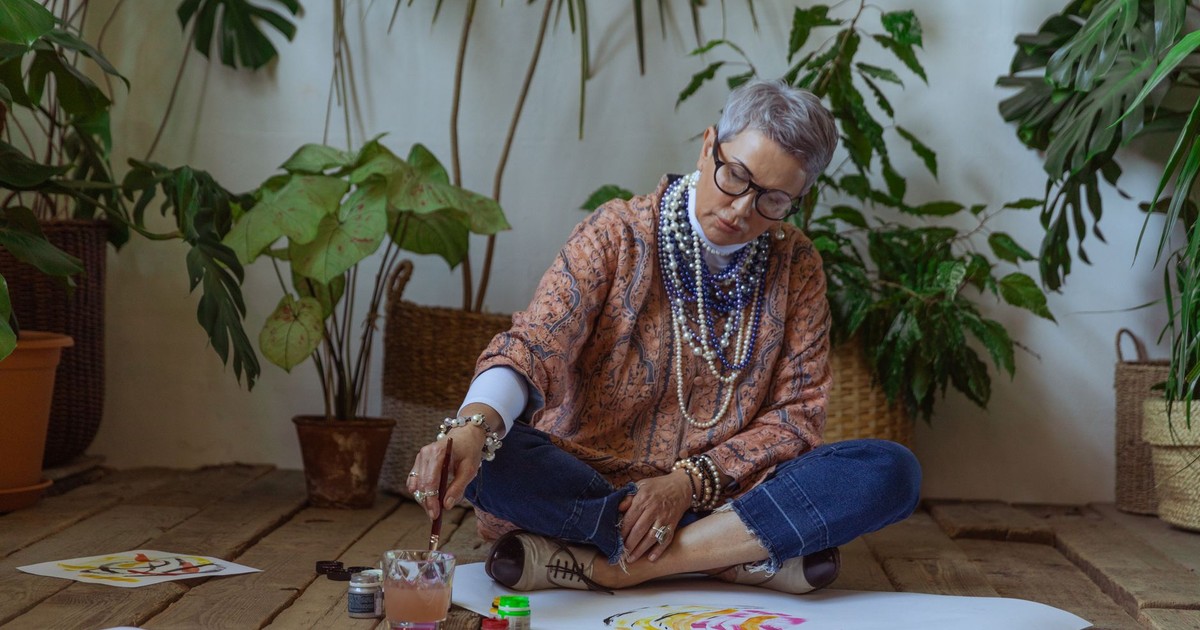
Watercolor has a reputation as a genteel hobby for people who like to sit in gardens, and while that is not entirely wrong, it undersells what the practice actually demands. Watercolor is technically one of the hardest visual art forms to master because it punishes overworking. You have to commit. The paint dries the way it dries, and your relationship with uncertainty is going to get a workout whether you wanted that or not.
For retirees, that quality is actually part of the appeal. The emphasis on process over product, on the act of looking closely at something and translating what you see, gives the brain something genuinely specific to do. Local art centers and community colleges almost universally offer beginner watercolor classes, and the startup cost is remarkably low – a basic set of paints, a few brushes, and a pad of proper watercolor paper will get you through the first several months.
Many painters find that the habit of looking changes how they move through the world. You start noticing light differently. You start paying attention to the colors in a cloudy sky or the way shadow falls on a stone wall. For people who have spent thirty years looking at spreadsheets and inboxes, that shift in attention can feel like rediscovering a sense they had forgotten they owned.
3. Genealogy and Family History Research

Genealogy has undergone a complete transformation in the last decade. Between digitized archives, DNA testing platforms like AncestryDNA and 23andMe, and international databases of immigration, census, and military records, a committed researcher can travel several generations in a single afternoon.
The appeal for retirees who enjoy learning is that genealogy is genuinely interdisciplinary. A single ancestor’s story can pull you into the history of a specific city, a migration pattern, a war, a religious movement, or an economic collapse. You end up reading history not as a survey course but as a personal detective story, and the discoveries – the great-grandmother who immigrated alone at seventeen, the ancestor who appears in two census records under entirely different names – land with a weight that no textbook equivalent can match.
The research skills you develop are transferable. Learning to evaluate primary source documents, cross-reference conflicting records, and build a coherent narrative from fragmentary evidence is the same work historians do professionally. Many genealogists eventually write up their findings as family memoirs, which gives the whole project a satisfying long arc: you start with a question about a surname and end up with a document your grandchildren will actually want to read.
4. Memoir and Creative Writing
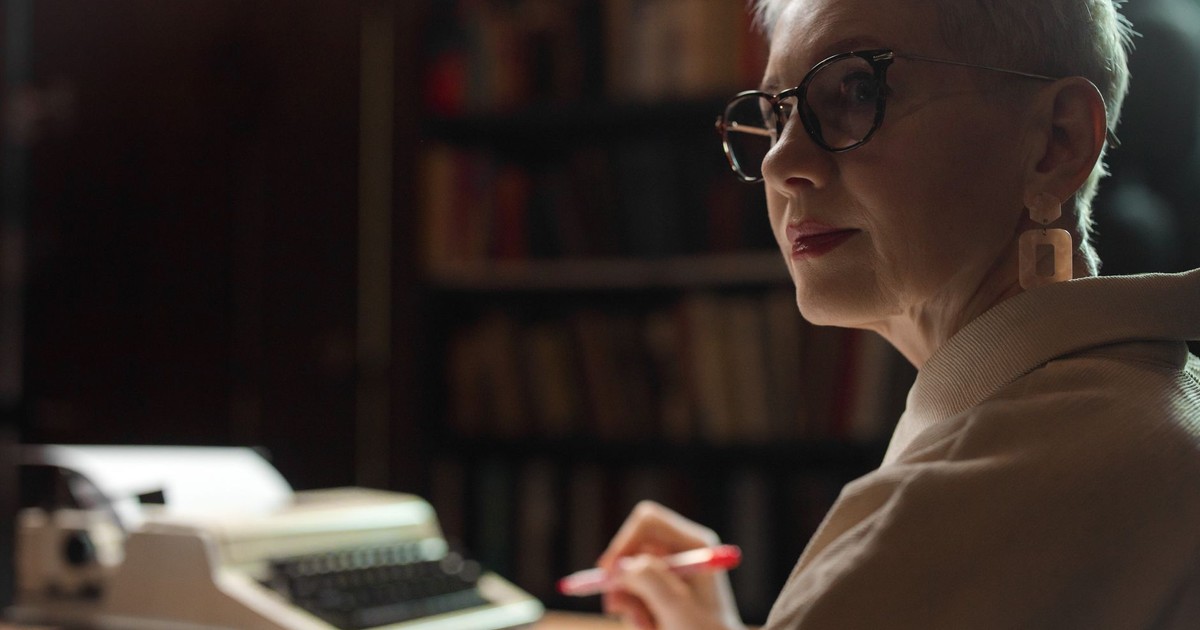
Most people who lived interesting lives did not stop to write any of it down while it was happening. Retirement is when that starts to feel like a loss. The stories about your parents, your early career, the places you lived before anyone had a smartphone – they are not written anywhere, and you are the only person who has them.
Memoir writing is not the same thing as keeping a diary, though it can start there. A diary records what happened. A memoir asks what it meant. The craft of memoir involves choosing the scene that captures something true, finding the sentence that carries the weight of a whole decade, understanding why a particular moment is worth preserving and what it illuminates about a life. That is not easy work, but it is absorbing, and the learning curve is real enough to keep the brain genuinely occupied.
Writing groups for adult learners exist in most cities and virtually everywhere online. The community element matters enormously: having readers, even a handful of them, changes the way you write. You develop an instinct for what another person needs to understand your story. You get better at being specific. And somewhere in the process of writing it all down, a lot of people find that they understand their own lives slightly differently than they did before they started.
5. Bird Watching
Bird watching has a mild branding problem. It conjures binoculars and sensible shoes and a particular kind of hushed enthusiasm that can read as eccentric. The reality is that serious birding is one of the most cognitively demanding outdoor hobbies available, and it has the additional advantage of being completely free.
Learning to identify birds – not just the obvious ones, but the confusing fall warblers, the distant raptors, the shorebirds that all look identical at a glance – requires building an internal library of shapes, behaviors, sounds, and habitats. It requires patience of a specific kind: the willingness to wait without checking your phone. It also gets you outdoors regularly, in settings where close attention to your surroundings is half the point.
Local Audubon Society chapters run free and low-cost field trips geared for beginners, and the learning happens naturally in the field alongside more experienced birders. The goal posts keep moving, too – there is always a new species to learn, a new habitat to explore, a harder identification to crack – which means the engagement never plateaus.
6. Learning a Musical Instrument
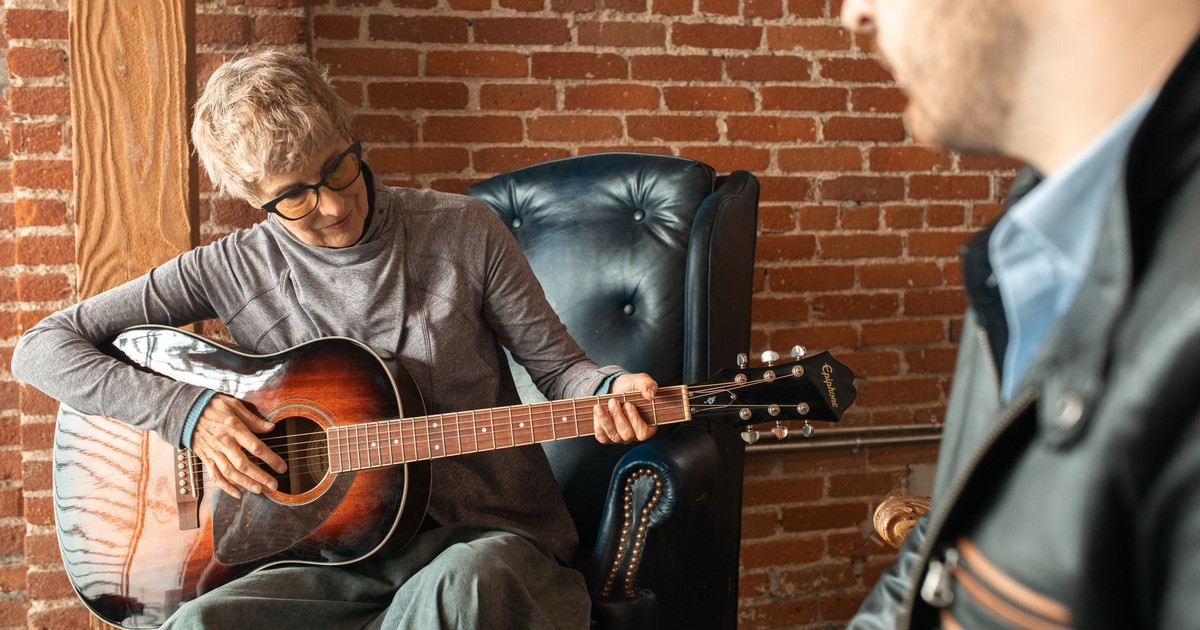
The research on music and the aging brain is some of the most consistent in cognitive science. Playing an instrument combines fine motor coordination, auditory processing, memory, and emotional engagement simultaneously — what researchers describe as complex multimodal stimulation that may help preserve cognitive and brain health in later life.
The assumption that this window has closed is the main obstacle, and it is simply wrong. Many music teachers say their older students are among their most dedicated and rewarding pupils. Adults bring patience and intentionality to learning that children often don’t have yet. They practice more deliberately, ask better questions, and are generally not in a hurry to play at a recital until they’re ready.
The piano is the traditional starting point, and for good reason – the visual layout of the keys makes music theory intuitive in a way that stringed instruments don’t. But the ukulele is having a genuine moment among adult beginners because it produces satisfying sound quickly, is gentle on fingers, and weighs about as much as a paperback novel.
7. Gardening
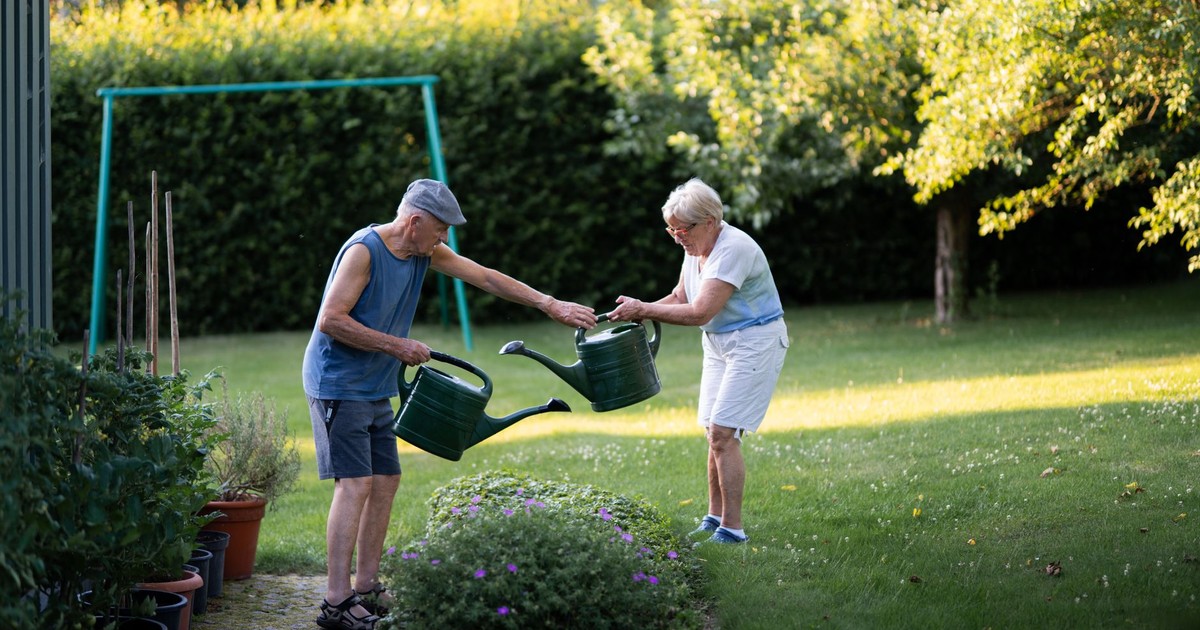
Gardening is one of those hobbies that starts as a practical decision – a few tomato plants, some herbs on the windowsill – and quietly becomes something you can’t imagine your life without. The tactile engagement with soil, weather, and the particular demands of individual plants offers a form of multisensory attention that is hard to replicate indoors.
According to National Geographic, even lighter activities such as planting seeds, watering, and pruning may support cognitive and mental health, and a 2024 study of older adults showed that frequent garden work was associated with a reduced risk of developing dementia. The physical side is real too: digging, bending, carrying, and kneeling add up to more exercise than most gardeners think they’re getting, and all of it is low-impact enough to be sustainable across decades.
Community gardens have expanded dramatically in recent years, and for retirees who don’t have outdoor space or who are drawn to the social element, they offer something a private garden doesn’t. Research from allseniors.org shows that seniors participating in gardening programs report a 25% decrease in feelings of loneliness within months. If you have never had a garden and don’t know where to start, most community programs welcome absolute beginners and match them with more experienced growers – which is, incidentally, also a fast way to make friends.
8. Astronomy and Stargazing
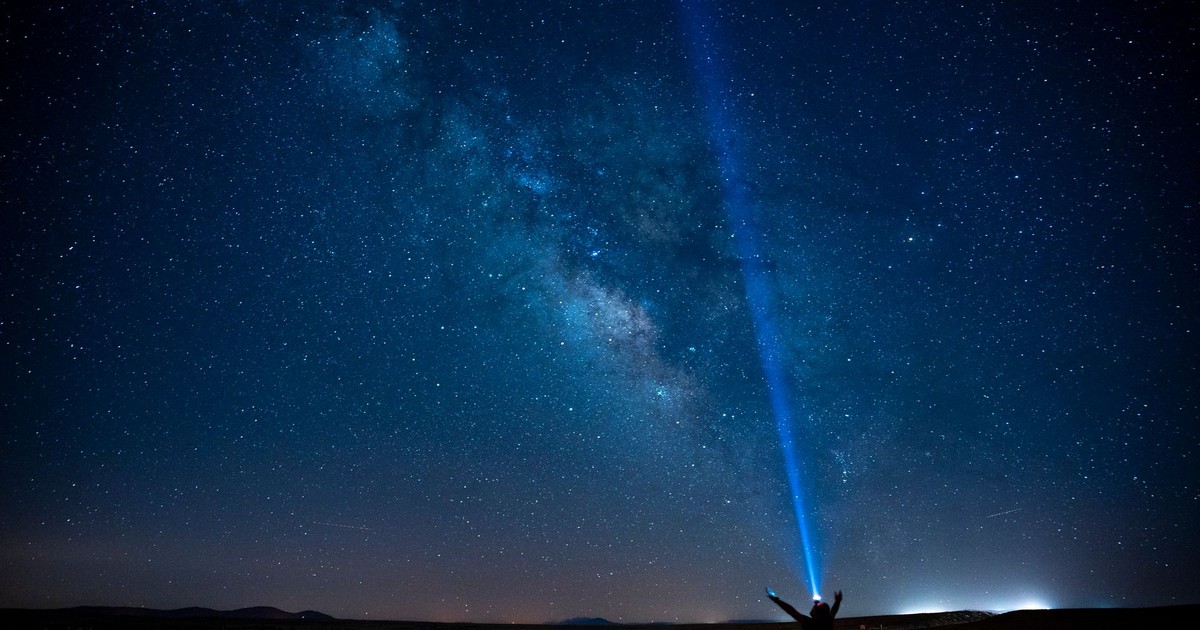
Astronomy is one of the few hobbies where the learning curve goes essentially forever. The universe is large enough that even professional astronomers spend entire careers on a single galaxy, and the amateur version of the hobby is rich and deep enough to occupy a lifetime of curiosity without ever running out of new territory.
Starting out requires less equipment than the hobby’s reputation suggests. A decent pair of binoculars is enough to see the moons of Jupiter on a clear night, and a mid-range telescope opens up nebulae, star clusters, and the surface of the moon in ways that photographs cannot adequately communicate. Apps like SkySafari and Stellarium have made learning the night sky dramatically more accessible, because you can simply hold your phone up and identify what you’re looking at in real time.
Astronomy clubs exist in almost every mid-size city and most smaller ones, and they typically run regular public observation nights. The sky also changes seasonally in ways that keep the hobby genuinely new – what’s visible in January is different from what’s overhead in August, and each season brings its own targets and challenges.
9. Pottery and Ceramics
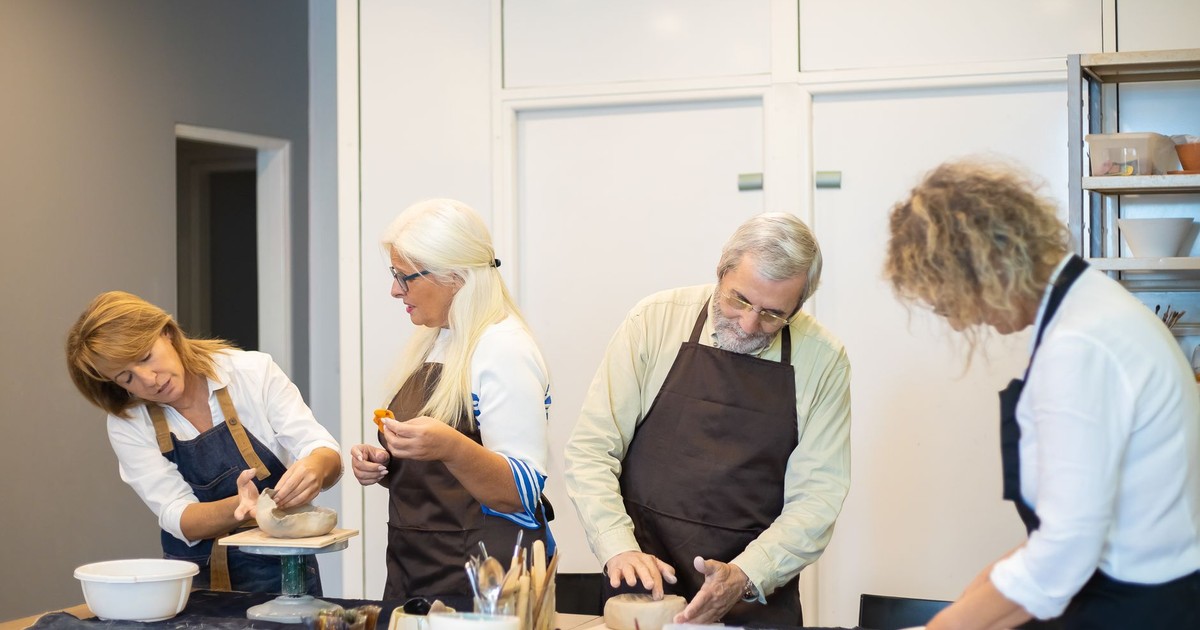
There is something about working with clay that tends to be deeply settling for people who have spent their careers living in their heads. The material demands your full attention or it makes itself known immediately – walls collapse, bottoms crack, handles fall off. You cannot throw a pot while thinking about something else. That enforced presence is precisely what makes it valuable.
Ceramics classes at community art centers fill up faster than almost any other offering. The learning arc is long enough to stay interesting: wheel throwing, hand building, glazing, and firing are each their own discipline with their own challenges, and most potters report that they are still discovering new things about the craft twenty years in. The combination of physical dexterity, spatial reasoning, and aesthetic judgment involved keeps the brain working in a particular way that very few other hobbies match.
The social element of a shared studio is worth noting as well. Unlike solitary crafts practiced at home, ceramics typically happens in a community space alongside other learners. The kiln schedule, the shared tools, the common language of critique and encouragement – all of it creates a rhythm of belonging that many retirees find they missed more than they realized.
10. Volunteering and Community Service
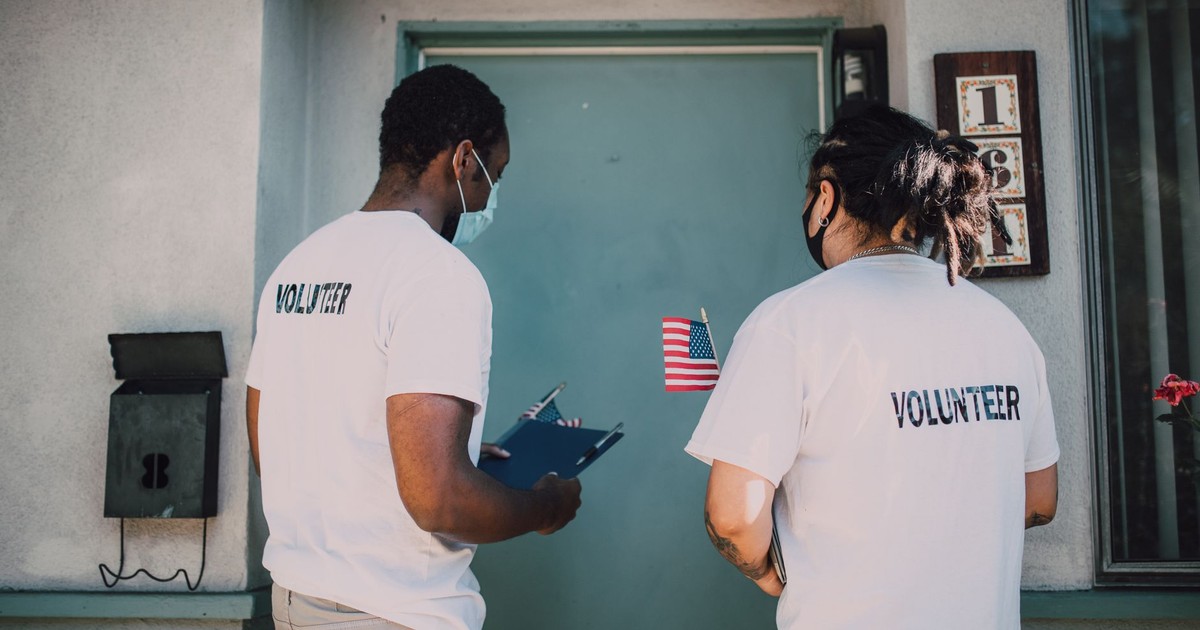
Volunteering is not typically framed as a hobby, but for retirees who are genuinely curious about the world and want their time to matter, it functions as one. A 2025 study published in PMC found that volunteering is associated with reduced loneliness and depressive symptoms among older adults, and may promote both social engagement and psychological well-being.
The breadth of options is broader than most people realize. Literacy tutoring, museum docenting, hospital reading programs, trail maintenance, food bank coordination, hospice companion programs – each of these puts you in contact with a domain you may never have encountered professionally, with skills and knowledge specific to that world. Many retirees who take up museum docenting, for example, end up spending months reading art history, studying specific collections, and developing a level of expertise that would have been hard to justify during a working life.
The effect on mental health is particularly marked. The combination of purpose, structure, social contact, and the experience of being genuinely needed turns out to be difficult to replicate any other way. For retirees who spent decades measuring their days by deliverables and deadlines, the shift to measuring them by connection and contribution tends to feel less like retirement and more like a second career they actually chose.
11. Digital Photography

Photography has always been a hobby that rewards curiosity, but the digital era has added a dimension that previous generations of hobbyists didn’t have: instant feedback. The gap between taking a shot and understanding why it worked or didn’t has collapsed to seconds, which means the learning cycle is dramatically faster than it was in the days of film.
For retirees who enjoy lifelong learning, photography is particularly well suited because the discipline pulls in so many directions at once. There is the technical side: understanding exposure, aperture, focal length, and light. There is the compositional side: learning to see in the particular way that photographs require, which means understanding foreground, background, leading lines, and the decisive moment. And there is the post-processing side, where photo editing software like Adobe Lightroom can become its own extended learning project.
Photography also gives you a reason to go places and pay attention when you get there. Many retirees find that the camera becomes a justification for travel, for early mornings, for standing in interesting places and staying long enough to really look. Local photography clubs offer critique sessions, group outings, and exhibition opportunities, and the presence of an audience for your work turns out to matter more to the learning process than doing it alone.
12. History and Online Learning

The formal education many retirees wish they had been able to afford or had time for is now largely free. Platforms like Coursera, edX, and Yale’s Open Yale Courses offer university-level instruction in everything from ancient civilizations to constitutional law, without requiring an application, tuition, or anyone else’s schedule.
History is one of the most popular subjects among adult learners, in part because it rewards prior knowledge in a way that STEM subjects sometimes don’t. Every decade of lived experience gives you another lens through which to read the past, and the closer you look at any historical period, the more it turns out to have in common with the present in ways that feel both illuminating and a little alarming. The Wars of the Roses are considerably more relatable when you have watched a few organizational power struggles up close.
The advantage of online learning for retired students specifically is the ability to go as deep as you want without a class moving on. You can spend three weeks on a single lecture, follow the footnotes into primary sources, and engage with the material at a pace that actually produces understanding rather than coverage. Many online courses also include discussion forums where adult learners argue about history, literature, and economics with a level of seriousness that most university seminars might envy.
13. Travel With a Learning Focus
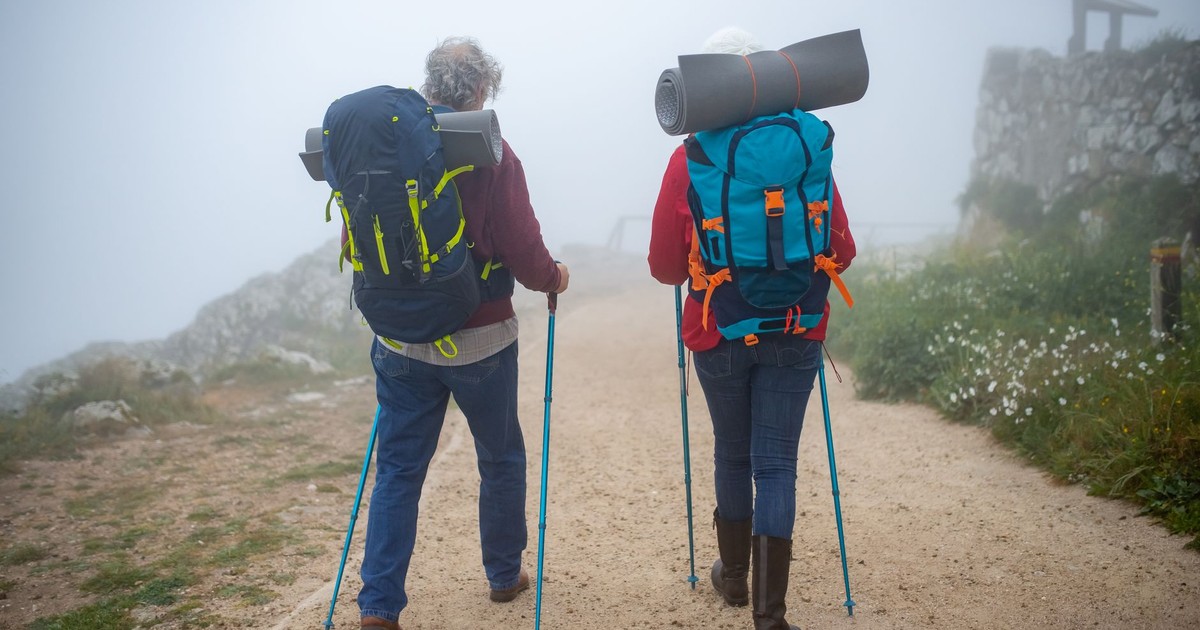
Travel for its own sake is one thing, and there is nothing wrong with a week on a beach. But travel organized around specific learning – an archaeology dig in Greece, a whale research program in Iceland, a cooking school in Oaxaca, a literary tour of Ireland – delivers something fundamentally different, and it tends to be what people mean when they describe a trip as life-changing.
Educational travel programs for adult learners have expanded significantly in recent years, ranging from university alumni expeditions to citizen science programs where participants contribute real data to ongoing research projects. Road Scholar, the largest educational travel organization for adults 50 and older, runs programs on every continent, pairing expert-led learning with genuine immersion in local culture. Many programs are designed specifically for solo travelers, which makes this an accessible option even for people who are no longer traveling with a partner.
The combination of novelty, cognitive challenge, physical movement, and social engagement that educational travel provides is almost exactly what the research describes as beneficial for the aging brain. You are learning something new in a context that demands your full attention, surrounded by other curious people, in a place that is completely outside your ordinary routine.
What Stays With You

The hobbies that actually change people’s retirement years are not always the ones that look impressive on paper. Sometimes it’s the watercolor class taken because a friend dragged them along, or the genealogy search started to answer one question about an immigrant ancestor that ended up consuming three years. Sometimes it’s bird watching, which sounds like the gentlest possible way to spend a Tuesday morning and turns out to involve standing in a marsh at 5:30 a.m. completely absorbed in the identification of a confusing sparrow.
What tends to unite all of them is the presence of a genuine learning edge – the experience of not knowing something and working to know it. Older adults who engage in continuous learning show improved memory, better problem-solving skills, and lower risk for dementia. But beyond the research, there is something harder to measure and equally real: the feeling of being someone who is still in the middle of something, still building toward something, still curious enough to care what happens next.
Some of these patterns of engagement go back further than retirement does. The people who find the most satisfying hobbies for retirees are often the ones who were always like this – the ones who stayed late to ask one more question, who read the footnotes, who couldn’t quite leave an interesting problem alone. Retirement doesn’t create that quality. It just finally gives it somewhere to go.
Disclaimer: This information is not intended to be a substitute for professional medical advice, diagnosis, or treatment and is for information only. Always seek the advice of your physician or another qualified health provider with any questions about your medical condition and/or current medication. Do not disregard professional medical advice or delay seeking advice or treatment because of something you have read here.
AI Disclaimer: This article was created with the assistance of AI tools and reviewed by a human editor.