

The homes of genuinely curious people share a pattern that takes a moment to name. There’s always something in progress – a half-finished puzzle, a guitar that has clearly been played this week, a whiteboard with actual writing on it. Nothing about the space announces intelligence. It just announces that someone in it is in the middle of something, and never really stops being in the middle of something.
Intelligence doesn’t decorate itself for company. It accumulates. The items that tend to cluster in the homes of people with high IQs are rarely status symbols – they’re tools, outlets, and anchors for a mind that doesn’t switch off when the workday ends. Psychologists who study the relationship between environment and cognition have started paying closer attention to what those homes actually contain, and the patterns are specific enough to be surprising.
These aren’t items you’d find on a “smart home essentials” product list. Most of them cost almost nothing. Several of them are famously associated with disorder, distraction, or a personality type that polite society used to frown upon. All eleven of them have a genuine connection to how highly intelligent minds operate – and it’s a more interesting list than you might expect.
1. A Deliberately Imperfect Workspace
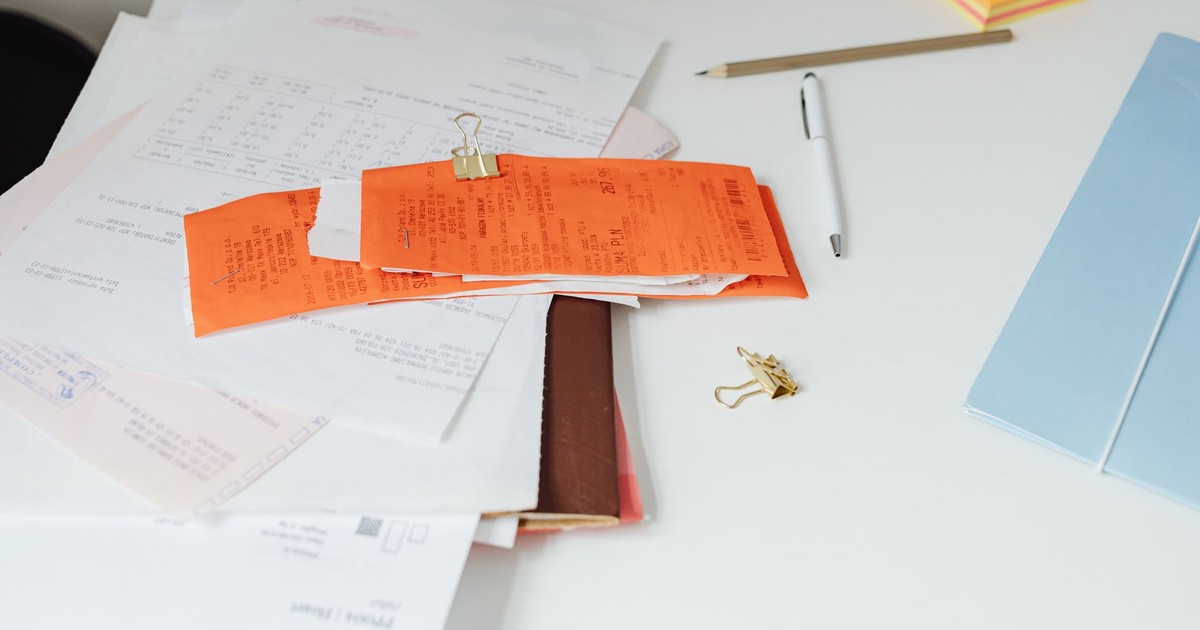
The first thing to put to rest is the myth that intelligence and tidiness go together. A study conducted by psychological scientist Kathleen Vohs and her fellow researchers at the University of Minnesota found that disorderly surroundings can encourage creativity and innovative thinking, with findings published in Psychological Science. Researchers divided participants into two groups: one worked in a tidy room, while the other worked in a cluttered space. Both groups generated ideas, but the participants in the messy room came up with more original and unconventional solutions. Vohs noted that while clean environments promote order and socially acceptable behavior, messy spaces inspire people to break free from tradition and explore new ideas.
Highly intelligent people tend to leave clutter and occasional messiness in their homes, and this is one of the fundamental traits of high-IQ individuals. The workspace of a high-IQ person often looks, from the outside, like a disaster zone – but ask them where anything is and they’ll walk straight to it. There’s a system. It’s just not one that was designed to impress visitors.
It isn’t only creativity and curiosity that sidetracks highly intelligent people from tidying up – they actually tend to work best in a cluttered space full of inspiration and passion. Living in a crowded environment can sometimes stifle creativity and spark stress, but for high-IQ people, a little mess is rarely the problem. The workspace, whether it’s a dedicated office or just a corner of the kitchen table covered in notebooks and coffee cups, is where the real thinking happens. Keeping it “clean” would feel like erasing a chalkboard mid-equation.
2. A Well-Stocked Bookshelf (That Is Actually Read)

No surprises here, but the specifics matter. This isn’t a shelf of aspirational hardcovers arranged by spine color. It’s a shelf with broken spines, dog-eared pages, pencil annotations in the margins, and at least three books that are currently being read simultaneously. A supportive home environment rich in books, artistic materials, or encouragement for original thinking may function as a positive “press” that helps people think outside the box, according to a 2025 PISA Creative Thinking analysis drawing on data from more than 15,000 students across 60 countries.
The books themselves tend to span categories in ways that don’t make obvious sense. A biography of a 19th-century mathematician sitting next to a novel, next to a book about deep-sea ecology, next to something on behavioral economics – that’s not showing off. That’s how a curious mind grazes. High-IQ people rarely read in straight lines.
What also distinguishes the bookshelves in these homes is that they keep growing. Books arrive and don’t always get finished, but the acquisition itself is purposeful. The shelves are a kind of external memory – a record of every rabbit hole that seemed worth following, even if life interrupted before the last chapter.
3. A Musical Instrument

This one turns up in survey after survey, and the research behind it is solid. According to a 2024 scoping review on music and emotion regulation, music feeds into emotional self-regulation through behaviors like self-reflection, coping with stress, social bonding, and managing emotions. Highly intelligent people usually have a musical instrument of some kind in their home, or at the very least something that promotes music in their day-to-day routine, like noise-canceling headphones or a radio.
The instrument doesn’t have to be mastered. A guitar that gets played for twenty minutes on a Tuesday night. A keyboard with headphones. A ukulele that has been “almost learned” for three years. The point is the engagement – the deliberate practice of something that requires both technical precision and emotional expression. Playing music has been shown to improve cognitive function, often giving people a boost when it comes to speaking and reading, and the hours of practice teach self-regulation, goal-setting, and self-discipline.
That combination of logic and feeling is a place where highly intelligent minds tend to find genuine relief from the relentless problem-solving that fills the rest of their day. Playing music doesn’t require being right. It just requires being present. For people whose brains rarely stop running, that’s a more valuable thing than it sounds.
4. A Journal (or Several)

Journaling is one of the most practical ways to build emotional intelligence and better regulation skills as well as reflective tendencies in daily life. A person with a high IQ almost always has a journal lying around their home. Whether they’re unpacking something difficult or simply “brain dumping” on the page to cope with stress or anxiety, high-IQ people practice their emotional intelligence through journaling.
The journal in question might be a battered composition notebook with illegible handwriting, a specific brand of dot-grid book they’ve been buying for years, or even a folder of documents on their laptop – but the practice is remarkably consistent. High-IQ people tend to think by writing. The page is where an idea stops being a vague feeling and becomes an actual thought they can look at, turn over, and argue with.
These aren’t usually pristine, Pinterest-worthy journals with color-coded tabs and washi tape. They’re functional. Pages get torn out. Whole sections get crossed through. The mess inside the journal mirrors the mess on the desk – both are signs of a mind actively at work, not one performing tidiness for its own sake.
5. A Puzzle or Strategy Game
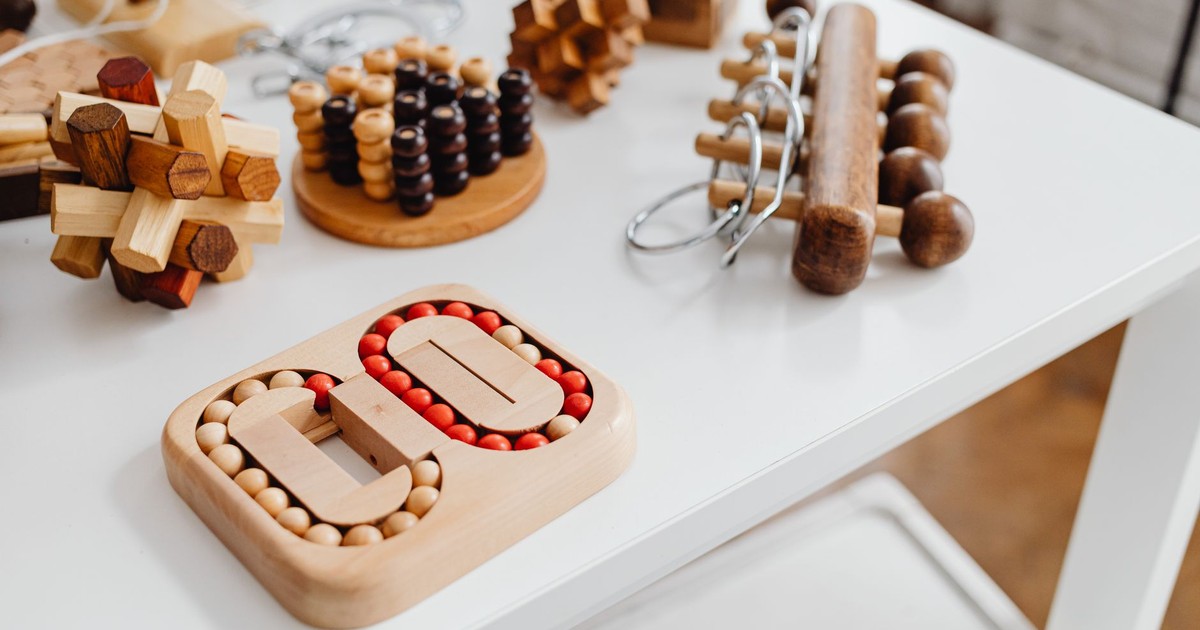
Chess sets, complex jigsaw puzzles, Rubik’s cubes that have been partially solved and then set down, strategy board games that require forty-five minutes to explain – these things collect in the homes of highly intelligent people the way cooking equipment collects in the homes of people who genuinely love to cook. They’re not decorative. They get used.
The appeal is straightforward: high-IQ people are drawn to problems that require sustained mental effort and reward careful thinking over lucky guessing. A good puzzle or strategy game provides exactly that – a closed system with rules, stakes, and the specific satisfaction of having genuinely earned the answer. Intelligence brings real advantages. Smarter people learn faster, solve problems better, and remember information longer. Games that stretch those capacities tend to become a permanent fixture, not a passing phase.
What’s interesting is that these items often live in communal spaces – the living room table, the kitchen counter – which says something about how high-IQ people think about leisure. It isn’t purely private. It’s something they want to share, to pull other people into, to use as a prompt for the kind of conversation that goes somewhere rather than circling the same comfortable topics.
6. House Plants (and the Research to Back Them Up)

This one sounds deceptively low-key. Research examining the relationship between home environments and creative thinking, drawing on PISA 2022 data from 15,425 students across 60 countries, investigated how strongly exposure to cultural, educational, and natural resources at home is associated with creativity, and whether students perform better on divergent thinking tasks when physically or digitally stimulated. Nature-based elements in the home consistently appear in the picture.
High-IQ people tend to keep plants not as decoration but as something closer to a commitment. A plant requires attention. It gives visible feedback. It lives or dies based on whether you’ve been paying attention, which turns out to be the kind of low-stakes responsibility that satisfies something in a mind that’s otherwise tracking seventeen larger things at once. There’s also something about the patience a plant demands that appeals to people who understand the value of long-term thinking.
The plants in these homes are also frequently interesting plants – something unusual, something that required a little research to keep alive, something with a backstory. Not just a succulent on a windowsill. An orchid that took eighteen months to rebloom. A fig tree that has been repotted twice. Something with a history.
7. Noise-Canceling Headphones

According to Eric Schumacher, a Georgia Tech associate psychology professor who co-authored research on the topic, “People with efficient brains may have too much brain capacity to stop their minds from wandering.” This is actually one of the more illuminating things research on high-IQ minds has turned up: more cognitive capacity doesn’t always mean more focus. It often means more susceptibility to distraction, because the brain is running more threads simultaneously and is more easily snagged by competing inputs.
Noise-canceling headphones are the practical solution to that problem. They’re not about antisocial behavior. They’re about signal management. The person who genuinely needs two hours of uninterrupted concentration to finish what they’re working on has discovered that headphones are the fastest way to create that condition without having to relocate, renovate, or ask everyone in the household to stop existing audibly for a while.
What often accompanies the headphones is a specific, established playlist or audio environment that the person returns to every time deep work is required – the same album played through from start to finish, a particular genre, or a specific type of ambient sound. It becomes a ritual, and rituals are something that high-IQ people create deliberately around the conditions that help them think.
8. A Dedicated Writing or Thinking Space
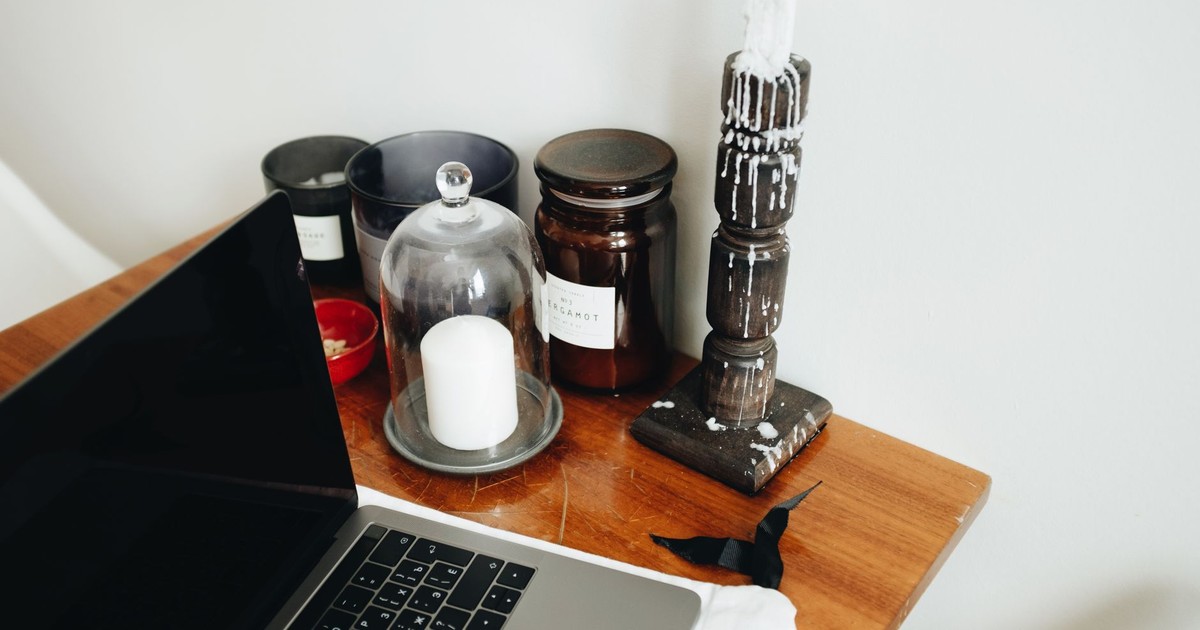
This is different from the messy workspace described earlier. That’s where the active work happens. This is a specific corner, chair, windowsill, or room that is protected – even if it’s only protected by an unspoken agreement with the other people in the house. It’s the place where thinking gets done when thinking needs to happen without interruption.
High-IQ people who develop strong thinking habits are consistent about the importance of conditions. They know from experience that their best thinking doesn’t happen on demand in any environment – it happens in specific conditions, and they’ve usually figured out what those conditions are. A particular chair, a specific time of day, a view that their eyes can wander to without their brain actually having to engage with it.
The space itself is often unremarkable. A reading chair next to a lamp. A small desk in a corner that no one else uses. The unremarkableness is part of the point. The function is everything, and the function is to create a reliable physical location for a specific mental state. Intelligent people understand, often without being able to fully articulate it, that thinking well is something you have to engineer, not just attempt.
9. Reference Books and Nonfiction That Skews Specific

Not just general nonfiction – books about specific, narrow topics. A history of salt. An atlas of unusual cartography. A detailed account of how the internet was actually built, written for people who want to understand the engineering. These books sit alongside the novels and the broader titles, and they reveal something important about how high-IQ minds approach knowledge: not as a performance but as a genuine appetite.
Finding oneself deep in research on some obscure topic may seem unusual to some people, but according to research, it may indicate above-average intelligence. The result may be a collection of highly specific knowledge, but it’s fuel for the deep conversations that highly intelligent people tend to seek out. The reference books at home are the physical residue of that habit – proof that once a topic becomes interesting, it gets followed all the way down.
These books also tend to be annotated. Margins filled in. Post-it notes sticking out at odd angles. A high-IQ reader is rarely a passive reader. They’re in conversation with the text, agreeing, pushing back, making connections to something three books back on the shelf. The books in their home are not finished objects. They’re ongoing arguments.
10. Art Supplies or a Creative Outlet in Physical Form

Not everyone with a high IQ paints. But a striking number of highly intelligent people have some form of creative outlet that involves their hands and produces something tangible – drawing materials, a sketchbook, woodworking tools, a sewing kit, camera equipment, or a dedicated corner for whatever their version of making things is.
The reason isn’t that intelligence and artistic talent automatically travel together. It’s that high-IQ people tend to need an outlet that operates on completely different logic from their primary work. Something where the goal isn’t to be right, where mistakes are part of the process rather than problems to be solved, and where the output can be evaluated by feel rather than by analysis. Professor of psychology Anna-Lisa Cohen, Ph.D., notes that daydreaming is a great way to “become a more flexible, open, and creative thinker.” The physical creative practice serves a similar function – it keeps the mind flexible by exercising a completely different set of its capacities.
Art supplies in particular also tend to be present even when the person isn’t actively making anything in that season of their life. The sketchbook is there. The colored pencils haven’t been touched in months. But they’ll be picked up again eventually, because the impulse to make something doesn’t go away – it just waits.
11. A Whiteboard or Large-Format Writing Surface

This is the item that most reliably gets a laugh of recognition when it comes up. The whiteboard – or the chalkboard, or the enormous roll of craft paper on the wall, or the glass door that has been pressed into service as a writing surface – is one of the most consistent high IQ home items you’ll find, and it says something very specific about how certain minds prefer to think.
Highly intelligent people frequently think spatially. Ideas need to be spread out, connected with lines, reorganized, and seen all at once. A notebook is too linear. A screen is too small and too easily closed. A whiteboard gives them the ability to externalize the inside of their head and walk around it. Writing large also changes how the thinking feels – it’s harder to be tentative when you’re using your whole arm to form the letters.
People with high IQs don’t just think differently – they often live differently. According to psychologists, certain everyday habits appear again and again in people with elevated intelligence. These patterns have little to do with academic success and more to do with how they approach life. The whiteboard is the purest expression of that: a tool that exists for thinking’s sake, not for display, not for productivity theater, and definitely not because it looks good in the room. It’s usually covered in something that would mean nothing to a visitor but represents weeks of working through a problem. Leave it there. They know exactly what it says.
What These Items Are Really Telling You

None of these eleven things guarantee anything about the person who owns them. A whiteboard full of shopping lists is just a whiteboard full of shopping lists. A half-read book is sometimes just a half-read book. The items themselves aren’t the point – the habits behind them are.
What psychologists keep finding is that high-IQ people tend to build environments that support the way their minds actually work, rather than environments designed to signal who they are. The clutter isn’t laziness. The instruments aren’t performance. The journals and the puzzles and the headphones and the plants are all solutions to specific problems that a restless, curious, fast-moving mind generates – how to think without interruption, how to make something with your hands when analysis stops being satisfying, how to remember the idea you had at 11pm before it disappears by morning.
Look around your own home. If several of these things are already there – used, not displayed – you probably already know what that means. And if a few are missing, you also already know which ones your brain has been quietly asking for.
AI Disclaimer: This article was created with the assistance of AI tools and reviewed by a human editor.