

Most nights, the last thing you eat before bed is whatever’s left on the counter or whatever’s easiest to grab. A handful of something, maybe a few crackers, maybe nothing at all. Nobody’s judging. But nutrition researchers have been quietly building a case that what you eat in the evening hours can do a lot more than just tide you over until morning. Specifically for women, the foods you choose at night may influence how gracefully your body ages over the long haul.
This isn’t about restrictive eating or any new trendy protocol. It’s simpler than that. Think of your evening hours as a window your body uses to repair itself while you sleep, and what you eat right before that window closes can either support that process or work against it. The difference, according to recent research, comes down to some surprisingly ordinary foods.
If you’ve been curious about nighttime foods for anti-aging or wondering what foods that slow aging for women actually look like in practice, the research now has some genuinely interesting things to say. None of them require a prescription, a specialty store, or more than a few minutes in the kitchen.
What the Research Actually Says About Food and Aging
Before getting into the specific foods, it helps to understand why what you eat at night matters in the first place. Aging isn’t just about wrinkles or gray hair. Researchers define it biologically as the gradual accumulation of cellular damage, chronic inflammation, and the decline of the body’s repair systems over time.
A major 2025 longitudinal study tracked 105,015 participants, 66 percent of them women with a mean age of 53, for up to 30 years. The findings were sobering in one sense and motivating in another. Only 9.3 percent of participants achieved what researchers defined as “healthy aging”, meaning they reached age 70 free of major chronic diseases, with their cognitive, physical, and mental health intact. Less than 1 in 10. That’s not a great statistic. But here’s what makes it useful: the study also showed that diet was one of the clearest levers women could actually pull.
Eating more plant-based foods is linked to healthier aging. Women who ate the most plants and the least processed foods were almost twice as likely to stay healthy as they got older compared to those who ate fewer plants.
Higher intake of ultra-processed foods, especially processed meat and sugary or diet beverages, was associated with lower chances of healthy aging across every outcome the study measured. This matters because so many common nighttime snacks fall squarely into that category.
What Do Nutrition Researchers Recommend for Slower Aging in Women?
The honest answer is that no single food is a silver bullet. What researchers point to, consistently, is a pattern: foods rich in antioxidants (compounds that neutralize cell-damaging molecules called free radicals), anti-inflammatory nutrients, and compounds that support the body’s hormonal and cellular repair systems. For women specifically, the hormonal angle becomes more important with age. A 2026 peer-reviewed review in Frontiers in Endocrinology identified polyphenols, including turmeric, green tea catechins, soy isoflavones, and ginger, for their potent antioxidant and anti-inflammatory properties relevant to aging in postmenopausal women.
That same review found that diets enriched with anti-inflammatory and phytoestrogen-containing foods, phytoestrogens are plant compounds that partially mimic estrogen in the body, have been repeatedly linked to reduced severity of vasomotor symptoms (like hot flashes) and better preservation of bone density in peri- and postmenopausal women. The evening meal and nighttime snacking habits are, for many women, the easiest and most consistent place to start making those changes.
7 Nighttime Foods Linked to Slower Aging
1. Tart Cherries
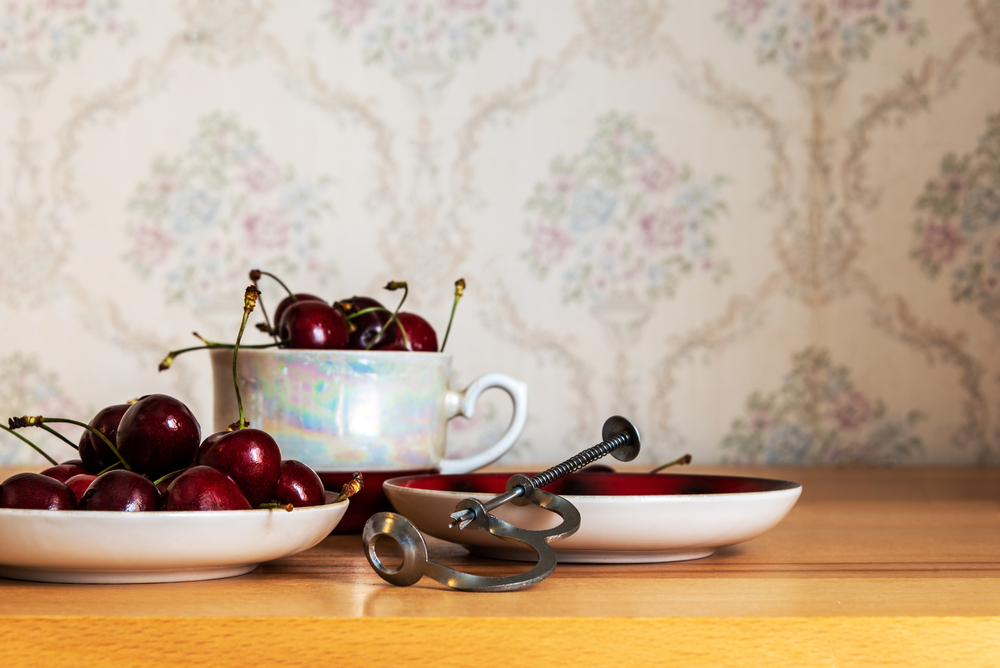
If there’s one food that researchers keep coming back to in the context of nighttime consumption and aging, it’s tart cherries. They’re not just a sleep aid in fruit form, their anti-aging credentials go several layers deeper.
A peer-reviewed review from Advances in Nutrition (via NIH) noted that tart cherries are of particular research interest because they contain tryptophan, serotonin, and melatonin simultaneously, three compounds involved in sleep regulation and cellular repair. Melatonin isn’t just the hormone that makes you drowsy. It’s also a potent antioxidant that the body uses overnight to repair oxidative damage, the cellular wear and tear that contributes to faster aging.
A randomized, double-blind, placebo-controlled study found that consuming Jerte Valley cherry cultivars at 200 grams per day, twice daily for three days, significantly increased urinary levels of a key melatonin metabolite in both middle-aged (35-55) and elderly (65-85) men and women. A small handful of tart cherries or a small glass of tart cherry juice in the evening is one of the most evidence-backed nighttime choices for women focused on anti-aging nutrition.
2. Walnuts
Walnuts are one of those foods that keep appearing across multiple areas of research, and for good reason. According to the same NIH-reviewed research, walnuts are among the foods rich in melatonin relevant to nighttime consumption, making them a logical choice for an evening snack. But the melatonin content is just the starting point.
Walnuts are also one of the best plant-based sources of alpha-linolenic acid (ALA), a type of omega-3 fatty acid. Omega-3s are well-established as anti-inflammatory, and chronic, low-grade inflammation is one of the primary biological mechanisms researchers associate with accelerated aging. A small handful, roughly an ounce, is all you need. They’re easy to keep on a nightstand, pair well with a few pieces of dark chocolate, and require zero prep.
3. Almonds
Almonds share some of the same melatonin content as walnuts, but they bring a different nutritional profile to the table. The NIH-reviewed research also listed almonds among the foods rich in melatonin relevant to nighttime consumption. Beyond that, almonds are an excellent source of vitamin E, one of the key fat-soluble antioxidants that helps protect cell membranes from oxidative damage. They’re also rich in magnesium, a mineral that supports muscle relaxation and sleep quality, both relevant to overnight cellular recovery.
For women specifically, the magnesium in almonds is worth paying attention to. Magnesium levels often decline with age, and even mild deficiency has been associated with increased inflammation markers. A small evening portion of almonds gives you melatonin, vitamin E, and magnesium in a single, easy snack.
4. Tomatoes

Tomatoes aren’t usually the first food that comes to mind as a nighttime anti-aging food, but they probably should be. The NIH research identifies tomatoes as one of the foods rich in melatonin relevant to nighttime consumption. They’re also one of the richest dietary sources of lycopene, a powerful antioxidant from the carotenoid family that research has linked to reduced oxidative stress and lower inflammation.
Cooked tomatoes, like a simple tomato-based sauce or soup, actually deliver more bioavailable lycopene than raw ones. So a small bowl of tomato soup in the evening, or a few cherry tomatoes alongside dinner, checks multiple anti-aging boxes at once: melatonin for overnight repair, lycopene for antioxidant protection, and a low-calorie food that fits easily into any eating pattern.
5. Strawberries
Strawberries are easy to overlook as a serious anti-aging food because they seem too pleasant and ordinary to be doing much heavy lifting. They are, in fact, doing quite a bit. NIH-reviewed research includes strawberries among the melatonin-containing foods relevant to nighttime consumption.
They’re also loaded with vitamin C, a water-soluble antioxidant that plays a direct role in collagen synthesis, collagen being the structural protein that keeps skin firm and joints supple. As women age, collagen production naturally declines, making dietary support more valuable. A cup of strawberries in the evening is one of the simplest, most accessible ways to get antioxidant support alongside melatonin, with a sweetness that satisfies without the blood sugar spike of processed snacks.
Women looking to build healthy daily habits for longevity often find that small, consistent food choices, not dramatic overhauls, make the biggest difference over time.
6. Soy-Based Foods (Edamame, Tofu, Tempeh)
This one gets its own category because the evidence for soy and aging in women is particularly specific. The 2026 Frontiers in Endocrinology review highlighted soy isoflavones alongside turmeric, green tea catechins, and ginger for their antioxidant and anti-inflammatory properties relevant to aging in postmenopausal women.
Soy isoflavones are a type of phytoestrogen, a plant compound that can partially mimic estrogen in the body. As estrogen declines during perimenopause and menopause, the protective effects it once provided (for bone density, cardiovascular health, skin integrity) begin to diminish. The same 2026 review found that functional foods, including those with phytoestrogen content, partially emulate the protective roles of estrogen-mediated pathways that are diminished post-menopause. A small bowl of edamame, a portion of tofu, or tempeh as part of an evening meal is a practical, food-first way to incorporate soy isoflavones into your routine.
7. Turmeric (in Warm Milk or a Small Evening Dish)
Turmeric has been in the wellness conversation for years, but its relevance to aging in women is backed by more than social media trends. The 2026 Frontiers in Endocrinology peer-reviewed review specifically identified turmeric as one of the polyphenols with potent antioxidant and anti-inflammatory properties relevant to aging in postmenopausal women.
The active compound in turmeric is curcumin (the orange-yellow pigment responsible for its color), and it works primarily by dampening inflammatory signaling pathways in the body. Chronic, low-grade inflammation is sometimes called “inflammaging” by researchers, the slow-burning inflammation that accelerates cellular aging over decades. Turmeric consumed in the evening, whether stirred into warm milk, added to a light soup, or incorporated into a small evening dish, is an easy addition with a real research foundation behind it. One practical note: curcumin is fat-soluble and absorbs far better when consumed alongside a small amount of fat and black pepper, both of which increase bioavailability.
What About the Timing of Nighttime Eating?
A reasonable follow-up question is whether the timing of eating at night matters independently of what you eat. Nutrition researchers are still working through this question, but the current evidence suggests that what you eat matters more than the precise hour. The foods above are specifically relevant at night because of their melatonin content and their overnight repair support, your body’s cellular housekeeping happens largely while you sleep, and giving it the right raw materials beforehand makes logical sense.

The 2025 Harvard-linked longitudinal study also reinforced a broader point: it’s dietary patterns over time, not individual meals, that drive the outcomes most strongly associated with healthy aging. An evening snack of tart cherries or a handful of walnuts won’t undo years of ultra-processed food consumption. But consistently building anti-aging foods into your nighttime routine creates a pattern that, over months and years, adds up to something meaningful.
The study also noted that the synthesis of melatonin from dietary tryptophan is reduced in older individuals due to age-related declines in pineal gland function, making dietary sources of melatonin like cherries, almonds, walnuts, tomatoes, and strawberries progressively more important as women get older, not less.
What This Means for You
The research on nighttime foods for anti-aging isn’t asking you to overhaul your kitchen or follow a complicated plan. The best nighttime foods for anti-aging according to nutritionists are, almost universally, whole foods you already recognize: a small bowl of cherries, a handful of walnuts or almonds, some sliced tomatoes or strawberries, a portion of edamame, or a warm cup of turmeric milk. These aren’t exotic. They’re just specific, and now there’s solid research explaining why they’re worth choosing over the chips and crackers that tend to fill that evening snacking window.
For women specifically, the hormonal angle adds an extra layer of relevance. What foods should women eat at night to slow aging? Based on the current evidence, the answer prioritizes plant diversity, melatonin-containing foods that support overnight cellular repair, and phytoestrogen-rich options that help compensate for declining estrogen levels after midlife. You don’t need to eat all seven in the same evening. Start with one or two that actually appeal to you, build the habit, and let the pattern do the work over time. That’s what the research actually supports, and it’s a far more sustainable approach than anything that comes in a bottle labeled “anti-aging.”
Medical Disclaimer: This information is not intended to be a substitute for professional medical advice, diagnosis, or treatment and is for information only. Always seek the advice of your physician or another qualified health provider with any questions about your medical condition and/or current medication. Do not disregard professional medical advice or delay seeking advice because of something you have read here.
A.I. Disclaimer: This article was created with AI assistance and edited by a human for accuracy and clarity.