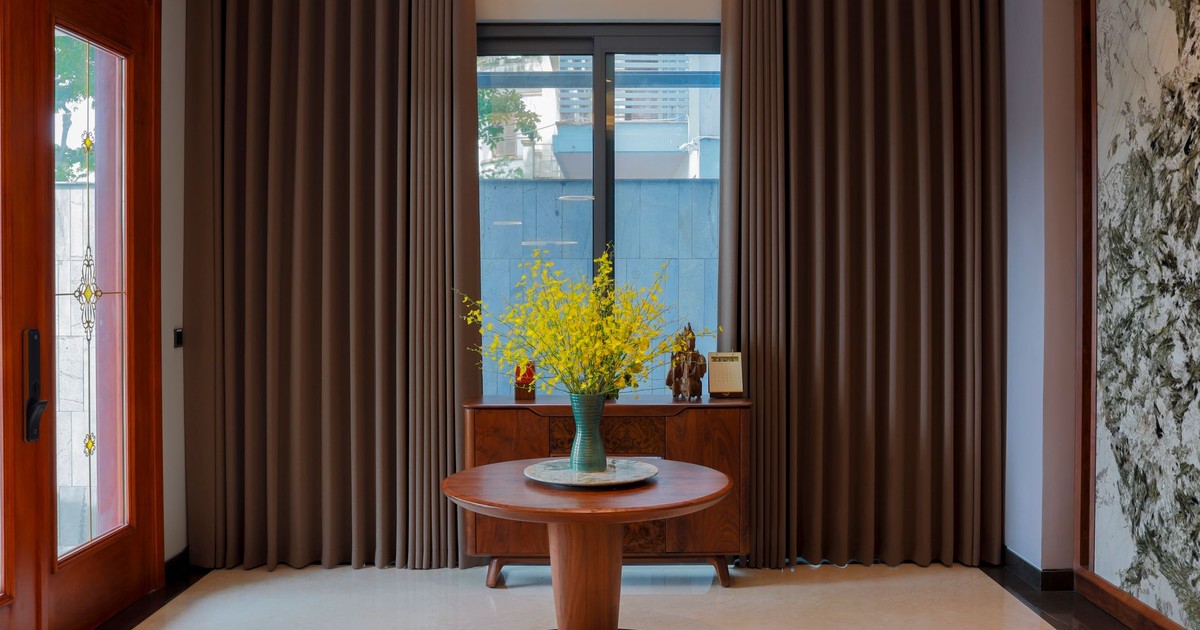

Color changes how a room feels before you can name why. It shifts how large a space seems, how rested you are after sleeping in it, how welcome a guest feels before sitting down. The difference between a room that feels off and a room that feels right is often something you sense first. Feng shui, the ancient Chinese practice of arranging spaces to support the flow of energy, treats color as one of the most direct tools you have.
Feng shui is built on the idea that everything is connected through qi (pronounced “chee”), the vital life force that moves through your home the way wind moves through a valley. When qi flows freely, things feel good. When it stagnates, you feel that too. Color, in this framework, isn’t decorative. It’s directional. It tells energy where to go and what to do when it gets there.
You don’t need to gut your living room or repaint every wall to start working with these principles. A throw pillow in the right corner, an accent wall in the right room, a rug in a color you would not have thought to choose work just as well. Here are six feng shui color tips that can shift how your home feels to live in.
1. Match Colors to the Five Elements, Not Just Your Mood

The foundation of feng shui color theory is the five-element system: Wood, Fire, Earth, Metal, and Water. Every color belongs to an element, and every element carries a specific energetic quality. According to this feng shui guide, the bagua divides your home into zones with elemental associations. North governs Career through Water (black and blue), south governs Fame through Fire (red), east governs Family through Wood (green), and the center governs overall Health through Earth (yellow and brown).
Green and brown represent Wood, associated with growth and new beginnings. Red, orange, and strong pinks represent Fire, associated with passion, recognition, and social energy. Yellow, terracotta, and sandy tones represent Earth, associated with stability and grounding. White and metallic shades represent Metal, associated with clarity and precision. Black and deep navy represent Water, associated with flow, depth, and career momentum.
A room can feel persistently wrong even when it looks right on paper. If your home office is decorated entirely in Fire colors (lots of red, orange art, warm incandescent everything), you might find it energizing for forty minutes and then exhausting for the next three hours. Bringing in a Metal element (white trim, silver accessories, a gray rug) doesn’t drain the energy. It balances it.
2. Use the Bagua Map Before You Pick Up a Paint Brush
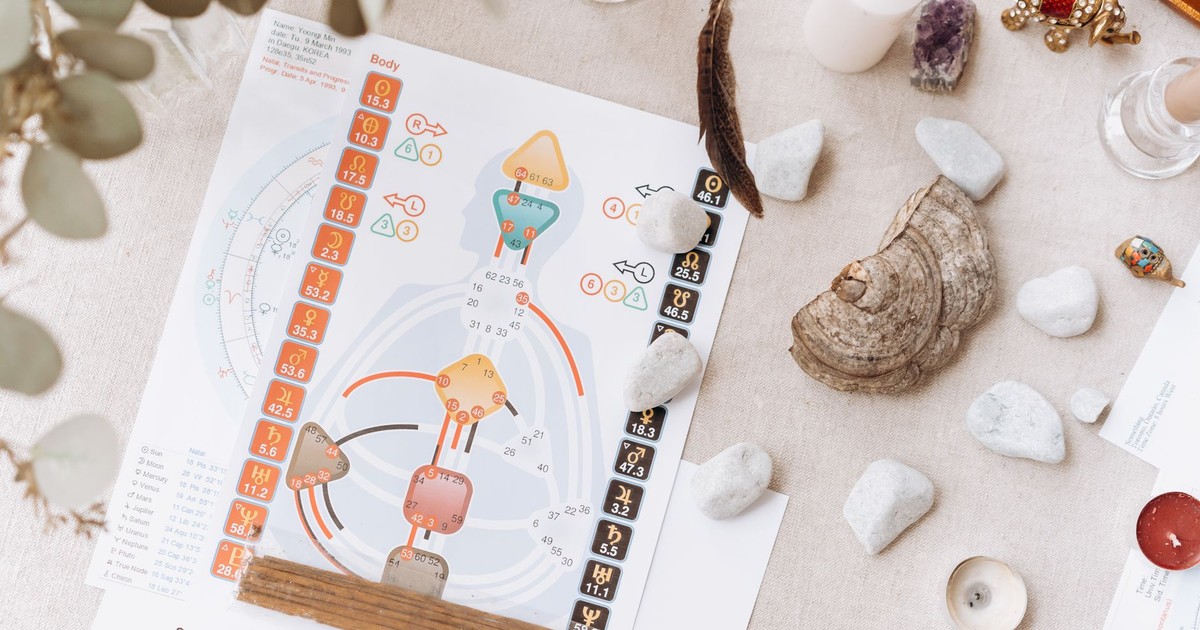
The bagua map is one of the primary tools for determining which colors belong where in a home. According to elfengshui.org, the bagua divides your floor plan into a 3×3 grid of nine zones, each corresponding to a different life area: career, knowledge, family, wealth, reputation, relationships, creativity, helpful people, and health at the center.
You align the bottom of the bagua grid with your front door wall, divide your floor plan into nine equal sections, and identify which room or area falls into which zone. It takes twenty minutes and a rough sketch. Once you have it, you stop guessing about why the color you loved in the store looks defeated in your hallway.
You don’t need to repaint every room to apply bagua colors. Accent walls, throw pillows, rugs, curtains, art, and decorative objects can all carry color energy without full commitment. If you love your existing wall color but want to bring in more of the bagua-appropriate energy, start with one or two accent pieces in the corresponding color.
3. Anchor Your Bedroom in Soft, Yin Tones
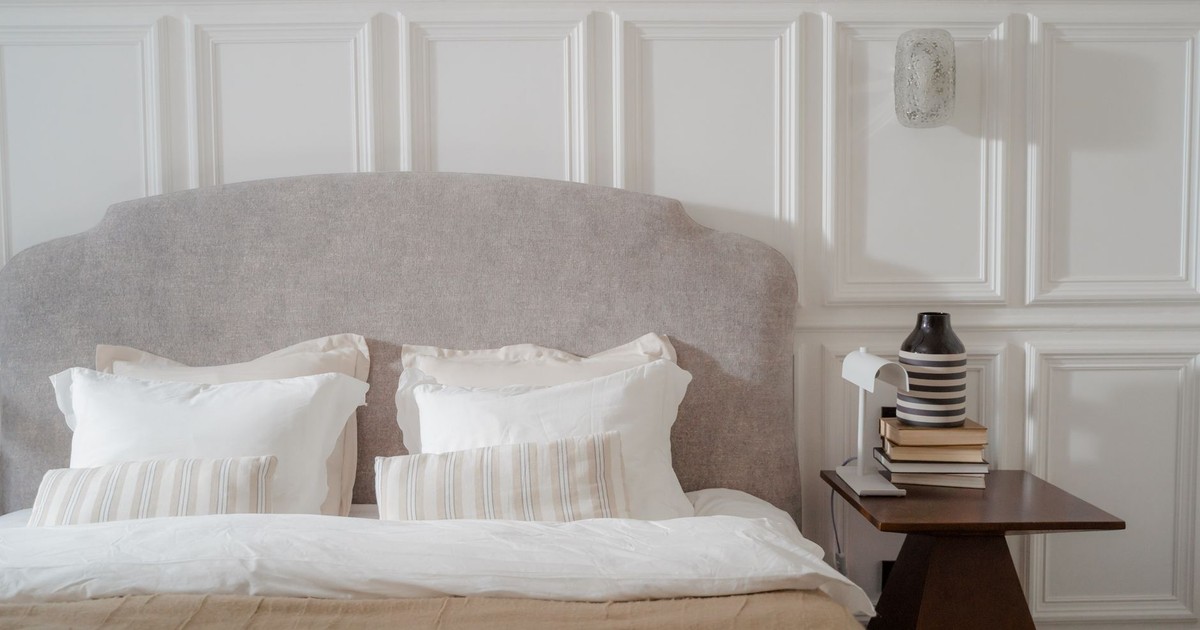
The bedroom is the space where your body repairs itself, where your nervous system finally gets to stop performing, and where you spend roughly a third of your life whether you’re paying attention to it or not. The color register here should be yin, meaning receptive, calm, and restorative rather than activating.
Homedit notes that recommended feng shui bedroom colors include beige, blue, pale lavender, and white. Soft blues, sage greens, warm creams, and muted clay tones all work well because they don’t compete with the room’s primary function. The high-fire colors (saturated reds, electric oranges, and very bright yellows) are activating. They’re excellent in a kitchen or a creative studio. In the room where you’re trying to sleep, they work against you.
A deep navy or charcoal wall behind the bed can feel very moody and intentional on Instagram and very much like sleeping in a cave by month two. If you want a darker tone in the bedroom, keep it muted and warm (dusty rose, slate blue-gray, or a deep sage) rather than high-contrast. The goal is depth without drama.
4. Let Red Earn Its Place – Don’t Just Throw It at a Wall
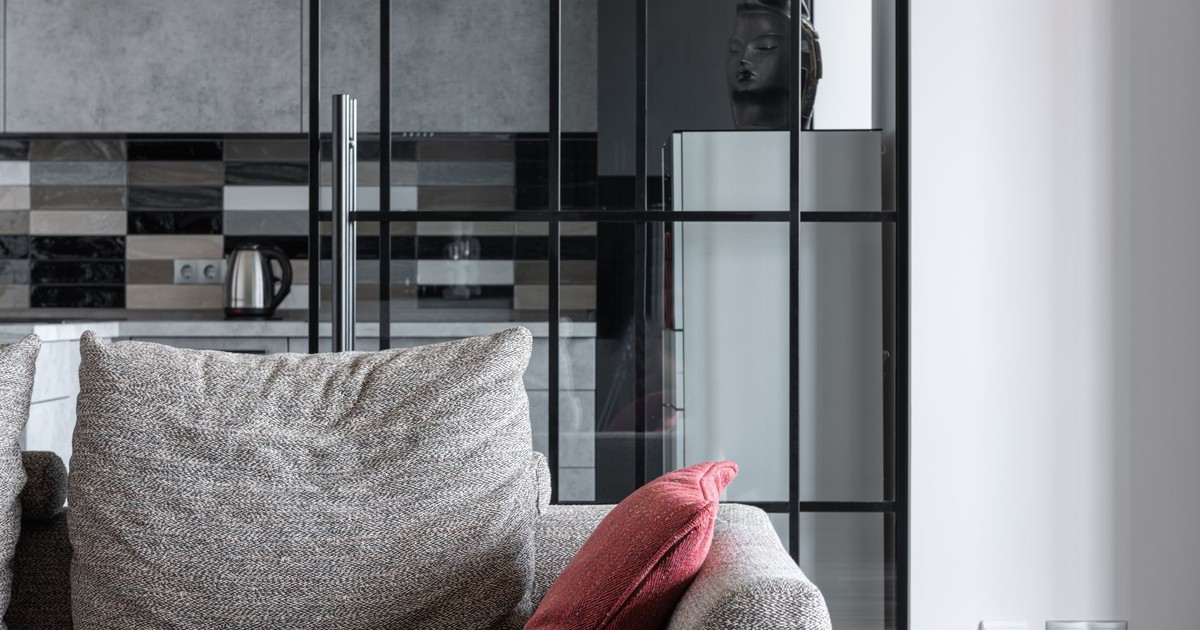
Red is the most powerful color in the feng shui palette and also the most frequently misused. It represents the Fire element at full strength: reputation, recognition, passion, visibility. In the bagua framework, the south zone of your home governs fame and reputation, and red is its natural activating color. In feng shui, candles, red accents, and triangular shapes are considered enhancements for this zone specifically, not the whole house.
For context on how feng shui colors interact with your home’s specific energy flow, the feng shui bathroom door principle follows the same logic: where something is placed in your home matters as much as what it is.
Red gets over-applied (the accent wall in the living room that turns every evening into a low-grade stress response) or avoided entirely (because red feels like a commitment and you live with a partner who hates it). A piece of red art in the south-facing part of your main living area, a red ceramic bowl near the front entrance, a deep red throw on an otherwise neutral sofa are specific placements, not general decoration choices.
If you share your home with someone who categorically refuses red on any surface, look to its neighboring colors on the Fire spectrum: terracotta, burnt orange, coral, and deep magenta all carry a version of the same activating energy with considerably less argument. You’re still working with Fire. You’ve just turned it down by about thirty percent.
5. Bring Earth Tones to the Center of Your Home
Most people don’t think about the center of their home as a design zone at all. It’s the hallway, the bit between rooms, the place where the weird junk pile accumulates. In feng shui, it’s the most important area of the entire floor plan. The center section is governed by the Earth element and is associated with balance and overall grounding for the household.
According to homedit.com, the earth element colors that attract grounding energy include soft yellows, beige, dusky peach, ivory, ecru, and tan, with darker tones like brown and gold also working well. These are the colors of actual earth (ground, clay, stone), and the grounding quality they bring to a space is both an energetic principle and consistent with how warm neutrals affect perceived stability. If the center of your home is currently a sterile white hallway with a pile of shoes and a dead plant, the upgrade is not complicated. A terracotta-toned runner, a warm amber lamp, a piece of art with golden tones can shift how the space registers.
The Earth zone also responds well to objects with weight and solidity: ceramic bowls, stone coasters, heavy linen. You’re reinforcing the grounding quality of the element through texture as well as color.
6. Balance Is the Point – Not Color Maximalism

Treating feng shui color advice as a prescription for filling every corner with its designated hue is where most people go wrong the first time. North wall: black. South wall: red. East corner: green plant. West corner: white lamp. The result looks like a paint-by-numbers kit exploded in your living room, and it doesn’t work, because balance is the actual goal, not coverage.
Feng shui emphasizes balance, and no single color should dominate a space. A south wall covered entirely in red may technically support fame energy, but the effect is exhausting rather than activating. The five elements exist in relationship to each other. Wood feeds Fire. Fire creates Earth. Earth bears Metal. Metal carries Water. Water nourishes Wood. When you remove one element completely from a room, or flood a room with a single element’s colors, you break the cycle.
The practical version of this principle: what does this room already have, and what is it missing? A room full of dark furniture, navy walls, and black accents has a lot of Water. It might benefit from some Wood (greens, plants, vertical lines) to give that water somewhere productive to flow. A room that’s all cream and beige and pale wood is Earth-heavy and Metal-light. A few cool metallic accents or white ceramic pieces would give it more crispness and clarity. You’re not decorating. You’re calibrating.
Read More: The Complete Guide to Having a Snake Plant In Your Home (Benefits, Care, and More!)
What to Actually Do With This

Pick one room, pick one thing. You don’t have to overlay a bagua map on your entire floor plan this weekend, source a terracotta runner, and repaint the south wall in carmine red. Start with the room where you spend the most time feeling wrong. Look at what colors dominate it and which elements might be missing or overwhelming. Make one change (a new pillow, a different lamp shade, a plant in the wealth corner) and live with it for a few weeks before reaching for the next thing.
Feng shui color work is not about achieving a perfect system. It’s about paying closer attention to how your environment is affecting you, which most of us stopped doing sometime between the third lease renewal and the fourth child. Noticing one thing (that the kitchen feels anxious, that the bedroom never quite lets you rest, that the hallway swallows your mood every time you walk through) is usually where the real shift begins.
Disclaimer: This information is not intended to be a substitute for professional medical advice, diagnosis, or treatment and is for information only. Always seek the advice of your physician or another qualified health provider with any questions about your medical condition and/or current medication. Do not disregard professional medical advice or delay seeking advice or treatment because of something you have read here.
AI Disclaimer: This article was created with the assistance of AI tools and reviewed by a human editor.