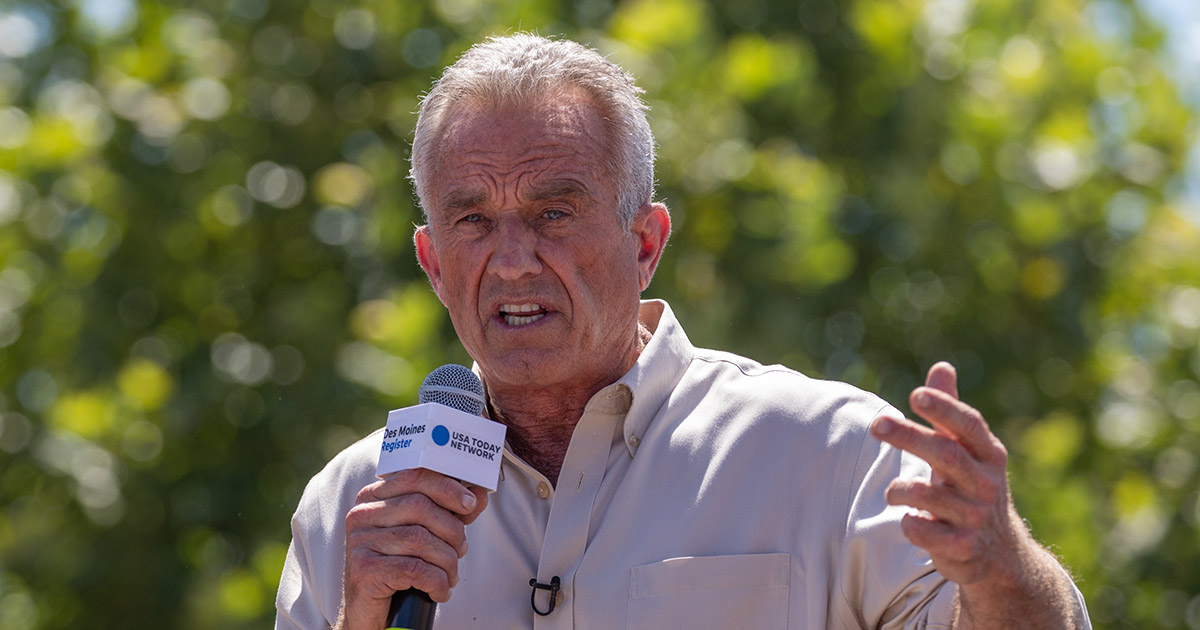

Few policy pushes in recent American history have managed to unite a vegan Democratic senator from New Jersey and a skeptic-of-almost-everything Health Secretary appointed by Donald Trump. RFK Jr.’s campaign to end animal testing has done exactly that, and it has moved faster in the past eighteen months than animal welfare advocates managed in the previous four decades.
More than 90 percent of drugs that clear animal studies do not receive FDA approval, often due to safety or efficacy issues identified in human trials. Decades of drug development have been built on a model that, by the FDA’s own admission, fails at a rate most industries would shut down over. Kennedy has framed his push explicitly around this scientific failure, arguing that modern alternatives are not just kinder but measurably more accurate, and that the current system is costing patients in time, money, and outcomes.
The FDA Makes It Official

In April 2025, the FDA announced a plan to advance public health by replacing animal testing in the development of monoclonal antibody therapies and other drugs with more effective, human-relevant methods. The new approach was designed to improve drug safety and accelerate the evaluation process, while reducing animal experimentation and lowering research and development costs. The FDA’s animal testing requirement would be reduced, refined, or potentially replaced using a range of approaches, including AI-based computational models of toxicity and cell lines and organoid toxicity testing in a laboratory setting.
The FDA refers to these alternative methods collectively as New Approach Methodologies, or NAMs. The agency is advancing use of NAMs including advanced in vitro systems, computational modeling, and human-derived platforms that better reflect human biology and improve prediction of drug effects. Unlike previous guidance to industry, the FDA’s 2025 roadmap strategy established specific timeframes for phasing out animal testing where equivalent or better alternatives exist.
In April 2026, the FDA announced it had achieved its key first-year goals in implementing the roadmap, marking one year of action to modernize drug development through innovative, human-relevant science. FDA Commissioner Marty Makary described it as an “ambitious roadmap to eliminate unnecessary animal testing and replace animal testing with more precise ways of predicting drug safety in humans.” The agency’s stated three-to-five-year goal is to make animal studies the exception rather than the norm for pre-clinical safety and toxicity testing.
The Numbers Behind the Monkey Problem
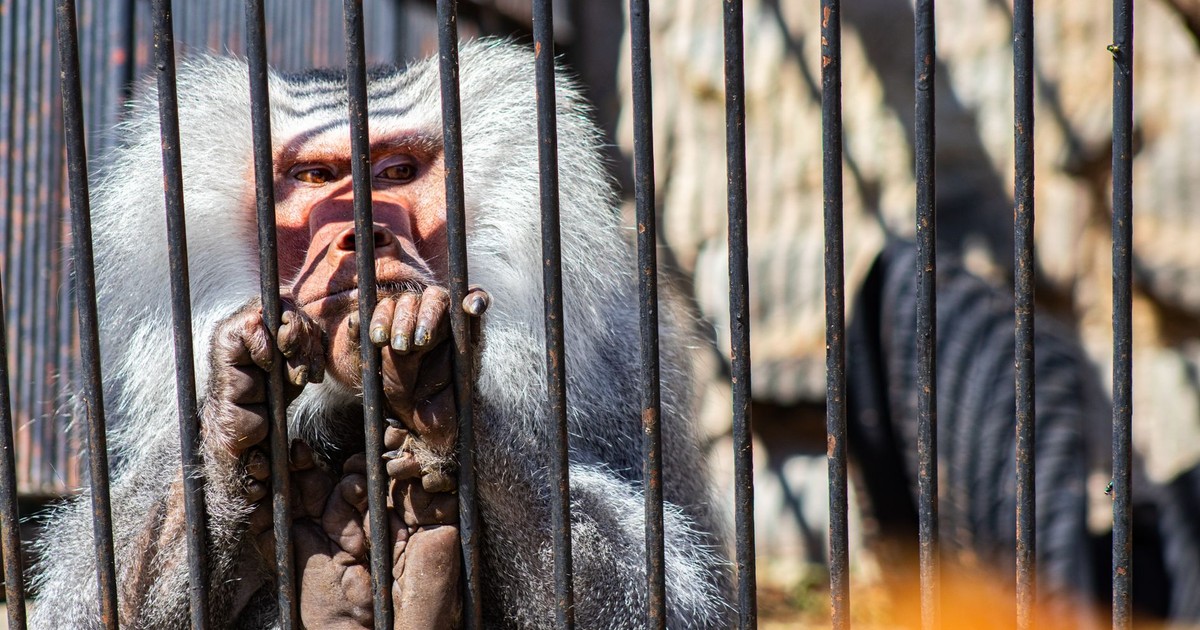
Kennedy has been particularly pointed about primate research, and the numbers he has cited are not in dispute. According to CBS News, Kennedy focused specifically on what researchers call non-human primate testing. There are over 100,000 monkeys in primate testing labs around the country, with tens of thousands more imported each year. “We are trying to put an end to that,” Kennedy said.
His criticism of the seven federally funded National Primate Research Centers has been sharp. He has accused them of operating with a profit motive that makes them resistant to exploring alternatives, a claim the centers have disputed vigorously. The Centers for Disease Control and Prevention has already been ordered to phase out its in-house monkey research. The National Institutes of Health shut down its last in-house beagle lab in May 2025. Under Defense Secretary Pete Hegseth, the U.S. Navy announced it would no longer use dogs or cats in research.
Kennedy said his agency is exploring options to retire animals currently in labs to sanctuaries. But there are limited facilities equipped to take in the thousands of primates that may need continued medical monitoring, and the estimated cost of transporting the animals alone could run into the millions of dollars, even if space were available. Releasing a pledge is easier than finding somewhere to put 100,000 monkeys.
Congress Finds Rare Common Ground
In his first two years on the job, Kennedy has become a polarizing figure on Capitol Hill, largely because of his vaccine skepticism and distrust of the status quo. But his push toward ending animal testing in medical research has earned him accolades among some Democrats and Republicans alike.
Roll Call reports that Senator Cory Booker of New Jersey, a vegan and animal rights activist who is typically a fierce critic of the Trump administration and Kennedy’s HHS, applauds Kennedy’s animal-rights policy push. “I’m so happy that in some, in a narrow way, that the Trump administration is making progress on this,” Booker said, calling ending animal testing “one of his favorite topics.” “It’s just a win, win, win, win, win across the board,” he added.
The previously passed FDA Modernization Act 2.0 was signed into law in 2022, ending the statutory mandate that investigational new drugs undergo mandatory animal testing before human clinical trials. But the FDA delayed implementing the law. Booker’s follow-up legislation, known as the FDA Modernization Act 3.0, passed the Senate at the end of last year and a version was reported out of the House Energy and Commerce Committee.
Senators Susan Collins of Maine and Gary Peters of Michigan introduced separate legislation to get retired lab animals adopted. The breadth of the bipartisan support is not trivial. Animal welfare has historically been an issue where congressional consensus is easier to perform than to deliver. Legislation has continued to advance on multiple tracks simultaneously.
What the Alternatives Actually Are
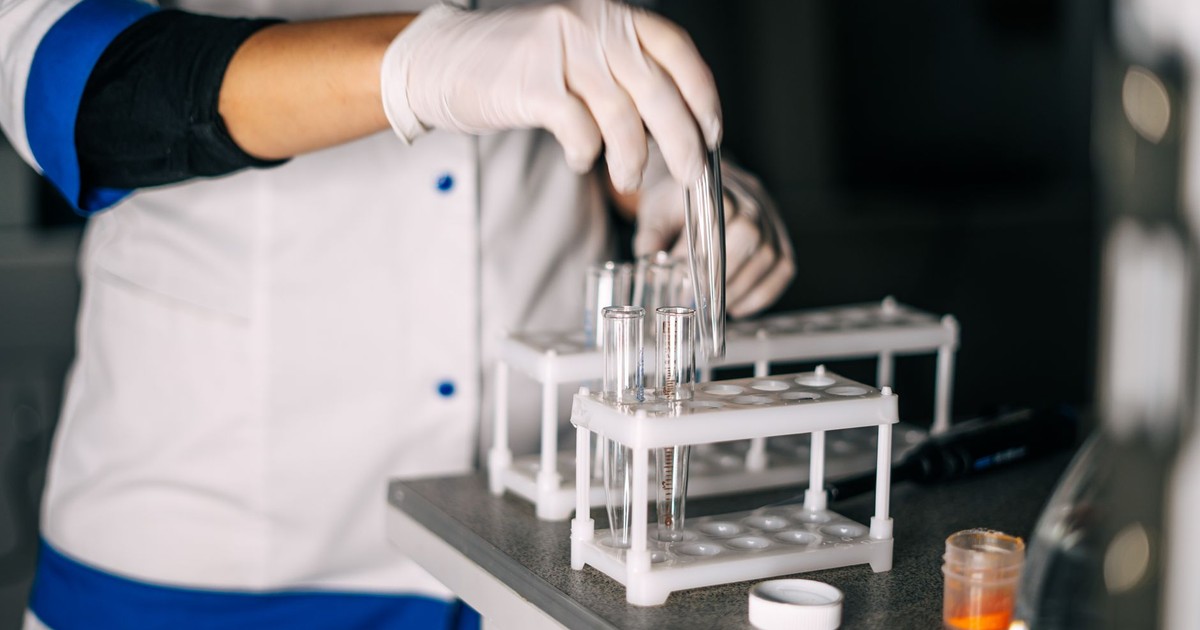
The Washington Examiner reports that HHS officials have explained that AI predictive modeling is expected to be particularly valuable for determining how drug products will affect patients as a whole, whereas organoid or “organ-on-a-chip” biotechnology models can pinpoint how particular organs or organ systems will respond to a new treatment. Organoids are small models of human organs grown in labs from human cells. The NIH established a first-of-its-kind center for developing them at the Frederick National Laboratory for Cancer Research in Maryland in September 2025, focused on models of the liver, lung, heart, and intestine.
Senior HHS officials have said that increasing the use of NAMs would speed up drug development timelines and significantly cut costs for pharmaceutical companies. A February 2026 report produced by multiple pharmaceutical industry stakeholders projected that NAMs could save as much as 90 percent in new drug start-up costs, if implemented responsibly.
Officials said the NIH and the FDA would work closely together as companies submit drug approval applications using novel NAMs, with the NIH reviewing the scientific robustness of new study designs before the FDA approves or denies a drug. The NIH simultaneously announced it would spend more than $150 million to develop and scale better NAM models and facilitate NAM development for key research areas.
The Pushback From Researchers
Experiments on primates make up a small portion of biomedical research overall, but Deborah Fuller, director of the NIH-funded Washington National Primate Research Center, has argued that primate research remains essential for developing therapies that continue to save lives. “The majority of the biomedical interventions that we have today went through a non-human primate at some point,” she said. “Shutting down a non-human primate research program, you’re actually shooting yourself in the foot.”
Researchers on the cutting edge of the alternatives don’t believe that the new technologies are ready to completely replace primate models. Paul Locke, an environmental health lawyer at Johns Hopkins Bloomberg School of Public Health who serves on the board of the school’s Center for Alternatives to Animal Testing, has said he wants to see research get out of the business of using animals entirely, but framed the central question as one of timing, not direction.
The concern is not primarily that the goal is wrong. Most researchers will concede that reducing animal use is a worthwhile aim. The concern is that the administration is moving faster than the science of replacement has matured, and that gaps in coverage during the transition could affect the safety data that gets generated for drugs currently in development pipelines. When the CDC was ordered to phase out monkey research that had been running for years on HIV and hemorrhagic fever pathogens, it was not a small administrative adjustment. Those were longitudinal studies with no obvious non-animal equivalent available right now.
The Gap Between Pledges and Practice

Since the start of Fiscal Year 2026, the NIH has awarded over $30 million in funding for 40 separate primate experimentation projects, according to a White Coat Waste analysis of government spending data.
Kennedy’s supporters would argue that redirecting the NIH is harder and slower than redirecting the FDA. The FDA, as a regulatory body, can change what it requires from applicants relatively quickly. The NIH, as a grant-making body distributing hundreds of millions of dollars to researchers with multi-year project timelines, operates on a fundamentally different cycle.
The NIH has said it will stop awarding grants that rely solely on animal testing, and the FDA issued draft guidance earlier this year on alternatives. Whether those commitments survive budget cycles, administration changes, and the lobbying of research universities that have built entire departments around primate models is a question that cannot be answered yet.
The Global Landscape of Animal Testing Banned Sectors
While approximately 45 countries have taken the historic step to ban animal testing for cosmetics, a comprehensive, across-the-board outlawing of all animal experimentation remains entirely unprecedented. Globally, existing bans are strictly siloed, targeting the beauty industry while leaving other massive sectors virtually untouched. Even in regions like the European Union, which pioneered cosmetic testing bans, animal models are still heavily utilized—and frequently legally mandated—for pharmaceuticals, complex medical research, and broad environmental chemical safety assessments under regulations like REACH.
The reason no nation has completely eliminated the practice comes down to deeply entrenched scientific and regulatory frameworks in global public health. While the cosmetics industry successfully shifted to alternative testing methods like computational modeling, AI data analysis, and synthetic human tissue, the medical and chemical sectors continue to rely on living organisms to map intricate biological systems and evaluate systemic toxicity before human clinical trials begin. Consequently, RFK Jr.’s ambition to wind down federally funded animal testing across all U.S. health agencies represents an uncharted shift. If realized, it would make the United States the first nation to transition entirely to non-animal methodologies, fundamentally outpacing existing global frameworks that stop short at the cosmetic counter.
What This Moment Actually Represents

The push to end animal testing is not a fringe position laundered into mainstream policy by one unconventional cabinet secretary. The FDA Modernization Act 2.0 passed in 2022, under a different administration. The scientific critique of animal models as predictors of human drug response has been building in peer-reviewed literature for years. What Kennedy has done is accelerate and politicize a transition that was already underway, attach it to his Make America Healthy Again agenda, and push it further and faster than the institutions under him were prepared to move.
Whether that acceleration is a feature or a bug depends on your risk tolerance. If the alternatives are ready, moving fast saves animals and produces better science. If they’re not, moving fast creates gaps in safety data for drugs that will eventually be prescribed to people. The researchers who are pushing back are not, for the most part, defending animal testing because they love it. They are defending it because the longitudinal safety data it generates has no validated substitute yet for some categories of research.
What is clear is that the U.S. is further along this path than any other country, that the political coalition supporting it is genuinely bipartisan, and that the scientific argument for the transition has been building for long enough that this is not going away when administrations change. The question of when to end animal testing has moved from philosophical to operational. The harder work of answering it has just begun.
The Uncomfortable Shape of the Transition
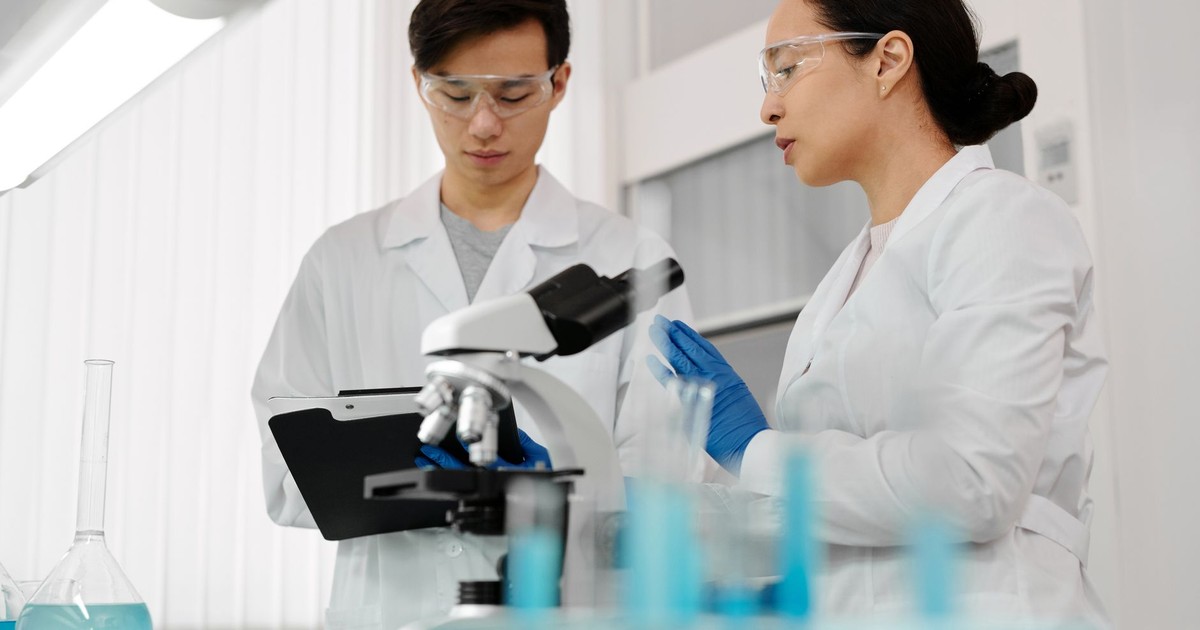
A decades-old scientific critique has found, perhaps accidentally, the right political vehicle at the right time. The FDA’s 90-percent drug failure rate statistic has existed in the literature for years. The alternatives have been developing incrementally for years. Congress has been nudging the regulatory framework since 2022. None of that moved fast until an unconventional HHS secretary decided this was his hill.
It would be tidier if the science had matured completely before the mandates arrived, if the sanctuaries existed before the pledge to retire 100,000 monkeys was made, if the NIH’s grant pipeline had pivoted before the public announcements. It didn’t happen that way, and it rarely does with anything that has been stalled for as long as this has. What the current push has done is make the question of how to end animal testing a live operational problem rather than a theoretical one. Researchers who spent years arguing about whether the transition was possible now have to argue about when and how. That is a different conversation, and it is a harder one, and it is almost certainly a more productive one.
AI Disclaimer: This article was created with the assistance of AI tools and reviewed by a human editor.