

For Emma Watson, the term self-partnered wasn’t about being trendy or provocative. It was a way to describe a stage in life where she felt whole without needing a romantic partner. More importantly, it challenged the long-standing idea that being single equals being incomplete.
As more people rethink traditional timelines around love and marriage, the idea of being self-partnered, or choosing independence, has started to resonate. It’s become part of a broader topic about identity, happiness, and what it really means to be “enough.”
Emma Watson Rebrands “Single”
The phrase “self-partnered” first came to prominence during a 2019 interview with British Vogue. At the time, Watson was approaching her 30th birthday, a milestone that often carries some emotional weight, especially for women. Instead of celebrating in the usual way, she found herself reflecting on expectations she hadn’t met.
She spoke candidly about the pressure to have a partner, a family, and a stable life by that age. The anxiety, she explained, didn’t come from her own desires but from societal messaging that subtly suggests you’re falling behind if you don’t check certain boxes.
Watson admitted she once believed that people who claimed to be happy being single were pretending. But over time, her perspective shifted. She began to feel genuinely content on her own. That’s when she introduced the now-famous phrase: she wasn’t single, she was self-partnered.
Watson’s statement tapped into a truth that many people feel but rarely say out loud. You can be alone without being lonely. And you can feel fulfilled without being in a relationship.
Turning 30 became a turning point for Watson, not because of the number itself, but because of what it represents. For many people, especially women, it acts as an invisible deadline. By that age, society often expects certain milestones to be in place.
Watson described feeling an “influx of messaging” about what her life should look like. These expectations included having a husband, children, and a well-established career. When those things weren’t fully aligned, she started to feel the pressure.
This experience isn’t unique to her. Research and cultural analysis show that milestone anxiety is common, particularly in societies where traditional life paths are still strongly valued. The idea that happiness follows a linear timeline, school, career, marriage, and family, has shaped generations.
However, Watson’s response to that pressure is what made her perspective stand out. Instead of rushing to meet expectations, she chose to question them. She reframed her situation, and instead of seeing herself as “behind,” she recognized that she was simply on a different path. That mindset is central to the idea of being self-partnered.
It’s not about rejecting relationships entirely. Rather, it’s about removing the urgency and expectation around them. It’s about allowing life to unfold in a way that feels authentic, rather than rushed.

What “Self-Partnered” Really Means
At its core, being self-partnered is surprisingly simple. It means prioritizing your relationship with yourself. It’s about emotional independence, self-awareness, and personal growth.
Watson later clarified that the term wasn’t about superficially celebrating singlehood. Instead, it was about understanding yourself deeply and feeling secure in your own company.
In practical terms, this mindset includes:
- Being comfortable spending time alone
- Making decisions without relying on a partner’s validation
- Building a life that feels full, regardless of relationship status
- Viewing a romantic relationship as an addition, not a necessity
Importantly, being self-partnered doesn’t mean rejecting love. It doesn’t mean someone is closed off to relationships. Instead, it means they are not dependent on one to feel complete.
Psychologically, this aligns with concepts like self-determination and intrinsic fulfillment. Studies suggest that people who develop a strong sense of self tend to form healthier relationships when they do choose to partner up.
The phrase also challenges language itself. Traditionally, the word “single” can carry subtle negative connotations, suggesting absence or lack. By contrast, “self-partnered” reframes the narrative. It implies presence, choice, and completeness.
More people are choosing to delay marriage, prioritize careers, and explore personal growth before committing to long-term partnerships. In many parts of the world, single-person households are on the rise. At the same time, conversations around mental health and self-care have become more mainstream. The idea of being self-partnered fits neatly into this change. It reflects a growing belief that happiness doesn’t have to follow a traditional formula.

Social media has also played a role. Platforms are filled with content celebrating independence, solo travel, and personal achievements. While these trends can sometimes feel curated or idealized, they still point to a broader change in mindset.
Even language is evolving. Just as phrases like “conscious uncoupling” entered the mainstream, “self-partnered” represents a new way of describing modern relationships.
Other Celebrities Who Have Embraced the Idea of Being Self-Partnered
Emma Watson may have popularized the term, but she’s far from the only public figure embracing a self-partnered lifestyle, or at least the mindset behind it. In fact, many celebrities have openly discussed choosing independence, redefining relationships, or finding fulfillment outside traditional romantic partnerships.
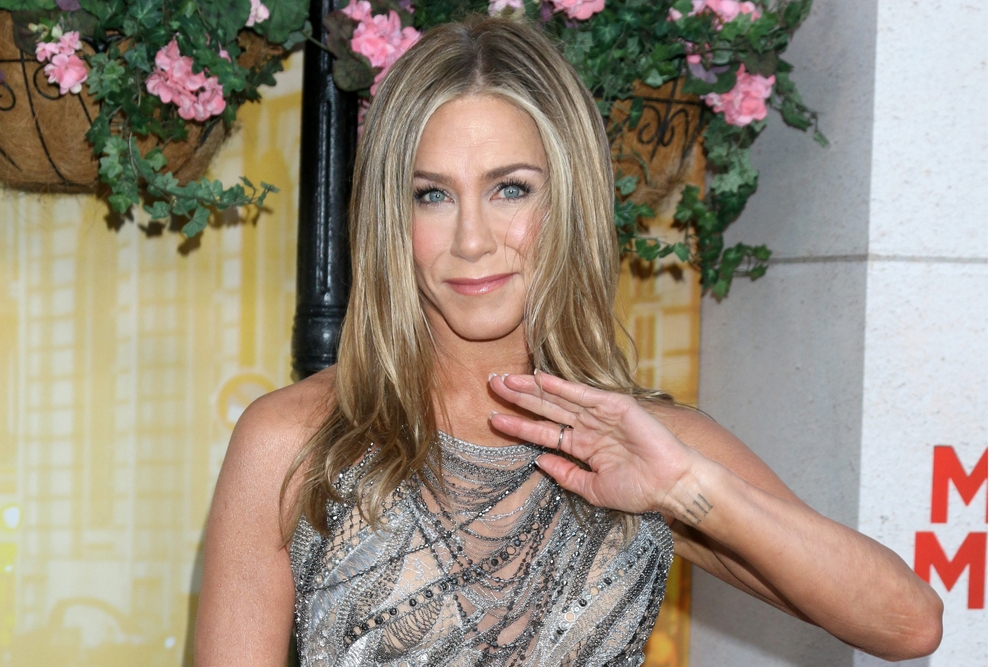
Take Jennifer Aniston, for example. For years, the media framed her as someone “missing out” because she wasn’t remarried or didn’t have children. However, Aniston has consistently pushed back against that narrative. She has spoken about building a full, meaningful life on her own terms, emphasizing that happiness doesn’t hinge on marriage or motherhood. Her stance mirrors the core idea of being emotionally fulfilled without needing a partner.
Similarly, Drew Barrymore has shared her evolving relationship with love and independence. After multiple marriages, she has openly said she’s no longer interested in getting married again. Instead, she focuses on personal growth, parenting, and creating a life that feels balanced and authentic. Her perspective reflects a move away from traditional expectations toward something more self-defined.
Then there’s Liz Gilbert, the author of Eat, Pray, Love. Gilbert has long explored themes of self-discovery and independence. After her divorce, she spoke about rebuilding her identity outside of a romantic partnership. Her journey highlights how stepping away from relationships can sometimes lead to deeper clarity and fulfillment.
Mindy Kaling also offers a modern example of redefining norms. As a single mother by choice, she has been candid about creating a family structure that works for her. While she keeps her personal life private, her decisions reflect a broader acceptance of non-traditional paths.
What connects all these women is not that they reject relationships entirely. Rather, they prioritize autonomy. They show that it’s possible to live a meaningful life without centering it around a romantic partner.
Why Self-Partnered Resonates So Strongly Today
The growing appeal of being self-partnered, or choosing independent living, isn’t random. It reflects deeper psychological and social changes happening across the world.
First, there’s a stronger focus on mental health. People are more aware of emotional well-being and the importance of self-understanding. Instead of rushing into relationships for validation, many now take time to develop a stable sense of self. This shift encourages healthier connections later on.
Psychologists often point to the concept of self-determination theory. This idea suggests that people thrive when they feel autonomous, competent, and connected. Being self-partnered aligns closely with autonomy. It emphasizes making choices based on personal values rather than external pressure.
Though it is aparent modern dating culture has changed. Apps and social media have made connections more accessible, but also more complex. Many people experience burnout from constant swiping, ghosting, and unclear expectations. As a result, stepping back from dating can feel like a form of relief.

Economic and lifestyle factors also play a role. People are investing more in careers, travel, and personal goals. These priorities often delay traditional milestones like marriage. Instead of seeing this delay as a problem, many now view it as an opportunity.
There’s also a cultural change toward redefining success. In the past, success often included marriage and family as key markers. Today, success can look like independence, creativity, or personal fulfillment. This broader definition creates space for different life paths. But it’s important to acknowledge that independence isn’t always easy. While the idea of being self-partnered promotes confidence and self-worth, it also requires emotional resilience. Building a life on your own terms can be empowering, but it takes effort and self-awareness.
Just a Trend or a Lasting Mindset?
Whenever a new term enters the cultural conversation, it raises an important question. Is this just a passing trend, or does it signal a deeper, lasting change?
“Self-partnered” might seem like clever branding. Critics argue that it simply repackages being single in more appealing language. They question whether a new label is really necessary. Yet, language has power. The words people use shape how they think and feel. By changing from “single” to “self-partnered,” the focus moves from absence to presence. It emphasizes what someone has, rather than what they lack.
This change can influence self-perception. If someone views themselves as complete, they’re less likely to settle for unhealthy relationships. Instead, they approach dating from a place of confidence rather than need.
At the same time, the concept aligns with long-term social trends. Marriage rates have declined in many countries, while the average age of first marriage continues to rise. More people are choosing to live alone, either temporarily or long-term. These patterns suggest that the mindset behind being self-partnered isn’t going away anytime soon. Even if the phrase itself fades, the underlying idea, that fulfillment starts from within, will likely remain.
Still, balance is key. Independence shouldn’t turn into isolation. Humans are inherently social, and meaningful connections remain important. The goal isn’t to replace relationships, but to redefine them. In that sense, being self-partnered is less about rejecting love and more about reshaping it. It encourages people to build strong relationships with themselves first, so that any future partnerships are healthier and more intentional.
Redefining What It Means to Be “Complete”
Emma Watson’s decision to describe herself as self-partnered did more than introduce a new phrase. It opened the door to a broader conversation about identity, independence, and the pressure to conform to traditional timelines.
The idea is simple. You don’t need a partner to be whole, and you don’t need to follow a specific path to feel successful. You also don’t have to measure your life against someone else’s expectations. This mindset doesn’t dismiss the value of relationships. Instead, it places them in a healthier context. Love becomes something you choose, not something you chase out of fear or obligation.
As society continues to evolve, so will the way people define happiness and connection. Whether or not the term self-partnered sticks around, its message is likely to endure. Because in the end, the most important relationship anyone will ever have is the one they build with themselves.
Read More: Sydney Sweeney’s Rise to Fame: Iconic Roles, Red Carpet Looks, and Controversies