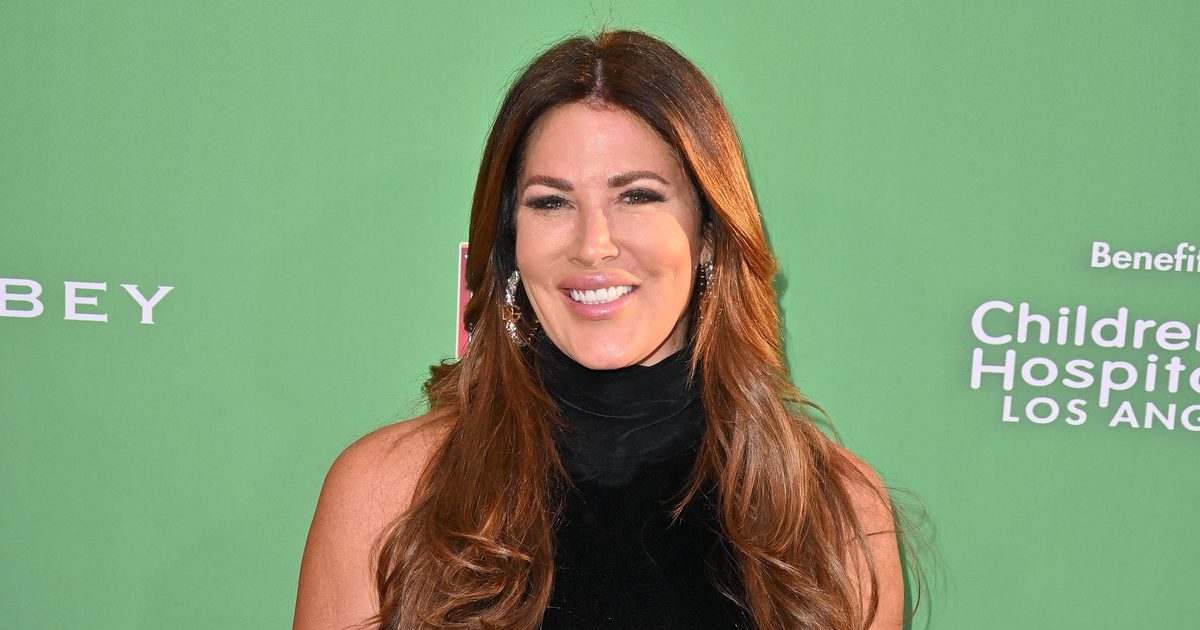

The list of diagnoses a mom carries in her head for her child does not always get shorter. For some families it grows, not because things keep going wrong, but because doctors get better at naming what was there all along. When Emily Simpson sat down with Andy Cohen at the Real Housewives of Orange County Season 20 reunion, her son Luke’s list had grown to include Tourette syndrome. It came on top of PANDAS, OCD, ADHD, ARFID, and dyslexia. “It’s so hard to talk about Luke,” she said, as her emotions came through.
Luke Simpson is 11 years old. By his mother’s account, he is also a fantastic child, and a very smart one. His newest diagnosis, Tourette syndrome, came on top of a list that was already long. Emily has talked openly about his health on the show since 2025, so the update was not a twist for longtime viewers. It was the next chapter in a hard story that her family did not choose.
What struck viewers was how honest and tired Emily sounded when she talked about it. She did not act strong or reach for a silver lining. She sat on the reunion stage and said, out loud, that she is exhausted. She said the family life she pictured has had to be completely rethought. She explained that her son’s tics are vocal, that he hides them at school because they embarrass him, and that she manages him, in her words, “from the moment he gets up to the moment he goes to bed.”
What Is Tourette Syndrome?
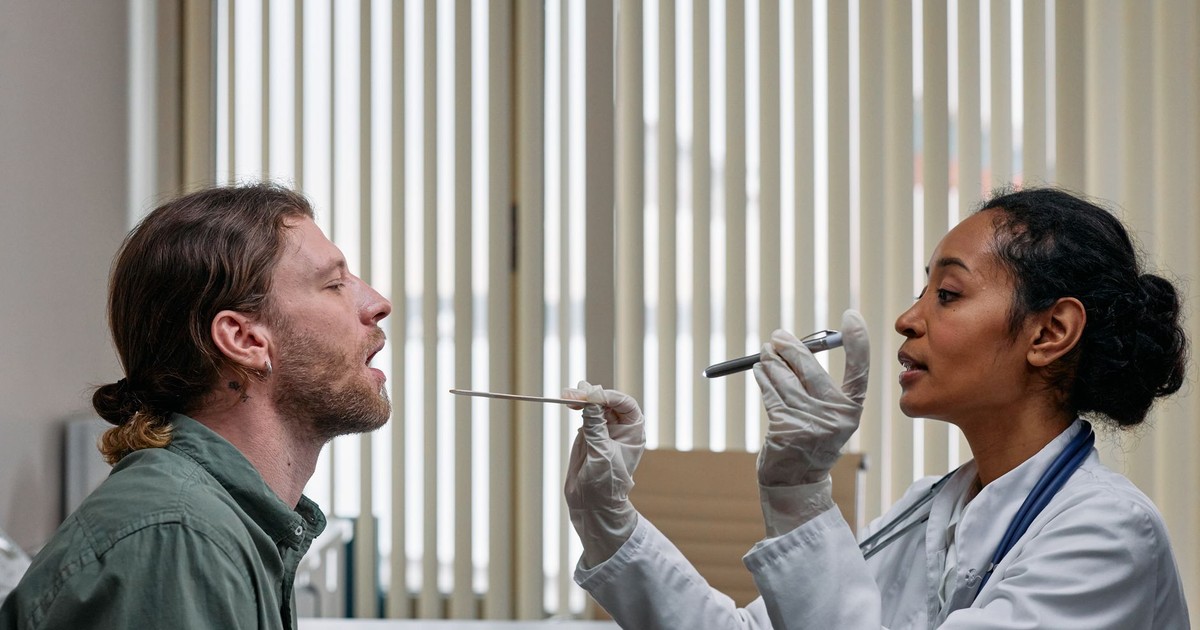
Tourette syndrome is a condition of the nervous system. It causes people to make sudden, repeated twitches, movements, or sounds, called tics, according to the CDC. People who have tics cannot stop their bodies from doing these things. There are two types. Motor tics are movements, such as blinking, shrugging the shoulders, or jerking an arm. Vocal tics are sounds. The Tourette Association of America says tics can range from mild to moderate and severe, and they can be disabling in some cases.
Tics are the main symptom of Tourette syndrome. Some people have simple tics that last a few weeks or months. Others have many complex tics that last for a long time. The kinds of tics a child has, and how often they happen, can change as the child grows. When Heather Dubrow asked if Luke’s tics were vocal or physical, Emily said they were vocal. She said he “can kind of control it when he’s at school” by stimming, which means using repeated movements to calm the urge, Bravo reported. “He doesn’t do it verbally at school because it’s embarrassing for him,” she added. That is a lot for an 11-year-old to manage through a school day.
Tourette syndrome often comes with other conditions. The Tourette Association of America estimates that 83% of people with Tourette syndrome have been diagnosed with at least one other condition. ADHD and OCD are among the most common, and Luke already had both. When Cohen asked if Tourette’s was a “natural byproduct” of Luke’s other diagnoses, Emily agreed. “Yeah, if you look at PANDAS and the symptoms … it’s OCD and anxiety and tics,” she said.
Read More: ‘My Daughter’s Rare Disease Was A Mystery For Years. Here’s How We Finally Got A Diagnosis’
A List That Keeps Growing

Emily first shared Luke’s ARFID diagnosis in July 2025, Us Weekly reported. ARFID stands for avoidant/restrictive food intake disorder. It is an eating disorder in which a person strongly limits or avoids food. Unlike some other eating disorders, it is not driven by worries about body image. Luke was also diagnosed with PANDAS.
PANDAS stands for Pediatric Autoimmune Neuropsychiatric Disorders Associated with Streptococcal Infections. The National Institute of Mental Health describes it as a sudden onset of symptoms such as OCD, anxiety, and tics that show up after a strep infection. Researchers are still studying exactly how it works. After Emily went public, she received countless supportive messages from other parents in similar situations, Us Weekly reported. That support is part of why she has kept sharing her son’s health struggles on TV.
Caring for a child with several overlapping conditions is never a straight line. Each new diagnosis changes how parents see the ones that came before. In Luke’s case, Emily links the tics to PANDAS, and OCD was already on his list. Many parents in this spot say they keep adjusting, not because their child is changing, but because they finally understand their child better.
“I’ve Had to Completely Throw That Out”

The update at the Season 20 reunion hit viewers hard because of what Emily said around the diagnosis. She talked about loss. It was not a dramatic kind of loss. It was the quiet gap between what you pictured and what is really happening.
“Everything I had envisioned in my mind about what a family looks like and what we would do as a family, I’ve had to just completely throw that out and just reimagine it,” she told Cohen. “And that makes me sad a lot.” She said she pictured family vacations and road trips, and she cannot do any of them. “I’ve had to leave a trip early because he wouldn’t eat anything. And I got so scared,” she said. Managing Luke’s health has changed how the family lives day to day, and travel has become especially hard.
She also said she is exhausted. She did not mean it the way people do after one bad night of sleep. She meant it the way a parent does after being the main caregiver for a child with complex needs for a long time. “I manage him from the moment he gets up to the moment he goes to bed,” she said through tears. “I feel like I’ve had to mourn, like, what I thought it was gonna be like, like what having kids was like.”
Her castmates offered what support they could. Tamra Judge said former Real Housewives of Beverly Hills star Lisa Rinna had been trying to reach Emily. Rinna’s daughter Delilah was diagnosed with PANDAS at age 11. Emily said the two had “chatted a little bit” and that she would love to sit down with Rinna face to face. For a few minutes, the usual reunion fighting stopped, and the room simply supported a worried mom.
Is There Hope for Luke’s Treatment?

Emily did not end on a dark note. She said a new doctor is now part of Luke’s care, and she is holding on to the chance of answers. “This new doctor gives me hope that we’re gonna get some answers and have a path forward,” she said. That does not mean things are fixed. It means she hopes the right doctor can finally help the family understand what is happening and what comes next.
Then she ended that part of the reunion the way a loving mom would. After the exhaustion, the grief over the future she pictured, and the tears, she said: “Can I just end it by saying Luke is a fantastic child? He is so smart.” In two sentences, she showed both the weight she carries and how much she loves her son.
What Other Parents Can Take From Emily’s Story

TV rarely knows what to do with parenting stories that do not have a neat ending. There is no villain, no season finale wrap-up, and no lesson on cue. Emily has kept sharing Luke’s story, and other parents going through similar things have reached out to support her. For families in the same spot, hearing another mom say this out loud can make them feel less alone.
Luke is not a storyline. He is a kid who holds himself together at school and comes home to parents who are figuring things out as they go, one diagnosis, one doctor, and one day at a time. Emily said she and her husband, Shane, are doing better at parenting Luke because they understand more about his diagnosis now. Understanding what your child truly needs, rather than what you expected, is often where real progress starts. If you notice tics or sudden behavior changes in your own child, talk to your pediatrician.
Disclaimer: The author is not a licensed medical professional. The information provided is for general informational and educational purposes only and is based on research from publicly available, reputable sources. It is not intended to constitute, and should not be relied upon as, medical advice, diagnosis, or treatment. Always consult a licensed physician or other qualified healthcare provider regarding any medical condition, symptoms, or medications. Do not disregard, avoid, or delay seeking professional medical advice or treatment because of information contained herein.
AI Disclaimer: This article was created with the assistance of AI tools and reviewed by a human editor.