
Forty-seven confirmed dog deaths from heatstroke before summer even peaked. That number, tracked across news reports in 2026, is almost certainly an undercount – most cases never make the news, and plenty of families never find out what really happened in those desperate last minutes. What it does tell you is that this is not a niche problem, or a freak accident, or something that only happens to irresponsible pet owners. It is ordinary summer, and it is killing dogs at a rate that should make every one of us rethink our warm-weather routines.
The thing that catches most people off guard is the speed of it. Heatstroke can become fatal in as little as 15 to 30 minutes. A dog left in a car while you run one errand. A morning hike that went longer than expected. A backyard session with the ball on a humid afternoon. The window between “my dog seems a little tired” and “my dog is in crisis” is not wide, and by the time clinical signs appear, the situation may already be critical.
Dogs are not built for the heat the way we sometimes assume a fit, energetic animal must be. Dogs cool themselves by panting, but when the air is heavy with moisture, that cooling system starts to fail. Humidity is the hidden accelerant. A 90-degree day with high humidity is far more dangerous than a 95-degree day in the dry desert – and most of us are not accounting for that when we strap on the leash.
1. Stop the Morning Walk if It’s Already Hot
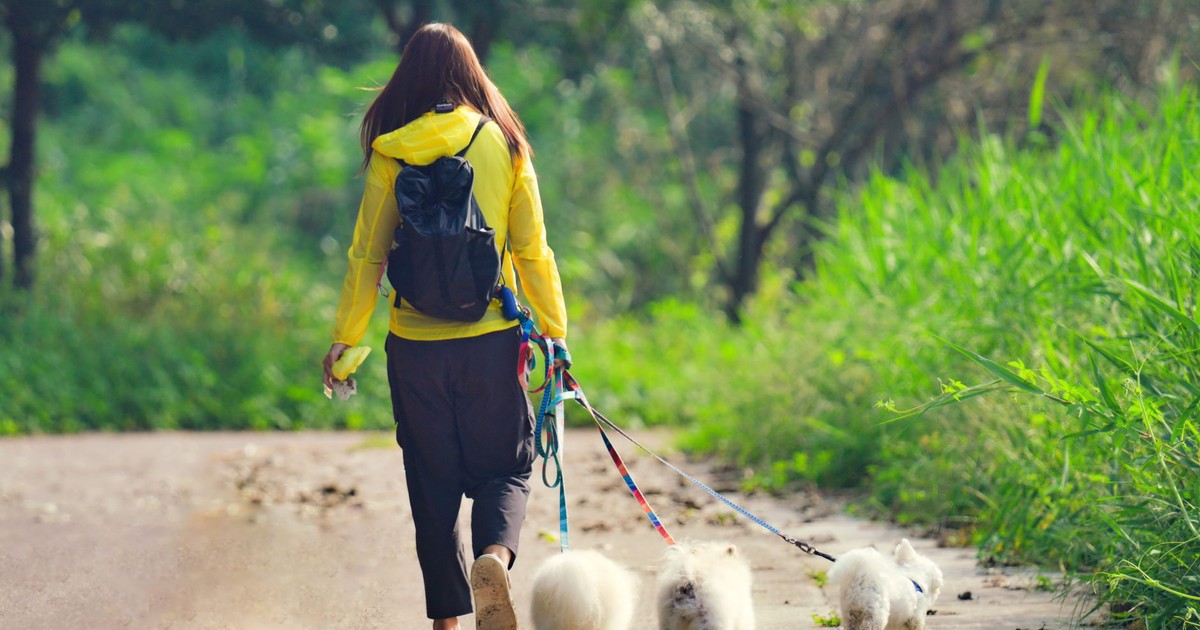
The idea that “it’s only a quick walk” has contributed to more heatstroke emergencies than most vets care to count. Outdoor temperatures under 75°F are generally safe for most dogs, but caution is advised between 75 and 85°F, especially for dogs with thick coats or short snouts. When temperatures exceed 85°F, outdoor activity should be limited to short potty breaks, and once it hits 90°F or higher, it is safest to keep exercise indoors entirely.
The timing of a walk matters as much as its length. Mid-morning in July is not early morning. The pavement has already been absorbing heat for hours, and if you live somewhere with humidity that does not drop overnight, there may be no safe window at all until early evening. The safest time to walk your dog is during the early morning or evenings, and avoiding the hours between 10 AM and 3 PM is the standard advice from veterinary sources.
A useful rule of thumb: place the back of your hand flat on the pavement and hold it there for seven seconds. If it is too hot for your hand, it is too hot for your dog’s paws. Dog paws are sensitive and can burn on hot asphalt, which adds pain and stress on top of the heat load your dog is already managing.
2. Never Leave a Dog in a Parked Car – Not Even for Two Minutes
This is the rule everyone has heard and many people still bend. The reasoning usually goes: the windows are cracked, I’ll be fast, it’s not that hot outside. None of that math works in your dog’s favor. A car’s interior can climb to 120°F or higher within minutes, even on a 75°F day with the windows cracked.
The shade-and-cracked-window approach does not provide meaningful protection, either. Heatstroke can happen in just minutes, even with a car’s windows partially rolled down, and parking in the shade or leaving water in the vehicle will not prevent a dog from overheating. The car becomes an oven regardless of those small variables. Parking in the shade helps for about five minutes and then loses most of its effect as the interior temperature climbs.
If your errands require you to go inside somewhere that doesn’t welcome dogs, leave your dog at home. That’s the whole solution. It is genuinely the simplest one on this list, and it remains the one most commonly ignored on a hot afternoon at the grocery store.
3. Know Which Dogs Are in the High-Risk Category
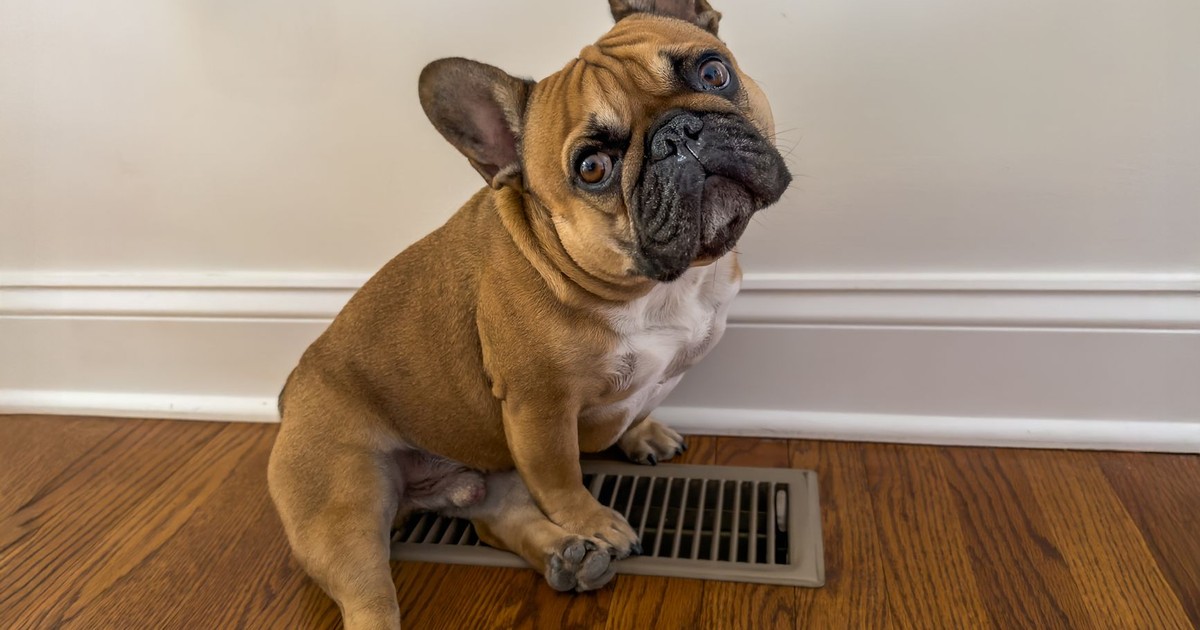
Not every dog faces the same level of danger in the heat, and understanding where your dog sits on the risk spectrum is one of the more practical things you can do before summer gets serious. Puppies, senior dogs, overweight dogs, and those with underlying health issues face increased risk. Breeds with short snouts, as well as dogs with conditions like hypothyroidism, cardiac disease, or laryngeal paralysis, also require extra caution in warm weather.
Flat-faced breeds – bulldogs, pugs, Boston terriers, French bulldogs, shih tzus – are especially vulnerable because their shortened airways mean panting is already compromised. They cannot move air as efficiently as longer-snouted dogs, so they overheat faster and have fewer physiological resources to cool down with. For these dogs, the safe temperature window is narrower than for other breeds. Brachycephalic breeds have shorter nasal passages that make it more difficult to pant effectively, putting them at higher risk for overheating, and these dogs should never be exercised during the hottest part of the day.
Arctic breeds – huskies, malamutes, Samoyeds – are another category that surprises people. Their coats were designed for cold climates and, despite being fit and energetic, they can overheat quickly in summer heat. Your dog’s enthusiasm for running does not mean their body can safely sustain it at 88 degrees.
4. Recognize the Warning Signs Before It Becomes a Crisis
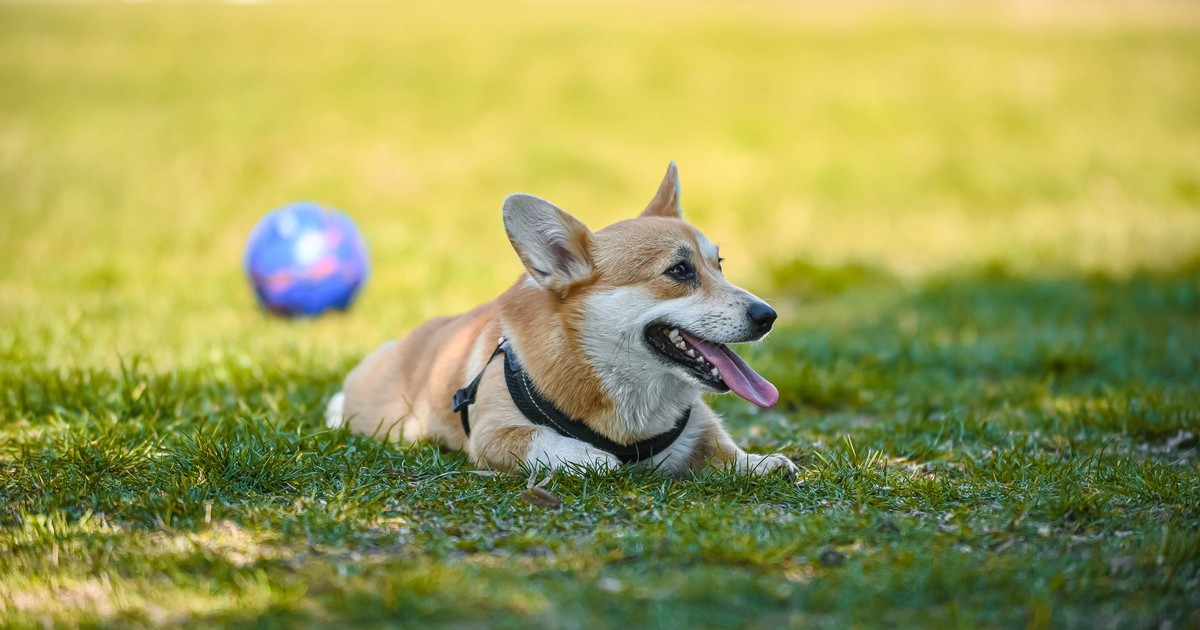
By the time clinical signs of heatstroke are visible, a dog can already be in critical condition. That’s what makes knowing the early signs so important – the window in which you can intervene effectively is earlier than most people think.
Signs of heatstroke include heavy panting, drooling, vomiting, diarrhea, weakness, and collapse. Bright red or pale gums, thick saliva, disorientation, and muscle tremors are also warning flags. A dog that is seeking shade, slowing down, or suddenly reluctant to keep moving is telling you something. Dogs do not usually stop playing voluntarily – if yours does, take that seriously.
The progression can be rapid. Heat stress, the earliest stage, is marked by increased panting and thirst. If the dog is not removed from the environment, it can progress to heat exhaustion, with heavy panting, drooling, weakness, and fatigue. Full heatstroke follows. Do not wait to see how things develop. If your dog is showing heat stress in a warm environment, cool them down and get them out of that environment immediately.
5. Know What to Do in the First Five Minutes
If you believe your dog is experiencing heatstroke, cooling them down fast is the priority – but there are wrong ways to do it that can make things worse. Move the dog to an air-conditioned room or a shaded area, submerge their legs and trunk in cool or cold water, and place them in front of a fan or air conditioning unit. Avoid wrapping the dog in wet towels, which can trap heat.
Do not use ice water or ice packs directly on the skin. The extreme cold causes blood vessels at the surface to constrict, which can actually slow the cooling process and force heat to stay trapped in the body’s core. Cool water – not freezing, not ice – is what you want. You can offer small amounts of water if the dog is awake, but do not force them to drink. Stop cooling measures once the dog’s rectal temperature reaches 103°F, and get them to a vet.
The broader guidance from veterinary sources is to “cool first, transport second” – meaning you should not skip the cooling phase in the rush to get to the car, because conditions can worsen in a hot vehicle. Start cooling on the spot, then transport in an air-conditioned car with the fans running.
6. Rethink Exercise, Not Just Location
The biggest trigger for heatstroke in dogs is not hot cars – it is exercising in the heat. That might rearrange your assumptions. Most of the public attention around dog heatstroke centers on parked vehicles, but the everyday risk – the one that catches more dogs on an ordinary Tuesday – is the enthusiastic owner who takes their dog for a run, a hike, or an extended game of fetch when the temperature and humidity are already elevated.
Dogs do not self-regulate during exercise the way we do. They are hardwired to keep going, especially if you are going. A dog running alongside a cyclist or chasing a ball for forty minutes in July heat is in real danger, and they will not stop on their own until the damage is already being done. As the American Kennel Club’s Chief Veterinarian has explained, heatstroke usually occurs when high ambient temperature overcomes the dog’s ability to dissipate heat, and the degree of damage is determined by how high a body temperature is reached and how long the animal is exposed.
Humidity compounds this faster than most people expect. Dogs who exercise in hot weather, especially during high humidity, can overheat quickly. Humidity slows evaporation from the tongue and airways, making panting less effective, and even a short walk on a hot, humid day can push a susceptible dog into heat exhaustion. If the air feels thick and wet to you, your dog is struggling significantly more than you are.
7. Provide Constant Access to Water and Shade
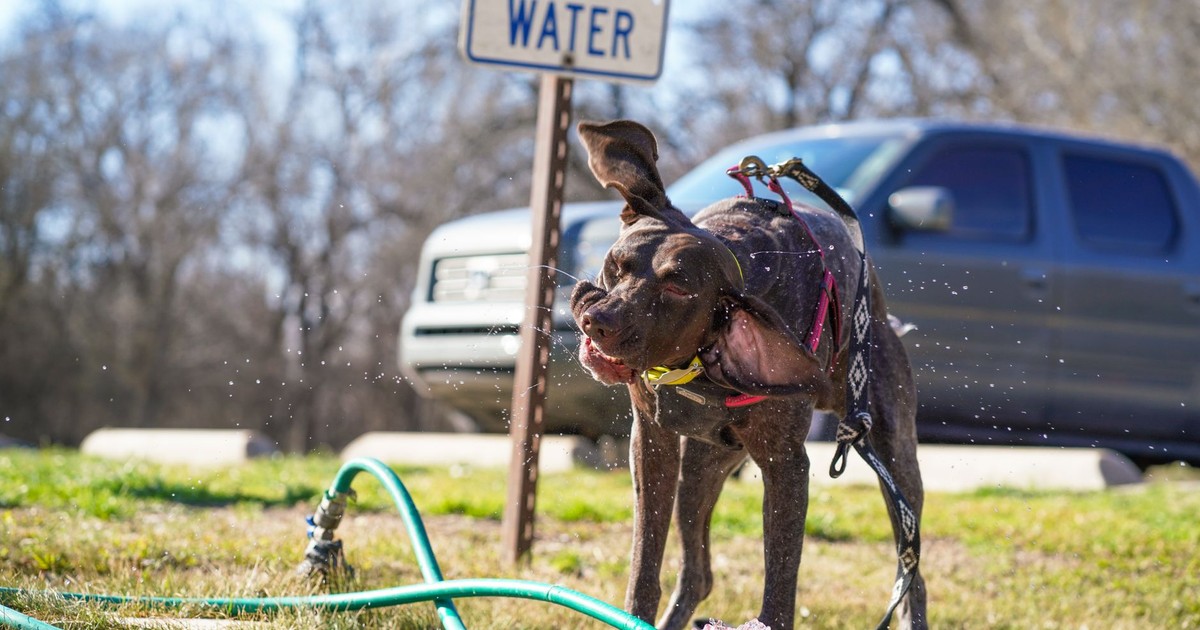
This sounds obvious and yet it is the thing most commonly not done properly. A bowl that was full this morning is probably empty or warm by afternoon. A patch of shade at 10 AM may be full sun by 1 PM as the angle changes. Dogs that are outdoors need shade that moves with the sun and water that is refreshed throughout the day – not once.
For temperatures at or above 90°F, pets should spend no more than 10 to 15 minutes outside, even for brief bathroom or play breaks. If your dog is in a yard or on a balcony for hours at a stretch, the risks compound well beyond what a bowl of water can offset. The surface of a balcony can quickly exceed 100°F, which can burn a dog’s paws and lead to heatstroke.
Kiddie pools work well for dogs who enjoy water. A wet towel draped over a dog’s back can help, though it needs to stay cool and damp to be useful. Frozen treats – broth frozen in ice cube trays, frozen Kongs – give dogs something cold to work with and provide some additional hydration. None of these substitute for keeping a dog indoors during peak heat, but they help when outdoor time is unavoidable.
8. Take It Seriously Even After the Danger Seems Past
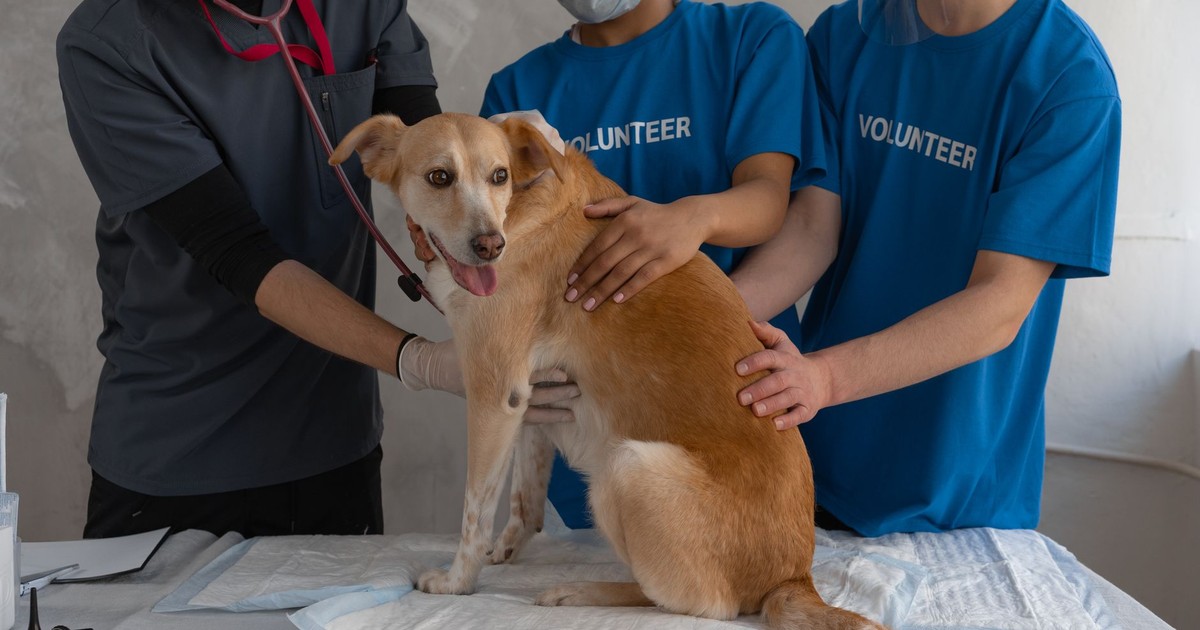
Even if a dog appears to recover after cooling down, a veterinary visit is essential. Heatstroke can cause internal damage that is not immediately visible. This is the part that catches families off guard. A dog who seems to rally after being cooled down and given water may have sustained kidney damage, blood clotting problems, or neurological injury that won’t be obvious for hours or days.
About 1 in 7 dogs treated for heatstroke does not survive, and a body temperature above 106 degrees can cause permanent brain and organ damage. The mortality figure is not just for untreated dogs – it includes dogs who received veterinary care. Getting to a vet fast is what moves a dog from that statistic toward a full recovery. Dogs who survive heatstroke may face ongoing health challenges depending on how severe the episode was. Some recover fully with prompt treatment, while others may need long-term care due to organ damage.
The post-crisis vet visit is not optional. Even a brief episode of overheating warrants a call to your vet. Internal injury does not always announce itself.
9. Don’t Shave Your Dog’s Coat – Brush It Instead
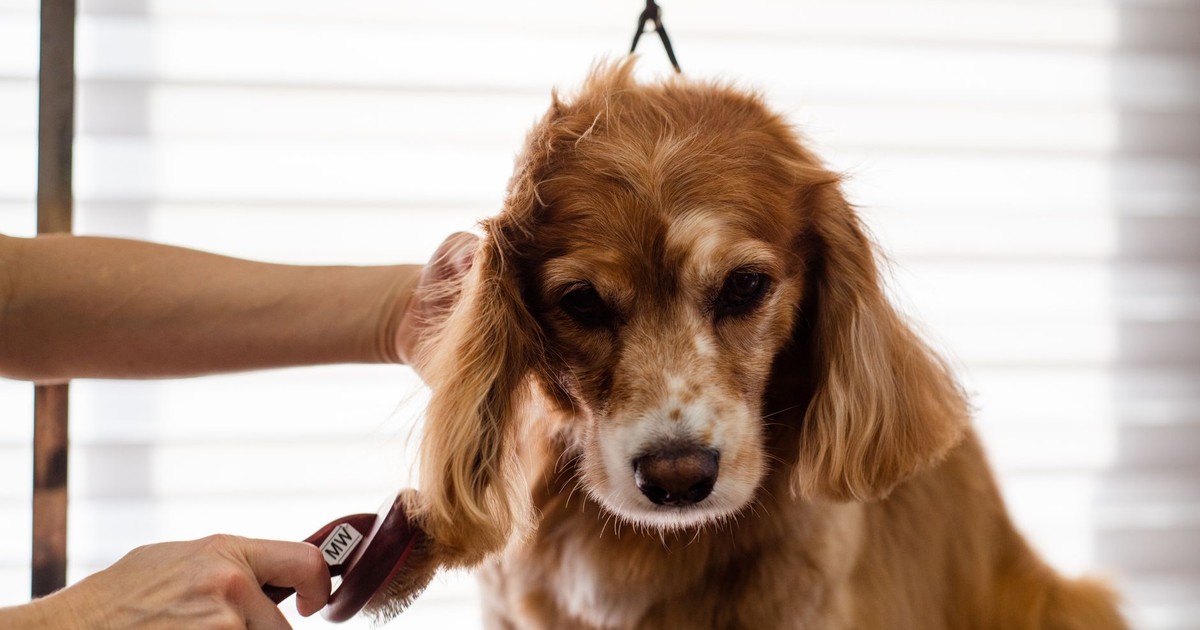
The instinct to shave a dog down in summer is understandable. The coat looks heavy. The dog looks hot. Surely less fur means cooler dog. For most breeds, this logic runs directly backward. A pet’s coat acts as a natural insulator, protecting dogs from both cold and summer heat. Regular brushing removes trapped undercoat and dead fur, allowing air to circulate better against the skin.
For double-coated breeds – huskies, golden retrievers, German shepherds, Great Pyrenees – shaving causes lasting harm that goes well beyond this one summer. Shaving double-coated breeds permanently damages their coat structure and robs them of their natural temperature regulation. It can also expose their delicate skin to direct sunlight, causing sunburn. The double coat on these dogs functions like insulation in both directions: it keeps cold out in winter and heat out in summer, while also protecting the skin from UV exposure. Removing it destroys that system entirely.
What these dogs actually need is consistent brushing throughout the season – removing the dead undercoat so the outer coat can do its job. A groomer who suggests shaving a husky for summer comfort is giving you advice that will make things worse, not better. A good deshed, on the other hand, makes a real difference. For single-coated breeds, a careful trim by a professional groomer can help, but even then, the goal is tidying and thinning, not shaving down to the skin.
10. Keep Your Dog Indoors During the Hottest Hours – With Real Air Conditioning
A shaded patio is not the same as air conditioning, and on a 95-degree day with climbing humidity, the difference between those two options can be the difference between a fine afternoon and an emergency vet visit. Poor ventilation in confined spaces like garages or kennels is one of the most commonly overlooked heatstroke triggers, and a covered porch with no airflow can behave almost identically to one of those spaces in peak summer heat.
Real air conditioning – meaning a system that actively cools the air below the outside temperature – is what actually works. If your home doesn’t have central AC, a window unit in the room where your dog spends most of their time is worth the investment. Fans help move air but do not lower temperature the way AC does, and for a dog who is already running warm, a fan blowing hot air is limited in what it can accomplish.
The critical period is roughly 10 AM to 5 PM on hot days. During those hours, a dog should be inside with access to cool air, water, and a comfortable resting surface. If you need to leave the house, make sure the AC is set before you go – not to a setting so high it costs a fortune, but to one that keeps the interior genuinely cool. Leaving your dog in a house that climbs to 85 degrees indoors on a 100-degree day is not the same as leaving them in cool air.
11. Consider a Cooling Vest or Cooling Mat for Outdoor Time
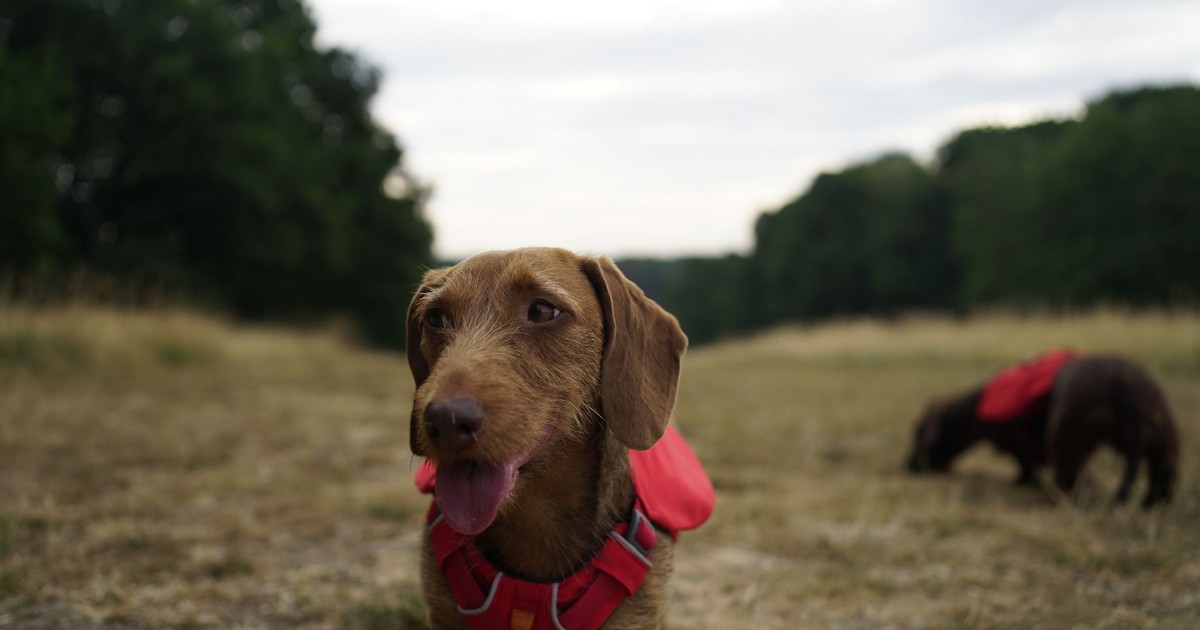
These are not novelty items. Dogs can overheat quickly during warm weather activities, and cooling vests help regulate a dog’s temperature so they can stay safer, more active, and more comfortable during summer. Evaporative cooling vests work by holding moisture against the body – you wet the vest, wring it out, and the evaporation process draws heat away from the dog as it dries. In dry climates, this works very efficiently. In humid climates, the vest will stay damp and the dog’s body heat doesn’t leave their body as efficiently, which is worth knowing before you buy one and assume the problem is solved.
Cooling mats operate differently. Most use a pressure-activated gel that absorbs body heat from the dog’s underside as they lie on it. They work best for a resting dog and are good for the period after a walk when your dog needs to come down in temperature. A cooling vest for walks paired with a cooling mat for rest time, plus plenty of water and shade, creates a comprehensive heat management approach for summer.
The important caveat with all cooling gear: the goal is proactive cooling to extend comfortable outdoor time, not to enable activity in dangerously hot conditions. No vest replaces common sense about heat safety. A cooling vest is a useful tool in a broader strategy. It is not a permission slip to hike a sun-exposed trail at noon in August.
12. Bring Water Every Single Time You Leave the House
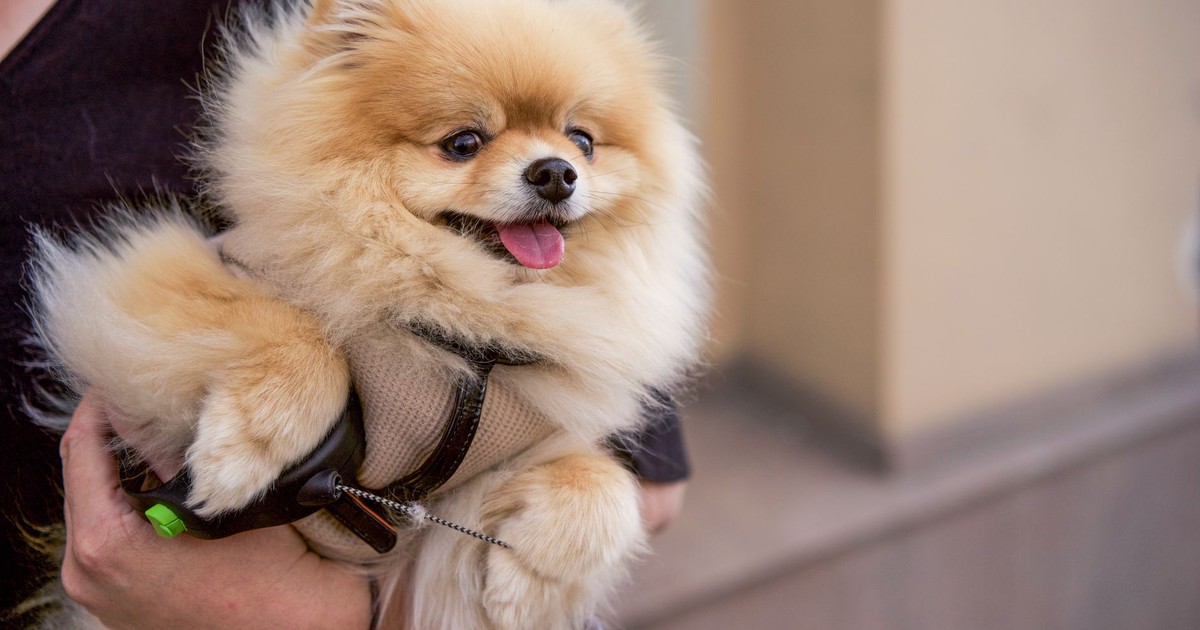
Not just for long walks. For any time you leave the house with your dog. A ten-minute errand in July can turn into thirty minutes, and a dog sitting in a parked car – or even standing on a hot sidewalk waiting for you – will go through that temperature margin faster than you expect. Carrying a collapsible bowl and a separate bottle of fresh water whenever you take your dog out for a walk or travel is the standard guidance from veterinary sources, and it is easier than it sounds once it becomes automatic.
There is also an important distinction between bringing water and making sure your dog drinks. Some dogs are not good self-regulators when they are excited or distracted, and they will not stop to drink even when they need to. Offering water proactively – before your dog seems thirsty, not after – is more useful than waiting for them to indicate they need it. By the time a dog is clearly signaling thirst in the heat, they are already behind.
Water temperature matters somewhat, too. Extremely cold water immediately after heavy exertion can cause stomach cramping. Room temperature or slightly cool water is more comfortable and your dog is more likely to drink enough of it. Save the ice cubes for rest time.
13. Watch Your Dog’s Gum Color
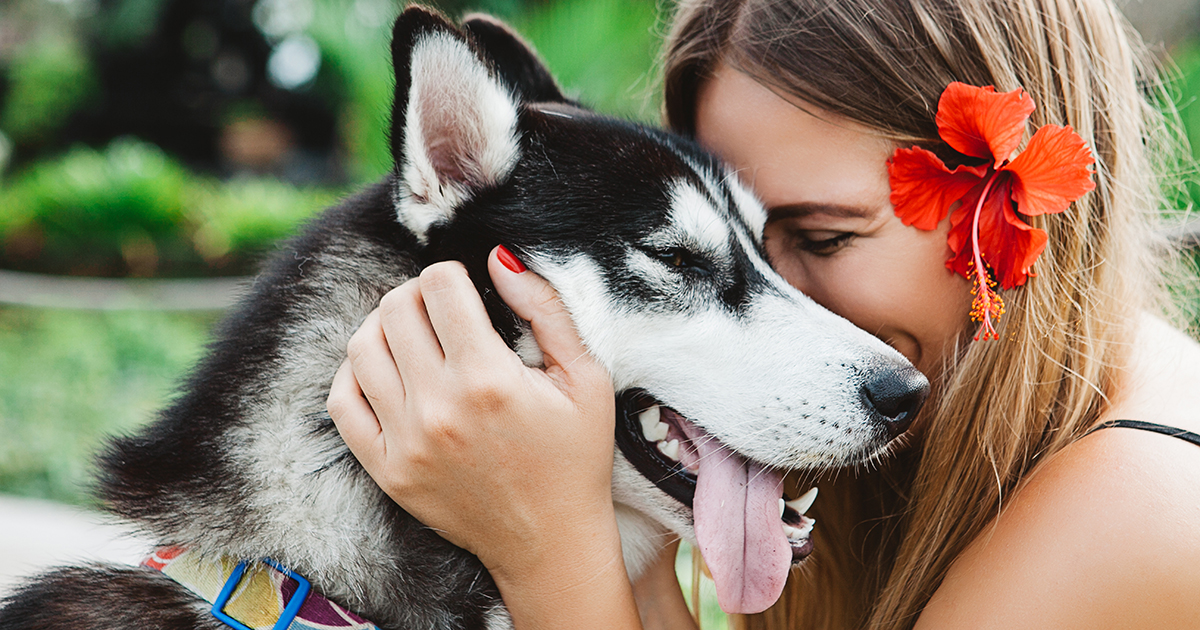
This is the one most people have never been told about and the one that gives you the clearest real-time signal of where your dog is. Healthy dogs have pink, moist gums. As heatstroke progresses, gum color shifts – first to bright red as blood rushes to the surface in an attempt to cool down, and then, as the condition worsens, to pale, gray, or white as circulation starts to fail. Signs of heatstroke include excessive panting, bright red gums, weakness, vomiting, and collapse.
Checking gum color takes about three seconds and costs you nothing. Lift your dog’s lip and look at the gum tissue above the teeth. What you want is a healthy bubblegum pink, and the tissue should be moist, not tacky or dry. Dry, sticky gums are a sign of dehydration. Pale or white gums are a sign that something more serious is happening and you need a vet immediately.
Practice this check when your dog is healthy and relaxed so you know what their normal color looks like. Baseline varies slightly between dogs, and you will be able to read the departure from normal much faster if you already know what normal looks like for this particular animal.
14. Know the Difference Between Heat Exhaustion and Heatstroke
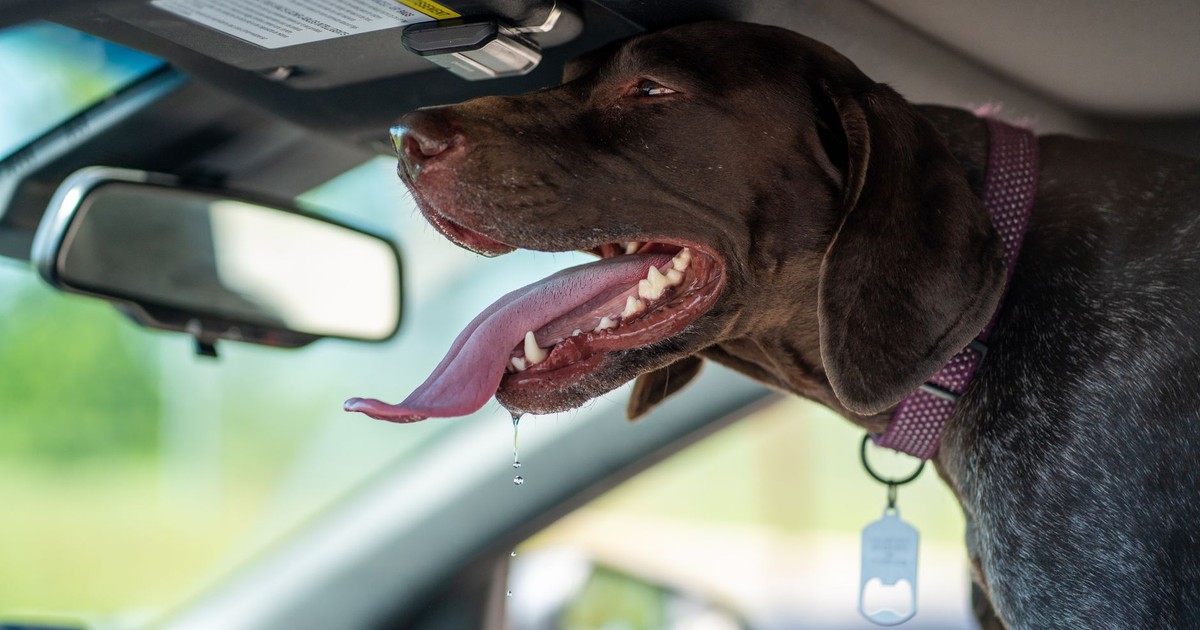
These two conditions are often treated as the same thing, but they are not, and understanding the difference tells you how fast you need to move. Heat stress, the earliest stage, is marked by increased panting and thirst. If the dog is not removed from the environment, it can progress to heat exhaustion, with heavy panting, drooling, weakness, and fatigue. At the heat exhaustion stage, cooling the dog down and getting them to a calm, cool environment can often stabilize the situation – though a vet call is still warranted.
Full heatstroke is when the dog’s body has lost the ability to regulate its own temperature, organs are starting to be affected, and the situation is genuinely life-threatening. Signs include confusion, stumbling, vomiting, and collapse. This is an emergency that requires immediate veterinary care, not a wait-and-see approach at home.
The practical implication: do not wait for the dramatic signs to act. If your dog is panting heavily, seems weak, and you are in a hot environment, treat it as heat exhaustion and start cooling measures immediately. The time it takes to go from heat exhaustion to heatstroke is shorter than most people assume. Intervening at the earlier stage is how you prevent reaching the later one.
15. Check the Heat Index, Not Just the Temperature
The thermometer reading is only part of the picture. Humidity determines how effective panting actually is as a cooling strategy – and when the humidity climbs, panting becomes dramatically less efficient, regardless of what the air temperature reads. Humidity increases the danger significantly, as it interferes with a dog’s ability to cool themselves through panting.
A day that reads 85°F but carries 85 percent humidity can be more dangerous for your dog than a 95°F day in dry heat. Weather apps and services that report the heat index – the “feels like” temperature that factors in humidity – give you a more accurate picture of what conditions actually mean for your dog’s physiology. When the heat index is above 90, treat it like a 90-degree day even if the thermometer reads lower.
This is especially relevant in the Southeast and Midwest, where summer humidity regularly compounds the temperature risk in ways that owners from drier climates sometimes underestimate when they move. The humidity is the thing that catches people off guard – and it is the thing that’s most likely to send a dog into trouble during what seemed like a reasonable morning outing.
16. Never Rely on “Just a Minute” Math
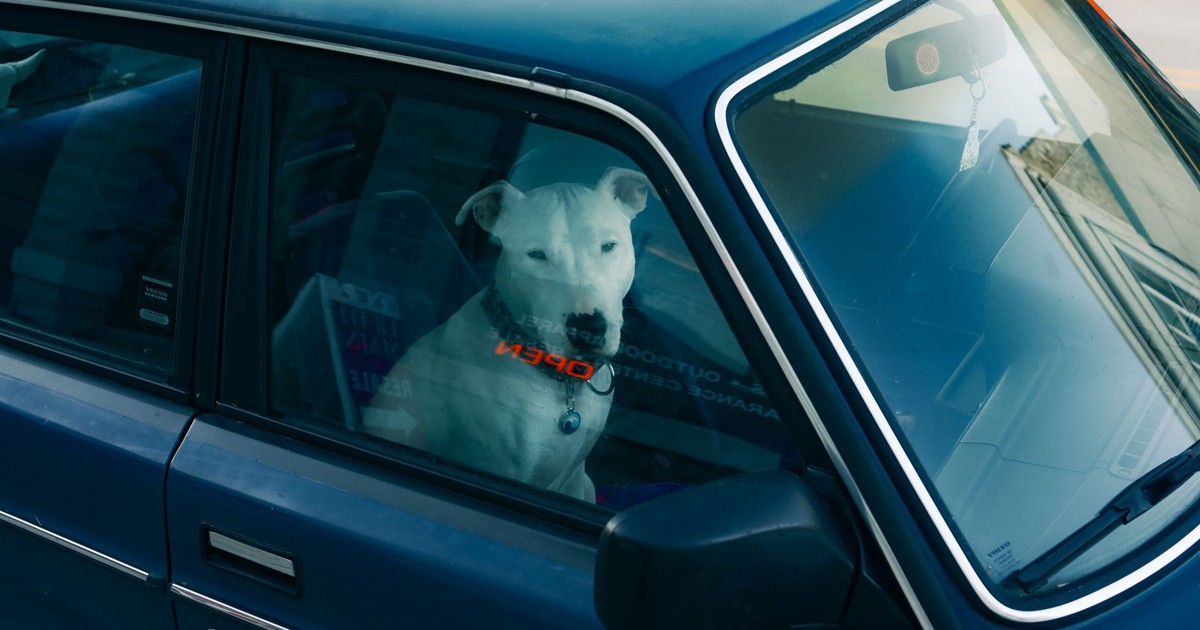
Humans are extraordinarily bad at estimating how long they’ll be somewhere. “Just a minute” in a store is rarely a minute. “Quick errand” routinely becomes twenty minutes. “I’ll be right back” has preceded more emergency vet visits than anyone wants to count. The core problem with leaving a dog anywhere – in a car, tied outside, in a yard without shade – is that your estimate of elapsed time and the actual elapsed time almost never match.
According to research, the temperature inside a car increases by an average of 40°F per hour. This means even if it is only 70°F outside, the inside of a car can easily exceed 110°F. So your “quick errand” does not need to be an hour to be dangerous. It needs to be fifteen minutes on a warm day with a cloudy sky that just cleared.
The cleanest solution is to stop negotiating with the math entirely. Make it a fixed rule: dog does not go in the car unless dog is coming into every destination with you, or dog stays home. Not “probably fine for ten minutes.” Not “windows are cracked.” A fixed rule you do not think about is more reliable than a judgment call you make fresh every time.
17. Protect Your Dog’s Paws From Hot Pavement
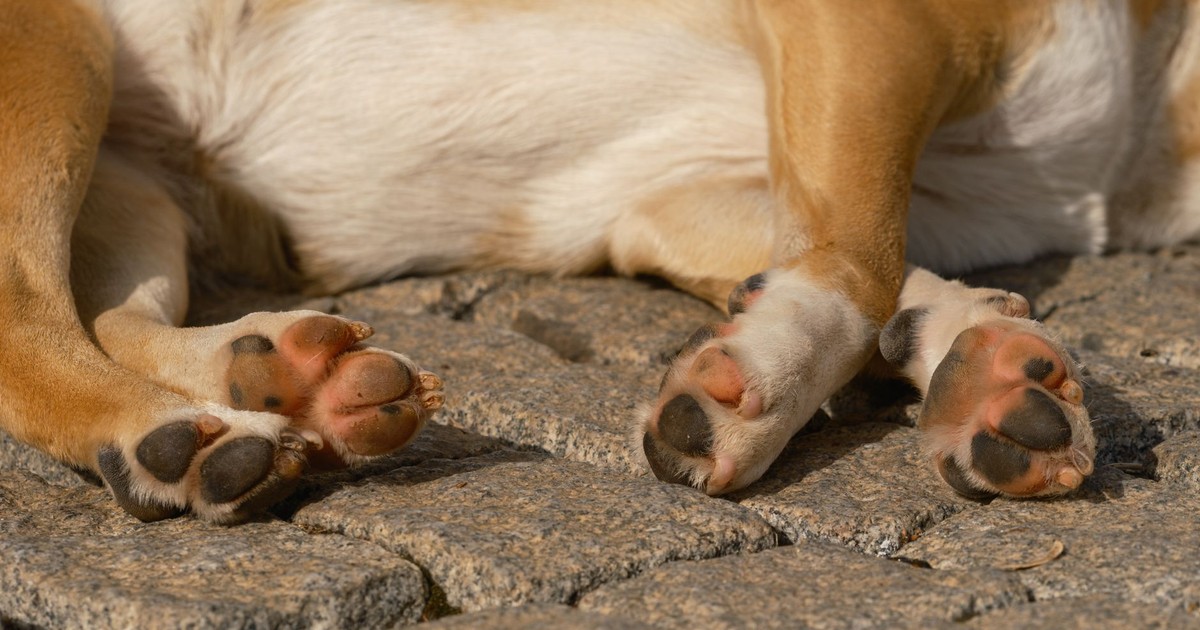
Paw burns are painful, take time to heal, and cause dogs significant distress – and they can happen in minutes on summer pavement, not just from extended exposure. Asphalt absorbs heat through the day and can reach temperatures of 140°F or above on a hot afternoon, even when the air temperature feels manageable. The surface of a balcony can quickly exceed 100°F, and the same principle applies to sidewalks and asphalt, which can burn a dog’s paws.
Dog boots or paw wax offer real protection and are worth using on any surface that you wouldn’t walk across yourself in bare feet. Dog booties or paw wax can provide protection, and checking paws regularly for burns, cracks, or injuries is part of responsible summer care. Most dogs take a few walks to get comfortable with boots, so it is worth introducing them before you actually need them rather than on the day a heat advisory hits.
If your dog shows sudden reluctance to walk, starts lifting paws alternately, or licks their paws compulsively after a walk, examine the pads for redness, blistering, or raw patches. Burned paws should be rinsed with cool water, covered loosely, and seen by a vet. Walking on scorched pavement with open paw burns is not something you want to attempt while waiting for the appointment.
18. Understand How Pool Water Affects Your Dog
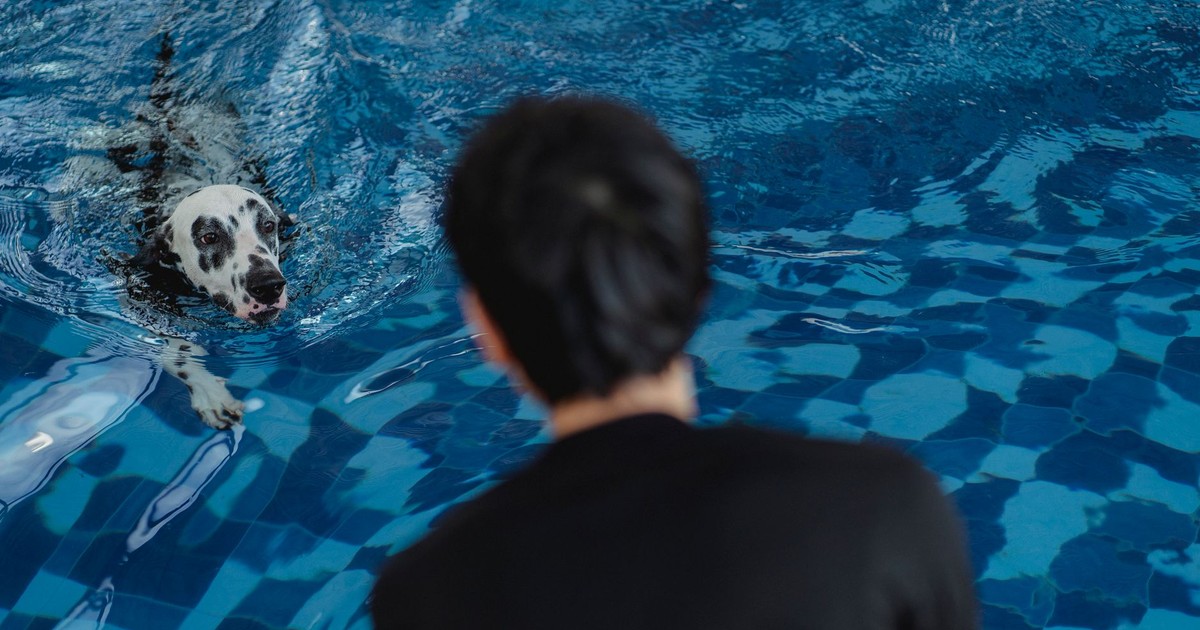
For dogs who love water, a pool or kiddie pool can be excellent for managing body temperature in summer heat. Swimming is genuinely cooling and it is lower-impact exercise than running, which means a dog can stay active without generating the same internal heat load. But pool time comes with its own set of considerations that do not always get communicated clearly.
Excessive exposure to saltwater can cause dehydration in dogs. Freshwater pools may contain chemicals like chlorine, which can irritate a dog’s skin, eyes, and nose. A dog who spends an afternoon in a chlorinated pool and has been drinking that water instead of fresh water may end up more dehydrated than a dog who didn’t swim at all. Always keep fresh drinking water available and accessible at pool-side.
Pets should not ingest large amounts of pool or ocean water, as it can lead to stomach upset and dehydration, and after swimming, pets should be rinsed off so that chlorine or saltwater doesn’t irritate their skin and coat. A post-swim rinse is a good habit, not just for coat health but because dried chlorine or salt sits against the skin and can cause irritation that compounds over a summer. Pool time is a great tool – it just works best when you manage the hydration and aftercare that go along with it.
19. Build Rest Breaks Into Any Outdoor Activity
Dogs rarely advocate for their own rest. They follow your lead, they match your pace, and they will keep going with you out of instinct and attachment even when their body is telling them to stop. Exercising in hot, humid weather without breaks or access to shade is one of the primary causes of exercise-induced heatstroke, and the break piece matters as much as the shade piece.
A ten-minute rest in shade every twenty to thirty minutes of activity is a reasonable framework for a healthy dog on a warm day – less if it’s very hot or humid, and even less for high-risk breeds. The rest should include water, and it should be in actual shade rather than partial shade. Sitting in the sun between stretches of walking does not give the body an opportunity to recover heat load.
Notice whether your dog settles easily during rest breaks or seems agitated and unable to relax. A dog who is still panting heavily after five minutes of rest in shade is a dog whose body is working hard to manage its temperature. That is the signal to end the outing, not to resume it in another few minutes.
20. Keep a Rectal Thermometer in Your Pet First Aid Kit
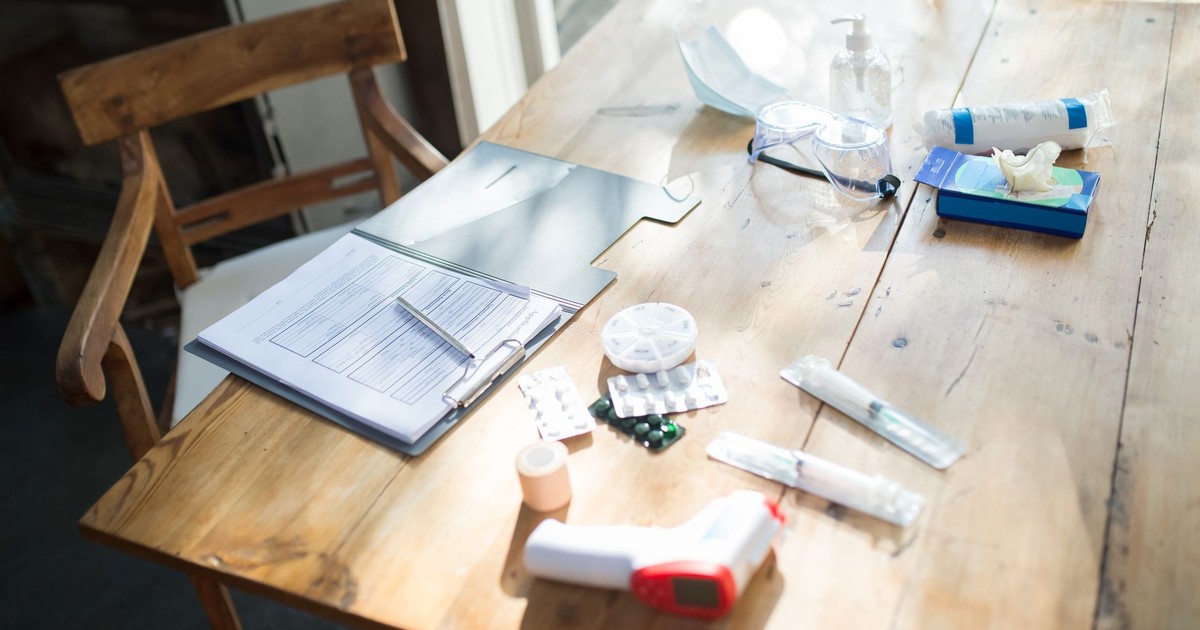
This is unglamorous advice and it is also the most accurate way to know whether what you are dealing with is a mild overheating situation or a heatstroke emergency that needs an emergency vet. A rectal temperature above 104°F is the clinical threshold for heatstroke, and over 106°F causes organ damage. You cannot determine those numbers by how your dog looks or acts.
A basic digital rectal thermometer costs very little and gives you real information in a moment where guessing wrong has serious consequences. The process is straightforward: lubricate the tip with petroleum jelly, insert gently about an inch into the rectum, and hold steady for the reading. Most dogs tolerate it if you are calm. The number you get tells you whether you are dealing with early overheating or a genuine emergency requiring immediate transport.
If you do not know where to start with a pet first aid kit, always having a pet first aid kit on hand and knowing basic first aid for heatstroke, dehydration, or paw injuries can make a critical difference in how quickly and effectively you can respond. A thermometer, a bottle of water, a collapsible bowl, a cooling towel, and the number for your nearest emergency vet clinic is a kit that costs almost nothing to assemble and requires no medical training to use.
21. Don’t Let Your Dog Stand on a Sun-Heated Metal Surface
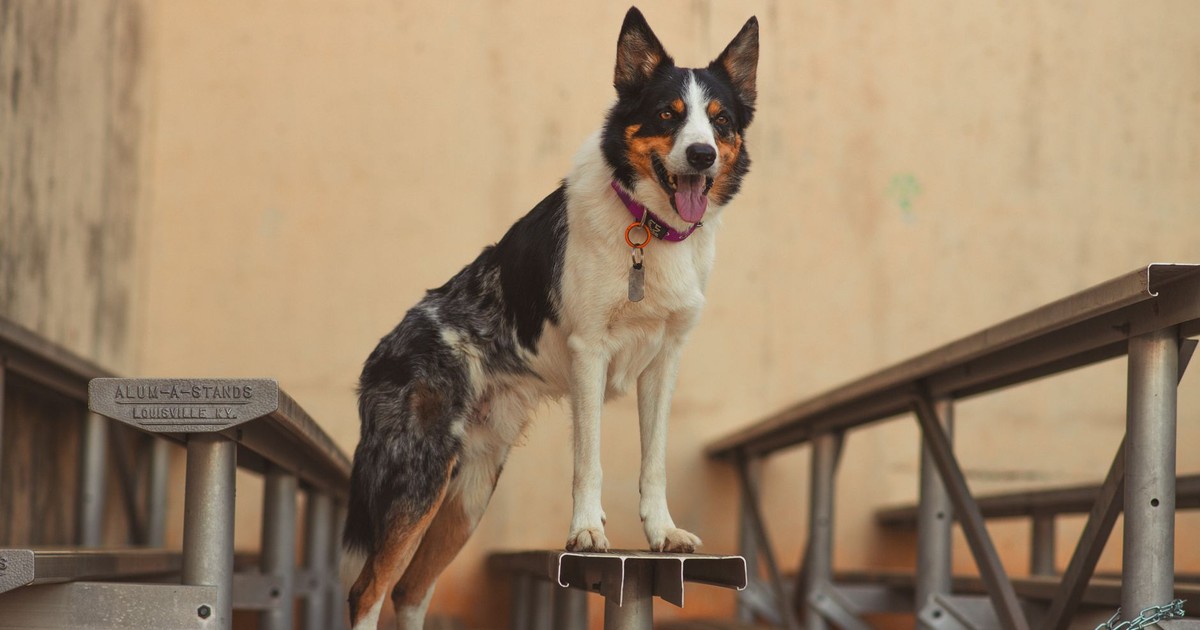
Boat decks, truck beds, metal stairs, and metal balcony grating can reach temperatures that cause immediate burns and dramatically accelerate overheating. Unlike pavement, which at least has some variation in surface texture that can trap small pockets of cooler air, bare metal sitting in full sun conducts heat almost perfectly from the environment directly into whatever is touching it.
Dogs in truck beds on summer road trips are particularly exposed to this risk – the truck bed becomes a flat, shadeless, heat-radiating surface with no escape and moving hot air rather than cooling air. If your dog rides in a truck bed, ensure they have a raised, non-metal surface to stand on and access to shade. Better yet, for hot days, bring them into the cab.
The principle extends to anywhere metal surfaces are exposed to direct sun. Before putting your dog on any metal surface – boat deck included – press your hand against it for a few seconds. If it’s uncomfortable for you, it is dangerous for a dog who cannot lift their feet off it.
22. Monitor Water Bowl Temperature Throughout the Day
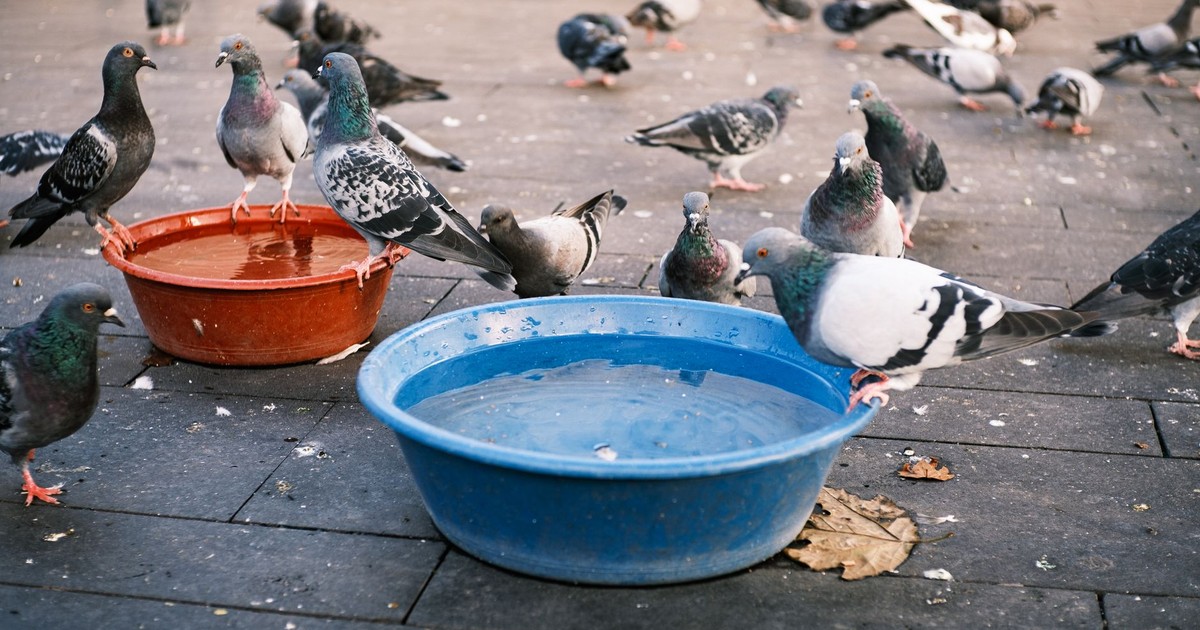
A dog who approaches their water bowl and finds water that has been sitting in the sun for six hours is not going to drink as much as a dog who finds fresh, cool water. This matters because adequate hydration is one of the body’s primary defenses against heat stress, and a dog who isn’t drinking enough – even if water is technically available – is more vulnerable than their owners typically realize.
To prevent dehydration, placing multiple water bowls around the home and in shaded outdoor areas is recommended, and changing the water frequently is important because stagnant water can quickly become a breeding ground for harmful organisms. Beyond hygiene, warm stagnant water is simply less appetizing to dogs and they will drink less of it.
On a very hot day, adding a few ice cubes to a water bowl slows the warming process and many dogs will drink more readily from slightly cooler water. You can also use a large, insulated bowl – the kind designed for travel or camping – to keep outdoor water cooler for longer. None of this is elaborate. It is paying attention to a small logistical detail that directly affects whether your dog is adequately protected.
23. Know What Dehydration Looks Like
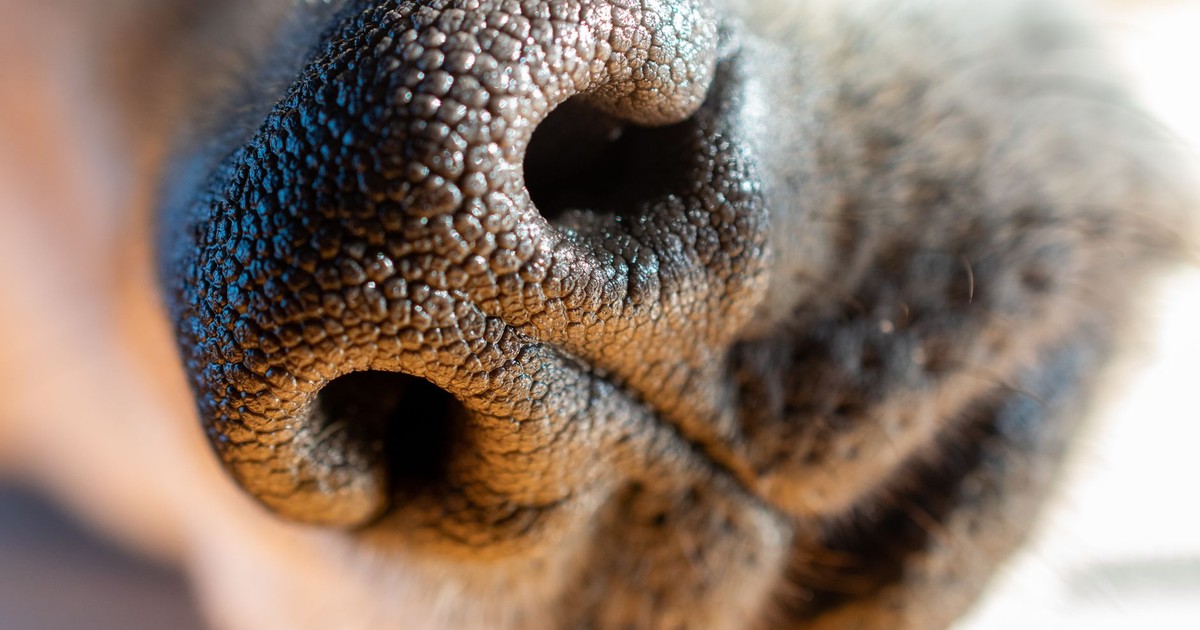
Dehydration and heatstroke can look similar in the early stages, and they often arrive together – a dog who has been in the heat without adequate water is dealing with both simultaneously. A simple way to check for dehydration is to gently pinch the dog’s skin using your thumb and forefinger as it slightly pulls away. When you release it, the skin should quickly return to place. If there is a delay, the animal needs water.
Other signs include dry or tacky gums, sunken eyes, reduced urination, and lethargy that seems disproportionate to the level of activity. Signs of dehydration can include vomiting or diarrhea, eyes that appear sunken, and an elevated heart rate, although a dog could also have a weak pulse. A dehydrated dog is a dog whose cooling system is compromised – panting works better when a dog is well hydrated, and it fails faster when they are not.
If your dog shows signs of dehydration without also showing heatstroke symptoms, offering small amounts of cool water and moving them to a cool space is a reasonable first response. If they are showing heatstroke signs alongside dehydration, or if the dehydration seems severe, this is a vet visit, not a home management situation.
24. Be Careful at Dog Parks in Summer Heat
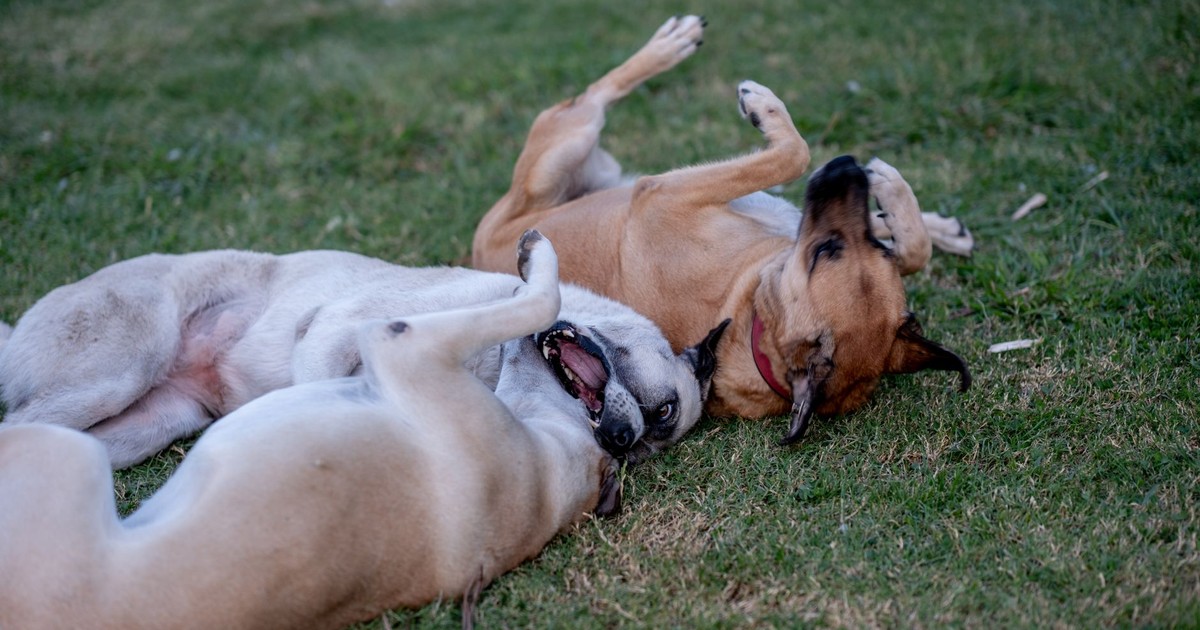
Dog parks are a wonderful thing for nine months of the year. In the middle of summer, they become a vector for heatstroke in ways that are easy to miss because the dogs seem fine – until they suddenly are not. Dogs who will play catch until they are ready to collapse are common, and dogs who exercise in hot weather, especially during high humidity, can overheat quickly.
The specific problem with dog parks is that the excitement of other dogs overrides a dog’s already-limited self-regulation. A dog who would slow down on a solo walk will chase and wrestle for an hour at the park because the social stimulation keeps them going past the point their body can sustain. Add a sun-exposed field with no shade and an owner who is chatting with other owners rather than watching closely, and you have a situation where heatstroke can arrive in the middle of what looks like a perfectly normal Tuesday.
If you take your dog to a dog park in summer, go early in the morning before the ground is heated, pick parks with shade structures or tree cover, and watch your dog’s panting pattern rather than the clock. A dog who is panting rapidly and cannot seem to slow down even when standing still should leave the park, not take a five-minute water break and go back in.
25. Take Particular Care When Traveling
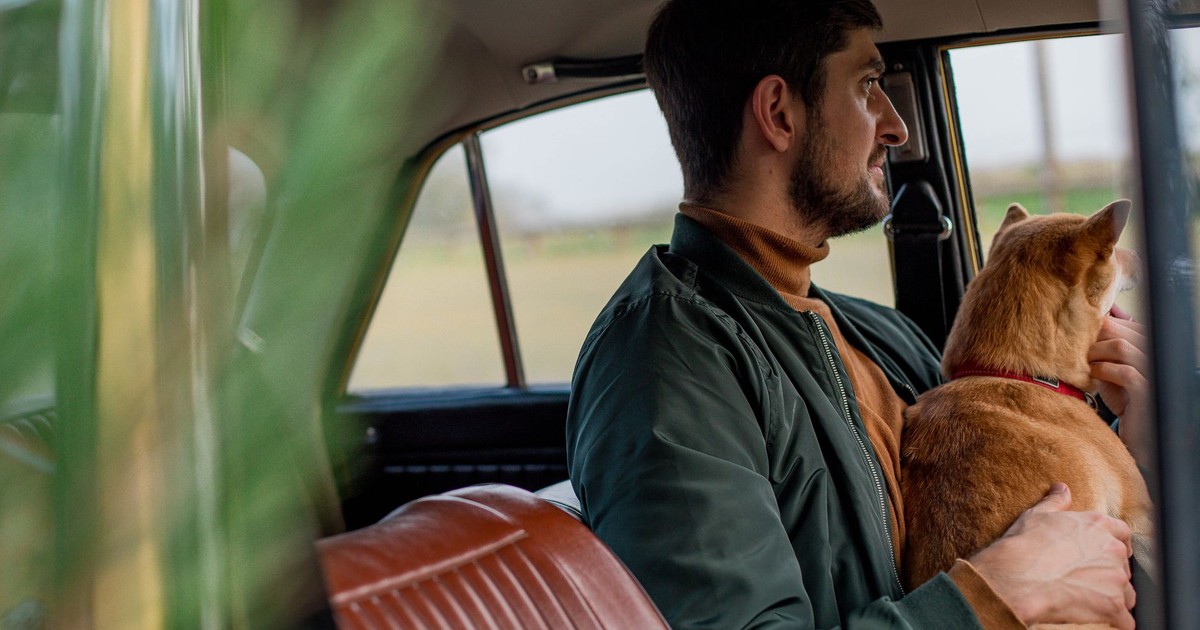
Road trips with dogs are genuinely enjoyable, and nothing on this list is saying don’t do them. But summer travel introduces heatstroke risks that a regular local routine doesn’t, and it’s worth thinking through those specifics before you load the car. High temperatures, hot pavement, dehydration, and prolonged sun exposure can all affect pets more quickly than owners realize, and road trips and long hours in the car can create travel-related stress and increase the likelihood of heat-related emergencies.
Rest stops are the key variable. When you stop for gas or food, the question of what to do with the dog comes up every time, and the wrong answer – leaving them in the car for what feels like a few minutes – is exactly the situation that creates emergencies. Plan your stops in advance at locations where your dog can come with you, or where one person can stay in the running, air-conditioned car with the dog.
Rest stop grass can also be scorching hot if it is in full sun. Bring a water bottle and a collapsible bowl for every stop, offer water before your dog indicates thirst, and give them at least a five-minute opportunity to stretch and toilet in a shaded spot before getting back in the car. Long drives generate heat inside the car even with AC running – windows radiate sun directly onto surfaces, and a dog in a crate in a sunny window gets a heat load that the car’s air conditioning may not fully offset.
26. Avoid Muzzles During Hot Weather
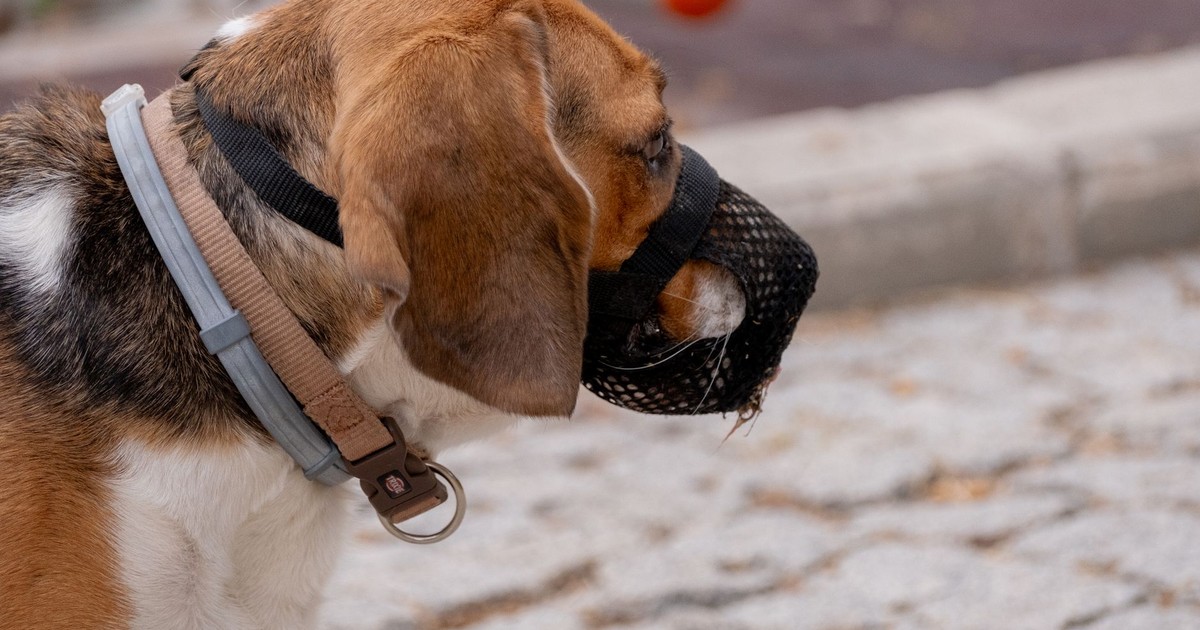
Muzzles have legitimate uses – safety at the vet, work situations, post-surgery recovery – but on a hot day, any restriction on a dog’s ability to pant is an active threat to their ability to regulate temperature. Panting is how dogs cool down. A muzzle that restricts mouth opening significantly impairs that process.
This applies even to basket muzzles, which are more open than the fabric kind but still limit the full range of jaw movement that effective panting requires. If your dog needs to wear a muzzle for safety reasons, keep muzzled time brief in summer heat, ensure they are in a cool environment, and monitor them closely. If the situation allows any choice about timing, hot days are not the days for extended muzzle use.
This also applies to grooming visits. Some groomers will muzzle dogs during certain stages of grooming, and the combination of a warm grooming environment, physical handling, and restricted panting can push vulnerable dogs into trouble faster than you’d expect. If your dog has a history of overheating or is in a high-risk category, discuss this with your groomer before summer appointments.
27. Watch for Heatstroke Risks in Your Own Backyard
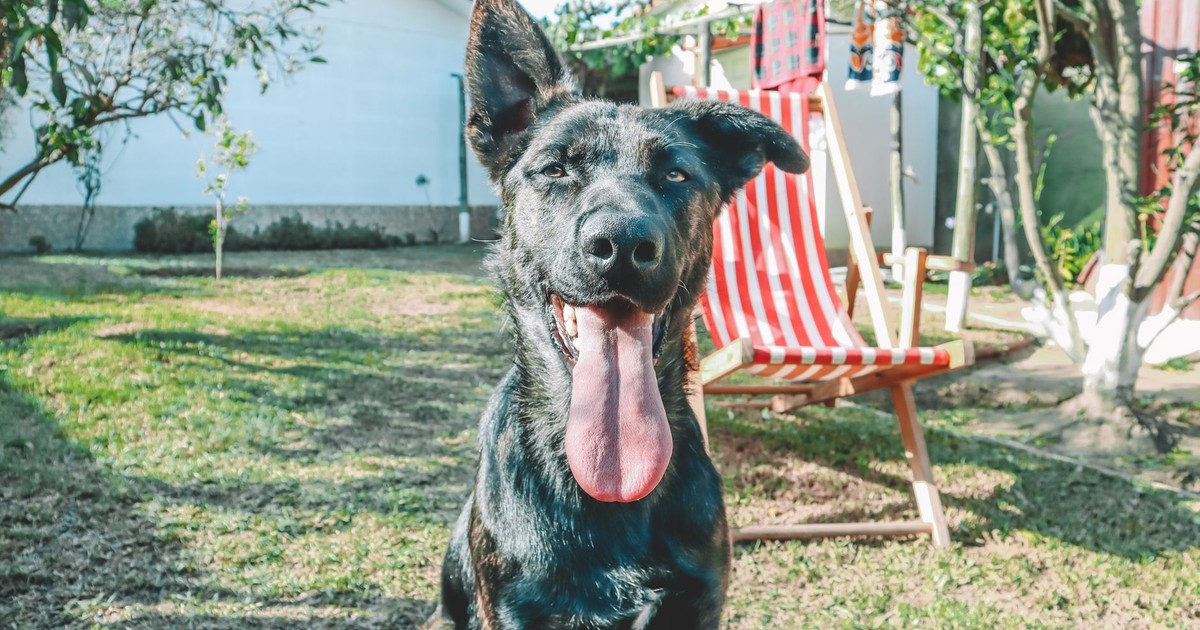
There is a common assumption that the backyard is safe – your dog knows their space, it’s familiar, you are nearby. But the backyard in summer is where a significant number of heatstroke incidents happen, precisely because owners are less vigilant there than they would be on a walk or at a park. A dog left in a yard that runs out of shade as the sun moves, without a water bowl that got refilled, on a day that turned out hotter than forecast, is in real danger even a hundred feet from your back door.
Being left outside in hot weather can cause heat stress, injury, or death. Distance from the house does not create safety. Time in hot conditions creates danger, regardless of how familiar the environment is. A yard check that worked fine in May may stop working fine in July when the sun angle changes, the trees lose certain afternoon shade, and the temperature climbs ten degrees hotter than the same month last year.
Walk out and look at your yard from your dog’s perspective at different times of day. Where is the shade at 2 PM? Is the water bowl in direct sun? Is there a paved or metal surface that radiates heat near where your dog tends to rest? These are five-minute observations that can change what you decide to do with your backyard setup for the rest of the summer.
28. Feed Appropriately – Not Right Before Exercise
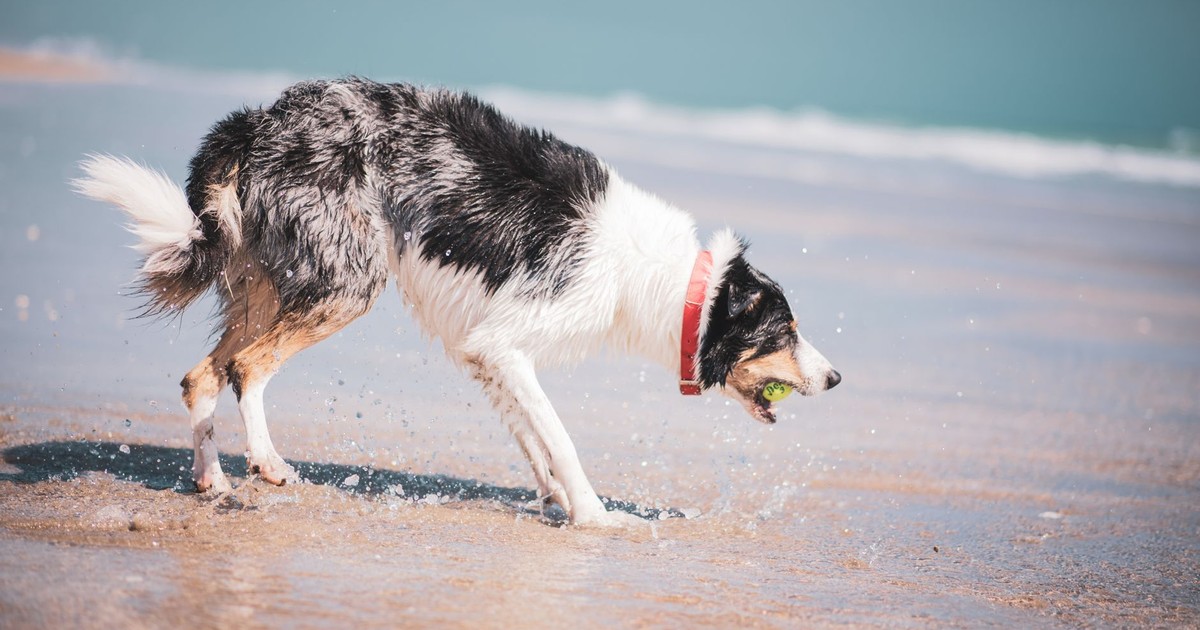
Digestion generates internal heat. A dog who has just eaten a full meal and is taken out for a run or vigorous play in summer heat is managing two simultaneous heat loads – the environmental one and the metabolic one from digesting food. For large and deep-chested breeds, strenuous exercise on a full stomach also raises the risk of bloat, which is a separate and equally serious emergency.
Feed your dog earlier in the day and allow a reasonable rest period before any exercise – particularly vigorous exercise in warm weather. If your dog’s routine is a morning feeding followed by a walk, make sure there is at least an hour between the meal and the physical activity. For the hottest months, feeding in the coolest part of the day and exercising in the coolest part of the day may mean adjusting the usual schedule.
Smaller, more frequent meals are handled by the digestive system more efficiently and generate less metabolic heat than one large meal. If your dog is currently on one large daily meal, summer is a reasonable time to talk to your vet about splitting it into two smaller portions. This is especially worth considering for dogs who are already in the high-risk category for heat-related illness.
29. Learn to Tell When Your Dog Is Faking It
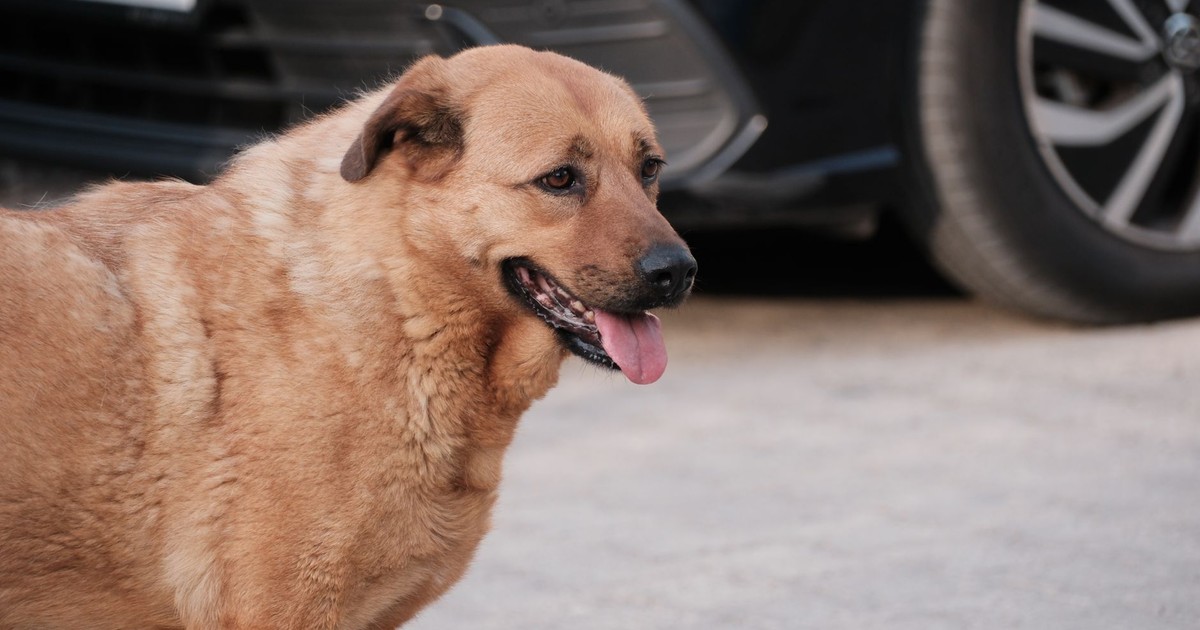
Not deception – dogs don’t operate that way. But dogs will follow you, defer to you, and suppress signals of discomfort to stay close and engaged in what you’re doing. A dog who seems perfectly content lying in the sun next to you while you garden may actually be significantly overheated and simply not in the habit of relocating without your cue. You are the one who decides when the session is over.
This is the thing about dogs heatstroke prevention that does not fit neatly into a checklist: it requires you to be paying attention differently than you might have been. Not just glancing over to see if the dog looks fine, but actually checking panting rate, gum color, and willingness to move. A dog who is reluctant to get up is sometimes tired. A dog who is reluctant to get up and has been in full sun for an hour and is panting harder than the situation seems to warrant is a dog who is telling you something important.
Trust the physiological signals over the behavioral ones. A dog who seems behaviorally happy but whose body temperature is climbing has a body that is telling a different story than the wagging tail. Learn to read the body.
30. Keep the Indoor Temperature Consistent When You Leave
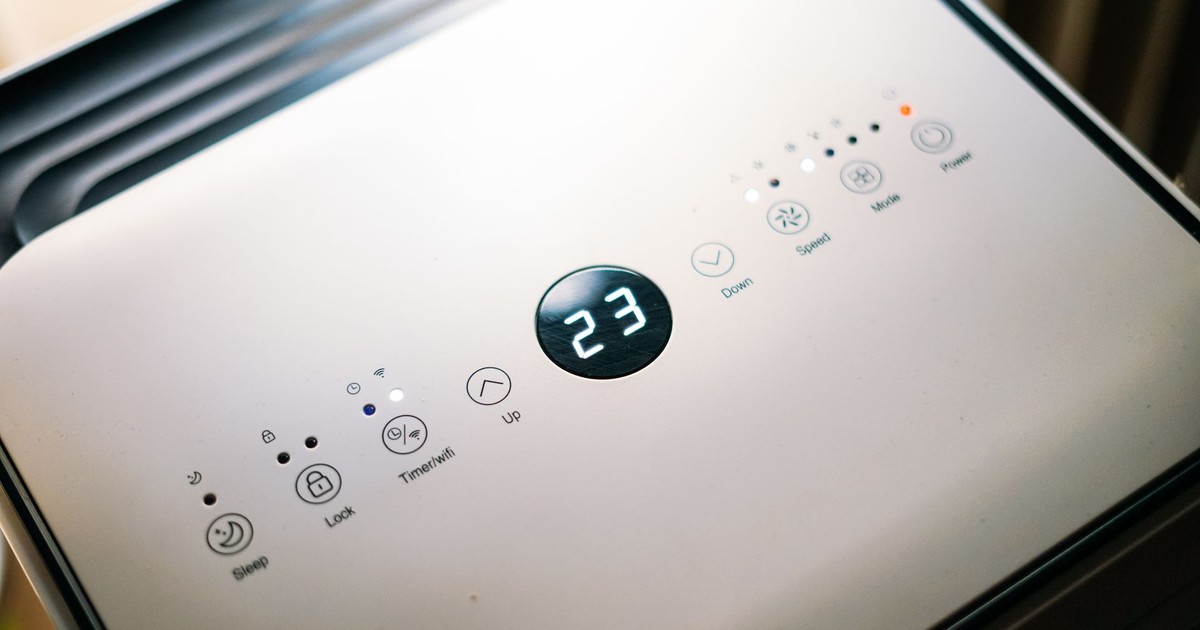
Coming home to a house that is 90 degrees inside because someone turned the AC off to save energy, or the power blinked and the thermostat reset, is a scenario that has ended badly for dogs left alone. Before you leave for the day, verify the thermostat is actually set and actually running, not just scheduled to come on later.
Smart home thermostats are worth the investment for anyone with pets for exactly this reason – they allow you to check and adjust the home temperature remotely, which means you can verify the house is cool even if your commute runs long. Some also send alerts if the temperature rises above a set threshold, which gives you a chance to act before you come home to a crisis.
If you do not have central air conditioning, ensure your dog has access to the room with the window unit and that the window unit is running before you leave. A fan in a closed hot room is not adequate. The room needs to be actively cooled below the outside temperature, and your dog needs to be able to access it freely throughout the day.
31. Have Your Vet’s Number – And an Emergency Vet Number – Actually In Your Phone

This sounds administrative. It is. And it is the kind of thing that absolutely does not get done in the moment of an emergency when your dog is overheating and you are trying to think straight. The number for your regular vet and the nearest emergency veterinary clinic should already be in your contacts, not something you look up while your dog is showing signs of heatstroke.
If you suspect your dog may be experiencing heatstroke, calling your veterinarian or local emergency veterinary hospital immediately is critical. Your vet will instruct you on beginning to cool your dog prior to arrival at the hospital. That phone call on the way in is not a formality – the clinic can prepare for your arrival, give you real-time cooling guidance, and sometimes save critical minutes that determine outcome.
The emergency vet number matters because heatstroke does not schedule itself during business hours. Plenty of the 47 deaths tracked in 2026 happened on weekends, on holidays, on evenings when the regular vet was closed. Know in advance where you would go.
32. Don’t Rely on Online Videos for First Aid Guidance in the Moment
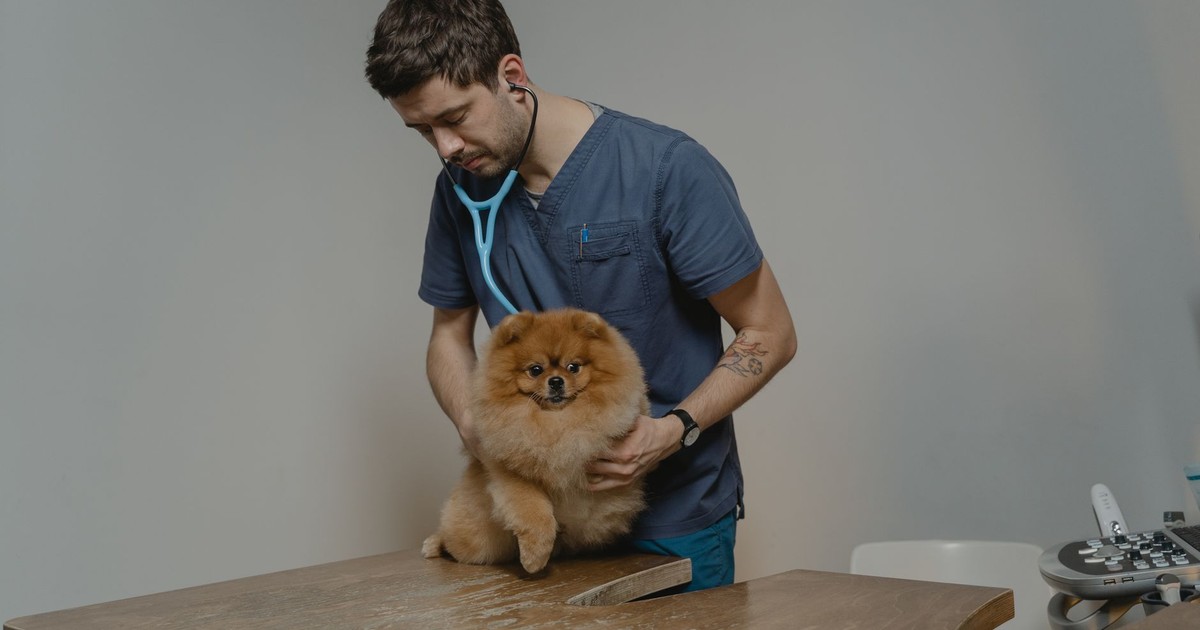
There is a lot of genuinely useful information about canine heatstroke first aid on the internet, and there is also a meaningful amount of outdated or incorrect information. Instructions to submerge a dog in ice water, to wrap them in wet towels and leave them, or to give large amounts of cold water orally circulate alongside correct guidance, and when you are panicking it is hard to sort one from the other.
When cooling a pet, never use ice, as it can increase the risk of shock and even cause hypothermia. That is the kind of specific, consequential fact that a video you find mid-emergency may not lead with. Learning the basic correct steps in advance – cool water on the body, fan or air conditioning, stop cooling at 103°F, get to a vet – means you are not searching and evaluating information while the clock is running.
A laminated card with the basic first aid protocol kept with your pet first aid kit is not excessive. A brief conversation with your own vet at the next checkup about what they specifically recommend in a heatstroke emergency gives you guidance tailored to your dog’s situation. Either approach is better than having to figure it out under pressure.
33. Be Alert to Heatstroke Risk at Outdoor Events
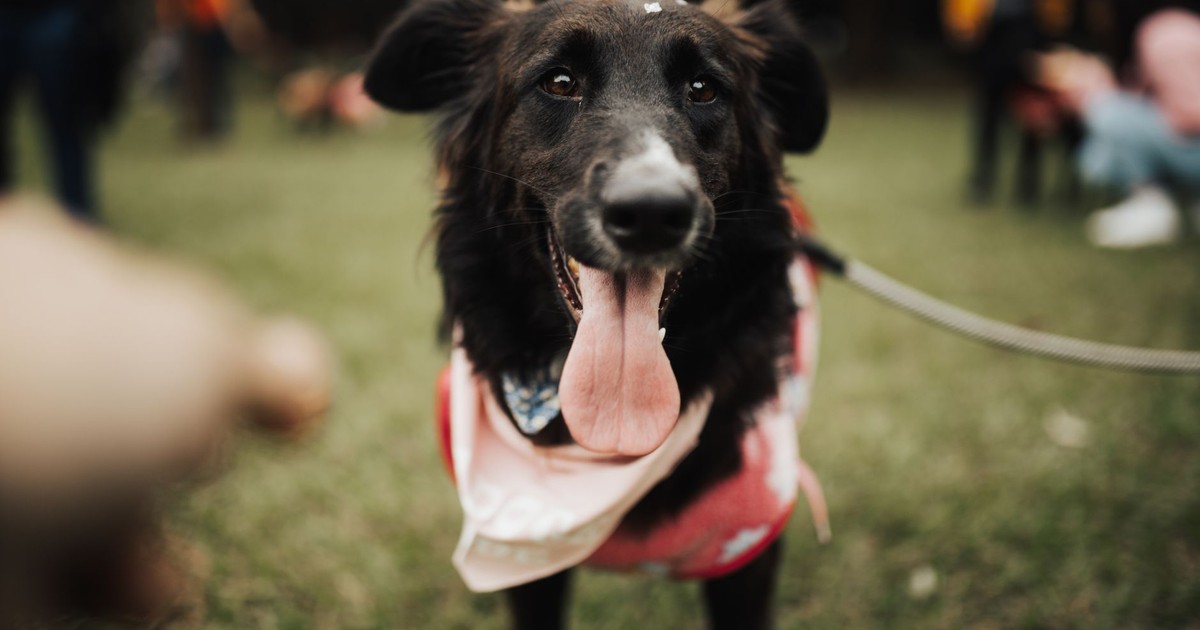
Farmers markets, festivals, outdoor sports events, brewery patios, outdoor concerts – these are all places people bring their dogs in summer, and they are all environments where heatstroke risk is elevated in ways that are easy to miss when you are enjoying yourself. The combination of sun exposure, pavement heat, crowds that restrict airflow, excitement that keeps the dog engaged past their physical limit, and limited access to shade and water creates conditions that can escalate quickly.
If you are taking your dog to any outdoor public event in summer heat, carry water and a collapsible bowl, identify the shaded areas before you settle anywhere, and build in regular breaks away from the crowd. Watch your dog’s breathing and panting rather than assuming the ambient energy of the event reflects how your dog is actually doing physiologically.
The honest calculation: on a very hot day, an outdoor festival may simply not be an appropriate place to bring your dog. The decision to leave your dog at home, in cool air, with water, is not a failure of adventure – it is the choice that keeps your dog in good health for every other outing this summer.
34. Don’t Confuse “Tolerates Heat” With “Is Safe in Heat”
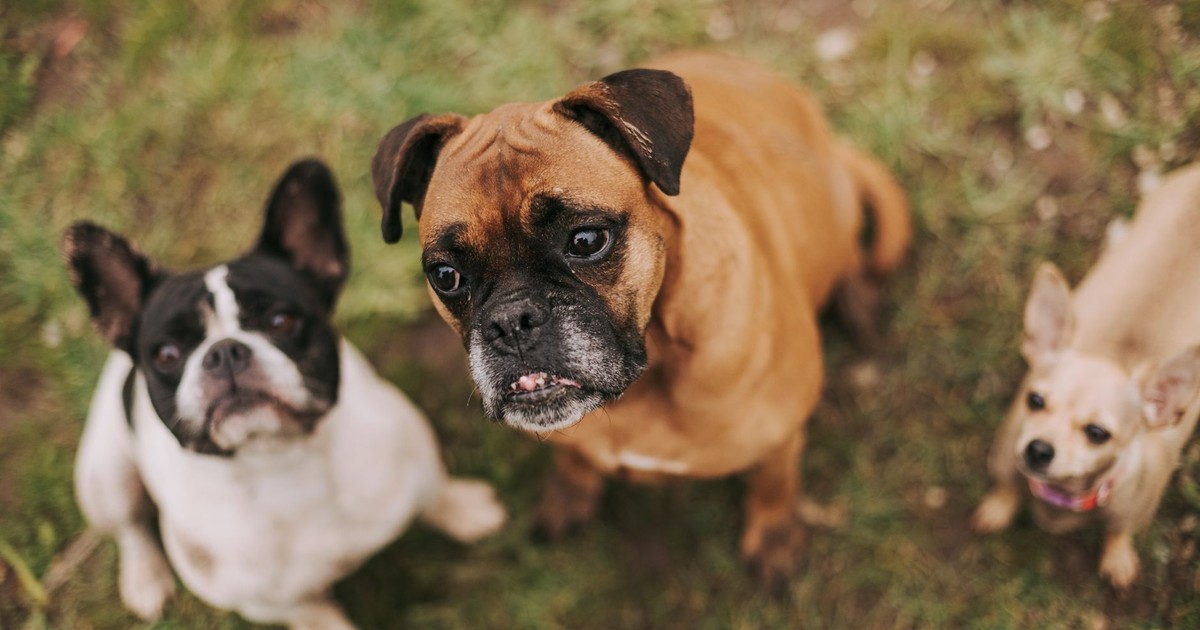
Some dogs have been around heat all their lives – dogs in Florida, in Texas, in Arizona – and their owners sometimes interpret this as those dogs being built for it. Acclimatization helps. A dog who has been gradually exposed to warming weather over spring has better physiological preparation than a dog who goes from an air-conditioned house to a 95-degree hike overnight. But acclimatization does not eliminate the danger. While some dogs are at higher risk, all dogs are susceptible to heatstroke.
A dog who has spent ten summers in Phoenix still has a body temperature that will climb dangerously in a hot car. Still pants to cool down and loses that ability in high humidity. Still needs shade and water and limited exercise during peak heat. Regional familiarity with heat does not rewrite the physiology. What changes with acclimatization is the dog’s baseline comfort threshold – not the point at which their body begins to be damaged by excess heat.
This is also worth keeping in mind if your dog has successfully managed summer heat in previous years. Each year is its own year. An older dog who handled last summer fine may be less resilient this summer. A dog who gained weight over winter is more vulnerable than they were at their leaner weight. Conditions change, and assumptions based on prior years are not always reliable.
35. Protect Working Dogs and Dogs in Professional Settings
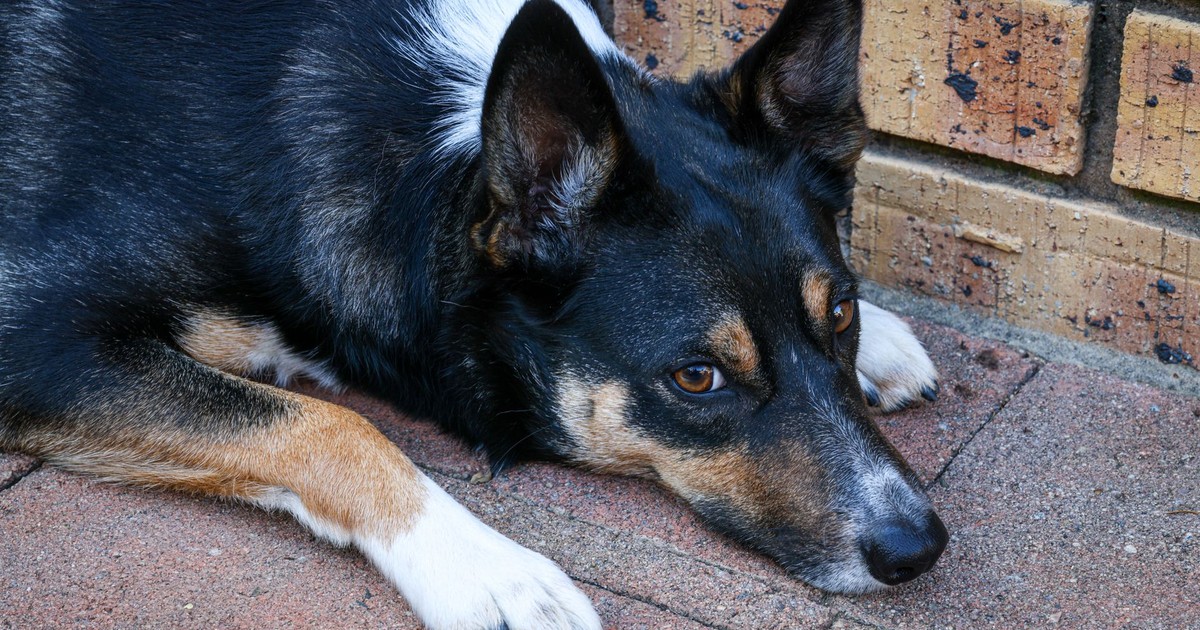
Dogs in professional contexts – police K-9 units, search and rescue dogs, competition dogs, agility dogs, dogs who travel for work – face heatstroke risks that are compounded by the requirements of their jobs. They are often working harder than pet dogs, in more demanding environments, with less opportunity to self-regulate, and the consequences of a single oversight can be catastrophic.
The 2023 Indiana incident that killed eight police dogs – German shepherds being transported to a training facility when the truck’s air conditioning failed during a traffic jam – illustrated how quickly a professional context can turn lethal when one thing goes wrong. Poor ventilation in confined spaces like garages or kennels and transport vehicles is a documented cause of heatstroke in working dogs. Any transport situation where dogs are in a cargo area with minimal airflow is a situation that requires active monitoring, not assumed safety.
If you are involved in dog sports, competitions, or any professional use of dogs, heat safety protocols should be as formalized as any other aspect of training. Know the signs, have cooling gear on site, and build mandatory rest and water breaks into any summer activity schedule.
36. Recognize That Night Walks Have Limits Too

The pavement stores the heat it absorbed all day, and on a night that followed a 100-degree afternoon, that stored heat can take hours to dissipate. The air temperature dropping to 78 degrees at 9 PM after a day that hit 105 does not mean the pavement is cool. It can remain hot enough to cause discomfort or burns well into the evening, and for dogs who pant during any exertion, the air temperature still matters even if it feels comfortable to you.
Early morning remains the safest window – the pavement has had all night to cool, the air temperature is at its lowest for the day, and the humidity in many climates is at its most manageable. If an evening walk is your only option, test the pavement before you go, and keep the route short if the ground still feels warm. Grass and earth cool faster than pavement and are genuinely safer surface choices for summer walks.
The broader principle: night is safer than midday, but it is not unconditionally safe. Pay the same attention to pavement temperature, dog panting, and humidity that you would at any other time, and calibrate accordingly.
37. Keep Extra Water in Your Car Year-Round
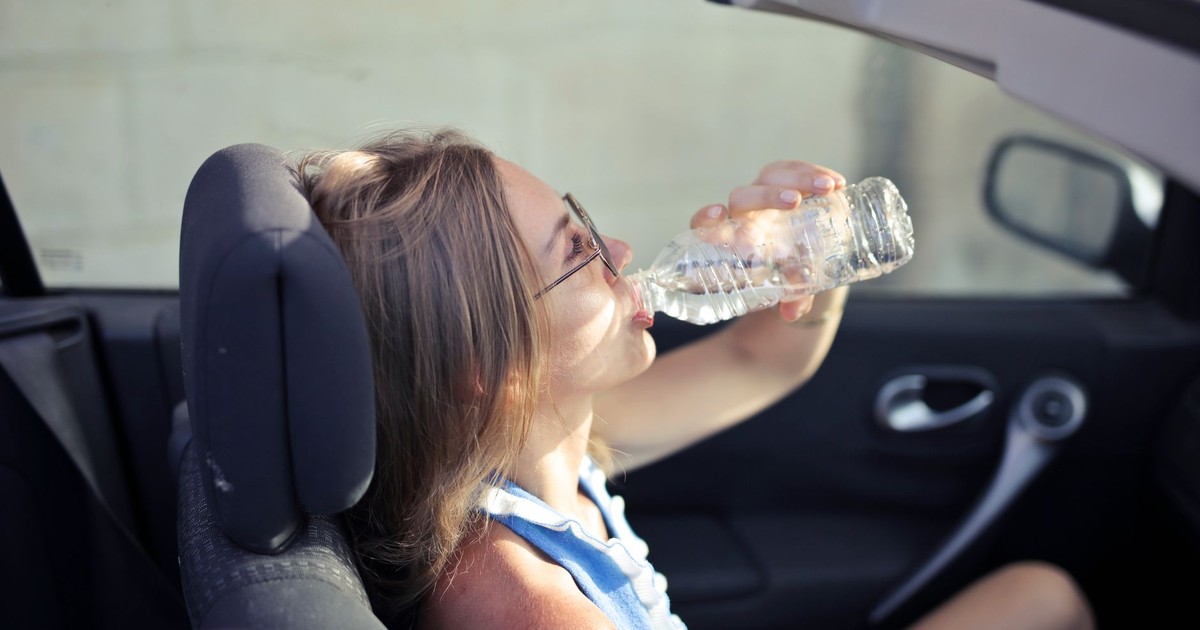
Summer changes what a car can do to a dog in minutes, but it does not change the underlying wisdom of having water accessible in the vehicle at all times. A sealed bottle of water and a collapsible bowl in the trunk or back seat costs almost nothing and takes up almost no space, and it means that if you are caught out – the walk went longer than planned, your dog is showing signs of overheating, you need to cool them down before you can safely drive – you have something to work with immediately.
This extends to the habit of checking the car before anything else. If you drive anywhere with your dog in summer, the first things to check at every destination: is the dog out of the car, and does the car need to be left running with AC for any remaining time? A cracked window provides almost no meaningful protection. A running AC in a locked car – if your vehicle supports that safely – is a different matter, though the safest answer remains not leaving a dog in a parked car at all.
The bottle of water in your car is also useful for paw cooling. If your dog has been walking on hot pavement and is starting to show signs of paw discomfort, pouring cool water over the paws and the back of the neck – where blood vessels are close to the surface – can provide meaningful, rapid relief while you move them to a safer environment.
38. Do Not Rely on Dog-Friendly Establishments to Have Adequate Cooling
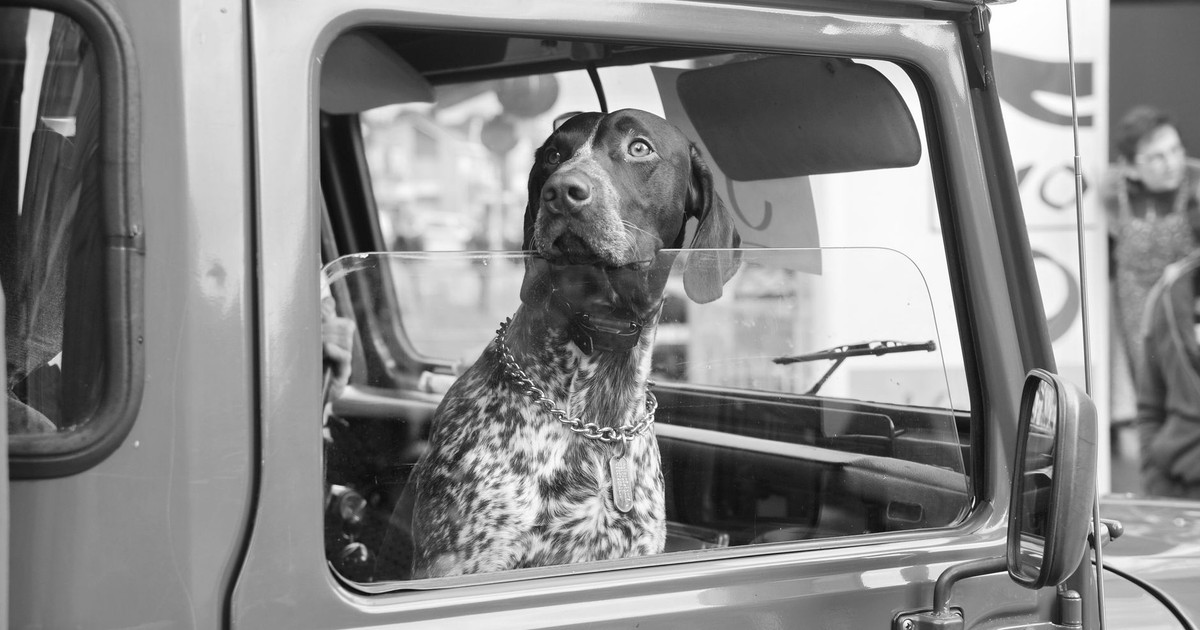
A restaurant patio that says “dogs welcome” in March may have no meaningful shade and no water station when July arrives. A pet supply store that welcomes dogs may have an entrance area that sits in direct afternoon sun with no airflow. The label “dog-friendly” is a social designation, not a climate-safety certification, and the two are worth keeping separate in your thinking.
Before you bring your dog into any new outdoor or semi-outdoor space in summer, look at it from a heat perspective. Is there meaningful shade? Is the surface – pavement, concrete, metal grating – cool enough to sit on? Is there any airflow? Does the establishment provide water, or do you need to bring your own? These are thirty-second assessments that tell you whether the space is actually suitable on a particular day, as opposed to a conceptually dog-friendly environment.
Your dog will tell you something about a space too. A dog who is reluctant to settle, who keeps seeking shade or cool surfaces, who is panting more than the level of activity warrants, is telling you the environment is not comfortable for them. Trust that signal. A dog who settles easily, finds a cool spot, and relaxes is telling you the space is working.
39. Be Cautious With Anxious or Stressed Dogs in Heat
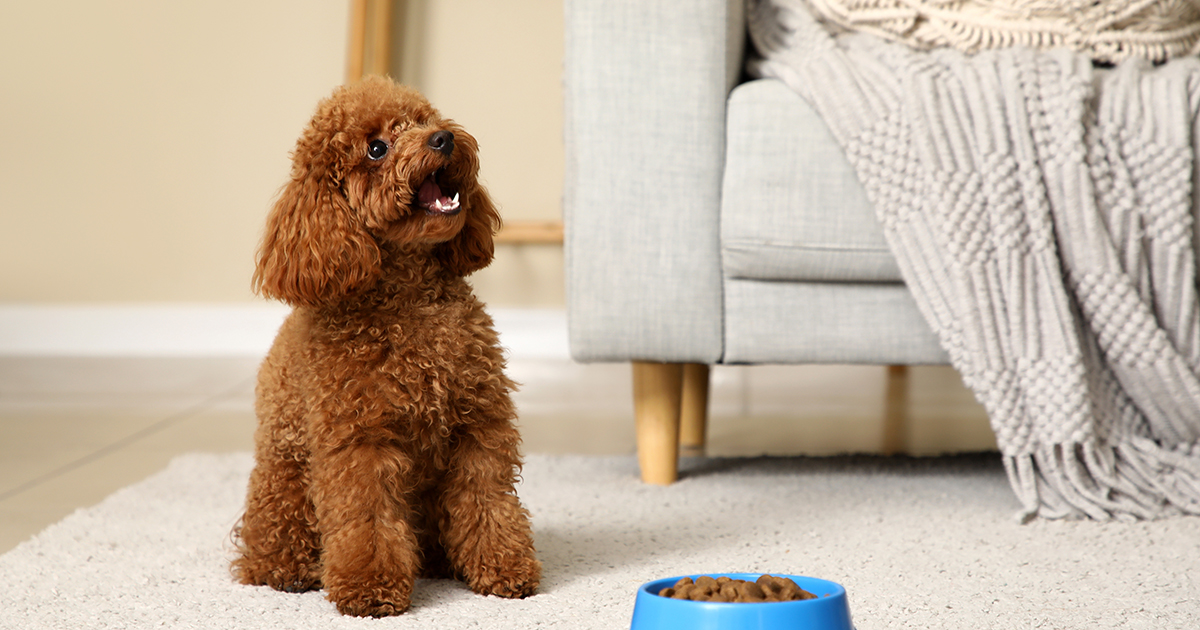
Stress and anxiety raise a dog’s heart rate and body temperature independently of the environment. A dog who is already elevated – at the vet, in a new place, around other dogs or loud sounds – has less physiological margin when heat is also a factor. The combination of a warm environment and significant stress can push a dog into heat stress faster than either factor alone would.
This is worth knowing for vet visits, grooming appointments, travel, fireworks season, and any situation where your dog’s anxiety is already a factor. If your dog is going somewhere stressful in summer heat, take extra steps to keep the environment as cool as possible, build in more frequent water access, and give them time to calm down after the stressful event before any physical exertion.
Extra precaution should also be taken with overweight, elderly dogs, those with underlying heart or breathing conditions, and those with thick or dark colored coats, since they are at higher risk for heatstroke. Dark coats absorb more solar radiation than light ones, which is an additional variable worth factoring into your summer planning if your dog is black or very dark brown.
40. Watch for Blue-Green Algae on Summer Water Sources

Natural bodies of water in summer – ponds, lakes, slow-moving rivers – can host toxic blue-green algae (more precisely: cyanobacteria) blooms that are invisible or easy to miss and that can kill a dog extremely quickly if ingested. Algae blooms are more common in warm, still water in summer and early fall, and they have been responsible for rapid dog deaths in cases where the owners had no idea the water was dangerous.
Signs of a bloom include a greenish, bluish, or reddish tint to the water, a pea-soup appearance, or a visible surface layer that looks like paint or foam. The water may have an unusual smell. But some blooms are not visually obvious, particularly in large bodies of water where they may be concentrated in patches. The general guideline from wildlife and veterinary authorities: if you are not certain a body of water is safe, do not let your dog drink from it or swim in it.
If your dog swims in or drinks from a natural water source and then shows sudden, severe symptoms – vomiting, tremors, difficulty breathing, seizures, collapse – go to an emergency vet immediately and tell them the dog was in natural water. Cyanobacterial toxin acts fast enough that time is absolutely critical.
41. Use Frozen Treats Strategically – Not as a Cooling Solution
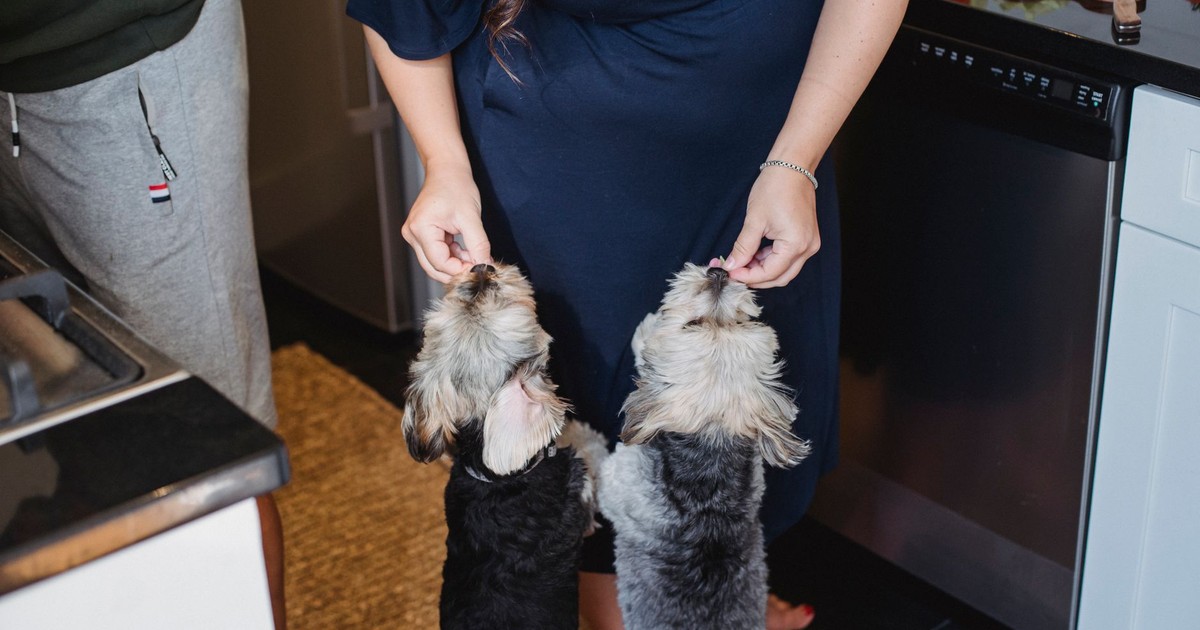
Frozen treats are a legitimate part of a hot-weather routine for dogs who enjoy them. Frozen broth cubes, frozen Kongs filled with kibble or peanut butter, commercially available frozen dog treats – these provide enrichment, hydration, and something cold for the dog to work with. They are worth doing. They are not a substitute for shade, water, and temperature management.
The risk is the one that comes with any single-tool approach to a multi-factor problem. A dog who has a frozen treat every afternoon but is otherwise spending hours in a hot yard is not a dog whose heatstroke risk is managed. The treat is a supplement to a sound plan, not the plan itself. Think of it the way you’d think of a glass of cold water for yourself on a very hot day – genuinely helpful and worth having, but not the thing that makes the difference between safe and unsafe in extreme heat.
The positioning matters too. A frozen treat that is placed in a location that requires the dog to lie in full sun to eat it is counterproductive. Put frozen enrichment in the shadiest, coolest spot in your dog’s space, and it becomes genuinely useful. Leave it in the sun, and you’ve added a few seconds of cold while the environment continues to work against you.
42. Know Which Medications Affect Heat Tolerance
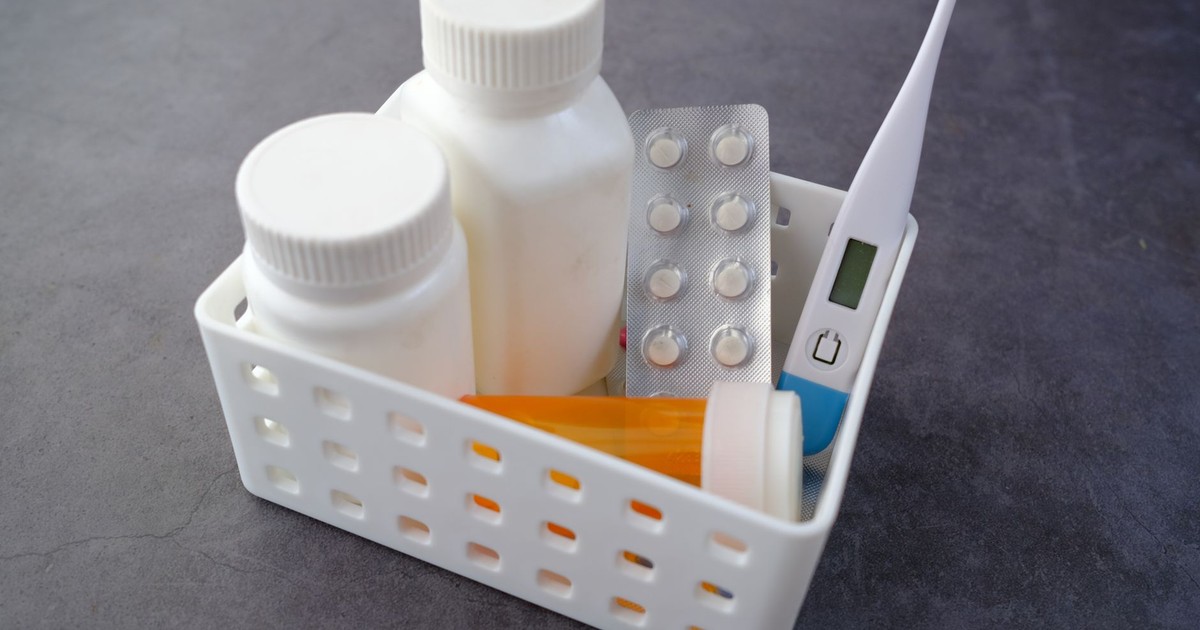
Certain medications commonly prescribed to dogs can affect their ability to regulate body temperature, either by increasing heat production, impairing panting efficiency, or affecting circulation in ways that make overheating more likely. If your dog is on any ongoing medication, a brief conversation with your vet about summer heat management is a reasonable precaution, not an overreaction.
Antihistamines, some cardiac medications, and certain medications used for anxiety or behavior can affect the physiological processes involved in thermoregulation. This does not mean these medications are unsafe – it means the dogs taking them may need extra vigilance during summer heat. Your vet is the right person to advise on your specific dog’s medication profile.
This applies to over-the-counter products too. Some topical insect repellents and flea prevention products are applied more frequently in summer, and while they are generally safe as directed, applying them on a very hot day when a dog is already warm adds to the situation in ways worth being thoughtful about. Apply topical products in the morning when the dog is cool, not right before afternoon outdoor activity.
43. Recognize the Limits of “Experienced” Dog Owners
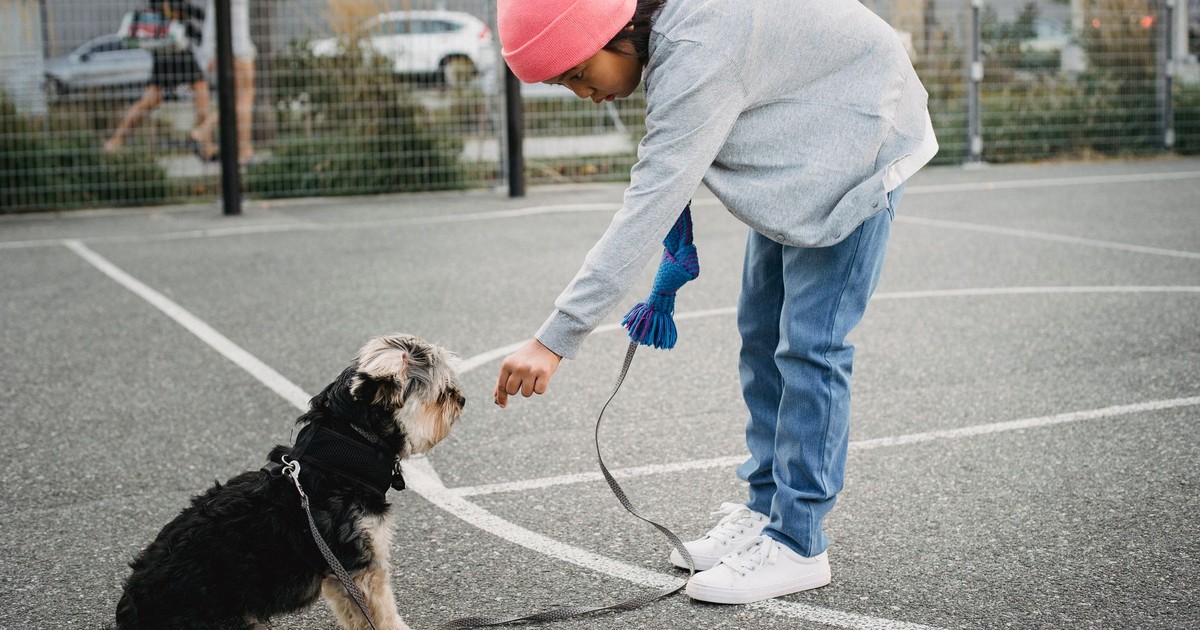
The longest-tenured dog owners are not always the safest ones in a heat emergency. Experience can breed exactly the kind of confidence that makes people underestimate a new situation: “I’ve had dogs for thirty years and never had a problem.” That track record is genuinely meaningful – and it also belongs to a baseline of summers that may have been cooler, to younger dogs, to different breeds, or simply to prior years where nothing happened to go wrong.
The physiological facts of heatstroke do not adjust based on how long someone has owned dogs. A 104°F internal temperature causes organ stress in a dog whose owner has had dogs for forty years exactly as it does in a dog whose owner got their first dog last year. What shifts with experience is pattern recognition and instinct – and those are genuinely valuable. But they should be paired with the specific technical knowledge of what the numbers mean and what to do, not substituted for it.
If you are the experienced dog owner in your household or your friend group, you can also be the person who shares this information with the people around you. Not as a lecture, but as the specific, concrete guidance that makes the difference: the 104°F threshold, the cool-water-not-ice rule, the vet-call-first instruction.
44. Think About Grooming Appointments in Summer Context
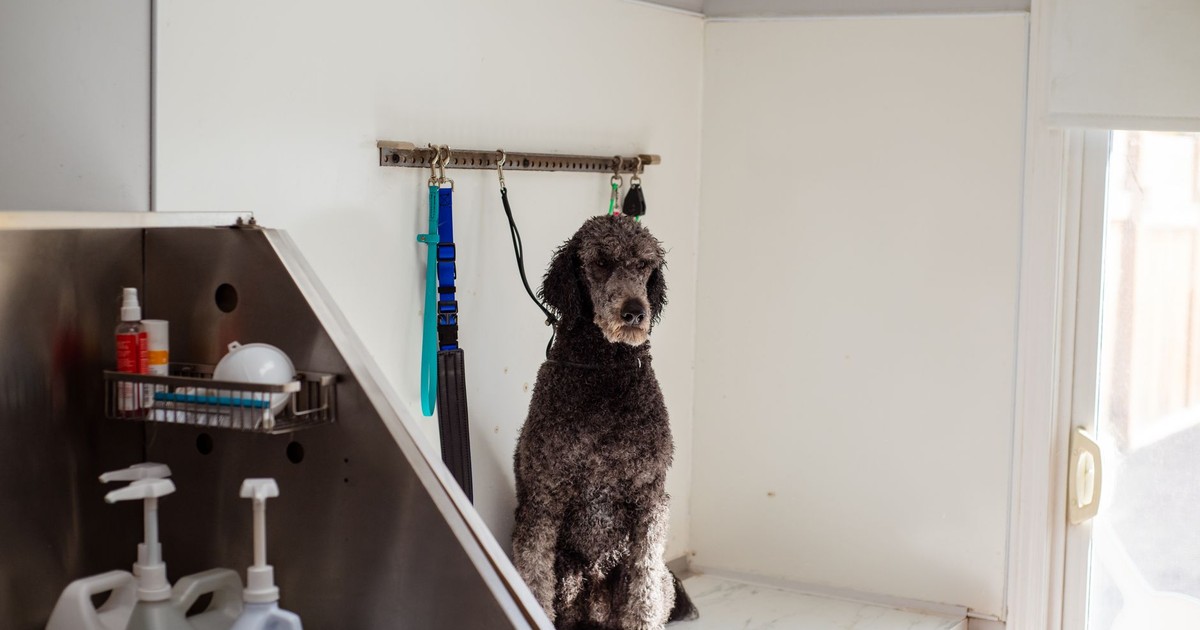
Summer is when many dog owners schedule grooming more frequently, which makes sense from a coat management perspective. What is worth thinking about is how the grooming appointment itself sits within the day’s heat plan. Poorly ventilated confined spaces include grooming areas in summer, and a dog in a drying station or a crate between grooming steps in a warm salon is in an environment that warrants attention.
Ask your groomer about the ventilation and temperature of the space, particularly for long appointments. A dog who is groomed for three hours on a hot summer day and spends portions of that time in a warm drying station needs access to water and should not be going from the appointment directly into a hot car and then vigorous outdoor activity.
The same care applies to boarding facilities in summer. A boarding kennel that has adequate space but limited air conditioning is not a safe summer option for dogs in high-risk categories. Visiting the facility in person during a hot day – not just a temperate one – tells you more about what your dog will experience than a virtual tour or photos.
45. Prepare for Power Outages in Summer Heat
Summer heat and power outages frequently coincide, because heat waves strain electrical grids. A power outage during a heat wave is not a manageable inconvenience for a dog – it is a situation where the temperature inside a sealed house can climb rapidly, and a dog left alone with no working air conditioning and no way to alert anyone is at genuine risk.
Have a plan before an outage happens, not during one. This might mean knowing which friends or family members have generators and would welcome you and your dog. It might mean knowing where the nearest air-conditioned space is that welcomes dogs. It might mean having battery-powered fans as a backup and knowing their limitations. It definitely means not assuming a house that was cool this morning will stay cool this afternoon if the power goes out.
If you are leaving a dog home alone in summer and the forecast shows extreme heat with possible storm activity, check in on them during the day if at all possible. A neighbor with a key who is willing to check in is not just a courtesy – in a power outage on a 100-degree day, it is a meaningful safety mechanism.
46. Don’t Overlook Senior Dogs’ Changing Heat Tolerance
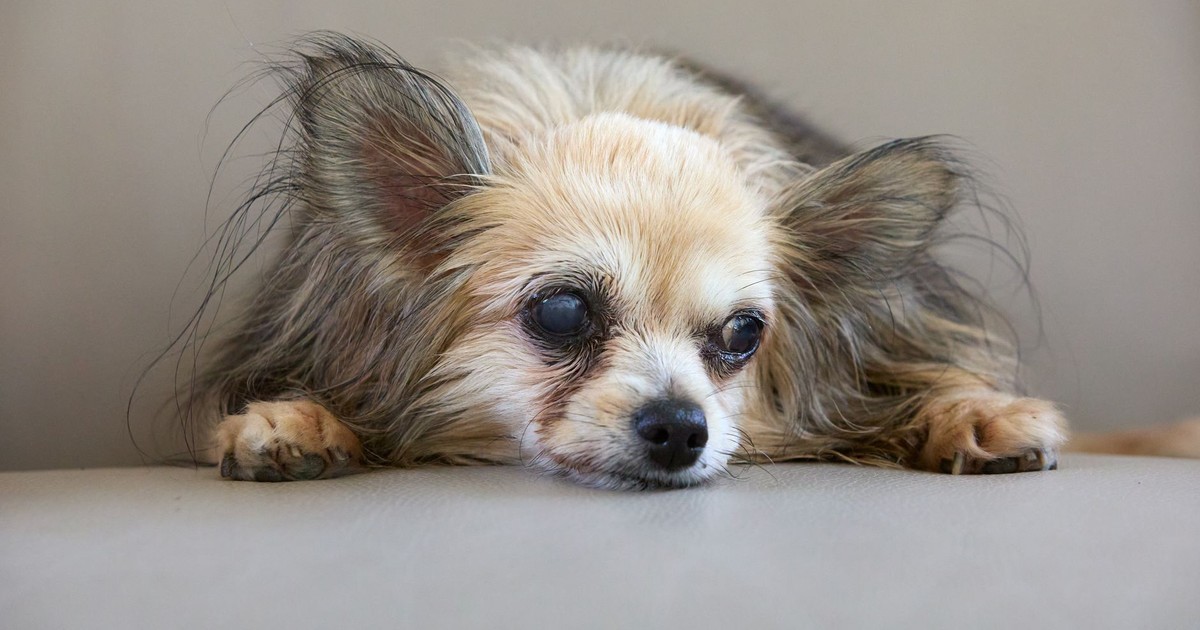
A dog who sailed through every summer for the first eight years of their life may find at nine or ten that their heat tolerance has shifted in ways that are not obvious until something goes wrong. Older dogs have less efficient cardiovascular systems, may have developed low-level kidney or liver issues that affect their ability to regulate fluids, and often have some degree of arthritis that makes lying on cool surfaces uncomfortable – which means they may not seek cooling relief as instinctively as they once did.
Extra precaution should be taken with elderly dogs during summer, and this is worth building into your routine as a matter of course as your dog ages, rather than waiting for a sign that something has changed. The changes often happen gradually – slightly slower recovery after exercise, slightly more panting than you remember – and they can be easy to attribute to normal aging rather than to a meaningful shift in heat vulnerability.
If your dog is over eight years old and you have not recently discussed their summer management with a vet, a summer wellness checkup is a reasonable investment. It can identify underlying conditions that are quietly affecting your dog’s heat resilience and give you concrete guidance about what this particular dog needs in the current season.
47. Make a Summer Heat Plan and Stick to It
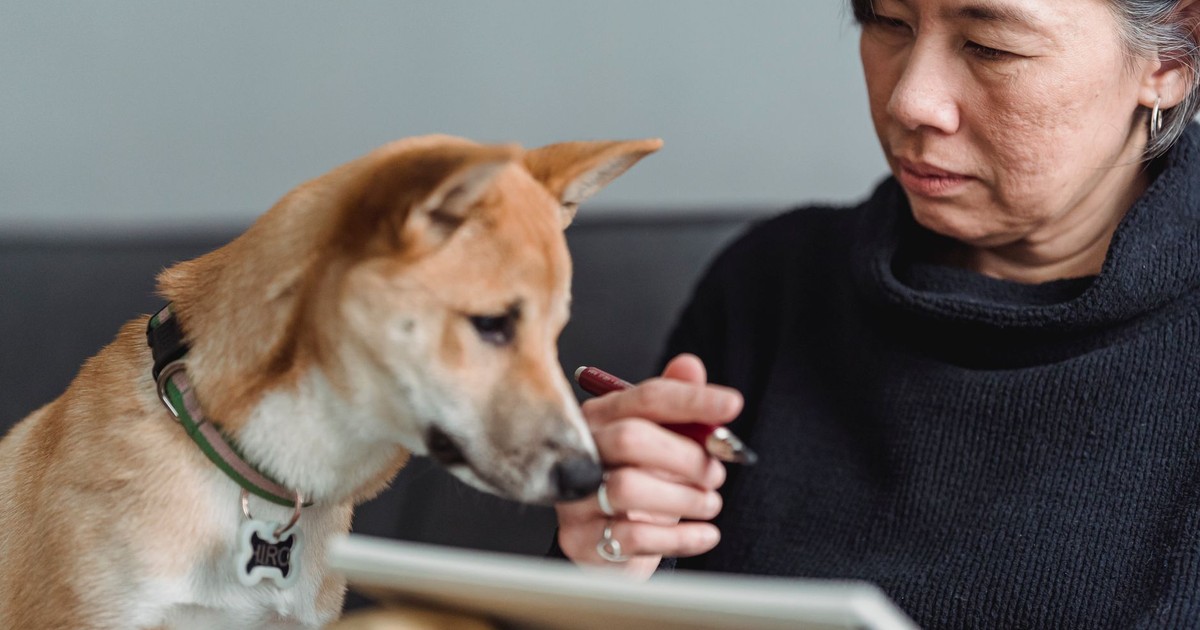
Every item on this list is more effective when it is part of a routine than when it requires a fresh decision. Fresh decisions made under pressure – when you’re running late, when it’s hotter than expected, when the errand is “just a quick one” – are where the gaps tend to appear. A fixed plan that you have already committed to removes most of those decision points from the equation.
What a useful summer heat plan looks like will vary depending on your dog’s breed, age, health status, and how hot your local summers get. But the core components are the same: fixed walk times (early morning or late evening), a rule about the car that does not have exceptions, water available everywhere your dog spends time, a thermometer in the first aid kit, and the vet’s number in your phone. None of that is complicated. All of it needs to actually be in place, not just theoretically agreed upon.
The time to make that plan is not on the day when the heat advisory hits. It’s now, in the beginning of the season, when you have time to actually implement each piece. Dogs heatstroke prevention is not an emergency protocol – it is a set of ordinary habits practiced consistently throughout the months when the risk is real.
The Number That Should Bother All of Us
Forty-seven dogs dead by mid-summer 2026, and that is only what was reported and documented. The actual number is higher. The cases that make it into news reports are the dramatic ones – the police dogs in the truck, the dogs left in a car in a parking lot. The ones that don’t get reported are quieter: a dog left outside too long, an afternoon walk on a day that turned brutal, a car errand that took ten minutes longer than expected.
Dogs are not equipped to ask us to stop. They will keep running beside you, keep wagging, keep enduring, right up until the point where their body gives out – and by then the window for easy intervention has usually closed. Dogs heatstroke prevention is not a complicated science. It is knowing the numbers, knowing the signs, and taking the heat seriously enough not to negotiate with it. The 47 dogs who died this summer did not need heroics. They needed someone to make a different choice before things got critical. That is a low bar and a completely achievable one, which is exactly what makes it so hard to sit with.
47 Tips, One Straightforward Truth
None of this is difficult knowledge. That is both the reassuring part and the part that is hard to sit with when you know what happened to 47 dogs by mid-summer 2026. Every single item on this list is achievable by an ordinary person with an ordinary schedule. The barriers are not technical or financial or particularly time-consuming. They are mostly the barriers of habit, attention, and taking a warm day seriously instead of trusting that things will probably be fine.
Probably fine is not good enough when the stakes are this high and the interventions are this easy. Walk in the morning. Leave the dog home when the errand doesn’t need a dog. Check the gum color. Keep the water cold. Know the number for the emergency vet. These are the moves that keep a dog out of the statistics, and they are all entirely within reach.
Your dog is counting on you to manage the risks they cannot see or understand. The heat does not care how much you love them. What matters is what you actually do about it.
Disclaimer: This information is not intended to be a substitute for professional medical advice, diagnosis, or treatment and is for information only. Always seek the advice of your physician or another qualified health provider with any questions about your medical condition and/or current medication. Do not disregard professional medical advice or delay seeking advice or treatment because of something you have read here.
AI Disclaimer: This article was created with the assistance of AI tools and reviewed by a human editor.