

Traveling abroad with an American passport used to mean nodding customs officers and easy conversations in cafes. That ease hasn’t vanished entirely, but in some places the shift has been dramatic enough that the word “welcome” no longer applies.
The reasons vary by country. Some are politically hostile to American foreign policy. Others are fatigued by mass tourism and Americans are a prominent face of that frustration. A few have hard legal restrictions that make entry complicated, monitored, or in one case entirely illegal. And at least one country that until recently counted itself among America’s warmest allies has seen a sharp reversal in public sentiment toward American visitors.
A Global Rescue survey conducted in early 2025 found that 72 percent of experienced travelers expected U.S. tourists to be perceived more negatively and feel less welcome while traveling internationally.
1. North Korea – The One Actual Legal Ban

North Korea legally bans American travel under U.S. law. The State Department enacted the restriction in September 2017 following the death of Otto Warmbier, an American college student who entered North Korea as a tourist and returned home in a coma. U.S. passports now require special validation to enter, granted mainly to journalists and humanitarian workers. Violators face passport invalidation and criminal charges.
North Korea lacks U.S. consular services, medical evacuation access, and reliable communication infrastructure. The State Department decided it could not leave its citizens exposed in a country where they have no legal recourse, no diplomatic presence, and no guarantee of basic safety.
2. Russia – Do Not Travel, and They Don’t Want You There Either
The U.S. State Department warns Americans about Russia due to arbitrary enforcement of local laws, the risk of detention, and dangers linked to the war in Ukraine. Wall Street Journal reporter Evan Gershkovich was held for months on espionage charges widely condemned as politically motivated.
As of May 2026, 21 countries hold a Level 4 “Do Not Travel” designation from the U.S. State Department, Russia among them, alongside Syria, Ukraine, Iran, North Korea, and Belarus. Level 4 is the State Department’s highest warning tier.
In surveys, roughly half of Russians expressed an unfavorable opinion of the United States. Direct flights between the U.S. and Russia no longer operate. Getting there requires routing through third countries.
3. Iran – Entry Is Supervised, Exit Is Not Guaranteed

Iran has some of the most extraordinary historical sites in the entire Middle East. Iran outright banned U.S. citizens from entering the country at one point. The ban has since been lifted, but travelers still need to go through several processes to obtain approval to visit, and once inside, American tourists cannot move freely. They are required to work with a government-approved guide at all times.
Iran also sits within the State Department’s Level 4 “Do Not Travel” category. Americans have been detained in Iran, often on vague national security charges, and some have spent years trying to negotiate release. The supervised-guide requirement is a formal monitoring system.
The U.S. Embassy in Tehran closed in 1979 and has not reopened. That’s not a temporary gap. It shapes every aspect of what travel there actually involves.
4. France – The Data Finally Caught Up to the Reputation
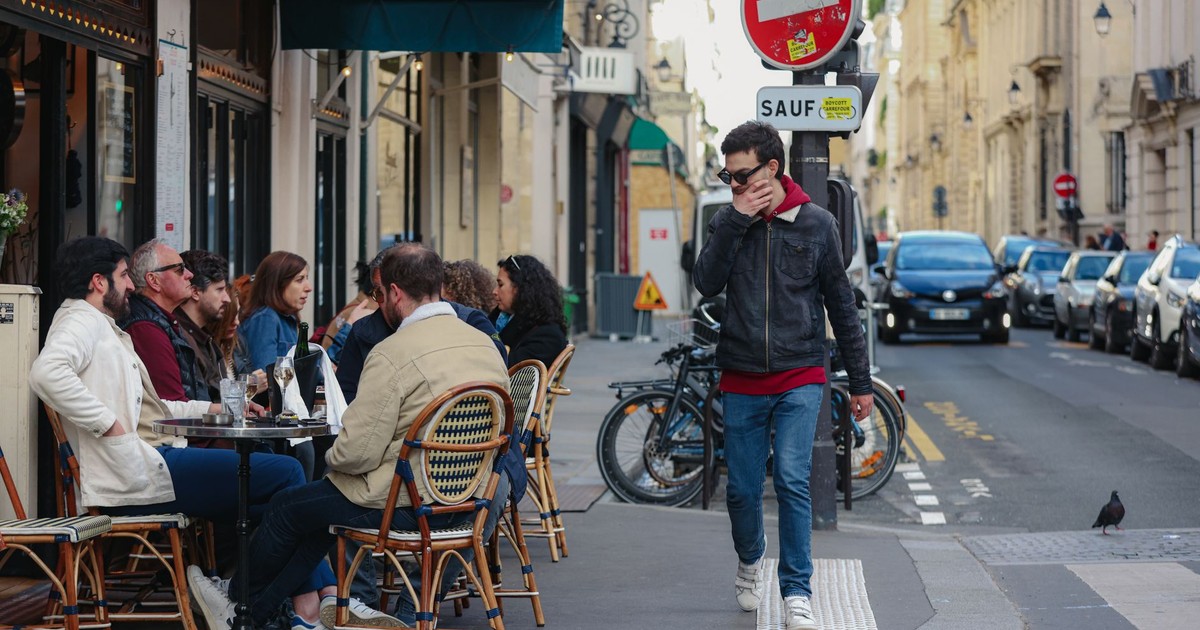
France leads the pack when Europeans rate their own country as unwelcoming to American visitors, with a 2025 Upgraded Points survey finding 15 percent of French respondents admitting Americans aren’t always wanted, fueled by perceptions of loudness and entitlement. No other European country came even close to that level.
France experienced a drop of 33 points in U.S. net favorability between January and March 2025, according to Morning Consult data tracking global opinion across 42 nations. A YouGov survey conducted in February 2025 found French favorability of the United States had fallen 26 points since the prior year, leaving a clear majority of French respondents viewing the U.S. unfavorably.
You can visit France and have a wonderful trip. Plenty of people do. But arriving in a country where a majority of the population views your government unfavorably means you’re bringing baggage you didn’t pack yourself.
5. Germany – One of the Sharpest Drops in U.S.-Bound Travel

German visitors to the United States fell 28.2 percent in March 2025 compared to the same month the previous year, according to U.S. Department of Commerce data — the steepest decline among major European source markets that month. The World Travel and Tourism Council reported that the U.S. was the only country among 184 economies analyzed expected to experience a decrease in international visitor spending.
When German travelers are avoiding America in those numbers, German residents aren’t exactly warming toward the American visitors who arrive at their museums and beer halls. NATO disputes and trade tensions have fueled anti-American sentiment among locals, and German travel agencies have warned U.S. visitors about potential public hostility, especially in eastern regions.
6. Canada – The Most Jaw-Dropping Reversal on the List

Canada shares the world’s longest peaceful border with the United States and whose citizens historically made up the single largest group of international visitors to America. Something has broken in that relationship.
Travel bookings from Canada to the United States for the April through September 2025 period decreased by more than 70 percent compared to the previous year. Since the onset of the boycott in early 2025, Canada’s decision to restrict travel to the U.S. led to an economic loss of over $4.5 billion for the U.S. economy, with Canadian bookings at national parks plummeting by 93 percent.
Americans traveling to Canada in 2025 reported noticeably cooler receptions in areas that once felt essentially interchangeable with an American city. Polling found that 91 percent of Canadians want Canada to rely less on the United States.
7. Spain – Overtourism Rage With an American Face on It

Spain welcomed close to 94 million international visitors in recent years, a staggering figure for a country of roughly 48 million people. Across 2024 and 2025, protests against overtourism drew international attention especially in Barcelona and the Balearic Islands, with locals in Barcelona taking to the streets and spraying water pistols at tourists.
Americans don’t represent the majority of visitors to Spain by raw numbers. But Americans are culturally visible in a way that draws attention, and the behaviors that local Spaniards find most grating tend to get attributed to American tourists with particular frequency. In survey data, Spain ranked among the top countries with locals calling their destination unwelcoming to Americans, at 6.9 percent of respondents.
Long-term rental housing has become unaffordable for locals in tourism-heavy neighborhoods, and residents who have watched their communities transformed into short-term-rental corridors are not in the mood to greet foreign visitors with warmth.
8. Norway – Quietly Reconsidering Its Welcome

In a major 2025 European survey, Norway ranked among the least welcoming countries to American tourists, with 8 percent of respondents saying their country was unwelcoming. In previous years Norway would never have appeared on any such list.
European tourism to the United States declined by 17 percent overall, with countries including Norway experiencing decreases exceeding 20 percent. Scandinavian social norms around volume, personal space, and public behavior are genuinely different from American ones, and the gap tends to produce real friction in everyday interactions. When that cultural discomfort becomes compounded by political resentment, the temperature drops further.
9. Hungary – An Unexpected Entry With Real Friction
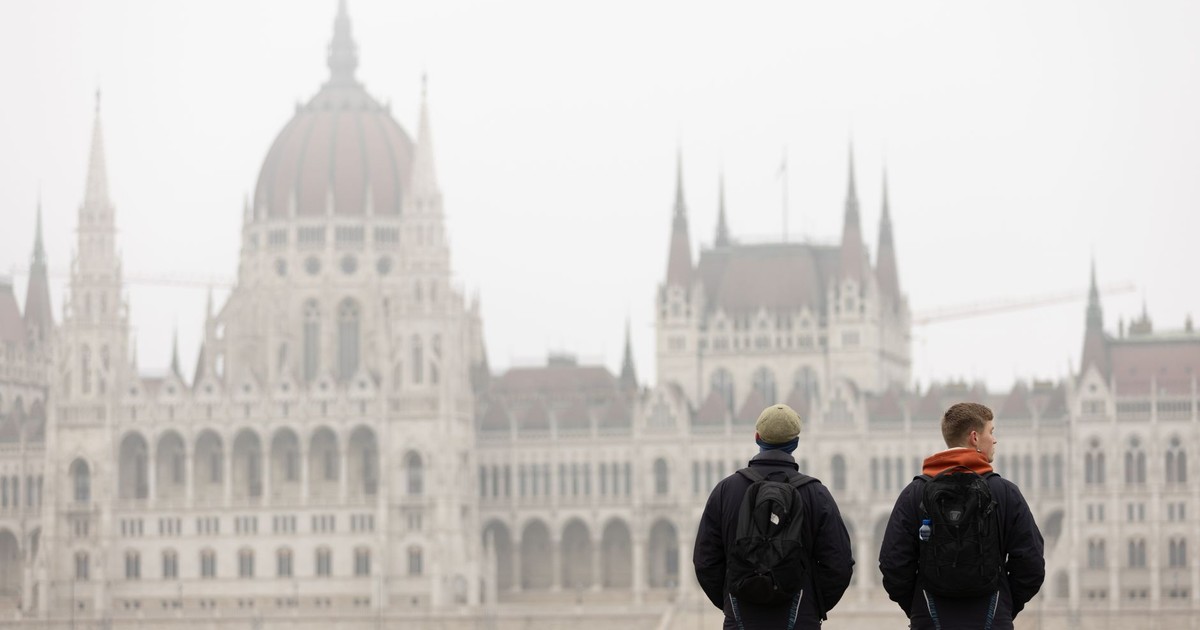
Budapest has reinvented itself over the past decade as one of Europe’s top short-break destinations. The tension is partly political and partly rooted in Eastern European skepticism of loud Western tourism, with Budapest having become a popular party destination whose reputation generates real friction with the residents of historic neighborhoods being converted into nightlife corridors.
Hungary under Viktor Orbán has developed a worldview that is simultaneously skeptical of Western liberal values and historically complicated in its relationship with U.S. foreign policy positions. A casual conversation that veers anywhere near European politics can turn awkward. Survey data placed Hungary at 8.7 percent of respondents calling their own country unwelcoming to Americans.
10. Portugal – The Overtourism Tax and the Graffiti on the Wall

Portugal presents a subtler version of the Spain problem. The welcome isn’t gone, but the strain of mass tourism has introduced an edge that wasn’t there a decade ago. Portugal tops European annoyance charts at 18.8 percent in surveys of tourists who feel unwanted, with locals in Lisbon and the Algarve specifically citing noise from American groups and expectations that everyone should speak English.
Lisbon and Porto have both doubled overnight tourist taxes, to €4 and €3 respectively, while Madeira now charges €3 to hike its famous levada trails. You are welcome to come, but you will pay more, and that price reflects what your presence costs the people who actually live here.
Read More: 11 Mistakes Travelers Make When Taking Long-Haul Flights
What This Is Really About
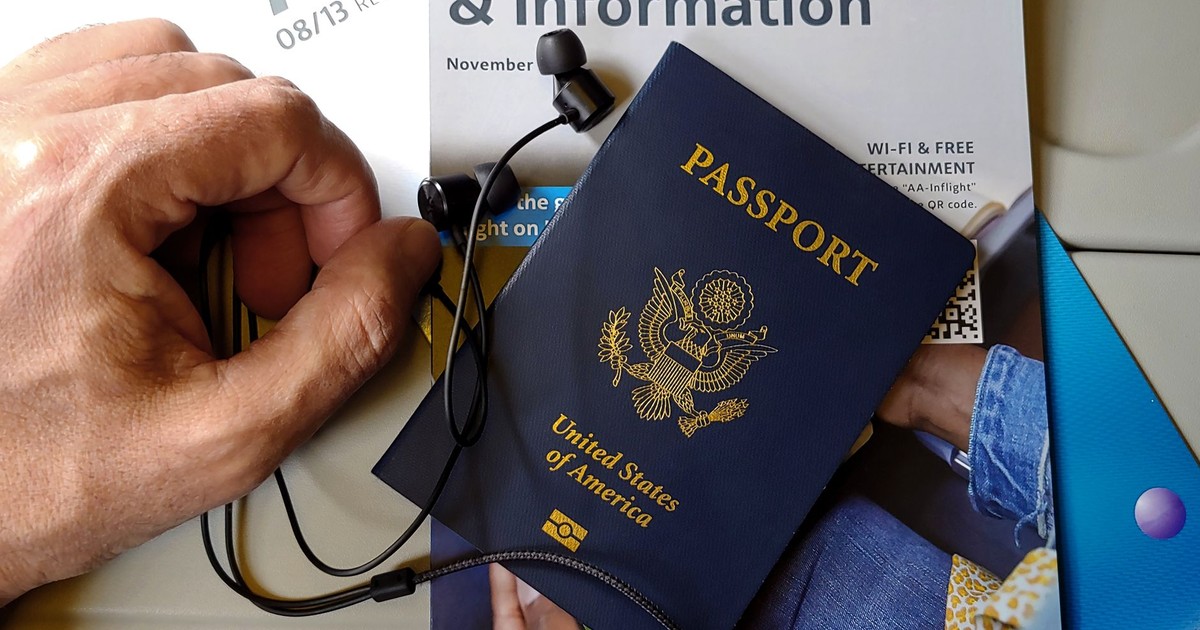
Most countries still operate on the simple human premise that the person standing in front of them is not responsible for the foreign policy decisions of their government, and a little effort still goes a long way in softening the friction that politics creates.
But the data shows a shift. The image of the American passport as a universal golden ticket was always partly a story Americans told themselves. What 2025 and 2026 have done is put numbers on how much of the world no longer feels the need to maintain that courtesy. In 2025, the U.S. was the only country out of 184 analyzed where international visitor spending fell.
Some of the countries on this list are destinations you genuinely cannot or should not visit right now. Others are places where you can still have a tremendous trip if you arrive with some awareness of the context you’re walking into. The distinction matters, and knowing which category you’re dealing with before you book the flight is practical.
AI Disclaimer: This article was created with the assistance of AI tools and reviewed by a human editor.