
Maldives: Sinking Under Tourists or Saving Their Islands?
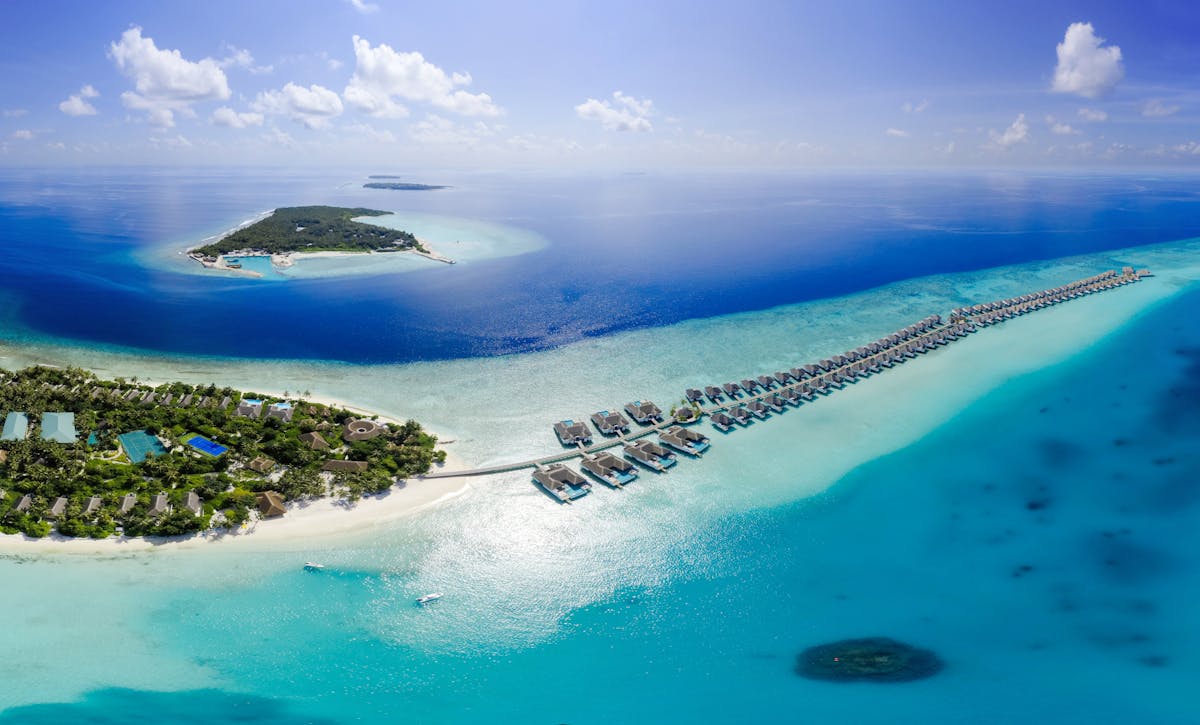
The Maldives is synonymous with luxury travel, yet its idyllic islands face rising seas and mounting pressure from tourism. With most land less than five feet above sea level, climate change is an existential threat. But overtourism also plays a role, as the country hosts more than 1.8 million visitors a year—nearly four times its population. The environmental cost is significant: coral bleaching, plastic pollution, and beach erosion plague many resort areas. In 2025, the government doubled its “Green Tax” to $12 per night at luxury resorts and $6 at guesthouses, aiming to raise funds for sustainability and waste management.
Hanifaru Bay, a critical marine habitat, now requires permits for entry and enforces strict limits on snorkeling sessions. New laws restrict resort development, with caps on hotel sizes and building density to reduce environmental impact. Officials have even discussed rotating island closures during low seasons to allow ecosystems to recover. The Maldives is also encouraging resorts to go fully solar-powered and adopt reef restoration programs. While tourism remains the backbone of the economy, the country is making it clear that only eco-conscious travel will be sustainable. If environmental stress escalates, expect more protected zones to ban tourists completely, especially around vulnerable reefs and sandbanks.