
Venice, Italy: Fighting for Its Future Over the Flood of Visitors
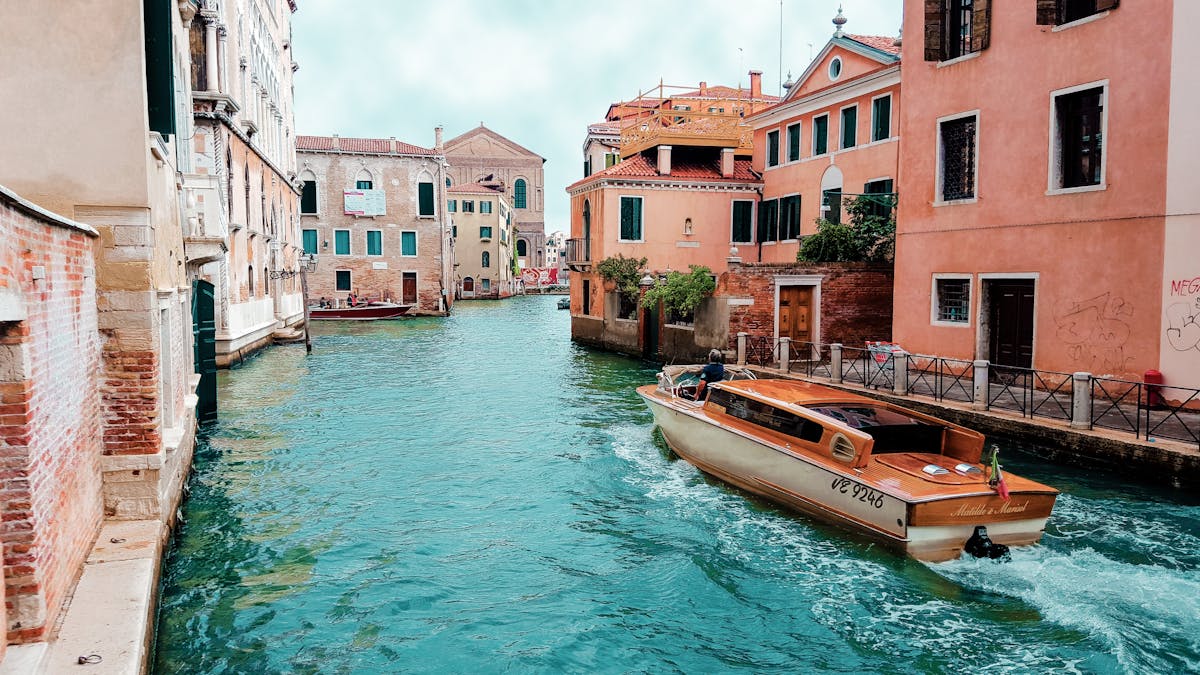
Venice has become a global case study in overtourism, with over 20 million visitors arriving each year to a city of just 50,000 residents. Crowds clog the narrow alleys, strain infrastructure, and drive up housing costs, forcing locals out of their neighborhoods. In 2021, Venice made headlines by banning large cruise ships from the historic lagoon. The decision followed years of protests and damage from ship wakes eroding canal foundations and flooding cultural sites. In 2024, the city rolled out a trial €5 day-tripper fee for visitors who aren’t staying overnight. Now, in 2025, Venice is expanding that policy: on peak days, late-arriving tourists must pay €10 to enter the city. These fees help cover maintenance, security, and crowd control while discouraging unplanned mass arrivals.
Venice also capped the size of tour groups, restricted loudspeakers, and heavily fined illegal short-term rentals. New zoning policies now block conversions of homes into tourist lodging in key districts. While the city hasn’t announced it will ban tourists, officials are clearly engineering ways to reduce volume without declaring a full closure. The long-term goal is to transition from chaotic sightseeing to curated, respectful tourism. If crowds continue to spike, Venice could implement entry reservations for day visits, creating the first urban tourist quota system in Europe.