
New Zealand: Quality Over Quantity Tourism
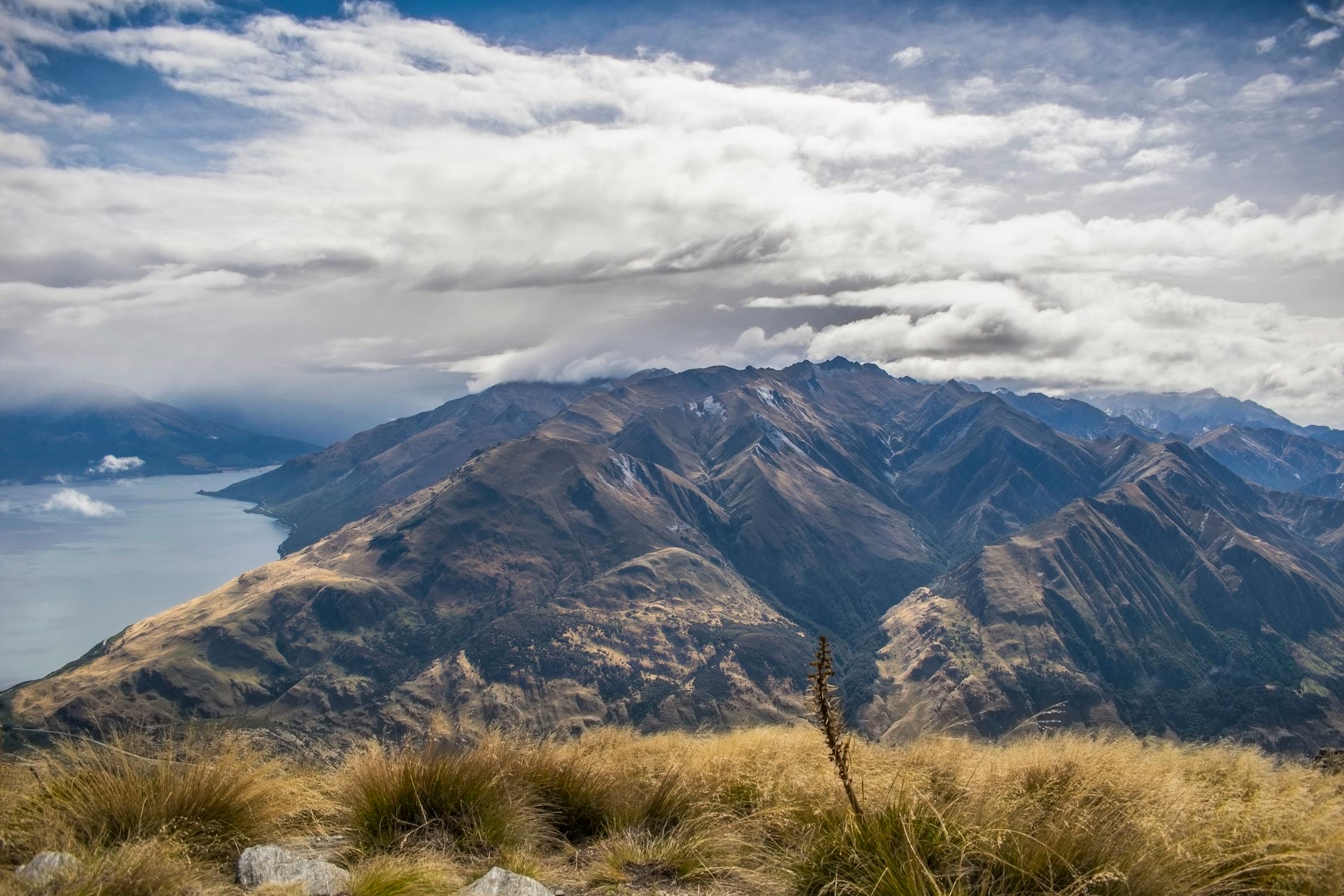
New Zealand’s dramatic scenery and outdoor adventures have long made it a favorite for global travelers. In 2019, the country received nearly 4 million visitors – almost matching its own population. That flood of travelers has led to concerns about trail erosion, littering, and overcrowding in remote areas. As a result, New Zealand’s tourism strategy has shifted from growth to sustainability. Officials introduced the International Visitor Conservation and Tourism Levy in 2019, requiring most tourists to pay NZD $35 upon entry. These funds support infrastructure, conservation, and biodiversity programs. National parks like Fiordland and Tongariro now require advance booking for popular trails, with some imposing daily caps.
There’s also tighter enforcement of freedom camping rules after locals reported human waste and environmental damage from campervans parked illegally. Tourism Minister Stuart Nash famously stated that the country isn’t targeting “backpackers who eat instant noodles,” instead promoting higher-spending visitors who contribute more and cause less strain. The government is also considering “rest periods” for overused destinations – seasonal closures to let ecosystems recover. If tourism rebounds too quickly, certain areas may face more drastic steps, such as entry lotteries or outright bans on casual visits. These growing controls are designed not to discourage travel entirely, but to ensure New Zealand’s natural beauty isn’t lost in the rush.