

A grocery price comparison published in early 2026 by Business Insider has put two of America’s most popular retailers under the microscope – and the results landed differently than most shoppers probably expected. Business Insider writer Savannah Born, based in Indianapolis, compared 32 common grocery items at both Walmart and Costco, calculating the cost per pound or per ounce for each item rather than looking at the sticker price alone. The Walmart vs Costco price comparison found that while Walmart came out ahead on a handful of specific items, Costco was the cheaper store across the full list – and not by a small amount. Let’s take a look at just how big the gap turned out to be.
Before getting into the numbers, it helps to understand what makes this comparison different from most. The key here is unit pricing – that’s the cost per ounce or per pound, not the total price on the tag. A $12 bag of something is not automatically a better deal than a $6 bag of the same thing. You have to look at how much you’re getting per dollar spent. Costco is built around bulk buying, which means its packages tend to be much larger. That makes unit price comparisons the only fair way to stack the two stores up. Born’s method levels the playing field by stripping out the effect of package size entirely.
Costco requires a paid membership to shop there – the standard Gold Star membership currently runs $65 per year. Walmart, by contrast, has no entry fee. That membership cost becomes an important factor when calculating whether Costco’s lower unit prices actually save you money overall, and it’s one of the central questions this comparison was designed to address.
What the Business Insider Price Comparison Actually Found
Business Insider’s Savannah Born compared prices on 32 common items at both Walmart and Costco, calculating unit prices – meaning the cost per pound or ounce – and the differences were striking. The goal was to cut through the noise around which store genuinely offers more for your money, and the answer pointed firmly in one direction.
Overall, Born found that when comparing prices per ounce, her cart was just under 26 percent cheaper at Costco. That is a significant gap. On a $300 weekly grocery budget, a 26 percent difference would amount to roughly $78 in savings per week – or close to $4,000 over the course of a year. Even at a more modest grocery spend, the margin adds up fast.
This finding matches the results of a spring 2026 survey by Consumer Reports, which compared Walmart’s prices to other major chains. That study did not compare unit prices but instead used a representative cart of specific grocery items – and it still found that Costco’s average prices were 21 percent lower than Walmart’s, making it the cheapest large grocery chain in the nation. Two independent comparisons, two different methods, same basic conclusion. That kind of alignment across separate studies is worth paying attention to.
Where Costco vs Walmart Everyday Items Stood Out
The dairy aisle was one of the clearest illustrations of Costco’s advantage. When it came to cheese, Costco charged about $2.60 per pound compared to Walmart’s $3.46 – a difference of 86 cents per pound. Butter told a similar story, coming in at $2.12 per pound at Costco versus $3.23 at Walmart, both for private-label options. For a family going through a pound of cheese a week, the cheese savings alone would add up to nearly $45 over a year.
Snacks showed an even bigger gap. Lesser Evil popcorn cost just $0.43 per ounce at Costco, while Walmart charged $0.72. Simple Mills crackers were $0.50 per ounce at Costco against $1.08 at Walmart. Nabisco graham crackers came in at $0.14 per ounce at Costco compared to $0.24 at Walmart. These are name-brand products, not store-brand swaps, which means shoppers aren’t sacrificing quality to get the lower price.
Name-brand Cheerios were 17 cents per ounce at Costco (in a 40.7-ounce box) versus 25 cents per ounce at Walmart’s 18-ounce box. Other items cheaper per ounce at Costco included mac and cheese, jasmine rice, and pasta sauce. Olive oil came in about 11 cents cheaper per ounce at Costco as well. Across pantry staples – the things most families are buying every single week – the pattern held steady.
Kiplinger’s personal finance team also ran their own spot check and found similar results on a few specific items. A 16-ounce jar of Jif creamy peanut butter cost $2.96 at Walmart, working out to 18.5 cents per ounce, while two 48-ounce jars at Costco came to $13.99 – or just 14.6 cents per ounce. Small per-ounce differences like this add up fast when you’re feeding a family.
Where Walmart Wins on Grocery Store Price Comparison
The comparison wasn’t a clean sweep for Costco. Walmart edged out Costco on a few specific items – chicken was $0.42 less per pound, sugar and flour were significantly cheaper by weight at Walmart, and a dozen eggs came in 15 cents less. These are real savings, and for shoppers on a tight week-to-week budget, they matter.
Born’s shopping trip found that Costco eggs cost about $1.80 per dozen while Walmart charged $1.65. Chicken prices were also lower at Walmart, coming in around $0.42 less per pound – with Costco at about $2.99 per pound and Walmart at $2.57. For high-volume protein buyers – think families cooking chicken a few nights a week – Walmart’s edge on meat and eggs could translate to meaningful savings over time.
Walmart also wins in other important ways beyond price per ounce. Walmart focuses heavily on pantry essentials as well as organic and gluten-free items, while Costco emphasizes a smaller selection with quality over quantity. If you want the most options in a single shopping trip, Walmart is the clear winner. Costco’s product range, while curated and high-quality, is deliberately limited. You won’t always find every item you need, and you’ll often need to buy far more of it than a small household can use before it spoils.
There’s also the practical matter of convenience. With over 10,500 locations, Walmart is undoubtedly the bigger of the two retail giants – compared to Costco’s roughly 850 stores worldwide. For many families, the nearest Walmart is a 10-minute drive. The nearest Costco might be 45 minutes away. Gas, time, and the mental overhead of a longer trip are real costs that don’t show up in a unit price comparison.
Is Costco Actually Cheaper Than Walmart for Groceries?
The short answer, based on the data, is yes – for most items and most families, Costco works out cheaper per unit. But that answer comes with a few honest caveats that determine whether those savings actually land in your pocket.
To make the discount worth it, you’ll need to shop at Costco often enough to recover the annual membership fee. The standard Costco membership currently costs $65, which does include perks beyond groceries – including discounts on gas, tires, and prescription eyeglasses. If you’re only making one or two Costco runs per year, you might not break even. But for regular weekly or bi-weekly shoppers, the math works out clearly in Costco’s favor – the 21 to 26 percent price advantage on groceries can wipe out that $65 fee in a matter of weeks.
Bulk shopping also requires having the physical space at home to store food, and bulk perishable items simply aren’t practical for smaller households. A single person or a couple without a large pantry and a second freezer will struggle to use a 6-pound bag of spinach before it wilts. For a family of four or more, though, bulk buying is a natural fit – you’re already going through large quantities quickly. Buying in bulk at Costco becomes a genuine money-saver rather than a source of food waste.
What Items Are Cheaper at Costco vs Walmart?
Based on the Business Insider comparison and the Consumer Reports data, here’s where Costco holds a clear and consistent advantage in a Costco vs Walmart everyday items comparison:
Dairy Products
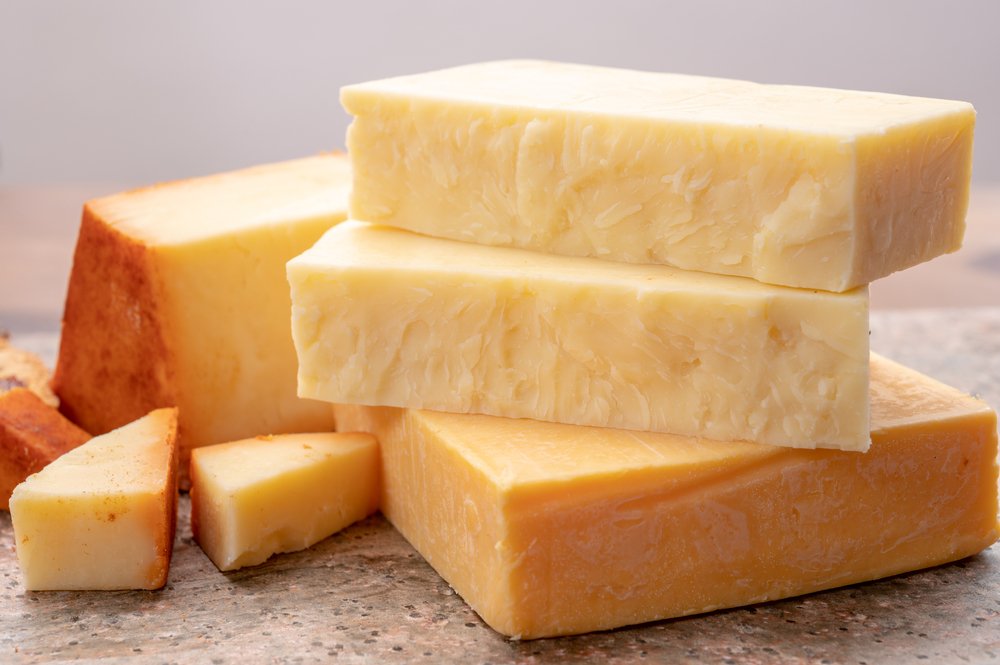
Cheese and butter are two of Costco’s strongest categories. As covered above, the per-pound difference on cheese is 86 cents, and on butter it’s more than a dollar per pound. Milk was only marginally cheaper at Costco, with just a $0.03 difference per gallon – so milk is not where you’ll feel the big savings, but it’s still slightly in Costco’s favor.
Pantry Staples
Olive oil, pasta sauce, mac and cheese, jasmine rice, and cereals like Cheerios all came in cheaper at Costco per ounce. These are core pantry items that most families replenish constantly. Buying them in bulk at lower unit prices means fewer restocking trips and a lower per-meal cost. If you’ve ever stood in the pasta sauce aisle doing mental math, the Costco advantage here will feel immediately satisfying.
Snacks and Crackers
The snack category showed some of the most dramatic gaps in the entire grocery store price comparison. Popcorn, crackers, and graham crackers were all significantly cheaper per ounce at Costco than at Walmart. These aren’t obscure brands either – they’re name-brand products that most families already buy. If your household goes through snacks quickly (and which household with kids doesn’t?), this is one of the fastest ways to see Costco’s savings show up in your weekly spend.
Coffee and Beverages
An 88-pack of Starbucks Pike Place Roast K-Cup pods costs $76.68 at Walmart – or about 87 cents per pod. At Costco, a 72-pack runs just $47.99, which works out to 66.7 cents per pod – a savings of more than 20 cents per pod. For anyone running a Keurig every morning, that gap adds up to real money by the end of the month.
Is a Costco Membership Worth It Compared to Shopping at Walmart?
According to Consumer Reports’ February 2026 study, Costco Wholesale has officially overtaken Walmart as the least expensive grocery retailer in the United States. That’s a headline that would have surprised most people even five years ago. Walmart built its entire brand identity on being the cheapest option in the room. But bulk buying’s built-in unit price advantage – combined with Costco’s Kirkland Signature private-label line, which delivers quality comparable to name brands at lower prices – has flipped the script.
The Consumer Reports study found that Costco’s average cart prices were 21.4% lower than Walmart’s, with the average Walmart shopper spending $54 per trip. Run those numbers out over a full year of grocery shopping and the savings potential is substantial. A family spending $200 per week on groceries who switches to primarily buying pantry staples at Costco could realistically save $40 or more per week – roughly $2,000 a year – once you account for the membership fee. That’s a meaningful number for any household budget.
That said, the membership question deserves an honest answer. If you don’t buy enough bulk goods, the Costco membership fee can reduce or eliminate savings. The sweet spot is families with larger households, a deep pantry, and the freezer space to store bulk perishables. For a single person buying one chicken breast and a small block of cheese at a time, Walmart’s no-fee, buy-what-you-need model still makes more practical sense. The data clearly shows Costco wins on unit price. Whether it wins for your specific household depends on how you actually shop.
One more thing worth knowing: many shoppers maximize savings by using both stores strategically, and this hybrid approach can reduce grocery spending by 10-20 percent per year. Buy your bulk pantry staples, snacks, dairy, and coffee at Costco. Pick up eggs, chicken, fresh produce, and anything you need in a smaller quantity at Walmart. It’s a bit more logistical planning, but if you’re feeding a family and watching your budget, the extra effort pays off.
For parents looking to stretch the family food budget even further, it’s worth reading about smart ways to score deals at Walmart – including clearance strategies and app-based price scanning that can close the gap further on the items where Walmart already has an edge.
Read More: These Moms Came Up With The Best Hacks You’ve Ever Seen
What This Means for Your Grocery Budget

The Walmart vs Costco price comparison from Business Insider, backed up by Consumer Reports’ spring 2026 data, delivers a clear and consistent message: if you’re buying in bulk and can use what you buy, Costco is the cheaper grocery store for most of the items in your cart. The nearly 26 percent price advantage found by Business Insider’s Savannah Born – confirmed by Consumer Reports’ finding of a 21.4 percent gap – is not a rounding error. It’s a real structural difference driven by Costco’s bulk model and its ability to negotiate lower supplier prices because it carries fewer products at higher volumes. For families buying name-brand cheese, crackers, cereal, olive oil, pasta sauce, and coffee every single week, the savings are genuine and repeatable.
The practical takeaway is simple. If your household has four or more people, a reasonable amount of pantry and freezer space, and you’re buying mostly shelf-stable staples, a Costco membership will pay for itself quickly – likely within the first month or two of regular shopping. Which store saves more money on groceries depends on how you shop, not just where you shop. Run your own unit price check on the items your family goes through fastest. The math will usually point you toward Costco for the big bulk categories and Walmart for fresh protein and items you need in smaller amounts. Split your shopping accordingly, and you’ll be surprised how much less you’re spending by the end of the year.
Disclaimer: This article was created with AI assistance and edited by a human for accuracy and clarity.