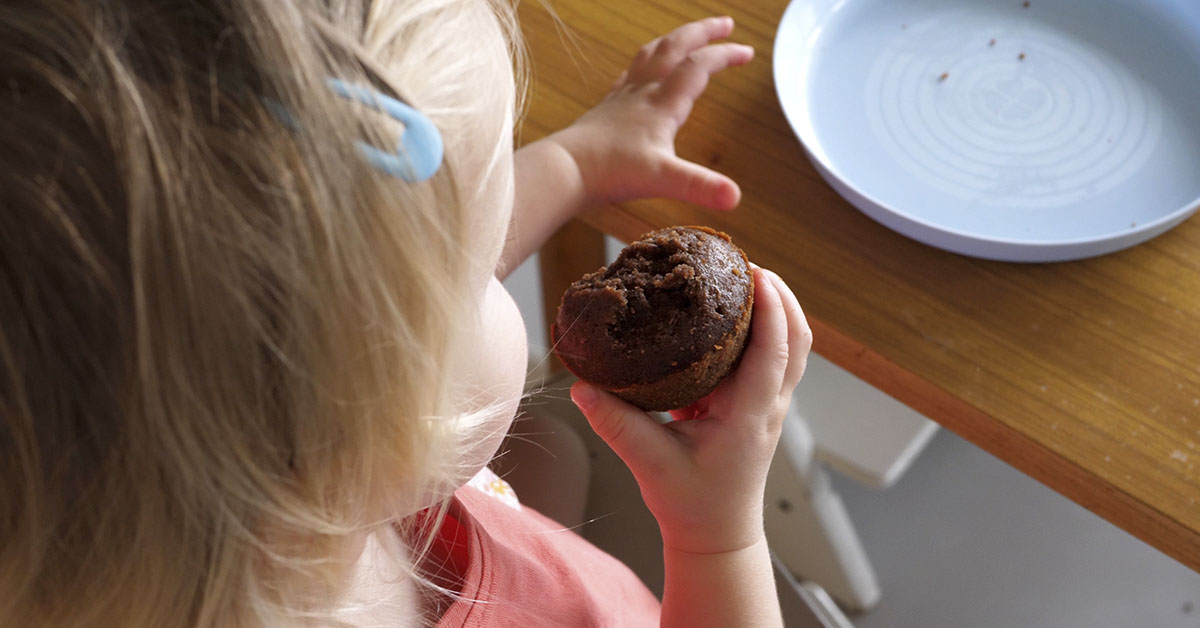

Parenting hardly ever works out the way we picture it. Most of us think about tidy meals, calm kids, and days that kind of go the way we plan. Then real life steps in, and things get complicated very quickly. That is what happened when a mom shared that she put a baby gate across her kitchen door. She hoped it would help her five-year-old daughter stop wandering in for snacks all day long. The post blew up, partly because people linked it to childhood obesity, and people online rarely agree on anything involving food or kids.
At first glance, Harlow seems like any energetic child. But she deals with something very different from the usual hunger kids feel. When her mom put up that gate, the internet spiraled into opinions. Some parents thought it was the smartest idea ever. Others said it looked controlling. Once the details came out though, the conversation changed and the whole situation made a lot more sense.
A lot of parents who first heard Harlow’s story admitted later that they had no idea a condition like this even existed. Many thought that overeating in children always came from poor habits or a lack of structure at home. But the more people learned, the more they realized that this situation sits in a completely different world from typical picky eating or snack battles. And many said it changed how they view other families, too.
The Baby Gate Debate
When Harlow’s mom explained the baby gate online, she probably expected a few questions, maybe some support. Instead, she got a swarm of judgments. A lot of commenters assumed she used it as a punishment. Some even said she was being cruel. She tried to explain that it was not that at all, but you know how the internet is. People jump before reading. People assume things based on their own family life, and they forget every child is different.

Image credit: Shutterstock
She mentioned that Harlow was diagnosed with Prader–Willi syndrome when she was very little. Babies with PWS often start out with weak muscle tone and slow eating. Her mom had to work harder than most parents just to help her grow. It meant extra feeding sessions, extra checkups, and a lot of worry about things other families never think about. But as she got older, things changed in a way her mom never expected.
The Reason Behind the Decision
Kids with this condition eventually develop something called hyperphagia. That basically means hunger that never stops, and it hits like a tidal wave. So Harlow asks for snacks nonstop. She checks counters and cupboards, and sometimes forgets she already ate. She wakes up thinking about food and goes to bed thinking about it too. And that is not behaviour a parent can fix with reminders or charts or a firm voice.
That is the reason the gate went up. It was not to punish her, it was to keep her safe. Kids with PWS can overeat to the point of danger. Eating too fast or eating the wrong thing can lead to real emergencies. Without that barrier, the risk of sudden weight gain rises fast. It can turn into dangerous levels of childhood obesity, and in PWS, even small overeating can cause major problems.
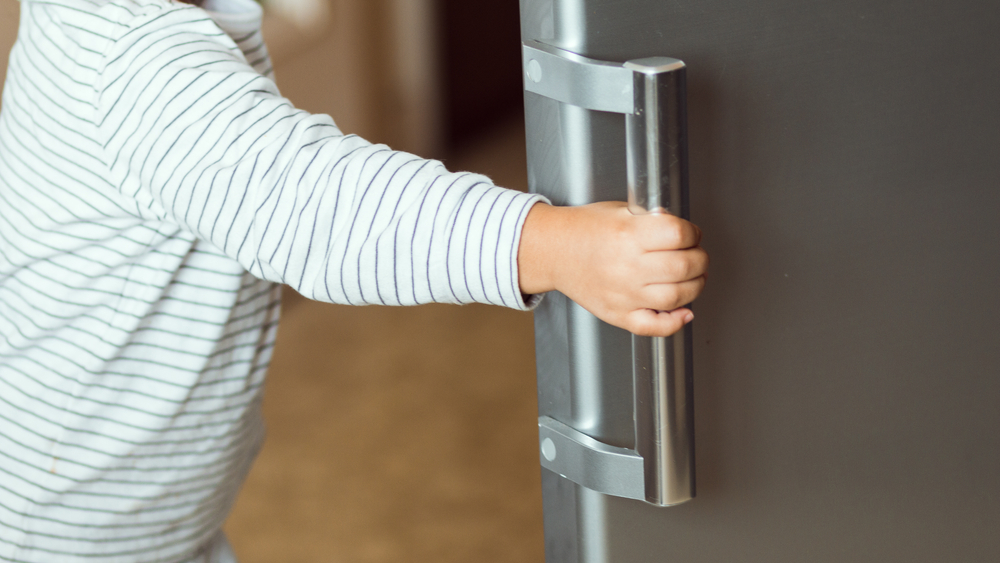
Image credit: Shutterstock
Some families use locks on their fridge, and some have to lock every cabinet. Some even install alarms because their child wakes up at night to look for food. Compared to that, a baby gate is gentle. It lets her see the kitchen and her family, which eases some anxiety. And the structure helps her feel secure because she knows what to expect.
A lot of parents said that after learning about PWS, they felt embarrassed for judging her in the beginning. It is a reminder that you do not know someone’s story until you ask.
Misael’s Story and the Warning It Sent Out
Years before Harlow’s story, people heard about Misael. He was a five-year-old boy who reached a very high weight and struggled to breathe safely. Doctors worried he might suffocate in his sleep. The case shocked parents around the world and made headlines for days. Even though the media did not always explain his condition well, the warning signs looked a lot like what happens with disorders that affect appetite.
His mother explained that she tried every healthy method she knew. She tried smaller meals, fewer treats, lots of vegetables, and doctor visits. But the hunger and weight gain did not slow down. People often assume a parent must be overfeeding a child for them to gain weight that fast. But cases like his show that biology can overpower even the most careful habits.
There were interviews where she talked about the fear she lived with. She had doctors telling her he was in danger, and strangers telling her it was her fault. She said she felt trapped between two impossible expectations. Parents in similar situations related to that feeling. They said it feels like swimming against a current you cannot see.
Misael’s case pushed doctors and even schools to talk more about early weight gain and pediatric weight concerns. People realized that sometimes childhood obesity does not begin with lifestyle at all. It can start in a child’s brain or genes, and parents get stuck trying to fight something way bigger than a snack routine.
So What Exactly Is Prader–Willi Syndrome
Prader–Willi syndrome, usually called PWS, is a rare and complicated genetic disorder. It affects hunger, growth, hormones, sleep cycles, and even emotions. It comes from a small error on chromosome 15, where certain genes from the father are either missing or not working right. Doctors say it happens randomly, not because of anything a parent does.
Medical research shows that these genes help regulate the hypothalamus. This part of the brain is responsible for hunger signals, hormone release, temperature, and emotional responses. When the hypothalamus does not function properly, the body sends mixed signals. A child might feel hungry even after eating. Their metabolism becomes slower. Their body stores fat differently. And their emotional regulation changes too.

Image credit: Shutterstock
Early Stage, Low Muscle Tone, and Feeding Trouble
Most infants with PWS start life with very weak muscle tone. Their bodies feel soft, and they cannot suck strongly. They often have trouble staying awake long enough to feed. Their parents spend long hours trying to help them eat. At this point, overeating is not the issue. In fact, gaining enough weight becomes the main struggle.
Some parents describe these early months as lonely. They feel something is wrong, but the symptoms do not match common feeding problems. Babies with PWS may need special bottles or feeding tubes. The lack of muscle tone can also delay sitting, crawling, or walking.
The Shift Into Strong and Constant Hunger
Around age two to five, things start to change. Muscle tone gets better. Eating becomes easier. And then hunger enters the picture. At first, it seems normal, then it grows stronger. Eventually, it becomes constant. Kids may ask for food every few minutes or search for hidden snacks. They can also become upset when meals are delayed because they cannot control the hunger signals coming from their brains.
Parents say it feels like having to be one step ahead at all times. Birthday parties become stressful. School lunches require careful planning. Even a simple grocery store trip can lead to meltdowns because there is food everywhere. And none of this happens because the child is misbehaving. It is the biology of the condition taking over.
This stage also creates emotional stress for the child. They know they are hungry and cannot stop thinking about it. And they get frustrated with themselves. Some kids feel guilty for wanting food so much. Others feel scared by how overwhelming the hunger feels.
Why Weight Gain Happens So Fast
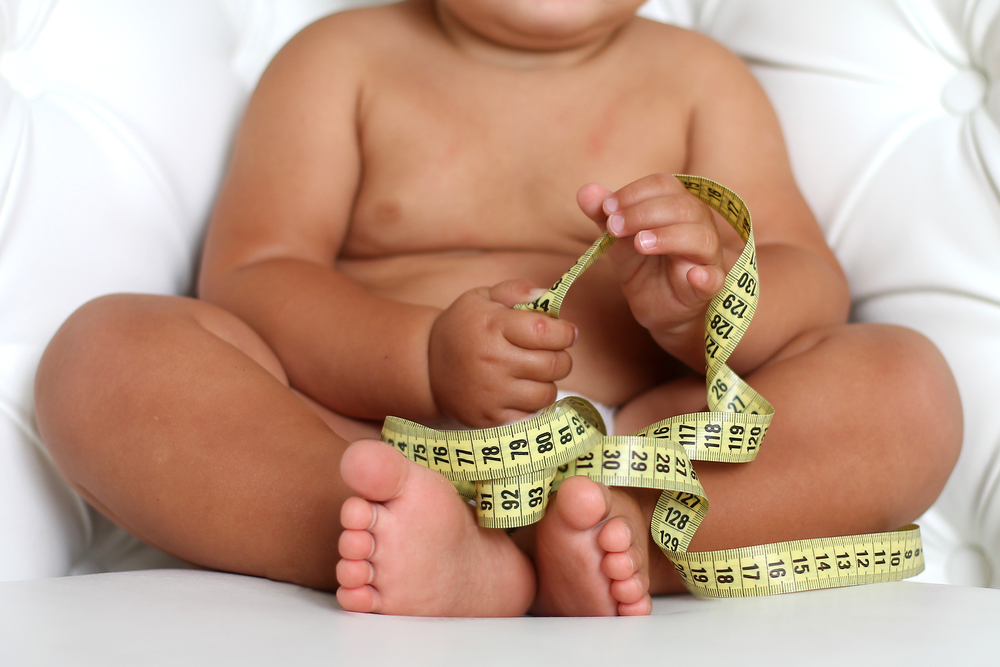
Kids with PWS burn fewer calories because their muscle mass is lower and their metabolism is slower. That means normal portions can cause weight gain that happens fast and easily turns into childhood obesity. A child might gain weight from small snacks that would not affect another kid at all. Managing diet becomes a huge job for parents, and any extra food needs careful planning.
Parents of kids with PWS often compare their situation to walking a tightrope. Every bite matters. Every routine matters. A small slip can cause a big change and because the hunger does not stop, kids may eat unsafe foods or choke if they get access to something without supervision.
The Behaviour and Learning Side of PWS
PWS also affects thinking, routines, and emotional control. Many children show mild learning difficulties, speech delays, frustration during changes in routine, strong emotions around food, and high anxiety during mealtimes.
Some kids struggle with transitions, like moving from home to school or switching from playtime to dinner. They may also become upset when plans change suddenly. Families often use visual schedules, timers, and predictable routines to help reduce stress.

Teachers who work with kids who have PWS say that once routines are set, many children thrive. They like structure. They like knowing what comes next. The challenge is keeping that structure consistent at home, school, and everywhere else.
Health Risks When Hunger Is Not Controlled
Without careful supervision, children with PWS face serious dangers. Some include type 2 diabetes, sleep apnea, limited mobility, respiratory issues, stomach rupture from overeating, and extreme forms of childhood obesity.
Doctors warn parents that one unsupervised moment can lead to hospitalization. It is a pressure many families live with daily. They often describe feeling like they cannot relax the way other parents do. Some even say they have to hide their own snacks because seeing food triggers anxiety for their child.
How Families Try To Cope Day To Day
Families living with PWS rely on routines, safety tools, and structure. Meal times are planned out and portions stay the same. Some kitchens use locks or alarms. Parents work closely with doctors, therapists, and nutrition teams. Even physical activity needs extra planning because children with PWS get tired faster due to low muscle tone.
Activities like swimming, walking, or dancing help them stay active. These activities also lower the risk of weight gain linked to childhood obesity. But staying active is only part of the picture. Families say the emotional work is just as hard. Some siblings struggle with guilt because they get to eat freely. Some parents worry constantly about school events where food is everywhere.

Image credit: Shutterstock
Extended family members often need education, too. Grandparents may not understand why they cannot offer treats. Aunts and uncles may think the rules are too strict. Parents have to explain that it is not about discipline, it is about safety.
Read More: 10 Toxic Kitchen Items That Could Be Harmful to Your Health
The Emotional Weight Parents Carry Every Day
Parents of children with PWS deal with pressure that most people never experience. They need to protect their child’s physical health while also supporting their emotional well-being. They try to balance firm rules with kindness and sometimes feel judged by strangers who do not understand medical hunger disorders.
Harlow’s mom said the baby gate helps her daughter feel calmer. It prevents accidents and stops arguments about food. For her family, it creates peace instead of tension.
Her decision comes from care, not control. It also shows that she understands her daughter’s condition better than online critics ever will. Many parents say they wish people would ask questions before judging. They say awareness would help them feel less alone.

Image credit: Shutterstock
Lessons From These Stories
These stories teach several things if we listen. They show that hunger can come from a medical condition, not a child’s habits. They show that biology can overpower willpower, and they also show that parents need understanding instead of blame. Cases like these remind people that childhood obesity sometimes begins with genetic factors, not parenting choices.
Most of all, they teach compassion. Families dealing with PWS create loving, structured lives around a condition that never takes a day off. Their decisions often look unusual from the outside, but they are rooted in love and necessity. They are doing something incredibly difficult with limited support.
Closing Thoughts
The debate around Harlow’s baby gate revealed how fast people judge without knowing anything about a child’s health. Once the full story came out, her mom’s choice looked thoughtful and protective. When you compare her story to cases like Misael’s, it becomes clear that early hunger disorders can turn into severe childhood obesity without intervention.
Parents caring for children with PWS are doing their best in a complicated world. Their decisions may look strict, but they come from love and awareness. The more society understands conditions like this, the easier it becomes to support families instead of pointing fingers. Every child deserves health, every parent deserves understanding, and every story deserves more patience than the internet usually gives.
Read More: What Was The Life Expectancy The Year You Were Born?