

Nobody sits down and consciously scores their relationship like a talent show judge. And yet most people have done some version of the calculation – quietly, at a gas station, or during a long car ride, or three glasses into a dinner party – and arrived somewhere uncomfortable. Attraction in a relationship is supposed to be mutual and reciprocal and all the things the greeting cards promise. But sometimes one person is drawing noticeably more of the room’s attention than the other, and both people in the couple can feel it, even if neither of them says it out loud.
The research term for this is a “mate value discrepancy,” which is the kind of phrase that makes the whole thing sound more clinical than it is. What it means, practically, is that when two people pair up and one is conventionally more attractive than the other, certain patterns tend to emerge. Not always. Not inevitably. But consistently enough that researchers have studied them across thousands of couples. And recognizable enough that if you’ve ever been the better looking one in a relationship, several of the patterns on the following list will feel less like a psychology paper and more like your actual Tuesday.
Being the more attractive partner comes with its own set of pressures, its own specific discomforts, and its own dynamics that run underneath even the warmest relationships. Some of these signs are flattering. Some are exhausting. Some are both at once.
1. Strangers Notice You More, Even When You’re Together
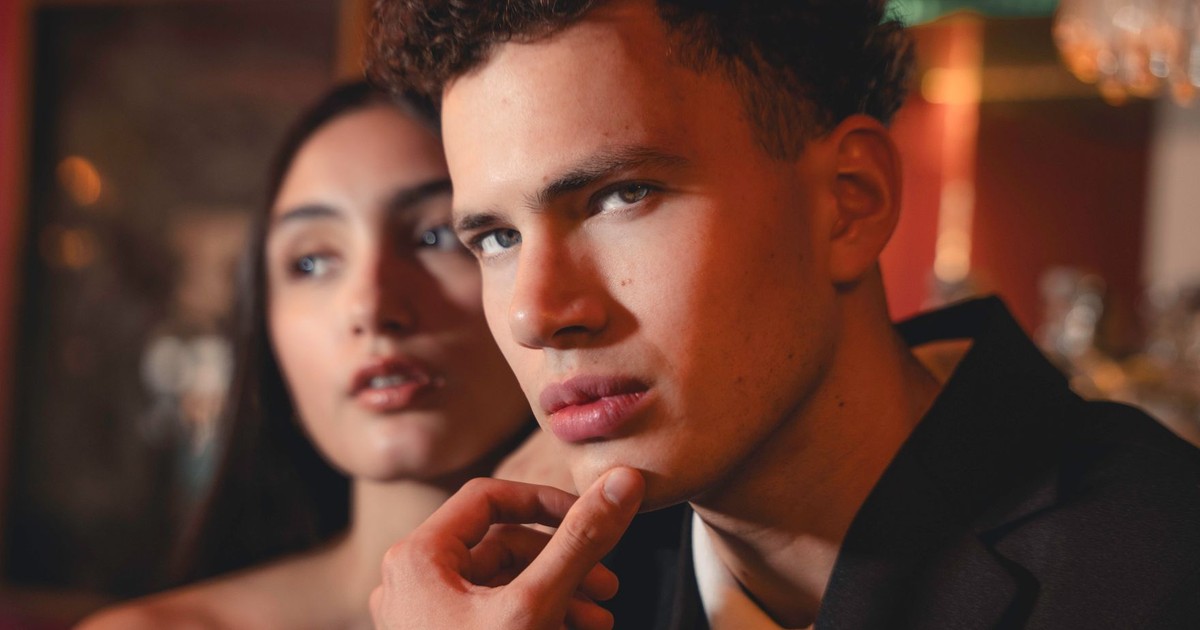
You walk into a room with your partner and the attention doesn’t distribute evenly. Eyes track to you. The bartender addresses you first. People in a shared space direct their attention toward you specifically. Your partner may joke about it, or go quiet.
A 2025 Newsweek analysis notes that societal perceptions of beauty can shape the relationship in meaningful ways, including through external scrutiny from friends, family, and strangers who may silently judge perceived differences in appearance. That gravitational pull doesn’t disappear when you’re already partnered. It just becomes something you both have to navigate together, with varying degrees of grace.
2. Your Partner Brings Up Your Past Admirers More Than You Do

You have long since forgotten the guy from the work conference who kept texting you in 2022. Your partner has not forgotten him. He resurfaces in conversation as evidence of something your partner can’t quite name but clearly feels.
Research published in PsyPost in 2026 found that feeling more replaceable than a primary partner tends to predict greater conflict and feelings of competition, regardless of whether the relationship is monogamous or open. The less attractive partner isn’t irrational for feeling this way. They’re responding to something real. The dynamic becomes a problem when it starts to function as a running ledger of all the reasons they think they might lose you.
3. People Are Surprised When They Find Out You’re Together
This one has a specific texture. It’s not a big dramatic reaction. It’s a half-second of recalibration – a flicker of something across someone’s face before their social training kicks in and they say “oh wow, that’s great.” You’ve become fluent in reading that flicker. Your partner, to their credit, either hasn’t noticed or has decided not to mention it.
External scrutiny from the people around you – friends, family, new acquaintances – creates a background noise that rarely benefits either person. Both of you are, on some level, performing normalcy around a thing that other people keep treating as remarkable.
4. Your Partner Works Harder for Your Approval Than Vice Versa

They notice when you don’t laugh at their joke. They check whether you seem impressed at dinner with their colleagues. They ask, more than once, whether you’re having a good time. You are reasonably attentive to your partner’s feelings, but you don’t have the same low-grade ongoing audit of whether they’re pleased with you. The emotional labor in the relationship isn’t distributed evenly in this direction, and you’ve probably noticed without examining it too closely.
When someone privately calculates that their partner could trade up, their behavior adjusts accordingly – more reassurance-seeking, more approval-checking, more effort spent demonstrating worth. It’s not performed. It’s protective.
5. Arguments Resolve Faster, but Usually on Your Terms
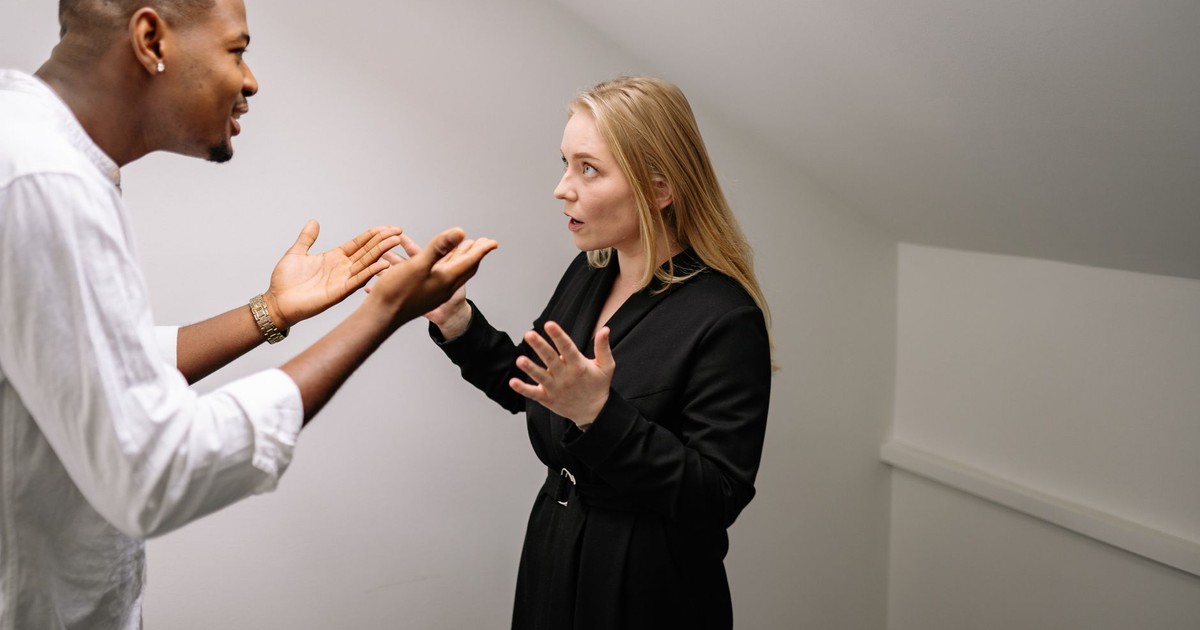
When the two of you fight, your partner tends to be the one who backs down first. Not because they’re weak or because they don’t have a point. But because, when they run the internal math on whether this particular hill is worth dying on, the answer keeps coming out no. The cost of losing you outweighs the cost of conceding.
This is one of the more uncomfortable signs because it can look, from the outside, like a healthy relationship where one partner is simply emotionally mature and de-escalation-skilled. And sometimes that’s exactly what it is. But when the pattern only goes one direction, when concession is always their move and almost never yours, it’s usually tracking something about perceived power, not just personality.
6. Your Partner Monitors Their Appearance More Since Being With You

They started going to the gym six months into the relationship. Their wardrobe improved. They ask whether an outfit looks good before events that, objectively, don’t require much effort. They pay more attention to how they photograph. None of this is bad – people improve themselves in relationships, and being with someone you’re proud of is a reasonable motivator. But the frequency and intensity of this self-monitoring tells a story about the gap they feel they’re closing, or trying to.
A 2024 study in Personality and Individual Differences found that jealousy can drive both positive and negative mate retention strategies, some meant to strengthen the bond and others rooted in insecurity and control. Upping one’s appearance is one of the more benign versions. The less comfortable versions – monitoring your phone, making pointed remarks about people you talk to – tend to emerge from the same place.
7. People Ask Your Partner “How Did You Two Meet?” More Than They Ask You
When people meet a couple and the physical attractiveness gap is visible, the question “how did you two meet?” is directed, far more often than you’d expect, at the less attractive partner. What they’re really asking is: what was the story? What made this happen? How did you get there? Nobody asks the good-looking partner how they managed it. The assumption is that they didn’t have to manage anything.
You’ve probably watched this happen more than once – someone at a party, a new work colleague, a family friend – looking at your partner with a kind of bright interest that isn’t quite about your partner. It’s about the puzzle. And your partner, bless them, answers the question every time.
8. You’re More Comfortable Saying No

Not rudely, not carelessly – but you have a general comfort with declining things your partner doesn’t share. Saying no to plans, to social obligations, to things you don’t want to do. Your partner is much more likely to go along with things even when they’d rather not. Some of this is personality. But some of it is that you’ve never had to develop the reflexive agreeableness that people build up when they’re worried about being difficult.
Attractive people, as a general rule, encounter less resistance from the world. Doors open a little more readily. Requests land a little more easily. Across years, this shapes how comfortable you are asserting what you want, because the feedback loop for doing so has been consistently more forgiving.
9. Your Partner Is More Invested in Who You’re Spending Time With

Not necessarily in a controlling way. More like.. an attentiveness. They want to know who was at the work thing. They ask follow-up questions about a friend you mentioned who they’ve never met. They notice when you’ve been texting someone new and don’t make a big deal of it, but they notice. There’s a monitoring quality to their interest in your social life that isn’t present in reverse.
Feeling more replaceable than a primary partner tends to predict greater conflict and feelings of competition, regardless of whether the relationship is monogamous or open. The attentiveness to your social life is an early, low-key form of that same anxiety. It’s not paranoia. It’s arithmetic, running in the background.
10. You Get More Unsolicited Compliments From Mutual Friends
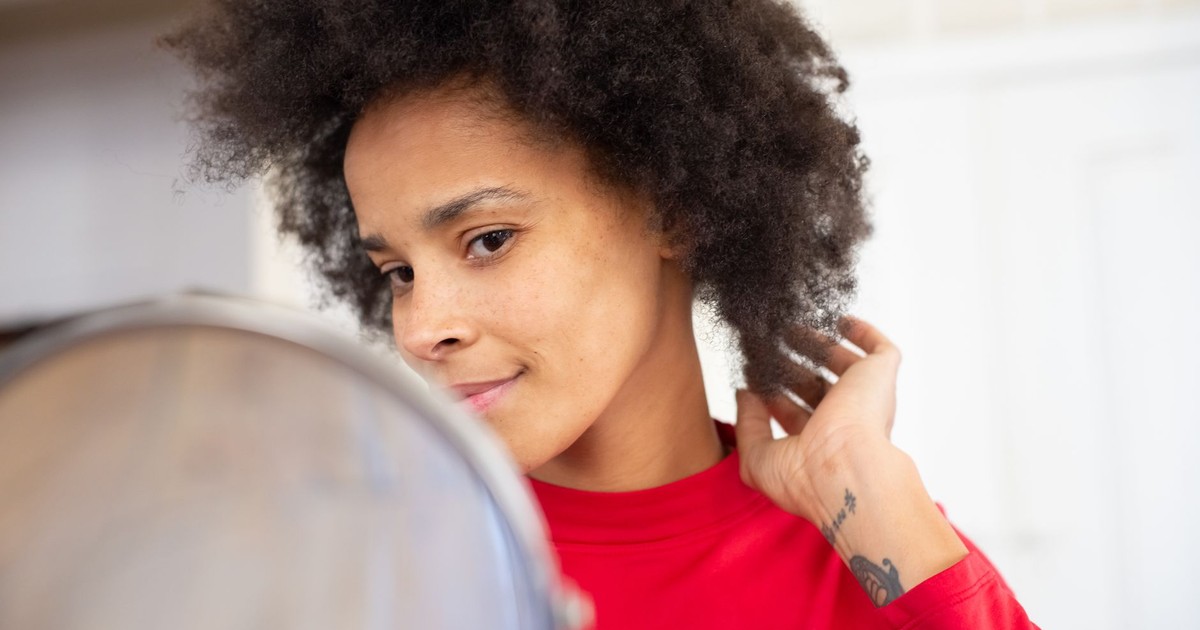
Your partner’s friends tell you you’re wonderful. A lot. Their mother mentions how good-looking you are to anyone within earshot. At group dinners, someone invariably comments on your hair, your outfit, your whatever. It’s warm and it’s meant kindly and it also creates this ongoing ambient reminder for your partner that everyone around them shares the assessment that you’re, objectively, very attractive.
Your partner’s friends don’t mean any harm. They’re doing what feels like a compliment. But you’ve noticed, probably, that the compliments flow more toward you than toward them, and that your partner keeps a very straight face through all of it.
11. You Field More Attention Online

Your social media presence draws noticeably more engagement than your partner’s. Not necessarily because you post more – just because you get more. More follows from strangers, more DMs from people who have no existing connection to you, more comments that take a little longer to read before you decide whether they’re appropriate. Your partner has probably seen this. It may or may not have been discussed.
As one relationship expert noted in a 2025 Newsweek analysis, while the more attractive partner can worry that they are only valued for their looks, the less conventionally attractive partner may question why their partner chose them at all. The online attention gap can bring both of those anxieties to the surface in a single scroll.
12. Your Partner Is More Reluctant to Raise Complaints

They have opinions. You know they do, because occasionally one escapes before they can catch it. But the full account of the things that bother them – the way you handle plans, a habit that irritates them, a comment that landed wrong – tends to stay in the vault. They calibrate which grievances are worth raising based on an implicit risk calculation that you’ve never had to run in the same way.
When people feel they have a lower mate value than their partner, they often feel insecure and worry about being replaced by someone more attractive or successful. That insecurity reshapes how willing they are to create friction, because friction carries a cost they’re not sure they can absorb.
13. Exes Reach Back Out More Often
The message that arrives out of nowhere, two years after a relationship ended. The person who somehow ends up at the same party. The “hey, just thinking of you” email that no one actually sends unless they’ve been thinking about sending it for a while. You’ve had this happen more than your partner has, and both of you are aware of it, even if you’ve only addressed it obliquely.
People reaching back out to you reflects the same dynamic that plays out in every other area: you’re the one they didn’t stop thinking about. It’s flattering and it’s also a mild, persistent source of low-level tension in your relationship.
14. People Assume You Could “Do Better”

Well-meaning friends have said some version of this. Not always directly – sometimes it comes packaged as a question, or a lingering pause, or a “you seem so happy, I just want to make sure you’re actually happy.” What they’re implying is that your options are broader than your current situation reflects. It’s not necessarily true – attractiveness doesn’t determine compatibility, or happiness, or any of the things that actually make a relationship work. But people say it anyway, often with the confidence of someone who believes they’re doing you a favor.
Your partner has probably heard versions of this too, from their own social circle, framed differently. Both versions are equally unhelpful.
15. You’re the One Who Gets Approached When You’re Out Separately

This could mean someone at a bar, or a coffee shop, or a work event, or the grocery store, or anywhere humans encounter each other. When you’re out without your partner, you’re the one who gets approached by strangers in a way that reads as romantic or interested. Your partner does not report the same volume of encounters. This probably doesn’t surprise either of you.
Research published in Psychological Science found that partners who became romantically involved soon after meeting tend to be more similar in physical attractiveness, while partners who were well-acquainted before their romantic involvement were more likely to show a greater mismatch – which suggests that many couples with noticeable attractiveness gaps had time to build other forms of connection before physical comparison became the frame.
16. Your Partner Introduces You With a Quiet Pride That Goes in One Direction

When you meet their friends, their colleagues, their family, there’s something in the way they present you. A small extra effort in the introduction. A posture thing. A way of watching the room for reactions. You’re being shown off, not just introduced. You’ve noticed that you don’t carry quite the same energy when the introduction runs the other direction.
This is the ordinary human experience of feeling like you got lucky and wanting the people in your life to see it. The asymmetry just happens to reveal who in the relationship is experiencing that feeling more acutely.
17. Your Mistakes Get Forgiven Faster
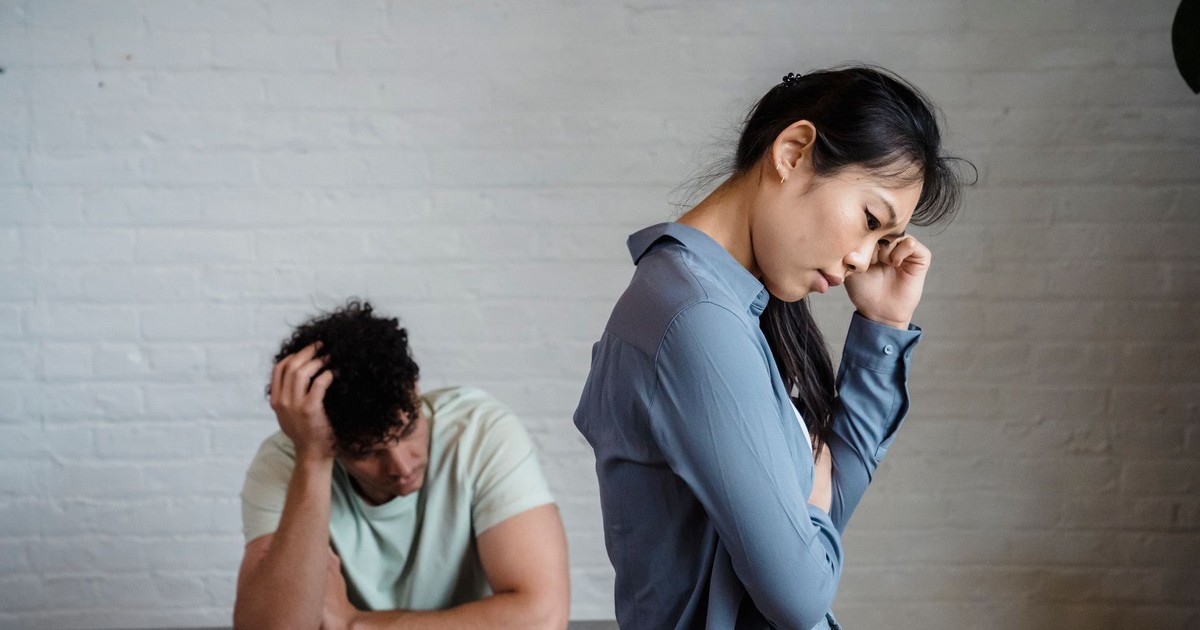
You were late. You forgot to follow through on something. You were distracted during an important conversation. These things happen, and they get repaired relatively quickly – faster than a comparable mistake in the other direction would. Not because your partner is a pushover, but because the emotional cost of prolonged conflict with you is higher for them than for you, and both of you know it even if you’ve never put it in those words.
For couples where keeping the spark alive requires active investment from both sides, this kind of lopsided forgiveness can quietly chip away at the sense of equality and, left unexamined, harden into a pattern. Forgiveness is supposed to flow in every direction, not settle into a habit that only runs one way.
18. You Notice You’re Less Worried About the Relationship Ending
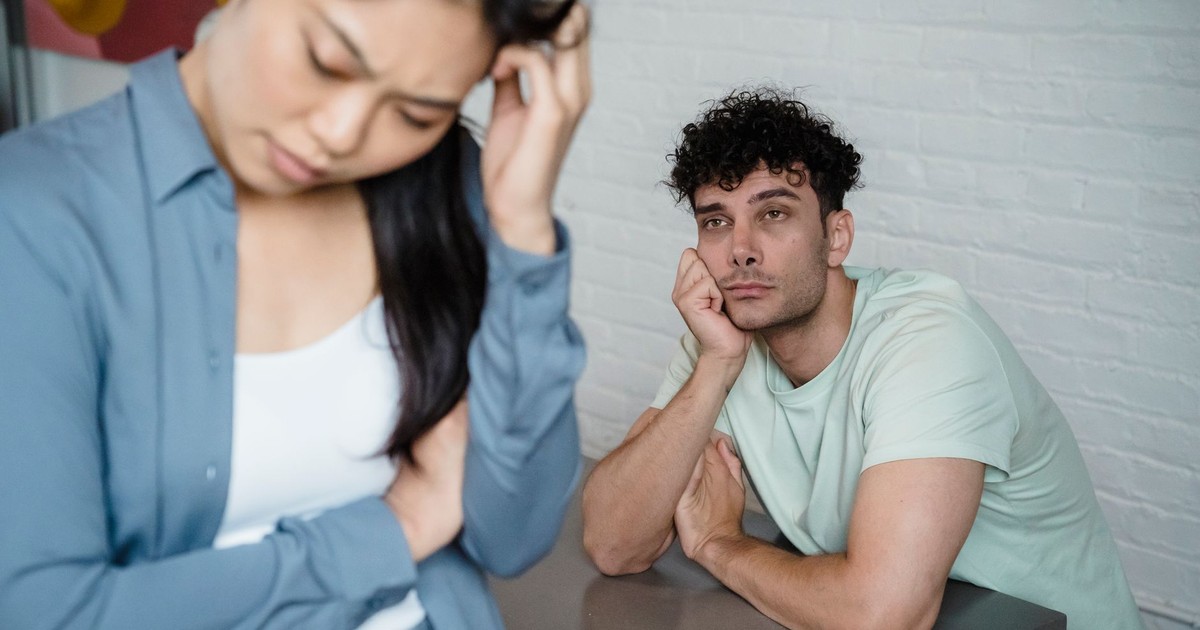
Not because you’re careless. Not because you don’t love your partner. But because, in the private architecture of your anxiety, the fear of losing this specific relationship doesn’t have the same square footage it occupies in your partner’s inner life. You’re fond of them, committed to them, invested in them. And yet you don’t lie awake running the same calculations they do.
Research analyzing data from over 2,700 individuals across two studies found that for socially desirable traits like physical attractiveness, relationship quality was highest when participants rated their partners above themselves – and that when both partners perceived themselves as equally less desirable, they were actually more prone to insecurity and suspicion. The partner who feels they got the better deal is also the one doing more of the anxious emotional arithmetic.
19. Mutual Acquaintances Treat Your Partner Differently When You’re Not Around

This one is hard to confirm, but you’ve gathered evidence of it piecemeal. People are warmer to your partner when you’re not there to create the contrast. The comparison point disappears and your partner gets to just be themselves, without the implicit ranking happening next to them in real time. Your partner may be more relaxed in those settings too, in ways that are occasionally slightly pointed.
A partner’s confidence and social ease can expand in the absence of the more attractive partner – a reflection of how attractiveness gaps affect both people. Not just the one who feels less attractive. The one who feels more attractive too, and has to decide what to do with all that awareness.
20. Your Partner Says “I Love You” First, Almost Every Time

Keep count, if you haven’t already. Who initiates it? Who says it unprompted, at odd hours, for no particular reason? Who texts it in the middle of an ordinary workday? Almost certainly, across all the variations, it runs in a consistent direction. Not because your partner loves you more – love isn’t a competition and it isn’t a ranking. But because the need to say it, to name it, to keep reasserting it, is proportional to the anxiety about losing it.
You saying it back is real. You meaning it is real. But there’s a reason the timing is almost never symmetric.
What to Do With All of This

The list is useful if it helps you see something you already sensed but couldn’t quite articulate. It’s less useful if you use it as evidence in an argument, or as a quiet way of keeping score, or as a reason to feel secure in a way that tips into careless. Being the better looking one in a relationship is not the same thing as being the more important one. The person doing most of the reassurance-seeking and the fastest apologizing and the most appearance-monitoring might also be the one doing the most loving, in the most practical and daily sense of that word.
These dynamics can introduce a real power imbalance into a relationship, especially when one partner experiences more social privilege as a result of their appearance. Naming that isn’t a solution. But not naming it hasn’t historically helped anyone either. The most honest thing you can do with this list is sit with which items you recognized immediately, and which ones made you slightly uncomfortable. That discomfort is the more interesting data.
Attractiveness doesn’t stay static, and neither do relationships. People change, circumstances change, and the dynamic you’re reading about here can evolve in ways no checklist can account for. What tends not to change is the underlying question: whether two people in a relationship both feel like they’re choosing each other freely, and not out of fear. That’s the thing worth paying attention to, whatever the mirror says.
Disclaimer: This information is not intended to be a substitute for professional medical advice, diagnosis, or treatment and is for information only. Always seek the advice of your physician or another qualified health provider with any questions about your medical condition and/or current medication. Do not disregard professional medical advice or delay seeking advice or treatment because of something you have read here.
AI Disclaimer: This article was created with the assistance of AI tools and reviewed by a human editor.