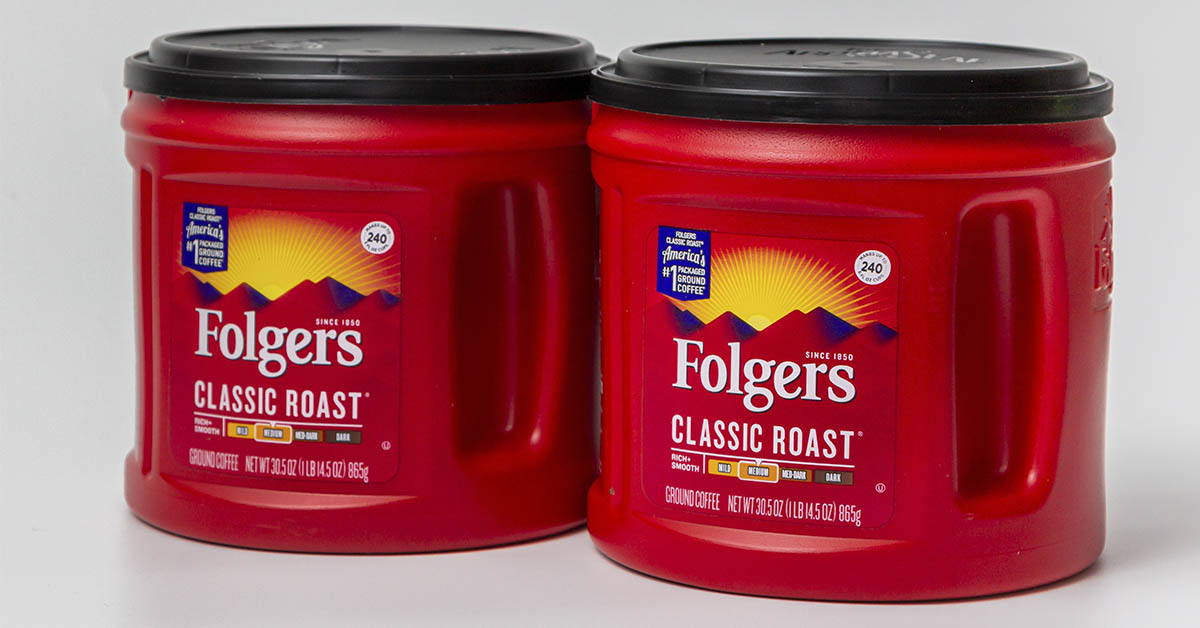

Avid gardeners are aware of the benefits of used coffee grounds as fertilizer. No part of the coffee goes to waste, as used coffee grounds can be recycled to make a multitude of items, including soap and firelighters. However, coffee containers may not receive the same upscaling treatment as their used contents. Plastic waste has reached pandemic proportions globally, with refuse piles now mimicking the scale of small islands. This colossal accumulation of trash and plastic waste poses a severe threat to ocean and land ecosystems with devastating long-term consequences if not addressed urgently.
Most households have empty coffee containers, which some will keep stacked in their kitchens or many might discard. Only a few would reappropriate their empty containers, giving them new functions and purpose beyond their intended use. While certain countries have robust recycling programs, other countries may have inadequate or non-existent recycling programs. This is why easy and simple DIY projects are an effective way to combat plastic pollution and restore purpose in items otherwise seen as trash. Many DIY enthusiasts will typically be aware of empty coffee containers being used again as storage containers for either food, stationary or other items.
Creative Ways To Upscale Used Coffee Containers
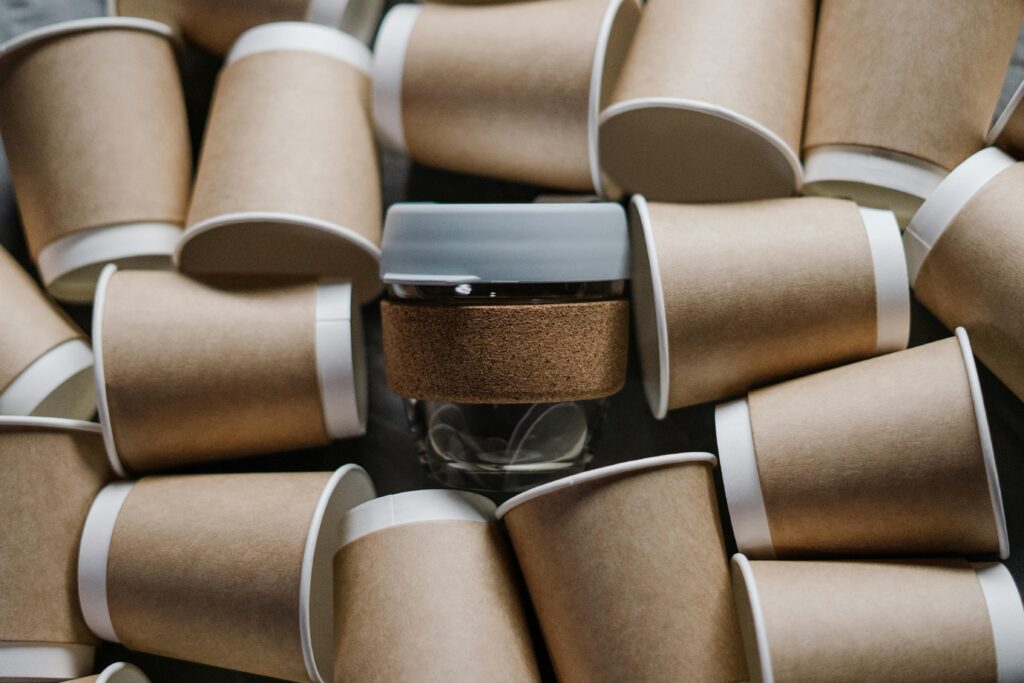
However, DIY enthusiasts on the internet have found creative ways to reuse empty containers in the garden. Amongst reusing empty containers as storage, enthusiasts have discovered clever DIY methods to upscale empty containers to transform coffee containers into new repurposed items. One of the many creative ways DIY enthusiasts are breathing new life into these empty containers is creating thriving bird feeders.
Depending on what type of coffee container you have, creating a bird feeder takes only basic tools and a little creativity. Metal coffee cans with plastic lids work perfectly for a cylindrical sideways feeder that is perfect for smaller avian creatures. Larger plastic containers from brands like Folgers or Maxwell House work as excellent platform-style feeders that are suitable for bigger species of birds. Both designs are so straightforward that kids and beginners can tackle them easily. So begin planning out your DIY recycling project while you finish that last cup of coffee, wash out the container thoroughly, and start a project that actually brings life to your garden.
Why Coffee Containers Make the Perfect Upcycled Feeders
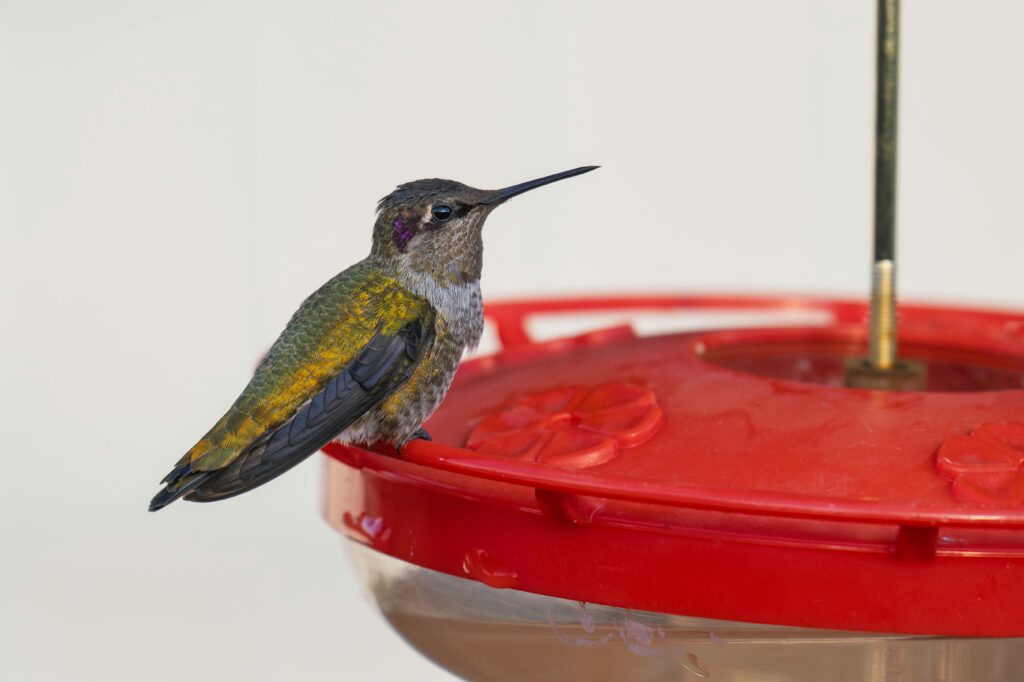
Coffee containers are made from strong and durable materials specifically designed to protect the contents inside from the environment. Metal cans are made to resist rust, while plastic containers are crafted from High-Density Polyethylene (HDPE), a durable polymer that withstands outdoor exposure. This same material resists cracking, fading, and warping even after years of direct sunlight. Traditional wooden bird feeders eventually rot and deteriorate. Store-bought plastic feeders often crack or become brittle in cold temperatures. Your coffee container, however, will keep functioning season after season.
As these empty containers are extremely durable, reusing and repurposing an empty container is significantly more cost-effective than buying a commercial bird feeder. What essentially costs $20 – $30 at a garden store can be made for free with recycled materials. There is also the environmental benefit, preventing more additions to the 15 million tonnes of coffee grounds that already end up as waste in a landfill annually. When coffee grounds decompose in landfills, they release methane gas, which is considerably more damaging to the environment than carbon dioxide. Repurposing that container keeps additional waste out of the trash system and prevents harmful gases from being produced.
Preparing Your Container for Backyard Use
Safety should be prioritized before converting any household item into a bird feeder or before starting any DIY project. Begin by washing your container thoroughly with hot water and biodegradable dish soap. Any residual coffee oils can go rancid and potentially harbor bacteria. Rinse it multiple times to ensure all coffee residue and any soap are completely removed. If you want to be extra cautious, a diluted bleach solution works effectively for sterilization. Just remember to rinse extremely well afterward so no bleach residue is left.
Metal cans often leave sharp, jagged edges where the opener removes the lid or bottom. These dangerous edges can injure birds during their visits. Smooth out any of these rough and jagged edges using sandpaper or a metal file. Alternatively, cover sharp rims with weather-resistant electrical tape or similar material for a quicker fix. This step might seem minor, but it makes a significant difference in feeder safety. Your goal is to create a welcoming environment, not a hazardous one.
The Sideways Cylindrical Feeder for Smaller Birds
The metal coffee can design is beautifully simple and takes only minutes to construct. Start with the can opener and carefully remove the bottom of the metal can. The smooth-edge opener leaves the body relatively safe, but double-check the rim for any unsafe or jagged edges. Take your plastic coffee lid and cut it precisely in half using sharp scissors or a utility knife. These 2 semi-circles become the main mechanism that holds the seed inside your feeder.
Apply a strong, weatherproof adhesive like E6000 to the curved edges of each half-lid. E6000 is specifically formulated for outdoor use and bonds plastic to metal permanently. Press one half-lid onto one side of the can’s opening and the other half-lid onto the opposite side. Align them so they cover the bottom half of the opening, creating a trough where seeds can collect. This ingenious design lets rain slide off the top while the lower half protects the seed from getting waterlogged.
Drill 2 small holes near the very top of the can, one on each side. Loop a strong wire or twine through these holes, tying it securely inside the feeder so the ends meet. Make the wire long enough to hang from a tree branch or garden hook. Fill your feeder through either opening using a small funnel or cup. The beauty of this design is that small birds can land on the rim of the half-lids and peck at seeds without difficulty. Finches, chickadees, and juncos absolutely love this style of feeder.
Building the Platform Feeder from Plastic Containers
With larger plastic coffee containers , they can be easily converted to a platform-style feeder using only scissors or a utility knife. These larger containers appeal to a wider variety of bird species. Start by standing the container upright and marking an arch shape on one side with a permanent marker. The bottom of the arch should sit about 2 inches from the container’s base.
Use your utility knife to carefully cut along the marked line, creating an opening with a flat bottom. This opening will behave as an entrance where the birds can land and feed. You can cut additional arches on the opposite side or on the remaining sides for a pass-through design. Each opening expands the feeding area and lets birds see potential predators from multiple angles. Some people prefer leaving the back solid so they can mount the feeder against a wall or tree trunk.
Before filling it with seed, drill small drainage holes in the very bottom of the container. Stagnant water inside promotes mold growth and can spoil the seed in the feeder. Once the drainage system has been created, the bird feeder is essentially finished. For hanging feeders with medium-sized plastic containers, poke a hole through the center of the lid and thread wire through it. Knot the twine securely on the underside to prevent it from pulling loose.
For larger containers that become heavy when filled, drill multiple holes near the top just below where the lid screws on. Thread separate strings through each hole, knotting the ends inside so they do not slide back out. Replace the lid to keep rain off the seed, fill it up, and mount it where your local birds can safely access it. Platform feeders attract Cardinals, Blue Jays, and ground-feeding species that prefer a flat surface.
Selecting Seeds That Birds Actually Want to Eat
Bird species vary significantly in terms of the types of bird seeds they find most appealing. Not all bird seed products are made equally. Choosing the right bird seed mix makes an enormous difference in attracting consistent avian visitors. Black oil sunflower seeds are the gold standard for backyard feeding. They contain approximately 14-25% protein and have thin shells that small birds can crack with minimal effort. Nearly every songbird species, from chickadees to finches to cardinals, will readily consume sunflower seeds. The nutritional density means birds get maximum energy return for their effort.
Unfortunately, cheap seed mixes often contain large quantities of filler grains like red milo, wheat, and golden millet. Most songbirds simply discard these fillers, leaving them scattered under your feeder as waste. This waste attracts rodents and creates an unsightly mess. Safflower seeds are an excellent alternative because their bitter taste naturally repels squirrels while remaining palatable to songbirds. Nyjer seeds, also called thistle seeds, attract finches and are prized for their nutritional value.
Quality matters because poor seed can harbor dangerous toxins. Moldy peanuts and seeds contain aflatoxins that can cause fatal liver damage in birds. Cheap mixes sometimes contain up to 73% filler waste along with herbicide residue and carcinogenic dust. Storing seed properly prevents mold growth. Keep your seeds in airtight containers in a cool, dry location below 60% humidity. Rotate your stock regularly so fresh seed always goes into the feeder first. Your birds’ health depends directly on seed quality.
Smart Placement Strategies for Maximum Visibility
The location of where your feeder is placed drastically impacts the frequency of visitors, bird safety and your viewing pleasure. Place the feeder within 10 feet of protective cover such as trees or shrubs. Birds need quick escape routes if a hawk or cat approaches. Dense foliage provides security, but avoid placing the feeder directly inside thick bushes where predators could hide and ambush visiting birds. The goal is a clear line of sight for the birds while maintaining a nearby refuge.
Window collisions kill millions of birds annually in North America. To minimize this risk, place feeders either extremely close to windows or more than 30 feet away. If the feeder sits within 3 feet of glass, birds cannot build up sufficient speed to injure themselves if they collide. If it is further away, birds are less likely to perceive window reflections as flight paths. Most importantly, keep your feeder elevated above ground level. Cats and other ground predators are less likely to approach a feeder that is suspended off the ground. Mounting it on a pole or hanging it from tree branches gives birds the advantage they need.
Attracting More Bird Diversity to Your Yard
Studies show that approximately half of all American households feed birds during at least some part of the year. This widespread participation has created measurable changes in bird communities. Research from the British Trust for Ornithology found that the diversity of birds visiting garden feeders has increased dramatically over the past 40 years. In the 1970s, just two species made up half of all feeder birds. By the 2010s, that same proportion consisted of more than 3 times as many different species.
Supplementary feeding provides crucial nutrition, especially during winter months when natural food sources become scarce. Many backyard birds facing agricultural intensification and habitat loss have rebounded thanks to people providing feeders. There is strong scientific evidence suggesting that feeding supports winter bird populations and helps birds survive harsh seasons. Studies confirm that wild birds use feeders to supplement only 10-20% of their daily diet. They continue foraging for insects, seeds, and berries from natural sources. The feeder simply provides a safety net.
Read More: Don’t Toss Your Old Pillows: 10 Ways to Upcyle and Repurpose
Why Your DIY Project Creates Environmental Impact
Approximately 400 billion cups of coffee are consumed globally every year. That translates to an enormous volume of containers entering waste streams. By converting one of these containers into a functional bird feeder, you are keeping materials out of landfills. You are also reducing demand for new plastic production. Manufacturing new plastic consumes fossil fuels and generates greenhouse gas emissions.
Not only does it reduce waste, but it also directly supports bird populations that may be struggling with habitat loss and food scarcity. Roughly 3 billion birds have disappeared from North America since 1970. Creating a backyard feeding station becomes an act of conservation. Kids who build and maintain their own feeders develop a lifelong connection to wildlife and the natural world. This engagement has lasting positive impacts on environmental attitudes and mental well-being.
The Surprising Joy of Watching Your Creation Thrive
There is something particularly satisfying about watching birds use something you built with your own hands. Children especially light up when they see cardinals or blue jays discovering their homemade feeder for the first time. The project combines creativity, practical skill-building, and immediate environmental impact. Once birds start visiting, the entertainment value becomes genuinely addictive. People report spending hours simply watching the different species and learning their behaviors. That moment when you recognize the same birds returning day after day creates a genuine connection to your local ecosystem.
Your coffee container has traveled quite a journey. It protected expensive coffee beans, held your morning caffeine ritual, and was destined for a landfill. It has now become a lifeline for local birds and a source of joy for you and your family. Exercise your creativity; your garden and your local bird population might depend on it.
Read More: 50+ Home Hacks Our Great Grandparents Used That Are Just As Brilliant Today