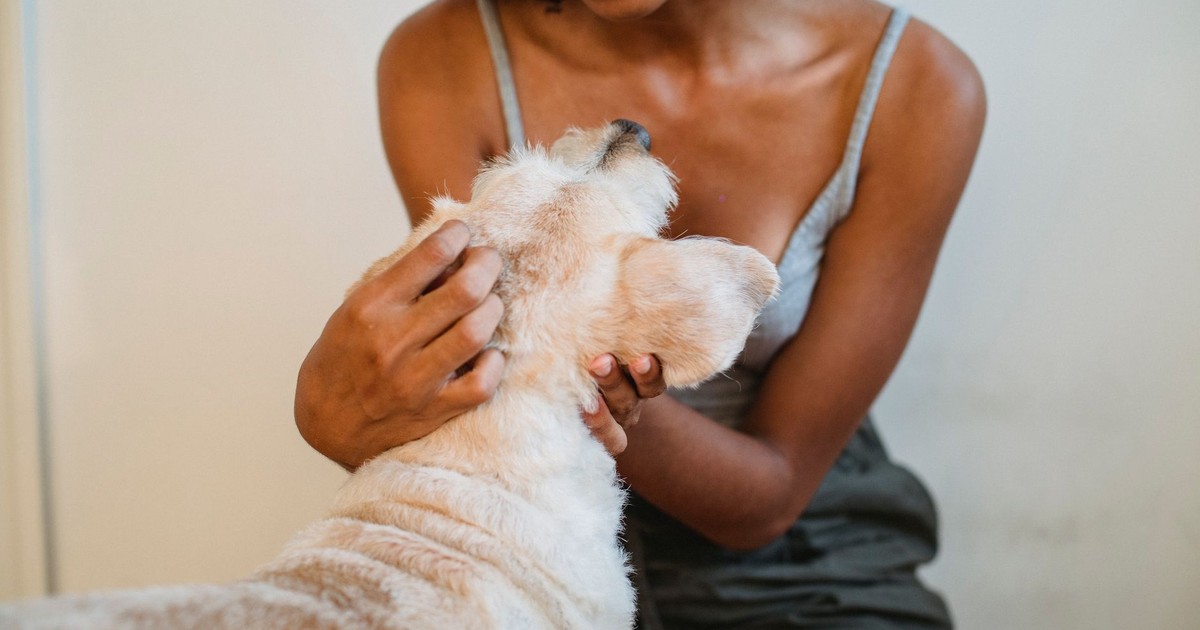

Some people walk into a room where a dog has been anxious for hours and know it immediately, before anyone says anything, before the dog even visibly reacts. They just feel something off in the animal’s energy, some tension in the air that everyone else missed. They are not performing a trick. They are not guessing. Whatever is happening in them happens faster than conscious thought, the same way you catch a glass before it falls.
The term “animal empath” has been floating around wellness spaces for long enough that it can feel like another internet label, a soft self-identification for people who cry at nature documentaries and refuse to eat meat. But the phenomenon it points to is real, documented by researchers, and far more interesting than the label suggests. People do vary enormously in how deeply they attune to other species. Some people pick up on animal distress the way others pick up on social cues: automatically, involuntarily, with a kind of emotional precision that is hard to explain and harder to turn off.
If you have always felt more comfortable at a farm than a party, if an injured bird on a sidewalk puts you off for the rest of the day, if your dog seems to find you before you find him when you’re upset, you have probably wondered whether something specific is going on with you or whether you just love animals more than average. Those are not the same thing.
What an Animal Empath Actually Is
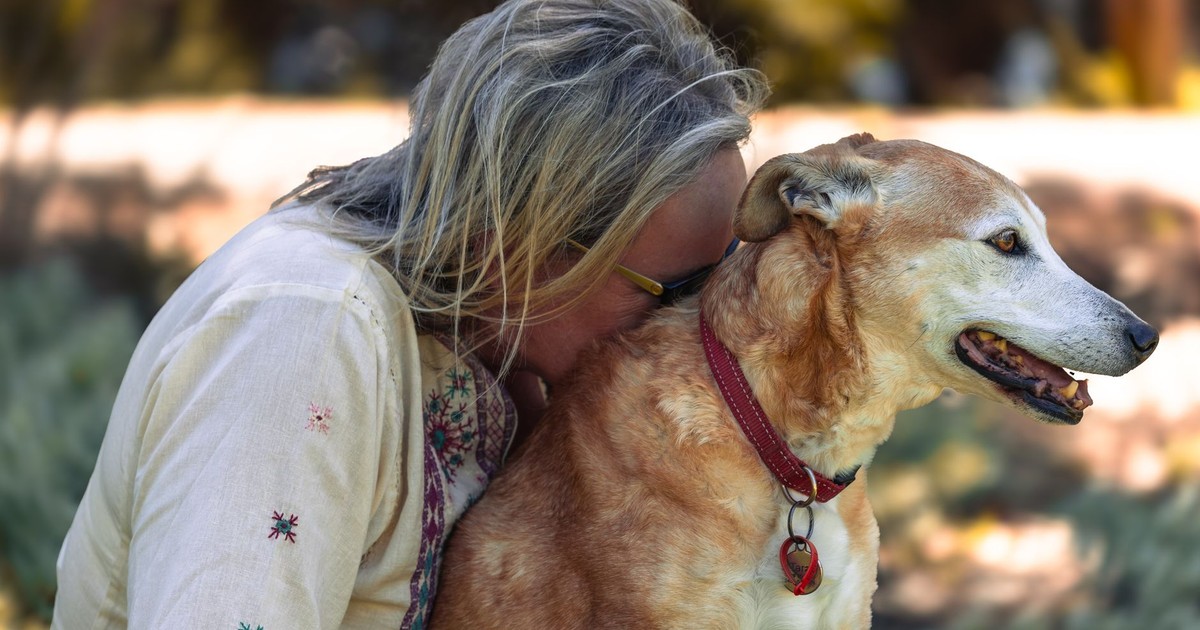
The word empath already carries some baggage. In pop psychology, it tends to get attached to anyone who is perceptive or kind-hearted, which makes it almost meaningless. An animal empath is someone whose empathic sensitivity extends specifically and powerfully to non-human creatures. Not just fondness, not just care, but a genuine felt sense of an animal’s emotional and physical state. Where most people observe animal behavior and draw conclusions, an animal empath often experiences something more immediate: a recognition of distress or contentment or fear that arrives before the behavioral evidence would support it.
This is distinct from being a highly sensitive person (HSP), a temperament trait studied extensively by psychologist Dr. Elaine Aron. HSPs process sensory information more deeply than average, feel emotions more intensely, and become overstimulated more easily. An animal empath may also be highly sensitive, but the specific attunement to animals is its own layer on top of that. Research out of University College Cork found a strong association between being highly sensitive and connecting with animals, so the overlap is real, but not everyone who loves animals is highly sensitive, and not every highly sensitive person qualifies as an animal empath.
The animal empath sits at the intersection of emotional sensitivity and interspecies attunement. It is less about being soft and more about being calibrated to a different frequency.
Animals Seem to Know, Too
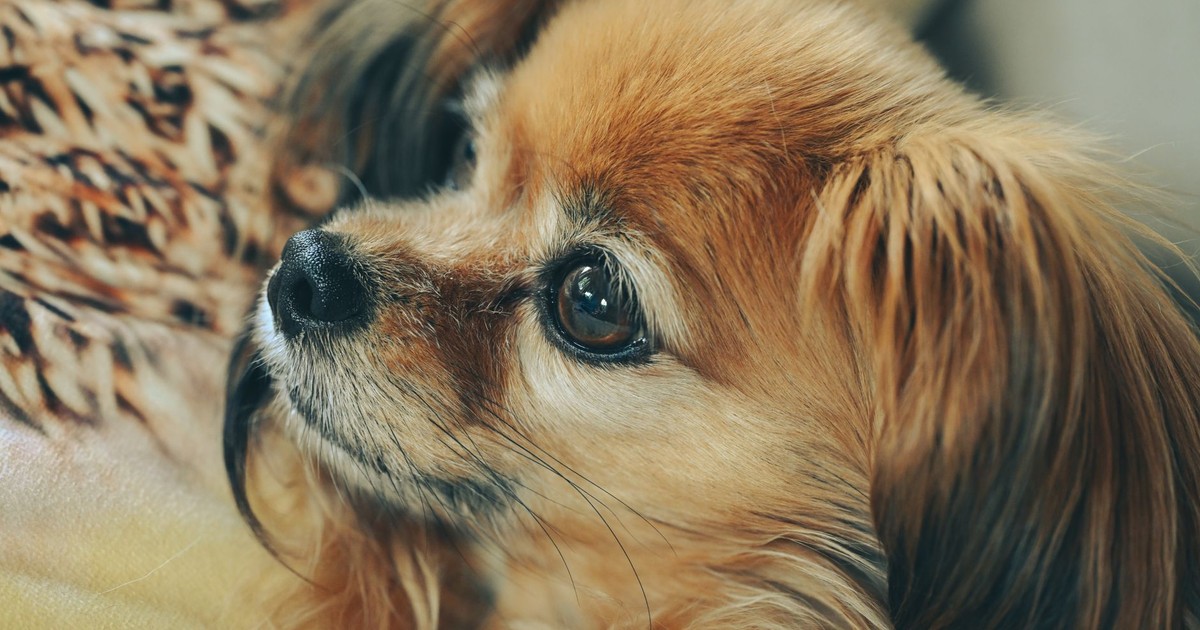
One of the most consistent reports from people who identify as animal empaths is that the attunement runs in both directions. Strange animals approach them. Rescue dogs who were terrified of strangers settle down around them within minutes. Animals that typically avoid new people often seek them out instead.
Previous research has suggested that those with companion animals have a higher level of empathy and moral concern for other animals, especially as adults, a pattern researchers have described as the “pets as ambassadors” hypothesis. The more time someone spends genuinely attuned to animals, the deeper that empathy goes, and animals appear to register the difference between someone who is performing friendliness and someone who actually means it. Dogs in particular read human body language and vocal tone with extraordinary precision. If you are genuinely calm and open, they know before your hand reaches out.
Dr. Marc Bekoff, a professor emeritus and prolific author on animal cognition, has documented through decades of fieldwork and research that animals including fish, rats, mice, and chickens display empathy and experience not only their own pain but that of other individuals. His work on animal emotions spans species ranging from wolves to birds, and argues that the emotional lives of animals are far richer than mainstream science long acknowledged. The animal empath, then, is not projecting emotions onto creatures who don’t have them. She is responding to something that is genuinely there.
The Signs That Actually Mean Something

Plenty of articles will give you a list of signs like “you talk to your pets” or “you prefer animals to people.” Those are not the distinguishing markers. Talking to your dog and preferring dogs to difficult relatives describes most people who have ever owned a dog.
The signs that actually point to something more specific are quieter and more particular. An animal empath feels distress when she passes a livestock truck on the highway, and that distress is not abstract; it registers in her body, not just her mind. She can read a dog’s mood accurately within seconds of meeting it, including the dog’s level of trust, its anxiety, and whether it has been treated well. She finds herself gravitating toward the animal at any social gathering, not because she is avoiding people, but because the animal’s emotional clarity is easier to read than the room’s social noise.
She is also often the person that injured or frightened animals come to. Not because she does anything special, but because her nervous system is apparently signaling something: safety, presence, a lack of threat. Research has found that participants showed greater willingness to help animals than humans, possibly due to perceived vulnerability. An animal empath takes that further; she doesn’t just choose to help, she is pulled toward it by something closer to compulsion than decision.
She also tends to struggle disproportionately with animal suffering in media. A single scene of an animal in distress in a film can stay with her for days in a way that human-on-human violence somehow doesn’t. This is not a character flaw or a misaligned sense of proportion. It is consistent with how her empathy actually functions.
The Research Behind the Connection

A study published in Heliyon examining the temperament trait of environmental sensitivity found a significant positive correlation between higher sensitivity scores and greater connectedness to nature, with the association holding up in separate regression models. Separately, the same research showed a strong association between that sensitivity trait and affinity to animals specifically, suggesting these are related but distinct dimensions of how some people are wired.
What makes someone more likely to land in the animal empath category rather than simply being a compassionate person? Research on human-animal bonds published in 2025 found that attachment anxiety predicted depression in pet owners, while frequency of interaction strengthened the human-animal bond itself. The implication is that the bond deepens with exposure, but it also starts somewhere, with a nervous system that was already oriented toward interspecies attunement before the experience confirmed it.
Empathy for animal suffering can be powerful, but it varies across animal species. In fact, some people empathize as much, or more, with the suffering of certain animals than they do with human suffering. This is not a disorder. It is a distribution of empathy, one that, for the animal empath, extends further across species lines than it does for most people.
What It Costs, and What It Gives

Being an animal empath is not a pure gift. The same sensitivity that makes you extraordinarily attuned to a dog in distress across a parking lot also means you cannot watch the news coverage of any natural disaster that includes footage of animals without needing the rest of the day to recover. You signed up for a donation to every wildlife charity that has ever put your address on a mailing list. You left a party early because the host’s cat was hiding under a bed and it bothered you in a way you could not explain to anyone there.
The cost is real. The absorption of animal suffering is not easier to manage than the absorption of human suffering, and for a true animal empath, it can actually be harder, because animals cannot consent to what is happening to them, cannot be reasoned with, and cannot be told it will be okay. The empathy has nowhere to discharge except into action or grief.
But the gift is also real. Animal empaths often make extraordinary caregivers, not just of animals but of humans, particularly people who cannot easily communicate their own distress: children, people with dementia, individuals in crisis. The same attunement that reads a frightened horse accurately also reads a frightened person who is performing composure. The skill transfers.
There is also the quality of the connection itself. Research findings suggest that both stronger attachment to a pet and the frequency of interaction could contribute to increased well-being and lower negative mental health symptoms. For the animal empath, the relationship with animals is not supplementary; it is often foundational. The daily experience of being genuinely known by a creature who communicates without language, without agenda, and without social performance is a particular kind of peace that people outside this category sometimes do not understand and sometimes genuinely envy.
The Difference Between Caring and Attuning

Most people who love animals care about them. The animal empath attunes to them, and the difference is real, even if it resists a clean definition.
Caring is a choice and a posture. It means you want good things for animals and act accordingly. Attuning is something that happens before choice; it is the involuntary reading of an emotional state, the immediate recognition of fear or pain or contentment in a creature that has no shared language with you. Caring, you can turn off when life is busy. Attuning, you cannot.
This is also why animal empaths frequently end up in work that puts them in proximity to animals: veterinary care, wildlife rehabilitation, animal rescue, conservation research, farming done with genuine attention to welfare. The attunement finds a channel. Some of it is professional. Some of it is the three cats, two dogs, and rotating parade of foster animals that everyone in the household has quietly accepted as a permanent feature of domestic life.
Read More: Robert Irwin ‘Death-Rolled’ by 14-Foot Crocodile Named Jimmy Fallon
What to Do With This Information

The question of whether you are an animal empath does not have a clean answer, and that is worth accepting before you go looking for a quiz to resolve it. There is no clinical designation, no formal test, no moment when a professional tells you that yes, you qualify. What there is instead is a pattern, a recognizable constellation of experiences that points toward something real about how your nervous system processes the emotional world of other species.
If most of what you have read here sounds accurate, the first thing to know is that you are not strange. You are at one end of a spectrum that research is only beginning to map. The second thing to know is that the intensity of this particular kind of sensitivity does not require management so much as it requires acknowledgment. The grief you feel at animal suffering is not an overreaction. The immediate calm you feel in the presence of a horse or a dog is not escapism. These are real responses to real things happening in the world, processed through a nervous system that is calibrated to pick them up.
Some of this attunement goes back further than you can trace. It was probably there before the first pet, before the first farm visit, before anyone pointed at an animal and taught you the word for what you were feeling. Naming it as animal empathy doesn’t solve anything or make the harder parts easier, but it does mean you stop apologizing for a response that was never irrational to begin with. The gift and the weight are inseparable. The archive of everything you have felt on behalf of creatures who could not ask for your help does not close. But it is also the source of some of the truest connections you have probably ever made.
Disclaimer: This information is not intended to be a substitute for professional medical advice, diagnosis, or treatment and is for information only. Always seek the advice of your physician or another qualified health provider with any questions about your medical condition and/or current medication. Do not disregard professional medical advice or delay seeking advice or treatment because of something you have read here.
AI Disclaimer: This article was created with the assistance of AI tools and reviewed by a human editor.