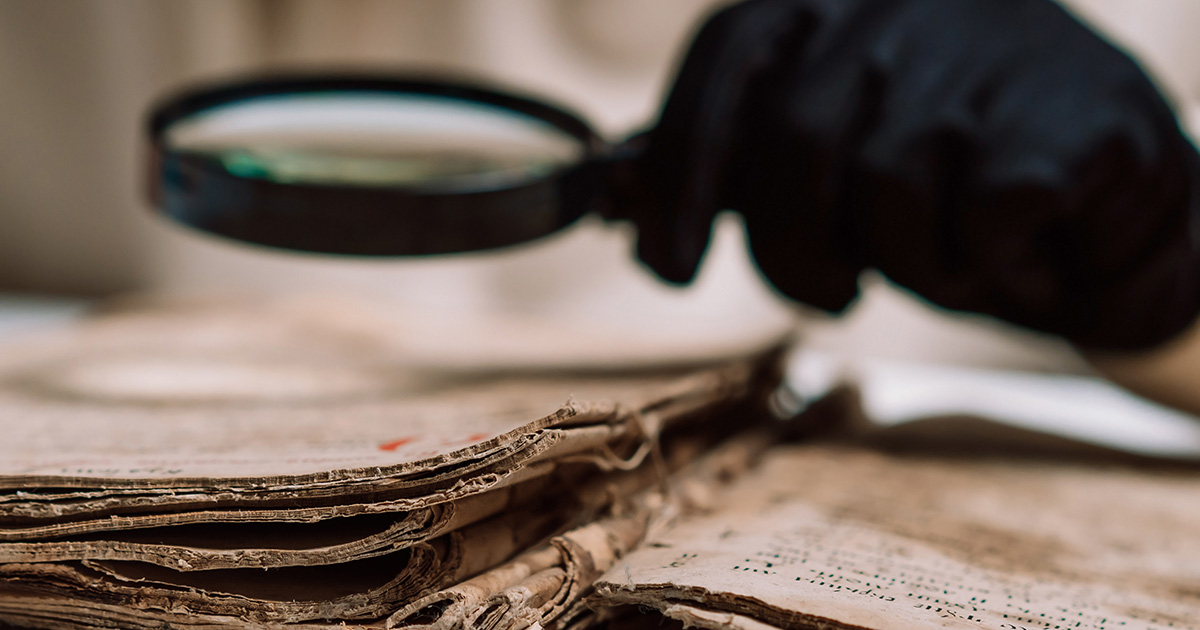

People have always wanted the same things: to be loved, to be safe, to win, to live a little longer than seems fair. What changes across millennia is only the method. For tens of thousands of years, the method was a spell – words spoken over a flame, scratched into lead, pressed into clay, folded into the root of a dead man’s tooth, and buried at midnight with absolute conviction. The history of ancient spells is not, at its core, a history of ignorance. It is a history of desire.
The spells that survive from the ancient world are not the grand theatrical incantations of film and folklore. They are small, personal, and often painfully specific. A woman in Roman Egypt wanted a particular man to cross the constellation of Ursa Major to find her. An Athenian merchant wanted a business rival’s tongue to go silent before a trial. A chariot driver in Rome needed his opponent’s horses to stumble on the third lap. These are not the wishes of people who believed they were powerless – they are the wishes of people who believed the universe could be argued with, bribed, or forced into cooperation, if you knew exactly what to write and exactly where to bury it.
Ancient spells history spans cultures that never met and continents that shared no trade routes, and yet the logic underneath the magic is remarkably consistent: name the need, invoke the power, bind the outcome. Here are ten of the most compelling spells that real people, across the ancient world, truly believed could alter the course of what was coming.
1. The Egyptian Love Spell That Put the Dead to Work
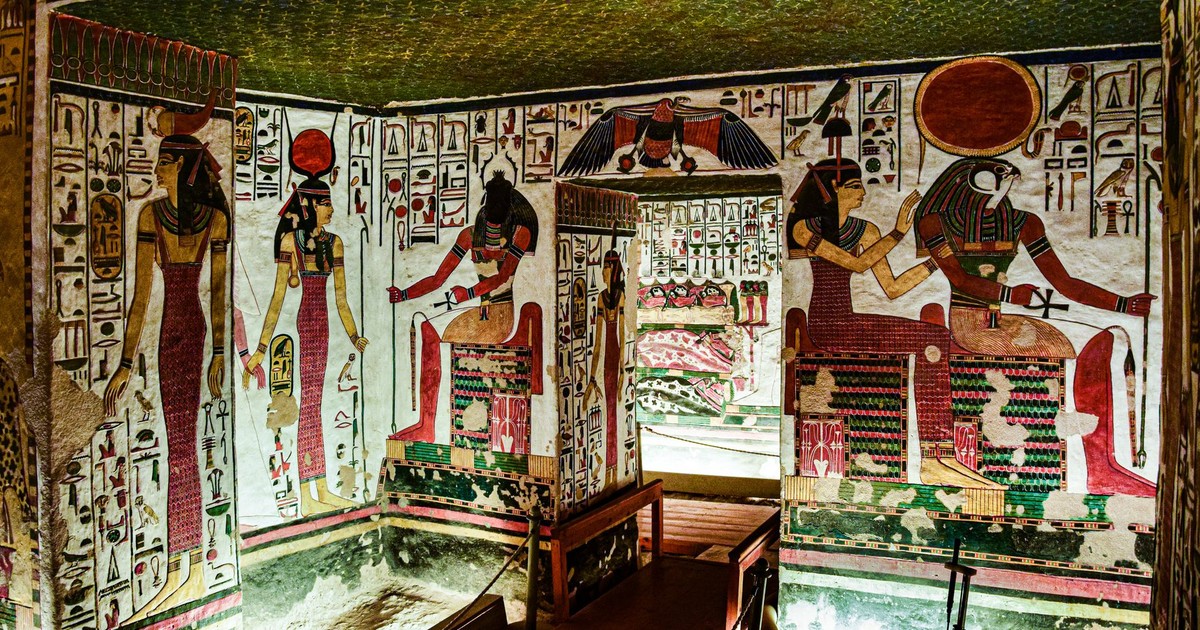
Ancient Egypt produced a staggering volume of magical papyri, and a significant portion of them were dedicated to one problem: getting someone to love you back. These weren’t gentle wishes. One Roman-period Egyptian spell calls upon “the noble spirit of the man of the necropolis” to find a specific man and “give him anxiety at midday, evening and all the time” until he succumbs to the spell caster. The wandering, restless souls of the recently deceased were frequently recruited as agents in such spells.
A papyrus found in 1889 at the cemetery of Hawara, dating to the 2nd century CE and written in Greek, records a love spell in which a woman named Herais adjures a deceased spirit and several gods to attract and bind to her another woman named Sarapias. The wandering, restless souls of deceased spirits were frequently called upon in spells, with the promise of eternal rest in store for carrying out such demands. The religious logic was airtight, by the standards of its time: the dead owed the living nothing, which meant they could be leveraged.
What makes these spells so absorbing, centuries later, is their specificity. The problem being addressed was often not that the woman didn’t love the man, but that he did not have access to her – because she was a young unmarried girl protected by her family, or already married to someone else. Love magic in ancient Egypt was less about manufacturing feeling and more about clearing obstacles. Fate, in this system, needed a little administrative help.
2. The Babylonian Incantation Against Witchcraft
Mesopotamia gave the world writing, agriculture, and – perhaps inevitably – the world’s oldest recorded anti-witchcraft rituals. A 2026 analysis of cuneiform tablets more than 4,000 years old, conducted by researchers from the University of Copenhagen and the National Museum of Denmark, revealed texts on magical rituals and medical treatments, including unique anti-witchcraft incantations from Hama. The fear of being bewitched was not a fringe concern – it was treated as a medical condition requiring professional treatment.
For the ancient Babylonians, most illnesses were thought to be the result of demonic forces or punishment by the gods for past misdeeds. Doctors often had more in common with priests and exorcists than modern physicians, and their cures usually involved some component of magic. The āšipu, or exorcist-priest, was a licensed professional with a body of sacred texts to draw from. When a patient fell ill and no obvious cause could be found, witchcraft was a reasonable diagnosis – and the prescribed counter-spell was as serious as surgery.
These counter-spells, known collectively as the Maqlu series, comprised eight tablets of incantations and a separate ritual tablet, and were recited across an entire night of ritual burning, wax figurines, and invocations to the fire god Girra. The idea was not just to heal the patient but to reverse the curse entirely back onto whoever had sent it. In ancient Babylon, a spell was a legal dispute that played out in the supernatural courts. You hired representation accordingly.
3. The Greek Lead Tablet Buried to Silence a Courtroom Enemy
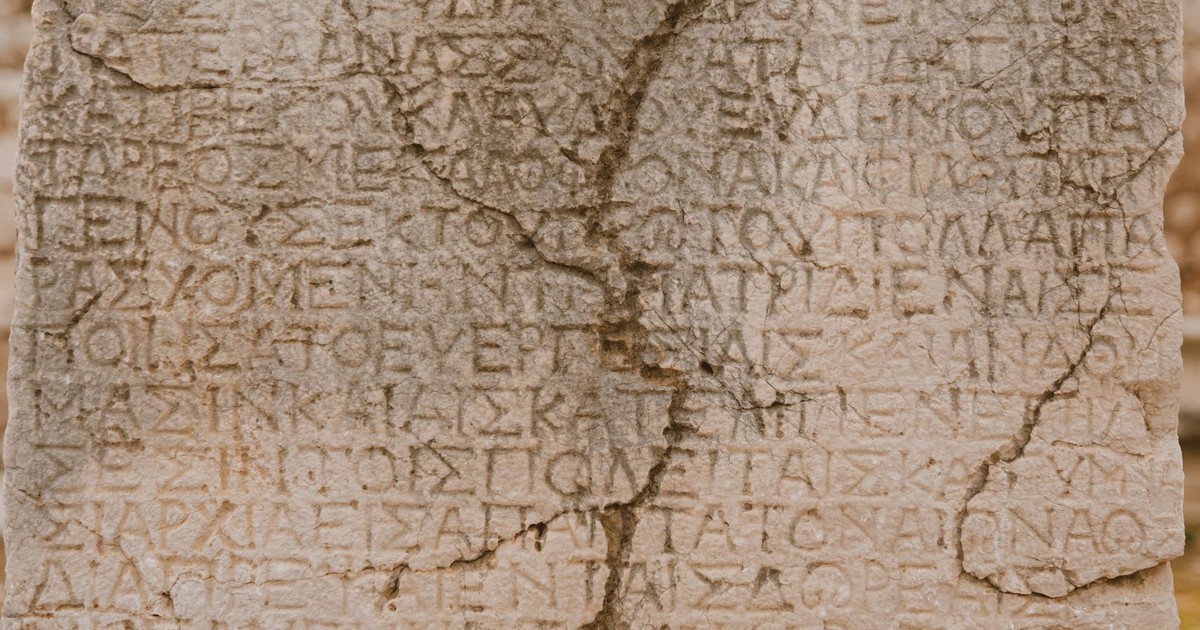
According to the archaeological record, curse tablets were in wide circulation for roughly 1,000 years, from 500 B.C. to A.D. 500. Surviving examples have been found in Athens, Rome, Spain, Syria, and as far away as England, where a cache of 130 tablets was recovered from the Roman baths in the town of Bath. Known in Latin as defixiones – meaning “to bind down” or “to fix” – the earliest curse tablets were nothing more than a name scratched into lead and accompanied by a spoken binding spell, which was later written down as part of the text.
The courtroom application was especially popular. Athenian litigants, facing high-stakes trials with no lawyers and no due process to speak of, routinely inscribed the names of witnesses or opponents onto lead tablets and buried them in graves, wells, or the foundations of buildings. Binding curses were often utilized in moments of great anxiety and high-stakes situations – a business rivalry, a legal trial, an athletic contest – as ways of managing competition and vulnerability. The tablet wasn’t a backup plan. For many, it was the plan.
Ancient curse tablets were usually made of lead, a heavy material easy to work with and believed to possess “binding” properties. These small tablets were inscribed with spells or binding charms and then buried in order to influence or “bind” opposing litigants, athletic opponents, or romantic rivals. The choice of lead was not random: it was the heaviest common metal, associated with Saturn and the underworld, cold to the touch in a way that felt like it belonged to the dead. You weren’t just writing a curse – you were sending it somewhere.
4. The Roman Bath Curse Tablets at Aquae Sulis
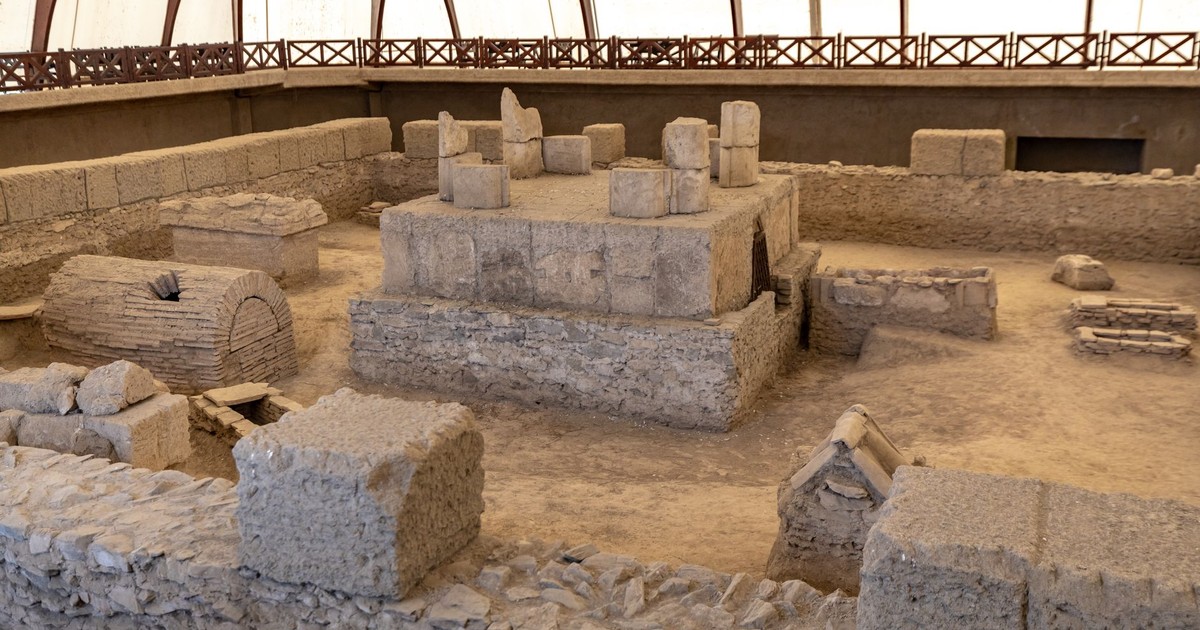
Among all the locations where curse tablets have been found, the sacred hot springs at Bath, England – known in Roman times as Aquae Sulis – represent one of the most extraordinary concentrations. Visitors came from across the empire to worship the goddess Sulis Minerva, and while they were there, many of them dropped something else into the water: a thin rolled sheet of lead inscribed with a grievance.
The complaints preserved in these tablets are remarkably mundane, which is what makes them so human. Someone stole a cloak. Someone took six silver coins. Someone made off with a pair of gloves. The petitioner, unwilling to let the matter rest and apparently unable to pursue it through any other means, wrote the thief’s name – or, if they didn’t know it, a description – into lead and threw it into the sacred spring, asking Sulis Minerva to afflict the culprit until restitution was made. These tablets contain spells, prayers, and curses aimed against lovers, politicians, charioteers, tavern keepers, craftsmen, enslaved persons, sex laborers, and just about everyone in between.
What the Bath tablets reveal, more than anything else, is that ancient spells were a tool of the relatively powerless. Roman law was not evenly applied. Theft from a slave, a woman, or a social inferior was largely unaddressable through official channels. The sacred spring was the appeals court that never closed.
5. The Heerlen Tablet – A Greek Curse Found Far From Greece
In June 2026, researchers at Heidelberg University’s Institute for Papyrology published their analysis of a lead curse tablet found during excavations in Heerlen, in the Netherlands – the site of the former Roman military settlement of Coriovallum. The researchers deciphered an inscription that was once used to invoke deities and demons in order to harm an enemy. The artifact from the Roman province of Lower Germania was discovered during excavations in the Dutch municipality of Heerlen. The lead tablet, dating to the 2nd century A.D., is distinctive in that it contains not a Latin but an ancient Greek text in the Egyptian style.
This is ancient spells history at its most cosmopolitan. A Roman military settlement in what is now the Netherlands, with a curse tablet written in Greek following Egyptian magical conventions – the cultural crosswiring is extraordinary. It tells you that magic traveled with people, absorbed new influences, and adapted without losing its essential logic.
Perhaps the most fascinating transformation in ancient magical practice occurred after Alexander’s conquests, when Egyptian, Babylonian, Persian, Jewish, and Greek traditions merged in cosmopolitan cities like Alexandria. The resulting practices are evident in items like the London Magical Papyrus, a third-century C.E. spell guide written in both Demotic Egyptian and Greek. By the time a soldier in Roman Germania was scratching a Greek curse in an Egyptian style onto a lead tablet, magic had become its own international language.
6. The Mesopotamian Healing Incantation That Required Divine Sanctuary
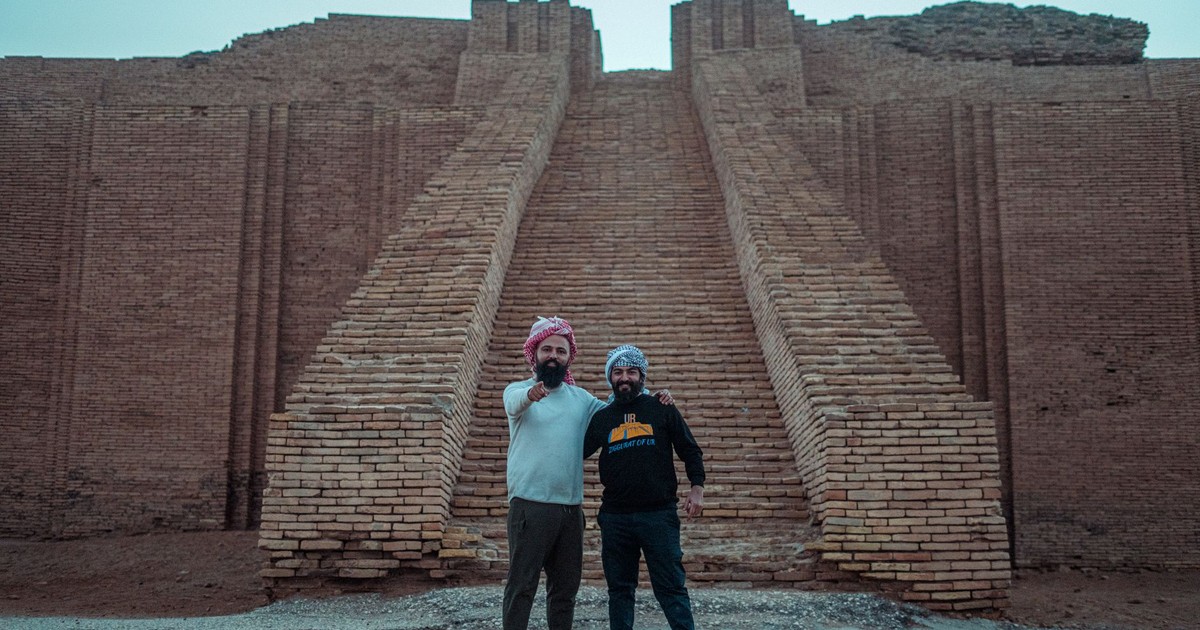
Not all ancient spells were aimed at enemies. A significant portion of the magical record from Mesopotamia concerns healing – and the belief that illness was a spiritual problem requiring a spiritual solution before any physical treatment could take hold. A study published in the journal Iraq analyzed medical prescriptions from ancient Mesopotamia and found that specific ailments, particularly those linked to the ear and the spleen, were associated with prescriptions instructing patients to seek out sanctuaries of deities to receive good fortune.
The logic was sequential: before the healer could apply his remedies, the patient needed divine favor. Such patients may have left votive figurines at the temple as acts of supplication. Seeking divine favor was thought to help the patient receive good omens before treatment began. This wasn’t superstition layered on top of medicine – it was considered medicine. The incantation was step one of the treatment protocol, as non-negotiable as any modern pre-operative procedure.
The Mesopotamian healer worked from cuneiform tablets that functioned like diagnostic manuals, listing symptoms alongside the appropriate incantations and herbal treatments. These texts describe incantations intended to arouse desire or resolve love-related ailments, often blending physician’s remedies with exorcist rituals. The merger of the pharmacological and the supernatural was not a contradiction – it was the whole system.
7. The Norse Runic Spell Carved for Victory in Battle
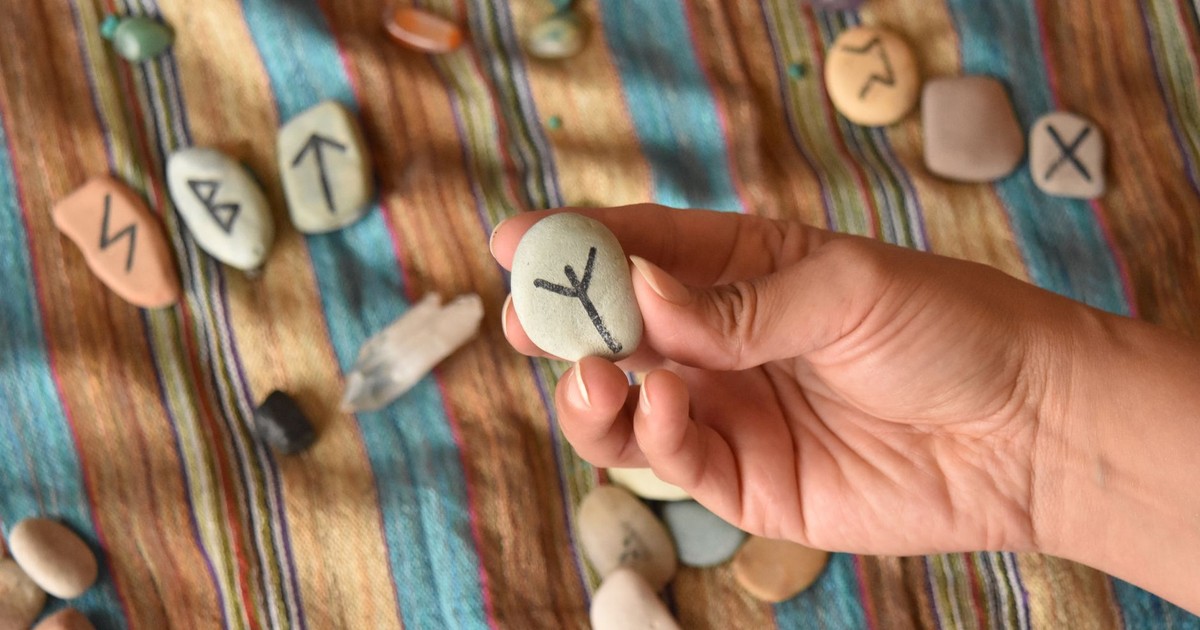
Norse magic operated on a completely different metaphysical model from the Mediterranean traditions. The power didn’t come from hidden gods or underworld spirits – it came from the runes themselves, which were understood not as an alphabet but as forces of nature, discovered rather than invented. According to Norse legend, the greatest sources of wisdom in the ancient world were the runes, magic symbols that not even the gods could decipher. Odin was willing to do whatever was necessary – even face death itself – to untangle the meaning of the runes and access their hidden power.
The Ægishjálmr, or Helm of Awe, was one of the most significant runic symbols in the Norse magical tradition, believed to confer invincibility in battle and to strike fear into enemies on sight. Warriors carved or painted it onto their foreheads before combat, or inscribed it onto their armor and weapons. The symbol wasn’t decorative – it was functional, a spell in geometric form. The belief was that the rune carried its power regardless of whether the user fully understood it, which made it usable by soldiers who weren’t trained skalds or ritual specialists.
What makes Viking runic spells particularly compelling in the broader ancient spells history is that the Norse system was unusually democratic. You didn’t need a priest. You needed to know the correct symbol, carve it correctly, and speak the right words. The rune was a technology – one that required skill and knowledge, but not an institutional intermediary.
8. The Egyptian Execration Ritual – Spell by Destruction

One of the most dramatic spell forms in the ancient world was the Egyptian execration ritual, in which the name of an enemy – a foreign ruler, a rebellious subject, a demon – was written on a clay figurine or pot, and then the object was smashed, buried, or burned. The destruction of the object was the spell. The act of breaking it transferred that breaking to the target.
Archaeological excavations at sites including Mirgissa in Nubia and the area around the pyramids at Saqqara have recovered thousands of these execration figures, dating to the Middle Kingdom period (roughly 2055 to 1650 B.C.E.). Some are simple pots inscribed with names. Others are bound clay figurines with their hands behind their backs, representing prisoners. The physical posture of the figurine enacted the spiritual condition you wished upon your enemy: captured, bound, powerless. As exhibition curator Jeffrey Spier noted about magical objects in ancient Mesopotamia and Egypt: “This is practical magic. These are things that people are actually using.”
The execration texts were used not just by private citizens but by pharaohs conducting what amounted to supernatural foreign policy. A ruler who wished to weaken a neighboring kingdom could commission a set of execration figures bearing the names of that kingdom’s rulers, have them ritually destroyed, and consider the diplomatic operation complete. The spell wasn’t supplementary to the military and political strategy – it was part of it.
9. The Greco-Roman Erotic Binding Spell
Separate from the gentler love spells of Egyptian tradition, the Greco-Roman world produced a distinct category of amatory magic that scholars have described with considerable discomfort: the compulsive erotic binding spell, designed not to draw someone toward you emotionally but to create an overwhelming, irresistible physical compulsion in the target. The violence of defixiones is matched by that of amatory magic. Paradoxically, the love spells of Greek and Roman antiquity were remarkably brutal, a fact that has provoked considerable scholarly unease.
One deciphered spell instructs the caster to burn offerings in a bathhouse and write a spell on the bathhouse walls, addressed to earth, waters, and the demon dwelling there, commanding them to burn the heart of the targeted woman until she comes to the spell caster. The text continues, invoking holy names to “inflame in this way and burn the heart of her” until she falls in love with the person casting the spell.
These spells were practiced across all social strata. One such document is from the Roman period, when all native Egyptians were at a social disadvantage, but it is clear that the woman who commissioned it had sufficient economic means to hire a professional priest to draw up the magical spell. And there was no social barrier to inhibit her from doing so. The erotic binding spell was, in a strange way, an equalizer – one of the few forms of power accessible to people who had almost no other kind.
10. The Aztec Tonalpohualli Fate-Binding Ritual
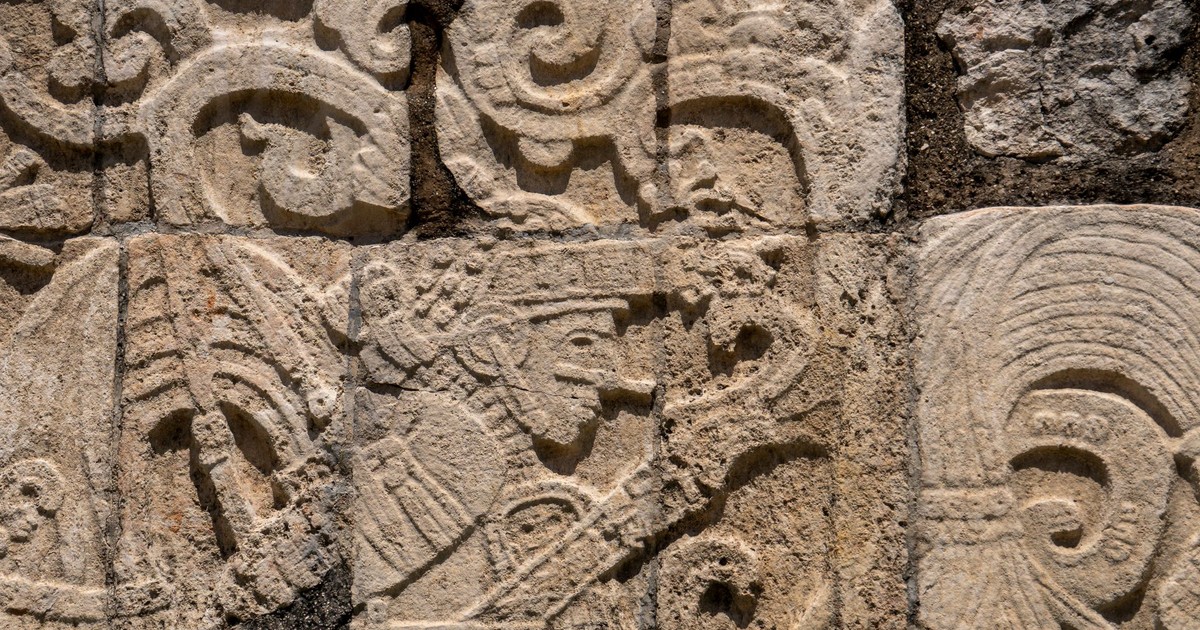
Mesoamerican magical tradition operated on a cosmological calendar called the Tonalpohualli – a 260-day sacred cycle in which each day carried a specific divine patron, a number, and a destiny. A child born on a particular day inherited the fate attached to that day’s configuration, and the fate could be beneficial or catastrophic depending on the combination of factors. What made the system remarkable was that it included a formal way to negotiate with that fate.
The tonalpouhque, or day-keeper, was the specialist who read the calendar and advised families on the destiny attached to a newborn’s birth date. If the day was inauspicious, the day-keeper did not simply deliver bad news and leave – they identified a nearby day with better omens and conducted a naming ceremony on that day instead, effectively transferring the child’s spiritual identity to a more favorable starting point. The spell, in this case, was the ceremony itself: the precise combination of offerings, words, and timing that convinced the divine calendar to accept the substitution.
This approach to fate-altering runs through the entire ancient spells history with extraordinary consistency: the belief that destiny was not fixed but negotiable, that the right knowledge, the right words, and the right timing could shift the course of what was written. Whether you were an Athenian merchant scratching a rival’s name onto lead or an Aztec parent bargaining for a better birth date, the underlying conviction was the same. The universe had rules, but it also had loopholes. You just had to know where to look.
Read More: What It Means When A House Has One Upside-Down Baluster
What the Archive Tells Us
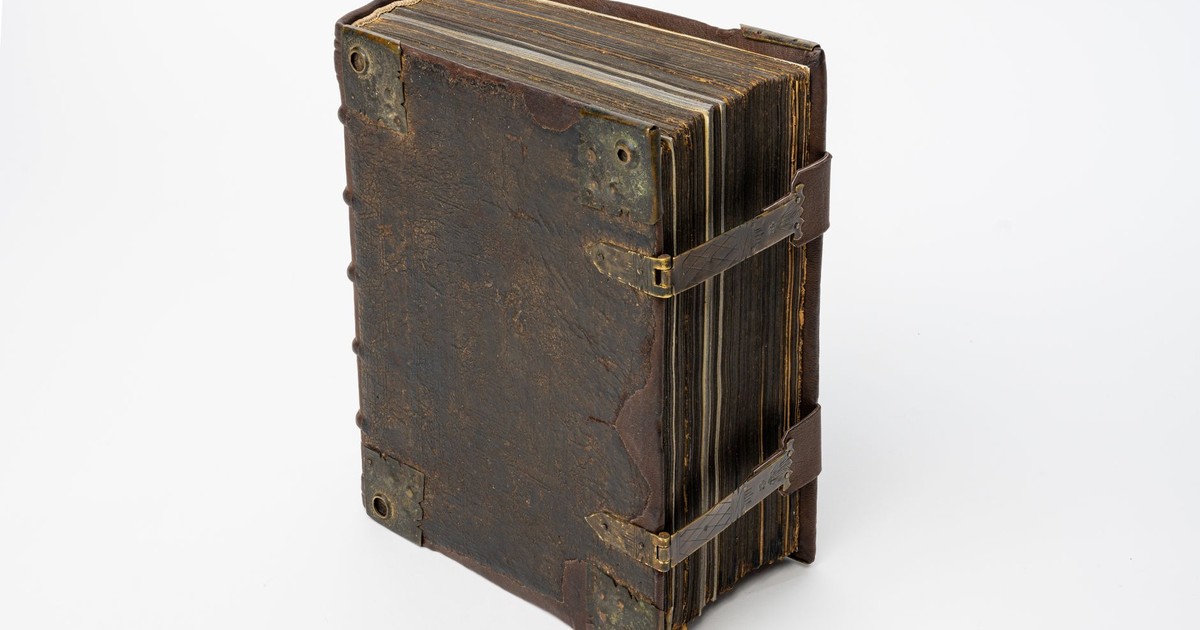
The archive of ancient spells doesn’t shrink. Every decade of archaeology adds more tablets, more papyri, more inscribed bones and folded sheets of metal and painted figurines. The role magic played in the daily lives of people in Mesopotamia, Egypt, Greece, and Rome between 2000 B.C.E. and 300 C.E. was not marginal – it was woven through every aspect of existence. Love, illness, commerce, war, childbirth, death: all of it was addressable, in the right system, through the right words.
Ritual forces specificity. When an Athenian merchant had to inscribe exactly whose tongue he wanted silenced and exactly which god he was petitioning, he couldn’t be vague about what he wanted or why. The spell was a form of radical clarity about need. Writing down what you want, naming it precisely, and committing it to some form of external action is still the advice given by everyone from cognitive behavioral therapists to executive coaches – the underlying steps are just less dramatic than a lead tablet in a Roman grave.
The second thing the archive makes clear is that magic was never the exclusive property of the desperate or the credulous. Curse tablets and other ritual objects were created by both amateur curse writers and ritual professionals – persons with expertise in the sale of spells, charms, curses, and purifications. Educated people used spells. Powerful people used spells. The Roman baths at Bath collected curses from soldiers, merchants, and administrators. Pharaohs conducted supernatural foreign policy alongside conventional military campaigns. The desire to reach past the visible world and negotiate with fate has never once, in recorded human history, gone out of fashion. The forms change. The need underneath them doesn’t. And the impulse that produced the spells – that hunger to grab fate by the sleeve and say not like this – has never gone anywhere.
AI Disclaimer: This article was created with the assistance of AI tools and reviewed by a human editor.