
Ask anyone under 40 to explain the appeal of eating dinner at 4:30 in the afternoon, and you will get a blank stare. Ask a retired American living anywhere near a Denny’s in Florida, and the answer comes without a moment’s hesitation: the lighting is better, the parking is easier, and the price is right.
American senior culture is one of the most specific, coherent, and often misunderstood subcultures in the country. It has its own economics, its own geography, its own media habits, and its own sense of humor about itself. Baby boomers who once swore they would never become their parents have mostly become their parents, and the generation that preceded them built the template so efficiently that it still holds. The early bird special, the AARP card, the landline that no one will discuss getting rid of – these are not accidents. They are the product of decades of very deliberate choices, made by people who lived through things that shaped them in ways that younger generations are still catching up to understanding.
Here are 11 things that only a real American senior can truly explain.
1. The Early Bird Special as an Act of Wisdom
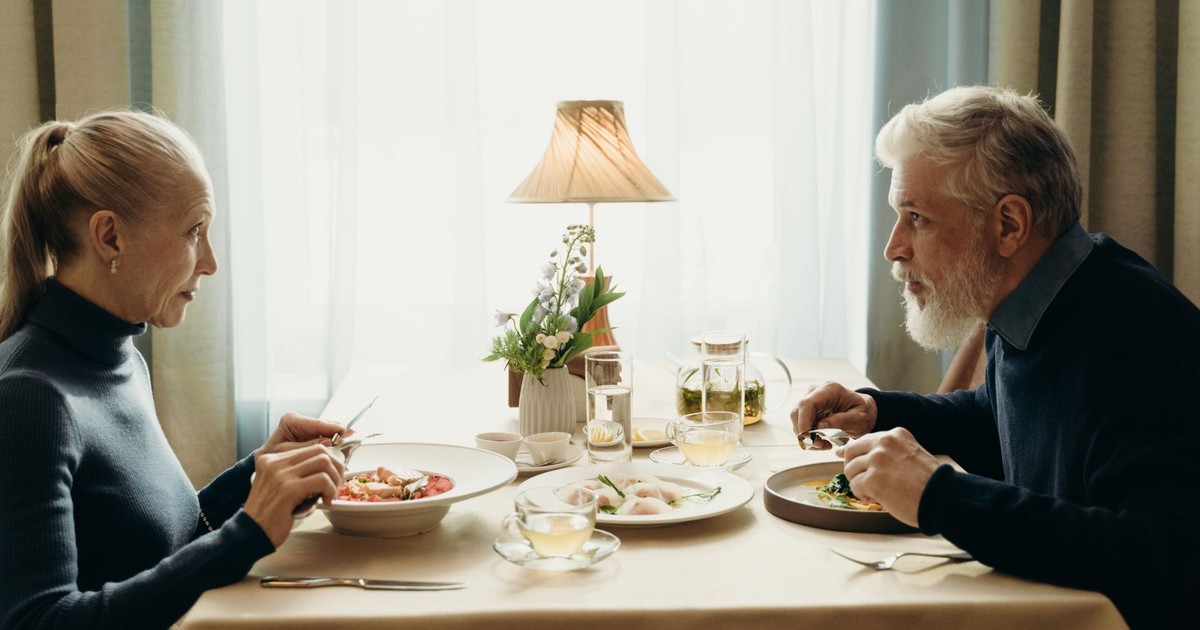
According to Wikipedia, the prevalence of early bird dinners at American restaurants increased in the 1970s, as inflation caused a rise in Social Security payments, and more retired people could afford to eat at a restaurant. That is the practical origin story, but it does not explain the devotion. The early bird special became something more than a discount – it became a worldview. You plan ahead. You get there before the crowd. You get the same food for less money.
The term was first used for a clothing sale in 1904, and then in restaurants in the 1920s. Prohibition had a hand in the spread of early bird specials. Restaurants were seeing their businesses suffer because they couldn’t serve alcohol to patrons. They turned to early bird specials as a way to draw in new customers, appealing to families and seniors by offering the dinner discount during a slower time of the day. By the 1980s, the ritual had become so associated with retirees in Florida that it made it onto primetime television – the Golden Girls referenced it in 1985, and the joke has never really needed updating since.
The early bird special has declined in some areas, but where it persists, it often lives under a different name: sunset menu, twilight menu, or an expanded happy hour. Whatever you call it, the logic remains the same. American seniors did not invent frugality, but they did build a culture around turning it into a social event.
2. The AARP Card

AARP used to stand for the American Association of Retired Persons, but the organization has since phased out that name. Though the interest-based nonprofit organization focuses on providing resources and support for the 50-plus population, anyone over 18 can join. Younger people just haven’t figured out they want it yet – a fact that registers with a kind of thud on anyone hearing it for the first time. The card that lives in your grandmother’s wallet next to the grocery punch card and a photo of every grandchild is theoretically available to anyone.
AARP has nearly 38 million members, which makes it one of the largest membership organizations in the United States. Standard AARP membership costs $20 per year and covers savings on everything from travel and dining to cell phones and financial planning services. For the American senior who has spent a lifetime being told what things cost, the AARP card is a standing rebuke to full-price anything. Hotel rooms, rental cars, restaurant tabs, prescription medication – the card comes out with a practiced ease that speaks to decades of knowing what it means to budget carefully and refuse to apologize for it.
The AARP card isn’t about being old. It’s about being organized. It is the physical proof that you did the math, you joined the club, and you are not leaving 15 percent on the table out of embarrassment.
3. Social Security as the Foundation, Not a Bonus

Non-Americans, and frankly many younger Americans, tend to think of Social Security as a kind of government tip – a little something extra on the side. American seniors know better. As of April 2025, 73.9 million people – more than a fifth of the entire U.S. population – received benefits from at least one of Social Security‘s programs. This is not a niche safety net. It is the floor beneath the floor for the majority of retired Americans.
According to the Social Security Administration, the 2.8 percent cost-of-living adjustment for 2026 began with benefits payable to nearly 71 million Social Security beneficiaries in January. That percentage sounds small until you understand that for millions of retirees, it is the number they track every autumn the way younger people track their salary reviews. The COLA, in the language of American senior culture, is its own annual ritual, complete with anticipation, analysis, and occasional disappointment when Medicare premium increases eat up most of the raise before it ever reaches a checking account.
Social Security has long been one of the federal government’s most popular programs. In a 2024 Pew Research Center survey, 79 percent of U.S. adults said Social Security benefits shouldn’t be reduced in any way – a view broadly shared across ages, racial and ethnic groups, partisan affiliations, and income brackets. You will not find that level of consensus on any other issue in American political life.
4. Medicare’s Four-Part Alphabet
Ask a 30-year-old what Part D covers and you will watch a human being’s eyes go blank in real time. The Medicare alphabet – Parts A, B, C, and D – is one of those areas of American senior culture where fluency is hard-won and means something. Social Security was never meant to be the only source of income for people when they retire. Social Security replaces a percentage of a worker’s pre-retirement income based on lifetime earnings. Medicare is the health counterpart to that income system, and navigating it well is a skill that takes years.
Part A covers hospital stays. Part B covers outpatient care and physician visits. Part C, called Medicare Advantage, is the private-plan option. The Social Security Administration does not automatically enroll anyone in a Medicare prescription drug plan, which is Part D. Part D is optional and must be elected. Getting this wrong – missing a deadline, failing to elect Part D, choosing the wrong Advantage plan – can cost thousands of dollars. American seniors who have done their homework on this can hold an entire conversation in acronyms that leaves everyone else in the room nodding politely and understanding nothing.
The Medicare system is not elegant. It was built in layers over decades, and it reflects that history in every confusing fold of its structure. American seniors navigate it anyway, because the alternative – not navigating it – costs more.
5. Snowbirding South for the Winter
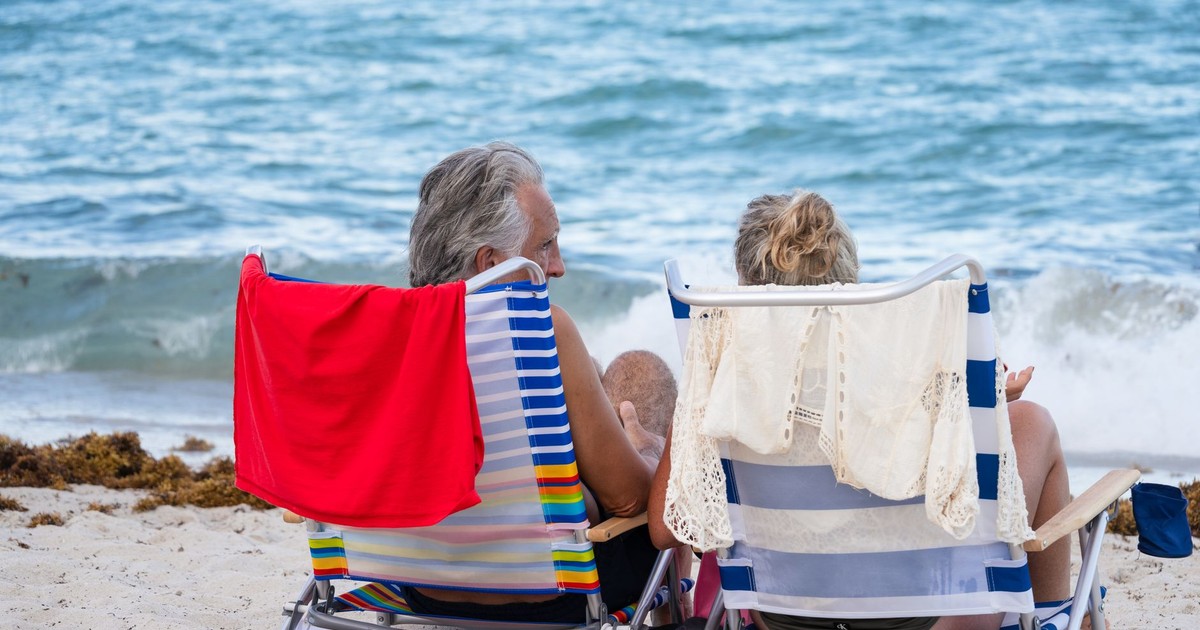
The early bird dinner experienced a significant surge in popularity in the 1980s and 1990s, coinciding with the growth of retiree communities, particularly in Florida, where migration patterns fueled demand for affordable evening meals. Throughout that era, Florida ranked as the top destination for Americans over 60 relocating after retirement. Those numbers capture something real about American senior geography: the migration south is not a cliché, it is a documented pattern with deep economic and social roots.
Snowbirding – spending summers in a northern state and winters somewhere warm, usually Florida, Arizona, or the Carolinas – requires a level of logistical coordination that rivals a military operation. Two sets of doctors. Two addresses for mail forwarding. A neighbor with a key in each location. A very specific conversation every October about which week, exactly, to make the drive. The car gets loaded in a precise order that has not changed in eleven years. The snowbird knows this, executes it, and arrives at the destination to find their usual table at the early bird restaurant taken by someone who did not plan as well.
The rest of the world sees retirement as a single place you go. American seniors often understand it as a seasonal practice – a genuine migration that follows warmth and savings the way geese follow latitude.
6. The Senior Discount as a Moral Right
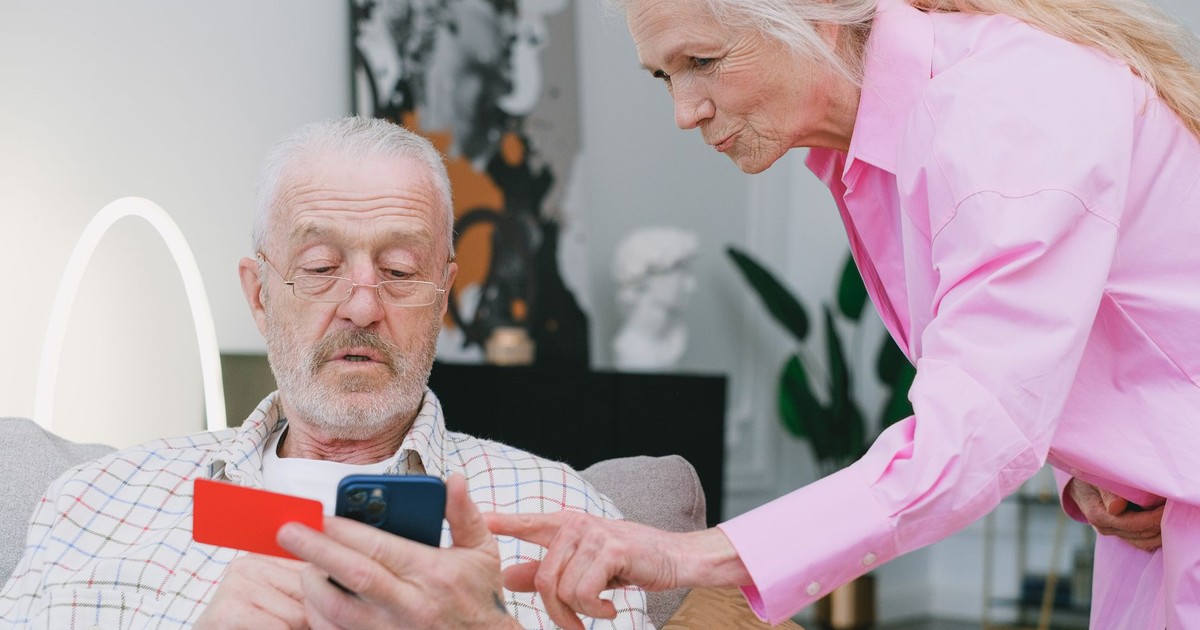
A significant share of adults 55 and older regularly receive senior discounts at stores, restaurants, and other businesses – and that figure almost certainly undercounts the people who know about the discounts and simply haven’t been asked. In American senior culture, inquiring about the senior discount is not embarrassing. Not asking is the odd choice – the equivalent of leaving money on the table out of some misplaced sense of pride about one’s age.
The cultural logic here is coherent: these people paid into the system, paid full price for everything for fifty-plus years, and watched their fixed income stay fixed while prices around them did not. The senior discount is not charity. It is a structural acknowledgment built into the business models of restaurants, movie theaters, pharmacies, and national parks, and the American senior who uses it fluently has simply done the math that younger customers haven’t gotten around to yet.
There is also a quiet social ritual around it. The way the card comes out. The way the ask is made. The way a good cashier handles it without drama, and the way the American senior notices and appreciates that more than the discount itself.
7. The Landline That Will Never Die
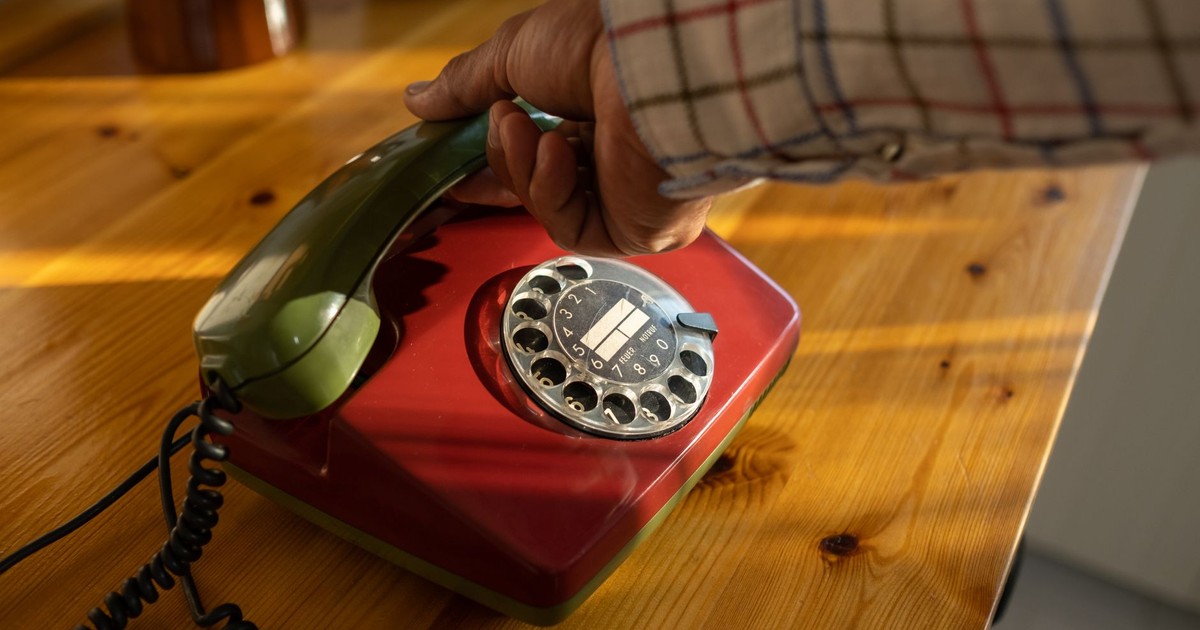
At some point in the last twenty years, every American senior had a conversation – probably several – about getting rid of the landline. It did not go well. The landline is still there. Understanding why requires understanding a generation that watched rotary dial phones become touch-tone phones become cordless phones and then watched cell phones arrive, and decided that none of this meant the old system had to go.
The reasons are sensible when you hear them. The landline works during a power outage. It doesn’t need charging. You can hear it across the house. In a medical emergency, a 911 dispatcher can trace a landline address automatically, without the caller having to speak a single word. For many American seniors who live alone, that last fact is not a small consideration. It is the entire argument, stated once, and the conversation about getting rid of the landline is over.
Younger generations, who grew up treating their phone number as a personal identifier rather than a household feature, have never quite grasped that the phone used to belong to the house. The American senior remembers when that was true, and has not been fully persuaded that forgetting it is an improvement.
8. The Loyalty to Cursive Handwriting

American seniors are often the last people in a room who will reliably hand you something written in cursive – a thank-you note, a check, a card addressed in handwriting so precise it looks like it was printed. This is not an affectation. It is what they were taught, practiced for years, and never stopped using, partly because no one ever gave them a convincing reason to.
The cultural argument around cursive has shifted for younger generations, with many schools dropping cursive instruction entirely over the past two decades. The American senior watching this happen has a specific reaction that goes something like: “Who is going to read the old letters?” It is a fair question. Historical documents, personal correspondence, recipe cards passed down through families – much of it is in cursive, and the people who can read it fluently are aging out of the population.
The cursive handwriting of an American senior is also a kind of personal signature in a broader sense. The Christmas card mailing list that still exists. The birthday card sent three days early so it arrives on time. The grocery list that no one else in the family can fully decode. It is one of those aspects of American senior culture that functions as both a skill and a form of care.
9. The Community Hall, the Church Basement, and the Potluck

Ask an American senior where they go to stay connected and the answer rarely involves an app. It involves a room – a church basement, a senior center, a VFW hall, a library meeting space – and a standing schedule. Tuesday bingo. Thursday card games. The Wednesday morning Bible study that hasn’t changed meeting time in thirty years. The potluck where everyone knows exactly who is bringing what because that, too, has not changed in thirty years.
This is not nostalgia. It is infrastructure. The social structures that American seniors rely on for community were built deliberately, maintained consistently, and now represent one of the more robust social safety nets in the country. Research on senior isolation consistently finds that these in-person, recurring social connections are among the most important predictors of wellbeing in later life, in ways that digital connection has not been shown to replicate at the same level.
The American senior who walks into the same room at the same time every week is doing something that looks, to an outside observer, like habit. From the inside, it is closer to commitment – the daily practice of staying connected to people who will notice if you don’t come.
10. The Weather Channel as Appointment Television
There was a moment when the Weather Channel was just a cable channel, and then something happened to it in American senior culture and it became essential viewing in the way that the morning news used to be. The forecast is on. The local radar is being watched. The seven-day outlook has been checked, cross-referenced with another source, and an opinion has been formed.
This is partly practical – travel decisions, medication that shouldn’t be left in a hot car, whether to move the outdoor furniture – and partly a form of civic participation. Weather is the one topic that remains genuinely universal across every political, social, and geographical divide, and for a generation that values shared conversation, the weather is reliable subject matter. It is also simply true that weather becomes more consequential as you get older: the ice on the driveway that would have been an inconvenience at 40 is a genuine hazard at 75.
The local meteorologist, known by first name, trusted through decades of forecasts, is a figure of some authority in American senior culture. The Weather Channel, whatever it has become online, remains appointment television in a way that nothing else quite is.
11. The Deep, Unwavering Loyalty to Specific Brand Names

Folgers, not the other one. Heinz, not the store brand. The same car manufacturer for forty years, possibly longer. The cereal brand that hasn’t changed since 1974. The American senior’s brand loyalty is a documented cultural phenomenon that advertising agencies have spent decades trying to understand and largely failed to crack. It is not stubbornness, exactly. It is something closer to a different relationship with trust.
A generation that grew up with fewer choices, and then watched those choices multiply into something overwhelming, developed a rational strategy: find what works, stay with what works, and don’t let a marketing campaign talk you into changing something that wasn’t broken. This is also the generation that lived through a period of significant product quality degradation – the decades when “they don’t make them like they used to” became not a cliché but an accurate observation about manufacturing standards. Their brand loyalty often reflects specific institutional memory about quality that has been earned over years.
The Folgers tin, the Heinz bottle, the same brand of shoes since 1989 – these are not the choices of people who haven’t thought about it. They are the choices of people who thought about it a long time ago, came to a conclusion, and have better things to do with their time than revisit it.
Read More: “Granny Pods” Now Allow Your Aging Parents to Live in Your Backyard
What Younger Generations Are Still Learning
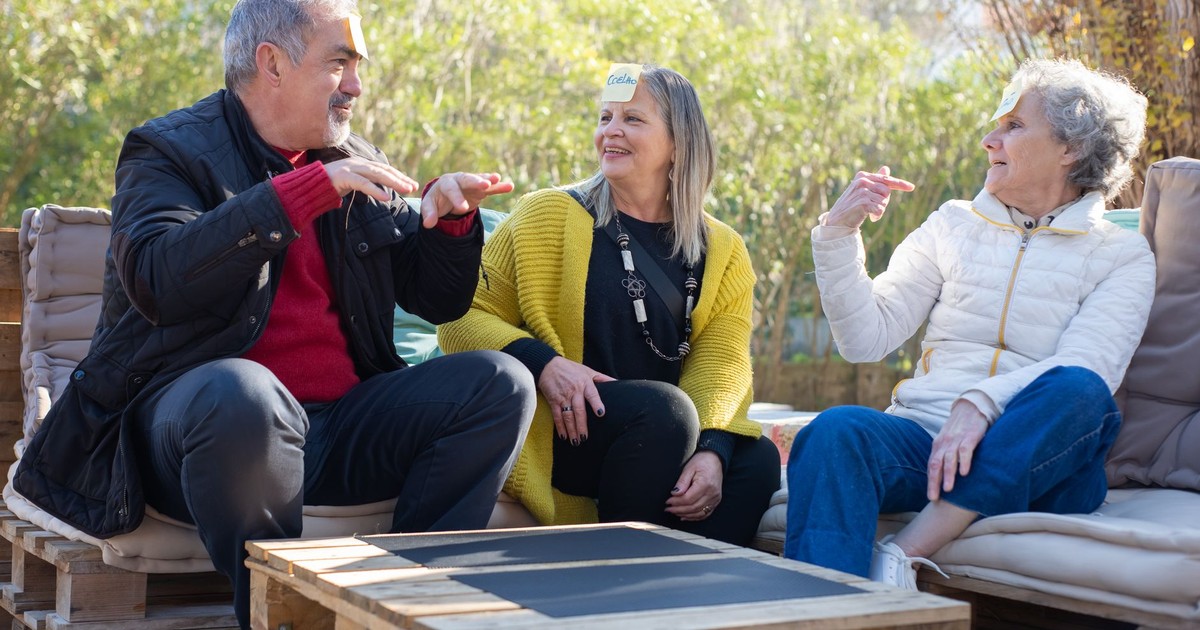
The 11 things on this list are sometimes treated as punchlines, and American senior culture does have a sense of humor about itself – the early bird special joke has legs precisely because the people it describes have been telling it longest. But underneath each of these habits is a logic that stands up to scrutiny: live within your means, stay connected, plan ahead, trust what you know, and get dinner before the parking lot fills up.
The landline is still there for a reason. The brand loyalty was earned. The community hall still fills up on Tuesdays because no one invented a better substitute for being present in person. These patterns were built by people who understood, very specifically, what they needed to stay safe, connected, and whole.
Disclaimer: This information is not intended to be a substitute for professional medical advice, diagnosis, or treatment and is for information only. Always seek the advice of your physician or another qualified health provider with any questions about your medical condition and/or current medication. Do not disregard professional medical advice or delay seeking advice or treatment because of something you have read here.
AI Disclaimer: This article was created with the assistance of AI tools and reviewed by a human editor.