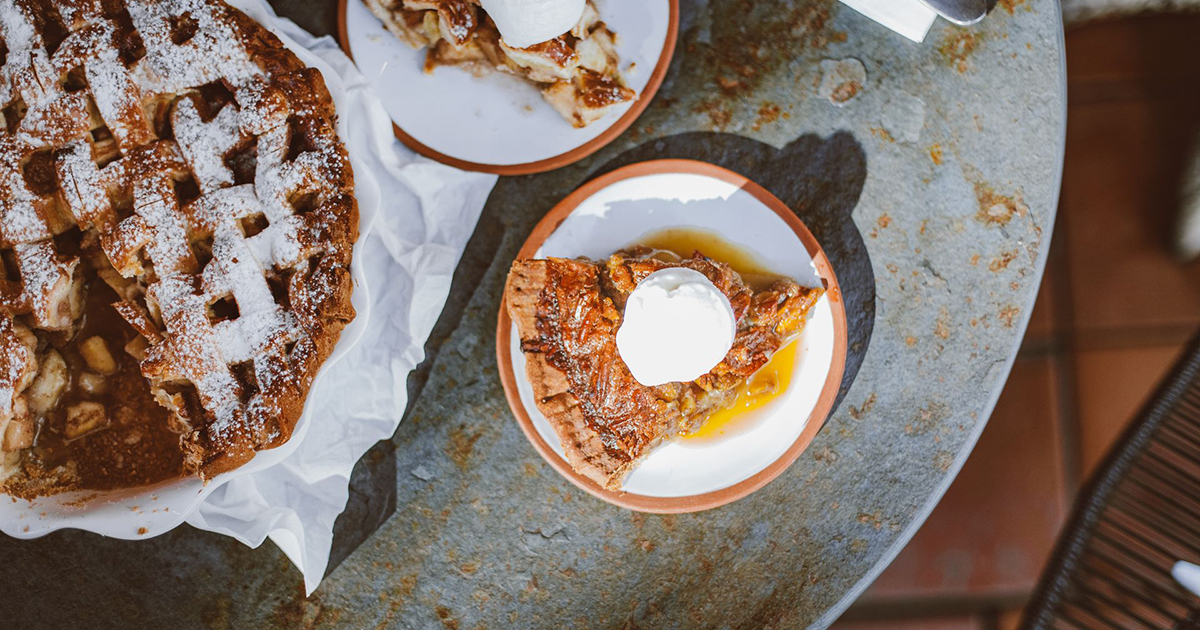

Every country has a story it tells about its food. America’s version is particularly vivid: a hot dog at the ballpark, a burger off the backyard grill, apple pie cooling on the windowsill, ketchup on everything. These aren’t just meals – they’re cultural shorthand, the edible version of the national identity. Which makes it all the more interesting that a surprising number of them arrived here from somewhere else entirely, carried over in the hands, recipes, and memories of immigrants who had no idea they were building an American institution.
That is not a criticism. It is, if anything, the most American thing possible. The country has always been better at adopting and improving things than at inventing them from scratch, and the food tells that story more honestly than most history textbooks. The hot dog got its name here. The hamburger found its bun here. Fried chicken became something extraordinary here, through a cultural fusion that is genuinely worth understanding. The American foods origin story, told properly, is a story about what happens when ingredients, traditions, and people from every corner of the world land in the same place and start cooking together.
What follows is a list of 20 foods – 12 that feel deeply American but weren’t born here, and 8 that actually were. Some of the “imported” ones will surprise you. A few of the “genuine” ones will surprise you even more.
1. Hot Dogs
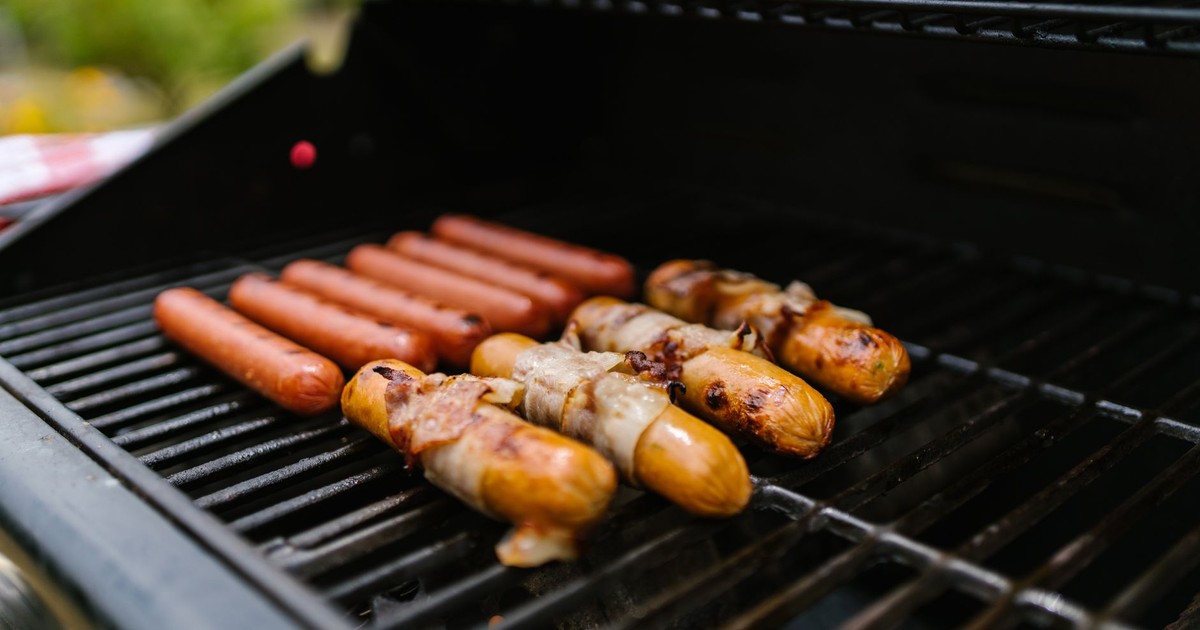
Britannica describes the hot dog as a sausage of disputed but probable German origin that has become internationally popular, especially in the United States. Two European cities claim to be its birthplace: Frankfurt, Germany – which gives the hot dog its alternate name, frankfurter – and Vienna, Austria, which gives it the name wiener. The argument between them has never been settled, which is fitting for a food that has always resisted clean origin stories.
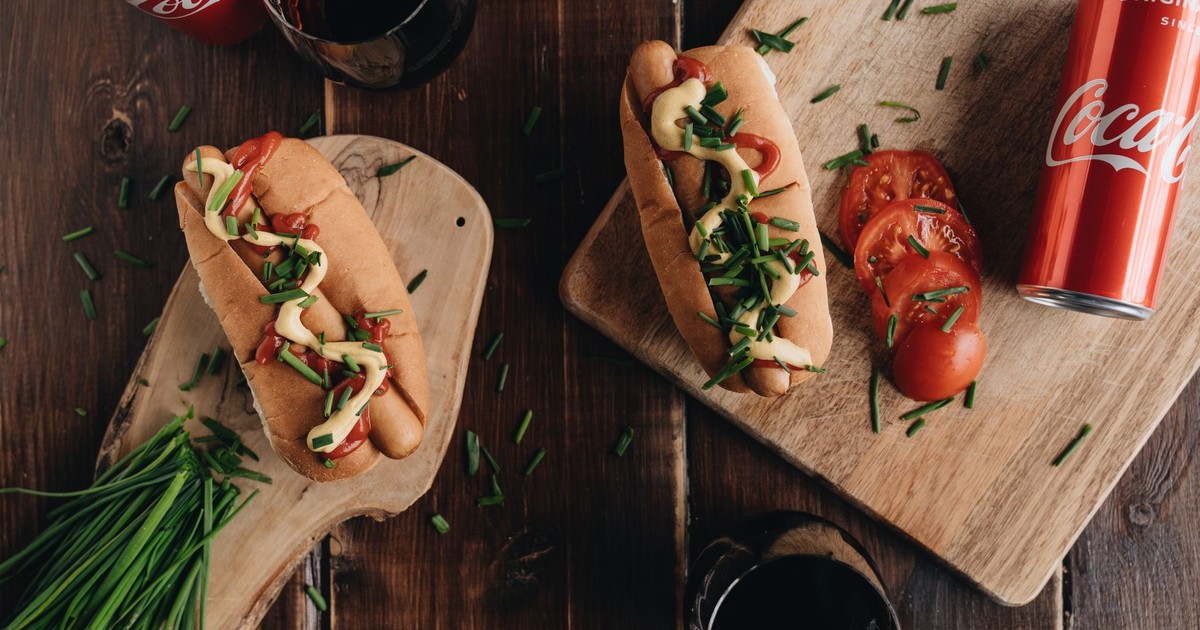
Whatever its ultimate origins, German immigrants brought the food to New York in the 1860s, where street vendors sold them as “dachshund sausages,” presumably because of their shape. In 1871, a German immigrant named Charles Feltman opened a popular stand at Coney Island in Brooklyn, New York, forever associating the sausage with fun and leisure. Feltman would later find a competitor in a former employee of his, a Polish immigrant named Nathan Handwerker, who opened his Nathan’s Famous hot dog stand at Coney Island in 1916.
The hot dog became a definitive American dish, with regional variations that include the Chicago dog, the New York dog with sauerkraut and brown mustard, and the Sonoran hot dog from Arizona with pinto beans, salsa, and bacon. America didn’t invent the sausage. It invented the occasion.
2. French Fries
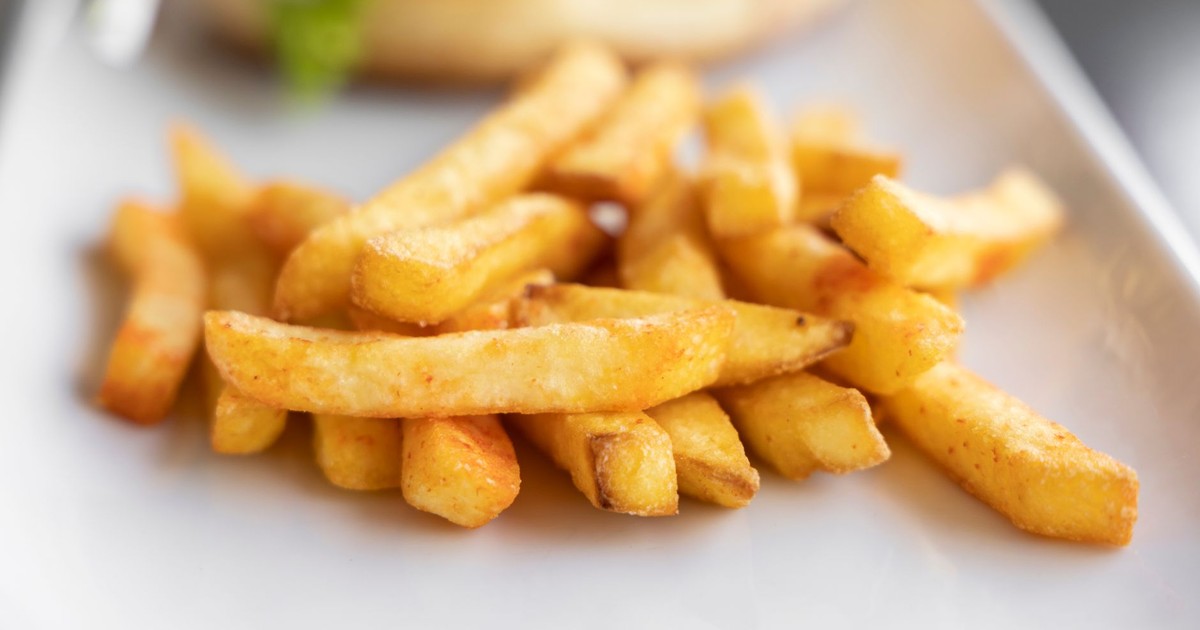
The name says France. The evidence points mostly to Belgium. And the potatoes originally came from South America. By the time you’ve traced the French fry back to its roots, you’ve crossed at least three continents and nobody’s speaking to each other about it.
National Geographic notes that the French fry, though indisputably a fry, may not actually be French. Some claim that fries originated in Belgium, where villagers along the River Meuse traditionally ate fried fish. In winter, when the river froze, the fish-deprived villagers fried potatoes instead. The Belgians and French have an ongoing dispute about where fries were invented. Belgian food historian Pierre Leclercq has traced the history of the french fry and asserts that “it is clear that fries are of French origin.” They became an emblematic Parisian dish in the 19th century.
Thomas Jefferson – possibly the first American foodie – is generally credited with introducing the French fry to America, having encountered them while serving as American Minister to France from 1784 to 1789. So whichever country made them first, an American diplomat is responsible for bringing them home. That detail feels very on-brand.
3. Hamburgers
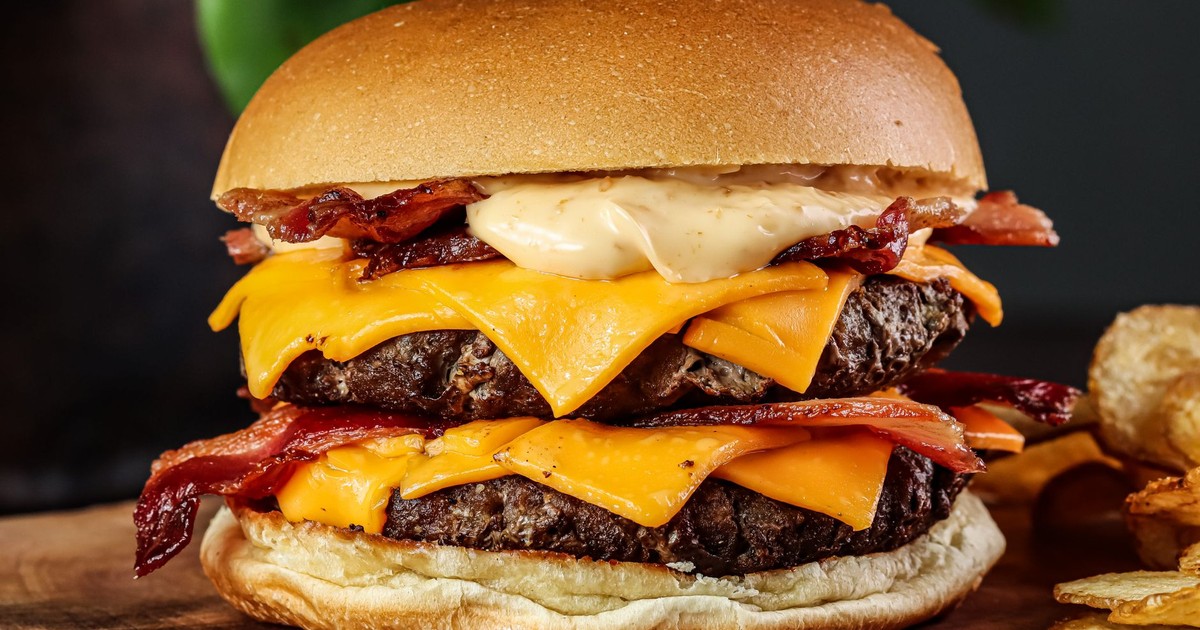
No food is more synonymous with America than the hamburger. It is named after a German city, inspired by a German preparation of minced beef, and arrived in the United States in the luggage of German immigrants. The bun part – the part that makes it a burger rather than a plate of chopped meat – is genuinely unclear, which is why Wisconsin, Connecticut, Ohio, New York, and Texas have all, at various points, claimed to have done it first.
According to History.com, the groundwork for the ground-beef sandwich was laid with the growth of Hamburg, Germany, as an independent trading city, where beef delicacies were popular. By 1848, political revolutions shook the German Confederation, spurring an increase in German immigration to the United States. With German people came German food: beer gardens flourished in American cities, while butchers offered traditional meat preparations. Because Hamburg was known as an exporter of high-quality beef, restaurants began offering a “Hamburg-style” chopped steak.
The hamburger seems to have made its jump from plate to bun in the last decades of the 19th century, though the site of this transformation is highly contested. Lunch wagons, fair stands, and roadside restaurants in Wisconsin, Connecticut, Ohio, New York, and Texas have all been put forward as possible sites of the hamburger’s birth. Whatever its genesis, the burger-on-a-bun found its first wide audience at the 1904 St. Louis World’s Fair.
4. Ketchup
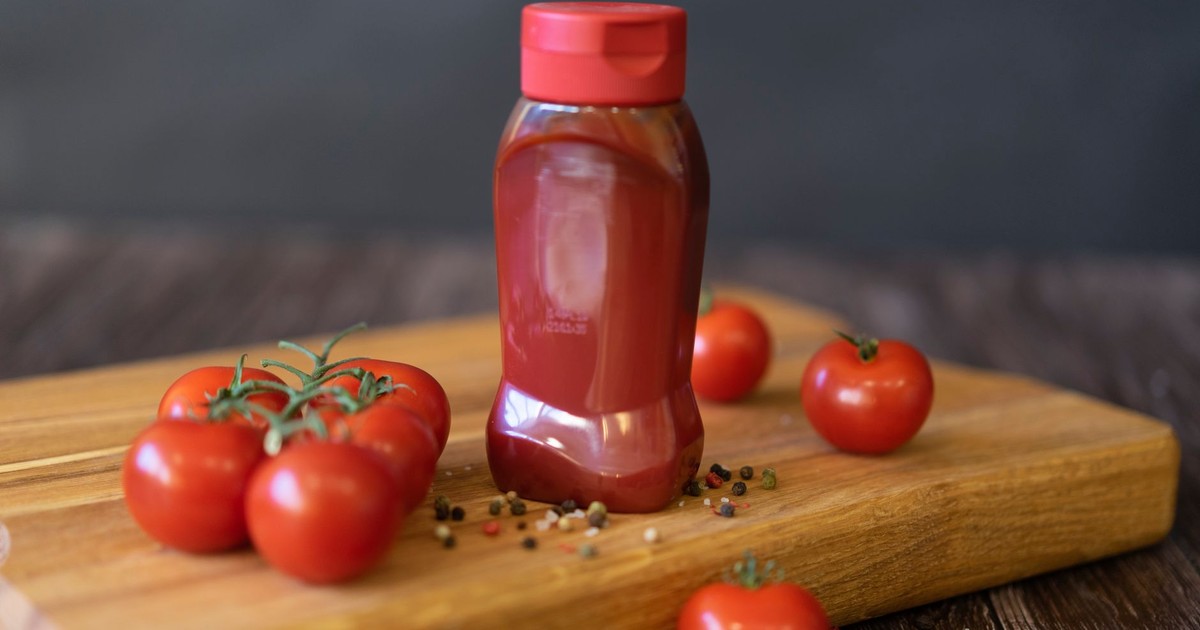
Ketchup is so thoroughly American that it has become a punchline about American cuisine abroad – the thing we pour on everything, the red condiment that accompanies almost every food on this list. Ketchup began as a fermented fish sauce in Southeast Asia. British traders adapted it, and by the time it crossed the Atlantic, Americans had transformed it into the tomato-based version we recognize today. The word itself likely derives from the Hokkien Chinese term “kê-tsiap,” a brine made from fermented fish. British sailors encountered it in the 17th century and brought it back to Europe, where the recipe evolved through mushroom and walnut versions before anyone thought to add tomatoes.
The tomato-based ketchup we recognize today was largely an American development of the 19th century – and Henry Heinz commercialized it into a national staple in 1876. So America can claim the tomato version, the bottle, and the obsession. The concept, though, belongs to Southeast Asia.
5. Fried Chicken
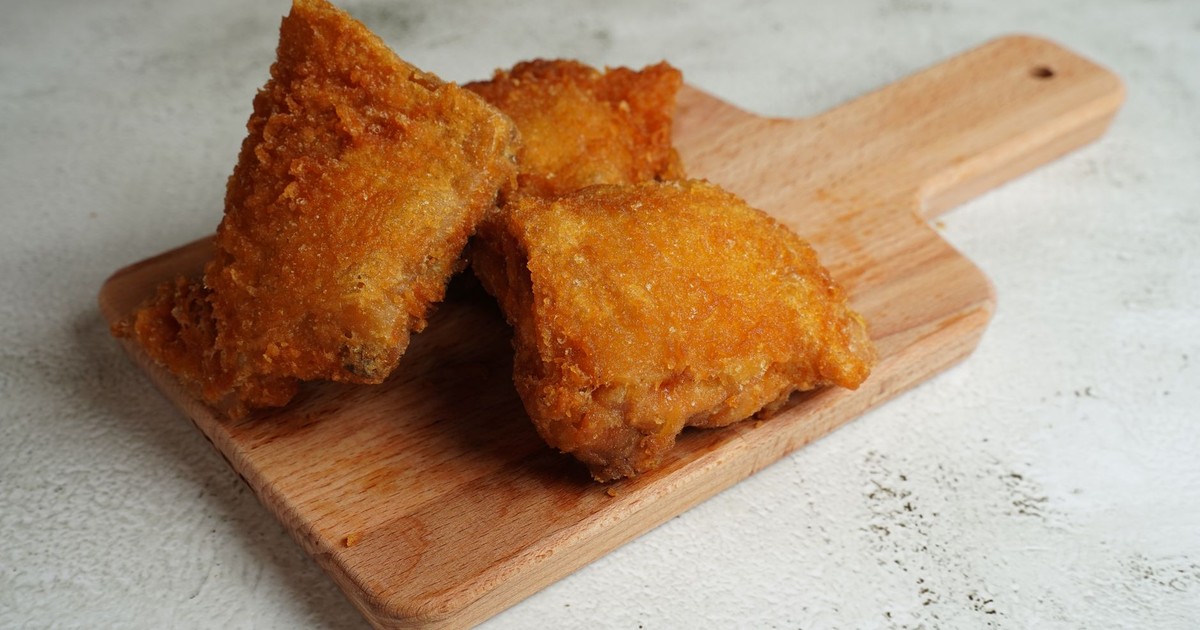
Fried chicken is Southern food. That is true. But calling it purely American flattens a culinary history that runs through Scotland, West Africa, and the American South in ways that are genuinely important to understand.
Modern fried chicken emerged from a cultural exchange. British settlers brought traditions of cooking chicken in fried, battered, and fricasseed preparations. Hannah Glasse’s influential 1747 cookbook included recipes for “Scotch chickens,” a fricassee-like dish, as well as battered and fried chicken dishes. But it was enslaved West Africans who contributed deep-frying techniques, bold seasoning traditions, and culinary expertise that helped transform these earlier European dishes into the crisp, flavorful fried chicken that became a hallmark of Southern cuisine.
The dish is American in the sense that it could not have been created anywhere else – it required the specific collision of Scottish frying traditions and West African seasoning knowledge that happened in the American South and nowhere else. But its ingredients, techniques, and genius were all imported. What America made was the combination.
6. Apple Pie
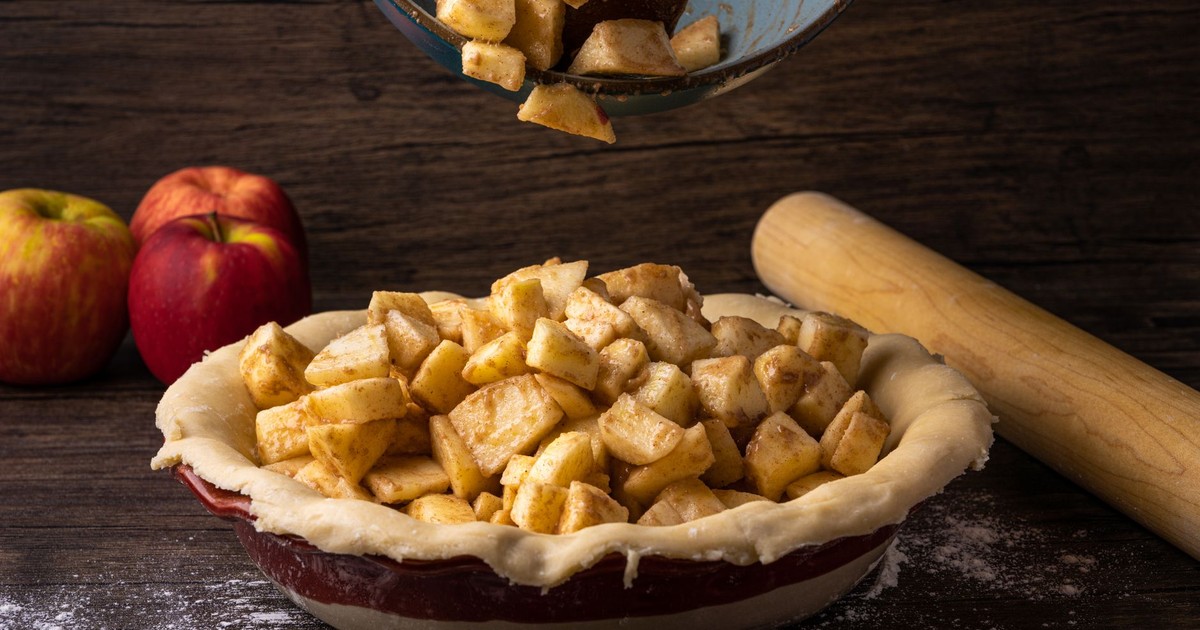
“As American as apple pie” has been the idiom since the early 20th century, used to describe anything wholesome, familiar, and native-born. The apples are from Kazakhstan. The pie crust is English. Apple pie is international through and through – apples were domesticated in Central Asia and the pie tradition arrived from England.
Apples were domesticated in Central Asia thousands of years ago and spread westward through Europe. The English had been making fruit-filled pastry cases since the 14th century, and they brought both apples and the tradition of baking them in pies when they colonized North America. What made apple pie American wasn’t its origin but its adoption. Apples spread across the growing nation, helped in part by the legendary efforts of Johnny Appleseed, and pie became an everyday staple. By the 20th century, apple pie had become so embedded in American domestic life that the foreign origins became irrelevant. America claimed it, and the claim stuck.
7. Fortune Cookies
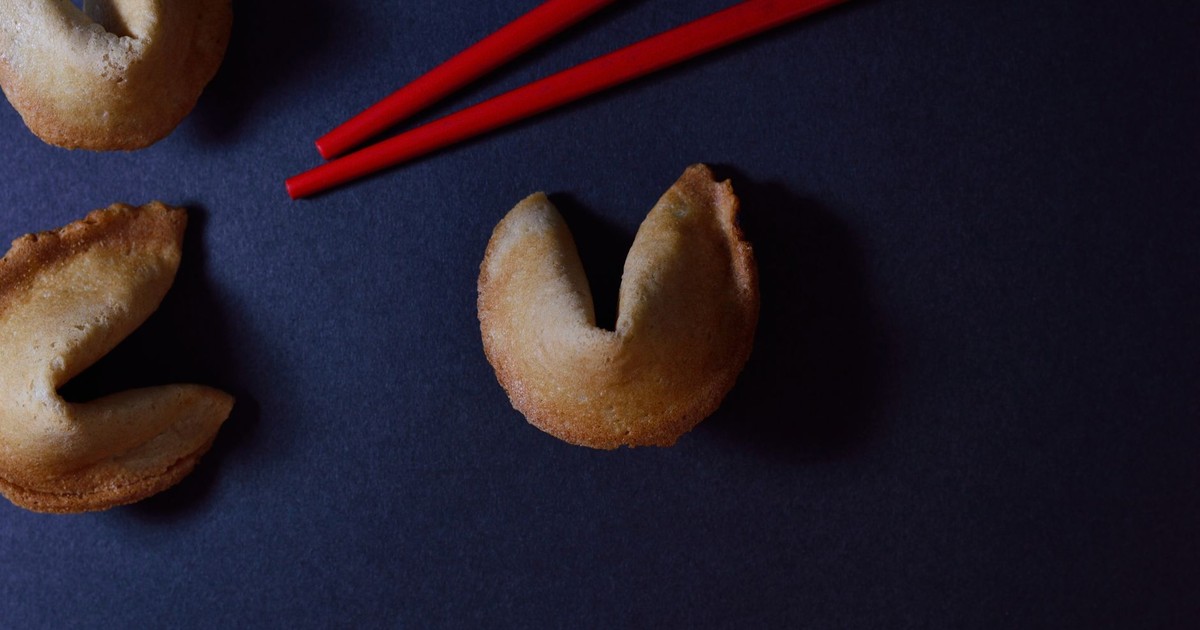
Ask anyone to name a Chinese food tradition and fortune cookies will come up within three answers. They are the punctuation mark at the end of every takeout meal, the thing you crack open hoping for something better than a vague platitude about patience. They are also not Chinese.
Fortune cookies are, in fact, as American as the country that serves them. They were invented in California in the early 20th century, likely by Japanese immigrants. These crispy, folded cookies gained popularity during World War II when Japanese-owned businesses were taken over by Chinese-American restaurateurs.
Visitors to China searching for fortune cookies will not find them. The cookie has no culinary history in China, no equivalent tradition, and no ancestor in Chinese cuisine. It was born in California, adopted by Chinese-American restaurants, and then exported back to a world that assumed it had always been Chinese. The fortune cookie is, ironically, a perfect illustration of how American culture works.
8. Chop Suey
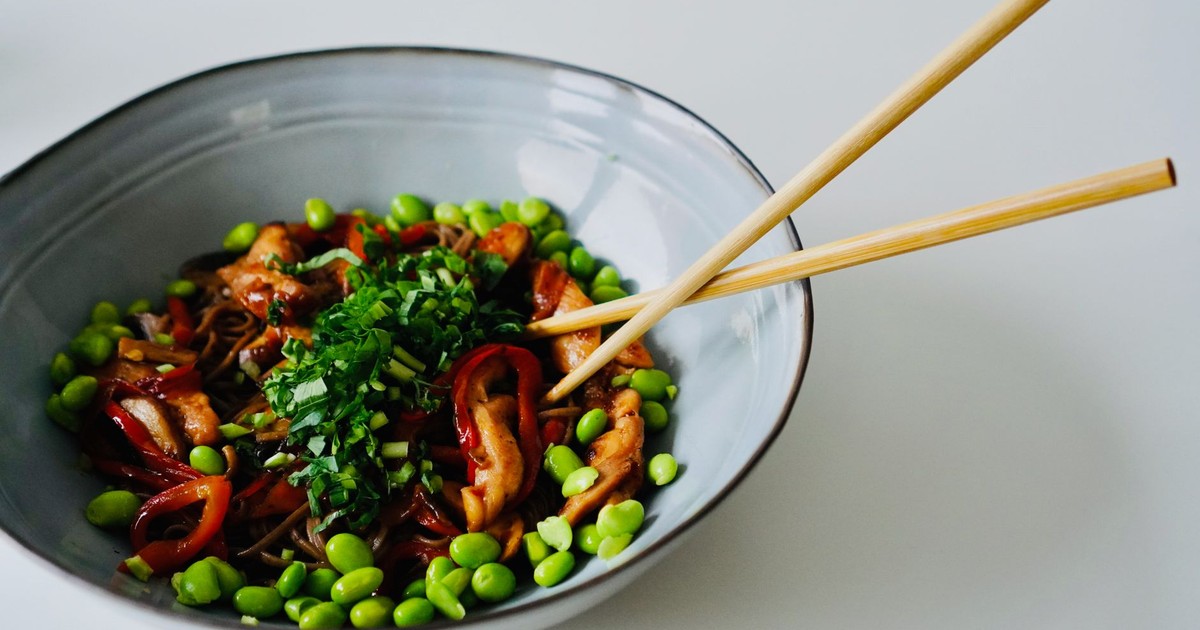
Chop suey has been on American Chinese restaurant menus for well over a century, and most diners assume it is a dish from the Cantonese culinary tradition transported whole to the United States. It is not. This Chinese-American dish fuses meat and vegetables with a rich, starchy sauce served over rice. Though the dish loosely resembles similar offerings from the south of China, its name roughly translates to “random mixture,” referring to the seemingly haphazard combination of ingredients. While solidly considered American in identity, its origin is somewhat murky. Some point to the Gold Rush, during which Chinese immigrants established eateries in San Francisco serving recognizable dishes using local ingredients. Others suggest it was made as an impromptu meal served by a Chinese diplomat in New York.
Chop suey was created by Chinese immigrants in America. The dish typically includes a variety of vegetables, meat, and a savory sauce. It was invented in the late 19th century and quickly became popular among Americans. It represents the fusion of Chinese cooking techniques with locally available ingredients. It is Chinese-American food – meaning it belongs to both places and neither fully. That’s an honest description of what it actually is.
9. Caesar Salad
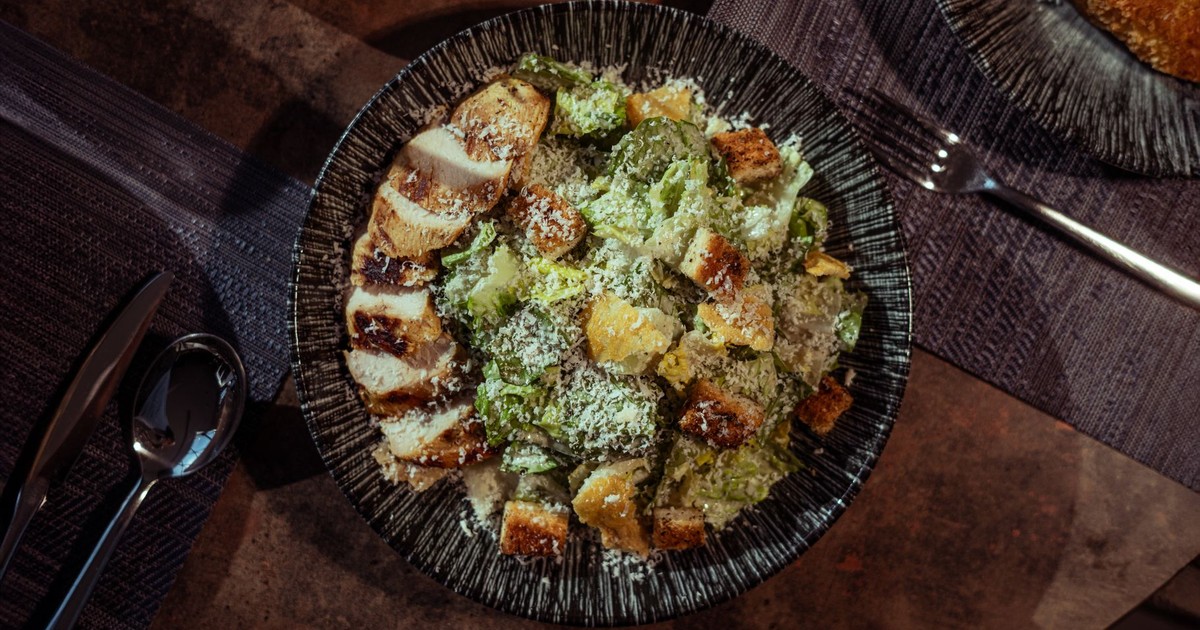
Caesar salad is on menus in restaurants all over the United States, often treated as a default American restaurant option, the thing you order when you can’t decide. It was not created in the United States. Traditionally a combination of romaine lettuce, croutons, Parmesan cheese, and a distinctive dressing, it is believed to have been created by an Italian immigrant named Caesar Cardini at his Tijuana restaurant in the 1920s. According to the BBC, Cardini immigrated to America in the 1910s, where he opened restaurants in both Sacramento and San Diego, in addition to his restaurant in Tijuana.
The salad was created in Mexico by an Italian immigrant who ran restaurants on both sides of the American border. It was adopted rapidly by American diners, particularly in California, and eventually became so identified with American restaurant culture that its origin in Tijuana became a footnote. The dressing recipe, originally featuring raw egg and Worcestershire sauce, was later pasteurized and bottled for supermarkets, which is when it became truly unstoppable.
10. Spaghetti and Meatballs
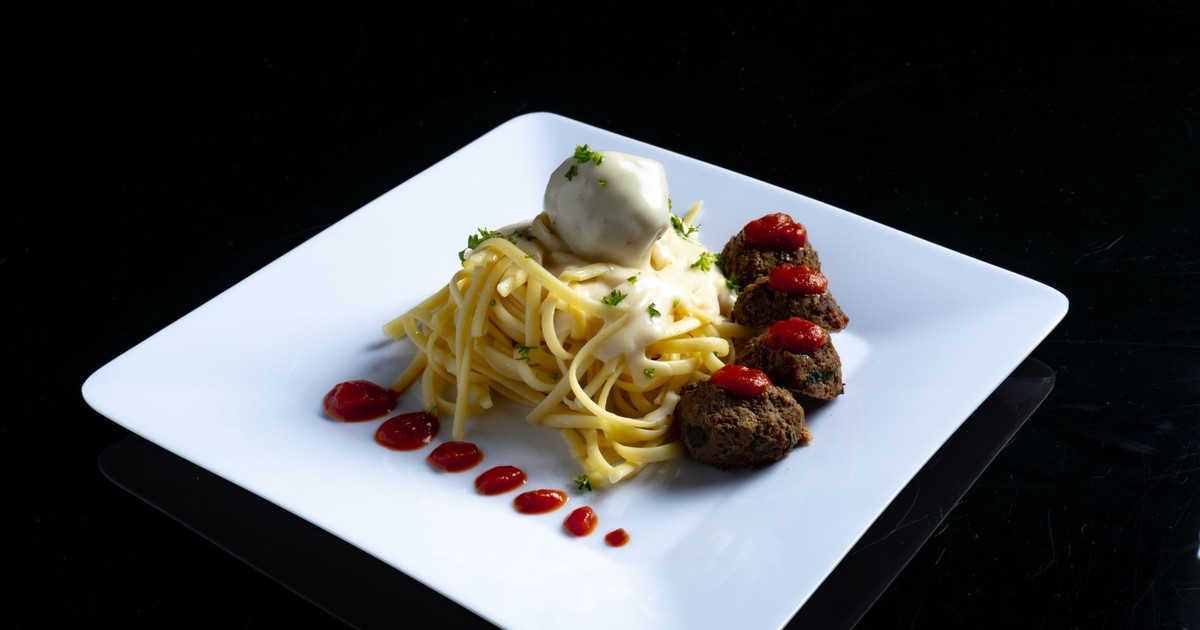
This one may sting for anyone who grew up believing their Italian grandmother’s recipe was the authentic version. Many people associate spaghetti and meatballs with Italian cuisine. However, this hearty combination was developed by Italian immigrants in America. Traditional Italian meatballs are much smaller and are not typically served with pasta. In America, the dish evolved to include large meatballs and marinara sauce over spaghetti. Spaghetti and meatballs became a popular comfort food and a symbol of Italian-American cuisine.
In Italy, meatballs exist – polpette – but they’re a small, separate dish, often served as a second course without pasta anywhere on the same plate. The combination of enormous meatballs mounted on a heap of spaghetti covered in tomato sauce is an Italian-American invention, born from immigrants stretching traditional ingredients in a new country with more abundant meat and a different appetite for scale. It’s genuinely delicious and genuinely not Italian in the way most people mean it.
11. Nachos
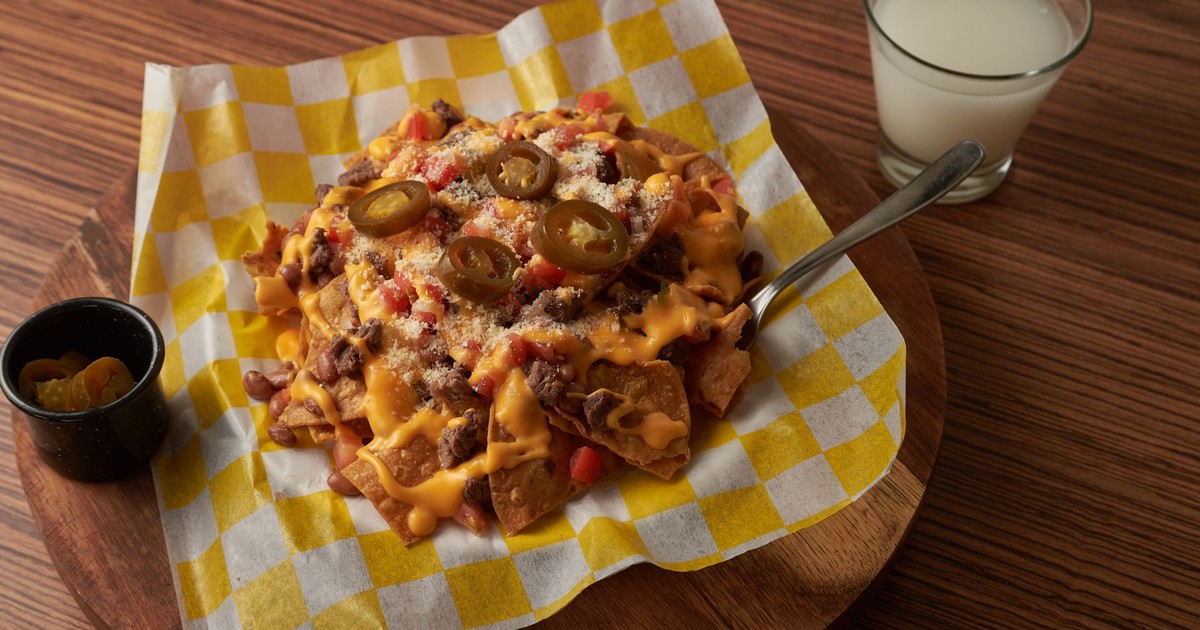
Nachos feel intrinsically Tex-Mex, which feels intrinsically American, but the specific origin is more precise than most people realize – and it happened in Mexico. The dish was invented in 1943 by a maître d’ named Ignacio “Nacho” Anaya at the Victory Club restaurant in Piedras Negras, a Mexican border town across the Rio Grande from Eagle Pass, Texas. A group of U.S. military wives arrived after the kitchen had closed, and Anaya improvised: tortilla chips, shredded cheese, and jalapeño peppers, thrown together and sent to the table.
The dish crossed the border and became an American stadium staple by the late 1970s, when sports entrepreneur Frank Liberto brought a processed cheese version to Arlington Stadium in Texas. From there it entered the vocabulary of every sports arena, movie theater, and bar in the country. The name “nacho” is a nickname – the full story is one man’s improvisation for a group of hungry women when the cook had already gone home.
12. Ice Cream
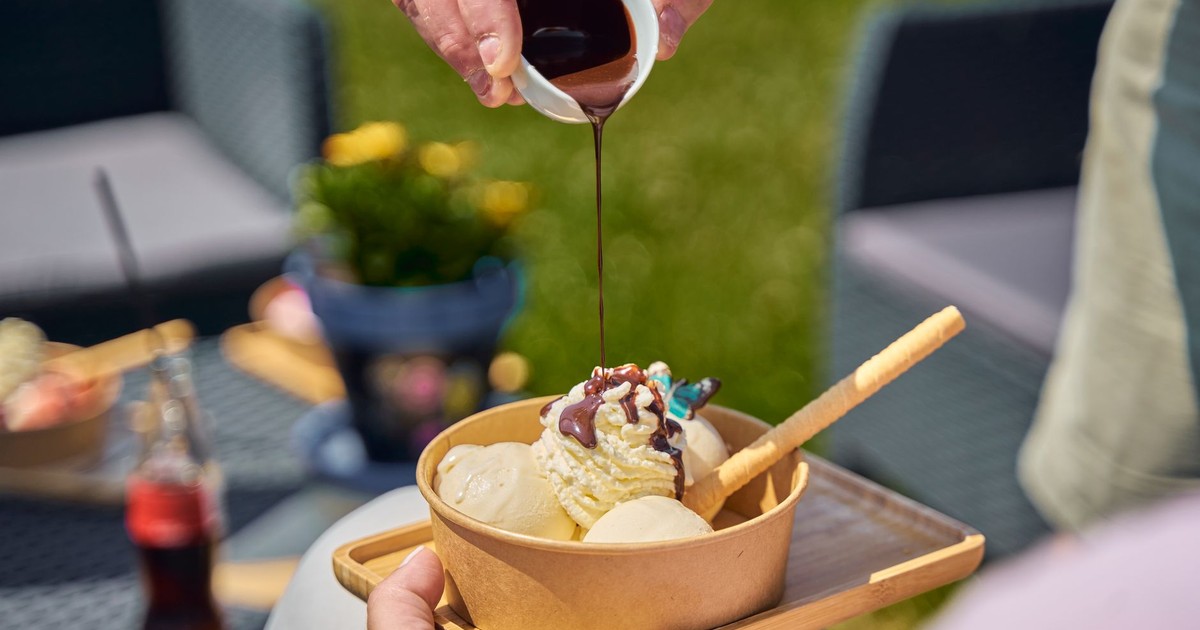
Ice cream in some form existed in China, Persia, and the Arab world long before America was a country. The story of ice cream in America connects directly to James Hemmings, Thomas Jefferson’s enslaved chef, who traveled with the family to France, learned the art of making ice cream, and brought it back to the US along with copper cookware, European-style mac and cheese, and French fries. Jefferson served ice cream at White House dinners and the recipe found in his own handwriting is one of the earliest American records of the dessert.
The ice cream cone – the vessel that turned ice cream into portable street food – is generally credited to the 1904 St. Louis World’s Fair, where a Syrian waffle vendor named Ernest Hamwi reportedly rolled his waffles into cones to help an adjacent ice cream vendor who had run out of dishes. The sundae, the banana split, and the ice cream truck are all American innovations. The underlying dessert is not. America perfected the delivery system and the excess. The thing being delivered came from elsewhere.
The 8 That Actually Did Start Here
13. Buffalo Wings
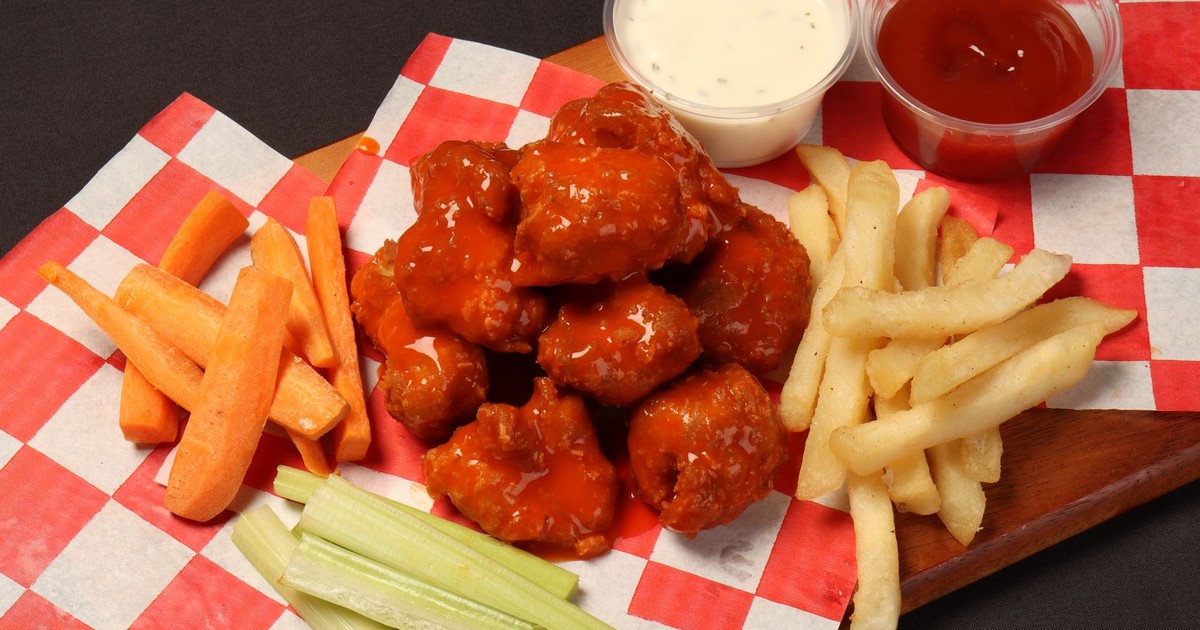
Chicken wings weren’t a popular food prior to the 1960s. They were usually used for soup stock or thrown away. But in 1964, Teressa Bellissimo, the owner of Buffalo, New York’s Anchor Bar, came up with the idea of deep-frying the wings and tossing them in hot sauce. The dish was a genuine American improvisation – a cut of chicken that nobody wanted, turned into something addictive by a woman who needed to feed a crowd and had a deep fryer available. Buffalo wings are a quintessential American bar food. The wings are deep-fried, coated in a spicy sauce, and served with celery and blue cheese dressing. Buffalo wings have since become a staple at sports bars and parties nationwide.
There is a competing claim from another Buffalo establishment, and the debate has never been definitively resolved. But the dish is undeniably American in its DNA: practical, generous, messy, and built for sharing over a game.
14. Chocolate Chip Cookies
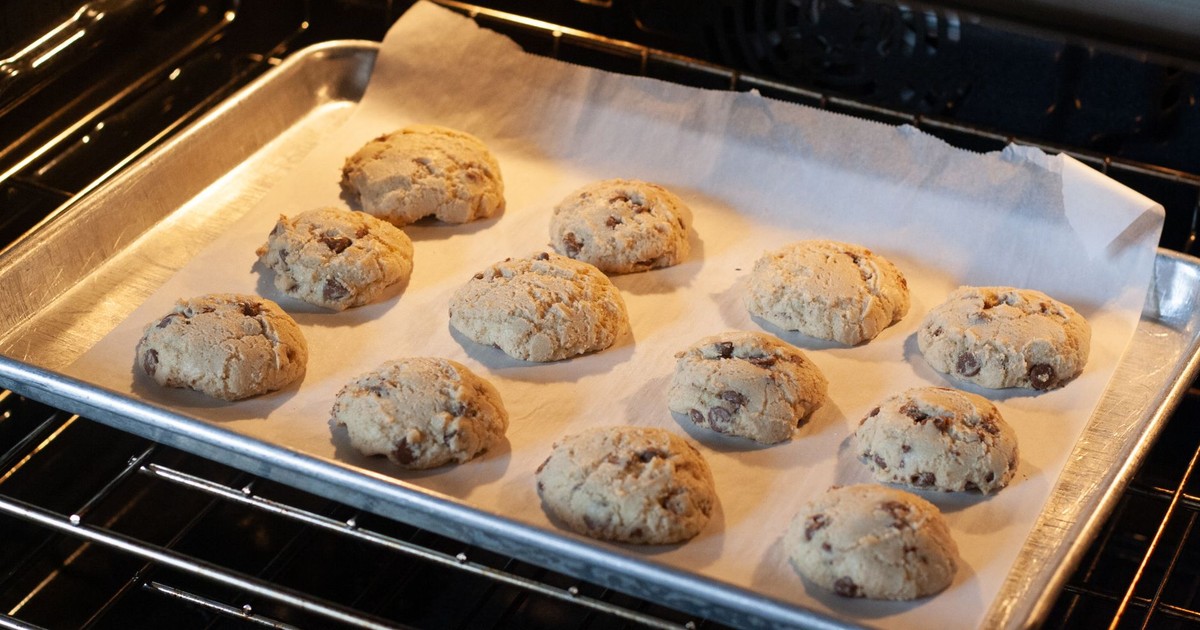
Chocolate chip cookies were invented by Ruth Wakefield at the Toll House Inn in Whitman, Massachusetts, in 1938. They were a happy accident when pieces of chocolate held their shape rather than fully melting into the dough. Wakefield sold the recipe to Nestlé in exchange for a lifetime supply of chocolate – a transaction that, in retrospect, probably could have been negotiated better.
The chocolate chip cookie has since become arguably the most replicated home-baking recipe in American history. Every variation – the brown butter version, the sea salt version, the underbaked version – traces back to that accidental batch at a Massachusetts inn in 1938. This one is entirely ours.
15. Cobb Salad
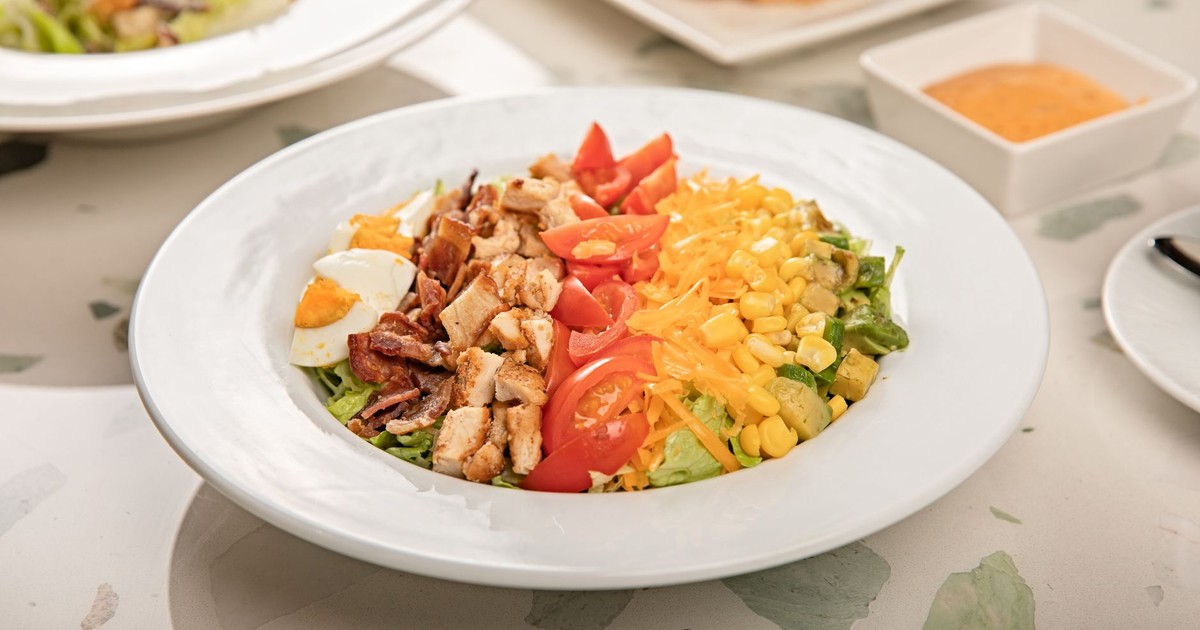
Created at the Brown Derby restaurant in Los Angeles in the late 1930s, the Cobb salad is said to have originated when owner Robert Howard Cobb assembled a late-night meal from leftovers in the kitchen. Combining chicken, bacon, eggs, avocado, tomatoes, and blue cheese, it became a favorite among Hollywood celebrities and helped popularize entrée salads in American dining.
The Cobb salad is the rare dish where the specific act of creation is plausible: a hungry restaurant owner, a walk through the kitchen after hours, whatever was left from service thrown into a bowl. It became an institution because it worked – the combination of protein, fat, acid, and crunch is hard to argue with.
16. Tater Tots
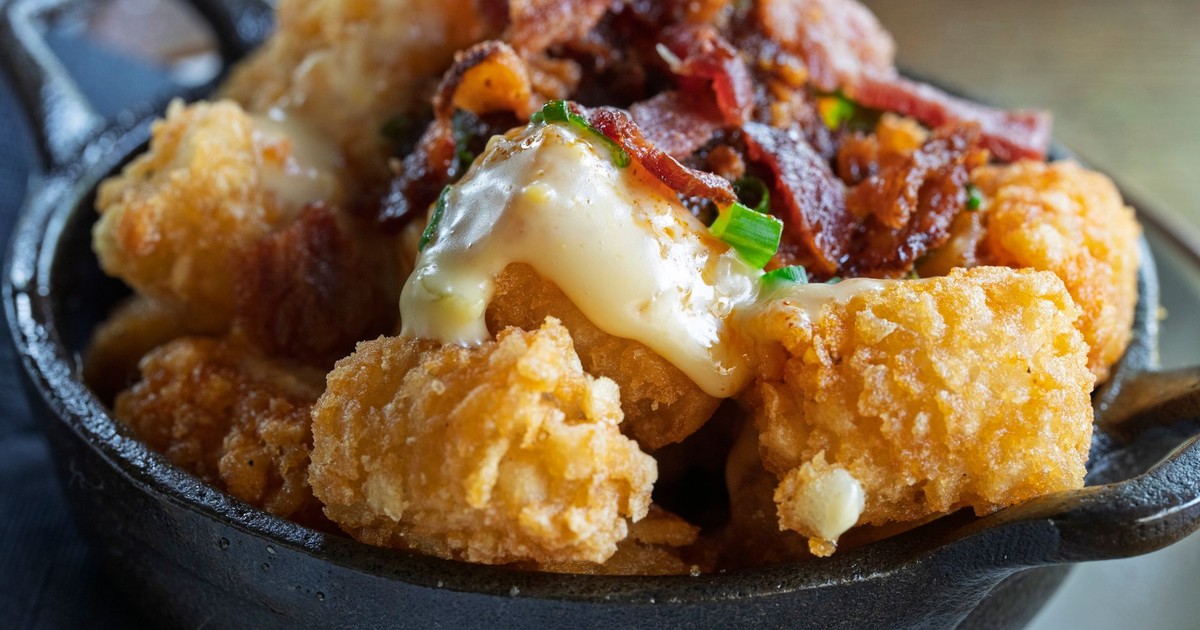
French fries come from either France or Belgium, but tater tots were invented in America. In 1953, the founders of Ore-Ida wanted to use excess potato scraps for something marketable, so they chopped them up, mixed them with flour and seasonings, and shaped them into little nuggets that were then deep-fried to perfection. The tater tot is essentially a solution to a waste problem – an act of American practicality that became a beloved side dish and, eventually, the star of the hotdish at every Midwestern church potluck. Nobody is more American than the tater tot.
Speaking of foods with surprising origin stories, paprika has one too – the spice most people picture as quintessentially Eastern European actually traces its roots to the Americas.
17. TV Dinners
The first TV dinner to be made available nationally was by Swanson. After being left with 520,000 pounds of turkey following disappointing Thanksgiving sales, the company created a three-compartment tray that works for both cooking and serving, added peas and sweet potatoes, and debuted the TV dinner in 1953. They sold 10 million units the following year, and a whopping 25 million in 1955.
The TV dinner is a genuinely American invention in the fullest sense: it solved a commercial problem, aligned perfectly with a new technology (the television), and changed domestic life in ways that were simultaneously convenient and faintly depressing. The tray design, the compartments preventing the peas from touching the turkey – that’s American ingenuity at its most specific.
18. Corn Dogs
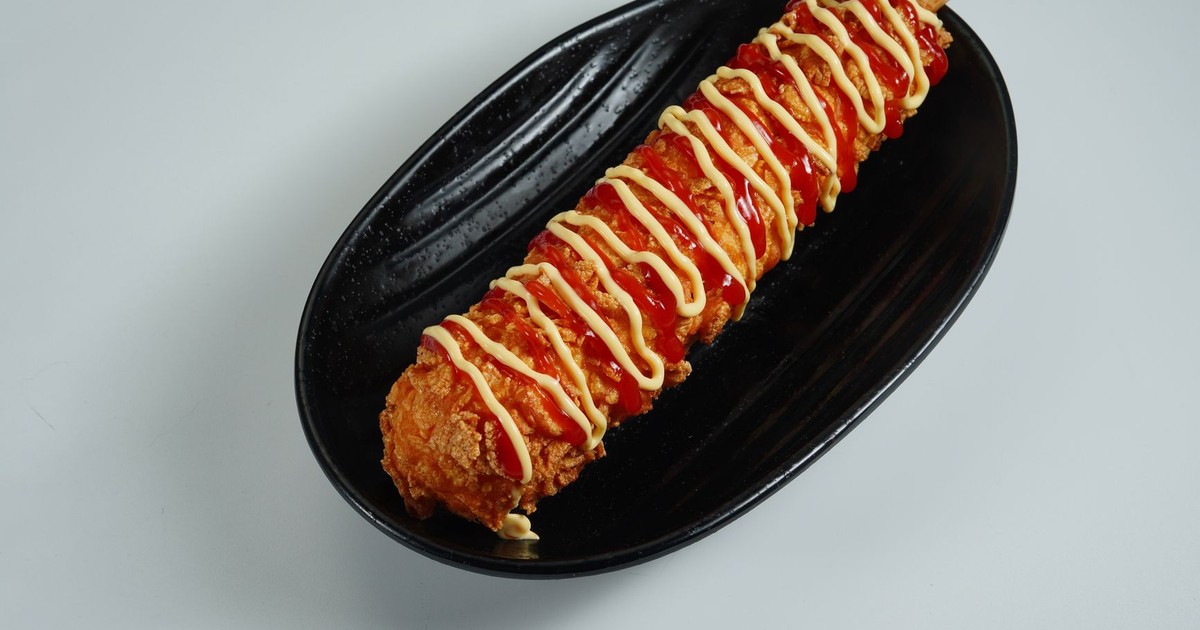
The inventor of the corn dog is hotly debated, with folks across America claiming to have invented it in the 1920s, 1930s, and 1940s. But the earliest verified mention is actually in a patent filed in 1926 by Stanley Jenkins of Buffalo, New York, for a “Combined Dipping, Cooking, and Article Holding Apparatus,” which mentions “wieners” as the very first item that tastes great when deep fried on a stick.
The corn dog – a hot dog (which itself arrived from Germany) coated in cornmeal batter and fried on a stick – is a perfect example of American food logic. Take an immigrant food. Put it on a stick. Fry it in cornmeal batter. Call it something new. The corn dog has no European ancestor, no Asian cousin, no Latin American origin. It is entirely of this country.
19. German Chocolate Cake
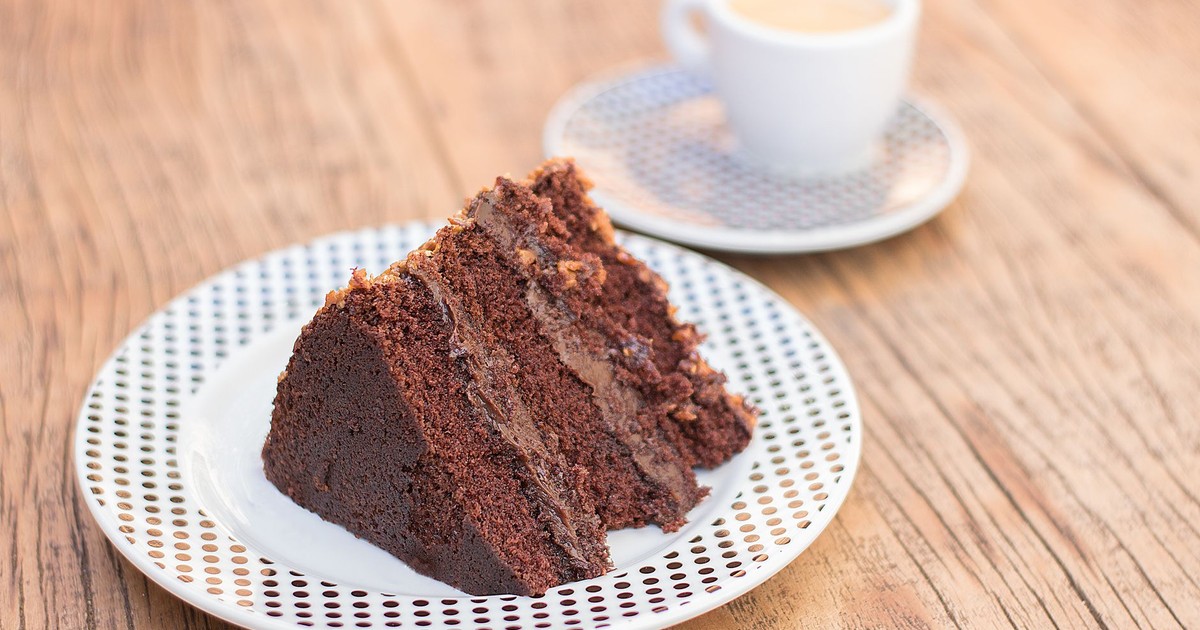
The name is one of food history’s greatest misdirections. German chocolate cake has no ties to Germany. The dessert originated in Texas in the 19th century and was named after Samuel German, who developed a type of dark baking chocolate for the Baker’s Chocolate Company. The rich, coconut-pecan frosting became synonymous with the cake, making it a beloved American dessert.
The recipe as we know it – layers of chocolate cake with coconut-pecan frosting – was published in a Dallas newspaper in 1957 by a Texas homemaker named Mrs. George Clay, using Baker’s German’s Sweet Chocolate. The apostrophe-s was dropped at some point, turning a man’s name into a nationality, and the confusion has persisted ever since. It is American. It is Texan, specifically. Germany had nothing to do with it.
20. The California Roll
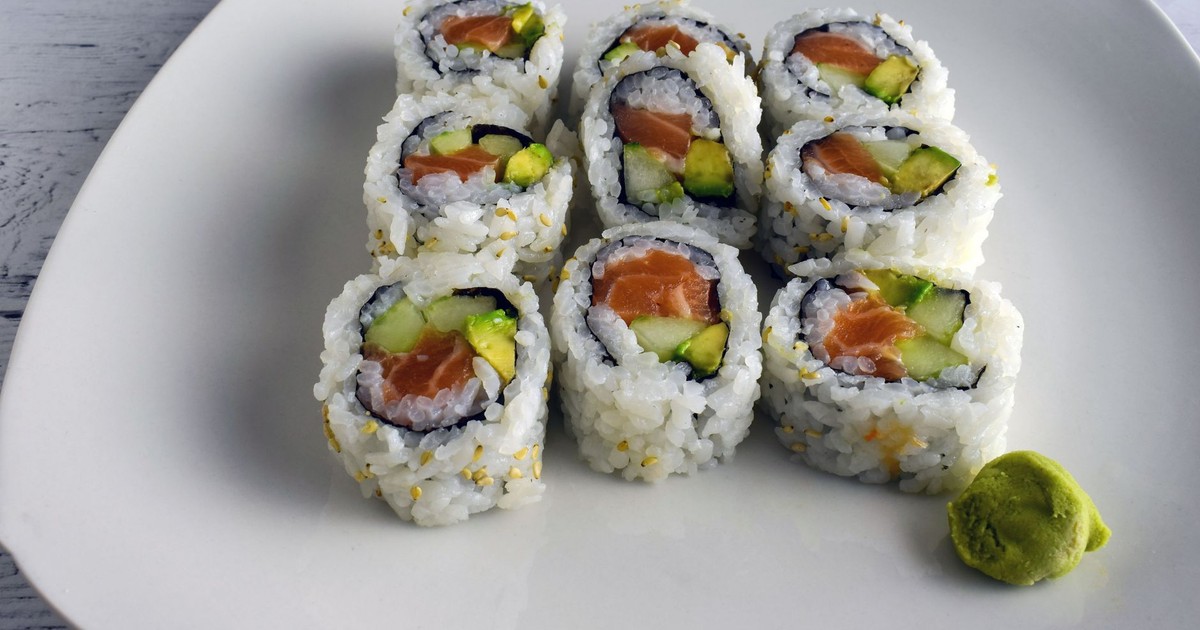
The California roll is a type of sushi created in the United States, not Japan. This popular roll features imitation crab, avocado, and cucumber, often wrapped in seaweed and rice. Japanese chefs in Los Angeles invented it in the 1960s.
The California roll was designed specifically to make sushi accessible to American diners who were unfamiliar and often uneasy with raw fish. By placing the nori (seaweed) on the inside, using familiar flavors, and replacing raw fish with imitation crab, Japanese chefs in Los Angeles created something that did not exist in Japan and was never meant to. It was so successful that it has since been exported back to Japan as a novelty – an American invention that Japan itself has adopted. The culinary circle of life.
The Dish Is Never Really From One Place
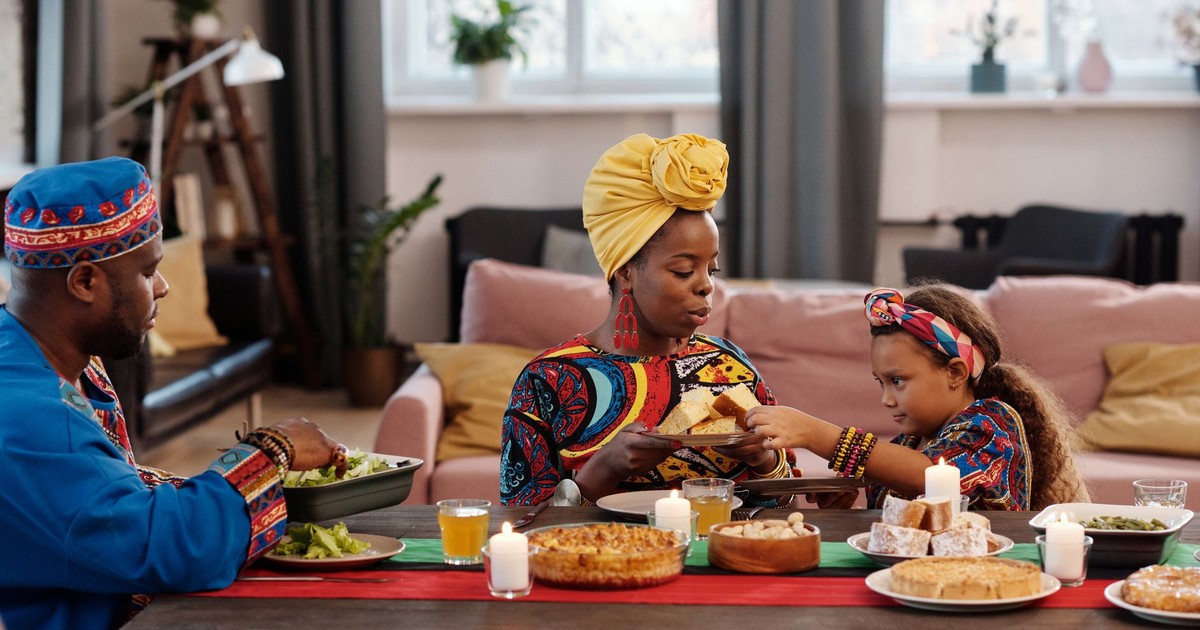
The most honest way to read this list is as a record of movement – of people carrying recipes, techniques, and ingredients across oceans and borders, and those things becoming something new when they landed. The hot dog is German. Fried chicken is Scottish and West African. Apple pie is English and Kazakhstani. And yet all of them feel, in some real way, American, because they were transformed here – scaled up, adapted, seasoned differently, served to different people in different circumstances until they became something the original culture wouldn’t necessarily recognize.
The American foods origin story is not about invention so much as it is about adoption and transformation. America’s actual contribution to global cuisine is often the version – the size, the availability, the appetite that turned a German sausage into a ballpark tradition and a Belgian street food into the most ordered side dish in the world. That is a different kind of authorship than invention, but it is not a smaller one. The table was built from everywhere. What happened at the table is distinctly here.
AI Disclaimer: This article was created with the assistance of AI tools and reviewed by a human editor.