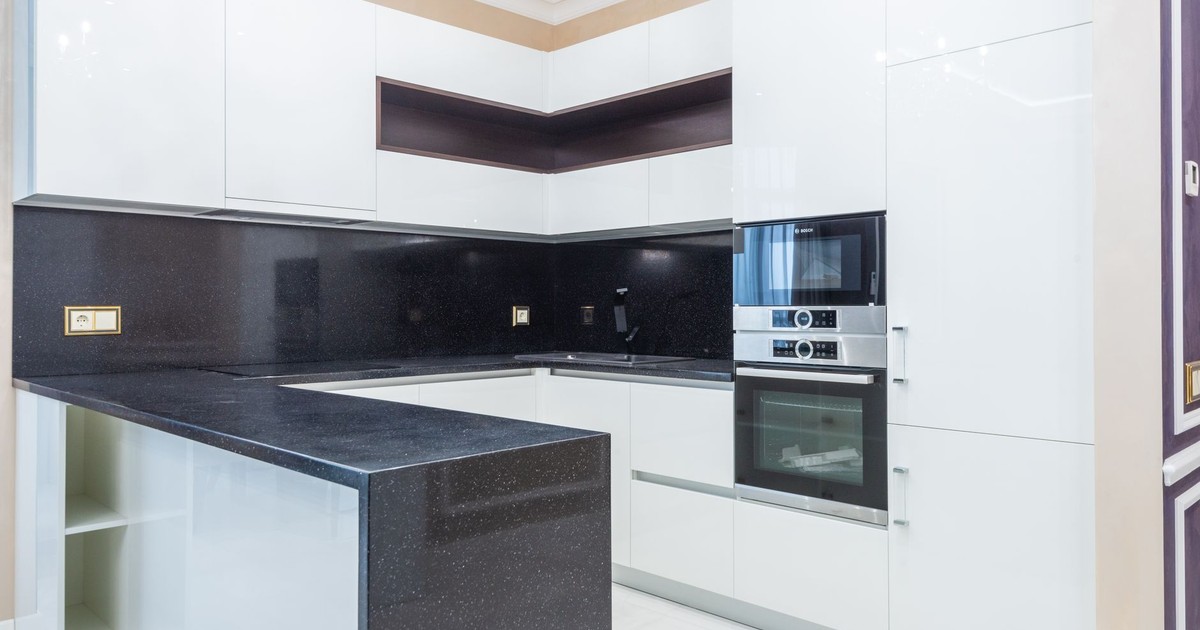

Granite used to be the dream. You saved for it, installed it, ran your hand across it in the showroom and felt like you’d finally arrived. Then quartz came along and quietly made granite look like a lot of work for a material that needed sealing, coddling, and a very specific cleaning product that lived under the sink. Quartz was the sensible upgrade: nonporous, consistent, practically indestructible, and available in exactly the shade of white you needed for an Instagram-ready kitchen. For about a decade, it was the obvious answer.
That era is not exactly over, but it has a competitor now. Several, actually. The conversation happening in design circles, fabrication shops, and homeowners’ kitchens in 2026 is less about whether to choose granite or quartz, and more about whether either of those choices is still the most interesting option on the table. The alternative countertop materials getting real traction right now are not just aesthetic novelties. They are responding to something deeper: a shift in what people want their kitchens to say about them, and in some cases, a shift driven by factors that have nothing to do with style at all.
Quartz Is Still Winning, But It Has a Problem
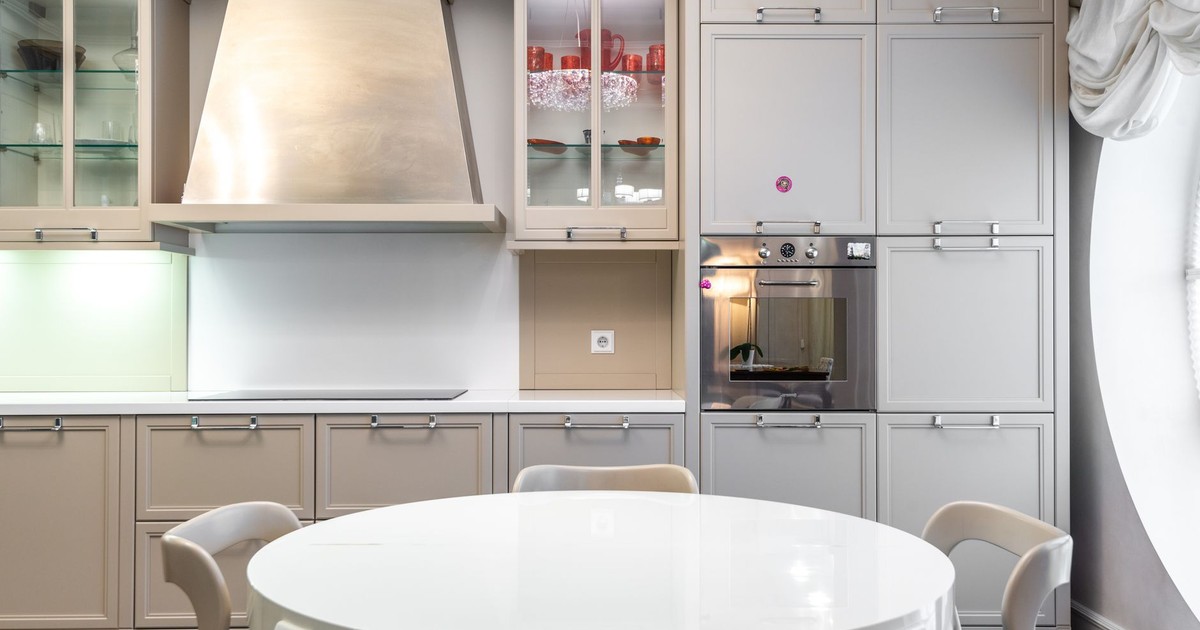
According to the NKBA 2026 Kitchen Design Trends Report, which surveyed over 600 industry professionals including designers, remodelers, and architects, quartz ranks as the preferred countertop material expected to lead over the next three years. Natural quartzite came in right behind it at 62 percent, followed by granite at a noticeably lower 43 percent.
Those numbers tell you something true: quartz is not going anywhere. It is the reliable midsize sedan of countertop materials. It does everything well, it requires almost nothing from you, and it comes in every finish imaginable. But zoom out a little, and a more complicated picture emerges. Occupational health researchers at UCSF have documented a growing public health crisis tied to the silica dust released when quartz slabs are cut, ground, and polished.
When slabs containing quartz are cut or ground, a toxic dust with the consistency of flour is released. That dust collects in workers’ lungs and causes silicosis, an incurable illness that leads to early death. In California alone, more than 550 workers have been diagnosed with silicosis and at least 30 have died. Dozens of workers have received double-lung transplants. The fabrication workers most affected, according to The Conversation’s reporting by occupational health experts, are overwhelmingly young, Latino immigrant men, a detail that has stayed notably absent from most kitchen design trend roundups.
This is not a reason to panic about the countertops currently in your home. The risk is to the fabrication workers who cut the slabs, not to homeowners living with them. But it is a reason why the industry itself is paying very close attention to what replaces quartz at the fabrication level, and why certain alternative countertop materials are gaining ground faster than taste alone would explain.
Quartzite: The One Everyone Is Confusing With Quartz
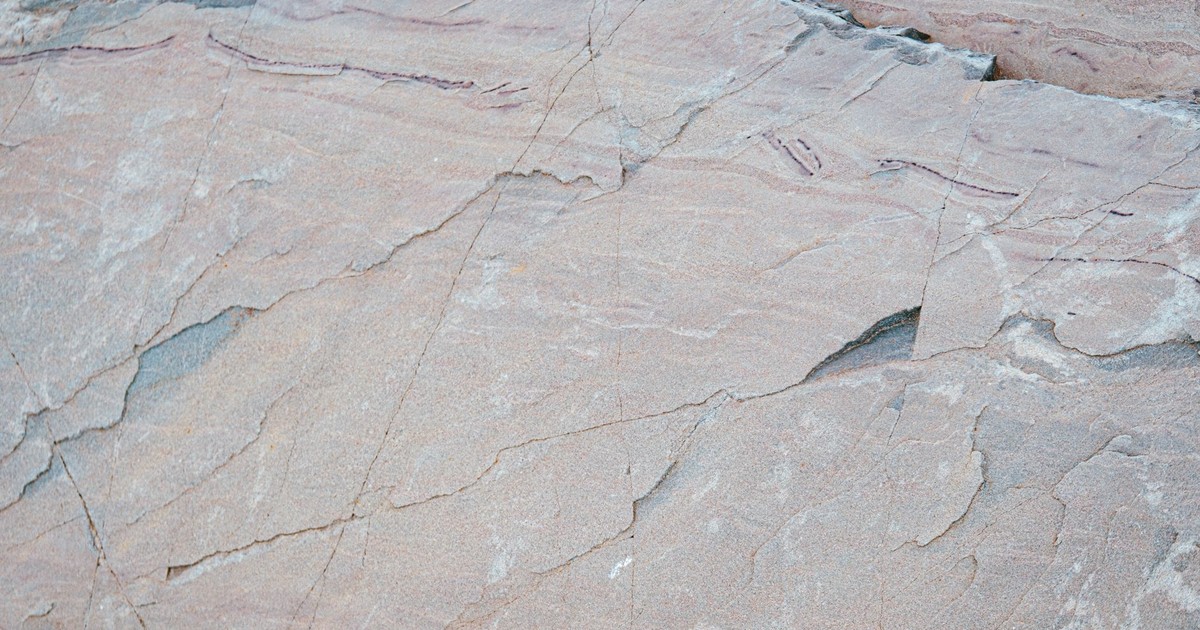
Quartzite is not quartz. Knowing the difference matters more than it sounds, because a lot of showroom labeling does not make it obvious. Quartz (the countertop) is an engineered material, manufactured from quartz crystals bound with resin. Natural quartzite is a metamorphic rock, formed when sandstone is subjected to intense heat and pressure deep in the earth. The two materials look similar in name. They behave very differently.
Natural quartzite is seeing a significant jump in popularity in 2026. It offers the organic beauty of marble but with the durability and heat resistance required for a genuinely high-functioning kitchen. Unlike marble, which etches and stains with a dedication that feels almost personal, quartzite is dense enough to handle hot pans, acidic spills, and daily cooking without the drama. It reads as natural stone (no two slabs are alike), which is precisely what appeals to people who have grown tired of engineered materials that look nearly identical from kitchen to kitchen.
Blue-veined quartzite varieties are replacing safe neutrals as bold focal points that command attention the moment you walk in. After a decade of white and gray quartz counters that were essentially interchangeable, homeowners who are renovating in 2026 want a surface that looks like it came from somewhere, not something that came off an assembly line. Quartzite delivers that. It does require sealing, which puts it in the same maintenance bracket as granite, but the payoff in terms of visual depth is considerable.
Porcelain Slabs: The Practical Contender Nobody Saw Coming
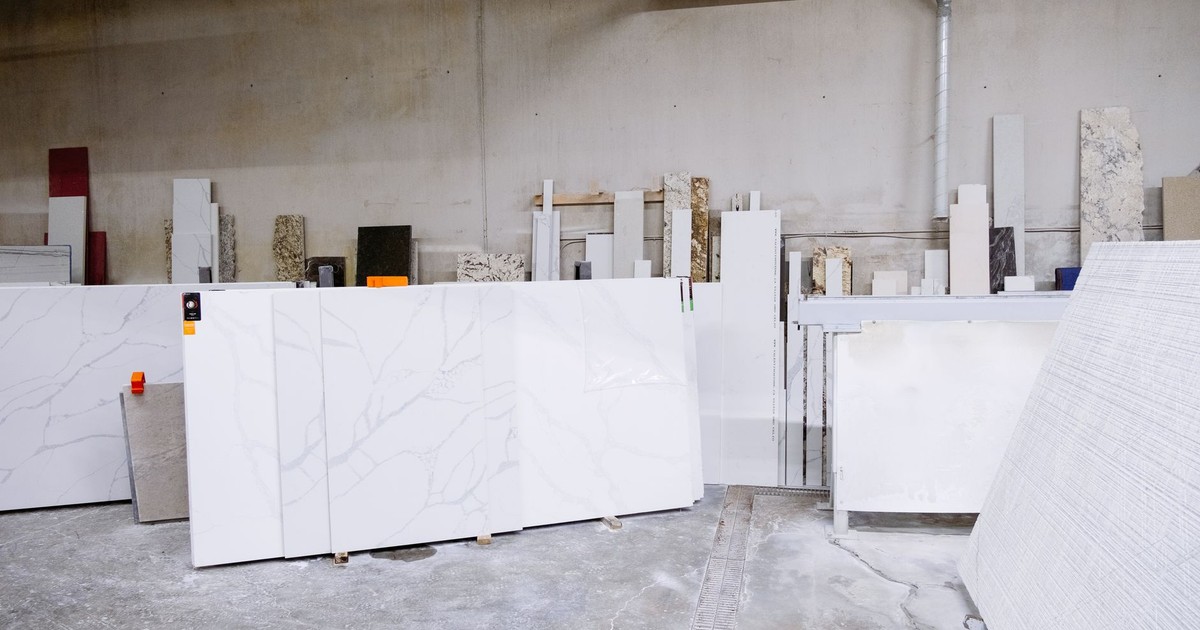
Porcelain is having a moment that nobody predicted five years ago, and the reasons are almost entirely functional. Porcelain is growing in popularity for its heat resistance and sleek modern appeal. The focus is on surfaces that look beautiful without requiring constant upkeep.
Porcelain slabs are large, durable, moisture-resistant tiles made from fine clay fired at high heat. They often mimic real stones like marble or granite and are highly resistant to wear and tear. They are also lighter than natural stone, which makes them suitable for a broader range of applications, including exterior wall cladding and kitchen countertops.
The performance profile is genuinely impressive: porcelain is nonporous, UV-stable, scratch-resistant, and does not need sealing. For outdoor kitchen installations in particular, porcelain and sintered stone rank among the top choices, while quartz is specifically not recommended for outdoor use due to UV sensitivity. If you have been eyeing an outdoor kitchen, knowing that before you walk into a showroom will save you from a very expensive mistake.
Silica regulations are tightening across multiple states, increasing fabrication costs for quartz and requiring shops to invest in dust control, wet cutting, and protective equipment. Porcelain slabs offer comparable aesthetics with fewer health concerns during fabrication, which means the industry’s pivot toward porcelain is not purely about consumer preference. It is also about what fabricators can practically produce going forward, and that shift is showing up at the fabrication level, not just among consumers.
Sintered Stone: The Material Designers Keep Mentioning
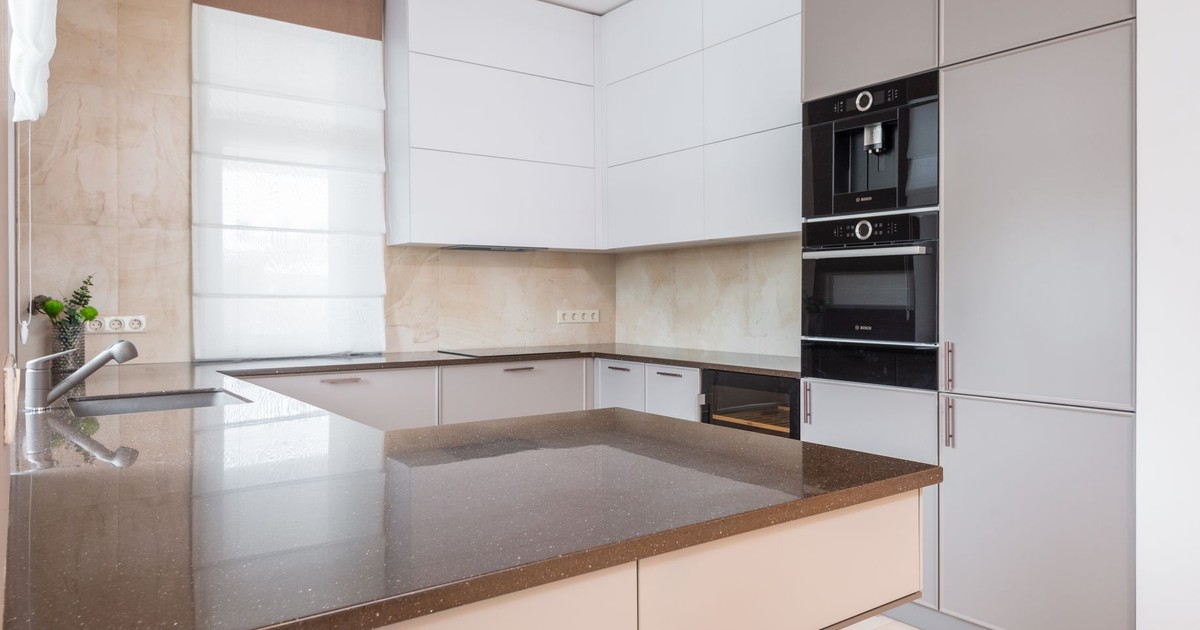
Sintered stone sounds like something from an architecture school thesis. In practice, it is a category of ultra-compact surface material made by subjecting a mix of minerals and pigments to extreme heat and pressure, essentially a supercharged version of the process that forms natural stone, compressed into a controlled manufacturing environment. The best-known brands are Dekton and Lapitec, though the field has expanded significantly.
The growing popularity of sintered stone marks a turning point for the U.S. surface materials industry. Once considered niche, these engineered, high-density slabs are now defining performance benchmarks for premium interiors. Resistant to UV, stains, scratches, and moisture, sintered stone combines durability with aesthetics.
According to Arizton’s U.S. countertop market report, the market was valued at USD 28.65 billion in 2024 and is projected to reach USD 32.44 billion by 2030, with growth fueled specifically by interest in sintered stone, high-performance porcelain, and the demand for smart countertops.
The practical appeal: sintered stone can go directly from the freezer to the countertop with a hot pan on top of it without complaint. It comes in large-format slabs (some exceeding 120 inches) which allows for dramatic, seamless installations with virtually no grout lines. Digital printing and sintered stone technologies have enabled producers to replicate any design pattern with high precision, enhancing the attractiveness of these surfaces among interior designers and architects. You can get the look of Calacatta marble, aged concrete, slate, or raw iron, and none of those finishes will require you to blot red wine off them at midnight.
The tradeoff is cost. Sintered stone installations typically run higher than quartz for the slab itself, and fabrication requires specialized tooling. It is not an IKEA-budget material. But for homeowners doing a full kitchen renovation who want a surface that will outlast several design cycles, it is the option that keeps coming up.
What the Color and Finish Shift Tells You
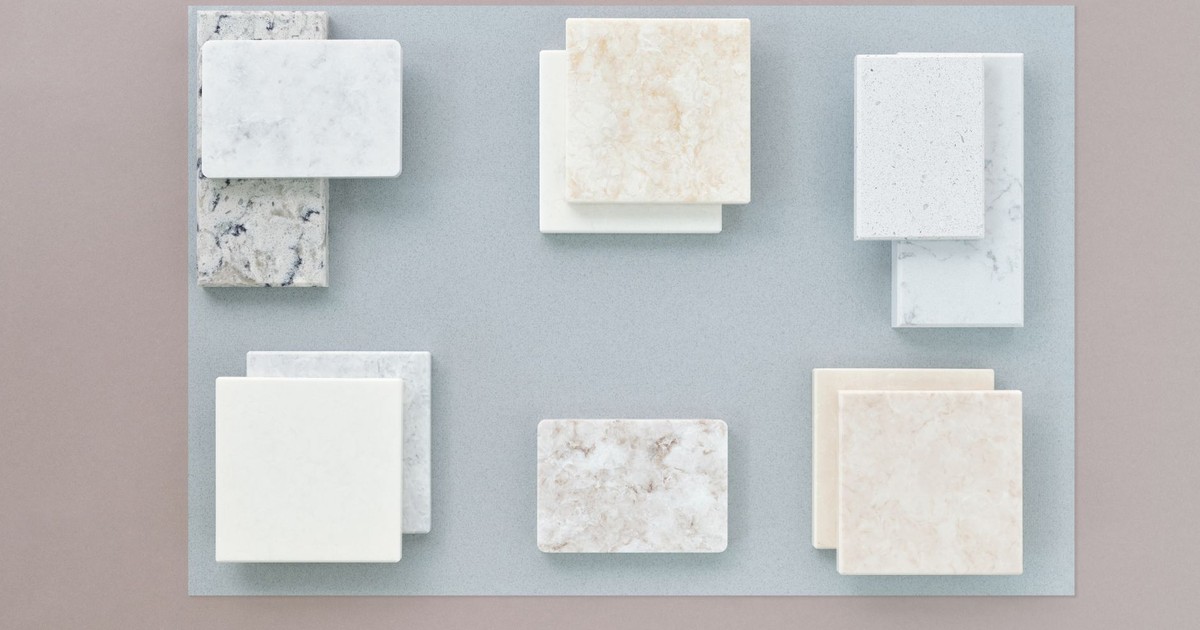
Materials are only half the story. The other half is what people are asking those materials to look like, and the direction of travel in 2026 is unmistakable. Color trends in countertops are shifting. Cool grays and stark whites are giving way to warmer neutrals such as soft beiges, creamy ivories, taupe, and greige tones. These colors pair well with natural wood cabinetry, textured backsplashes, and warmer metal finishes.
Another defining trend is the growing importance of texture. Polished finishes still have a place, but homeowners are increasingly drawn to honed, leathered, and soft-touch surfaces. These finishes add depth and character while reducing glare and fingerprints. Textured countertops also contribute to a more relaxed, lived-in feel, which aligns with the desire for kitchens that feel comfortable rather than showroom-perfect.
This matters because it affects which materials make sense. A honed or leathered finish is easier to achieve and maintain on quartzite or sintered stone than on standard engineered quartz, which tends to look most at home in its polished, high-consistency form. The design trend and the material trend are pulling in the same direction.
One of the more interesting patterns emerging in 2026 is the use of mixed materials throughout the kitchen. Rather than using the same surface everywhere, homeowners are combining materials to create depth and contrast. A quartzite island paired with matte porcelain perimeter countertops, for instance, or a leathered granite section alongside a sintered stone prep area.
Before You Commit to Anything
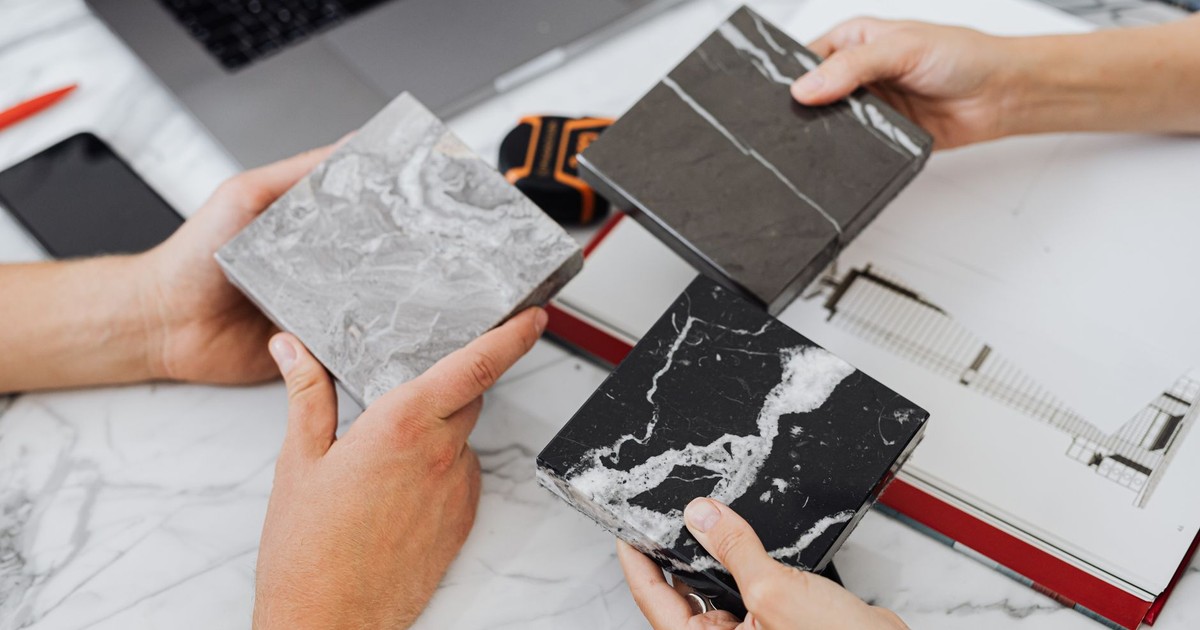
The renovation moment that ends in regret is almost always the one where someone chose a surface because it photographed beautifully on Pinterest and then discovered that it required the kind of daily vigilance they did not have in them. Marble is the cautionary tale everyone knows. But it can happen with quartzite, too, if you buy a variety that has been mislabeled as harder than it is, and it does happen, because naming conventions in the stone industry are inconsistently regulated.
Before committing to any alternative countertop material, ask your fabricator for the specific material’s absorption rating and Mohs hardness score. Quartzite varies considerably: some varieties are nearly as hard and dense as granite, while others are closer to marble in porosity. Get the actual slab tested if you are unsure, not just the label. For porcelain and sintered stone, ask about the thickness options (12mm slabs work for most countertop applications, but thicker profiles (20mm) are better for heavy-use areas and waterfall edges).
The top countertop trend for 2026, if you strip away all the aesthetic noise, is rooted in longevity. Instead of bold patterns that may feel dated in a few years, homeowners are choosing timeless materials that adapt as styles change. Durability, low maintenance, and versatility are driving design decisions. That is the actual through-line connecting quartzite, porcelain, and sintered stone: they are all asking to be kept.
Read More: 9 Things We Used To Do in The Kitchen That Just Don’t Happen Anymore
What This Is Actually About
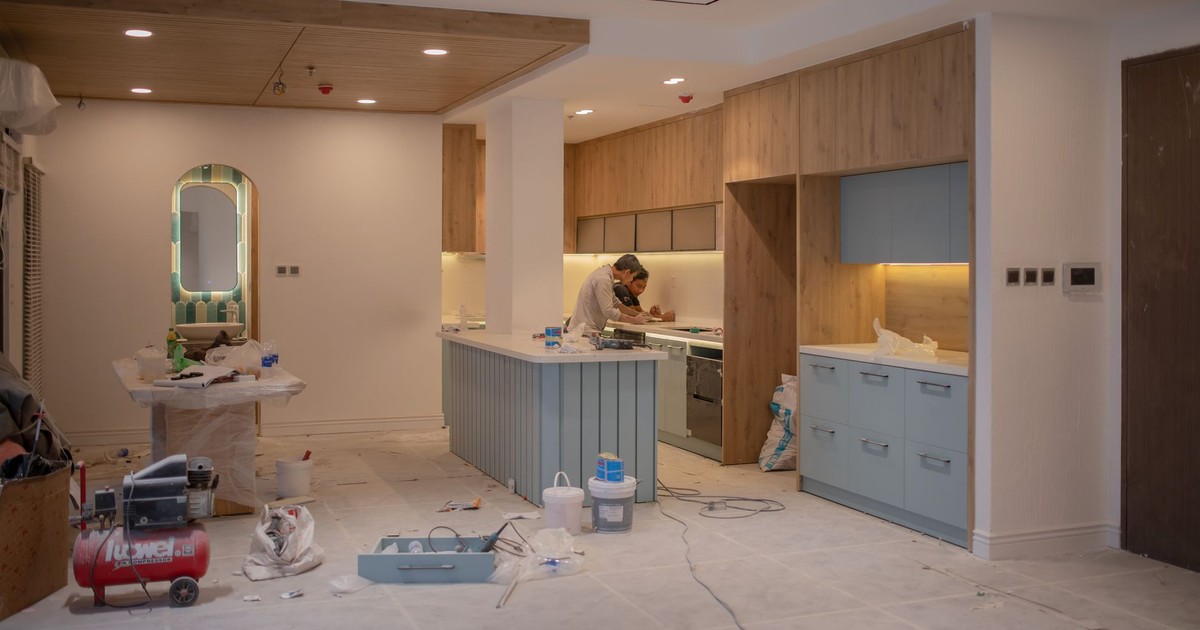
The countertop you choose is rarely just a countertop. It is a decision about what kind of life you want your kitchen to support, and how much of your time you are willing to spend maintaining the surface you cook on. The granite-to-quartz shift happened partly for practical reasons and partly because quartz looked better in a newly renovated kitchen photographed in natural light. The current shift is happening for similar reasons, but with an added layer: a genuine reckoning with what engineered stone costs, not just in dollars, but in the health of the people who fabricate it.
You do not have to factor any of that into a countertop decision. But the industry is factoring it in, which is why alternative countertop materials like porcelain and sintered stone are gaining shelf space at a pace that has surprised even the people selling them. Some of that momentum is aesthetic. Some of it is regulatory. Most of it is the oldest driver in home design: people figured out that the previous answer was not quite right, and they started looking for a better one.
Disclaimer: This information is not intended to be a substitute for professional medical advice, diagnosis, or treatment and is for information only. Always seek the advice of your physician or another qualified health provider with any questions about your medical condition and/or current medication. Do not disregard professional medical advice or delay seeking advice or treatment because of something you have read here.
AI Disclaimer: This article was created with the assistance of AI tools and reviewed by a human editor.