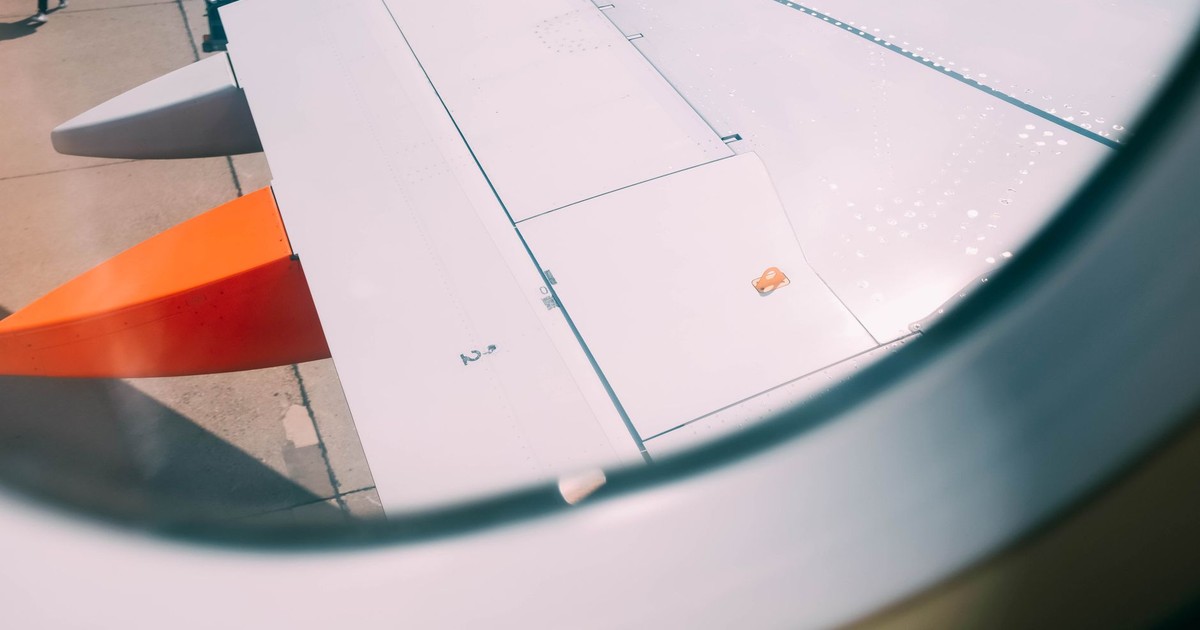

A flight attendant walks down the aisle during boarding and, pleasantly but firmly, asks you to raise the window shade. You do it. The plane taxis, lifts off, reaches cruising altitude, and then you slide the shade back down with zero explanation from either party. Nobody told you why it mattered. The flight attendant didn’t have time, and you didn’t ask. That small, wordless exchange happens thousands of times a day on flights around the world, and the reason behind it is more serious than almost any passenger who has lived through it would guess.
Airlines that ask for open shades during airplane window shades takeoff and landing procedures are following a recognized safety best practice. The FAA has never required any of them to. Some carriers don’t bother asking at all. That policy gap has survived largely because plane crashes are rare enough to make any individual safety measure feel optional.
It is not optional. It is just unenforced.
The Two Most Dangerous Minutes of Any Flight
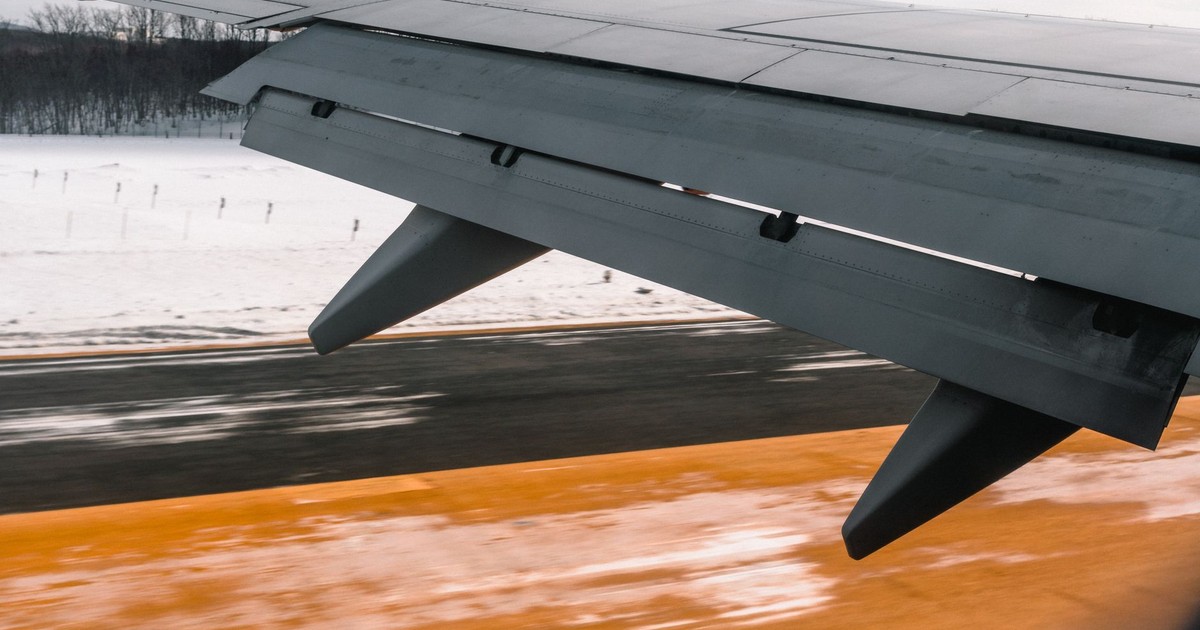
According to data collected by the International Air Transport Association (IATA), out of 1,498 accidents recorded between 2005 and 2024, 788 occurred during landing and 128 during takeoff. That’s roughly 61 percent of all accidents combined. Takeoff and landing are when aircraft are closest to the ground, when pilots have the least time and space to correct a problem, and when the variables are at their most concentrated.
Boeing’s 2024 Statistical Summary noted that while cruising at altitude makes up the majority of time in the air, that phase accounts for only 10 percent of all fatal accidents. Landing, by contrast, represents a disproportionately small share of total flight time but accounts for a significantly larger share of fatal accidents.
An open window shade costs nothing. A closed one, at the moment a crew needs to know whether an engine is on fire or whether the left side of the plane is surrounded by water, costs seconds.
What Open Shades Actually Do
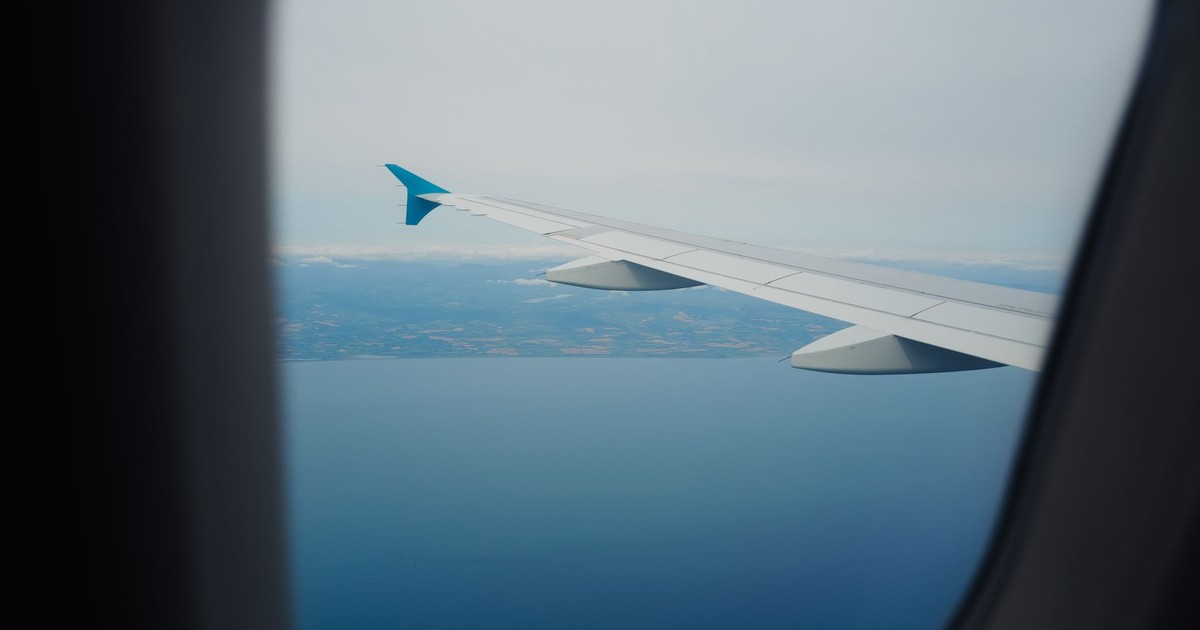
Cabin crew need to assess external conditions before opening any emergency exit: the condition of an engine, the presence of fire, weather conditions, debris, or water levels. Passengers have, on real occasions, spotted smoke, fuel leaks, or visible damage outside the aircraft and immediately alerted the crew, allowing action to be taken faster than if the crew had to work their way down the aisle first. The cabin crew cannot be everywhere at once. Passengers at the windows are additional observers during the minutes when additional observation matters most.
There is a second reason that gets less attention: eye adaptation. If you have been sitting in a darkened cabin for an extended period and you suddenly need to evacuate onto a bright tarmac, or step into darkness, your eyes require time to adjust. According to a pilot interviewed by Travel + Leisure, having natural light available helps eyes adjust more quickly, which enables faster evacuation and a clearer path away from the aircraft. For first responders arriving at the scene of an incident, open shades allow emergency services to visually assess whether there is smoke or fire in the cabin before they enter, and they help identify which side of the aircraft is safer to approach.
A Best Practice With No Teeth
There is no FAA regulation requiring airplane window shades to be open during takeoff and landing, though flight attendants may ask passengers, especially those in exit rows, to keep them up during critical phases. The IATA, which represents more than 370 airlines globally and helps direct industry policy, recommends keeping window shades open for takeoff and landing as a best practice. This aligns with guidance from the International Civil Aviation Organization, a specialized United Nations agency responsible for international air navigation and aviation safety.
Two of the most significant international aviation bodies in the world consider this a recommended best practice, and the FAA has opted to leave it entirely to individual airlines to decide whether to enforce it. In practice, most international airlines, British Airways among them, ask passengers to open shades during takeoff and landing. As Simple Flying reports, keeping window shades open during these phases is not mandated by law, and the FAA allows it to be up to the discretion of individual airlines to enforce the practice. U.S. airlines largely do not make that demand.
In February 2020, United Airlines became the first major U.S. carrier to formally request that passengers open their shades for taxi, takeoff, and landing. The airline rescinded the policy in March 2022, approximately two years later, to align with other carriers. Even during that period, it was a request, not a requirement. The airline’s internal reasoning, shared with flight attendants at the time, cited confusion among passengers and the fact that no other major U.S. carrier was doing the same thing.
Treating an internationally recognized safety best practice as a momentary experiment and then abandoning it because other airlines weren’t doing it is not a principled position. It is peer pressure dressed up as policy alignment.
The Strongest Counterargument
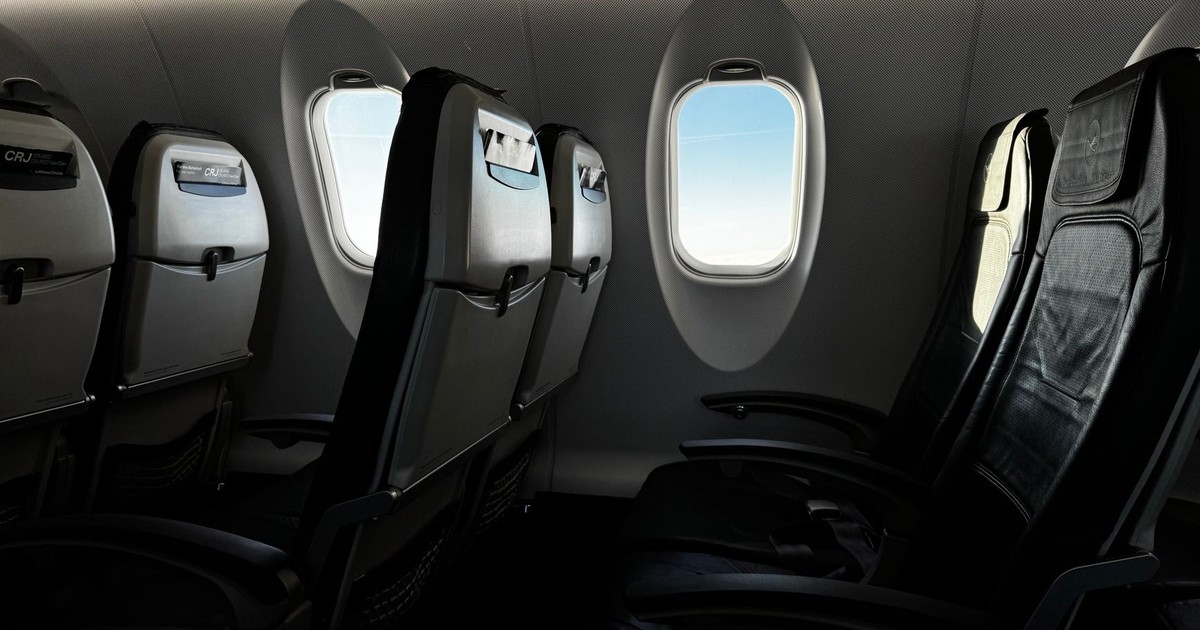
The argument against mandatory shade compliance goes like this: airplane accidents are extraordinarily rare, the safety record of commercial aviation has improved dramatically over decades, and adding compliance requirements to every flight creates an adversarial dynamic between passengers and crew that is itself counterproductive. Piling on rules that passengers don’t understand and can’t verify makes them less likely to follow the rules that unambiguously matter: seatbelts, electronic devices, evacuation instructions.
Aviation professionals have noted that in many U.S. airlines, the instruction to keep window shades open during airplane window shades takeoff procedures feels more like a suggestion than a strict safety requirement, and the ambiguity of that framing does real damage to its credibility with passengers. If even the people asking you to do it communicate that it might not matter, why would you take it seriously?
That critique lands squarely on the communication, not the underlying policy. The fact that a safety measure has been badly communicated does not mean it lacks merit. It means the communication needs to improve, not that the measure should remain optional and inconsistent across carriers.
Read More: 7 Airlines That You Should Avoid, According to Seasoned Flyers
Why This Rule Stays Soft
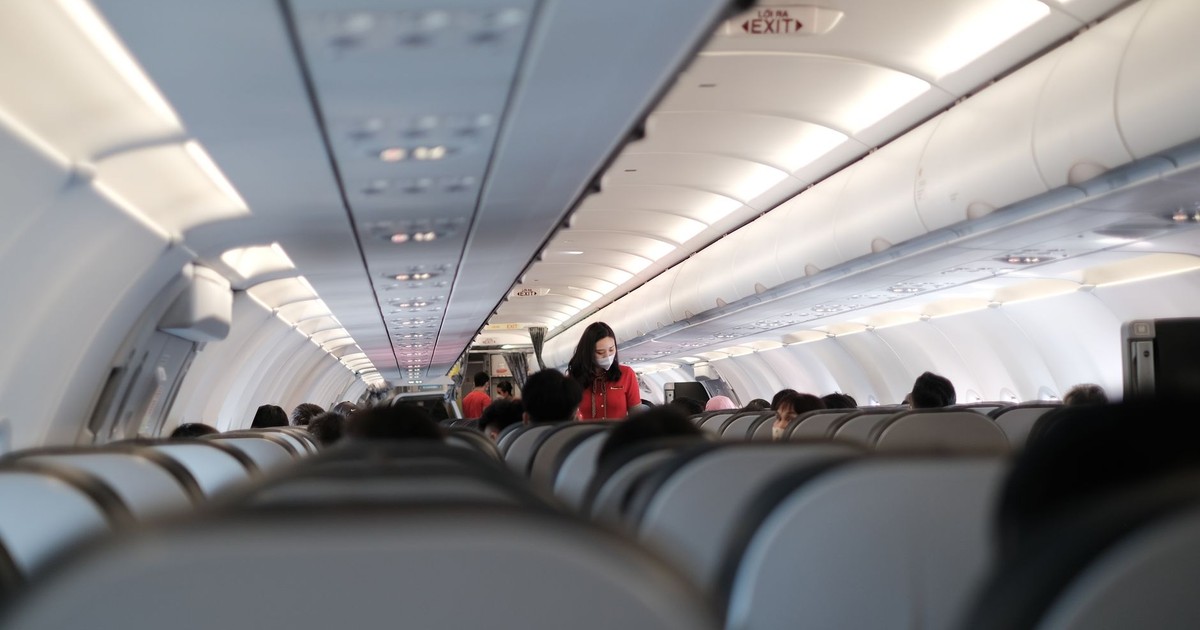
The odds remain extremely low that something will go wrong between wheels-up and wheels-down on any given flight. That statistical reality is, genuinely, part of why this rule has been allowed to stay soft and discretionary for so long. Rare emergencies make individual precautions feel theoretical. And when a precaution is theoretical, the instinct of a large, profit-driven industry is to leave it in the recommended column rather than the required one.
But the logic of safety protocols is not that each individual rule saves a life on each individual flight. Consistent, enforceable, well-communicated practices build the margin that makes a difference when the rare situation arrives. The window shade during takeoff and landing is not theater. It is not a flight attendant being difficult. It is one of the few moments in that entire journey where the person sitting at a window has a genuine, practical role in collective safety, not because they are a trained professional, but because they are there, they can see out, and the person responsible for the evacuation cannot be at every exit simultaneously.
The FAA should standardize this. Airlines should enforce it without apology. And passengers should comply without needing a full explanation every time, because the explanation is simple: the plane is closest to the ground, the most dangerous part of the flight is happening right now, and the least you can do is open the shade.
Disclaimer: This information is not intended to be a substitute for professional medical advice, diagnosis, or treatment and is for information only. Always seek the advice of your physician or another qualified health provider with any questions about your medical condition and/or current medication. Do not disregard professional medical advice or delay seeking advice or treatment because of something you have read here.
AI Disclaimer: This article was created with the assistance of AI tools and reviewed by a human editor.