
Most women spend years doing the right things – moisturizing religiously, drinking their water, wearing SPF on the days they remember. And yet somewhere between good intentions and the bathroom mirror, a handful of deeply ingrained habits quietly do the opposite of what they’re meant to do. Not because anyone is lazy or careless. Because the information keeps changing, because habits formed at 25 don’t always serve skin at 45 or 55, and because no one sits you down and tells you that the cleanser you’ve trusted for a decade might be part of the problem.
The conversation around aging mistakes women make tends to get flattened into either scare-tactic lists or aspirational wellness content, neither of which is particularly useful when you’re actually standing in front of the mirror trying to figure out what’s changed and why. What’s more helpful is specifics: exactly which habits accelerate visible aging, why they do it, and what the difference looks like in practice.
This list pulls from current dermatological research and expert guidance to cover the 16 most common aging mistakes mature women make, from the predictable ones you’ve probably heard about to the ones that don’t get nearly enough airtime.
1. Skipping Sunscreen on Cloudy or Overcast Days

The assumption that UV rays are a sunny-day problem is one of the most persistent and costly errors in skincare. Clouds filter light, not ultraviolet radiation. A 2025 review in Cureus found that UV exposure is one of the biggest drivers of skin aging, leading to wrinkles, loss of elasticity, uneven pigmentation, and deeper structural changes in the skin. The cumulative effect is the point: it’s not the one beach day that does the damage, it’s the fifteen years of skipping sunscreen on February mornings because it looked gray outside.
Sun exposure accounts for up to 80 percent of visible facial aging, with UV rays breaking down collagen and elastin, the proteins that keep skin firm and smooth. Broad-spectrum SPF 30 or higher, applied every morning regardless of the forecast, is the single most evidence-backed step in any anti-aging routine. Everything else is maintenance.
2. Treating Your Neck Like It Doesn’t Exist

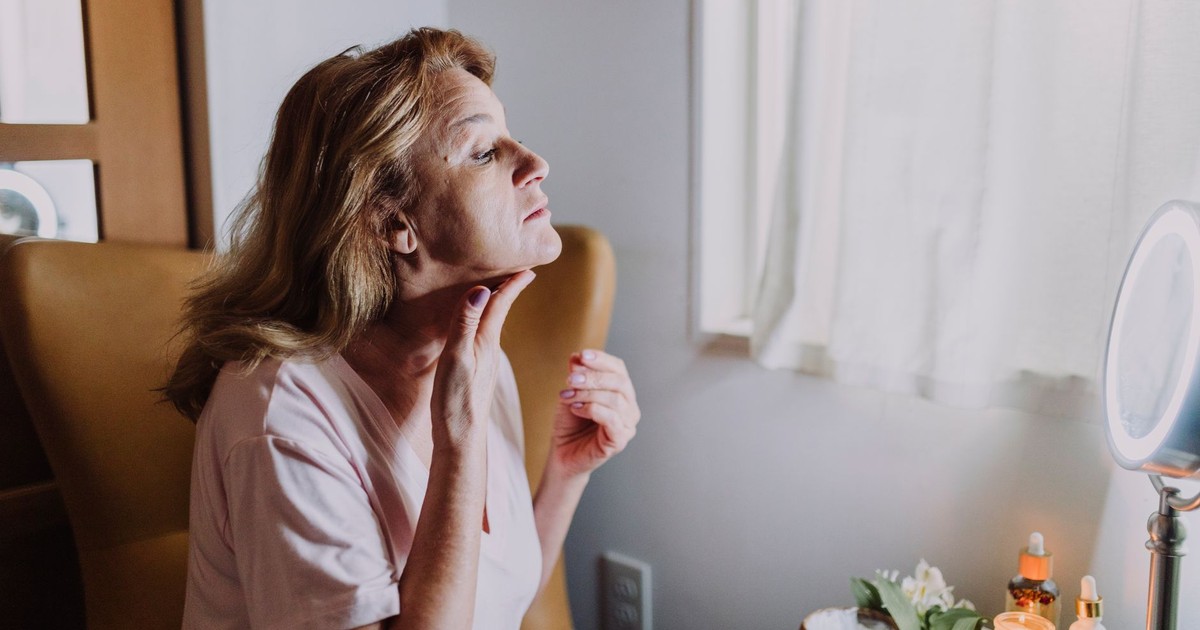
Plenty of women have elaborate routines for their faces and then stop at the jawline, as if the neck is a different person entirely. The neck skin is thinner, more delicate, and has fewer natural oil glands and stem cells than facial skin, which means it shows age faster and bounces back from damage more slowly. It’s one of the most reliable giveaways of chronological age, and it gets almost no attention until people start noticing it.
Dermatologists are seeing more complaints of horizontal wrinkles across the neck, often called “tech neck,” which can happen from looking down at a phone for hours on end. Since neck skin is thinner and more sensitive than facial skin, it’s often one of the first areas where signs of aging appear. Every product you apply to your face – moisturizer, SPF, retinol, vitamin C serum – should travel down to the neck and décolleté as a matter of course.
3. Sleeping on Your Side or Stomach

Your sleep position contributes to facial aging every night. The Aesthetic Society reports that sleep wrinkles form in response to distortion created when the face is pressed against a sleep surface, and tend to worsen over time due to repetition combined with thinning skin and decreased elasticity. Side sleeping creates sustained pressure, pressing one side of the face into the pillow for hours at a stretch, night after night, in exactly the same crease lines.
During sleep, your body does its most active skin repair: cortisol levels drop, blood flow to the skin increases, and collagen production goes up, all of which help the skin recover from the day, including repairing DNA damage from free radical exposure. Sleeping on your back lets that repair work happen without simultaneously pressing wrinkles into your skin. Silk or satin pillowcases reduce friction for those who can’t make the switch entirely.
4. Over-Exfoliating

Exfoliation became a virtue in skincare culture, and for mature skin, that framing is actively harmful. Over-exfoliating leads to dry, irritated, and dull-appearing skin, and the fix is simply to back off or do it less frequently. The logic feels backwards: scrubbing more vigorously should produce cleaner, fresher results, but past a certain frequency it strips the skin’s protective barrier faster than it can rebuild.
For women over 50, this mistake is especially common because mature skin already turns over more slowly and holds less moisture. The answer isn’t a harsh scrub three times a week; it’s a gentle chemical exfoliant, used once or twice a week at most, with consistent moisturizing afterward. The goal is a functioning skin barrier, not a squeaky-clean one.
5. Using the Same Products for Years Without Reassessing

Menopause has real, documented effects on skin: collagen loss accelerates, translating into thinning skin, slower wound healing, a crepey texture, and increased sensitivity to products that never caused problems before. The moisturizer that worked perfectly at 38 may not be addressing what skin actually needs at 52. Skin’s needs change with hormones, seasons, stress levels, and age, and the product drawer often doesn’t.
The routine worth keeping isn’t the one you built in your thirties. It’s one that gets reassessed every couple of years with an honest look at what’s actually changed. More barrier support, more targeted hydration, a reassessment of which actives are still serving you and which ones your skin has started reacting to: this is not vanity, it’s maintenance.
6. Ignoring the Hands
The face gets all the products, all the attention, all the sunscreen. The hands spend every day in dishwater, driving gloves-free in direct sunlight, and handling cleaning chemicals, and almost no one applies a targeted moisturizer or SPF to them with the same consistency they do their face. The result is hands that tell a completely different story than the face they belong to.
Age spots, thinning skin, and prominent veins on the hands are almost entirely driven by sun exposure and dehydration, both of which are preventable. Applying SPF to the backs of the hands every morning and using a rich moisturizer at night costs nothing extra in terms of time; it just requires extending the existing routine past the wrists.
7. Sleeping in Makeup

Sleeping in makeup leads to dull skin, acne, infections, and premature aging, and failing to remove it can exacerbate many of the skin issues that age causes in the first place. Every hour of sleep with foundation, mascara, and concealer on is time the skin spends trying to repair itself while also dealing with the chemical load of product, environmental debris, and trapped oxidative stress from the day.
The fix doesn’t have to be elaborate. A gentle micellar water or cleansing balm followed by a moisturizer takes less than three minutes. The evenings when you are too tired to do a full routine are exactly the evenings when a simplified version matters most, because exhausted skin and chemical buildup are not a combination that recovers easily.
8. Drinking Alcohol Regularly Without Thinking of It as a Skincare Issue

Alcohol doesn’t appear on the skincare shelves, so it rarely makes it onto the mental list of things affecting skin. But its effects are consistent and cumulative. Alcohol weakens the skin barrier and dehydrates the skin, the two things mature skin is already working hardest to maintain. It disrupts sleep quality, raises cortisol, and depletes the B vitamins and antioxidants that support cellular repair.
This isn’t a case for abstinence; it’s a case for connecting the dots between a regular glass of wine in the evening and the dullness and puffiness that appear the next morning in the mirror. For many women, cutting back or eliminating regular alcohol is one of the highest-impact changes they can make to how their skin looks and recovers.
9. Eating a Diet High in Sugar and Refined Carbohydrates

A 2025 review published in Food Science & Nutrition found that foods high in trans-fatty acids and refined sugars are tied to accelerated skin aging, linked to the production of advanced glycation end products. The process at work is glycation: sugar molecules binding to collagen and elastin fibers and making them stiff and brittle, which accelerates the appearance of lines, sagging, and dullness. It’s a slow process, which is part of why it’s easy to discount, but it compounds over years.
Fruits and vegetables supply skin-protective antioxidants that help slow visible aging. The dietary pattern that supports skin long-term isn’t complicated: less processed sugar, more whole foods with actual color and fiber. The skin reflects it eventually, even if the timeline is less immediate than a serum.
10. Skipping Retinol (or Giving Up on It Too Fast)

Retinol, a derivative of vitamin A that speeds up cell turnover and supports collagen production, has more peer-reviewed evidence behind it than almost any other topical skincare ingredient. Many women try it once, experience the initial dryness or mild irritation that comes with the adjustment period, and conclude it doesn’t work for them. What actually happened is they stopped before the adjustment was complete.
The adjustment phase typically lasts four to six weeks. Starting with a low concentration two or three nights per week, applied over moisturizer to buffer irritation, is the approach most dermatologists recommend for mature skin. Results on texture and fine lines usually take three months of consistent use to become visible. A retinol used occasionally is doing very little for anyone. Targeted active ingredients, used with real consistency, produce results that sporadic application never will.
11. Using Too Much Foundation
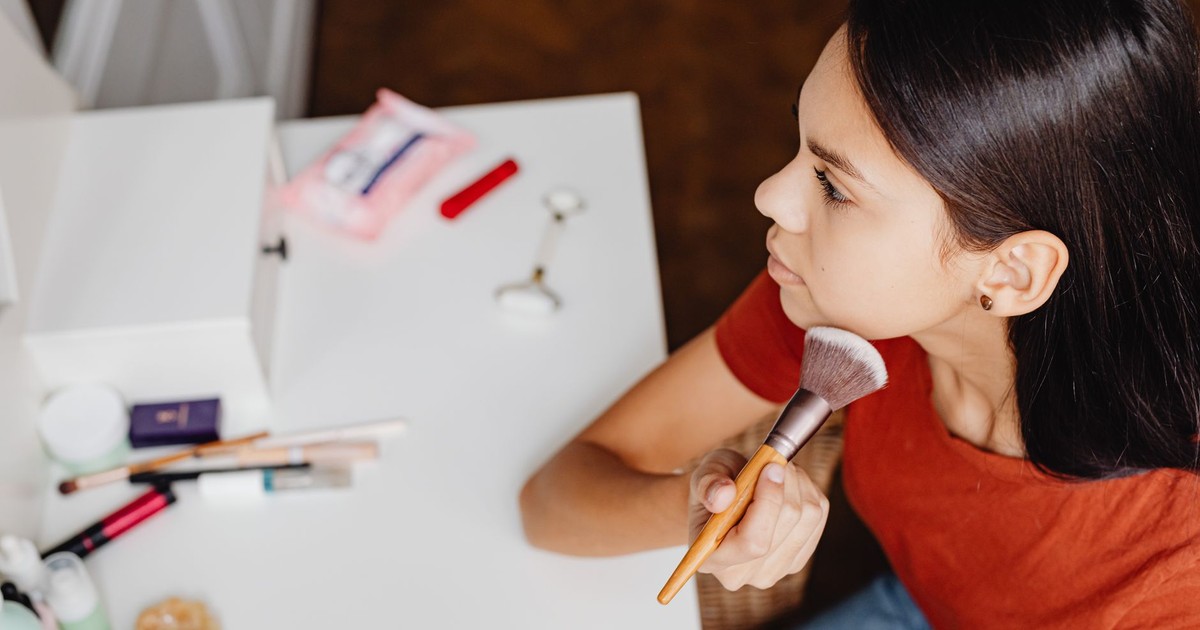
Foundation designed to cover and even out skin tone can, past a certain amount, settle into lines and pores and read as older, not younger. Beauty experts point out that common makeup mistakes can unintentionally age the face, including wearing the wrong foundation shade, which can make skin appear ashy. Color mismatch aside, heavy coverage on mature skin also emphasizes texture rather than smoothing it.
The shift that dermatologists and makeup artists keep recommending for women over 50 is less total coverage applied with more precision: a lightweight tinted moisturizer with SPF across the full face, concealer targeted to specific areas, and a focus on skin prep rather than coverage. Skin that is well-moisturized and primed holds makeup differently than skin that is dry or barrier-compromised.
12. Neglecting the Eye Area
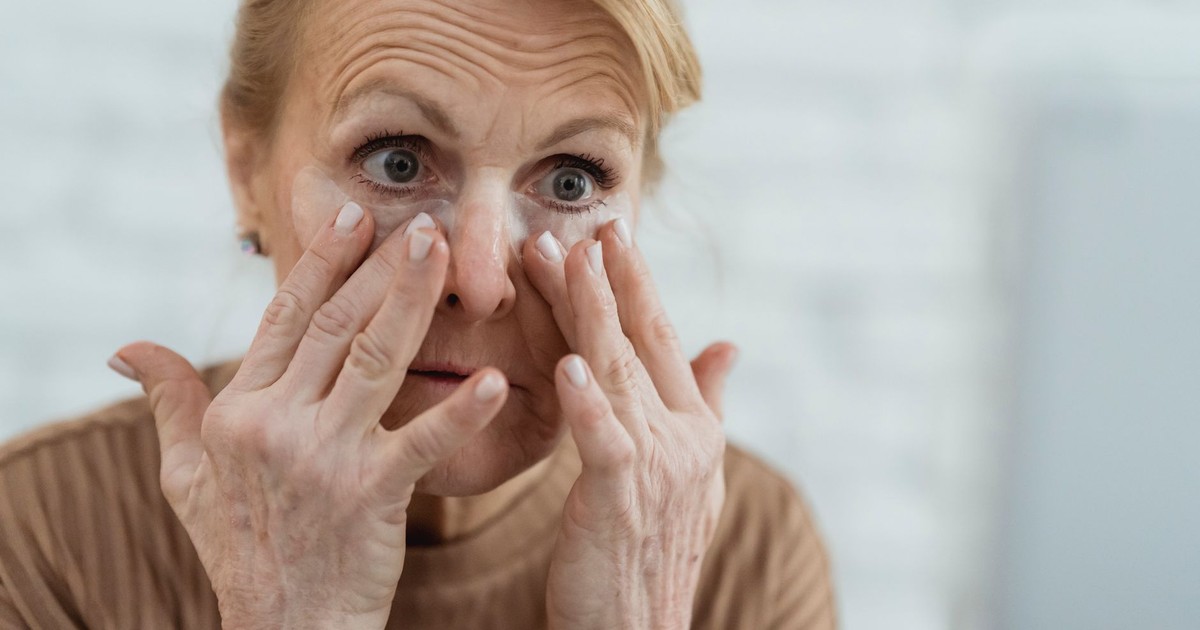
The skin around the eyes is the thinnest on the face, roughly 0.5mm compared to about 2mm elsewhere, and it gets an enormous amount of physical movement every single day: blinking, squinting, expressions, rubbing. It also gets almost no sebaceous (oil-producing) gland support, which means it has no natural defense against moisture loss.
Many women use their regular face moisturizer around the eyes when a dedicated eye cream would provide a more concentrated barrier. Products formulated specifically for the eye area tend to contain peptides, ceramides, and caffeine in concentrations suited to the thinner, more reactive skin in that zone. Applying them with a gentle ring-finger pat rather than a drag also matters: pulling that skin repeatedly in any direction accelerates loss of elasticity.
13. Chronic Stress Without Any Physical Outlet

The relationship between stress and accelerated skin aging is well-documented. Chronic elevated cortisol degrades collagen, disrupts the skin barrier, triggers inflammation, and slows the cellular repair that normally happens during sleep. It also tends to register on the face before people consciously recognize how stressed they are: in dullness, in new reactivity to products, in lines deepening faster than they used to.
The most effective interventions are not skincare products. Physical exercise is the most consistent cortisol regulator across the research literature, followed by sleep, and followed by whatever actually works for the individual to reduce sustained psychological load. Three therapy sessions unpacking the way a relationship is affecting your sleep quality will do more for your skin than the most expensive serum on the market.
14. Drinking Insufficient Water

Dehydration is one of the most immediate and visible contributors to how skin looks on any given day: fine lines are more prominent, skin looks duller, under-eye areas are more shadowed. The effect is both direct and indirect: skin cells need water to function properly, and when the body is even mildly under-hydrated, it prioritizes essential organs over cosmetic ones.
This doesn’t mean drinking eight glasses a day will reverse structural aging, but it does mean the skin you have will perform better, hold products better, and look more alive when it’s adequately hydrated. The simple test is pinching the skin on the back of your hand: if it snaps back immediately you’re likely fine; if it takes a moment, drink more water before you reach for another serum.
15. Ignoring Posture

Posture affects how old you look in a way that no topical product addresses. Rounded shoulders, a forward head position, and a compressed chest project physical age regardless of what the face looks like. Tech neck contributes to neck pain, stiffness, and slouching, all of which can make you look and feel older. The compounding effect of hours spent hunched over a laptop or phone doesn’t stay in the neck: it creates a visual impression of age, heaviness, and fatigue that no amount of skincare corrects.
Targeted exercises for the posterior chain (the muscles along the back of the body) and consistent attention to screen height and sitting position make a difference that is both immediate and cumulative. Standing tall doesn’t just look more youthful; it changes how clothes fit, how movement reads, and how you carry yourself in a room. The body is part of this equation too.
16. Comparing Skin Aging to a Single Reference Point

One of the more insidious aging mistakes women make has nothing to do with products or habits: it’s the expectation that skin should look the way it looked at a fixed, arbitrary point in the past, and measuring every change against that standard. Research on skin aging characteristics found that perceived age has a moderate correlation with chronological age, with changes including wrinkle aggravation, enlarged pores, and increased pigmentation beginning to accumulate through the 30s and 40s, not as failures, but as a documented biological progression.
Skin that is cared for, hydrated, sun-protected, and supported by reasonable lifestyle habits at 55 will look different from 35. That difference is not a problem to be solved. The framing of every visible change as something to fight, reverse, or apologize for is itself a form of harm: it keeps women in a permanent state of deficit relative to a decade they already lived. The goal worth having is healthy, well-maintained skin at whatever age you actually are. That’s a real target. The other one moves every year.
The Real Takeaway
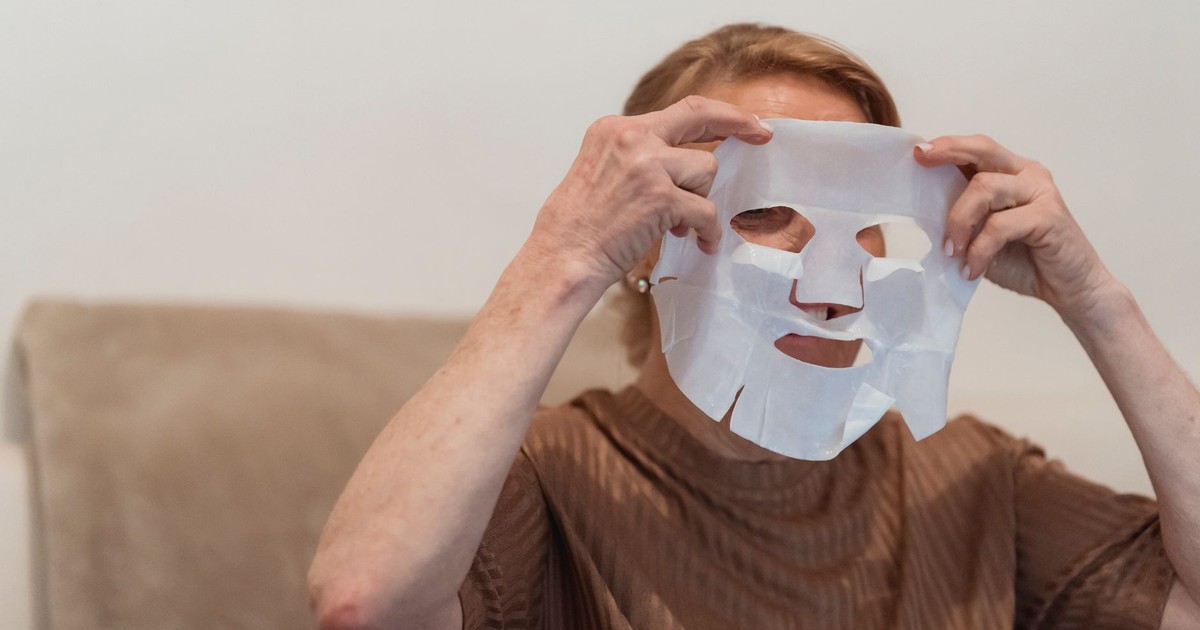
The aging mistakes women most commonly make aren’t a sign of neglect; they’re the result of outdated information, overcomplicated routines, and a cultural obsession with reversal rather than maintenance. Sun protection, barrier health, sleep, diet, and hydration do more collective work than any stack of expensive serums. The habits that matter are rarely the exciting ones, which is probably why they keep getting overlooked in favor of the next ingredient someone is promising will change everything.
What’s worth keeping from this list isn’t a new 16-step routine. It’s two or three things you’ve actually been skipping or doing wrong, corrected consistently. A sunscreen you put on every single morning. A retinol you don’t abandon after two weeks. A neck and hands that get the same treatment as your face. The archive of good skincare decisions is the only one that actually accrues interest. The decisions you make now are the results you’ll see in ten years, and that goes in both directions.
Disclaimer: This information is not intended to be a substitute for professional medical advice, diagnosis, or treatment and is for information only. Always seek the advice of your physician or another qualified health provider with any questions about your medical condition and/or current medication. Do not disregard professional medical advice or delay seeking advice or treatment because of something you have read here.
AI Disclaimer: This article was created with the assistance of AI tools and reviewed by a human editor.