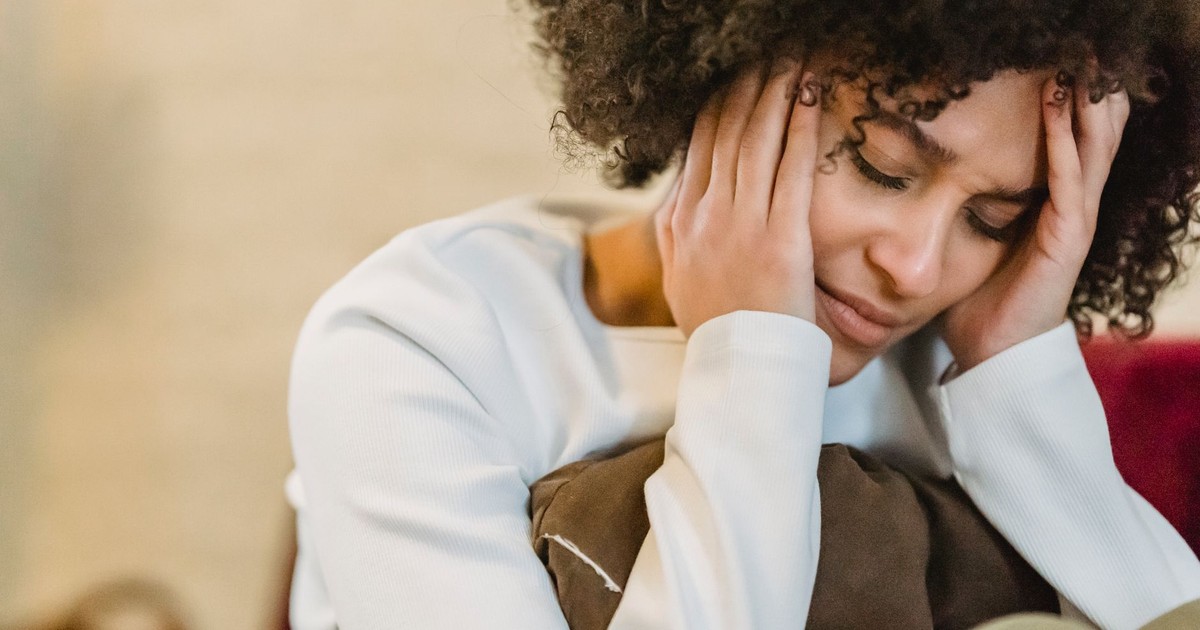

You wash your hair the same way you have for fifteen years and it comes out looking like a completely different person’s. Not in a good way. Frizzier than you remember it being, or looser, or weirdly flat at the crown and doing something chaotic at the ends. If you’ve been here, you already know the particular frustration of trying every product that used to work and watching it do nothing, or worse, make things strange in a new direction.
What’s actually happening has nothing to do with your shampoo, and it’s not something you imagined. Curly hair and menopause have a real and documented relationship, and the changes you’re noticing – whether it’s curl pattern loss, new frizz, unexpected dryness, or hair that has decided to go fully rogue – are rooted in biology. Your body is changing in ways that go all the way down to the shape of individual hair follicles. That’s not a metaphor. That’s literally what’s happening.
There’s a solid explanation for all of it. It doesn’t come with a simple fix, because bodies are not simple. But understanding what’s driving the changes tends to make them easier to manage, if not fully reverse.
The Follicle Is the Story
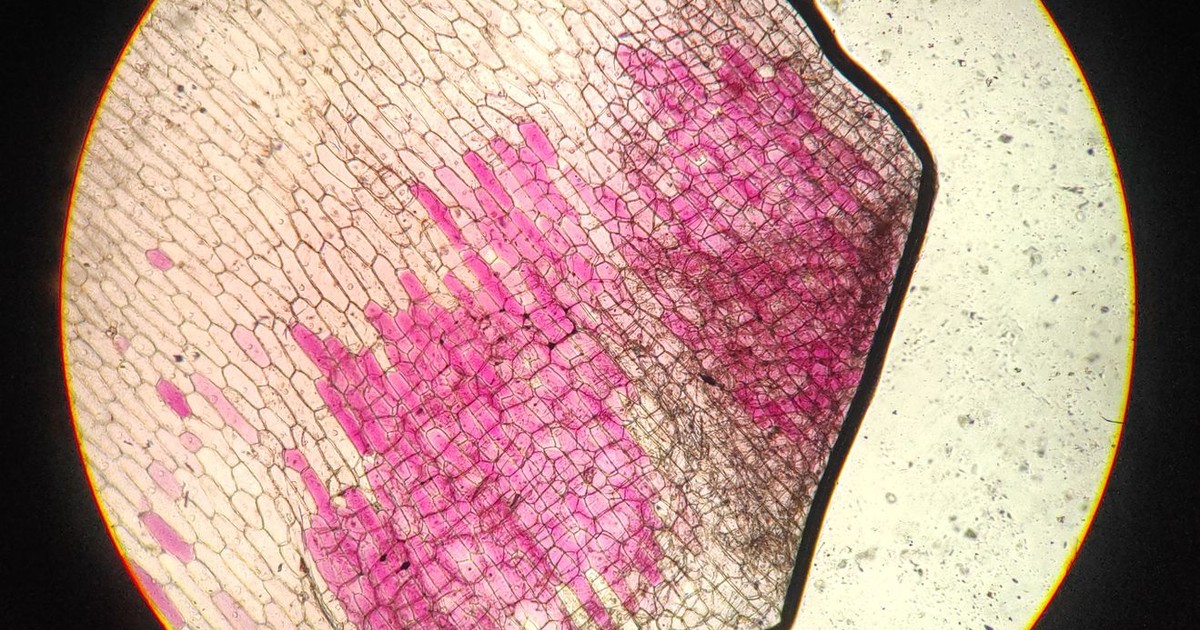
Every curl you’ve ever had came from the shape of your hair follicle. A round, circle-shaped follicle produces straight hair; an oval-shaped follicle produces curly hair, and the flatter that oval is, the tighter the curl. This shape isn’t fixed across your lifetime. As breastcancer.org explains, hormones have a direct influence on follicle shape, which is why the same woman can have straight hair in her teens, tight curls in her thirties, and something entirely different by her fifties.
Menopause – defined as the cessation of menstruation – can be preceded by hormonal fluctuations during the transition period, sometimes starting up to ten years prior. During this time, according to a 2025 study in Maturitas, the relative increase in androgens and the cessation of ovarian estrogen production directly impacts the hair follicle, which is an estrogen-sensitive tissue. The hair follicle has estrogen receptors and responds actively to hormonal and metabolic signals as they shift during the menopausal transition.
Research published in Biomedicines links the decline in estrogen levels to alterations in hair follicle function, including thinning, loss of volume, and changes in texture. For women with curly hair, those texture changes tend to be especially visible, because curly hair is already more structurally complex and more dependent on the follicle’s precise geometry to maintain its pattern.
Why Estrogen Loss Changes Everything
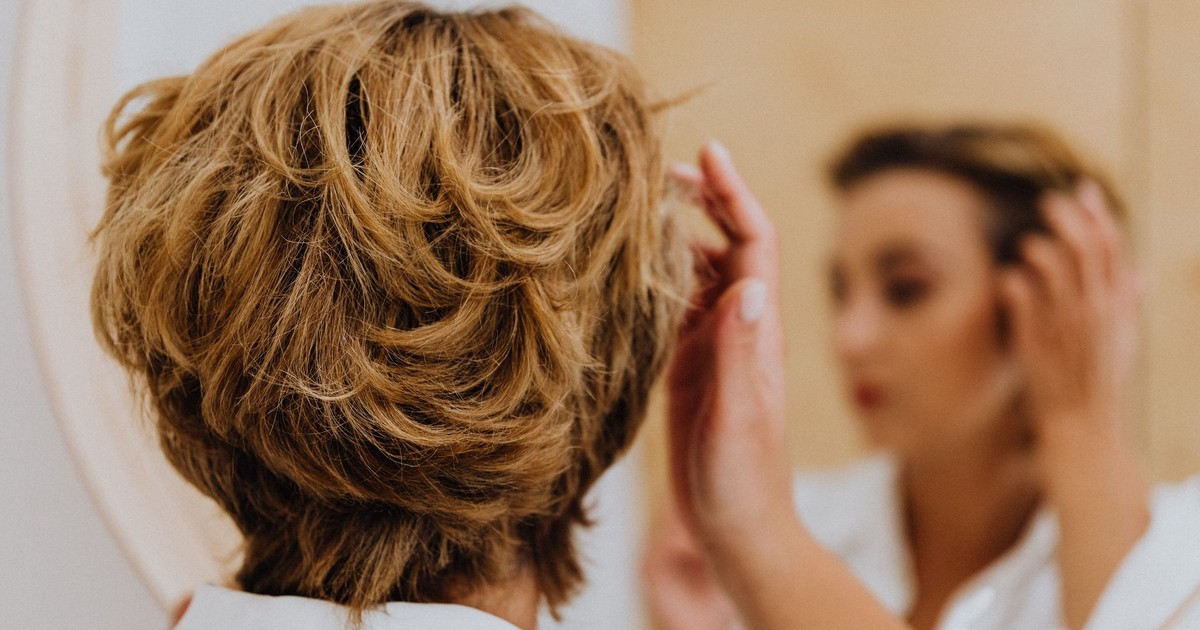
Estradiol – the primary form of estrogen in the body – extends the anagen phase of the hair cycle, meaning the active growing phase. As estrogen declines during menopause, this growth-regulating process breaks down, leading to decreased hair renewal, slower growth, and thinner strands overall.
Just as your skin gets drier during menopause, your scalp and hair do too. Lower estrogen levels mean less sebum – the oil that lubricates the scalp – is produced. The result is a drier scalp, and since there’s less sebum to transfer into the hair shaft itself, the hair becomes drier, duller, more brittle, and more prone to breakage.
For curly hair, this is a particularly brutal combination. Curls are already drier than straight hair by nature, because the spiral structure makes it harder for natural oils to travel from the scalp down the length of the strand. Reduce those oils further and you’ve got frizz, breakage, and curl pattern disruption happening all at once. Add to that the fact that the follicle itself may be changing shape – gradually becoming more round rather than oval as estrogen influence diminishes – and you have a structural explanation for why your curl pattern might be looser or less defined than it used to be.
Declining estrogen is linked to mixed curl patterns and gradual straightening of previously curly hair. The depletion of estrogen allows more androgens like testosterone to bind to receptors in the follicle, causing it to become progressively straighter. This isn’t universal, though – some women find that their hair gets unexpectedly wavier or more textured during perimenopause before it eventually loses curl later. The pattern is not predictable, which is part of why it’s so disorienting.
The Androgen Effect
Estrogen gets most of the attention in menopause discussions, but androgens – typically thought of as male hormones – play a significant and underappreciated role in what happens to curly hair. As estrogen levels drop, hair can become thinner and its growth rate may slow. The reduction in estrogen also increases the relative influence of androgens, which can cause hair follicles to shrink, resulting in finer and weaker hair.
These hormonal fluctuations can lead to alterations in the hair shaft and hair cycle, including decreased density, decreased caliber, and changes in hair texture. Loss of estrogen after the onset of menopause may also lead to reduced metabolic and vascular functioning of the follicular unit itself. In plain terms: the follicle gets smaller, it gets less efficient at supporting healthy hair growth, and the hair it produces changes as a result.
There’s also a blood flow component. Blood flow to the hair follicles decreases with age, cutting down on access to key nutrients like omega-3 fatty acids, vitamins A and C, protein, and beta carotene – all of which play a role in scalp health, hair strength, and oil production. This matters extra for curly hair, which is structurally more fragile and needs robust follicle support to maintain its shape and integrity.
When the Thyroid Gets Involved
Not everything that happens to your hair during midlife is exclusively about estrogen and progesterone. The thyroid gland – which regulates metabolism and affects everything from energy to mood to cellular function – also plays a role, and its relationship to hair health is significant.
According to the Cleveland Clinic, thyroid conditions can cause hair loss and affect the overall condition of the hair. Both hyperthyroidism (an overactive thyroid) and hypothyroidism (an underactive thyroid) can alter hair quality, and the symptoms overlap considerably with menopausal hair changes, which is why many women go years without connecting the two.
Thyroid dysfunction becomes more common in women around and after menopause. If your hair changes feel extreme – drastic texture overhauls, widespread shedding, or hair that has changed completely within a short period – a thyroid check is worth raising with your doctor. It’s a blood test, not an ordeal, and it rules out or identifies something that’s entirely treatable when caught.
Genetics, Gray, and the Wiry Surprise
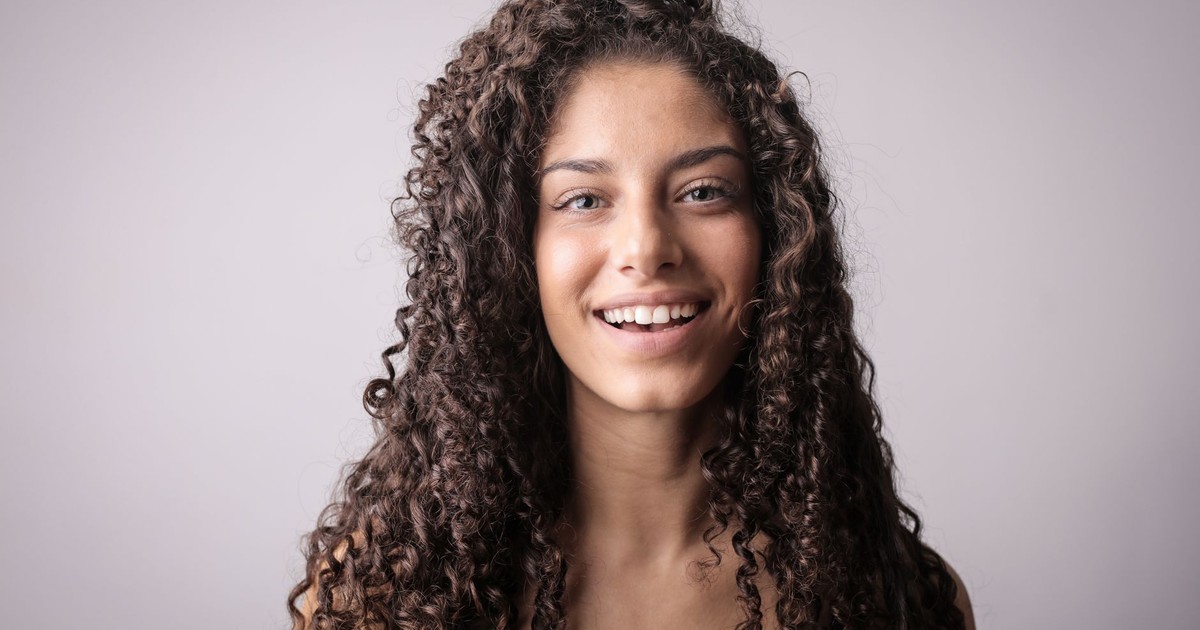
You may have noticed that the grays coming in don’t behave like the rest of your hair. As melanin is lost, the hair shaft undergoes alterations in its physical properties – including modified lipid and protein structure and, in some cases, increased curvature – which can change how individual strands feel and behave. Hair that was straight may suddenly go wiry; hair that was curly may shift in pattern.
Genetics also shapes how pronounced all of these changes are. Not all women experience significant hair changes during menopause, and the extent of those changes can vary considerably from person to person, influenced by genetic factors, stress, diet, and other elements. If your mother kept a full head of defined curls well into her sixties, that’s relevant information. If she didn’t, that’s also relevant. Hair texture genetics, including patterns of curl change and density loss, are passed through families in ways that can give you a rough preview of what your own hair is likely to do.
The psychological dimension of this is real. Declining hair density, appearance, and manageability can have a significant emotional impact and affect overall mental health, with feelings of stress, anxiety, and diminished self-esteem. For curly-haired women especially, hair is often a significant part of identity, and watching it change in ways you can’t control – when you’ve spent years figuring out how to work with it – is a genuine loss.
What You Can Actually Do About It
The biology is fairly clear; the solutions are less so, but they’re not nothing. The goal isn’t to reverse what menopause is doing at the follicle level – that’s not reliably possible through topical products alone – but to support the hair you have, reduce additional damage, and adapt your routine to what your hair actually is now rather than what it used to be.
Moisture, relentlessly. Menopausal curly hair needs more hydration than it ever did before. Products with ceramides (which help seal the hair cuticle and retain moisture) and niacinamide (which supports scalp health and collagen production) are worth prioritizing. Conditioner-washing – using conditioner in place of shampoo, or alongside a very gentle sulfate-free shampoo – can help prevent the stripping of whatever natural oils the scalp is still producing.
Reduce heat and chemical processing. Blow drying, straightening, coloring, and chemical treatments all accelerate the damage that’s already being amplified by estrogen loss and reduced scalp oil. None of these need to be eliminated entirely, but scaling back is a straightforward way to reduce cumulative breakage during a time when your hair is already more fragile.
Look at your nutrition. Blood flow to follicles carries the nutrients that support hair structure. Omega-3 fatty acids, vitamin C, protein, and biotin all have roles in hair health, and deficiencies that might have been minor before menopause can become more visible in the hair. This doesn’t mean expensive supplements necessarily – often it means looking honestly at whether your diet is actually giving your body what it needs.
Consider HRT conversations. Hormone replacement therapy isn’t the right choice for everyone, and that’s a conversation for you and your doctor, not an article. But for some women, it has a meaningful effect on hair. The evidence on this is mixed – HRT can support estrogen-related hair health for some, while for others the specific hormonal balance in the therapy creates its own texture or density changes. It’s an option worth discussing if the hair changes are among the symptoms affecting your quality of life.
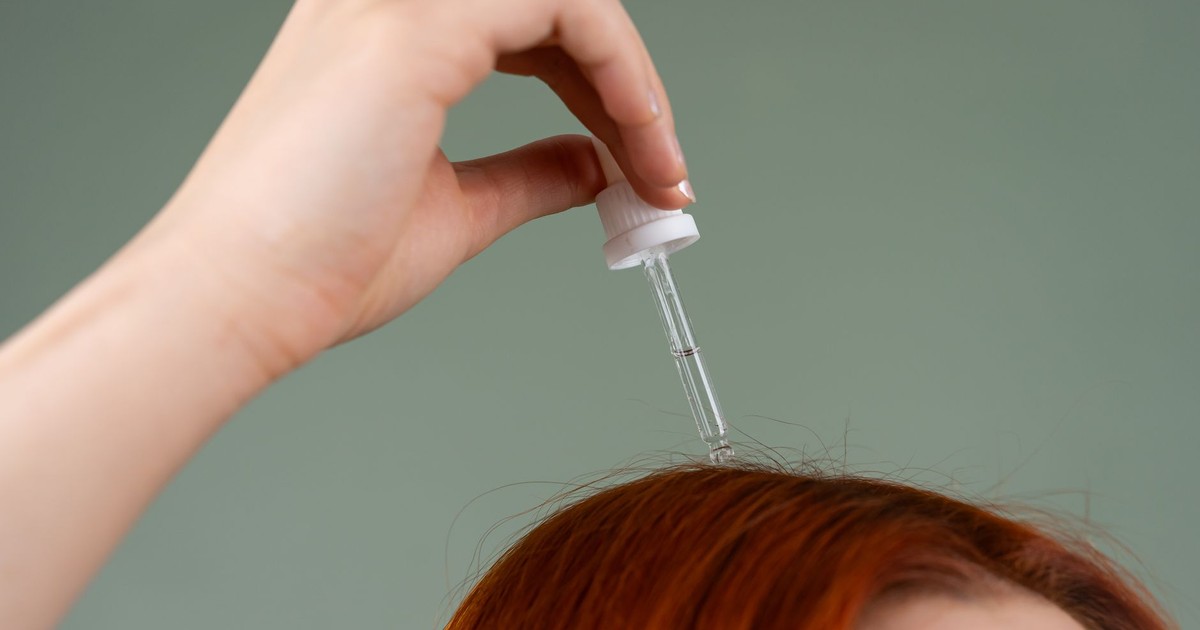
Don’t skip the scalp. Dry, inflamed scalps produce drier, weaker hair. A lightweight scalp serum – not a heavy oil that clogs follicles – used regularly can make a meaningful difference to the hair’s condition at the root level, which is ultimately where all the relevant biology happens.
Read More: 30+ wild facts people learned about the female body and needed to share
What Nobody Tells You

Curly hair changes during menopause are not one-directional and they’re not finished when you think they are. Women who lose curl definition in perimenopause sometimes find that pattern stabilizes or partially returns. Women who see minimal change at 50 notice more at 55. And some women develop new texture – new waves, new frizz patterns, new sections that behave completely differently from the rest – that simply wasn’t there before.
None of this fits neatly into the story we’re often sold about menopause and the body, which tends to frame everything as decline and loss. Your hair is genuinely different now, shaped by a hormonal environment that has changed, and it responds to different things than it once did. That requires adaptation, not resignation.
Starting From Different
Your curls may not come back to exactly what they were at 35. Some of what changes during this period is permanent – follicle geometry doesn’t always fully restore. But the hair you have now still responds to care, still responds to moisture and reduced damage and scalp health, and still has texture worth working with.
The curly hair routine you built in your twenties was calibrated for a different hormonal reality, and blaming the routine – or yourself – for not delivering the same results misses what’s actually going on. The body changed. The routine needs to catch up.
AI Disclaimer: This article was created with the assistance of AI tools and reviewed by a human editor.