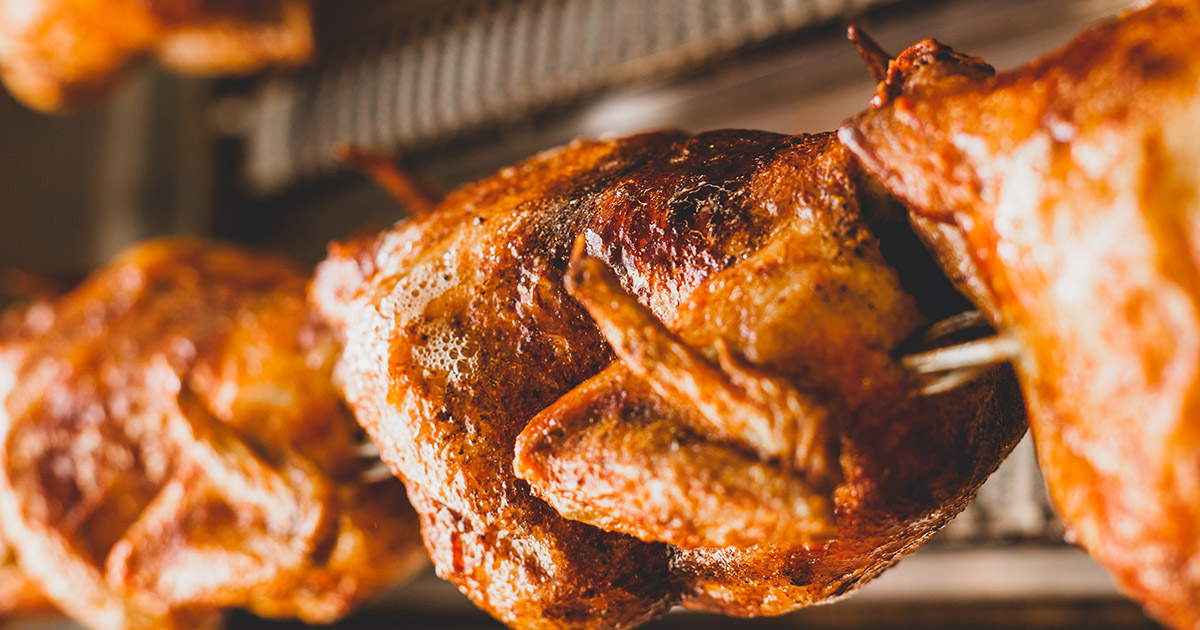

Every weeknight dinner that didn’t require a plan has a rotisserie chicken somewhere in its origin story. The shredded meat goes into tacos, soup, or straight onto a plate beside some roasted vegetables when you’re out of ideas and out of time. For a lot of households, it’s the most reliable shortcut in the grocery store – reliable enough that most people stop thinking about it and just grab the same one they always grab.
The same one they always grab is probably Costco’s. Costco’s Kirkland Signature rotisserie chicken has spent years as something close to a cultural touchstone: $4.99, enormous, reliably golden, and the subject of more dinner-party conversations than a bird that costs less than a movie ticket has any right to inspire. A 2026 Consumer Reports analysis – a taste test and health evaluation covering ten grocery chains – found that Costco came in second. Sam’s Club took the top spot, priced among the most affordable in the test at an average of $4.98 per chicken.
The Winner Nobody Was Expecting
ABC News reported that Sam’s Club took the top spot in the Consumer Reports rankings for taste. The Member’s Mark Seasoned Rotisserie Chicken was praised for moist texture, deep-roasted flavor, and seasoning, and Sam’s Club priced it at an average of $4.98 per chicken – making it both the best-tasting option in the test and one of the most affordable.
The Consumer Reports analysis covered four national retailers and six regional grocers, evaluating each on taste, nutrition, and potential exposure to chemicals from plastic packaging. The methodology went well beyond whether a panel of testers enjoyed the skin-to-meat ratio.
Costco finished second with its Kirkland Signature Seasoned Rotisserie Chicken, while Stop & Shop, Walmart, and Wegmans also placed in the top five, according to ABC News. Higher-end grocers like Whole Foods and Wegmans were priced higher, at an average of $8.99 and $9.99 per chicken respectively. If you’ve been spending $10 on the Wegmans bird because it felt like the more discerning choice, you’re paying more than twice what the top-ranked chicken costs and finishing third.
What “Best” Actually Means in This Test
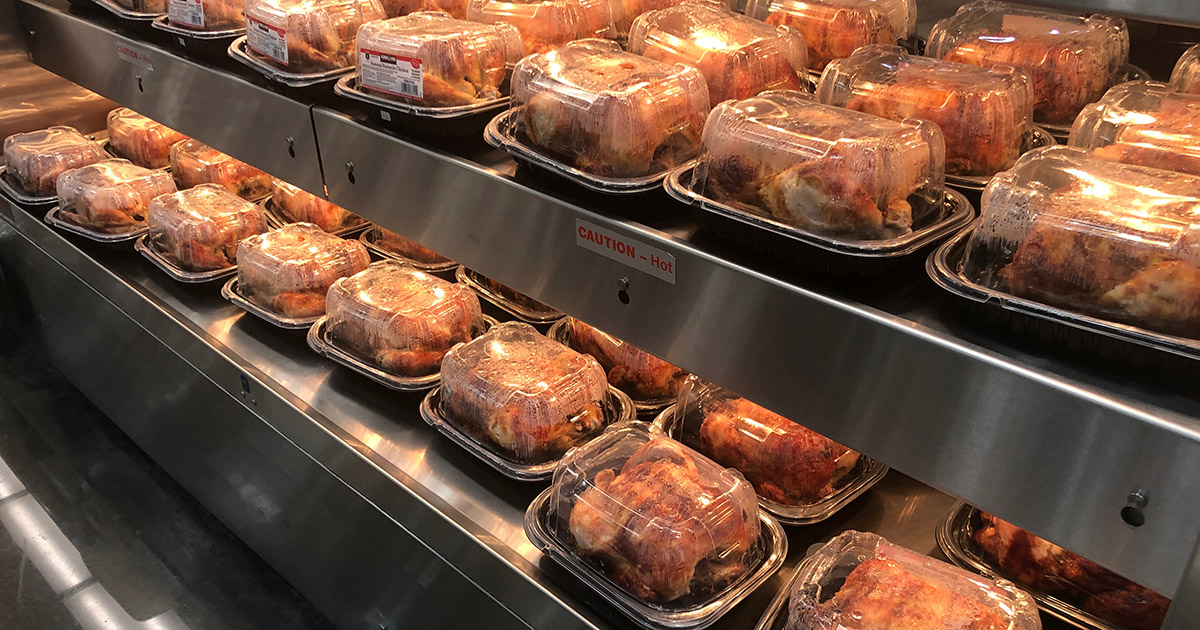
Testers examined flavor, texture, and health-related factors, including levels of plastic and food packaging chemicals, health risks associated with those chemicals, and sodium content compared with the label. That last piece turns out to be more complicated than it sounds, because most of what gives a rotisserie chicken its juicy texture involves a process most shoppers don’t think about.
Consumer Reports found that most rotisserie chickens are injected with a brine containing salt or sodium ingredients, such as sodium phosphate, before cooking – in their tests, only the Whole Foods chickens weren’t. This reduces water loss during cooking so the meat stays juicier, but it also raises the sodium content, and too much sodium can increase the risk of hypertension. The moist, fall-off-the-bone texture that makes a good rotisserie chicken so satisfying is, in most cases, a function of a salt injection that the store didn’t necessarily advertise.
Chicken is naturally low in sodium, but stores don’t have to provide nutritional information for rotisserie chicken. Among those tested that did provide it, the listed sodium amount ranged from 250 to 460 mg per serving, against a recommended daily limit of 2,300 mg. That’s not alarming for most adults eating a normal portion, but the number on the label, when there is one, may not reflect what you’re actually getting. When Consumer Reports tested the chicken for sodium in the lab, the levels were generally lower than the stores’ listed values – one sample of ShopRite’s chicken tested at 30 percent less sodium, while another tested at 69 percent less.
The sodium label, when it exists, likely overstates what’s in the meat because it represents a maximum rather than a precise measurement. A Wegmans spokesperson confirmed this, explaining that the sodium on the label represents the maximum that could be in a serving, with the actual amount varying based on how much injection solution was used.
The Chicken for Recipes (Not Just the Table)
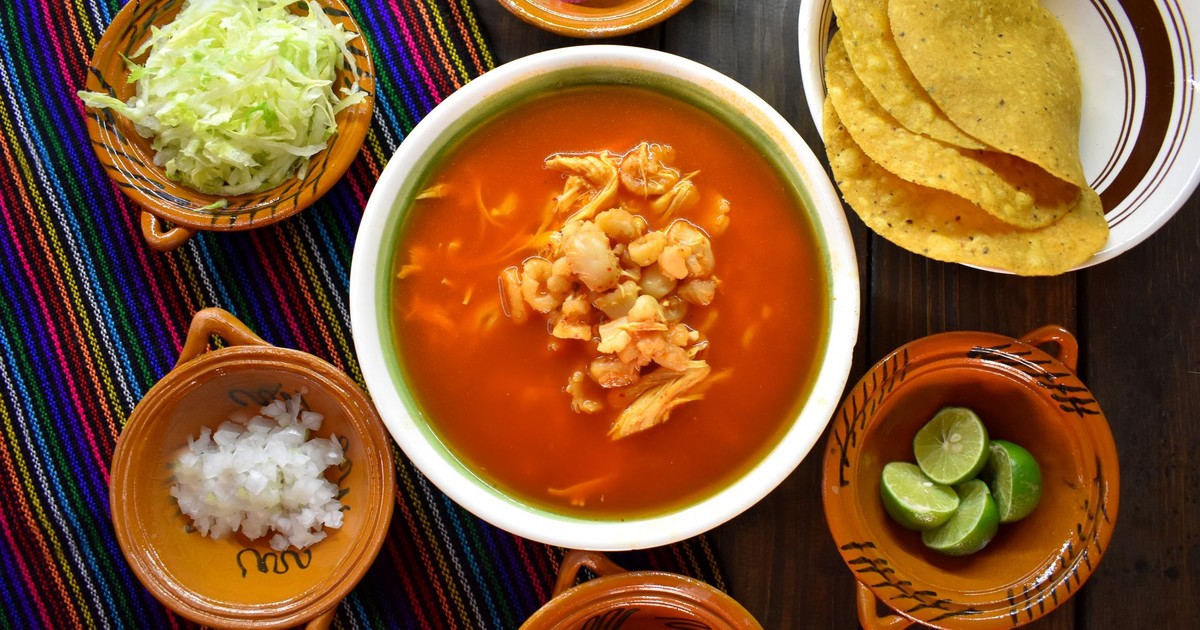
A lot of rotisserie chickens end up shredded into something else – soup stock, chicken salad, a Tuesday-night pasta that nobody planned for. For that use, the rankings looked different.
If your plan involves stripping the carcass and building three other meals around it – and if you know how to make the most of those quick cooking substitutions that stretch a single bird further – the recipe-use rankings are worth a separate look. Supermarket News reported that BJ’s Wellsley Farms Whole Rotisserie Chicken ranked first for best use in recipes, with Hannaford, ShopRite, and The Fresh Market also scoring well in that category. The BJ’s bird, at $4.99, is a warehouse club chicken aimed at people who want a week’s worth of meal-prep protein rather than a dinner-table moment.
The Plastic Problem Worth Knowing About
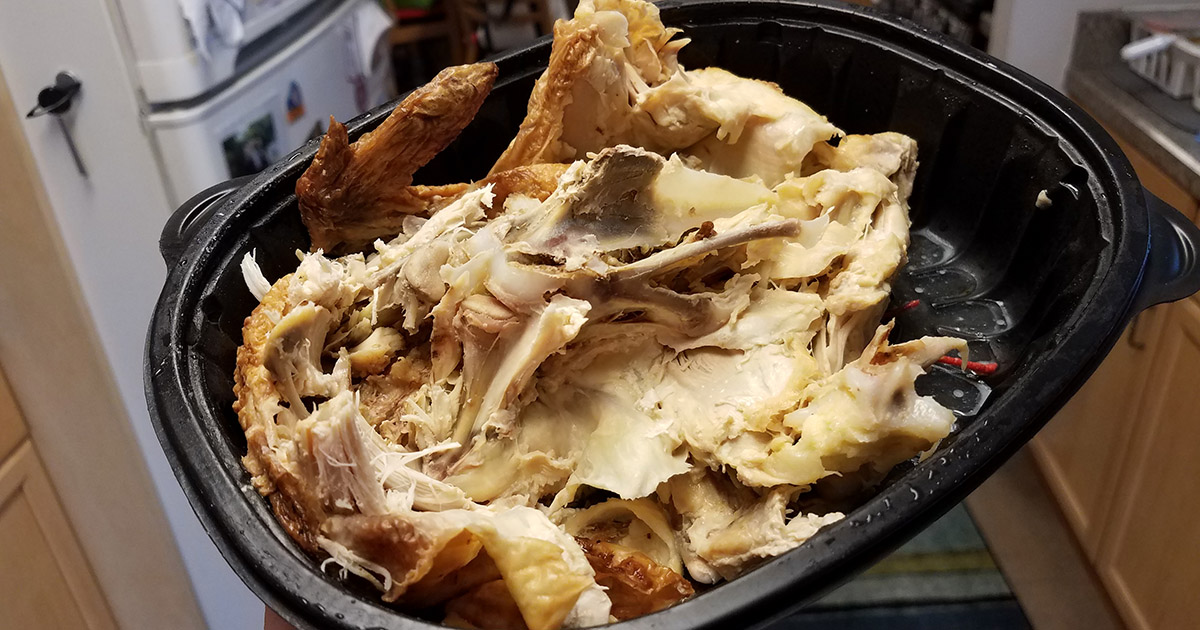
The testers didn’t just taste the chicken. They tested the packaging and the meat itself for chemicals commonly found in plastic – per- and polyfluoroalkyl substances (PFAS), bisphenols such as BPA, and phthalates, all of which have been linked to health problems including hormone disruption, inflammation, impaired immune response, thyroid disease, and some cancers.
In that rotisserie chicken test, Consumer Reports detected no PFAS in any of the packaging or meat samples. Bisphenols were found in packaging from five retailers but not in any samples of the meat itself. Four of those retailers sold their chickens in packaging labeled as free of BPA: Hannaford, Stop & Shop, The Fresh Market, and Whole Foods. Bisphenols turned up in their packaging despite those labels, prompting all four to issue responses about supplier certifications and third-party testing. The labeling isn’t a guarantee, and everyone in the industry knows it.
Phthalates were a different story: Consumer Reports found them in all of the packaging and in the meat from all of the chickens except ShopRite’s. The levels in the meat were well below Consumer Reports’ level of concern in all but two cases – the samples from Costco and Walmart had the highest amounts of DEHP, one of the few phthalates for which health-based limits have been set.
The practical recommendation from the findings is straightforward: don’t reheat the chicken in its original packaging, even if the package says it’s okay. Transfer it to a glass or ceramic container once you get home. The phthalate levels in the meat were generally within what Consumer Reports considers acceptable – the habit change costs nothing and takes five seconds.
How to Actually Pick the Right One in the Store
Rankings are useful until you’re standing in a grocery store that isn’t on the list, or you’ve driven past Sam’s Club thirty times and have no membership. A few in-store cues work regardless of which chain you’re in.
Choose a rotisserie chicken that is golden brown all over, with smooth rather than shriveled skin. Shriveled skin is a sign the bird has been sitting longer than it should have. A pool of cooking liquid at the bottom of the bag is normal – poultry releases moisture as it rests. An even golden color all the way around signals consistent cooking rather than a bird that sat unevenly on the rotisserie.
Some stores put a time stamp on the package so you can tell how long the chicken has been sitting out. If there isn’t one, it’s worth asking when the most recent batch was set out. Most stores rotate their rotisserie chickens on a schedule, and a bird that came out forty-five minutes ago is a meaningfully different purchase from one that’s been under the heat lamp since noon.
For reheating, the oven beats the microwave. Consumer Reports recommends placing the chicken in a Dutch oven with half a cup of water, covering it, and cooking in a 350-degree oven until the internal temperature reaches 165 degrees, then removing the lid for an additional five minutes to crisp the skin. It takes longer, but the result doesn’t have the rubbery texture that microwaved rotisserie chicken always develops.
Read More: 25+ Examples of Unusual Canned Foods From The US and Around the World
What to Do With What You Now Know
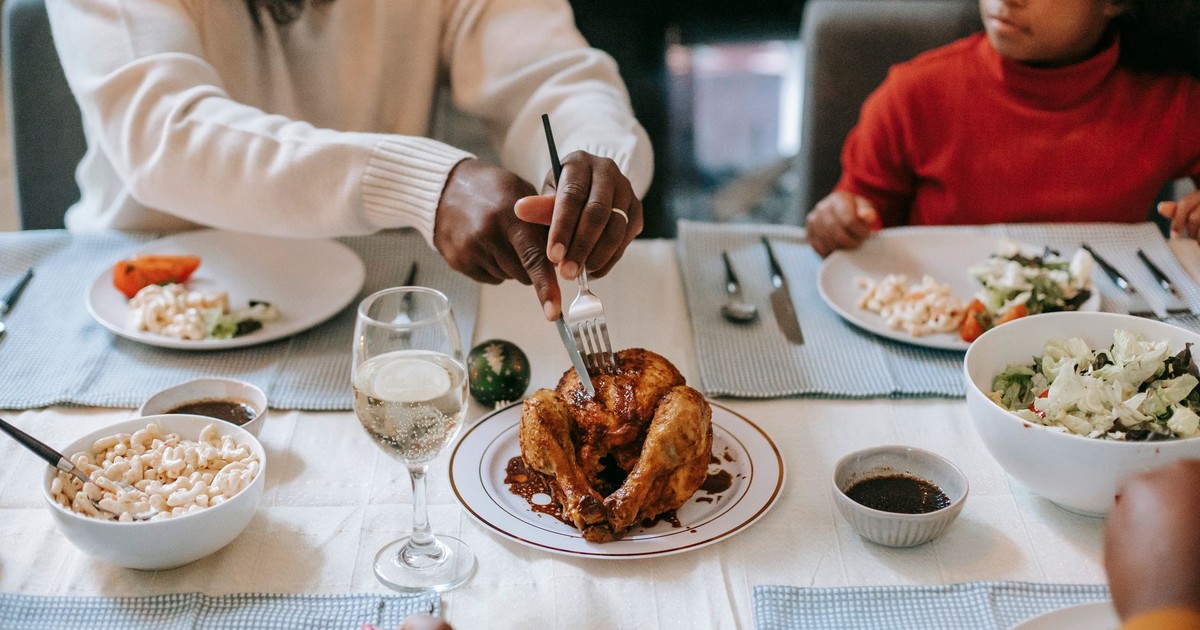
Costco’s chicken came in second out of ten, which is a strong result for a bird that costs $4.99 and feeds a family of four. The Consumer Reports finding isn’t that Costco chicken is bad – it’s that the assumption of inevitability doesn’t hold up. The Sam’s Club version is better, at least by the criteria this panel used.
The plastic findings deserve more attention than they’ve received. Phthalates were detected in the meat from nine of the ten chickens tested – not a reason to stop buying rotisserie chicken, but a reason to change one habit: get the chicken out of its plastic packaging as soon as you get home and store it in something that isn’t plastic. Consumer Reports found that levels in the meat were within acceptable ranges for most of the brands tested. The step that reduces exposure further costs nothing except remembering to do it.
The best rotisserie chicken in the grocery store, according to this test, is the one at Sam’s Club. The second-best is the one you’ve probably been buying for years. Whether you act on that is a different calculation – one that may come down to whether you already have a Sam’s Club membership and how crowded the parking lot looked the last time you drove past.
AI Disclaimer: This article was created with the assistance of AI tools and reviewed by a human editor.