

Retirement is supposed to be the payoff. Thirty or forty years of working, raising kids, and scheduling your marriage around everything else, and finally you get to just be together. No commute. No Sunday-night dread. No excuse not to talk. For a lot of couples, that sounds like a dream. For others, it turns out to be the beginning of the end.
Gray divorce, the term used to describe divorces among adults aged 50 and older, doubled between 1990 and 2010 according to a study in the Journal of Gerontology, and it kept climbing. Even as the national divorce rate declines slightly, the divorce rate among adults aged 65 and older is increasing. Long marriages that survived recessions, sick kids, and years of barely seeing each other are falling apart in the very season they were supposed to flourish. Something about retirement strips away the scaffolding that held things together, and what’s underneath isn’t always what people hoped to find.
The signs are rarely dramatic. There’s no single blow-up, no obvious affair, no moment where you can point and say, “that’s when it fell apart.” It’s slower than that, built from dozens of small patterns that accumulate until someone, often the wife, does the math and realizes the sum doesn’t add up anymore. These are the signs researchers, family therapists, and the couples themselves consistently describe. Not every couple will recognize all twenty. But if several of these land in the same household, the odds are not great.
1. They Stop Making Plans Together

Retirement demands a new shared vision, and couples who can’t build one are already in trouble. Whether to move, downsize, or travel full-time often becomes a flashpoint. Couples who delay honest discussions may discover mismatched dreams: one wants adventure; the other craves stability. When the conversation about what retirement looks like never actually happens, or keeps getting deferred, the couple isn’t drifting apart accidentally. They’re choosing not to build a shared future.
The practical expression of this is easy to spot. One partner has a vision board’s worth of plans: a vegetable garden, road trips, grandchildren every other week. The other has essentially no opinion, or a completely incompatible one involving moving to a condo in a city the first person has never once expressed interest in. They’re not discussing it because the gap is too big to bridge without a fight, and they’ve learned not to start the fight.
2. Their Finances Are a Constant Source of Tension

Money disagreements in retirement carry more weight than they did at 40, because there’s no more paycheck coming to smooth things over. Retirement changes who earns, who manages, and how money is spent. Couples who don’t revisit budgets risk resentment over discretionary purchases or hidden anxieties, and unequal pensions or Social Security benefits can shift power dynamics. When one person controls the retirement income and the other feels financially dependent for the first time in decades, resentment moves in and stays.
The version of this that leads toward divorce isn’t the couple who argues about whether to splurge on a vacation. It’s the couple where one partner is secretly terrified the money will run out while the other can’t understand why a $200 dinner is a crisis. The 2025 Allianz Life study found that 56% of married Americans say that a divorce would derail their financial retirement strategy, which means they already understand, on some level, how deeply money and marriage are tangled at this stage.
3. One Partner Retires and the Other Doesn’t

Staggered retirement creates an asymmetry that couples rarely see coming and consistently underestimate. According to AARP, retirement of one spouse but not the other is among the life-altering changes that can push a fragile marriage toward divorce, particularly if the marriage is already strained for other reasons. The partner who retires first settles into a new rhythm. They claim the kitchen in the morning, establish routines, develop a pace. Then the other partner comes home one day for the last time, and none of it fits.
The retired partner feels their space has been invaded. The newly retired partner feels unwelcome in what is, technically, their own home. Neither of them knows how to say this out loud without sounding absurd, so they don’t. Instead, they get irritable about things that are not actually the problem: who loaded the dishwasher, why the TV is always on, whether it’s too early for a glass of wine.
4. They’ve Run Out of Things to Talk About

Twenty years of talking around each other, through kids and work stress and whatever else filled the schedule, means that some couples arrive at retirement and discover they don’t actually have much to say to each other. Relationship strategist Katarina Polonska, writing in HuffPost Life, put it plainly: “Most folks focus on kids and career over the decades, and then when kids leave and career gets more stable, they are stuck in a place of disconnect.” They also haven’t invested in the relational skills needed to reignite intimacy by that point.
The silence in this scenario is different from companionable quiet. It’s the silence of two people who have run out of shared material and are too tired to start over. Dinner is thirty minutes of phones and local news. Evenings are two separate screens in the same room. It’s not hostile. It’s just empty, and that emptiness has a way of becoming permanent if nobody moves to fill it.
5. Old Resentments Are Coming to the Surface
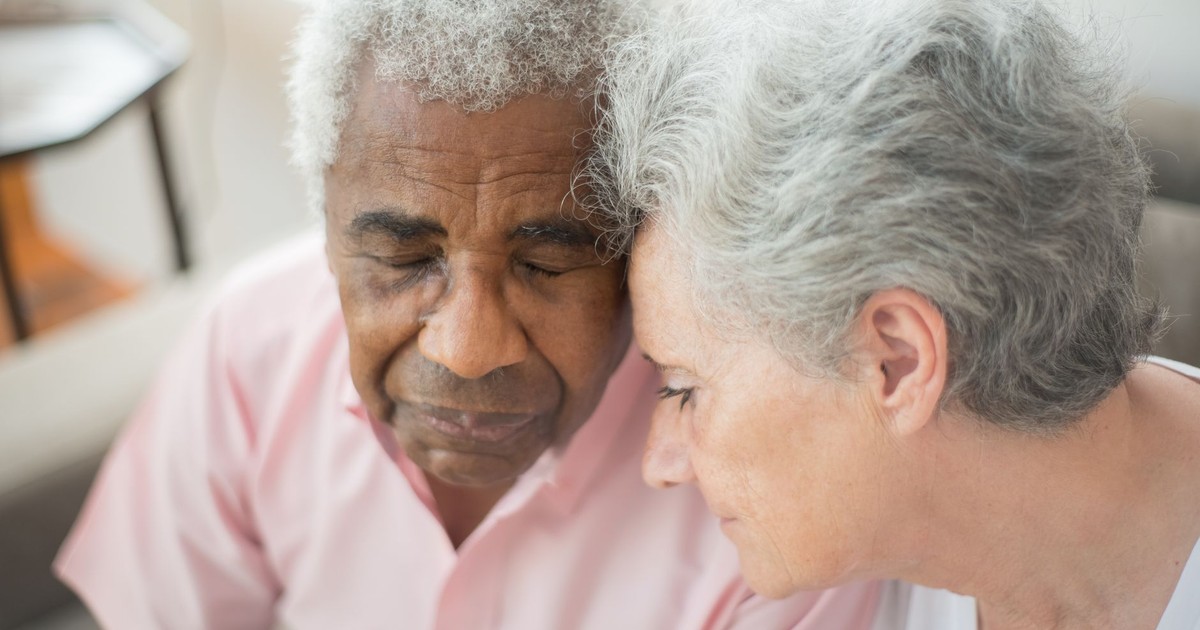
Retirement, with its long unstructured days and nowhere to be, turns out to be an excellent environment for old grievances. “Old resentments that were never addressed over the years can rear their ugly head in retirement,” relationship strategist Katarina Polonska told HuffPost Life. “Couples are ill-equipped to clear them, so they often avoid the situation and pursue divorce instead.”
The argument that keeps happening in retirement is rarely about what it seems to be about. It’s about the promotion she didn’t get because she stayed home with the kids. It’s about the decade where he worked 70 hours a week and she was essentially a single parent. It’s about the mother-in-law comment from 2009. None of these things were ever actually resolved. They were just filed away under “too much going on to deal with this right now,” and now, finally, there is nothing else going on.
6. They Have Completely Different Social Lives

When work disappears, so do the social networks attached to it. Previously, a significant portion of social interactions came from the workplace. Post-retirement, that built-in social network diminishes, and couples may need to seek out new ways to socialize. Couples who can rebuild a shared social life tend to do okay. Couples who end up with entirely separate social lives, where she has a tight group of friends she sees regularly and he has essentially no one, or vice versa, are under a very different kind of pressure.
The warning sign here isn’t that they have some separate friendships. That’s healthy. It’s when the separation is total, when neither partner is invited to the other’s plans, when Friday nights are independently scheduled without a word about whether the other person has something going on, when they’ve essentially stopped being part of the same social story.
7. Physical Intimacy Has Quietly Disappeared

This one is common enough that many couples normalize it, which is exactly why it ends up in the “why did we wait so long” conversation with a lawyer. Polonska noted in HuffPost Life that cultural narratives “don’t account for menopause, testosterone decline or other natural variables” that alter a couple’s physical connection in retirement. The changes themselves aren’t the problem. Not talking about them is.
A couple that addresses declining physical intimacy directly, makes adjustments, stays connected through affection even when the rest has shifted, is not headed for divorce over this. A couple where one partner has silently withdrawn and the other is pretending not to notice, and both are lying awake next to each other wondering if this is just how it is now, is running out of runway.
8. One Partner Is Controlling the Other’s Time

Retirement collapses the structure that used to give each person their own domain and pace. For couples where one partner has always been more controlling, this new setup is a gift they didn’t ask for. Spending all day together sounds romantic until routines clash. Small irritations grow when lines blur, and retirees who never planned for solo time may feel trapped rather than connected.
The controlling version of this looks like one partner’s preferences organizing every hour of the shared day. What time they eat, where they go, who they see, how the house is arranged. The other partner has been slowly giving up pieces of themselves for so long that they barely remember what they actually want to do. Then they retire. And they realize they’ve lost entire decades of themselves to an arrangement they never consciously agreed to.
9. They Fight Constantly About Small Things

Arguments and conflict are natural in all relationships, but without the skills to work through disagreements, they can escalate during retirement. For some couples, this means more silence and avoidance; for others, it means intense daily clashes that are left unresolved. The couple who bickers constantly about who left the stove on or whether the thermostat is set correctly is not fighting about the stove or the thermostat. That level of daily friction is almost always about something larger that nobody is willing to say aloud.
The frequency matters more than the content. A couple who argues sometimes and resolves it is in a different situation than one where there is a running low-grade conflict about everything and nothing at the same time. The latter is exhausting in a way that makes one or both partners start doing the math about how many years are left and whether they want to spend them like this.
10. They Have Completely Different Visions of How to Age

Some people enter retirement expecting adventure and motion. They want to travel, try things they put off, stay active, and treat this chapter as genuinely new. Others want to slow down, stay close to home, and build a life around comfort and predictability. Both are legitimate. But couples who assumed they shared a vision without ever discussing it often discover, only once they’ve both stopped working, that they’ve been imagining entirely different futures. After years of relying on one another for companionship and support, many couples find they have different dreams and aspirations for the future, which can ultimately lead to conflict as they explore what they want their lives to look like.
The retirement divorce signs here aren’t the difference in preferences itself. It’s when neither partner is willing to compromise and both are waiting for the other to come around. One is booking cruises. The other is researching retirement communities closer to the grandchildren. They haven’t had a conversation about which of these plans actually wins.
11. The Division of Household Labor Has Become a War Zone

For years, couples have had defined roles, whether around finances or daily household tasks. Retirement often blurs these lines, and renegotiating who does what can either bring couples closer or lead to frustration if expectations aren’t made clear. The partner who worked full-time while the other managed the household comes home to find that the new arrangement they thought was obvious is being contested every single day.
The specific version of this that predicts divorce is when one partner feels that their labor is invisible and the other genuinely cannot see it. He retires and expects to be taken care of in the same way he was taken care of during his working years. She has been running the household for thirty years and expected that his retirement would mean he finally started contributing. Nobody articulated any of this. It’s been simmering for months.
12. They’re Not Handling a Health Crisis as a Team

Research published in the journal Social Sciences, cited by AARP, found that divorce risk was higher if the wife developed a disability or a chronic illness, though notably not when the husband did. This asymmetry tells you something about the dynamics that tend to break late-life marriages. The partner who becomes the caregiver, often the wife, may grow resentful of a role she didn’t sign up for. The partner who becomes ill may feel like a burden, or may resist care in ways that make the dynamic impossible.
When a health crisis reveals that one partner is unwilling to step up, or that the couple has no shared language for vulnerability and dependency, the marriage can fracture quickly. It’s not the illness itself that ends things. It’s the discovery of what the illness reveals about the partnership that was already there, or wasn’t.
13. One Partner Has Found a New Identity Outside the Marriage

Retirement sometimes catalyzes a genuine personal reinvention. For decades, many people have been defined by their career or their role as a parent. When those identities shift, the question of who each person is outside of those labels becomes urgent, and if individual interests aren’t nurtured, it’s easy to lose the connection. For one partner, that reinvention is energizing and expansive. For the other, watching it happen from the outside feels like being left behind.
This can look like someone who takes up painting and starts spending three afternoons a week at a studio. Or someone who joins a hiking group and discovers a whole social world their spouse isn’t part of. None of these things are inherently wrong. But when the reinvention is happening entirely outside the marriage, when the partner who’s thriving doesn’t bring any of it home, the gap between who they’re becoming and who they are together starts to widen in a way that’s hard to reverse.
14. They’ve Become More Like Roommates Than Partners

The increased time spent together after retirement can strain emotional intimacy, and some couples who retire together find themselves living with someone they barely recognize. The roommate dynamic is distinct from companionable comfort. It’s organizational rather than relational. They coordinate logistics. They split the grocery list. They check in about practical matters. There’s no hostility. There’s also no warmth, no curiosity about the other person, no evidence that they’ve chosen each other recently.
For many couples, this has been the arrangement for years, kept functional by the busyness of working life. Retirement removes the busyness, and suddenly it’s 8 p.m. and they’re in the same room with nothing to coordinate and nothing to say, and the absence of anything holding them together becomes very, very clear.
15. Values That Used to Align Have Diverged

Changing preferences around politics, religion, and other deeply held beliefs can create a rift between partners. As couples age, their beliefs and values may evolve as they experience life differently, creating a divide that becomes difficult to bridge. For couples who spent thirty years too busy to notice how differently they were each developing, the long uninterrupted days of retirement put those differences on a table that can’t be cleared.
This isn’t about agreeing on everything. Long marriages have always accommodated difference. It’s about discovering that the gap has grown so wide that the other person now feels like a stranger with familiar habits, someone you know everything about and don’t particularly recognize.
16. They’ve Stopped Being Curious About Each Other

Curiosity is one of the quieter engines of a long marriage. Couples who are still interested in each other, who ask questions that aren’t about logistics, who notice what the other person is thinking about, have something working in their favor that is genuinely hard to manufacture if it isn’t there. When that curiosity dries up, when both partners have essentially decided they know everything there is to know, the relationship calcifies.
You can see this in the way they talk in social settings. One partner speaks confidently for the other, finishing sentences and answering questions directed at them. There’s no space for the other person to be different from who they were assumed to be. The person being spoken for has either given up correcting the record or has started dreaming about a life where they get to be themselves again. For more on what predicts divorce in longer relationships, science has identified some precise markers worth knowing.
17. The Loneliness Is Present Even When They’re Together

This is one of the most precise and underreported signs. Being lonely in the presence of your spouse is a different and more disorienting experience than being alone. Research shows that marital satisfaction has declined for midlife couples over the past few decades, with marriages today involving more conflict, less fairness, and fewer shared interactions than in previous generations, and lower marital quality strongly correlates with later-life divorce.
The person experiencing this kind of loneliness often can’t fully articulate it. They’re not alone. Their spouse is right there. And yet something about being together makes the emptiness more pronounced rather than less. It’s the loneliness of being unseen by someone who is supposed to know you best. That particular variety of loneliness has a way of making the idea of being alone, actually alone, start to seem like relief rather than loss.
18. One or Both Partners Have Stopped Investing in the Marriage
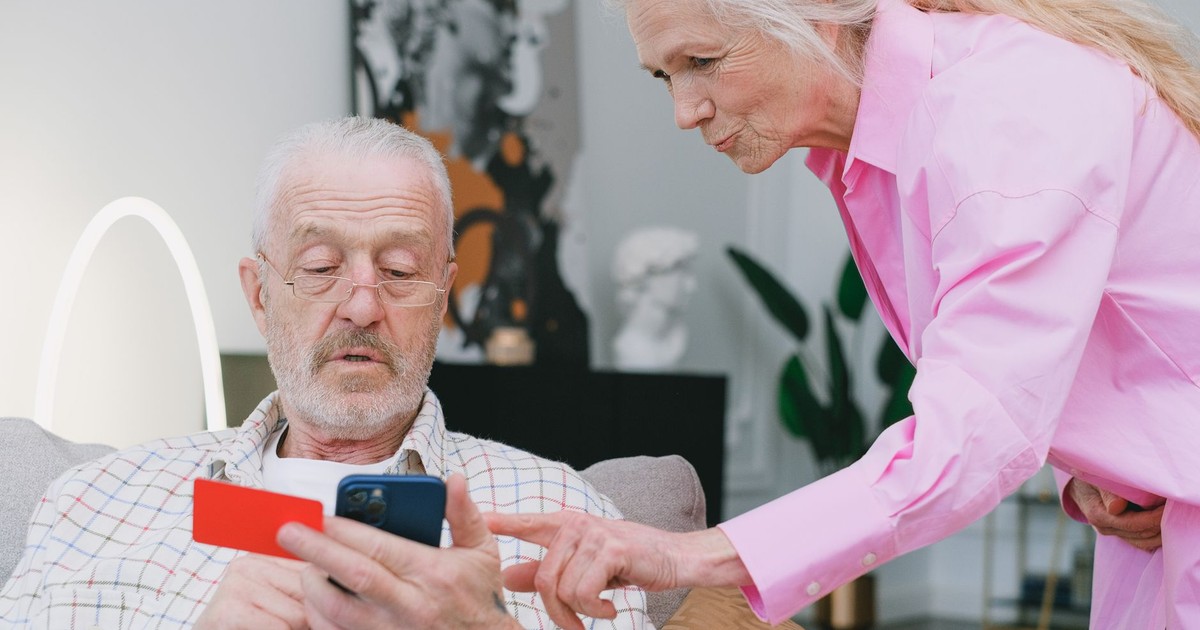
Investment looks like small, consistent things. Asking how the other person’s day was and actually listening to the answer. Suggesting something to do together. Acknowledging a good meal or a kind gesture. Planning something for the two of them. When one or both partners stop doing these things, the relationship doesn’t collapse immediately. It just slowly becomes a place where neither person feels particularly glad to be. Finances and logistics often overshadow affection, and many couples forget to nurture their connection once the daily schedule clears.
The asymmetric version of this is particularly damaging. One partner is still trying, still planning, still reaching. The other has checked out so thoroughly that they don’t even notice the effort being made. Eventually the partner who was trying stops trying, and nobody mentions it.
19. They’ve Started Living Parallel Lives Under the Same Roof

Separate schedules, separate friend groups, separate hobbies, separate approaches to the day. On the surface, this looks like a couple with good limits and healthy independence. In the version that signals trouble, it’s couples who are essentially living as autonomous individuals who happen to share a house and a surname. Some couples find they no longer have anything in common or simply don’t enjoy being around each other for extended periods of time, and since people are living longer and healthier lives, they are more likely to leave an unhappy relationship and find enjoyment somewhere else.
The question isn’t whether they have separate interests. The question is whether there’s anything left in the middle, any overlap, any shared life that couldn’t be maintained just as easily in two separate apartments. If the honest answer is no, both people usually already know it.
20. Someone Has Started Imagining Their Life Without the Other Person
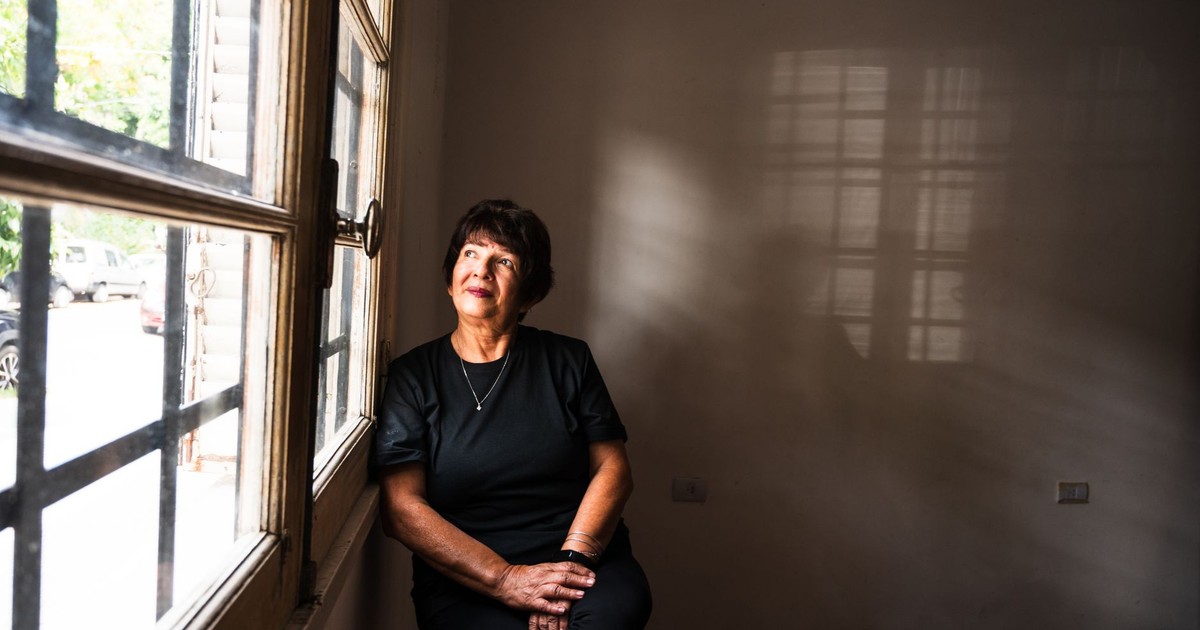
This is the last sign and the most telling one, because it is rarely talked about. It usually arrives as a thought so uncomfortable that the person having it immediately tries to push it back down. What would it be like to live alone? What would it look like to start over? Is it too late? These thoughts are not necessarily the end of a marriage. Every long-married person has had some version of them at some point.
The retirement divorce signs are most pronounced when these thoughts become frequent, detailed, and not entirely unwelcome. When the imagined life alone starts to sound more restful than sad. When someone is running numbers in their head about Social Security and apartment leases and which friends would take which side. When the thought isn’t a momentary flash but a door that keeps opening. At that point, the question is rarely if. It’s usually when, and who goes first.
Read More: 7 Things That Can End Relationships and Unknowingly Lead to Divorce
What This Comes Down To

None of these signs exist in isolation, and most long marriages will recognize at least a handful of them without being on the verge of collapse. Retirement puts pressure on every seam of a relationship, including the seams that were perfectly fine. The difference between a marriage that bends under that pressure and one that breaks is often less about how bad things got and more about whether both people were willing to say something before the distance became a decision.
Long-term marriages averaging over 31 years before dissolution show that couples are ending relationships that once would have been maintained until death, often citing reasons like growing apart, lack of intimacy, different retirement goals, or a desire for personal growth. That list is not an indictment of those marriages. It’s a description of what happens when two people spend decades prioritizing everything except the question of whether they still know each other.
Retirement doesn’t end marriages. It just finally gives people enough time to notice whether a marriage was there to begin with. Some couples use that time to rebuild something worth staying for. Others use it to confirm something they already knew. Both are honest outcomes, and neither one arrives without a long list of smaller moments that came first – most of them on this list.
AI Disclaimer: This article was created with the assistance of AI tools and reviewed by a human editor.