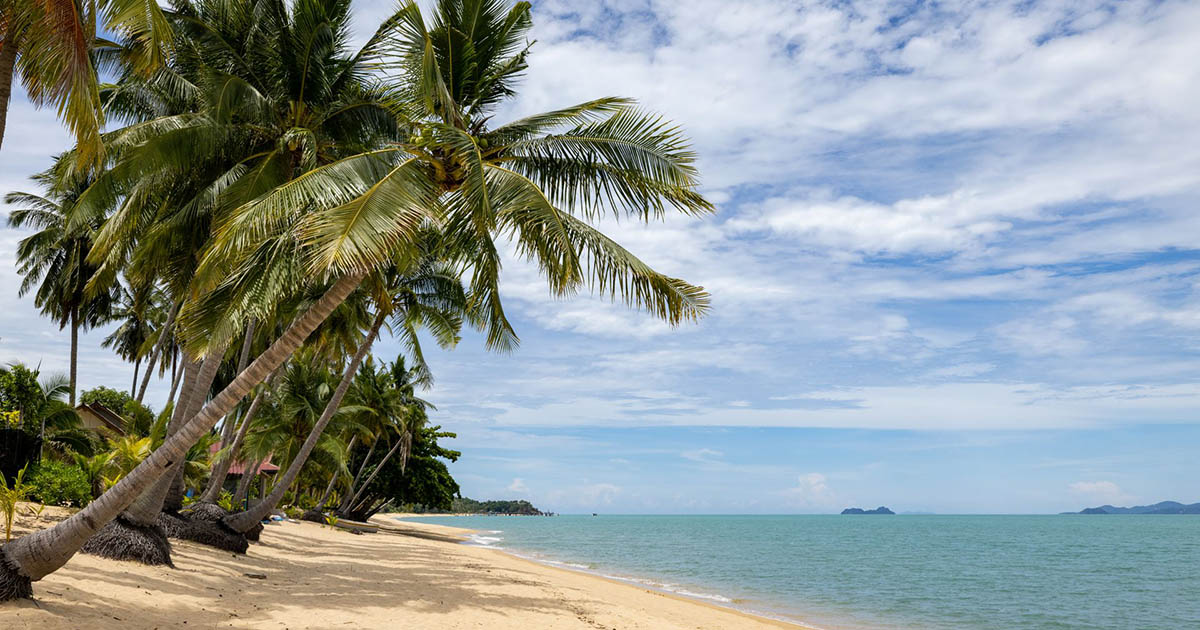

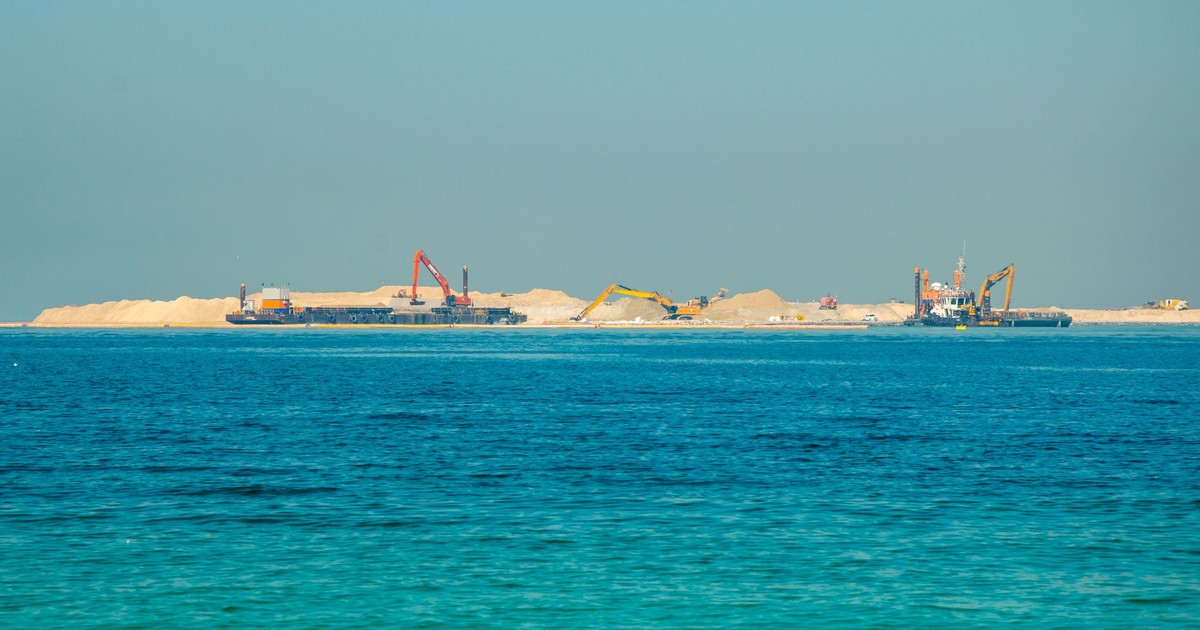
Somewhere in the middle of Tampa Bay, about two miles offshore, sits a nine-acre island that technically shouldn’t exist. The island is man-made – what’s known as a spoil island, created when sand and sediment dredged from the sea floor were dumped in one spot to clear shipping channels. Nobody built it to be beautiful. Nobody built it to be anything, really. For decades it just sat there, windswept and pine-covered, accessible only by boat and unofficially treated as a free-range gathering spot for whoever arrived with a cooler. Then four friends from the Tampa Bay area looked at it and saw a million-dollar idea. Several million, as it turned out.
A Tiki Bar Looking for a Home
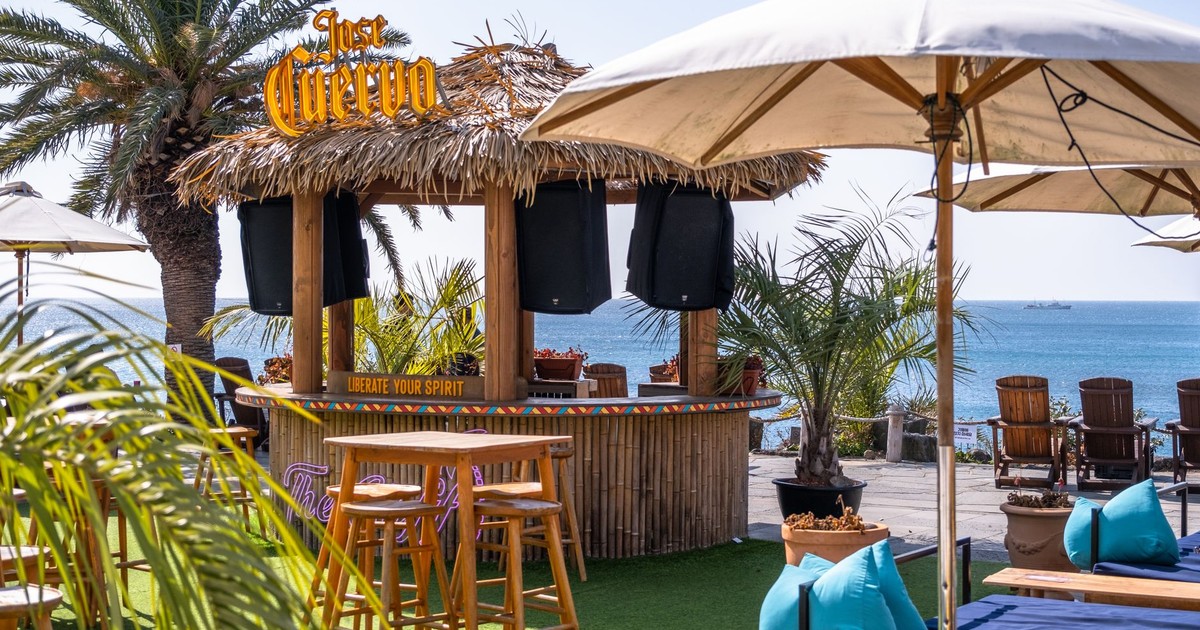
The story of how Pine Key became Beer Can Island – and how Beer Can Island became one of Florida’s most talked-about private destinations – involves a floating tiki bar, a years-long legal war with Hillsborough County, a hurricane that put the whole place underwater, and an investment that turned $65,000 into a property worth $14 million. It is, depending on how you look at it, either the best real estate deal in recent Florida history or proof that the most chaotic plans occasionally work out better than the sensible ones.
Pine Key has been privately owned since 1944, but the chapter that put it on the map began in 2017, when a group of friends with a floating tiki bar bought it for $63,650. That tiki bar is not incidental detail. It is, in fact, where the whole thing started.
Russell Loomis, one of the four buyers, had built a floating tiki bar with friends using 258 plastic barrels. Finding a parking spot for their floating watering hole was what drew them to Pine Key in the first place. The island wasn’t for sale, so they made a deal: they’d allow continued sand dumping operations there. In exchange, the previous owner, a company called Imperial Sand, parted with the island.
The four friends behind the purchase were Cole Weaver, Johnny Gadd, Russell Loomis, and James West – a group that included, according to Entrepreneur.com, an estate agent, an architectural engineer, and a man with a background in tech apps and debt relief. Not exactly the profile of a private island developer, but Florida has always rewarded people who ask questions later.
Loomis later said, “We didn’t know when we bought it what we were getting into.” When they purchased the island, which already had a reputation as an unofficial party spot for locals, it lacked facilities or utilities, and its owners seemed quite glad to be rid of it.
How an Island Earns a Name Like That
Pine Key earned the moniker Beer Can Island because, for most of its existence, the island’s only claim to fame was as an informal party spot where boaters could gather and cut loose. After the party, the only evidence they left behind were the empty cans of the beer they consumed during the festivities. No bathrooms. No trash collection. No rules beyond whatever the tide enforced. Boaters had been treating it as a free-range gathering spot for so long that many locals had forgotten – or never knew – that it was privately owned at all.
Although Beer Can Island had been privately owned before its current investors bought it, the old owner rarely if ever enforced their rights to partygoers off the island, mainly because the owner didn’t live there. That legal ambiguity would matter enormously when the new owners tried to change things.
Rather than fight the island’s reputation, the quartet decided to build on it. The name stayed. The vibe stayed. What changed was everything else.
The $5 Million Transformation
In the years following the purchase, after hauling in food and alcohol supplies, fixing up toilets, picnic tables, and a 120-foot inflatable slide, the once defunct island became a hub for boaters seeking to let their hair down. The additions were deliberately tropical: thatched-roof cabanas, a full bar, beach games, sand volleyball, and amenities that turned a garbage-strewn sandbar into something you’d actually plan a trip around.
The four partners spent an estimated $5 million on renovations, according to Yahoo Finance. On a nine-acre spoil island with no utilities, no road access, and no existing infrastructure, that money had to work differently than it would anywhere else. Every supply, every piece of equipment, every load of building materials arrived by boat. The fact that they pulled it off at all is the part the dollar figures don’t quite capture.
Since opening, the private club has hosted weddings, parties, and concerts with as many as 3,000 fans. The island runs on a membership model, with Weaver, an estate agent and architectural engineer, choosing to keep most of the island open to anyone who wished to step ashore while sectioning off some of it for fee-paying “members only.” It was a compromise that kept the spirit of the original Beer Can Island alive while generating real revenue.
The Battle With Hillsborough County
Not everyone was charmed by the transformation. Beer Can Island had never been officially zoned by the county before its purchase, and Florida state laws grant property owners a relatively high degree of autonomy, especially when operating a private club. This left the owners enough flexibility to realize their vision, albeit not without a significant cash investment.
But flexibility has its limits. Hillsborough County hit them with a 14-page code enforcement citation. The owners countered that the island had no zoning designation whatsoever, meaning the county may have had no jurisdiction. The battle was on – and it would last years.
The owners didn’t back down. They hired lawyers and refused to capitulate, arguing they’d cleaned up an island that was a garbage dump and made it safer than ever, even hiring off-duty EMTs and installing first aid kits. After an expensive 18-month legal battle, the Tampa Bay Times reported the county “acknowledged its hands are tied” – and Hillsborough County’s code enforcement board dismissed all violations against Beer Can Island.
That victory didn’t end the fight. In 2023, Hillsborough County leaders raised fresh concerns about the activities on the island, claiming it was difficult to get first responders on and off the island if someone got hurt. County Commissioner Michael Owen wanted the island designated as a private preserve, which would effectively close the bar. The owners filed for a formal zoning review and pushed back again, presenting plans for responsible development including docks, cabins, and a clubhouse.
Running a private island off the Florida coast, it turned out, involved a surprising amount of time talking to lawyers. As Loomis put it in an interview with the Times of London, “It’s been an extremely fun time, but it’s come with a lot of challenges. We’ve worked our tails off for the last six years on this project.”
When the Hurricane Came
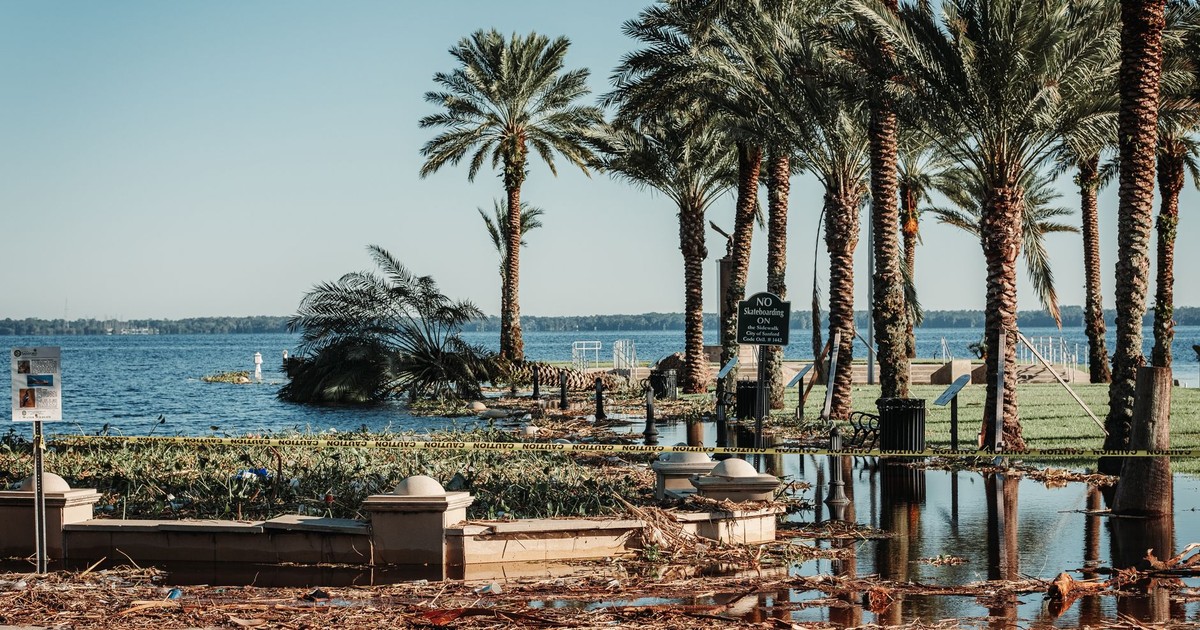
Hurricane Idalia destroyed most of Beer Can Island’s structures. The entire island went under at least five feet of water. The storm made landfall in August 2023 as a Category 3 hurricane and sent a surge through Tampa Bay that swallowed the island entirely. Years of construction, renovation, and legal battles, briefly underwater.
The owners rebuilt. FOX 13 Tampa Bay reported that the storm damage, combined with the ongoing costs of running a remote operation, ultimately factored into the owners’ decision to list the island for sale. What got rebuilt after Idalia, the owners rebuilt themselves – no federal agency was coming to restore a private tiki bar on an unzoned spoil island.
What the Island Is Worth Now
A party venue with a difference in Florida’s Tampa Bay was eventually listed for sale at $14.2 million. The purchase price in 2017 was $63,650. That’s not a typo, and the math is not complicated, even if the path between those two numbers involved hurricanes, code enforcement boards, a floating tiki bar, and somewhere north of half a decade of legal fees.
According to the listing, the island spans nine acres of uplands covered in pine trees and more than 60 acres of surrounding submerged shoal area. Weaver described it as “one of the only privately owned islands in Tampa Bay.” The listing drew interest from private buyers, corporations, and international investors.
Inside Edition ran a national TV segment on a community ownership opportunity: 1,500 shares at $1,030 each, giving everyday people a shot at owning a piece of Tampa Bay’s most famous island. The story resonated with audiences across the country, and 660 pledges poured in within days as Tampa Bay rallied to save the island. The community had, it turned out, feelings about Beer Can Island.
Read More: 15 Best Beach Towns in The U.S. That Will Have You Feeling Laid Back, Relaxed, and Enjoying The View
A Lot of Island for What Was Basically a Dare
The thing about Beer Can Island that doesn’t quite fit into the investment story is what happened in between the purchase and the $14 million valuation. The county fights. The hurricane. The 100 days Weaver reportedly spent living on the island, personally talking to boaters and building the case that a private club and a boating community destination weren’t mutually exclusive. When Beer Can Island’s investors took possession and began converting it to a private club, there was something of a reeducation period where they were constantly telling would-be partygoers that their hang-out spot was now a privately owned, members-only club. As a compromise, they left part of the island open to people who wished to come ashore while designating another portion for dues-paying members.
That compromise is what made it work. A harder line might have turned the boating community against them permanently. A softer one might never have generated enough revenue to survive the legal bills. The fact that they found the line at all, on an unzoned spoil island in the middle of Tampa Bay, having started with a floating tiki bar and somewhere around sixty-three thousand dollars, is its own kind of achievement.
The island is still there, still sitting between Tampa and St. Petersburg, still accessible only by boat. Whatever chapter comes next – community ownership, a private buyer, a corporate retreat – it will start from the premise that four friends once looked at an abandoned pile of dredge sediment covered in empty cans and saw something worth fighting for. That’s a harder thing to put a dollar value on than the $14 million, and probably the more interesting number.
AI Disclaimer: This article was created with the assistance of AI tools and reviewed by a human editor.