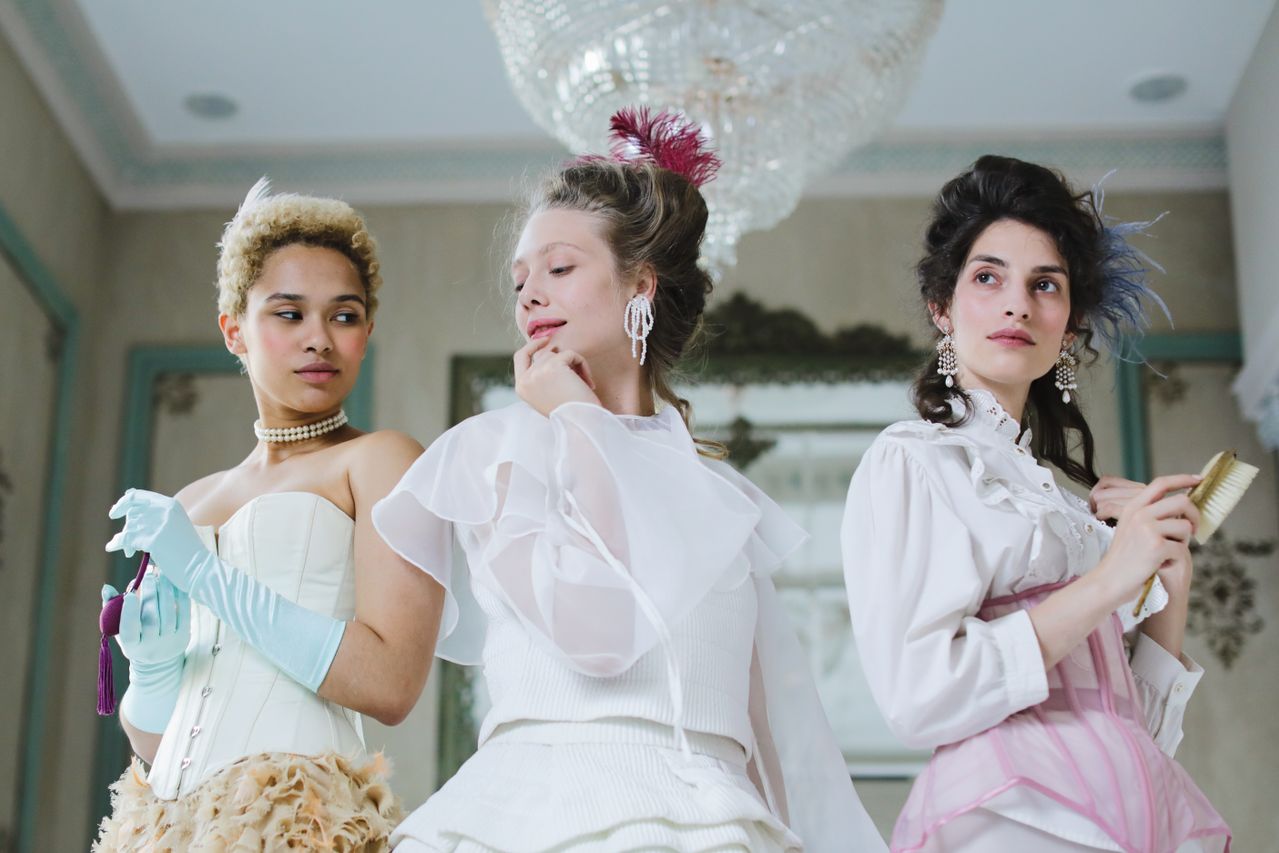

The goalposts have never stayed still. What counts as the “ideal woman” has been redrawn by every generation, sometimes radically, sometimes with just a slight shift in which body part is suddenly most important, most scrutinized, most required. And while it’s tempting to treat this as a neat historical timeline, a reassuring march toward enlightenment, the picture is considerably messier. The ideals have cycled back on themselves, contradicted each other, and occasionally demanded that women shrink themselves quite literally to fit.
What makes this worth examining is not just the curiosity of it, the whiplash between the corseted Victorian waist and the flapper’s flat chest and the 1950s pinup and the 1990s waif, but what all those shifting standards have in common. In virtually every era, the ideal woman beauty standards of the day were just out of reach for most women who actually lived there. That gap between the ideal and the achievable has been the throughline across every decade.
Understanding how we arrived at 2026’s tangled mix of body positivity campaigns and filter-heavy social media requires going back, decade by decade, to see exactly who decided what “perfect” looked like and why.
The 1920s: Liberation That Came With Its Own Corset
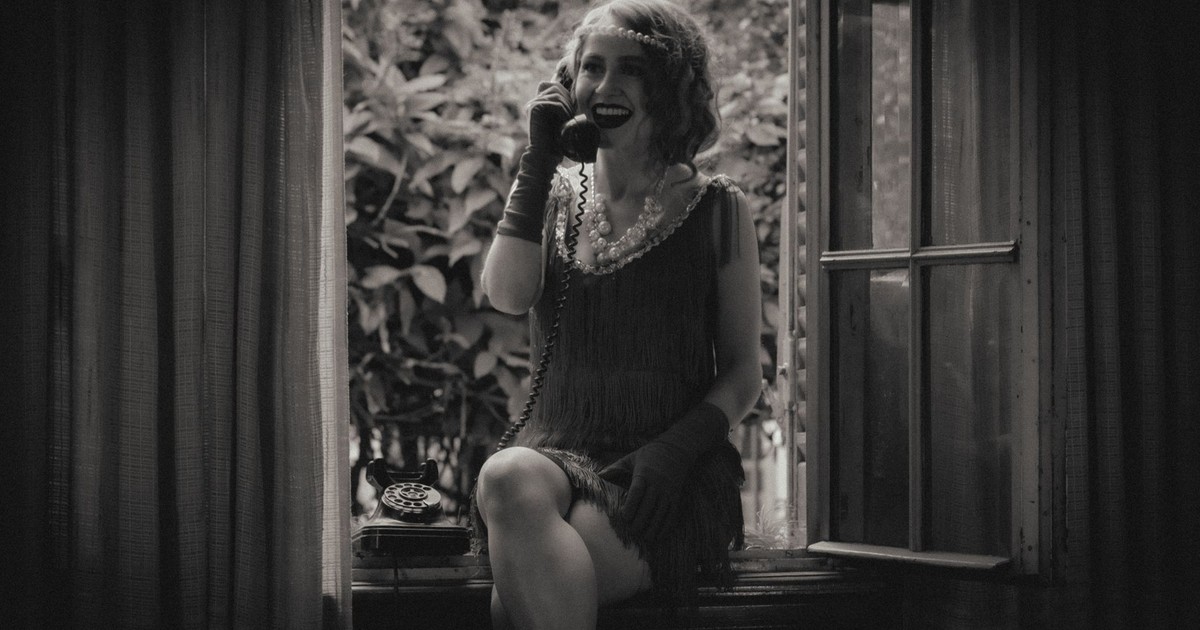
In the aftermath of World War I, the 1920s brought in a new era built around the flapper. Women began to reject the restrictive corsets and traditional roles of the past. The silhouette that replaced all those layers and boning was, in a strange way, equally restrictive, just differently so. The ideal beauty was androgynous: short bobbed hair, a flat chest, slim hips, and bold makeup with dark, smoky eyes and red lips. The flapper look symbolized independence, youth, and liberation.
Smaller chests and slim frames became the pinnacle of beauty, and actresses like Louise Brooks perfectly captured the era’s androgynous look, accentuating it with rebellious flapper style, dramatic makeup, and sleek bobs. Women who had spent generations being told their curves were their greatest asset were now binding those same curves flat. The rebellion against one beauty cage had produced another, and the women who didn’t naturally fit the new mold were simply back where they started.
Perhaps more than any other era in American history, the 1920s saw a dramatic shift in women’s appearance. Young women wore clothes and hairstyles significantly different from their mothers’, a change made possible by expanding fashion and beauty industries. The machine that would spend the next century selling women their own reflection back to them as something slightly inadequate was already running.
The 1930s – 1940s: Glamour as Survival
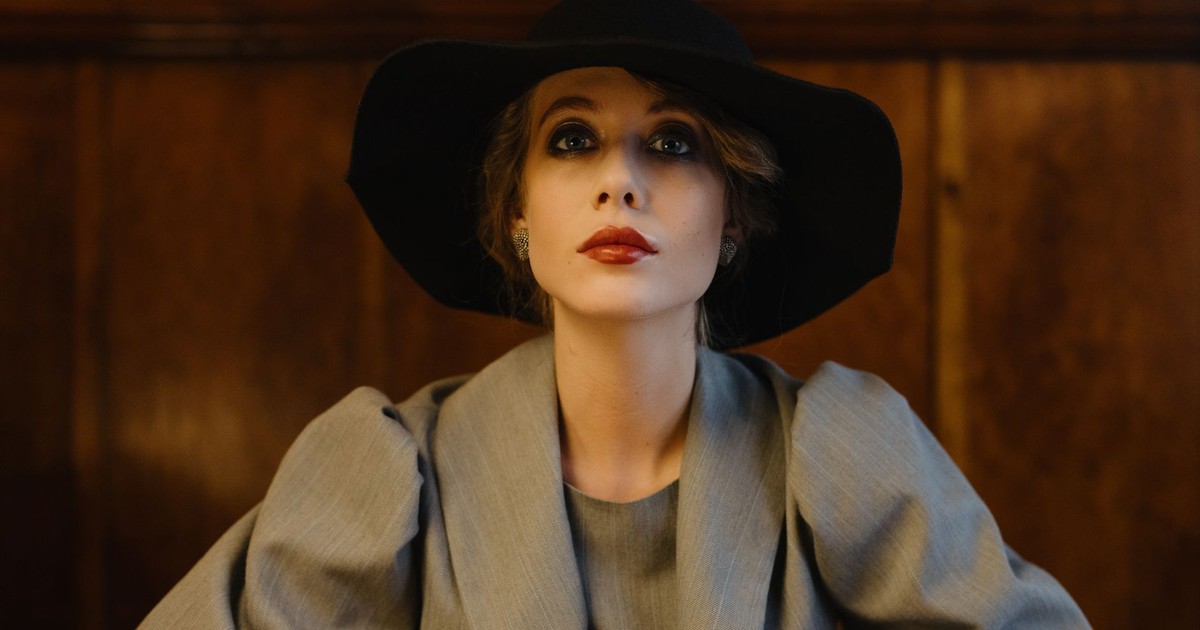
As Hollywood gained influence, stars like Greta Garbo and Rita Hayworth set the beauty tone. Softer curls, defined brows, and a more feminine silhouette became desirable. Even during the hardship of the Great Depression and World War II, beauty standards leaned into glamorized escapism, with red lips remaining a staple and the overall aesthetic more refined and elegant.
Before Marilyn Monroe became Hollywood’s “golden girl,” actresses like Greta Garbo popularized Art Deco glamour with striking facial features and chic sophistication. Refinement and symmetry were the ideal combination, with the film and fashion industries emphasizing a sleek look characterized by sculpted cheekbones, dramatic makeup, and thin brows.
Two of the most economically devastating decades in modern American history produced some of its most glamour-obsessed beauty standards. The ideal woman of the 1930s and 1940s looked expensive in a time when almost no one was. The aspiration was precisely the point.
The 1950s: The Hourglass Returns
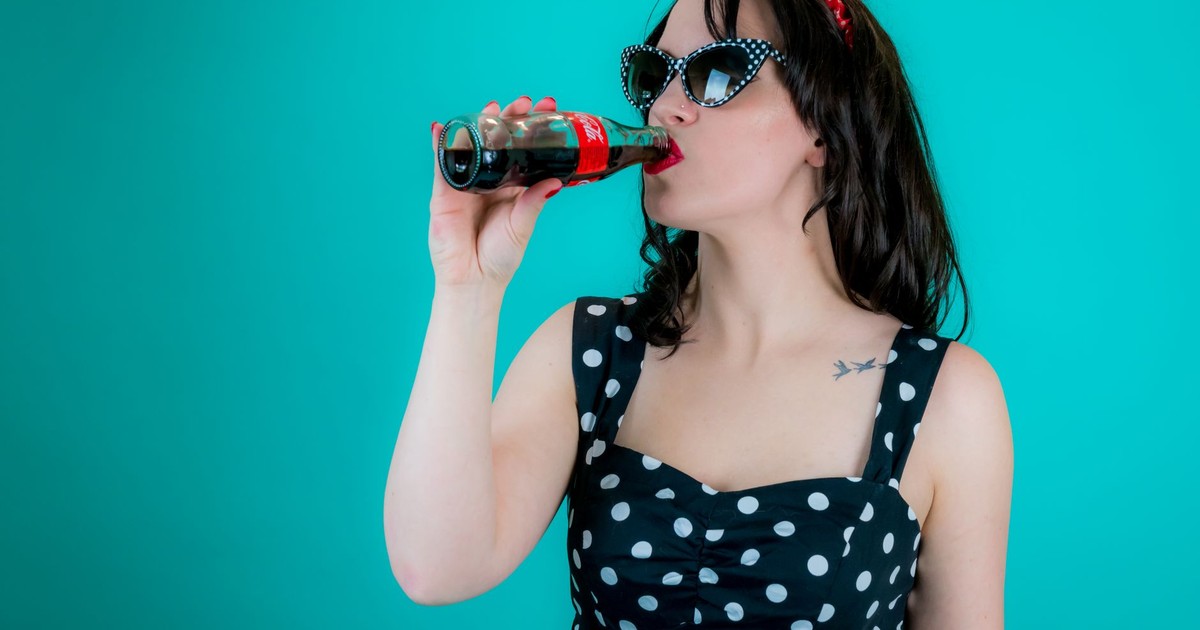
Post-war prosperity brought a return to traditional gender roles and ultra-femininity, with Marilyn Monroe and Elizabeth Taylor becoming icons of the time. As women began gaining weight due to the end of wartime food rationing, the hourglass figure became the most desirable shape, which brought about the repopularization of corsets.
Contrary to popular belief, “plus-sized” women were not the ideal of the time, at least not what we would consider plus-sized today. Women still wanted thin arms and legs and a tiny waist, but they also wanted large breasts and round hips. The distinction matters. The 1950s ideal has been misremembered as an era of curvy acceptance. It was not. It was an era of a very specific kind of curve, achievable only within a very specific size range, reinforced by a very specific domestic role women were being returned to after the war had briefly put them somewhere more interesting.
The 1960s: The Return of the Boyish Ideal

The beauty standard in the 1960s was all about slenderness, youthful features, and maintaining an adolescent physique. Far removed from the curvy figures of past decades, this era celebrated the boyish look. With thin frames, strikingly large eyes, and pixie cuts, models like Twiggy became poster girls for the aesthetic.
According to the Body Positive Alliance, as women began to enter the workforce in large numbers and demand equal rights, beauty standards intensified aggressively. Female-dominated professions, like nurses, secretaries, and flight attendants, were often hired based on appearance. Pan-Am, for example, had specific height and weight requirements for its female flight attendants during the 1960s. The thinner women got in public life, the more visible they became at work, and that correlation was not accidental. The 1960s and 1970s saw a dramatic rise in disordered eating patterns, likely coinciding with the notion that being thin was the most attractive.
The 1970s: Natural, But Still Narrow
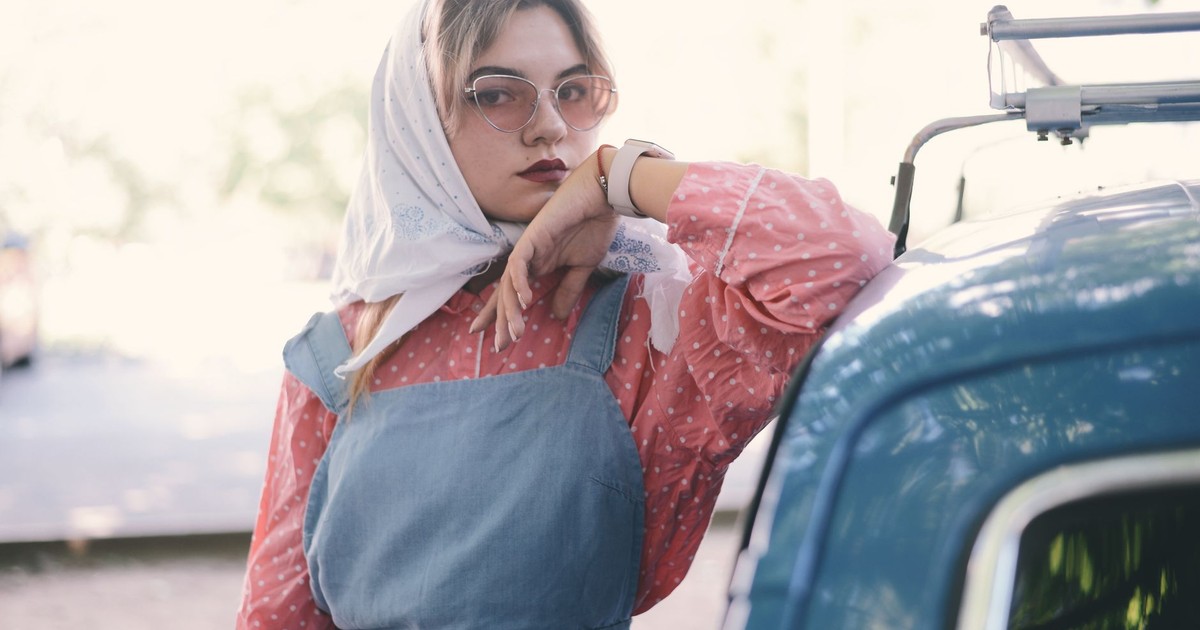
The feminist movement and a return to natural lifestyles influenced 1970s beauty. Women embraced longer, looser hair, minimal makeup, and a sun-kissed glow, with icons like Farrah Fawcett and Cher embodying the “natural” beauty ideal, though it was still carefully curated. Diversity began to enter the spotlight, albeit slowly.
The ideal woman in the 1970s was thin, and an increased emphasis on thinness resulted in the rising popularity of dangerous diets, such as the Atkins diet, master cleanses, and weight loss pills. In 1974, Beverly Johnson appeared on the cover of Vogue, the first Black woman to do so. But as Johnson herself attests, this milestone was not enough to erase the continued racism and colorism embedded in Western beauty standards.
The thin ideal carried into the 1970s, but the decade saw a bigger emphasis on larger busts, with Farrah Fawcett at the media forefront, representing athleticism and femininity within the boundaries of a thin, petite frame. The freedom of the era was real but limited. The parameters had loosened slightly; they had not disappeared.
The 1980s: Power, Gym Culture, and the Supermodel
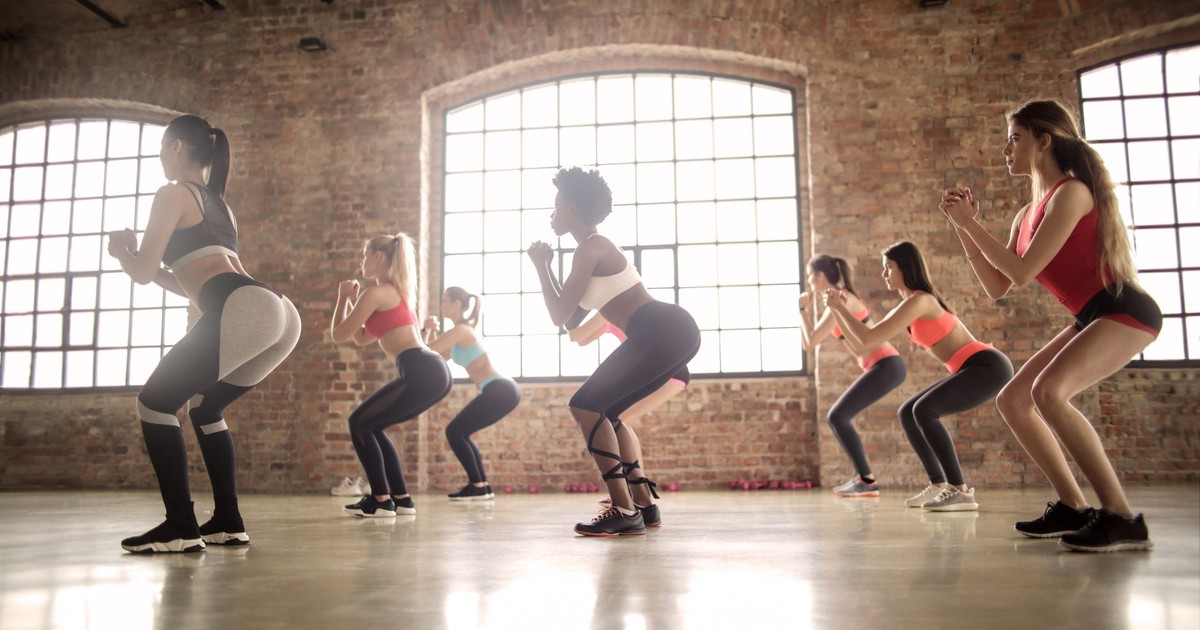
The emphasis on athleticism intensified in the 1980s, with aerobic exercise shows and videotapes becoming a widespread trend that compounded persistent diet pressures. The rise of supermodels like Cindy Crawford and Naomi Campbell established a focus on longer, leaner bodies, and the athletic fashions and skintight fabrics of the era reinforced the obsession with “tight” and “toned” bodies.
Power and extravagance defined the 1980s. Supermodels like Cindy Crawford and Linda Evangelista embodied athleticism, curves, and confidence. Big hair, bold makeup, and aerobics culture set the tone. The ideal woman was fierce, fit, and visibly put-together. Beauty was power.
The 1980s also introduced a tension that has not resolved since: the ideal body now required labor. It wasn’t enough to be born with good bones. You had to earn your body at 6 a.m. in leg warmers, and then maintain it publicly, and then still look effortless. The bar had moved from inheritance to performance.
The 1990s: Heroin Chic and the Return of Extreme Thinness

Unlike prior eras, the 1990s were a decade of edgy and controversial beauty standards. The androgynous look, along with pale skin and ultra-thin figures, led the era’s minimalist aesthetic, which was a direct reaction against the vibrancy of the 1980s.
During this era, slender yet strong supermodels became idealized images of beauty, with Kate Moss, photographed for Calvin Klein in 1993, having a slim body type, often described as waif-like, that became widely popular. The term “heroin chic” entered mainstream fashion vocabulary, describing an aesthetic of hollow cheeks, visible collarbones, and a studied look of fragility. In the 1980s, there had been more emphasis on lean but athletic bodies; then in the 1990s, skinny body types were back in fashion and were considered to be “heroin chic,” which coincided with a dramatic rise in disordered eating.
The gap between the average American woman and the woman on the magazine cover had never been wider, and perceptions of global beauty standards have always reflected this distance between aspiration and reality.
The 2000s: Six-Pack Abs and Photoshop’s Rise
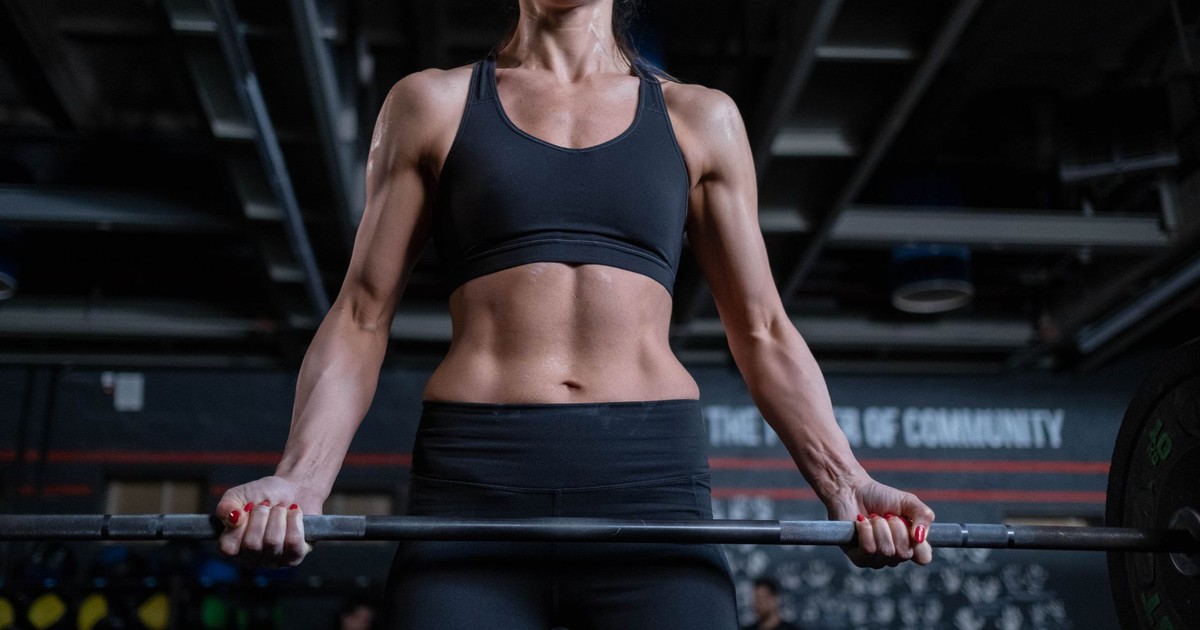
Compared to the 1990s, the 2000s were more bright, colorful, and optimistic. The early 2000s saw a return to the so-called “healthy” look of the 1980s, favoring tanned skin and prominent abs. However, the bodies emphasized in mainstream culture were hardly an accurate reflection of most American women.
In 2005, the average American woman wore a size 16, but the average model was a size 0 or 2. New technology played a significant role in both creating and spreading beauty ideals, with Photoshop widely used to create images of women with unrealistically smooth skin and tiny waists. There was also a drastic rise in cosmetic procedures like Botox and filler. According to research tracked by the Body Positive Alliance, from 2000 to 2009, there was a 69% increase in minimally invasive procedures.
The ideal woman beauty standards of the 2000s existed almost entirely in the digital space. The bodies that dominated magazine covers and television screens had been constructed as much in post-production as in the gym.
The 2010s: Curves, Contouring, and the Kardashian Effect
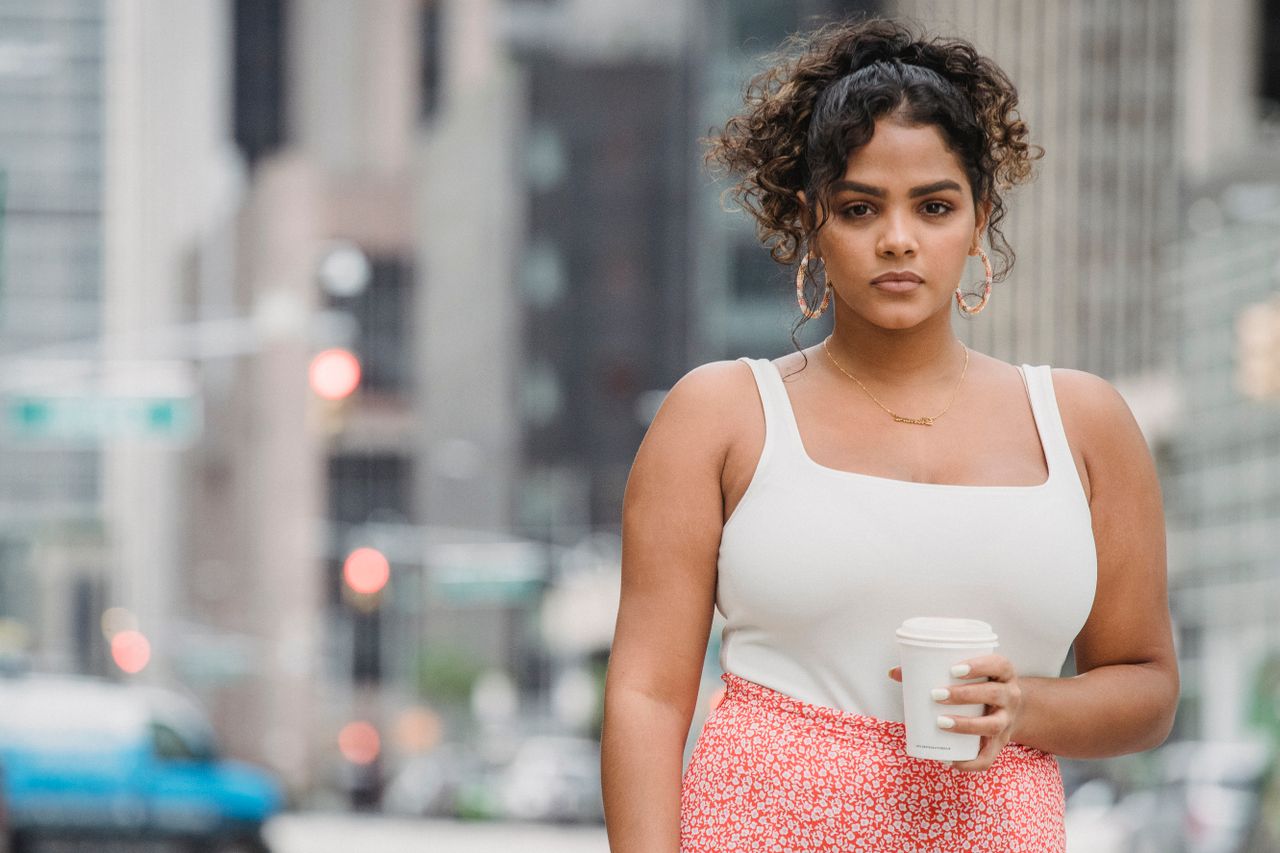
Social media transformed beauty standards in the 2010s. Platforms like Instagram and YouTube gave rise to influencers and everyday beauty gurus. Contouring, full lips, highlighters, and “Instagram brows” became trends. The hourglass figure returned, popularized by Kim Kardashian and fitness influencers, though often enhanced by cosmetic procedures and filters.
The 2010s marked a period of transformation in beauty standards due to the rise of social media. For the first time, the gatekeepers of beauty were not magazine editors or Hollywood casting directors. Anyone with a phone and a ring light could set a trend, and the trend cycle accelerated to a pace no human body could realistically track. By the late 2010s, body positivity had begun pushing back against the Kardashian-esque ideal, with plus-size models and entertainers like Lizzo entering mainstream visibility.
The 2020s: Pluralism, Pressure, and the Filter Problem
A 2025 systematic review and meta-analysis published in the Journal of Eating Disorders found that social media significantly impacts body image perception, particularly on visually driven platforms that propagate idealized, edited images. These platforms reinforce unrealistic beauty standards, contributing to body dissatisfaction and mental health issues such as anxiety and eating disorders. Movements like body positivity advocate for diverse body acceptance and challenge these ideals, yet questions remain about their long-term efficacy in reshaping body image perceptions.
A 2025 paper in Body Image, cited in a ScienceDirect review of the influencer effect, found that viewing idealized appearance-based imagery has been associated with body and facial dissatisfaction, disordered eating, body surveillance, and an elevated interest in pursuing cosmetic procedures. According to a large global report undertaken in collaboration with Dove, 2 in 5 girls report feeling compelled to change their appearance due to viewing influencer imagery on social media.
The 2020s have produced something genuinely new: a proliferation of ideals rather than a single dominant one. TikTok’s clean girl aesthetic, the cottagecore softness trend, the return to Y2K looks, body neutrality as a counter to body positivity, these are all running simultaneously, which sounds more freeing than it sometimes is in practice. More ideals can mean more ways to fall short.
In 2019, as TikTok influencers began to rise to fame, the clean girl aesthetic carried over into the 2020s and saw a return to minimalist and chic looks. The GLP-1 medication wave, drugs like Ozempic, originally developed for diabetes management and repurposed for weight loss, introduced yet another wrinkle by 2023 and 2024, raising pointed questions about whether the thinness ideal of the 1990s had simply found a new delivery system.
What Hasn’t Changed
Every era in this history shares something. As psychiatrist Jennifer Derenne argued in her widely downloaded paper in Academic Psychiatry, throughout history, the standard of female beauty has often been unrealistic and difficult to attain, with those who had money and higher socioeconomic status far more likely to conform to these standards, and women typically willing to sacrifice comfort and even endure pain to achieve them.
Just because a woman was born into a time where her physical traits weren’t in fashion doesn’t mean she was any less beautiful than those who happened to be born during an era where their appearance was in favor. Almost every woman alive today would have fit the mold of the “ideal” woman during one era or another. That observation is funny right up until you sit with the full weight of it: the standards have always been arbitrary, and they have always been enforced anyway.
The real conversation about bodies and beauty has always had less to do with aesthetics than with power: who gets to define the standard, who profits from the insecurity, and which women are told, in every era, that they are the wrong shape for the moment they happen to be living in. The archive of shifting ideals doesn’t show a world steadily getting kinder to women’s bodies. It shows a world that has always found new ways to ask women to be different than they are.
The Lesson the Archive Keeps Teaching
Knowing that doesn’t make the scroll any easier. But it does make the standard look a little less like received wisdom and a little more like what it has always been: a moving target designed, in part, never to be reached.
What the full sweep of this history makes plain is that no single era had it figured out, and no single era was uniquely cruel. The 1920s liberated women from corsets and handed them a flat-chest mandate in the same breath. The 1990s called skeletal frames aspirational and then spent the 2000s pretending it hadn’t. The 2010s offered the hourglass back as empowerment while selling the surgical procedures required to achieve it. Each generation has been certain its beauty standard was more enlightened than the one before. None of them were right.
The one consistent feature across all of it isn’t cruelty, exactly. It’s distance. Every era has maintained precisely enough distance between the ideal and the achievable to keep women reaching. That’s not a coincidence. It’s a design. Recognizing it as such is not a solution to anything, but it is a different kind of ground to stand on.
AI Disclaimer: This article was created with the assistance of AI tools and reviewed by a human editor.