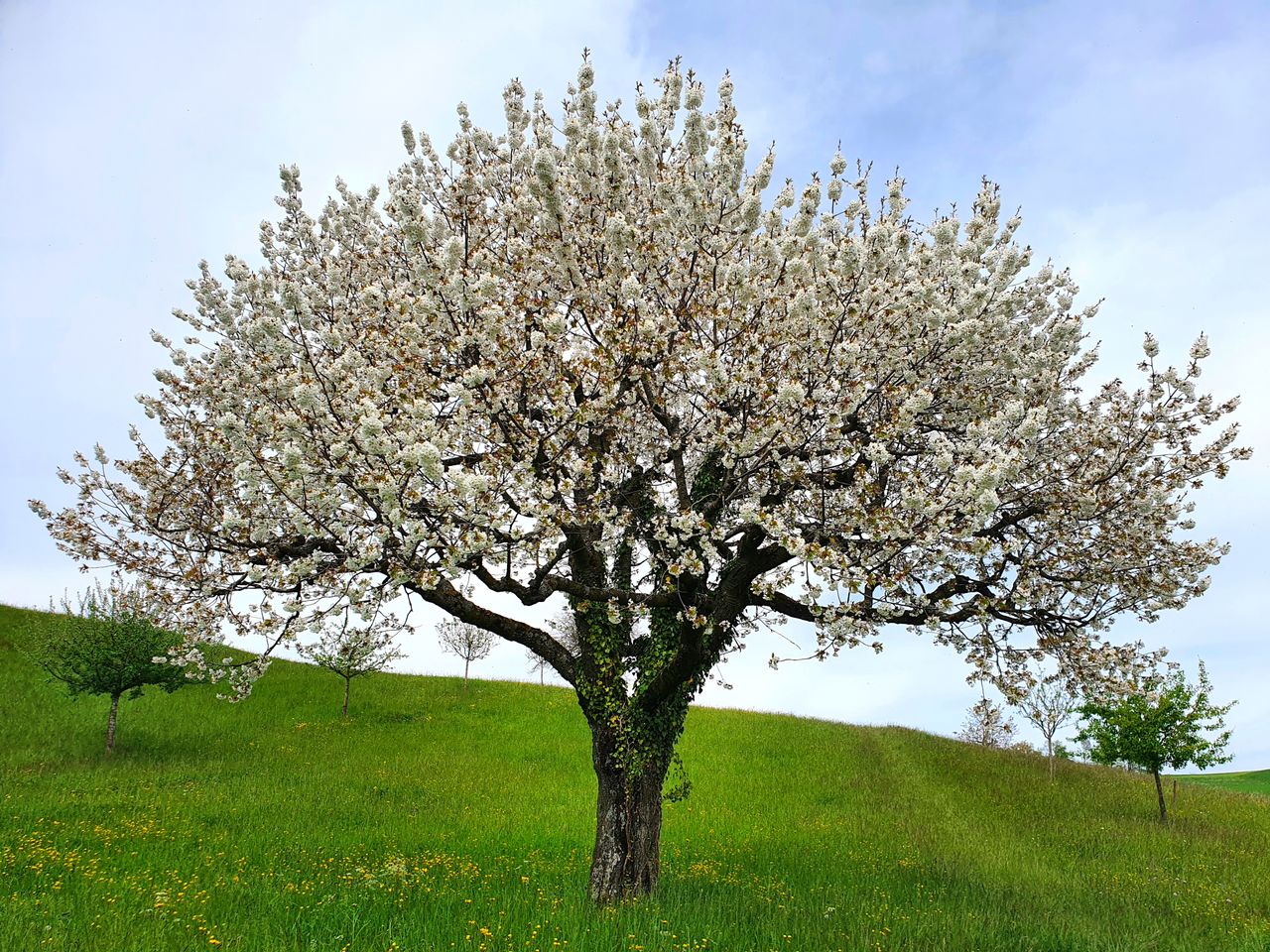

Every spring, nurseries fill their lots with the same reliable crowd-pleasers – fast growers, heavy bloomers, things that look great on the tag and get loaded into the car before anyone asks too many questions. A tree feels like an investment in the future of your yard. It’s supposed to be. But some trees are an investment in about three years of beauty followed by decades of damage, cleanup, structural headaches, and ecological fallout that no amount of weekend gardening will fix.
The trouble is that the trees most likely to cause problems are often the most attractive ones at the point of sale. They grow fast, they flower, they fill space quickly. Nobody’s putting a sign on them that says “this will eventually split in half during a thunderstorm” or “this species is now banned in four states.” So before you drive home with something in the back of your SUV, it’s worth knowing which trees to avoid planting altogether – not just for your yard’s sake, but for the wider ecosystem that has no say in what you put in the ground.
The six trees below come up again and again in conversations with arborists, horticulturalists, and extension services. Some are invasive. Some have roots that will go after your foundation with the focused determination of a contractor who isn’t your contractor. Some do both. What they share is a long track record of disappointing the homeowners who planted them and, in several cases, regulators who’ve had enough.
1. Bradford Pear (Pyrus calleryana ‘Bradford’)
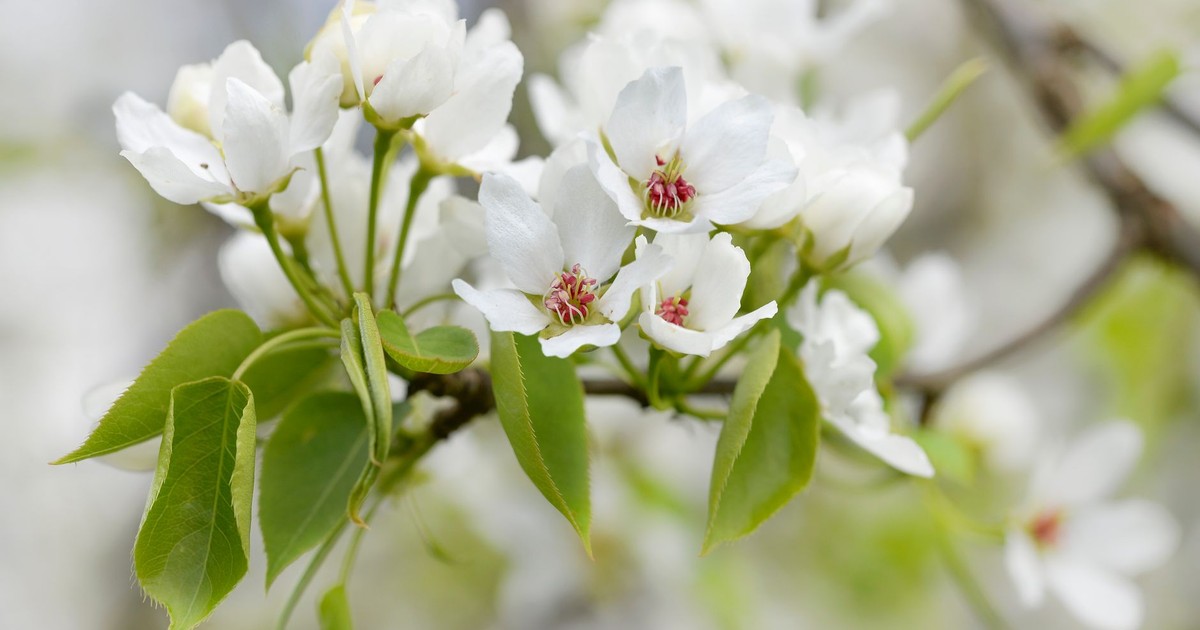
There is something almost admirable about how thoroughly the Bradford pear has fooled people. For decades it was the go-to choice for suburban front yards: fast-growing, symmetrical, covered in white blossoms every spring. The tree became a favorite for landscaping in the 1960s because it grew quickly, had bountiful blooms, and aged with a nicely shaped canopy full of bright green foliage. It looked deliberate. It looked like a tree that knew what it was doing.
The problem is structural. Bradford pears are highly invasive and can take over entire natural areas with their heavy seed production. They are also very weak-wooded trees with poor branch structure, leaving them susceptible to splitting and breaking under heavy winds. A tree that routinely splits itself in half during a moderate storm is not a long-term landscape asset. It is a liability shaped like a tree.
Originally sterile, Bradford pears eventually found a way to cross-pollinate with non-sterile Callery pears. Birds spread the seeds, and the trees now form dense thickets that crowd out native plants. The ecological damage has prompted real legislative action. They’re escaping cities and suburbs and spreading into prairies and woods, where they have few predators and so outcompete native plants. New Jersey’s Invasive Species Management Act, signed in 2026, outlaws the sale and spread of the Bradford pear alongside 29 other invasive species. Ohio, Pennsylvania, and South Carolina have also enacted bans. And if the smell alone hasn’t made the case – Pennsylvania’s press secretary for the Department of Agriculture described the bloom as smelling like “a rotting corpse.”
If you want the white spring bloom without the structural failure and ecological baggage, arborists consistently recommend native serviceberry (Amelanchier spp.) as a replacement: smaller, sturdier, and genuinely beneficial to local pollinators.
2. Silver Maple (Acer saccharinum)
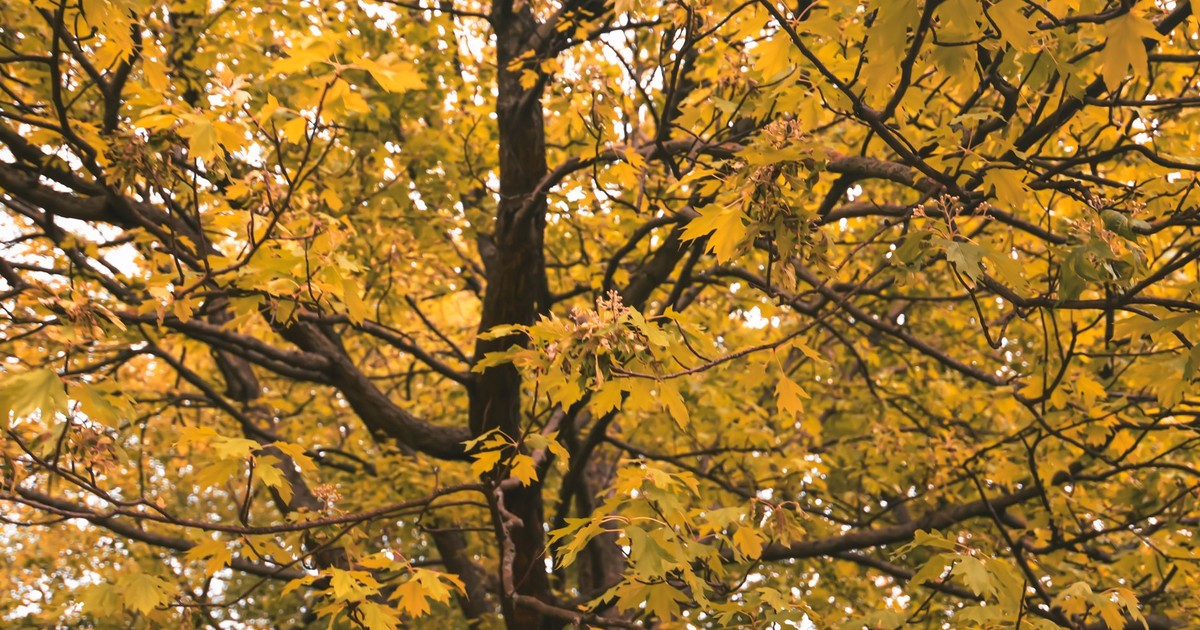
Silver maple has the kind of reputation that takes a while to reveal itself. It’s typically planted because it grows rapidly, providing quick shade and tolerating a wide range of growing conditions. Those are real selling points. The problem is what happens underground once the tree gets established, and what happens above ground once a storm rolls through.
Silver maples have aggressive root systems that can damage sidewalks, foundations, and septic systems. Their wood is also brittle and prone to breaking during storms, posing a real risk to property. That combination – roots going after your infrastructure and branches coming off in the wind – is a particularly expensive double feature. Homeowners who planted one of these for its fast shade often spend years afterward dealing with heaved pavement, cracked driveways, or limbs on the roof.
Silver maple is specifically noted among trees with roots that often end up growing above the ground, which makes lawn maintenance a recurring obstacle and renders the area around the tree essentially unusable as the roots take over. The shimmery, two-toned leaves are genuinely beautiful. The roots are not. If you want fast shade, a red maple (Acer rubrum) gives you similar seasonal color with a significantly less aggressive root system and better storm resistance.
3. Tree of Heaven (Ailanthus altissima)
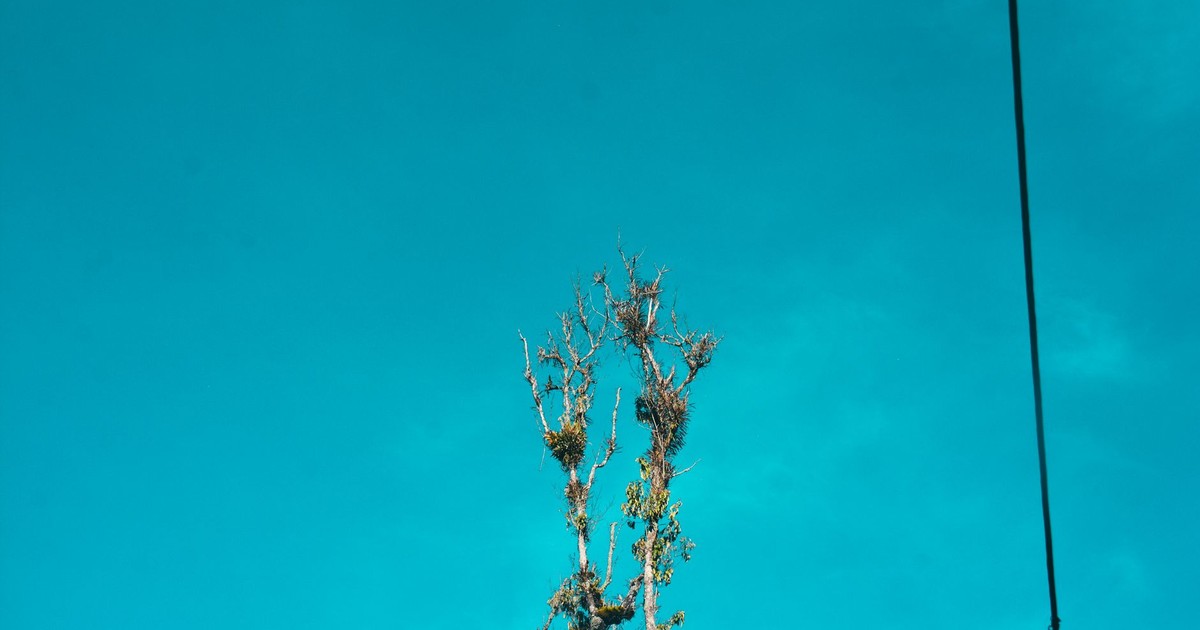
The name is not doing the work you’d expect it to do. Tree of heaven is an imported pest that is dirty, messy, invasive, and simply not suited to home landscapes. It seeds itself all around and, worse, it gives off a chemical to kill competing vegetation, which is an ecological strategy that makes it deeply unwelcome in any yard where you’d like other things to also grow.
Tree of heaven arrived in the US in the 1700s as an ornamental and has been causing problems ever since. It grows in virtually any conditions – cracked pavement, roadsides, disturbed soil, the gap between your fence and your neighbor’s. Often sold as a fast-growing shade tree, it’s one of the worst of the worst. It has aggressive roots that can damage pavement, foundations, sewage and septic lines – and it is very difficult to control because, even if cut down, it continues to sprout from its roots. That last part is the detail that breaks people: you can cut it down multiple times and it will keep coming back from the stump and roots.
Tree of heaven is among a list of invasive plants displacing native plants and threatening ecosystems statewide in New Jersey’s 2026 legislation, part of 31 initial invasive plants listed in the bill. It has also become the primary host of the spotted lanternfly, an invasive pest that has caused significant agricultural and ecological damage across the eastern United States. If a tree appears uninvited in your yard – growing fast, with large compound leaves that smell faintly unpleasant when crushed – there is a reasonable chance it is tree of heaven, and it should be removed before it becomes a project.
4. Norway Maple (Acer platanoides)
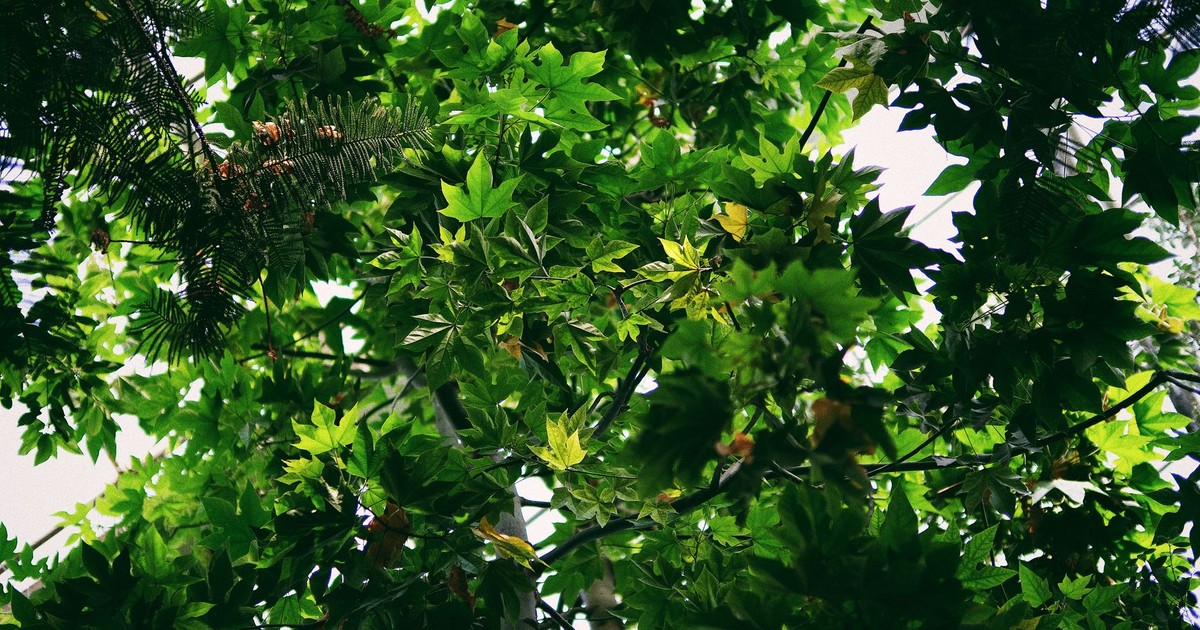
Norway maple spent several decades as one of the most popular street and yard trees in the United States, and it’s easy to see why. It’s fast, it’s tolerant of poor soil and urban pollution, and it produces reliable shade with a dense, full canopy. Norway maple trees have dense canopies that block sunlight, inhibiting the growth of other plants beneath them. These invasive trees were often planted in urban areas but have spread into woodlands, pushing out local tree species.
That density, so appealing at first, is actually the problem. Nothing grows under a Norway maple. Not grass, not ground cover, not the garden bed you had planned for that corner of the yard. The roots are shallow and competitive, taking surface water and nutrients before anything else has a chance. The tree essentially creates a dead zone beneath itself.
Common offenders in home landscapes identified by Purdue Extension include Callery pear, Norway maple, and burning bush – all three have track records of escaping cultivated settings and establishing in natural areas where they crowd out native species. Norway maple is considered invasive and can cause ecological disruption across much of the northeastern United States. The native sugar maple (Acer saccharum) is a far better choice: slower, yes, but with more spectacular fall color, genuine wildlife value, and no invasive tendencies.
5. Weeping Willow (Salix babylonica)
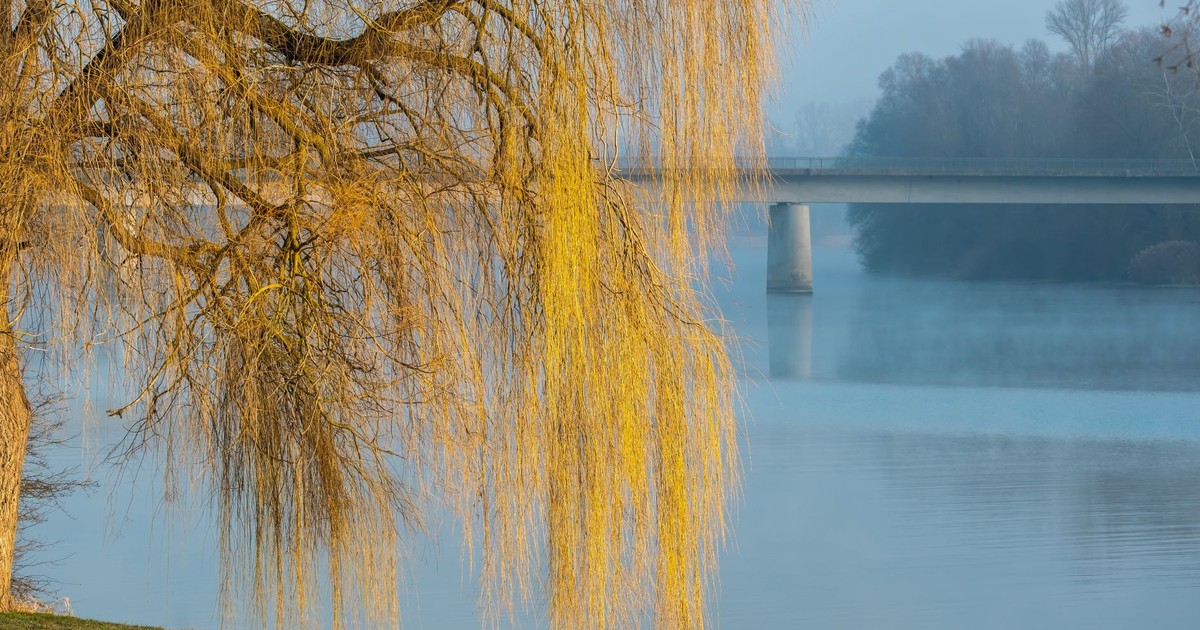
Weeping willow is the romantic’s tree. It looks extraordinary near water, its long cascading branches creating exactly the kind of scene that gets painted. The temptation to plant one is completely understandable. The regret tends to follow about five to ten years later, when the root system has found every water source on the property.
Weeping willow is among the trees and plants to avoid planting if you are concerned about invasive roots. Willows are water-seeking in a way that feels almost personal. Their roots will travel extraordinary distances to find moisture, and what they’re looking for most reliably is your plumbing. Sewer lines, irrigation systems, septic tanks, and water mains are all at risk. A willow planted even 50 feet from a water line can find its way there. The mosquito-repellent plants that attract you to backyard gardening in the first place won’t stand a chance if the yard is being slowly undermined by root systems no one can see.
Beyond the plumbing risk, weeping willows drop debris constantly – branches, catkins, leaves – and they require significant space to grow well. While willows are beautiful trees that look magnificent in larger gardens and forests, they are consistently the wrong call for a standard residential lot. If you have acreage, a natural pond, and a drainage easement you don’t mind sacrificing, that’s a different conversation. Most homeowners don’t. A weeping cherry (Prunus subhirtella ‘Pendula’) gives you the cascading silhouette without the infrastructure risk.
6. Mimosa Tree (Albizia julibrissin)
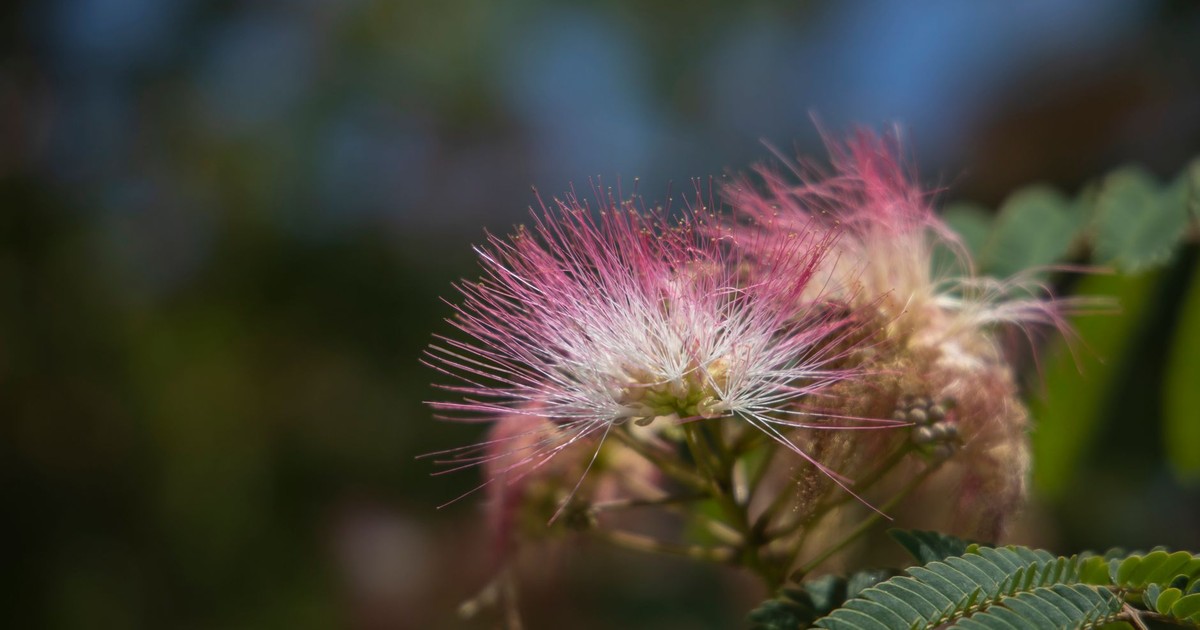
Mimosa trees are genuinely, undeniably pretty. The flowers are pink, feathery, almost absurdly tropical-looking for a tree you can buy at a garden center in Tennessee. They bloom through summer when most other trees have stopped. They grow fast. They’re hard to forget once you’ve seen one. You may feel nostalgic about this tree because your grandmother may have had one. That nostalgia is real and the aesthetic case for the mimosa is not nothing.
The practical case against it, however, is considerable. Mimosa trees have big, messy seeds that produce innumerable viable seedlings. One mimosa tree will attempt to become many mimosa trees. They seed prolifically, germinate easily, and establish quickly in disturbed soil – which describes most residential yards. What starts as one deliberately planted specimen becomes a reclamation project within a few years as seedlings appear in every corner of the yard, along fences, in cracks in the driveway, in the flower beds you were proud of.
Mimosa is listed as invasive in a wide swath of the eastern United States. Beyond the seeding problem, the trees are relatively short-lived, prone to a fatal wilt disease, and drop their fernlike leaves in a pattern that guarantees constant cleanup. The structure is also brittle, making storm damage a recurring issue. If you want dramatic summer bloom in a residential setting, crape myrtle (Lagerstroemia) gives you a similar visual punch with a fraction of the invasive footprint and considerably better longevity.
Before You Buy
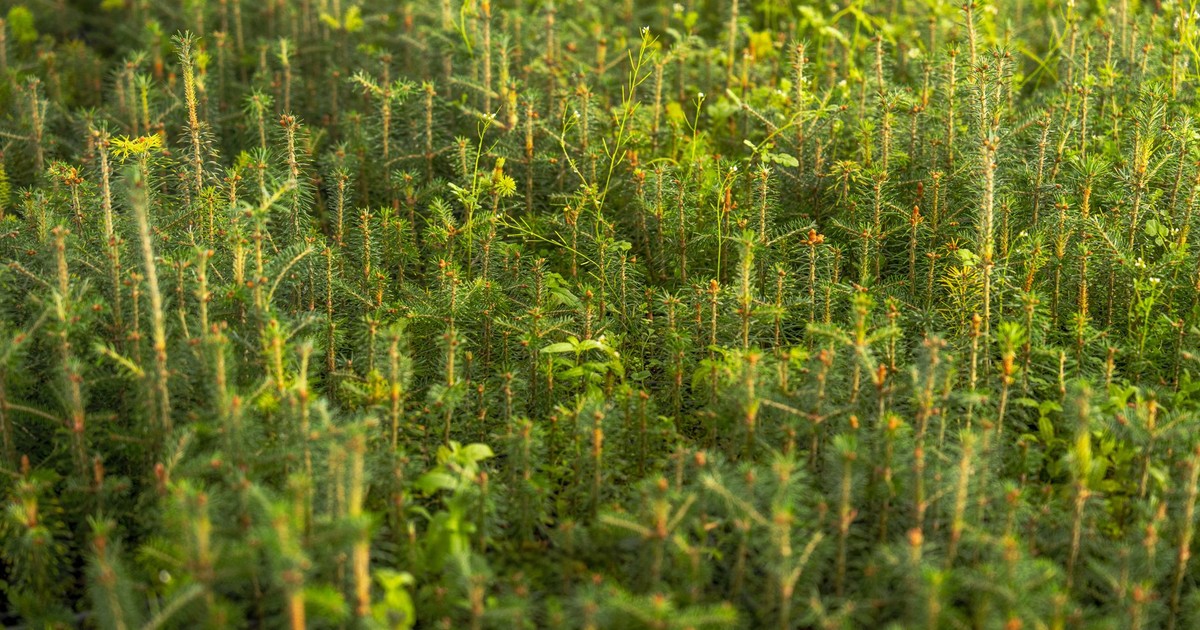
The nursery tag does a lot of work. It tells you height, spread, sun requirements, hardiness zone. What it doesn’t tell you is that the tree will spend the next two decades trying to crack your driveway, or that it’s been banned in four states, or that it will produce ten thousand seedlings a year and none of them will respect your property line. The trees to avoid planting are almost never labeled as such at the point of sale – which is exactly why the research happens before you get to the nursery, not after the tree is already in the ground.
Choosing a native or locally adapted species almost always gives you better long-term outcomes. Native trees evolved alongside your local insects, birds, and soil conditions. They support the food web in ways that imported ornamentals simply don’t, and they’re typically more resistant to the pests and diseases that circulate in your region. A slower-growing native serviceberry, redbud, or dogwood might not give you the dramatic first-season impact of a Bradford pear or mimosa, but it also won’t become a regulatory, structural, or ecological problem in year four. Some purchases are worth thinking twice about. A tree is definitely one of them.
AI Disclaimer: This article was created with the assistance of AI tools and reviewed by a human editor.