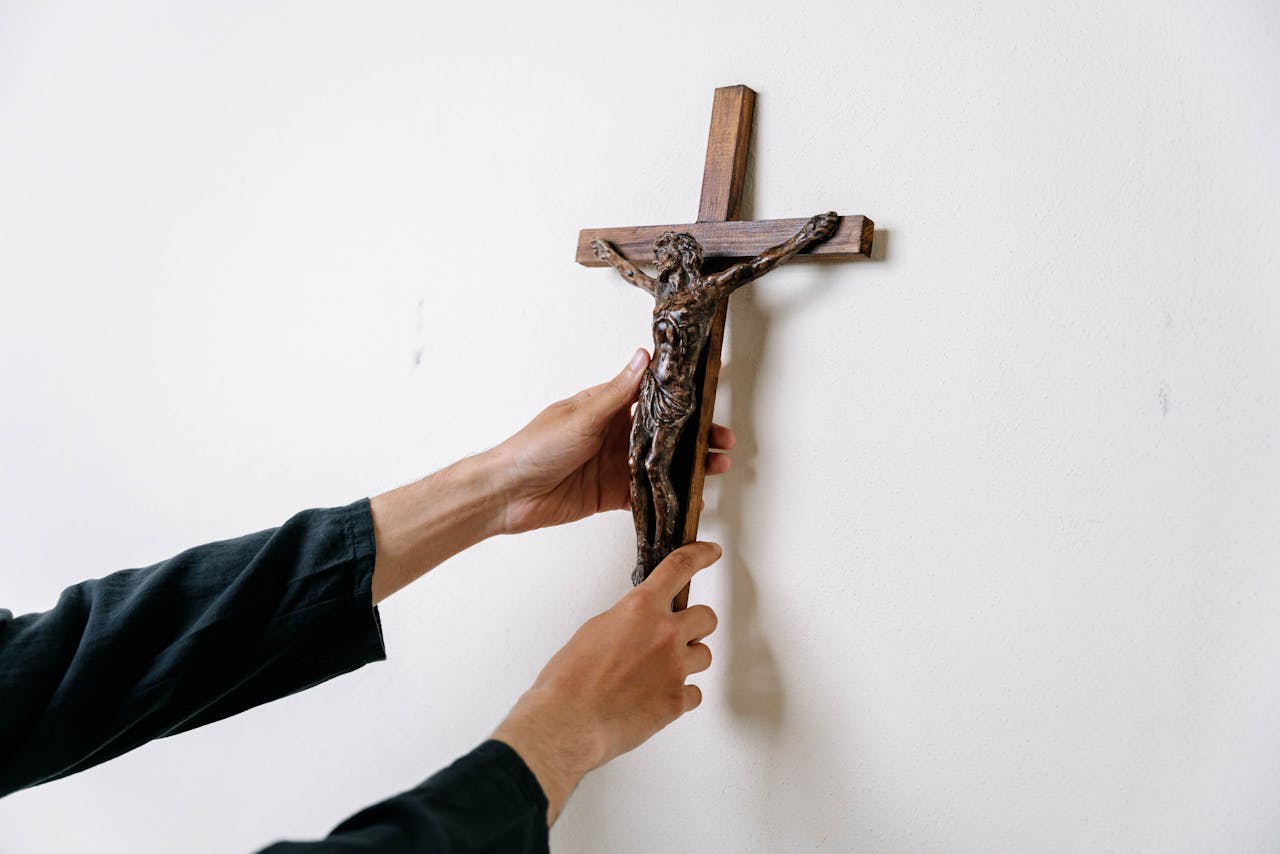

Somewhere between moving into a new house and figuring out where the couch goes, a lot of Catholic families pull a crucifix out of a box and set it on a shelf – just temporarily, of course – and there it stays for three years, facing the wall. It’s not a lack of faith. It’s the specific paralysis that comes from wanting to do something right and not being entirely sure what “right” looks like.
Crucifix home placement carries more intentionality behind it than most people realize. The rooms matter. The height matters. Whether the piece has been blessed matters. And behind all of it is a tradition that goes back well before anyone was worrying about gallery walls or entryway vignettes.
For Catholic families in particular, this isn’t just home décor. It’s a statement about who a home belongs to and what it’s for. Home decor gets away with a lot, but a crucifix hung in the right place with the right understanding behind it is doing something different entirely. Here’s what the tradition actually says – and what makes practical sense for the way most people actually live.
What a Crucifix Is (and Why It’s Not a Plain Cross)
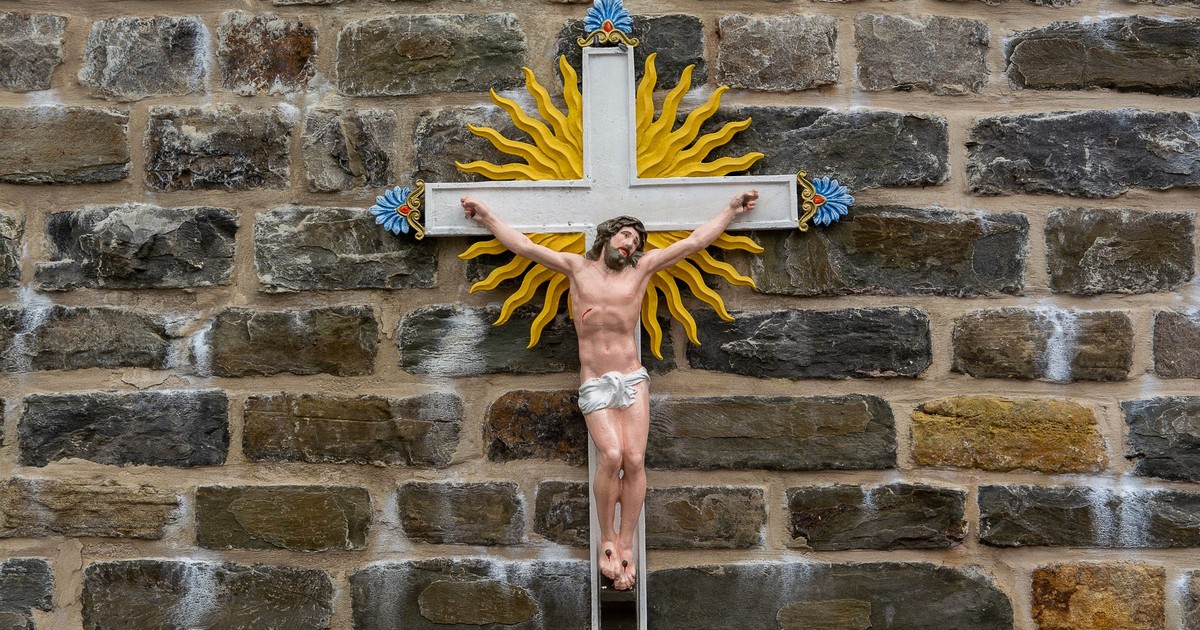
Before getting into room-by-room placement, it’s worth being clear on what you’re hanging. A cross is a simple reminder of the instrument the Romans used to execute criminals. A crucifix is a cross with a corpus – a body of Jesus – on it. The separation is theological and visual: the crucifix is a real, vivid reminder of Christ’s passion, death, and triumph over evil, while a plain cross represents only the wood. A crucifix depicts Christ crucified and is therefore the stronger symbol in Catholic worship, and the one generally preferred in the homes of believers.
For families with children, that visible specificity is actually part of the point. The crucifix isn’t asking you to imagine what happened. It’s showing you. According to Catholic Home and Church, the crucifix is “a real, vivid reminder of Christ’s passion, death, and triumph over evil.” That’s not morbid – it’s honest, and it’s the difference between a piece of religious home décor and a sacramental object with a job to do.
The Front Door: The Oldest Placement in the Book
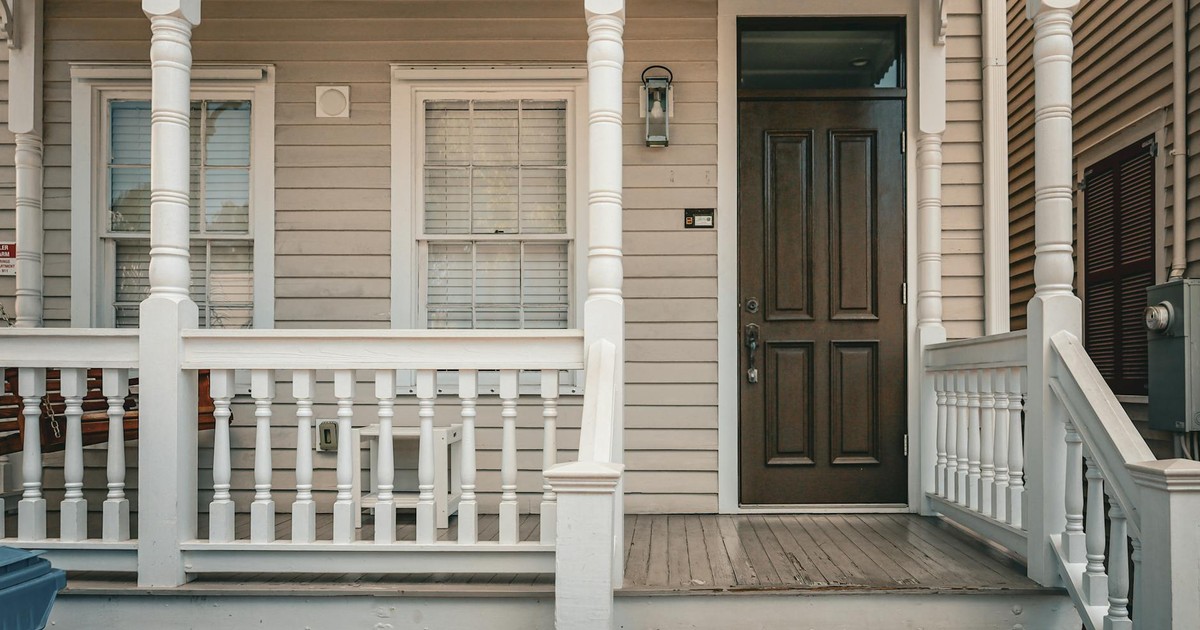
Catholic Online reports that in ancient Roman tradition, people did not have addresses, so they would indicate who owned the home with a plaque above the door, known as a titulus. Today that practice has become extinct, in favor of numbered addresses, which are incredibly impersonal. Catholic homes will commonly post a crucifix above the doorway to indicate the primacy of Christ to the family. It means the residence belongs first to Christ, and his sacrifice is accepted by those who live within.
Hang it above the door on the inside, where it greets you both as you leave and when you come home. Eye level or slightly above works well – high enough to be deliberately placed, low enough that it isn’t invisible. Placing a crucifix near the front door allows you to bless every passage and welcome visitors under divine protection.
If you have a front entryway with limited wall space, the crucifix takes priority over everything else. The console table, the key hooks, the mirror – those can go elsewhere. The crucifix is the anchor of the space.
The Living Room: Prominence Without Drama
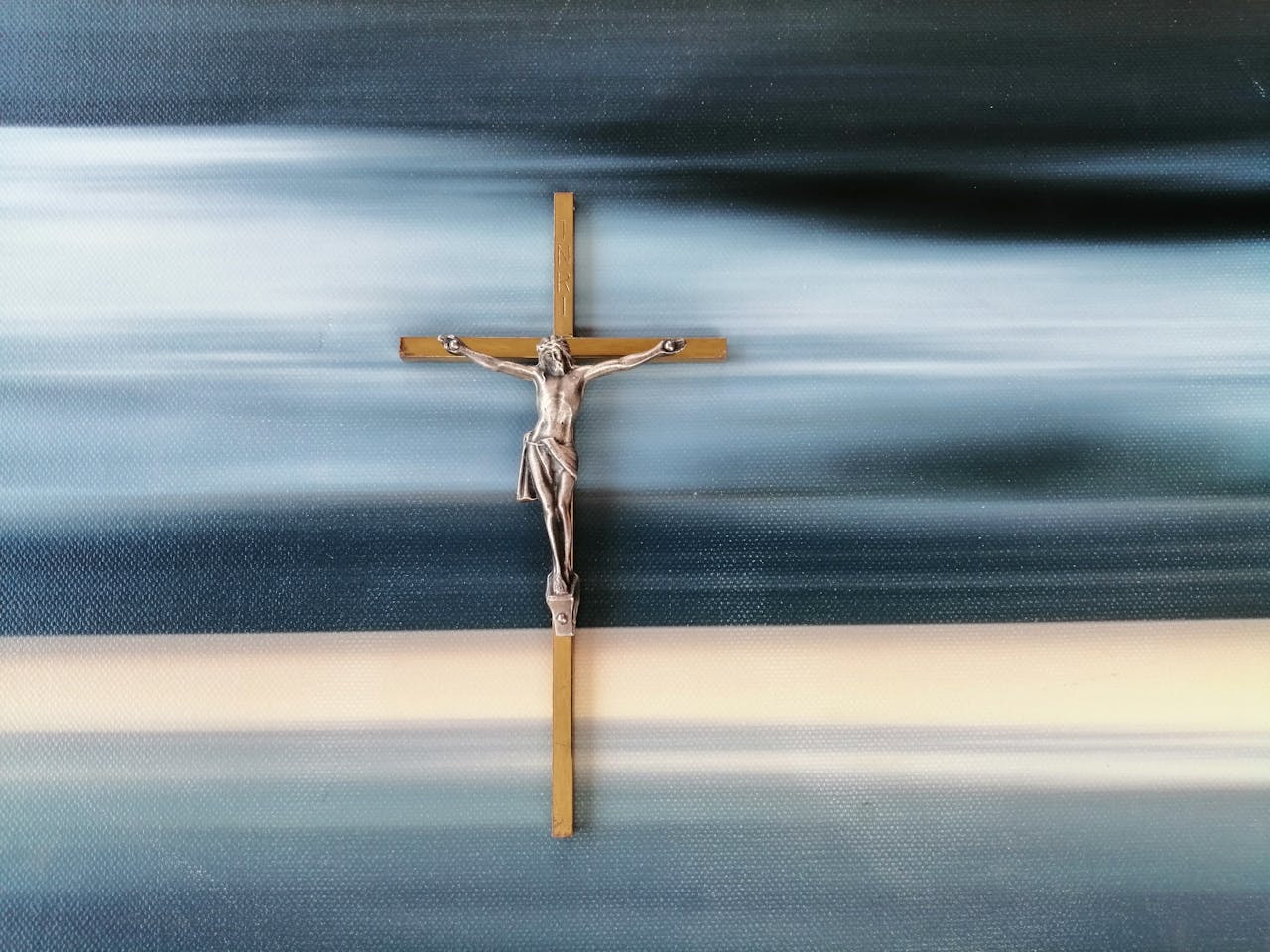
The living room or main gathering space is where the family spends the most waking time together, which makes it one of the most important locations for crucifix home placement. Catholic families traditionally hang a crucifix in the main living area. The goal here isn’t to create a shrine – it’s to give the room a focal point that does something different from a television or a framed print. A crucifix on the wall above a fireplace mantle, centered on a feature wall, or hung in a visible position near where the family gathers for meals or conversation keeps it present without making it feel performative.
Size matters more in the living room than anywhere else. A crucifix that’s too small on a large wall reads as an afterthought. One that’s appropriately sized for the space is a presence. The goal is to remind ourselves daily, even hourly, that we are saved and redeemed by Jesus Christ.
Bedrooms: The Most Personal Placement
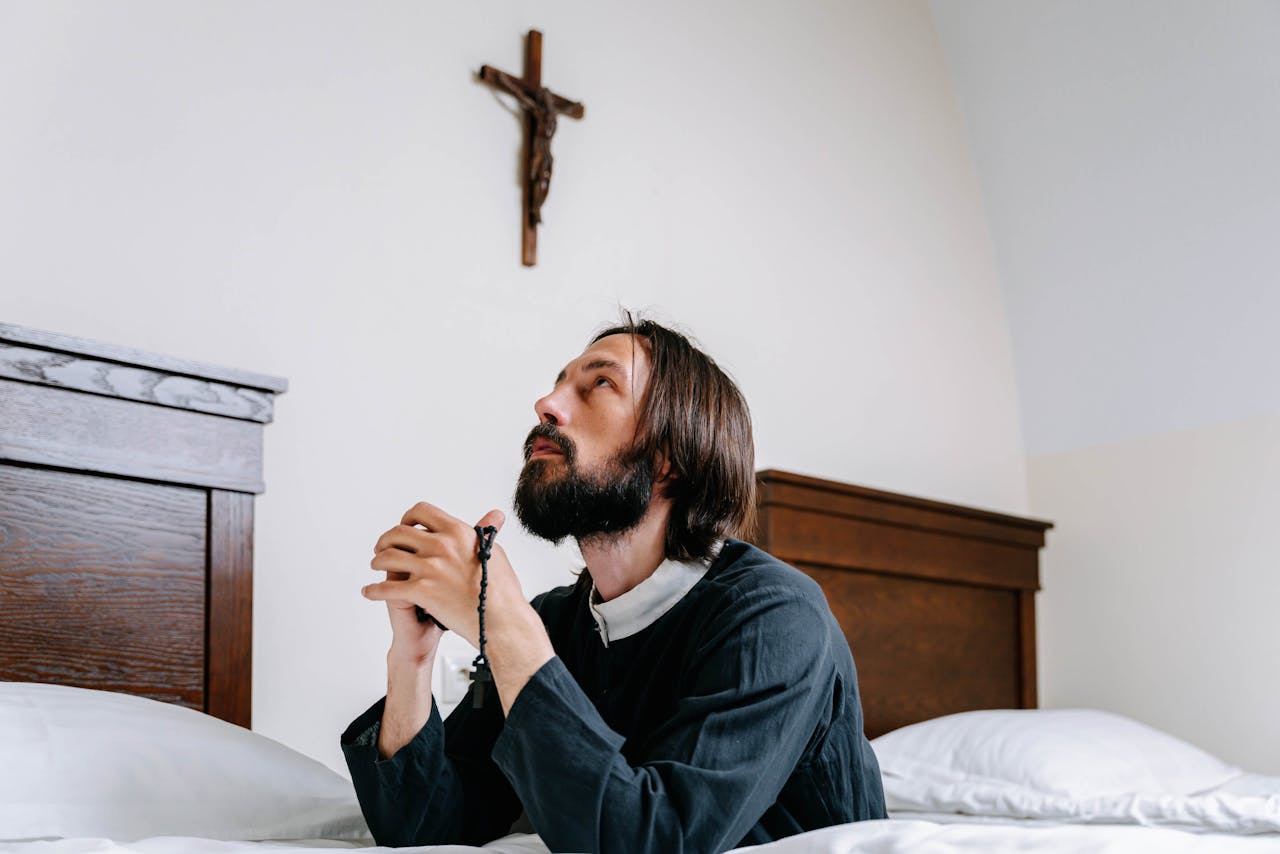
In bedrooms, the crucifix is placed on an available wall, or for children, a tiny crucifix can be pinned to a curtain over a window. Traditionally, the bedroom crucifix hangs above or near the bed – a position that means it’s the last thing you see at night and the first thing you see in the morning, assuming you’ve resisted the gravitational pull of your phone. Many parents place one above a child’s bed – a silent guardian through the night.
For couples, the crucifix above the marital bed is one of the oldest placements in Catholic home tradition. It isn’t there to make the room feel like a chapel. It’s there because the bedroom, like every other room in a Catholic home, is part of something larger. The Catechism of the Catholic Church states: “In our own time, in a world often alien and even hostile to faith, believing families are of primary importance as centers of living, radiant faith. For this reason the Second Vatican Council, using an ancient expression, calls the family the Ecclesia domestica” – the domestic church.
There’s also a tradition worth knowing: a Catholic practice usually reserved for those who work in very dangerous jobs, such as mining. Before the worker departs, he would remove the crucifix from the wall, kiss the icon of Jesus, and lay it gently on his pillow until his return. That gesture captures something about what it means to have a crucifix in the bedroom that no amount of interior design language really touches.
The Prayer Corner: Where It All Comes Together
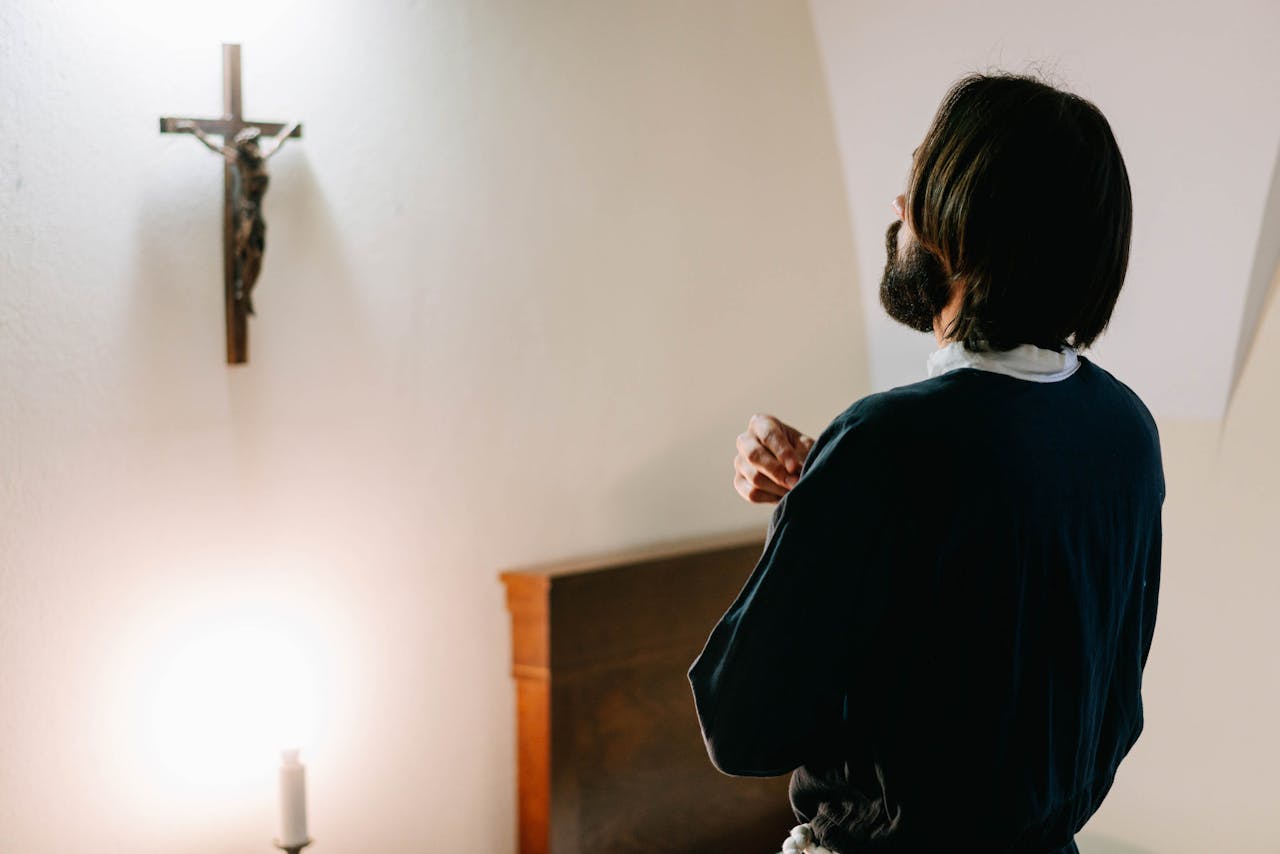
If your home has a dedicated prayer corner or home altar – even a small shelf in a quiet corner – the crucifix is its centerpiece. In many Catholic cultures, it was common to keep a little oratory or prayer corner at home. The Catechism of the Catholic Church specifically mentions this tradition: “The Christian family is the first place of education in prayer… For personal prayer, this can be a ‘prayer corner’ with the Sacred Scriptures and icons, in order to be there in secret before our Father.”
A crucifix is the central visual reminder of our salvation. It should have a place of honor in your prayer space. Whether wall-mounted above the altar or standing on it, the crucifix turns our gaze to Christ’s self-giving love and reminds us that every prayer is united to his sacrifice.
This is also where the Padre Pio connection becomes relevant. According to Local Catholic Churches, on September 20, 1918, while praying before a crucifix, Padre Pio received the stigmata – the five wounds of Christ’s crucifixion appearing on his hands, feet, and side. This extraordinary mystical phenomenon made him the first priest in Catholic history to bear the visible wounds of Christ. His entire spirituality was built around the theology of the Cross, and praying before a crucifix was central to the daily practice he advocated for ordinary believers. He recommended praying the Rosary before the Blessed Sacrament or before a crucifix – a practice the prayer corner is perfectly built to support.
Where Not to Put One

It is advisable to avoid inappropriate places such as bathrooms or untidy places, out of respect for the representation of Christ. That’s the short version. The longer version is: the crucifix should go somewhere that receives a degree of respect from the household. A shelf in a chaotic utility room where things are piled on top of it, a spot on the wall beside a cluttered junk drawer, or a position that means it faces away from any natural sightline – these aren’t placements, they’re storage decisions.
This doesn’t mean every room has to be immaculate before a crucifix can hang there. It means the placement should be intentional. You should be able to glance at it. You should be able to stop in front of it. Even in a small apartment with limited wall space, that’s achievable.
Getting It Blessed
A crucifix on the wall is a piece of religious art. A crucifix that has been blessed by a priest is a sacramental – an object through which the Church’s blessing conveys grace. EWTN explains that Padre Pio’s own spirituality demonstrated how profoundly a crucifix blessed and prayed before can become a channel of grace – his entire mystical life was anchored to one. Most parishes will bless a crucifix without fanfare; you can bring it to the sacristy or ask a priest after Mass. It takes about thirty seconds and changes the nature of the object in the theological understanding of Catholic tradition.
If you already have crucifixes throughout your home that have never been blessed, that’s worth addressing. The blessing doesn’t invalidate the placement decisions you’ve already made – it deepens them.
Read More: Toddler Finds $4 Million Gold Pendant Buried for 500 Years
Where to Start
Figuring out crucifix home placement isn’t a decorating project with religious overtones. It’s an act of claiming the space your family lives in as something other than neutral. The Catechism calls the home a “domestic church,” and that framing carries real weight: a holy place inhabited by people who belong to God through baptism, sanctified through grace, fed with Christ’s Body and Blood.
None of that requires getting it perfect on the first attempt. One crucifix above the door, one in each bedroom, one in a shared space where the family gathers – that covers most of what Catholic tradition has developed over centuries of people working out the same question you are. Where does Christ belong in this house? Somewhere visible. Somewhere intentional. Somewhere you actually look.
On a Tuesday morning when everyone is running late and somebody can’t find a shoe, the crucifix above the door isn’t going to solve anything. But it’s there. And on the harder days – the ones you don’t put on Instagram – having it in the right place means you walk past something that has weight, even when you don’t have time to stop and feel it. Some things don’t need to be understood to do their work. They just need to be where you can see them.
AI Disclaimer: This article was created with the assistance of AI tools and reviewed by a human editor.