

What children remember about their parents doesn’t announce itself in any orderly way. A smell catches you off guard, a song comes through a speaker in a grocery store, and for a moment you’re not forty-three years old standing by the produce aisle. You’re somewhere specific from a long time ago, and the feeling is so intact it takes your breath away. Children don’t remember their childhoods the way a camera records footage. They remember in feeling-shapes, emotional impressions that survive long after the facts blur and the timelines collapse.
What matters to children – what actually sticks – is almost never what parents expect it to be. Not the expensive vacations or the brand-name shoes. Not the speeches about working hard or the lectures about making good choices. What sticks is the texture of ordinary life: how safe the house felt, how a parent responded when things went wrong, whether the child believed, in their bones, that they were seen. These are the things children remember about their parents, and they carry them, sometimes without knowing it, into every relationship and every room they walk into for the rest of their lives.
The body of research on how children remember parents is not abstract. It is longitudinal, specific, and quietly staggering in what it implies about the small, repeated moments that make up a childhood. What follows isn’t a list of impossible standards or a guilt spiral waiting to happen. It is an honest account of what stays, drawn from what we actually know about how memory and attachment work, and offered as something to sit with rather than a scorecard to grade yourself against.
1. How Their Parent Handled Their Own Emotions

A 2024 study on parental socialization found that warm, supportive parenting is linked to better adjustment and overall well-being from adolescence into young adulthood. But what children carry forward isn’t the clinical label – it’s the felt sense of whether home was a place where they could fall apart a little and be okay. The child who was allowed to cry without being told to stop, to be scared without being shamed for it, carries that permission into adulthood. The child who learned early to manage distress alone, quietly, so as not to bother anyone, carries that too.
Emotional safety doesn’t mean the absence of rules or the absence of hard conversations. It means the child knew the floor wouldn’t disappear when things got difficult. They remember whether their parent could tolerate their emotions or whether big feelings made the room tense. A parent who could sit with a child’s distress without fixing it or fleeing it gave them something irreplaceable: the model for doing the same thing themselves.
2. Whether They Were Actually Listened To
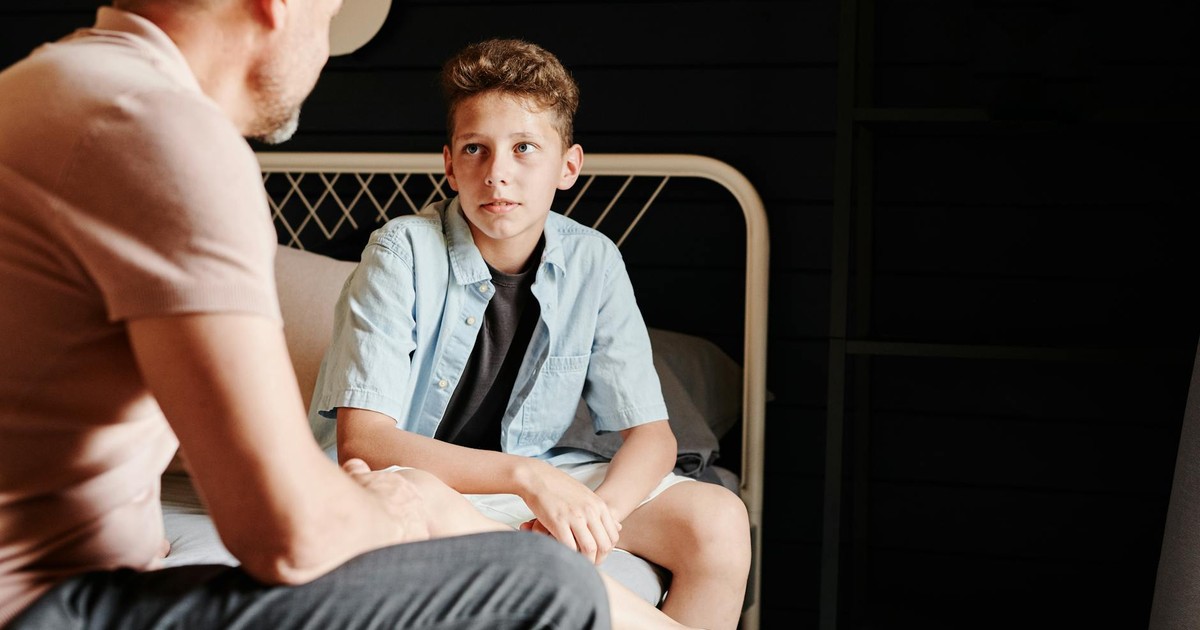
Children are extraordinary observers of the adults around them, and they spend years studying their parents’ emotional range. They notice how a parent responds to frustration, what happens in the car when traffic is bad, what the kitchen atmosphere is like when something has gone wrong at work. These observations don’t fade. They become templates.
A 2024 study from Frontiers for Young Minds found that when parents used more strategies to manage their own emotions, their children were also better at emotion regulation. This means a child who watched a parent repair after conflict, apologize after losing their temper, or name their own stress openly without dumping it on the household, absorbed a lesson far more powerful than anything that could have been taught in words. Children who grew up watching a parent regulate well tend to do the same. Children who watched a parent weaponize silence or treat anger as something to be feared tend to spend decades untangling that particular inheritance.
3. The Moments of Physical Affection
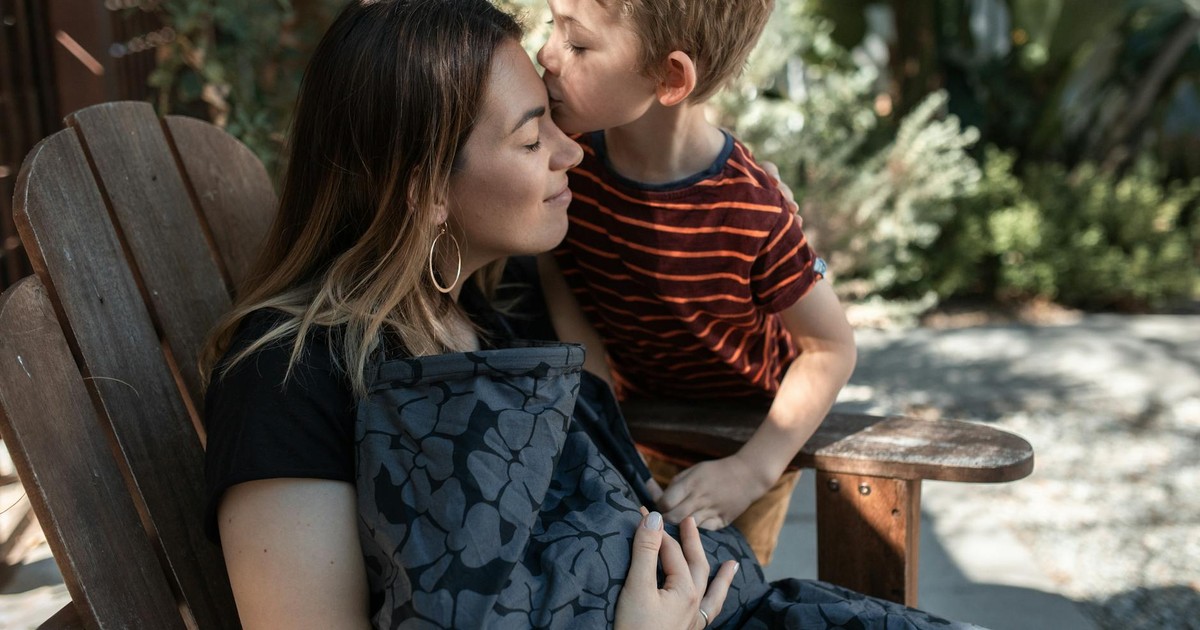
Not heard in the sense of being in the same room while a parent scrolled through something. Actually listened to. Eye contact made, the story followed to its end, the question asked that showed the parent had been paying attention. Children know the difference between a parent who is physically present and one who is actually there, and they feel the distinction as clearly as they feel temperature.
The specific memory might be a conversation about a fight with a friend at school, a worry about a test, a weird dream that felt important. The content isn’t what lasts. What lasts is whether the parent put down what they were doing. Whether the child’s experience was treated as worthy of attention. That accumulation, repeated over years, tells a child something about whether their inner life matters, and they will spend the rest of their lives shaped by that answer.
4. Whether Their Parent Was Present for the Small Things
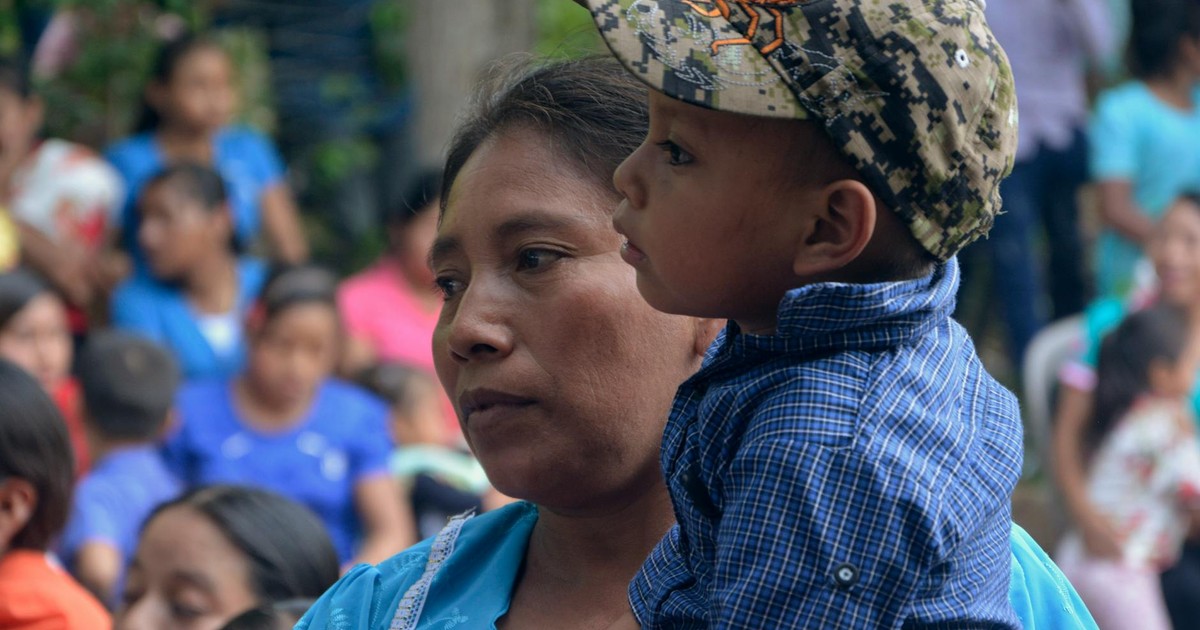
A hand on the shoulder when results day came around. The hug that wasn’t hurried. Being tucked in past the age when anyone thought to keep doing it. A longitudinal study tracking parental warmth across 20 years found that high levels of perceived parental warmth are linked to successfully coping with stressful life events, with parental warmth and affection specifically associated with more constructive problem-focused coping strategies in children. The body keeps its own record of being held, and adults can often trace a specific tenderness or a specific guardedness back to what they did or didn’t receive.
Physical affection from a parent isn’t only about warmth in the moment. It’s about the body learning what safety feels like. Children who were held, touched on the head, reached for during hard moments grow into adults who, on some primal level, have a reference point for what comfort feels like in a body. That reference point matters more than most people consciously realize.
5. The Way Their Parent Talked About Other People

Not just the recitals and the graduations – everyone understands those to be significant. The small things are different. The random Tuesday when the child came home upset and the parent stopped cooking dinner to sit at the kitchen table with them. The five-minute conversation on the drive to school that nobody would have put in a calendar. The Saturday morning with no particular agenda, just proximity, the parent nearby, the child knowing they could come and go without fanfare.
Children don’t experience childhood as a highlight reel. They experience it as a continuous daily accumulation. The research on parent-child memory sharing confirms that parents play a critical role in children’s developing autobiographical memory and sense of self by helping them make sense of ordinary experiences, not just the big ones. The ordinary Tuesday is exactly where the archive is built.
6. How Conflict Was Handled

Children listen to everything, including what they’re not supposed to hear. They notice whether a parent speaks about other people with fairness or contempt, whether they gossip, whether they treat the waiter and the CEO the same way. These observations don’t register consciously as lessons. They register as normal, as how the world works, as the default setting.
Adults often find themselves mid-sentence, in a conversation about a difficult colleague or a frustrating neighbor, and hear their parent come out of their own mouth. Sometimes it’s the grace. Sometimes it’s the cruelty. Usually it’s both in different proportions. The way a parent talked about people who weren’t in the room shaped the child’s default assumptions about human nature, about whether people are generally to be trusted or generally to be guarded against.
7. Whether Laughter Was a Regular Guest in the House
Nobody handles conflict perfectly, and children don’t need a parent who does. What they need, and what they remember, is whether conflict had a shape. Whether disagreements had endings. Whether the family returned to equilibrium after friction, or whether tension was the permanent weather system of the household.
Children raised in homes where conflict was resolved and returned to – where a parent could say “I was wrong about that” or “let’s work this out” – carry forward a functional model for disagreement. They know, on a deep level, that conflict doesn’t mean the end of things. Children raised in homes where conflict went underground, where it was avoided or exploded or never, ever acknowledged afterward, tend to experience adult disagreements with a different physiological response. They’re not overreacting. They’re pattern-matching to what they learned conflict feels like.
8. Whether They Were Made to Feel Like a Burden

Not performed cheerfulness. Not forced fun on designated family time. Actual laughter, the kind that happens because a parent found something genuinely funny, or because silliness was allowed to exist alongside the hard stuff. A parent who could be ridiculous, who made a face at dinner or laughed until they cried at something completely stupid, gave their child a specific and underrated gift.
Children remember the texture of a home’s atmosphere as much as any specific event, and a home where lightness existed regularly imprints differently than one where everything was weighed down by adult seriousness. The memory of a parent who laughed easily – who found ordinary life funny rather than merely something to survive – becomes its own resource. Adults who grew up with that tend to reach for it.
9. The Parent’s Relationship With Their Own Life

This one tends to operate in the archive most efficiently. No single dramatic moment is required. It’s the exasperated exhale when the child asked for something. The “not now” that was always “not now.” The sense, accumulated over years, that the child’s needs were an inconvenience rather than part of the ordinary texture of being a parent.
Children who carried this impression tend not to recognize it by name until they’re in therapy, or in a relationship where someone actually wants to know what they need, and they find themselves unable to say. The inability to ask for help as an adult, the reflexive assumption that being a need is a flaw, very often traces back to what was communicated in those small, repeated, unceremonious moments. What feels like a personality trait in adulthood is often a strategy that made perfect sense in a specific household.
10. How Their Parent Talked About Money

Children watch whether their parent had interests outside of the family. Whether there was a book on the nightstand that wasn’t a parenting book, a project in the garage, a friend they actually looked forward to seeing. A parent who visibly had a life of their own, who was a full person with appetites and passions and some identity beyond their role, gave their child a specific model of adulthood that didn’t look like self-erasure.
Conversely, children who grew up feeling like the source of their parent’s entire meaning often carry that weight into adulthood in uncomfortable ways. The knowledge, conscious or not, that the parent had no other container for their sense of purpose puts a particular pressure on the child. A parent who maintained their own personhood wasn’t being selfish. They were doing something generous that the child would only understand later.
11. Whether Their Curiosity Was Encouraged

Whether there was plenty or very little, the emotional charge around money – the anxiety, the generosity, the secrecy, the easy openness – imprints early and stays late. Children don’t remember specific amounts or detailed circumstances as well as they remember the feeling in the room when the subject came up. Whether money was a source of shame, of power, of conflict, of comfort. Whether the parent’s relationship with money was proportionate or consuming.
Adults find their own money habits shaped in ways they can trace back clearly when they look. The person who hoards despite financial security, the one who spends compulsively to feel okay, the one who cannot discuss it without a flush of anxiety – these patterns rarely appeared from nowhere. They were learned in a specific kitchen, in a specific household, in the way a parent reached for the cheque or whispered about the mortgage.
12. The Apologies They Did or Didn’t Receive
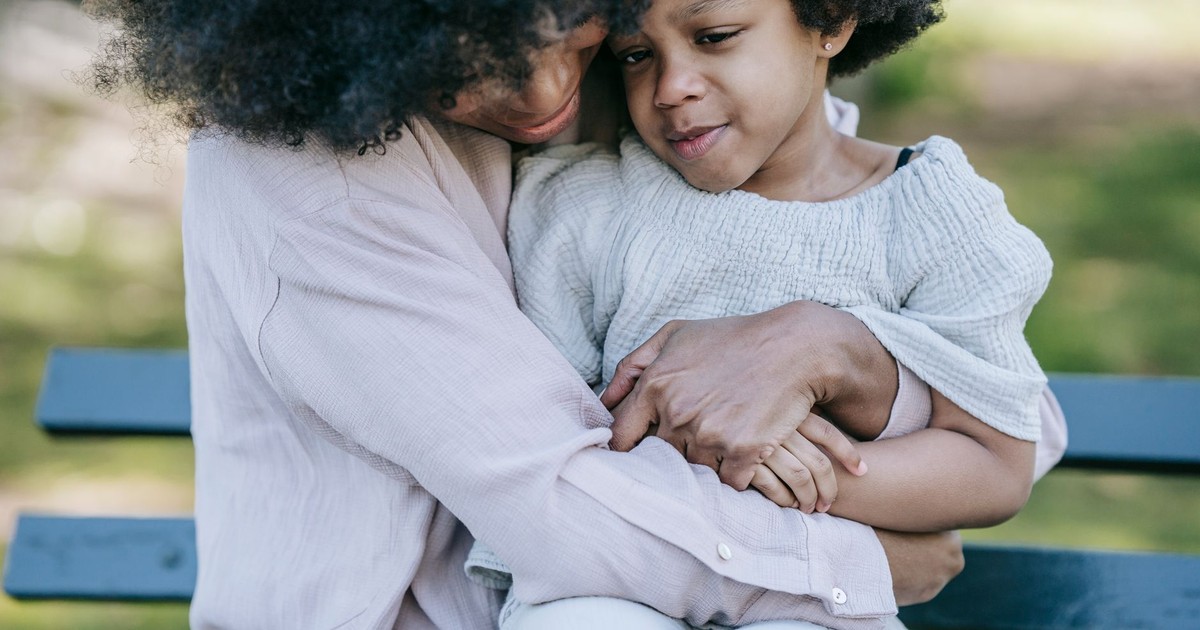
A child asks approximately ten thousand questions before lunch. The ones that stayed with them are often the ones that met genuine engagement rather than dismissal. The parent who got down on the floor to look at the bug the child found, who actually tried to answer the question about why the sky is that color, who drove to the library because the child had become briefly obsessed with volcanoes, communicated something that went beyond information transfer. They communicated that the child’s mind was worth following.
Children who remember a parent engaging seriously with their curiosity, taking their interests as real and worthy of time, tend to carry a particular relationship to learning and exploration into adulthood. They know what it felt like to have their intellectual life validated, and they look for it in teachers, in workplaces, in partners. Children whose curiosity was routinely shut down learn, efficiently and early, that it is safer not to wonder too loudly.
13. The Quality of Attention During Ordinary Rituals
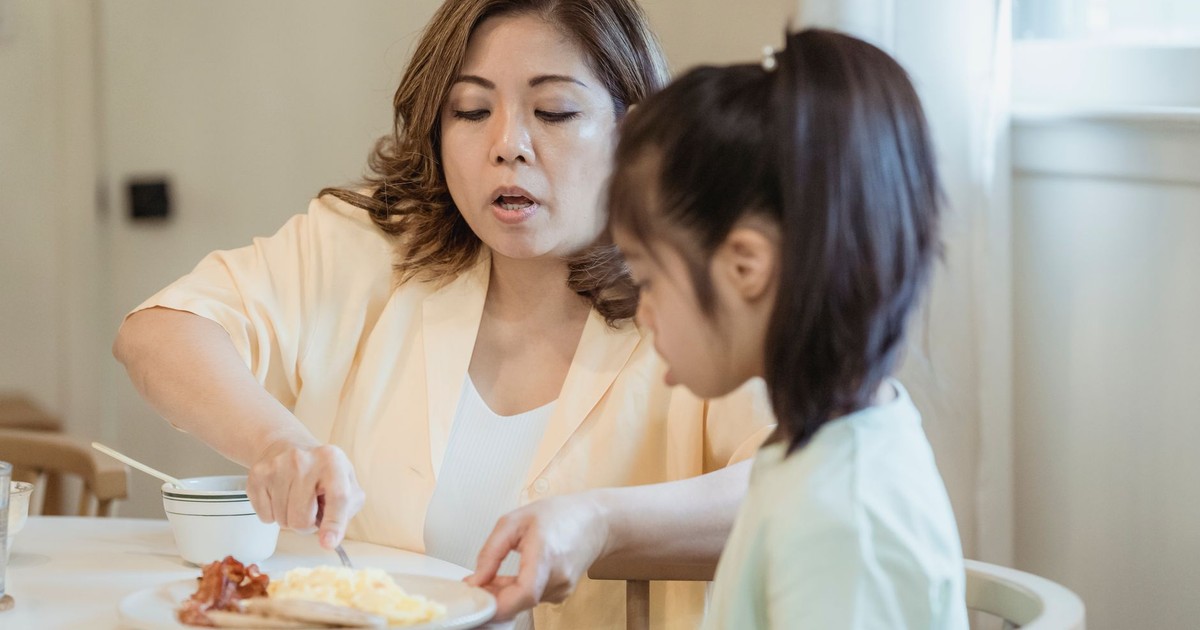
A parent who apologized to a child was doing something that felt small and was, in practice, enormous. It told the child that truth mattered more than authority. That the power differential between parent and child didn’t mean the child’s experience was irrelevant. That adults make mistakes and the appropriate response to making them is to say so.
Children who never received a genuine apology from a parent grow into adults who often find apology either mysteriously difficult or mysteriously hollow. They either cannot do it at all or do it performatively, without any felt reckoning. Children who did receive real apologies have a model for it. They know what a genuine one sounds and feels like, which means they’re better equipped to offer them and better equipped to recognize when one is being withheld.
14. How Their Parent Responded to Their Failures
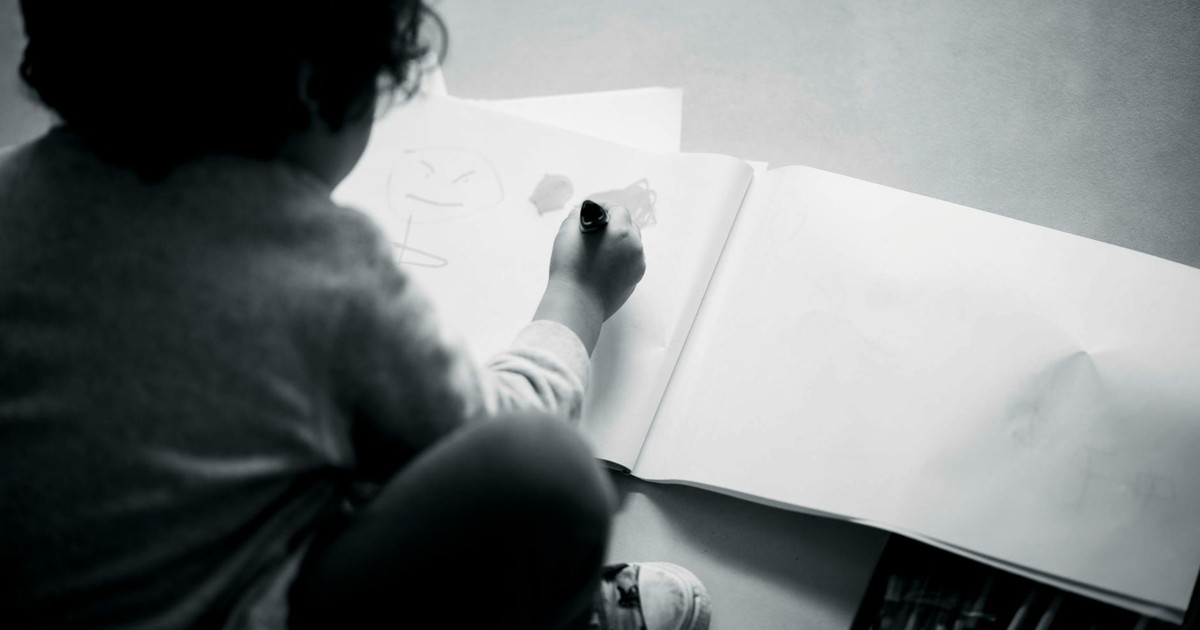
Bath time. Bedtime. The ten minutes before school. Dinner, even if it was rushed. The daily rituals of a childhood carry a weight that nobody registers in the moment and many adults are surprised to feel, looking back. What made those rituals stick wasn’t the routine itself but the quality of the parent in it. Whether they were present enough to catch what the child was trying to say sideways, not asking directly, testing the water.
Children tend to bring the real things up in the margins of other activities. The important conversation that started in the car because there was no eye contact required. The worry offered at bedtime because that felt safer than midday, in the open. A parent who was present during these ordinary threshold moments – not maximizing every second, just genuinely there – was available for the things children could only approach indirectly.
15. Whether Their Parent Kept Their Promises

The grade that came back bad. The try-out that didn’t go how it was supposed to. The friendship that fell apart publicly, in the way childhood friendships do. What a parent did next – and what they said, and in what tone – is among the most precisely stored memories in the archive. Children who were met with disappointment and pressure in those moments learned something specific about what failure means and what love is conditional on. Children who were met with calm consistency, with the implicit message that a setback wasn’t a verdict, learned something entirely different.
This doesn’t mean empty reassurance. Children can read empty reassurance from a significant distance, and they find it about as comforting as nobody saying anything. It means a parent who could hold the difficulty without catastrophizing it, who communicated that failure was a feature of a life being lived rather than evidence of a fundamental flaw.
16. Their Parent’s Relationship With Their Own Body
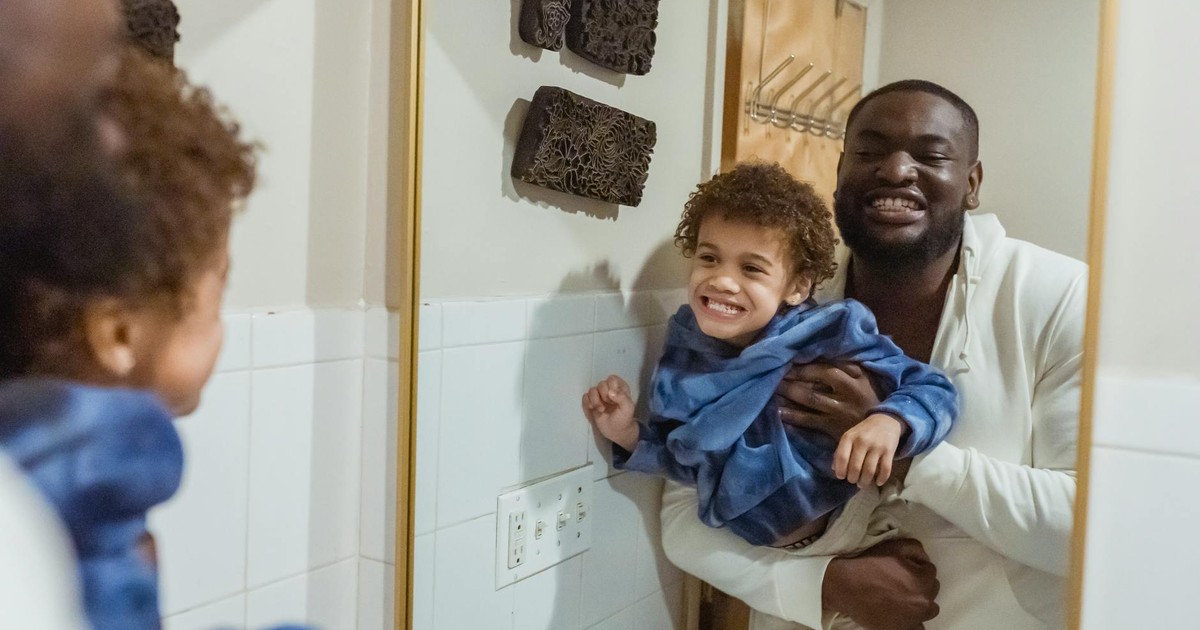
The specific broken promise – the camping trip that didn’t happen, the event that got cancelled for the fourth time, the commitment made casually and then forgotten – tends to calcify in a child’s memory in a way that keeps disproportionate. The reason the memory keeps its edge is because the promise wasn’t just an event. It was data about whether the parent’s word was a reliable thing.
Children whose parents kept their promises, even small ones, learned that reliability was possible. That the people who said they would come through could be believed. This doesn’t require perfection. It requires a pattern. A parent who acknowledged a broken promise and took it seriously did less damage than one who denied it happened or didn’t seem to register that it mattered to the child at all.
17. Whether They Were Trusted With Responsibility
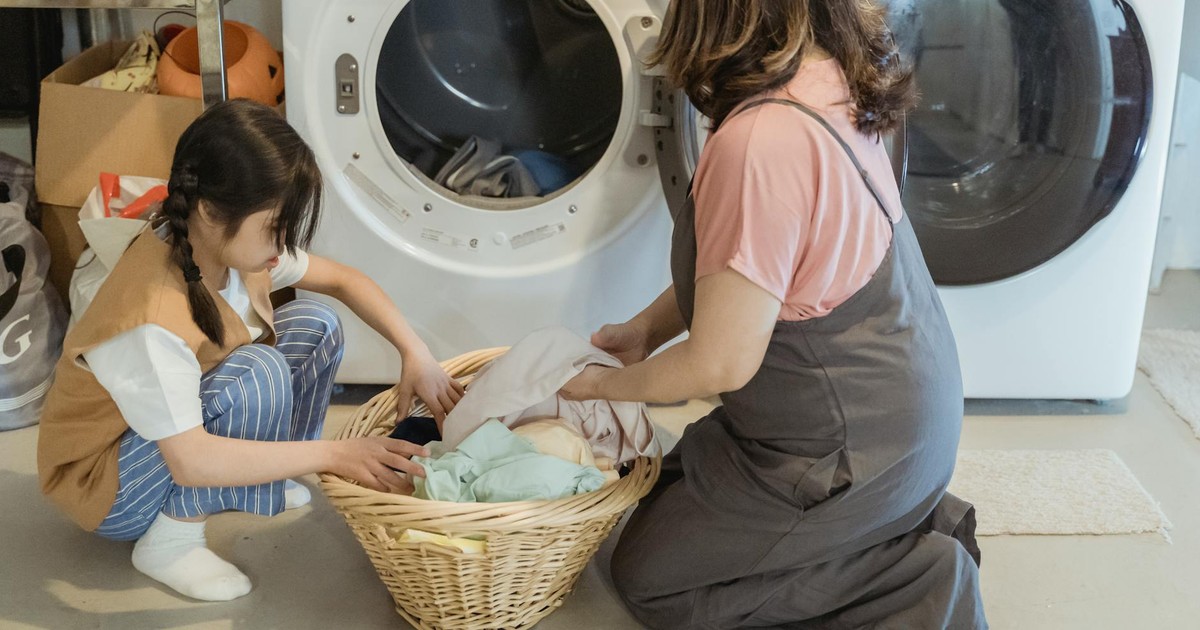
Children absorb a parent’s relationship with food, with exercise, with rest, with appearance. The offhand comment about their own weight. Whether rest was treated as earned or as laziness. Whether the parent’s body was something they lived in or something they were perpetually at war with. These attitudes transfer without a single explicit conversation, passed down in the language of sighs and skipped meals and the way a parent stood in front of a mirror.
Adults often trace their own relationship with their body back to what they saw normalized in childhood with startling precision. The person who cannot eat without calculating, the one who rests without guilt, the one who moves because it feels good rather than because of something to be corrected – these relationships were shaped in a specific household, watching a specific person inhabit or fight their own physical life.
18. How Their Parent Spoke to Them When No One Was Watching
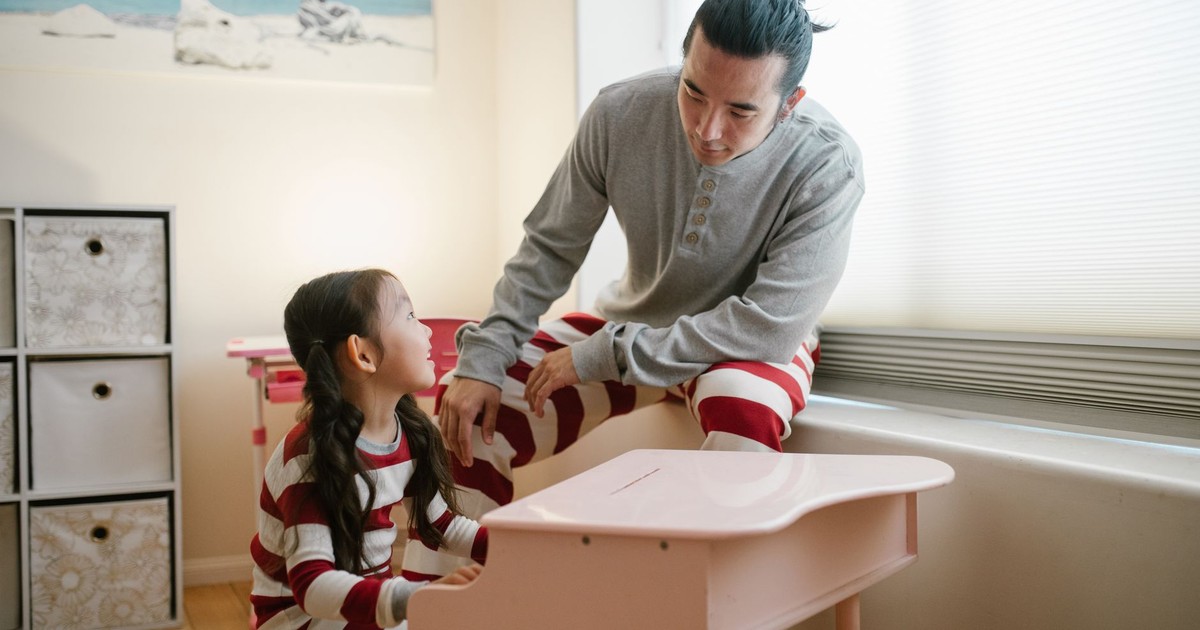
Being trusted with something real – not as performance, not as a chore to be endured, but genuinely needed – tells a child something important about what the adult in front of them thinks they’re capable of. The nine-year-old who was trusted to help with dinner and had that contribution acknowledged. The teenager consulted, genuinely, about a family decision that affected them. The child whose opinion was asked because the parent actually wanted to know it.
Children who were trusted grow into adults who tend to trust themselves. Children who were managed and monitored without room for genuine contribution often find self-trust an ongoing project. The experience of being trusted, of being treated as a person with competence rather than a problem to be managed, is foundational in a way that makes itself known across decades.
Read More: Why Adult Children Don’t Want Their Parents’ Stuff
19. The Feeling, More Than Any Specific Memory, That They Were Loved

There is a version of a parent that exists for company, and there is the version that existed on a random Wednesday evening with nobody around to see. Children know both, and they remember the difference. The tone used when frustrated and unobserved. The language chosen during a hard moment at the end of a long day. Whether the private parent and the public parent were roughly the same person.
The gap between public warmth and private coldness is one that children catalog with extraordinary accuracy, even when they can’t articulate it. They don’t always understand what they’re sensing, but they understand that something doesn’t add up. Adults who grew up in that gap often carry a particular ambivalence, finding it hard to trust warmth because they learned early that warmth could be contextual.
20. The Knowing That They Had it Good When Others Didn’t
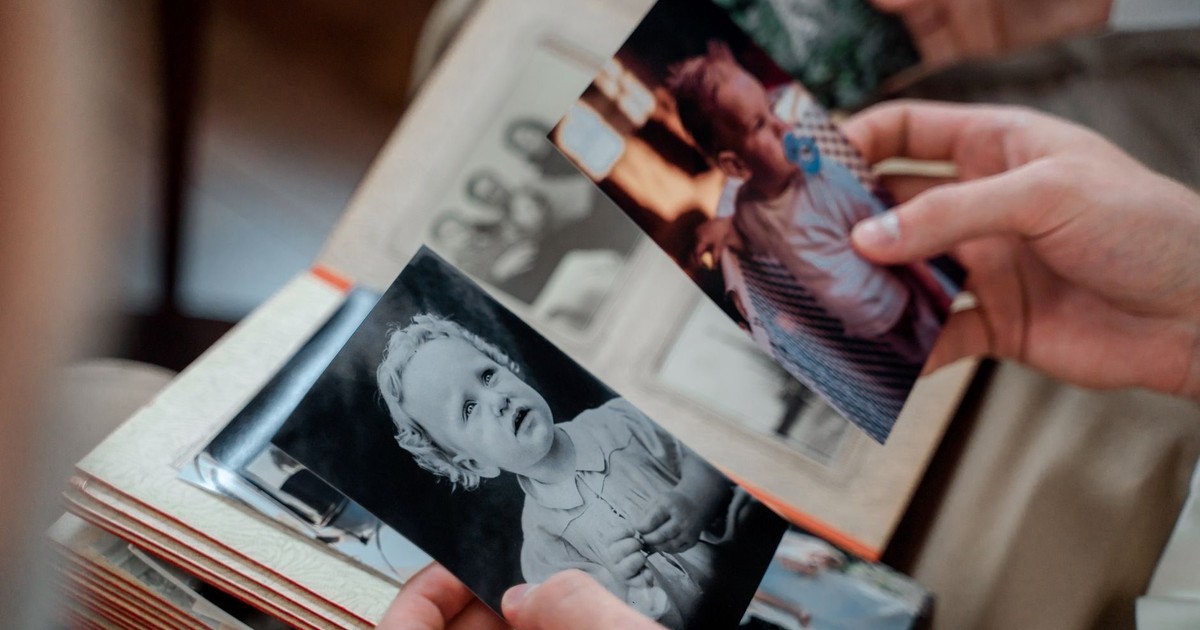
Ask most adults what they remember about a parent and they will give you a feeling before they give you a fact. Not “she read to me every night” but something closer to “she was always there” or “with him I always knew I was safe” or, in harder cases, the quieter version that takes more courage to say. Research tracking a nationally representative sample of adults found that a lack of parental support during childhood is associated with increased levels of depressive symptoms and chronic conditions in adulthood – the inverse being equally true: children who knew they were loved carried that knowledge into every room they walked into afterward. It became the ground they stood on.
What makes this particular memory so durable is that it doesn’t require any single dramatic expression. It accretes from small, repeated moments of being looked at without judgment, being sought out, being held on to. A child doesn’t need a parent to be perfect. They need to feel, in the grain of daily life, that they are wanted here, that their presence is a good thing rather than a complicated one. That feeling, deposited over years, becomes one of the longest-lasting inheritances a parent can leave.
What Gets Carried

No parent is the same person in every moment across all eighteen years. No childhood is a clean story. Most adults hold a complicated, affectionate, grief-laced account of their parents that doesn’t resolve neatly in either direction – grateful for specific things, marked by others, occasionally both because of the same person and the same event. The archive doesn’t ask for coherence.
What the research on parental warmth and childhood memory keeps returning to is something most parents already sense but rarely let themselves sit with: the ordinary moments are the whole thing. Not the curated ones, not the performances of good parenting, but the unremarkable Tuesday, the tone of voice used when no one was watching, the apology offered or not offered, the promise kept. Children don’t remember parents as a category. They remember what it felt like to be a child in the presence of one. Knowing that is worth something – even if what you do with it remains entirely yours to figure out.
Disclaimer: This information is not intended to be a substitute for professional medical advice, diagnosis, or treatment and is for information only. Always seek the advice of your physician or another qualified health provider with any questions about your medical condition and/or current medication. Do not disregard professional medical advice or delay seeking advice or treatment because of something you have read here.
AI Disclaimer: This article was created with the assistance of AI tools and reviewed by a human editor.