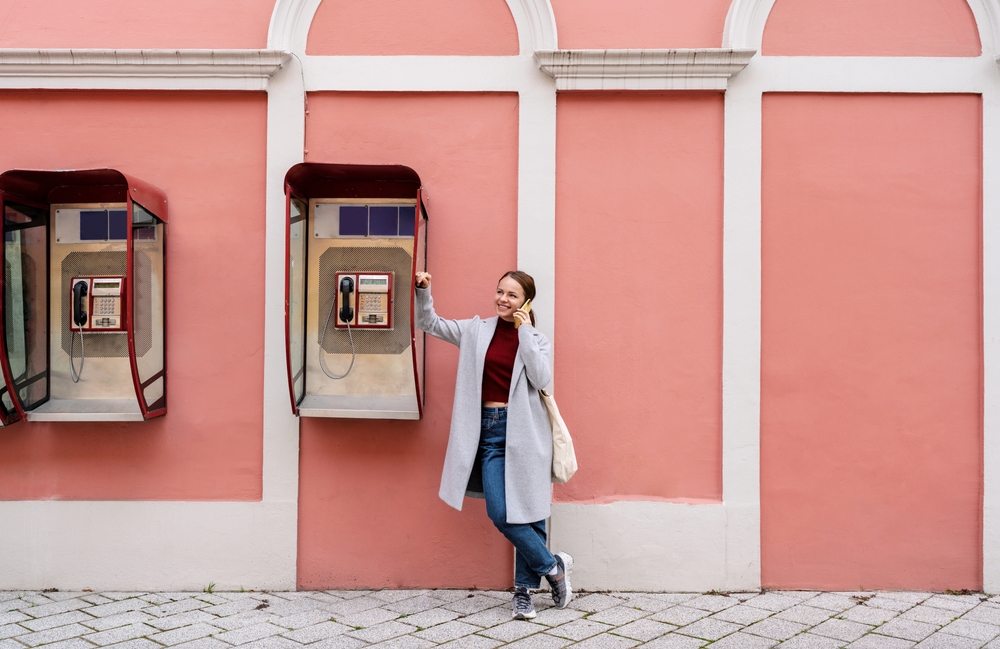

The world you grew up in changed without sending a notice. Not all at once, not with any ceremony, but item by item, corner by corner, the infrastructure of a particular kind of daily life simply drained away. The pay phone that used to anchor the corner. The video store that became a nail salon. The department store that anchored the mall, then became a Spirit Halloween for three months every fall, then became nothing at all. Each of these vanishings happened so gradually, absorbed so thoroughly into the noise of everything else changing at the same time, that most people couldn’t tell you exactly when they noticed. Only that at some point they looked up and whatever it was had stopped being there.
That’s what makes this kind of loss so odd to sit with. Grief usually has a clear object. You know what you’re mourning and you know when it left. But the things that have disappeared from society in the last twenty or thirty years didn’t leave in one dramatic moment. They drained away, replaced so seamlessly by something more convenient that the replacement was already embedded in daily life before the original was even gone. By the time you reached for a pay phone that wasn’t there, your hand was already on your cell. By the time you wanted to wander the video store on a Friday night, you already had a streaming subscription doing the wandering for you. The loss was real; it just never announced itself.
Some of what went is genuinely worth grieving. Some of it is better remembered as slightly worse than nostalgia makes it feel – looking at you, Blockbuster late fees. And some of it represents something about how we lived that streaming queues and smartphone screens genuinely cannot replace: the accidental encounters, the waiting, the boredom that turned into conversation. Here are 20 things that have quietly disappeared from society, most of them without a single goodbye.
1. The Pay Phone
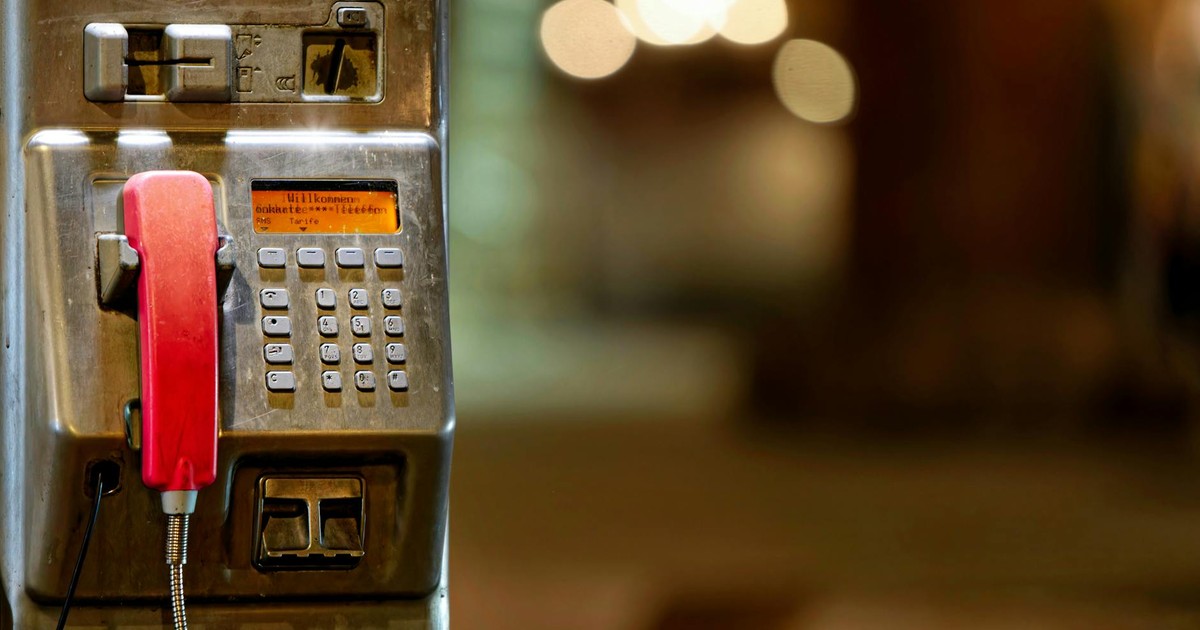
According to a 2024 Stacker report, there were over 2.1 million pay phones in the U.S. at their peak in 1999, and by all accounts they were genuinely useful – not just for emergencies, but as part of the basic infrastructure of daily communication. You could call a taxi, check in with someone, or settle an argument about where you were meeting. The pay phone was a tool everyone could access regardless of whether they owned a private device, which in a country with significant economic inequality was no small thing.
The FCC stopped requiring audits of pay phones in 2018, which is perhaps the most administrative way any technology has ever been allowed to die. New York City removed its last public pay phone in May 2022, a moment that made headlines for a day and then dissolved into the same digital noise that made pay phones unnecessary in the first place. Many of the city’s former phone booth locations have since been transformed into LinkNYC kiosks, which offer free phone calls, Wi-Fi, and device charging – technically an upgrade, but something about them lacks the specific comfort of the old glass-and-metal box.
2. The Video Rental Store
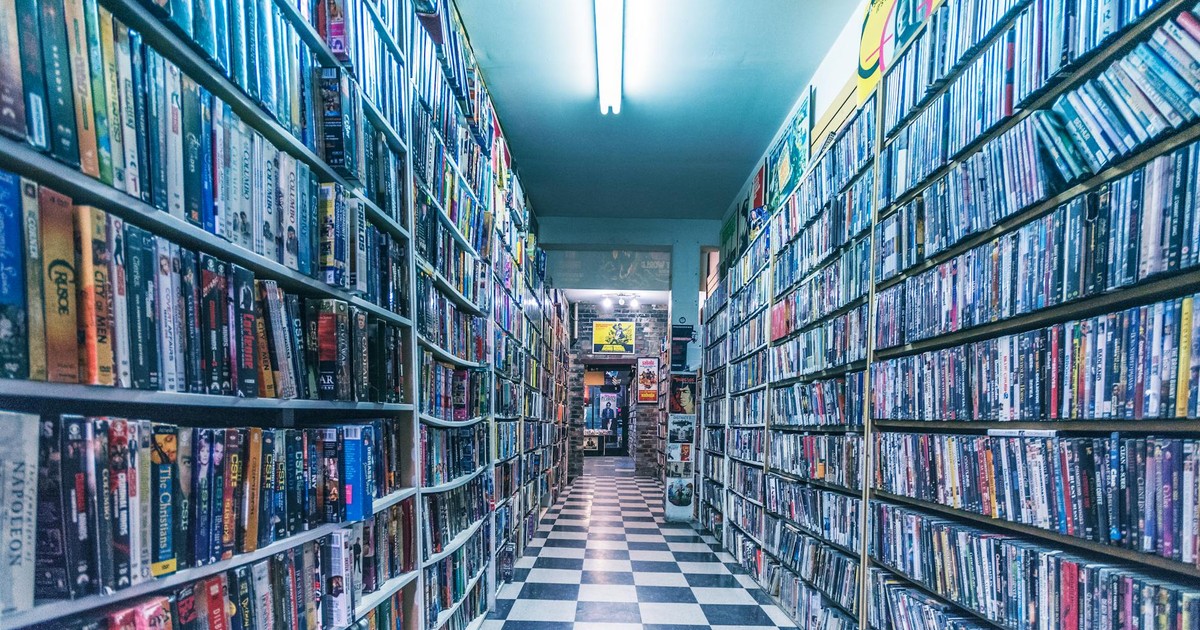
The ritual of the Friday night video store visit was not just about the movie. It was about the walk through the aisles, the negotiation between whoever you’d brought with you, the box art that sold you a film before you’d seen a single frame of it, and the slightly sticky feeling of the carpet under fluorescent lights that somehow never bothered anyone. That whole experience – the anticipation, the physical object in your hand, the obligation of returning it – is gone.
According to Wikipedia’s entry on video rental shops, in July 2024, a bankruptcy judge ordered the conversion of Chicken Soup for the Soul Entertainment’s Chapter 11 bankruptcy into a Chapter 7 liquidation, resulting in over 1,000 employees being laid off and more than 26,000 Redbox kiosks shutting down permanently – marking the effective end of major physical video rental services in the United States. In 2025, Night Owl Video, the first dedicated video store in New York since Kim’s Video closed in 2014, opened in Williamsburg, Brooklyn, with its co-owner citing the growing desire for community and the tangibility of browsing in person. There is clearly an appetite for it. The question is whether nostalgia alone can sustain a business model that convenience already killed once.
3. Cursive Handwriting
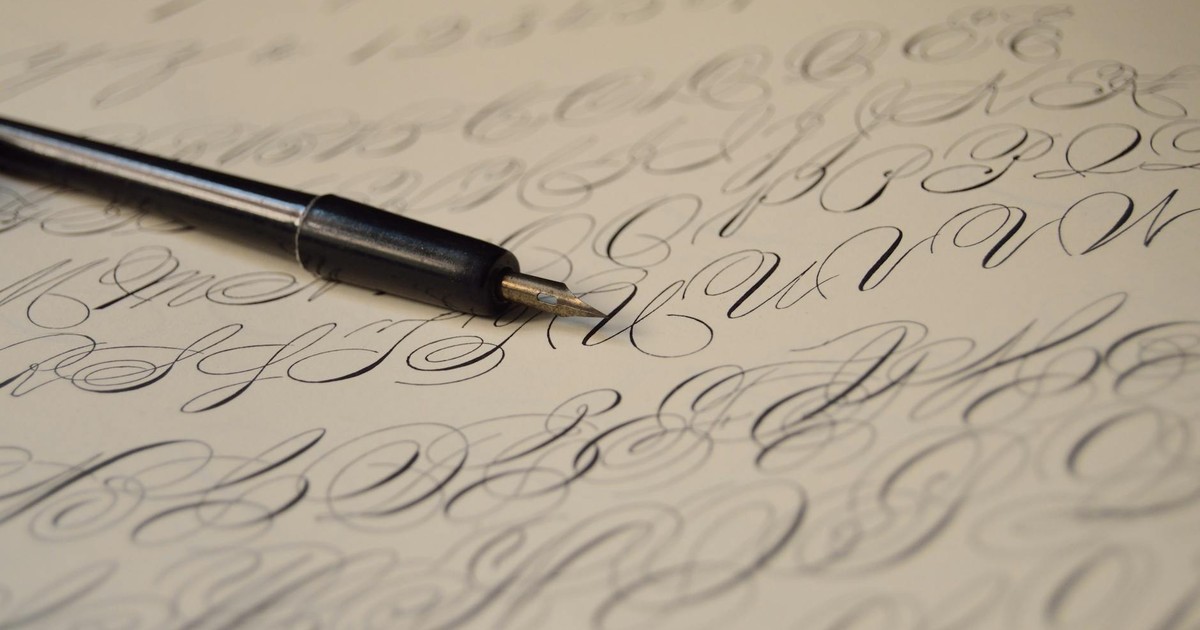
For generations, learning to write in cursive was simply part of what school meant. Third grade arrived, and with it the loops and slants and the specific frustration of the capital Q. Your signature was a skill you practiced. Letters written in a grandmother’s hand were readable without a translation key. Then, in 2010, the Common Core State Standards went into effect and cursive was simply left out.
Education Week’s March 2026 reporting found that at least half of the nation’s states have adopted cursive writing instruction in recent years, reversing a sharp decline in teaching after Common Core omitted it from its standards. The revival is welcome, though it comes with a genuinely strange side effect: as more states require students to learn cursive, the skill may be new to their teachers, too – the younger generation of teachers were never taught handwriting when they were in school and are now expected to teach it. A whole cohort of children learning to read the Declaration of Independence from teachers who are working out the capital G right alongside them.
4. The Landline Telephone
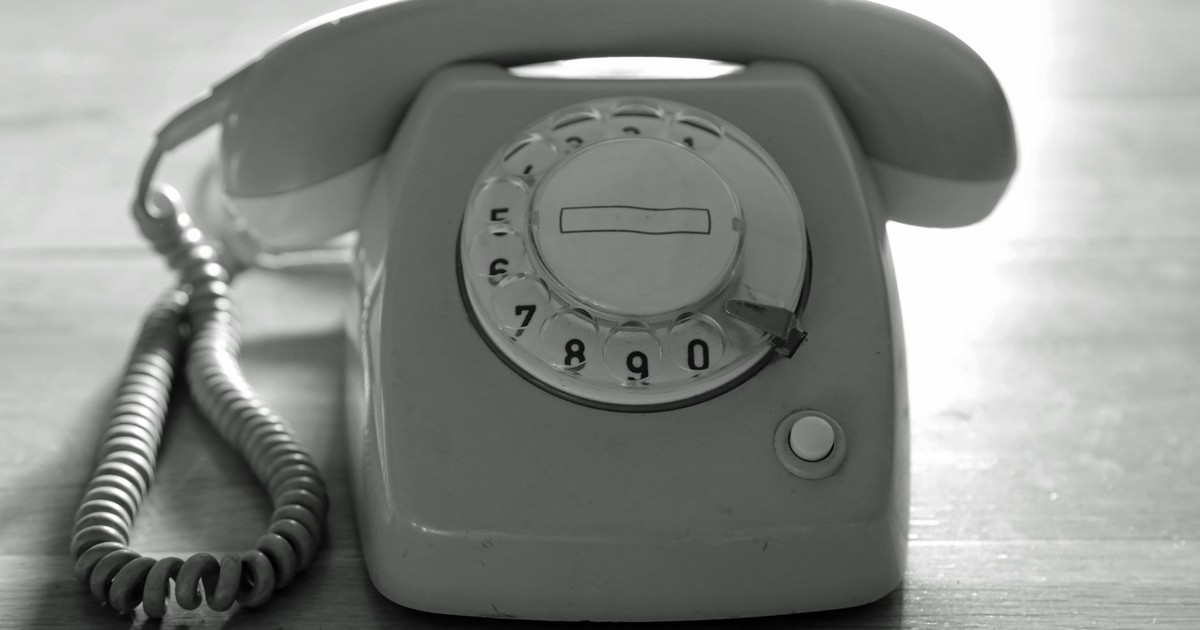
There is something specific about the sound of a landline ringing in a house – the way it belonged to the house itself, not to any individual person in it. Anyone could pick up. Everyone in the family shared the same number. A teenager waiting for a particular call had to conduct that operation from within earshot of the entire family, which was its own kind of social training. The landline enforced a shared domestic life that private cell phones quietly dismantled.
By the mid-2020s, the majority of American households had cut the cord entirely. Telecommunications companies steadily reduced landline infrastructure in favor of mobile and internet-based services, and younger generations built their communication lives entirely around devices they carried in their pockets. What got lost alongside the landline was not just a phone – it was a sense of shared household life, the idea that reaching you meant reaching your home rather than your specific person, always reachable, always on.
5. The Department Store as an Anchor
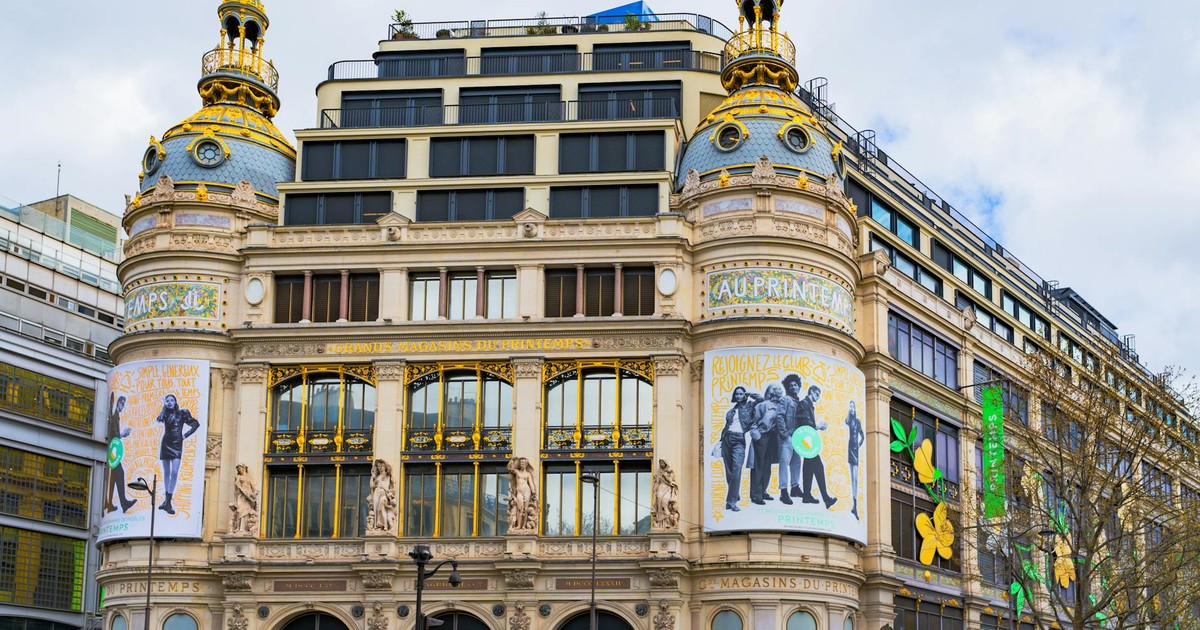
Not so long ago, a department store was a destination in its own right. You went to try on perfume under real lights, to handle fabric before you bought it, to wander through appliances with the specific leisure of someone who had nowhere better to be. It was browsing as its own activity, not a thing you did in the two minutes before the page loaded. The department store was not efficient. That was the point.
The decline of anchor department stores accelerated through the 2010s and went into freefall during the pandemic years. Sears, J.C. Penney, Lord & Taylor, Neiman Marcus – all filed for bankruptcy within a few years of each other. The retail model that had defined American shopping for over a century came apart at once, and the malls it had organized around it followed. The physical experience of shopping – the trying on, the touching, the accidental discovery of something you weren’t looking for – relocated online, where it is fundamentally different even when it tries to replicate itself.
6. The Handshake Deal

It is hard to pinpoint exactly when a handshake stopped being sufficient, but the trajectory is clear enough. Somewhere between liability culture, digital documentation requirements, and the evaporation of the kind of long-term community relationships in which a handshake had weight, the informal agreement stopped carrying the force it once did. You can’t email a handshake. You certainly can’t screenshot one.
What the handshake represented was not naivety but a specific kind of social accountability – the assumption that you would see this person again, that your reputation in a community meant something, and that your word was a form of collateral. As communities became less geographically fixed and transactions became more anonymous, the infrastructure that gave a handshake its power disappeared. Contracts replaced it, which is more legally robust and demonstrably less human.
7. Genuine Boredom

This is the one that sounds like a complaint from someone’s grandfather and turns out to be a documented concern among child development researchers. The specific experience of having nothing to do – of sitting in the back seat of a car for four hours with no screen, of waiting in a waiting room with nothing but your own thoughts and a two-year-old magazine – has been engineered almost entirely out of modern life.
Boredom, it turns out, is where a significant portion of creative and imaginative thought happens. It’s the gap between stimulation and stimulation where a child decides to invent a game, where an adult’s mind wanders into an idea they didn’t know they had. The phone in every pocket has closed that gap to approximately zero. The reflex to reach for a screen when a moment of unstructured downtime appears is now so ingrained that sitting quietly without one feels vaguely wrong, like something is broken.
8. Paper Maps and the Art of Getting Lost
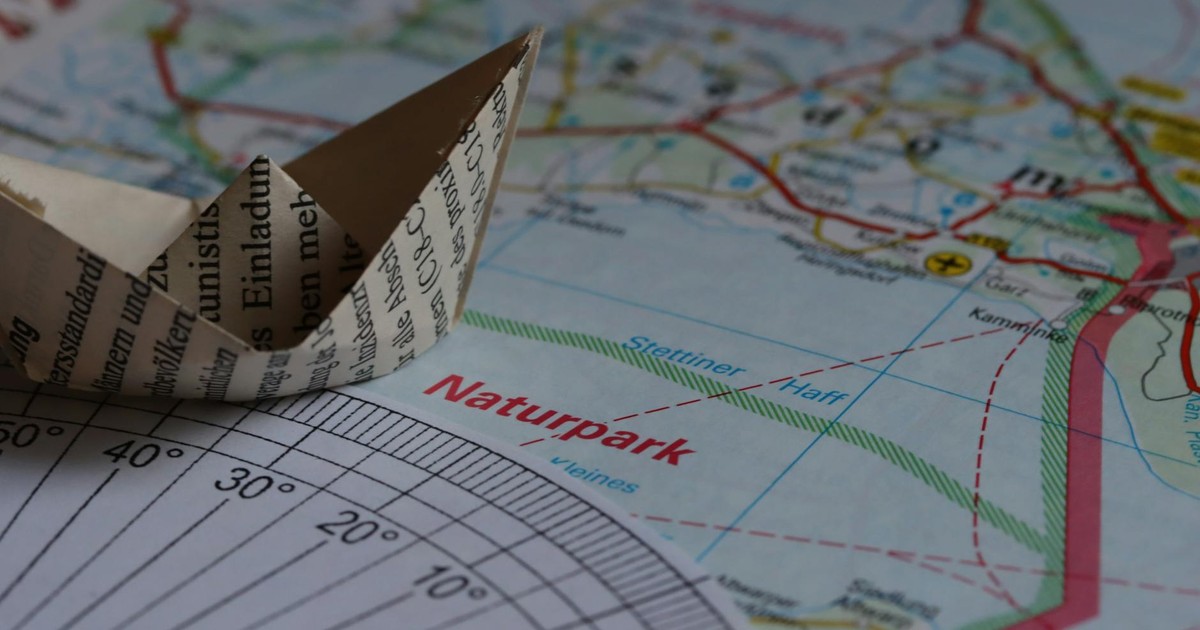
Asking for directions was an entire social interaction. It required you to find a person, interrupt them politely, translate their spatial instructions into something you could follow, and potentially still end up somewhere unexpected. Getting lost was an experience that happened to you, not an error state. Maps spread out on dashboards, folded incorrectly and never correctly refolded, were a feature of road trips in a way that the calm blue line on a phone screen cannot replicate.
GPS navigation has made getting to places dramatically more efficient and has made truly being lost an increasingly rare experience. But something went with it: the orientation skill, the landmark memory, the ability to hold a mental map of a place. Research in spatial cognition has consistently found that relying on turn-by-turn navigation reduces the development and retention of spatial awareness. The map in your head – the one built by actually navigating – tends not to form when someone else is doing all the navigation for you.
9. The Saturday Morning Cartoon Block
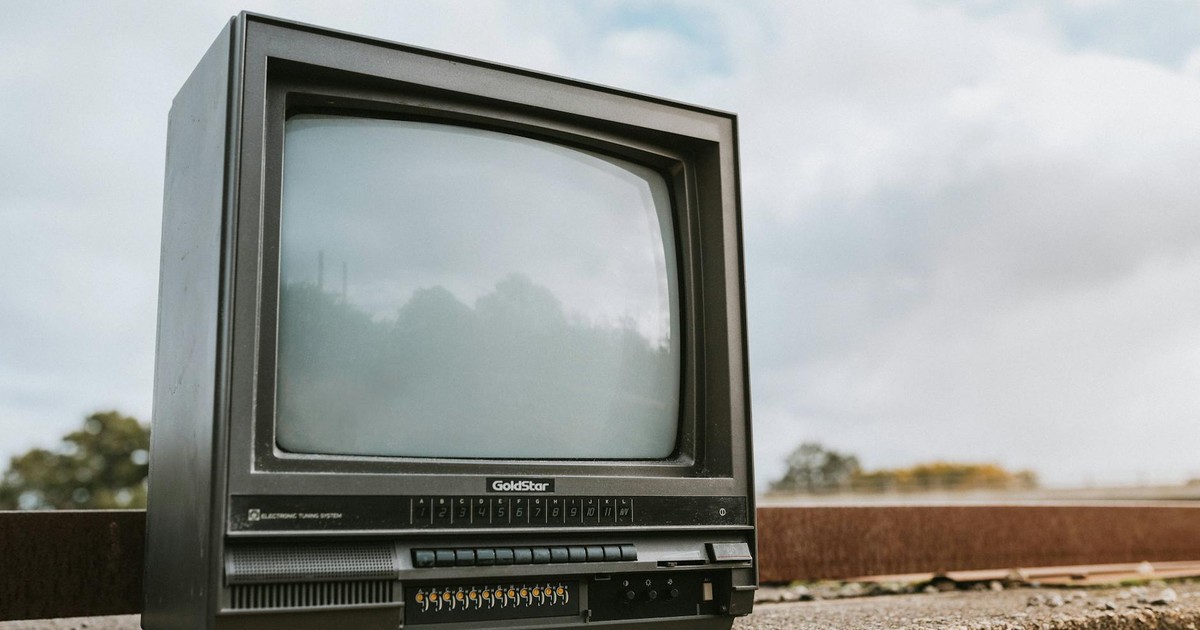
For several decades, Saturday morning from roughly 8 a.m. to noon was defined, for American children, by a specific programming block of animated television. You had to be awake to see it. It aired once, and if you missed it, it was gone. The scarcity of it was part of what made it feel significant. Children planned their Saturday mornings around it. Parents occasionally used it as leverage. It was a genuinely shared cultural event among the under-twelve set.
The Saturday morning cartoon block was officially dead by the mid-2000s, killed by the FCC’s 1990 Children’s Television Act requirements, cable competition, and eventually the arrival of streaming services that let children watch whatever they wanted whenever they wanted. On-demand viewing is objectively better for individual access and objectively worse for the experience of a whole generation of children watching the same thing at the same time. The shared cultural reference point – the thing everyone in your school had seen that weekend – went with it.
10. The Handwritten Letter
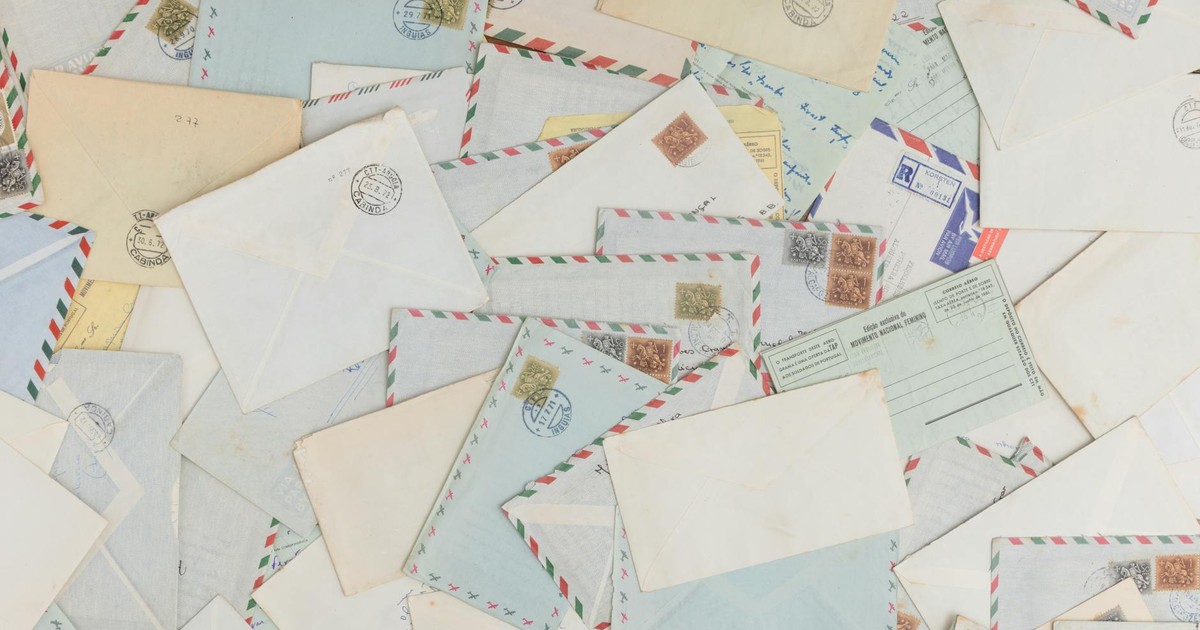
Email arrived, and the handwritten letter retreated to birthdays and Christmas cards, and then even those began their migration to e-cards and text messages. What used to be the primary form of non-spoken personal communication – a physical object, composed with care and produced by hand, arriving days later in a mailbox – is now something people do occasionally, usually with a sense of occasion that feels slightly theatrical.
What disappeared with the letter is not just the medium but the pace it imposed. A letter took days or weeks to arrive. You wrote knowing there would be a delay, which meant you wrote differently – with more considered sentences, with the knowledge that whatever you put down was irreversible. The ability to unsend, to edit, to dash off a reaction in seconds without consequence has changed how people communicate in ways that are still being worked out. Letters were slow and that slowness was doing something.
11. Drive-In Movie Theaters
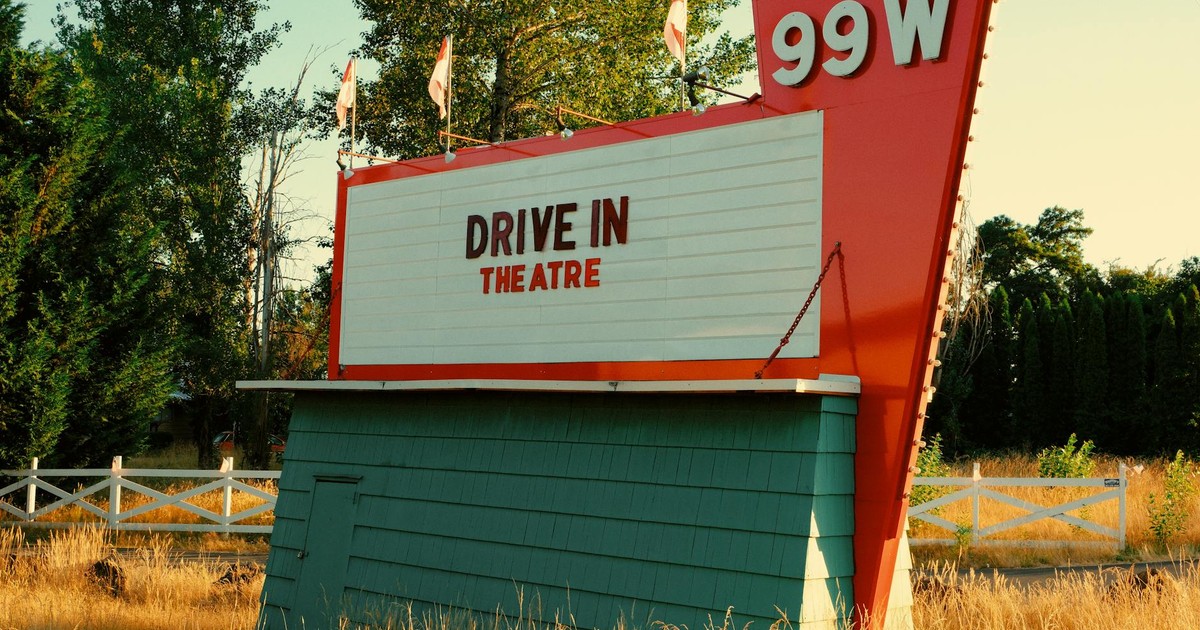
At their peak in the 1950s, there were more than 4,000 drive-in movie theaters across the United States. By the 2020s, fewer than 300 remained. The economics were always fragile – real estate pressure, the cost of converting to digital projection, the competition from home entertainment – and most could not survive the combination. The ones that remain are now tourism attractions as much as working cinemas.
What the drive-in provided was a specific kind of communal experience: watching something together while also being in your own private space. You were in public and not in public at once. Families brought food, blankets, babies who fell asleep in the back seat. The drive-in was organized around the idea of shared leisure that didn’t require you to be perfectly behaved in a silent room. It was louder, messier, and more forgiving, which is not incidentally also the description of most actual family life.
12. Phone Numbers Memorized by Heart

Ask anyone under 35 for a phone number they have memorized, and the list will be short. Their own cell phone number, possibly. A parent’s number, if they’re lucky. Their best friend’s number, almost certainly not. For most of human history, knowing the numbers to reach the people you loved was a basic cognitive skill, stored in the same place as your address and the route to work. Smartphones absorbed that function and rendered it unnecessary, which was convenient right up until the phone was dead and you needed to call someone.
The memorized phone number was not just a number – it was a small proof of relationship. You knew your grandmother’s number because you’d dialed it hundreds of times. You knew your best friend’s because you called it from every pay phone and school hallway you passed. When the phone stores the number, the dialing stops, and so does whatever that repetition was quietly reinforcing.
13. The Unmonitored Childhood Afternoon

Children roaming the neighborhood until dinner, returning grubby and unaccounted-for and perfectly fine, were a standard feature of American suburban life through most of the twentieth century. The idea that children could exist in unstructured, unsupervised outdoor time – building something in the backyard, riding bikes to the edge of the neighborhood, disappearing into the woods behind the school – has almost entirely vanished, replaced by scheduled activities, supervised playdates, and the persistent sense that unmonitored time is a form of parental negligence.
This shift happened for a complex set of reasons: real and perceived safety concerns, changes in neighborhood design, the expansion of structured after-school programming, and the cultural anxiety that intensified around children’s safety in the 1980s and never fully unwound. The paradox is that children today are statistically safer in most measurable ways than their parents were, yet they live with considerably more monitoring. Childhood as an experience of low-stakes autonomous adventure is not something most children in 2026 are having.
14. The Printed Photograph
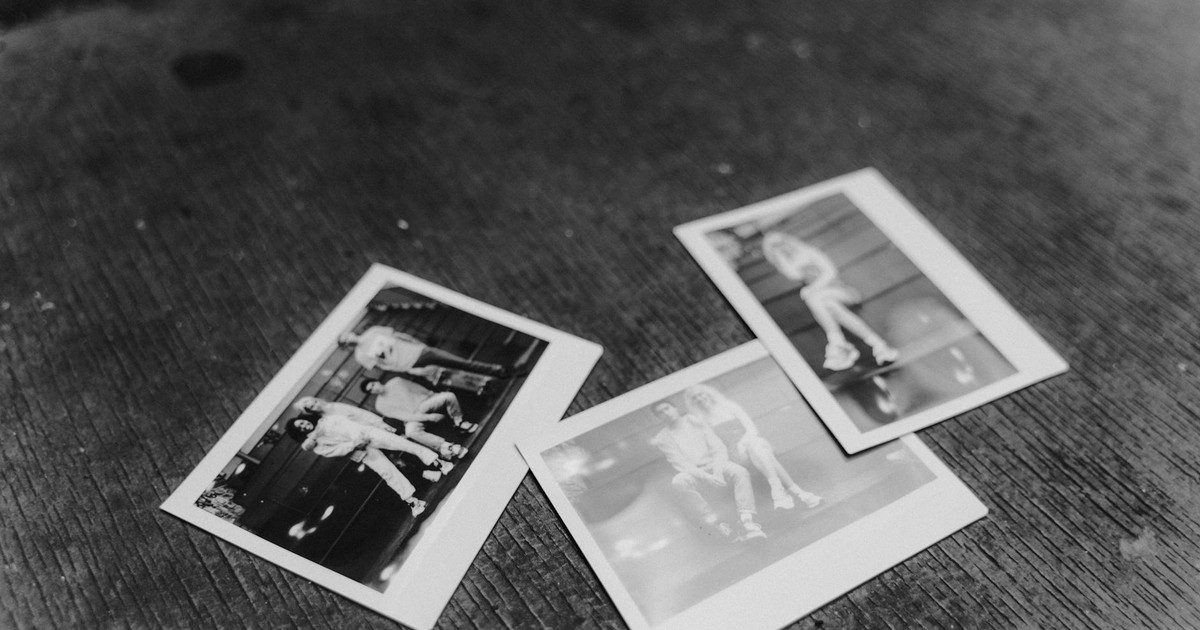
The photograph used to involve consequences. You had a finite number of exposures on the roll, and when the roll was full, you took it somewhere, waited a week, and got back prints that could not be edited, filtered, or deleted. Bad photos went in the pile anyway. Closed eyes, unflattering angles, someone caught mid-bite – all of it survived, because the act of discarding a photograph felt like discarding the moment itself.
Now, the average smartphone user takes more photographs in a month than their parents took in years. Most of those photographs are never printed, rarely reviewed, and stored in a cloud service that may or may not exist in a decade. The photo album – the physical object that sat on a shelf and organized a family’s visual history into something you could hold – has been replaced by an infinite scroll that nobody ever reaches the bottom of. The pictures are there. The experience of sitting down together to look at them is largely not.
15. The Encyclopedia Set

Every family that had one knew it was a serious investment. The encyclopedia set on the living room shelf – fifteen volumes in matching spines, updated edition every few years, consulted for school reports and settled arguments – was a statement about the value of knowing things. Children who grew up with one learned to look things up the way you learn a physical skill: methodically, starting with the index, cross-referencing entries, stumbling across things you hadn’t gone looking for.
Wikipedia replaced the encyclopedia in practical terms and is, in most ways, dramatically better – broader, more current, more linked, free. What went with the physical set is harder to name: the constraint of working within a bounded body of knowledge, the serendipity of the entry directly above or below the one you needed, and the particular pleasure of a book that was designed to be browsed rather than searched. The encyclopedia was not just reference material. It was a way of thinking about what it meant to be informed.
16. The Busy Signal
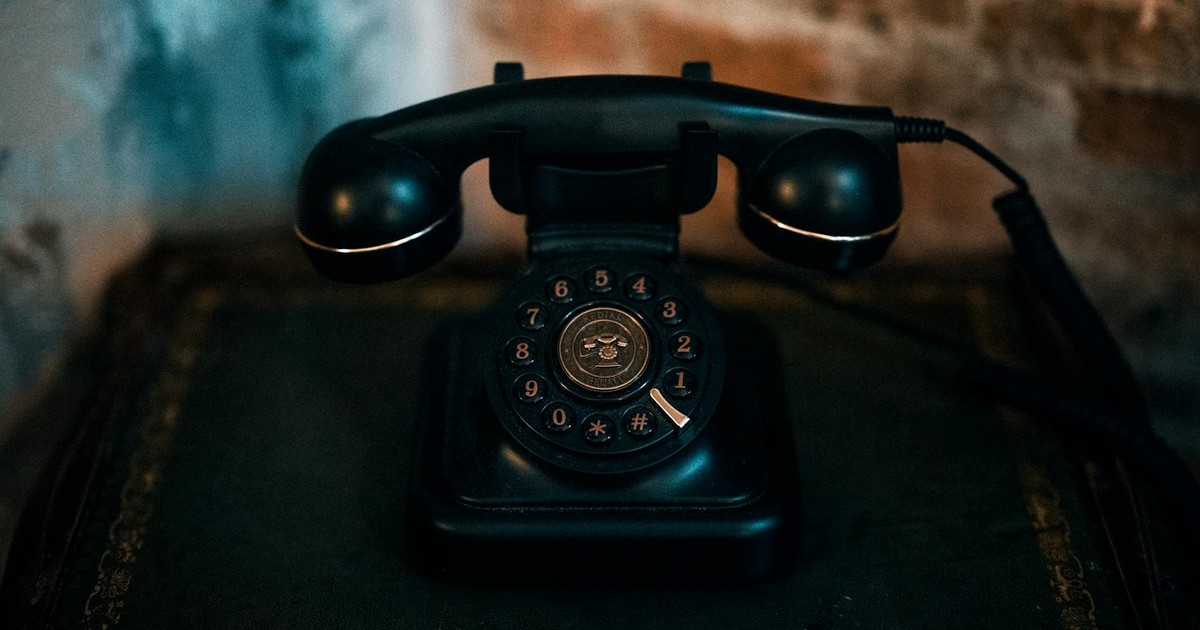
There is almost no younger adult who knows from personal experience what it was like to call someone and get a busy signal – the blunt, repeating tone that told you the line was in use and you simply had to wait and try again. There was no notification, no queue, no message. The line was busy. You tried again later. Sometimes the person you were calling was on the phone for an hour and you called six times and went to bed without reaching them and the world did not end.
The busy signal was a built-in limit on immediate access. It enforced patience in a way that no current communication technology does. Texts deliver instantly. Emails send immediately. The read receipt notifies you that the message landed. The entire infrastructure of modern communication is designed to eliminate the gap between sending and receiving, and with it went the social reality that being unavailable was sometimes just a fact of life, not a statement about you or your relationship.
17. The Record Store
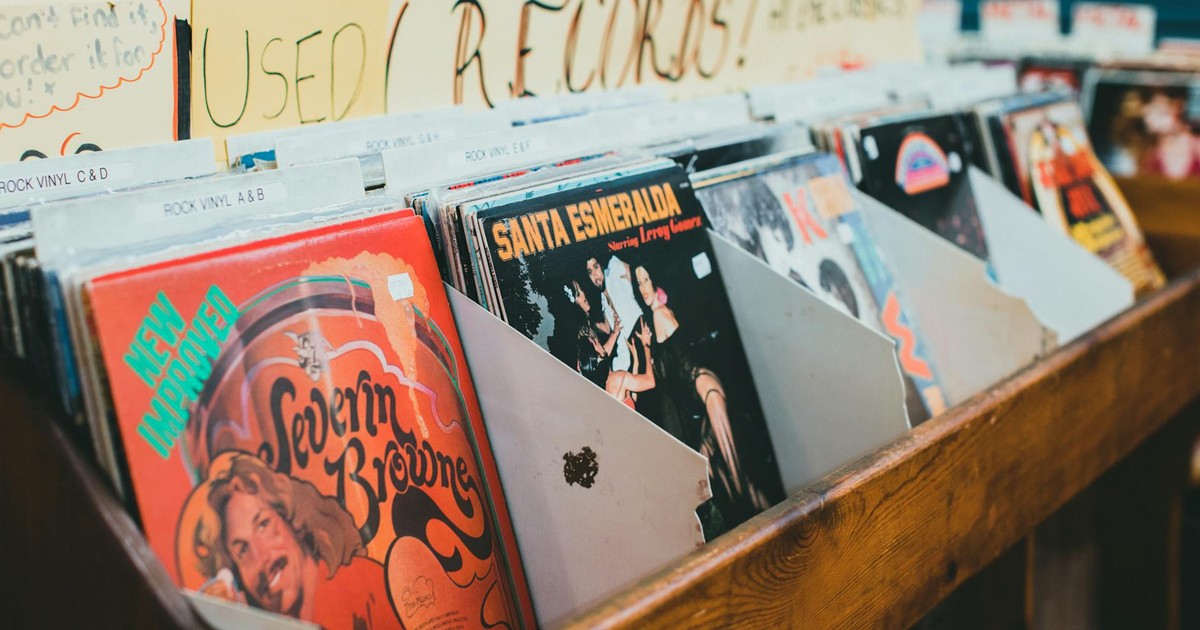
Before Spotify, before iTunes, before MP3s, the record store was where you found out what to listen to next. The person behind the counter was an authority. The listening station in the corner let you preview something before you bought it. You went in looking for one thing and left with three because of what was playing when you walked through the door or because a handwritten staff recommendation card caught your eye in the used section.
The experience of discovering music was tactile and social and geographically specific. What was prominent at the record store in your city reflected something about what was happening in that city. The algorithmic recommendation engine that replaced it is bewilderingly more powerful in terms of raw catalogue and incomparably less interesting in terms of the accidental discoveries it produces. Algorithms optimize for things you already like. The record store clerk recommended things you didn’t know you needed.
18. The Morning Newspaper on the Doorstep

The physical newspaper arriving in the morning imposed a rhythm on the day. News happened, it was reported, it was printed, it was delivered, you read it, and then the day began. There was a lag built into the system that served a function: events were processed before they reached you, contextualized by editors and reporters who had worked overnight. The news had a shape to it. It had a front page.
The collapse of print newspaper circulation has been documented for two decades and accelerated sharply through the 2010s. What replaced it – the continuous digital feed, the push notification, the social media timeline – delivers more information faster and with essentially no editorial shaping for most readers. The problem is not that people are less informed; it’s that being informed now requires active curation in a way the morning paper handled for you, whether you appreciated that service or not.
19. The Bank Teller Relationship
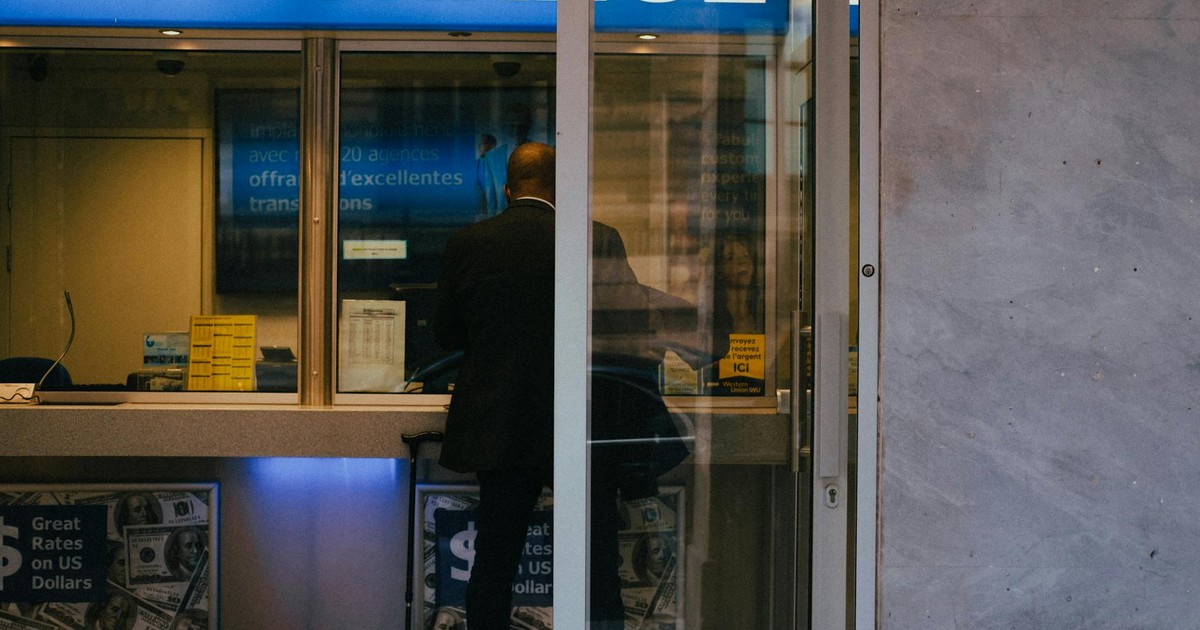
There was a time, not long ago, when you knew the people at your bank by name and they knew yours. The bank teller who asked after your kids was not performing customer service – she remembered the kids because you’d been coming in on Fridays for years. The relationship between a person and their financial institution was, in the most literal sense, a relationship: conducted between people who recognized each other, who existed in the same community, who operated within the same local economy.
ATMs, online banking, and eventually app-based finance reduced the need for in-branch visits to something approaching zero for most people under fifty. The bank branch itself is disappearing: tens of thousands have closed across the United States over the last decade. What went with them was not just convenience but a specific form of local financial accountability, the kind built by years of transacting in person with the same institution and the same people. Digital banking is faster and available at 3 a.m. It is not, by most measures, more personal.
20. Waiting Without Looking at Your Phone
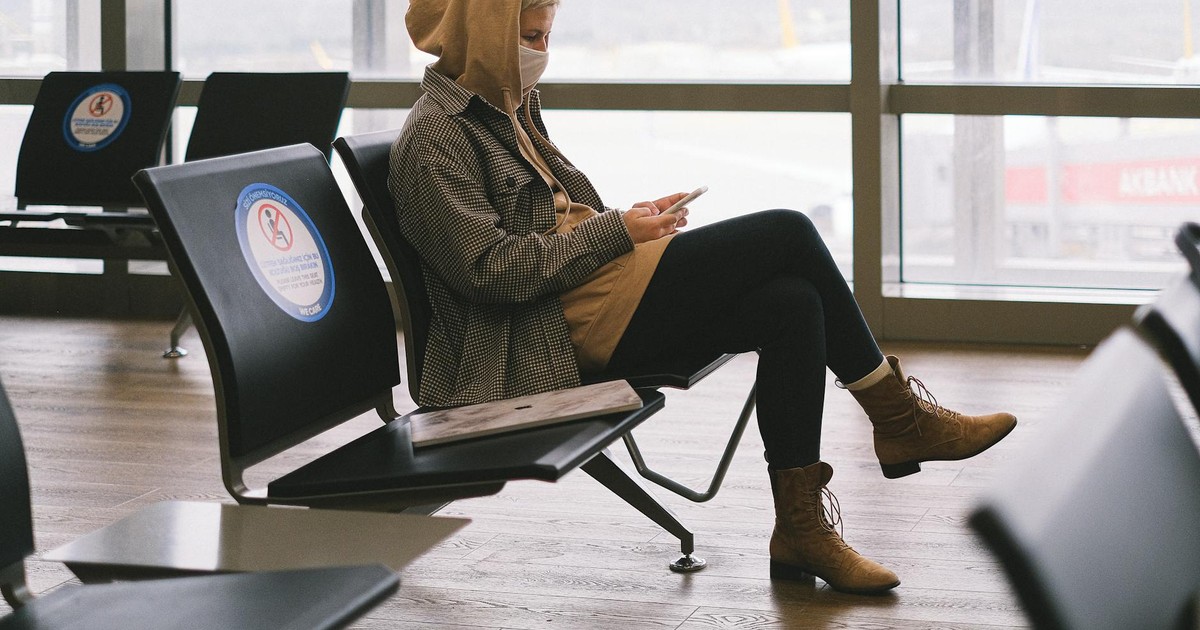
This is the smallest one and possibly the most significant. Standing in a line, sitting in a waiting room, riding a bus, waiting for a friend who is five minutes late – all of these used to be moments of unoccupied time. You looked around. You thought about something. You made accidental eye contact with a stranger and either nodded or very deliberately did not. You were, briefly, without input, and your mind did whatever it did in that space.
The phone in the pocket ended that. The average American checks their phone somewhere between 96 and 144 times a day, depending on which survey you consult, and the reflex to do so in any gap of stimulation is now essentially automatic. The unoccupied moment – the specific experience of being in a place without consuming anything – has become so rare that sitting without one now tends to produce a low-grade anxiety that is itself worth examining. We eliminated the gaps and only later started asking what was living in them.
The Thing Nobody Said Goodbye To
What connects most of these disappearances is not the specific thing that went – the phone booth, the cursive letter, the record store – but the particular texture of life they created. Friction. Waiting. Shared boredom. The experience of being in a place without being able to also be somewhere else simultaneously. The world that disappeared from society was not simpler in the sense of being easier; it was, in many ways, more inconvenient. But inconvenience has a way of generating exactly the kinds of encounters and slowdowns and accidental experiences that people now describe as what they miss most.
A February 2026 Marketplace report on the physical media revival found that “subscription fatigue,” frustration with streaming content changes, and a desire to collect rare finds are all driving people back to old-school formats. Vidiots, a Los Angeles video rental store, draws crowds of customers happily sifting through DVD titles along its shelves – many of them in their twenties, people who grew up with DVDs and are consciously choosing to go back. They’re voting in real dollars for the slower version of things. That impulse is worth paying attention to – not as a rejection of progress, but as an honest signal about what got thrown out along with what was genuinely outdated. Some of it was inefficiency. Some of it was life.
AI Disclaimer: This article was created with the assistance of AI tools and reviewed by a human editor.