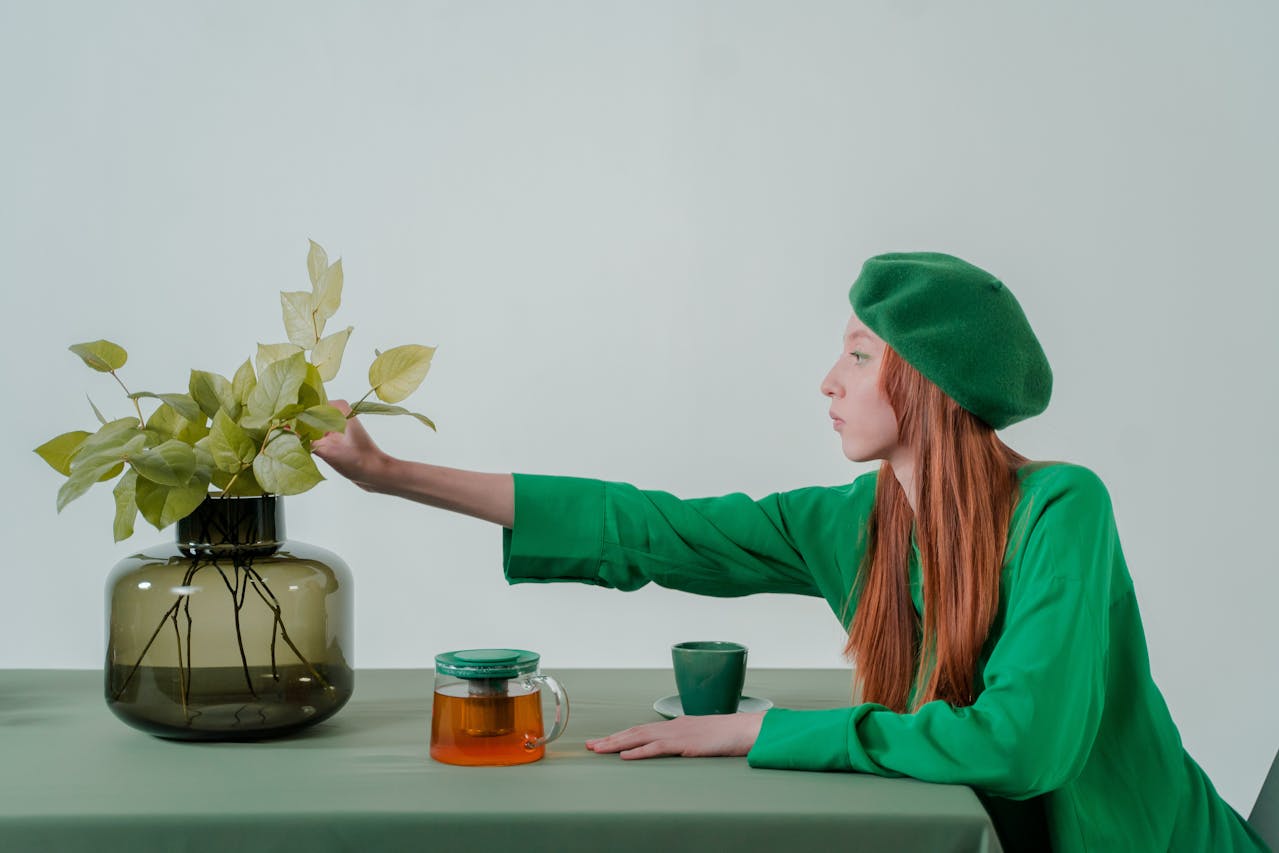

Green has always carried a certain weight that the other colors don’t quite manage. Red announces itself. Blue plays it safe. But green sits right in the middle of everything, neither shouting nor retreating, and if you’ve always been drawn to it – if it’s the color you gravitate to when choosing a throw pillow, a sweater, a phone case – that pull might say more about you than you’ve ever stopped to consider.
Color psychology, the study of how hues affect mood, behavior, and personality, has tracked the green preference for decades. The findings are consistent enough to be interesting and loose enough to leave room for the real person underneath. Green is not a simple color. It holds more associations than almost any other – growth and envy, balance and restlessness, calm and an almost compulsive desire for something to change. The people who love it tend to be equally layered, and the research, such as it is, paints a portrait worth looking at.
What follows isn’t a personality quiz, and it isn’t a verdict. It’s closer to a mirror held up at an angle – showing you something recognizable without insisting it’s the whole picture.
The Deep Roots of Green Personality Traits
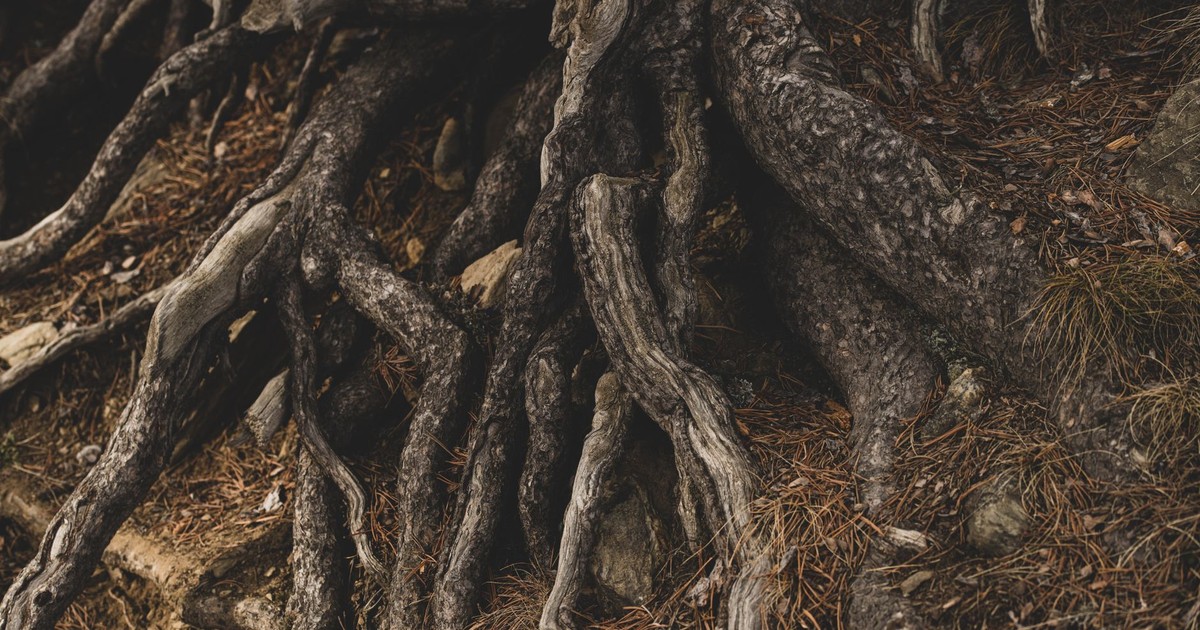
The idea that color preference could reveal something meaningful about a person goes back further than most people realize. Swiss psychiatrist Carl Jung believed that the human subconscious uses color as a form of expression and promoted the idea that people perceive and relate to color in consistent, recognizable ways. He connected personality types to specific colors, associating bold, assertive people with red, those with a sunny disposition with yellow, the objective and analytical with blue, and those who are calm and tranquil with green. That last category is worth pausing on. Not passive. Not dull. Calm in the way that a well-rooted tree is calm: stable, present, harder to knock over than it looks.
Contemporary researchers have built on that foundation with more rigorous methods. A 2022 study in Frontiers in Psychology, drawing on 854 participants aged 20 to 60, set out to quantitatively examine the relationship between personality and color, asking participants to associate colors with personality traits and rank their color preferences. The findings confirmed patterns that color psychology has long suggested: what you’re drawn to visually tends to reflect something real about who you are internally. That doesn’t mean your favorite color determines your fate, but it does mean the attraction is rarely random.
You’re the One Who Doesn’t Panic
In color psychology, green personality traits are associated with balance, calm, patience, and a strong desire for harmony, and these traits tend to influence how someone relates to others, manages emotions, and approaches everyday situations. The practical result of all that balance is something people around you have probably noticed before you did: you don’t spiral. When something goes sideways at work, when there’s a family crisis, when the flight gets cancelled and everyone else is pacing around the gate, you’re the one doing the math on alternatives.
People with a green personality are kind, generous, and compassionate – good to have around during a crisis because they remain calm and take control of the situation until it is resolved. This is not the same as being unaffected. Green people feel the weight of difficult situations as much as anyone else. They just don’t let the feeling override the function. It’s a particular kind of emotional intelligence that tends to look effortless from the outside and costs something on the inside.
You Keep People Around, and They Know Why
Common green personality traits include emotional balance, being supportive and empathetic, reliable and dependable, patient and thoughtful. Put all of those together and you get someone who is, quietly, the reason a group holds together. The friend people call at 11pm. The colleague who actually follows through. The partner who remembers what you said about your mother three conversations ago.
This is where the green personality earns its reputation as one of the most genuinely nurturing in the color psychology framework. Being kind, generous, and compassionate is central to how green people operate – though the challenge is not neglecting their own needs while giving so freely to others. That last clause is doing a lot of work. The same trait that makes green people such anchors for everyone else can quietly hollow them out if they’re not careful, because the giving comes so naturally that no one, including the green person themselves, always notices when the well is running low.
You Have a Genuine Relationship With the Natural World
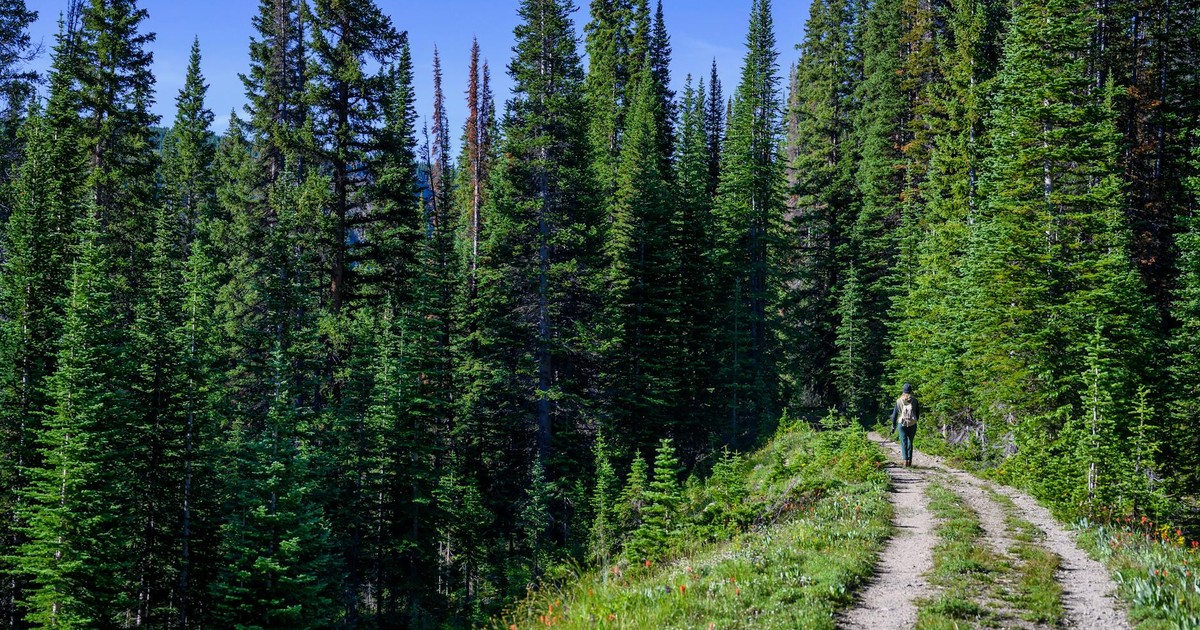
This one isn’t just personality mythology. Research from Bangor University found striking results: participants who focused more on green natural elements during a walk reported significant improvements in mood and reductions in anxiety, and showed higher levels of positive emotions compared to those who focused on man-made surroundings. For people who already love green, this likely reads as confirmation of something they’ve always known – that being outside, surrounded by trees or grass or even a single houseplant in a window, recalibrates something in the system.
Green personalities tend to be practical, down-to-earth, with a love of nature. This isn’t about being outdoorsy in a gear-catalog way. It’s about a preference for what’s real and grounded over what’s abstract and performative. Green people tend to be skeptical of anything that smells like theater. They’d rather sit on a back porch with one good friend than attend the party where everyone is doing their best impression of having fun.
You Think Before You Move
Green can encourage thoughtful and measured decision-making, representing deliberate progress rather than sudden transformation and encouraging patience and reflection. In a culture that celebrates the pivot and glorifies the bold leap, the green personality’s preference for deliberation gets mistaken for hesitation. It isn’t. There’s a difference between someone who is afraid to decide and someone who refuses to decide badly. Green people tend to be the latter, and the distinction matters most when the stakes are real.
People who love green are often natural visionaries – they question the norm and look for better ways to do things. The thinking-before-moving isn’t timidity; it’s the mechanism behind original ideas. You don’t rush past the problem. You sit with it, turn it over, and eventually arrive somewhere no one else thought to look. Color-linked personality frameworks consistently place this kind of measured thinking at the center of the green profile, not as an outlier trait but as a defining one.
You Resist Conflict, Sometimes to a Fault
A strong preference for balance and harmony can create real challenges: green personalities may resist change when it feels sudden and disruptive, may find it uncomfortable to express strong emotions, and in some situations may avoid conflict in ways that lead to hesitation or difficulty making firm decisions. This is the honest part of the portrait, the part color psychology sometimes glosses over in favor of flattering the reader. The very things that make green people reliable and consistent can also make them conflict-avoidant in ways that cost them.
The green person is often the one who swallows the difficult conversation for the sake of keeping the peace. Who agrees to things they didn’t want to agree to. Who waits too long to say the thing that needed saying six months ago. Under stress, green personalities tend to withdraw – which is a useful survival mechanism until it becomes a pattern that puts distance where closeness was needed.
The Shade You Choose Says Even More
Not all green is the same, and color psychology has started to pay attention to what specific shades reveal. Each shade of green carries its own meaning: mint green, soft and refreshing, suggests a calm mind, an open heart, and a gentle creative approach to life. Emerald green is linked to ambition and success, suggesting you value growth and have a strong sense of purpose. Forest green, darker and more grounded, reflects reliability, wisdom, and a strong moral compass.
The person who reaches for forest green in the paint store is a different animal from the person who fills their home with sage. Both love green. One is building a sanctuary; the other is building a legacy. The distinction probably tells you something you already knew about yourself.
You’ve Always Known Green Isn’t Just a Color
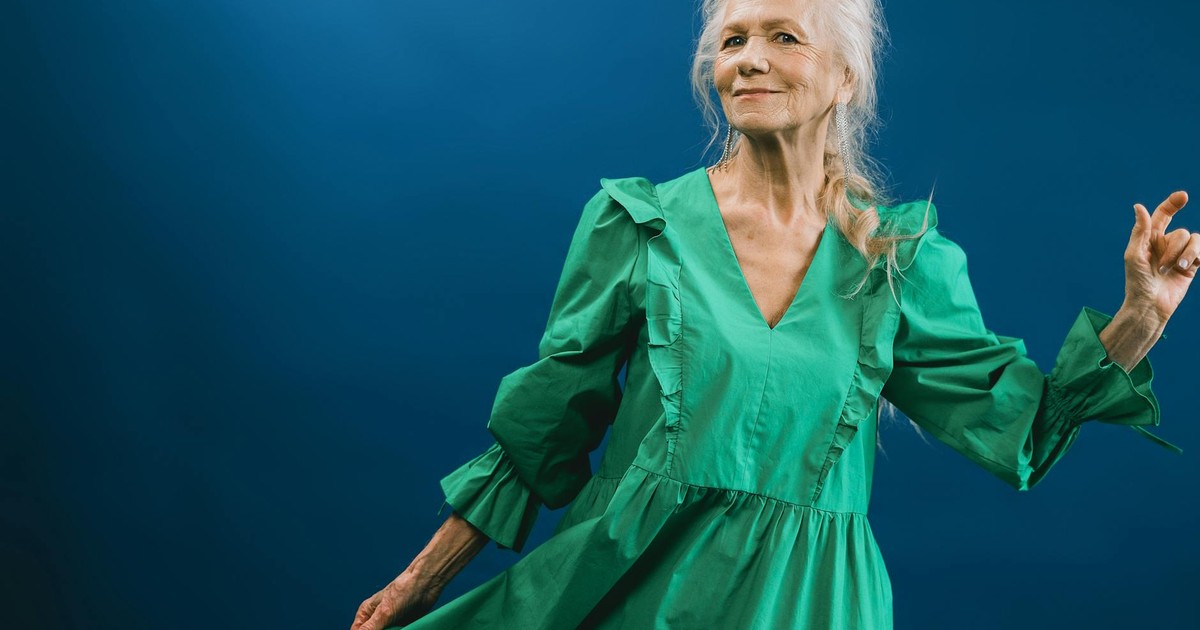
There’s a reason green appears in every culture’s vocabulary for growth, health, and renewal. The color represents balance, growth, vitality, and renewal, with its strongest associations coming from nature where green signals health and continuity; it sits between blue and yellow on the spectrum, reflecting a balance between calmness and energy, which helps explain why it feels neither overly stimulating nor dull. The people who are drawn to it seem to carry that balance as a personal value, not just an aesthetic preference. They want the world to feel like it has room to breathe.
Read More: Fun Personality Test: Which Colors Do You Notice First?
What This Is Really About
Color psychology is not a hard science, and anyone who tells you your favorite color has determined your destiny is trying to sell you something. What the research does suggest – consistently, across multiple frameworks and decades of study – is that the things we’re drawn to tend to reflect something genuine about our inner life. The preferences aren’t random. They’re not nothing.
If green has always been yours, the portrait that emerges from the research is one of a person who holds things together, who gives more than they take, who thinks carefully and cares deeply and sometimes pays for both of those traits in ways that go unnoticed. That’s not a small thing. The people in the world who stay calm when everything is burning, who turn up reliably without needing applause for it, who actually listen when someone is falling apart at 11pm – they’re the infrastructure the rest of us depend on.
The shadow side is real too. The conflict avoidance, the swallowed feelings, the peace kept at personal cost. Those aren’t character flaws so much as the backside of the same traits that make green people indispensable. You get to hold both truths. The archive of who you are doesn’t simplify just because a color chart asks it to.
AI Disclaimer: This article was created with the assistance of AI tools and reviewed by a human editor.