

Summer has a way of making everything feel more exposed – the heat, yes, but also every small styling decision you’ve been quietly getting away with all winter. A chunky knit forgives a lot. A structured coat covers a multitude of choices made in a hurry. But a linen dress in July? A sleeveless top at a rooftop dinner? Summer strips the buffer away, and suddenly the things that haven’t been working become a lot more visible, at least to you.
This is not about wearing the “right” clothes for your age. That framing is tired and has been tired for years. The summer outfit mistakes women over 50 often make have nothing to do with showing too much skin or trying to look younger than you are. They’re about fit, fabric, proportion, and habits that formed back when your body and your life looked different and haven’t been updated since. They’re fixable, every single one of them, and most of the fixes don’t require a new wardrobe.
What follows is an honest look at ten of those habits – the ones that quietly work against you in July and August, when there’s nowhere to hide and the heat is making everyone cranky enough to care.
1. Wearing the Wrong Fabrics for the Heat
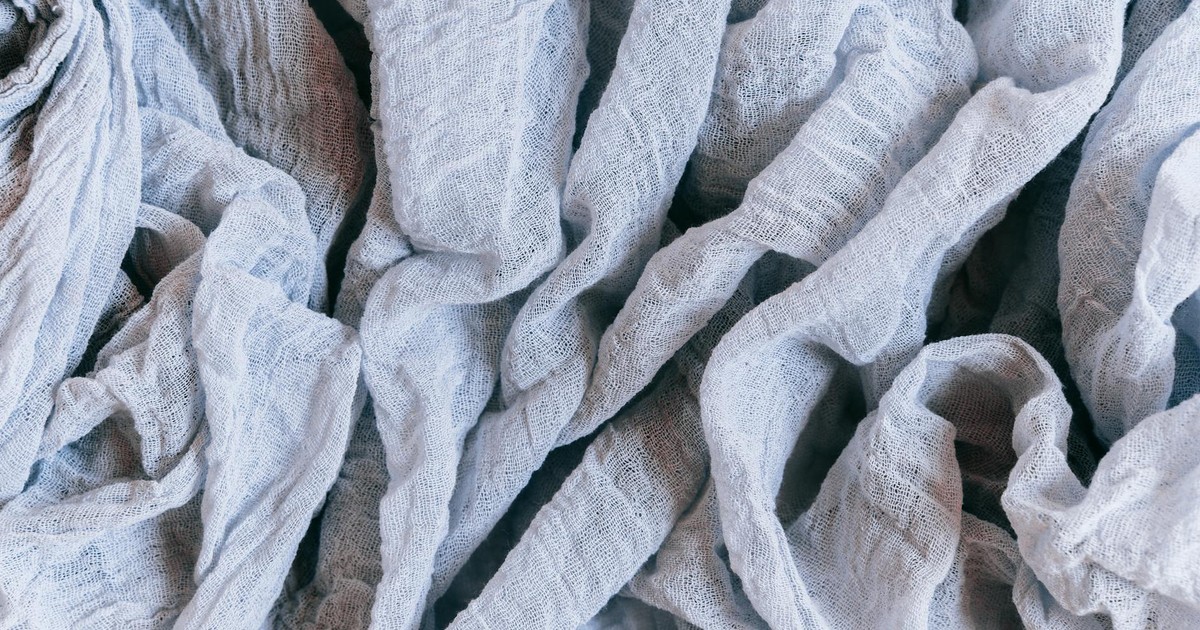
If you’re still reaching for polyester on a 90-degree day, you’re going to be miserable by noon. According to Fabulous After 40, synthetic fabrics trap heat and moisture, leaving you sweaty and uncomfortable – and nobody feels stylish when their clothes are sticking to them. Nobody should have to, because the fix is genuinely easy and doesn’t cost extra money. Natural fabrics breathe. Synthetic ones don’t.
Linen, cotton, and lightweight rayon are the fabrics to reach for. They breathe better and keep you cooler, especially in textured weaves that don’t cling even when you’re moving through the day. The tricky part is that fast fashion floods the summer racks with polyester blend pieces that photograph beautifully and feel like a greenhouse by noon. Checking the fabric label before you buy takes about four seconds and will save you an entire afternoon of misery.
Linen in particular gets dismissed because of its reputation for wrinkling, but a piece of linen that wrinkles slightly mid-afternoon looks intentional. Damp polyester does not. When the goal is to feel and look like yourself at a dinner, a farmers market, or a family gathering in peak summer, what your clothes are made of is the first decision – not the last.
2. Getting the Fit Wrong (in Both Directions)
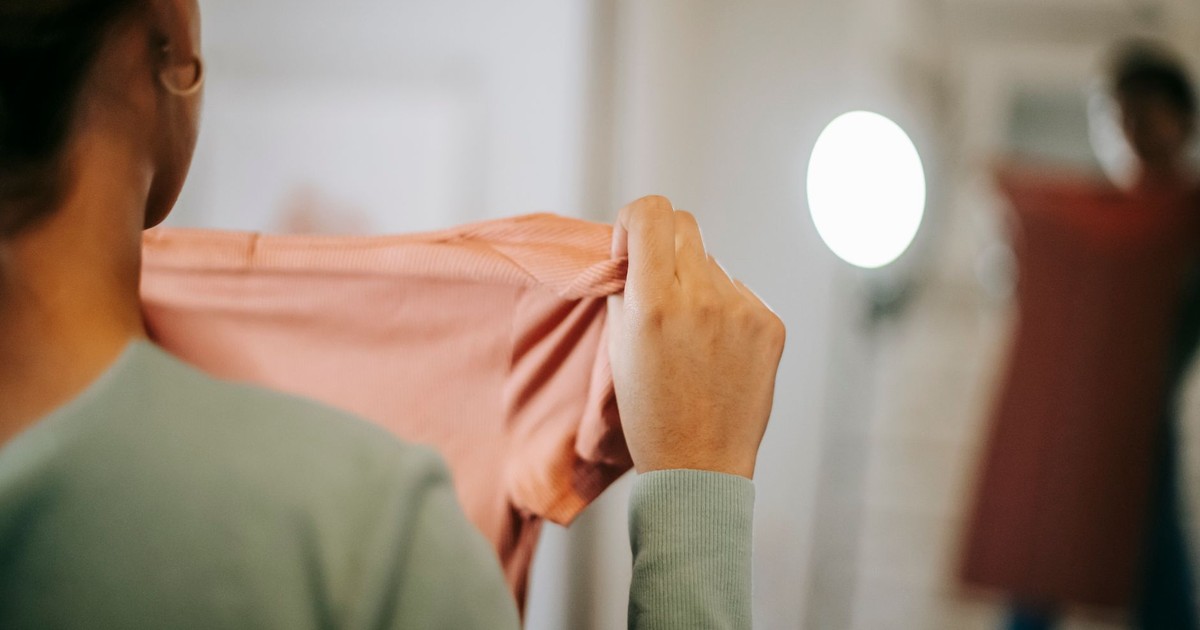
According to Style at a Certain Age, the most common – and most aging – fashion mistake women over 50 make is wearing clothes that don’t fit their current body. Oversized clothes erase the figure entirely; too-tight clothes highlight exactly the areas you’re trying to minimize. Both extremes are working against you, and both are rooted in the same instinct: avoiding the actual size.
The summer version of this is particularly common. Loose flowy cover-ups that were bought “to hide” the midsection end up adding visual bulk rather than removing it. Too-tight shorts bought in the size from two years ago pull across the hips and communicate discomfort with every step. The fix is to find a tailor and wear clothes that skim rather than cling or hang. Skimming is the word that changes summer dressing entirely, because a piece that follows the line of your body without gripping it looks polished and deliberate at every size.
The other invisible piece of this: bodies change, and the clothes that fit perfectly at 42 may not fit the same way at 55 without any adjustment at all. That is not a failure. It’s just physics, and it’s true for everyone.
3. Skipping the Tailor
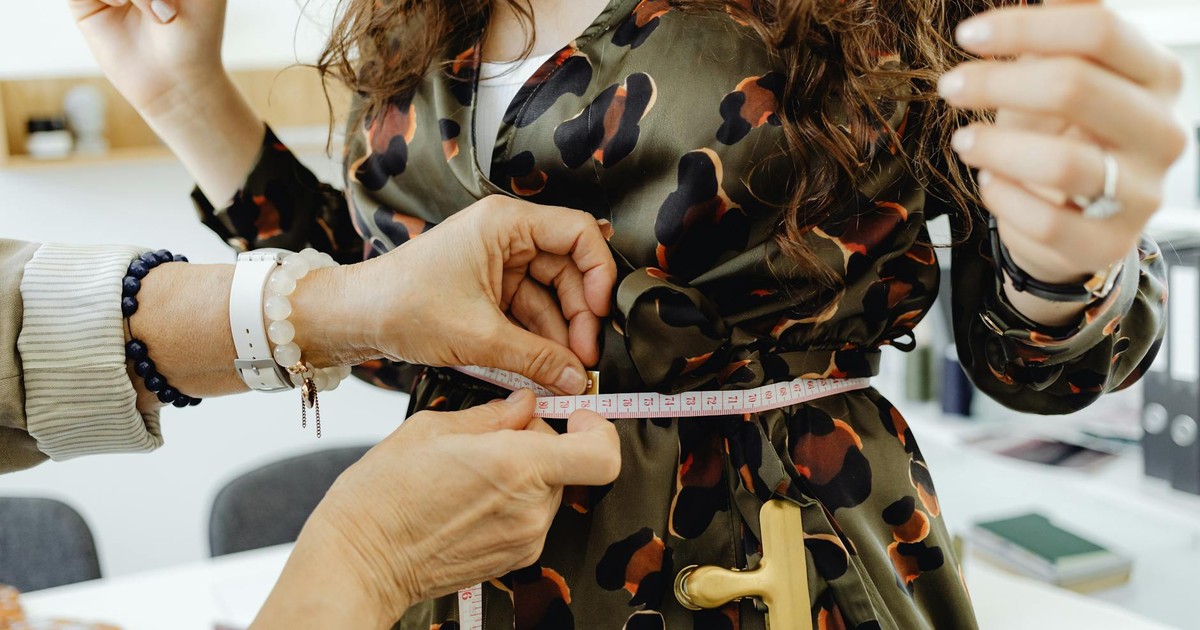
This one gets treated as a luxury when it is actually the highest-return investment in your wardrobe. According to Your Girl Knows, women whose wardrobes consistently look expensive and intentional are almost always getting things altered – a blazer taken in at the waist, trousers hemmed to the exact right length, a dress shortened by two inches. Alterations run $15 to $40 and transform the impression of a piece entirely, because off-the-rack rarely fits perfectly at any age, and the impact of an ill-fitting garment becomes more visible as the body changes.
In summer, the hemline question is everything. AARP notes that midi skirts and dresses should land just above or below the widest part of your calf, not sit directly at it – that placement makes legs appear wider and shorter. A dress bought at the right price but cut to the wrong length for your height can be fixed for twenty dollars. Most people never take that step, and their clothes look like someone else’s as a result.
The shoulder seam is the other thing a tailor will fix first. The shoulder seam sitting at the actual shoulder is the single most important fit detail – if it drops past the shoulder, the whole garment reads as borrowed. Drop the garment off. Pick it up. Wear it for the rest of the summer.
4. Going Head-to-Toe Matchy-Matchy
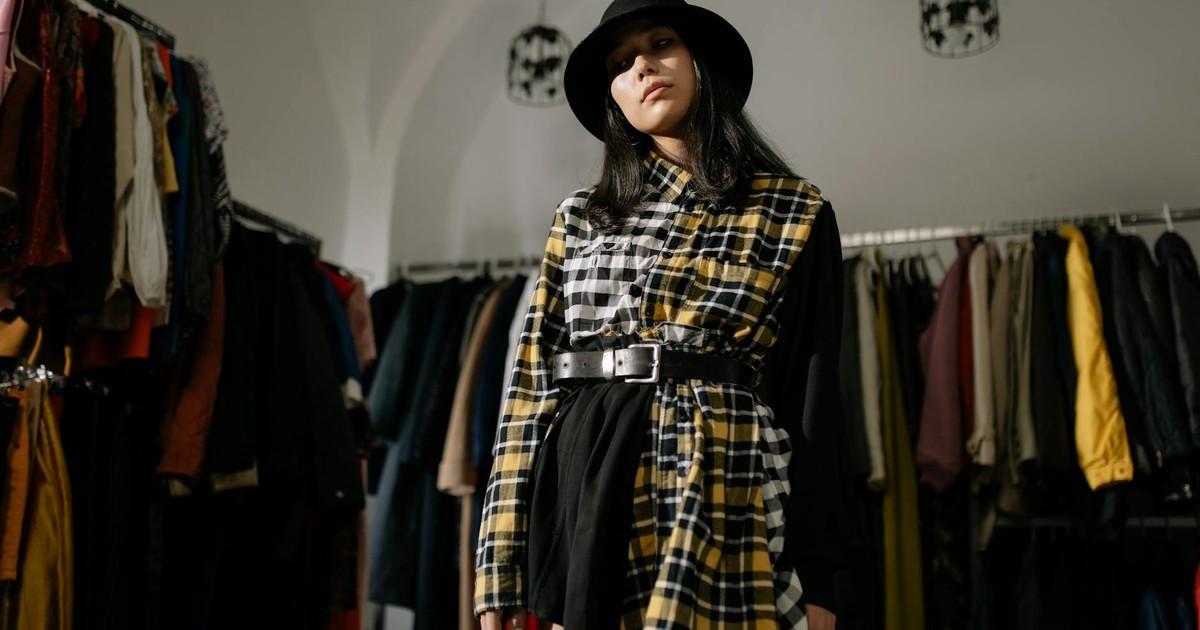
A perfectly matched outfit – bag, shoes, belt all in identical brown, blouse and pants in the exact same shade – reads as dated rather than coordinated. Over-matching was a specific aesthetic of a different era and has the visual effect of aging an outfit significantly. The era in question is the late 1980s, specifically, and the look communicated something about effort and precision that has since been replaced by something closer to ease.
Modern styling is about intentional coordination rather than perfect matching. When everything matches too precisely, it can age your overall look by decades. Try mixing metals, playing with complementary colors rather than identical ones, and letting accessories feel like individual choices rather than a matching set.
Dropping the matchy-matchy requirement is one of the more freeing realizations in summer dressing, because it removes a constraint that was never doing you any favors. You no longer need the bag that matches the sandals. You can wear a gold bracelet with silver earrings. You can wear white linen pants with a top in warm coral and strappy tan sandals and not one of those three things matches the others, and the whole outfit looks modern and considered because of it.
5. Clinging to Outdated Trend Pieces

The mistake many women make is holding onto trend pieces long after they’ve cycled out of current fashion. Those skinny jeans, that particular bootcut, that specific handbag style – they all telegraph a specific era. And when that era was ten or fifteen years ago, it ages the entire look.
As AARP points out, there’s a difference between a stylish comeback and items that date your outfit. Fashion trends do circle back every twenty years or so, but they’re never exactly the same, and neither are our bodies. New blazers are relaxed with small shoulder pads for structure, not attention; leather jackets have a streamlined look; platforms are on loafers and sneakers, not heels; and bootcut jeans are high-waisted in even washes and stretch denim.
The key distinction is between a piece that has been consciously updated and a piece you’re simply hanging onto because it was expensive or it used to look great. Summer is a particularly good time for this audit because storage space is finite and hot weather has a way of clarifying which things in your closet you actually reach for.
6. Choosing Colors That Wash You Out
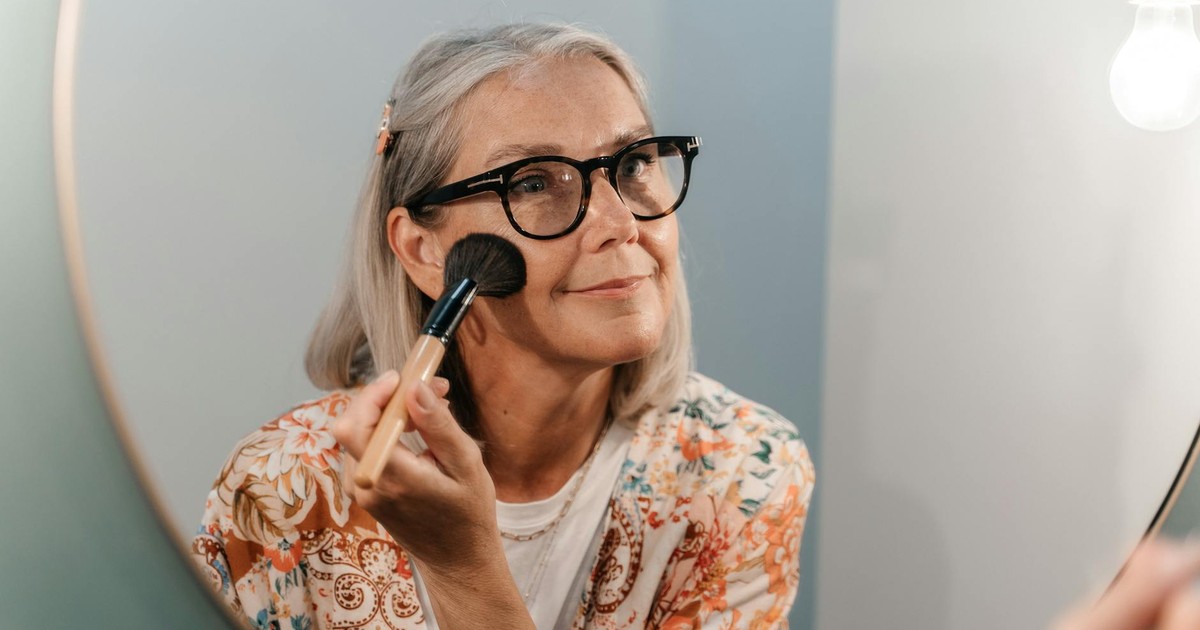
Skin tone changes as we age, often becoming paler or more sallow. Colors that once looked amazing can suddenly wash you out or emphasize tired-looking skin. The muted earth tones and cold neutrals that worked brilliantly in your forties may now be doing you a quiet disservice, and the fix is genuinely simple.
Soft, warm shades near the face tend to be most flattering for mature complexions – dusty rose, warm coral, sage green, periwinkle, soft teal, and warm ivory. These complement skin tones that have evolved better than stark, cold neutrals worn close to the face. This doesn’t mean abandoning your entire color palette or committing to pastels you don’t love. It means paying attention to what’s closest to your face, which in summer is usually a top, a dress, or a scarf.
The goal is finding shades that add light and warmth to your complexion – jewel tones, brighter neutrals, or simply a colorful scarf or necklace can do the job. A navy linen bottom with a warm ivory or coral top costs no more than the opposite combination and photographs completely differently. That’s where the work happens.
7. Hiding Behind Oversized Everything

The most common instinct – particularly prevalent over 50, where the desire to cover more often translates into wearing everything a size or two too large – actually works against you. As Your Girl Knows puts it directly: oversized clothes don’t hide the body. They make it look larger, less defined, and visually older than it is.
You can also check out how the wrong shoes can compound this problem – when the silhouette reads as shapeless from top to toe, footwear that lacks structure completes the picture in the wrong direction.
The difference between a deliberately oversized piece and a piece that reads as hiding is intentionality and proportion. An oversized linen shirt worn open over a fitted tank and rolled at the sleeves looks chic. The same shirt worn buttoned to the collar over loose pants and flat sandals looks like a different outfit entirely. One decision – what’s fitted underneath, how the shirt is worn, whether one piece in the outfit gives the eye a clean line – changes the read completely.
8. Ignoring What’s Happening Below the Waist
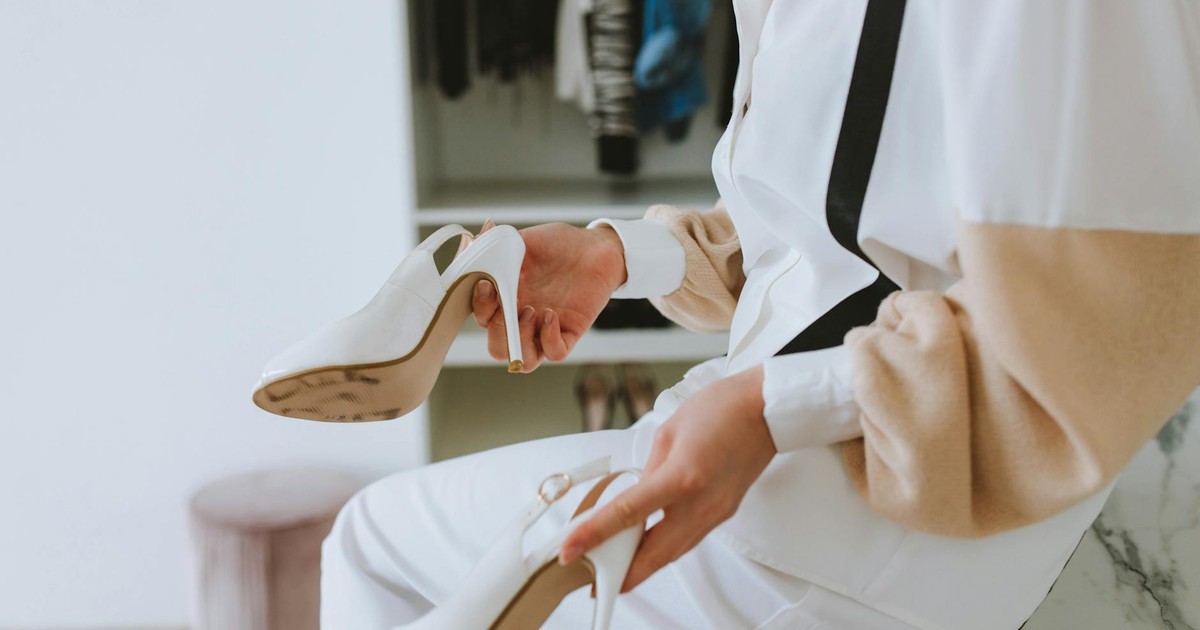
Most styling energy goes to the top half. The outfit is thought about from the neck to the waist, and the bottom half gets whatever’s comfortable and available. Trousers that are slightly too wide, skirts that hit at the wrong hemline, jeans that gap at the back waist – these fit issues are just as undermining as a poorly fitted top and just as fixable.
In summer specifically, this plays out as capri pants cut at an awkward length, shorts that are either too tight or too long, and skirts bought without trying on in natural light. As Style at a Certain Age notes, a capri that cuts across the calf will always age your look – the ankle-length pant is the cleaner, more flattering choice. The dead zone is that mid-calf cut, which lands at the widest point of the leg and compresses the visual line of the whole lower body.
High-rise waistbands elongate the leg and have the additional benefit of staying put when you’re moving, sitting, and living your actual life. A mid-rise waistband that gaps at the back when you sit down is not a minor inconvenience. It’s the thing you’ll think about for the entire duration of whatever event you’re attending.
9. Neglecting the Foundation Layer
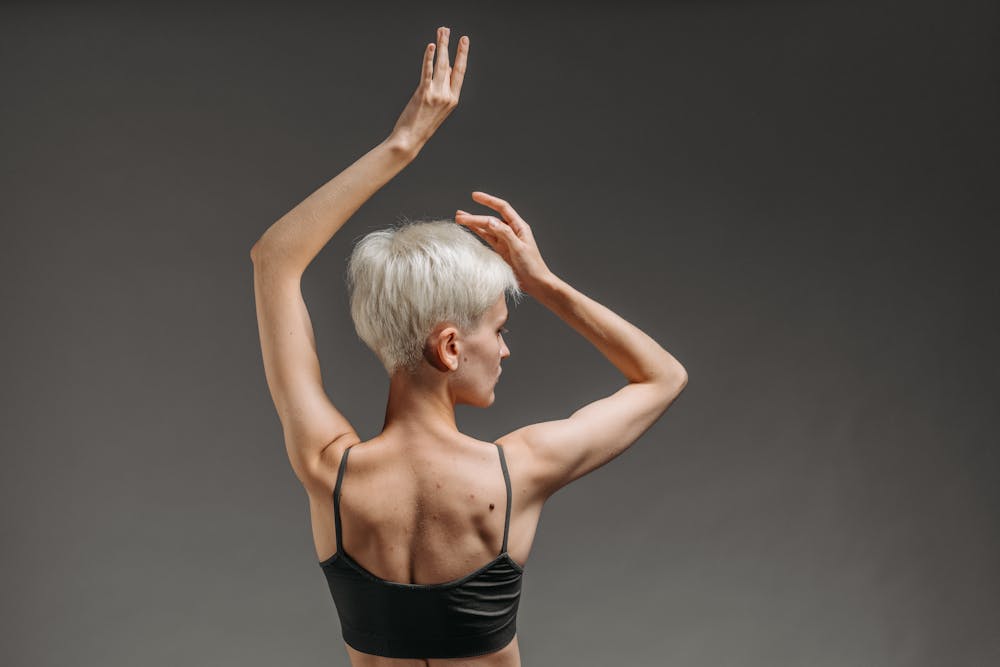
This one operates below the surface, but its effect is immediately visible. The wrong bra – too loose, too old, wrong shape for your current figure – changes how every single thing you own looks on your body. After 50, breast tissue redistributes, and the bra that worked at 40 almost certainly doesn’t fit the same way anymore. Summer makes this more noticeable, not less, because summer fabrics are lighter, thinner, and more revealing of what’s underneath.
Bodies change, and the bra you wore at 40 probably isn’t serving you well at 50 or beyond. Ill-fitting undergarments affect how everything else fits and looks – and the fix is straightforward: choose nude-toned, seamless undergarments, and skip heavy shapewear in favor of light, breathable layers. A professional bra fitting takes about fifteen minutes. Most department stores and lingerie boutiques offer them at no charge. The difference between a bra that fits and the one you’ve been wearing out of habit is not subtle – it changes the line of a blouse, the drape of a dress, and the overall impression of the whole outfit.
The same logic applies to any shapewear you’re using. Too small, and it rolls and ridges through the fabric. The right size should smooth and disappear, and if it’s visible through your summer dress, the problem is either the garment size or the fabric weight of the dress, both of which are fixable.
10. Sacrificing Comfort Entirely for the Look
Looking fashionable isn’t worth wearing outfits that are actively working against you all day. If what you’re wearing doesn’t feel good, it won’t look good – discomfort registers in posture, in expression, in the way you carry yourself through a room. This is one of those observations that sounds obvious and gets ignored constantly, because the shoes were beautiful in the store and the dress was on sale and surely it’ll be fine once you get used to it.
Common offenders include heels that are too high, pointed-toe flats that pinch, itchy fabrics, waistbands that are too tight, asymmetric hemlines that make sitting difficult, and pants too short in the rise. In summer, you can add anything that traps heat at the waist and anything in a fabric that becomes scratchy when damp. The outfit that photographs well in an air-conditioned dressing room and destroys you by 2 p.m. on a hot afternoon is not a good outfit for you. It’s just a good outfit.
The goal is clothes that let you forget you’re wearing them – not in the shapeless, invisible sense, but in the sense that they move with you, breathe with you, and don’t require management. That is not settling. That is actually the whole point.
What This Is Really About
None of these ten things are about covering up, dressing down, or making peace with looking invisible. They’re about the gap between what you intend when you get dressed and what the clothes actually communicate – and closing that gap, which is entirely possible without spending more money or following rules written for someone else’s body.
The summers when you look the most like yourself are rarely the ones where you tried the hardest. They’re the ones where the fabric was right and the fit was right and nothing required you to think about it once you walked out the door. That version of getting dressed is available to you right now, with the wardrobe you already have, once you stop making the ten mistakes above.
A few of them – the tailor, the bra fitting, the fabric label check – will take less than an hour of your life and change what your clothes do for you for the rest of the season. The rest are just habits, and habits can be changed any morning you decide to try something slightly different. You don’t need a new wardrobe. You need the wardrobe you already own to actually fit.
AI Disclaimer: This article was created with the assistance of AI tools and reviewed by a human editor.