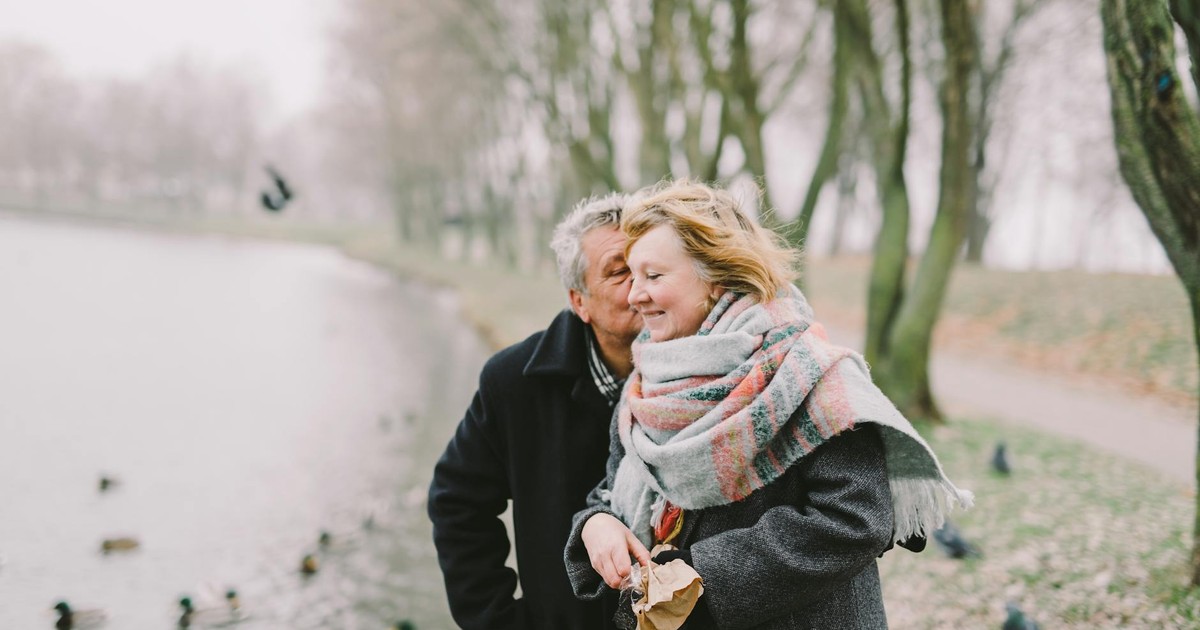

Feeling vibrant in your 60s doesn’t happen by accident. Most people, looking back, can name someone who made it into their sixties and kept going with genuine energy – curious, engaged, physically present in their own bodies. They can also name someone who hit the same decade looking as though the years had pressed down rather than simply passed. The difference rarely comes down to luck or genetics, though both play a role. What separates the two groups, research increasingly confirms, is something far more available: the specific, repeatable things a person chooses to do.
None of the habits that follow are dramatic. There’s no extreme protocol, no supplements that cost as much as a car payment, no waking up at 4:30 a.m. for reasons that remain unclear. What these habits share is that they’re practiced consistently, by people who have stopped treating their own energy and health as negotiable, and started treating them as the foundation everything else gets built on. That’s not a small distinction, even if it sounds like one.
If you’re in your forties or fifties looking ahead, this is useful intelligence. If you’re already in your sixties and have already let some of these slip, that’s not an indictment – it’s an opening. The evidence is clear that the body and mind respond to what you give them at any stage, not just the ones that feel appropriately timed.
1. They Move in Ways They Actually Enjoy
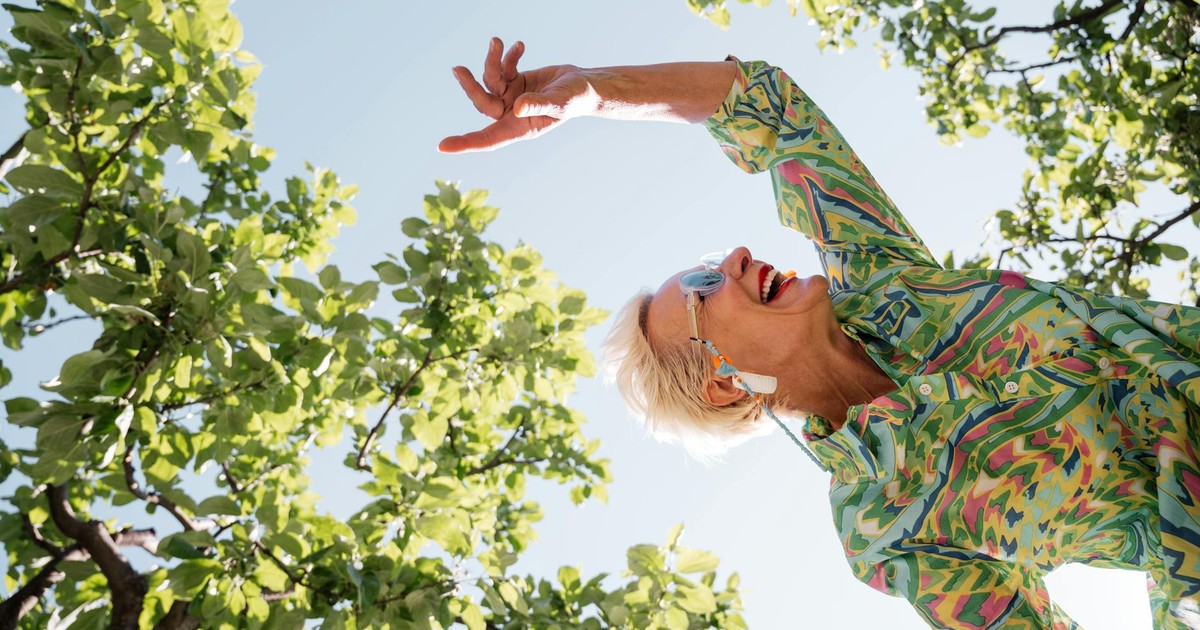
The single biggest obstacle to consistent physical activity in later life isn’t a lack of willpower or access to a gym. It’s the widespread belief that exercise has to be unpleasant to count. Vibrant aging habits almost always include movement – but the movement looks different from person to person, and that variety is exactly the point.
A morning swim counts. A walk through the neighborhood with a friend counts. Dancing in your kitchen counts. The specific activity matters far less than whether a person will actually keep doing it, week after week, month after month. Consistency is what produces the results: better joint health, steadier energy, improved mood, and cognitive protection. A punishing session done twice before being abandoned does none of that.
What researchers have documented repeatedly is that physical activity people find pleasurable is significantly more likely to be sustained. In your sixties and beyond, thirty minutes of movement you genuinely enjoy, most days of the week, does more for your overall health trajectory than a rigorous program you’ll quit by February. The people who age most vibrantly have usually found their version of this – and they’ve stopped apologizing for it not being more extreme.
2. They Take Sleep Seriously
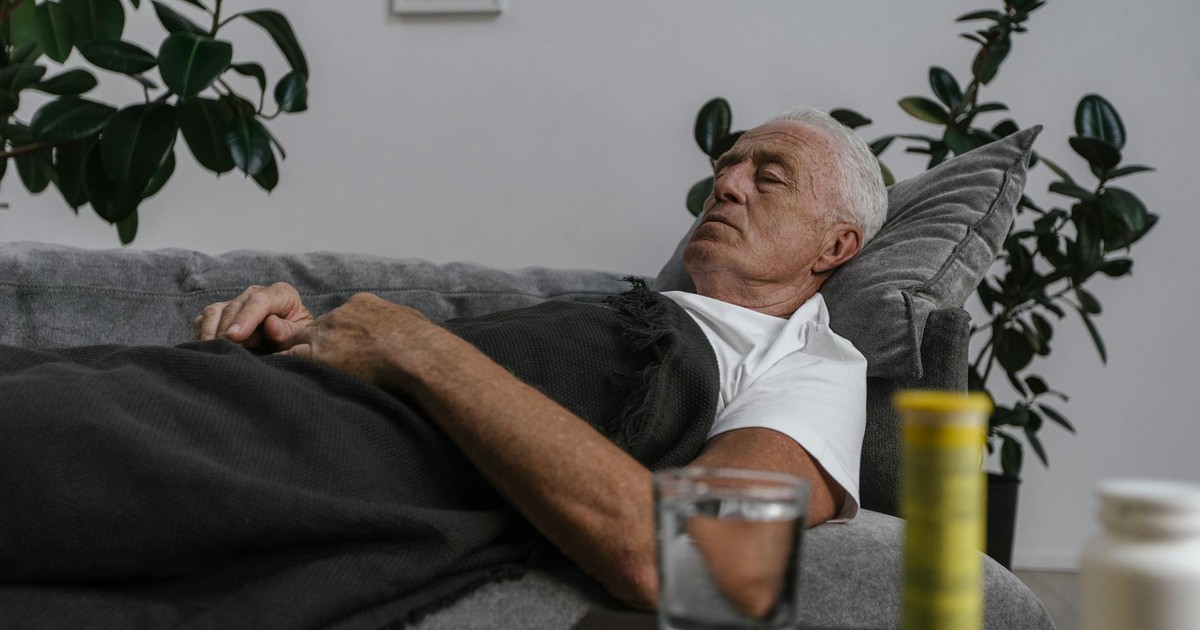
A lot of people arrive in their sixties still operating under an old story about sleep: that less of it means more of everything else. Vibrant older adults have largely put that story down. Sleep changes with age, becoming lighter and sometimes more fragmented, but the people who age well don’t treat that shift as a signal to stop protecting their rest. They treat it as a reason to be more deliberate about it.
What that looks like in practice: consistent wake times, including weekends. A wind-down routine that actually winds down, not a ninety-second rinse-and-scroll. A bedroom that’s cool and dark. Less alcohol, which disrupts sleep architecture even when it initially feels like it’s helping. These aren’t complicated choices, but they require the kind of low-drama consistency that doesn’t get talked about as much as the splashier health interventions.
What good sleep protects is worth the effort. Cognitive sharpness depends on it. Emotional steadiness depends on it. Immune function and cardiovascular health are both undermined by chronic poor sleep in ways that accumulate across years. The people who genuinely seem alive and engaged in their later decades are almost always well-rested. That’s not a coincidence.
3. They Eat Sensibly Without Making Food a Project
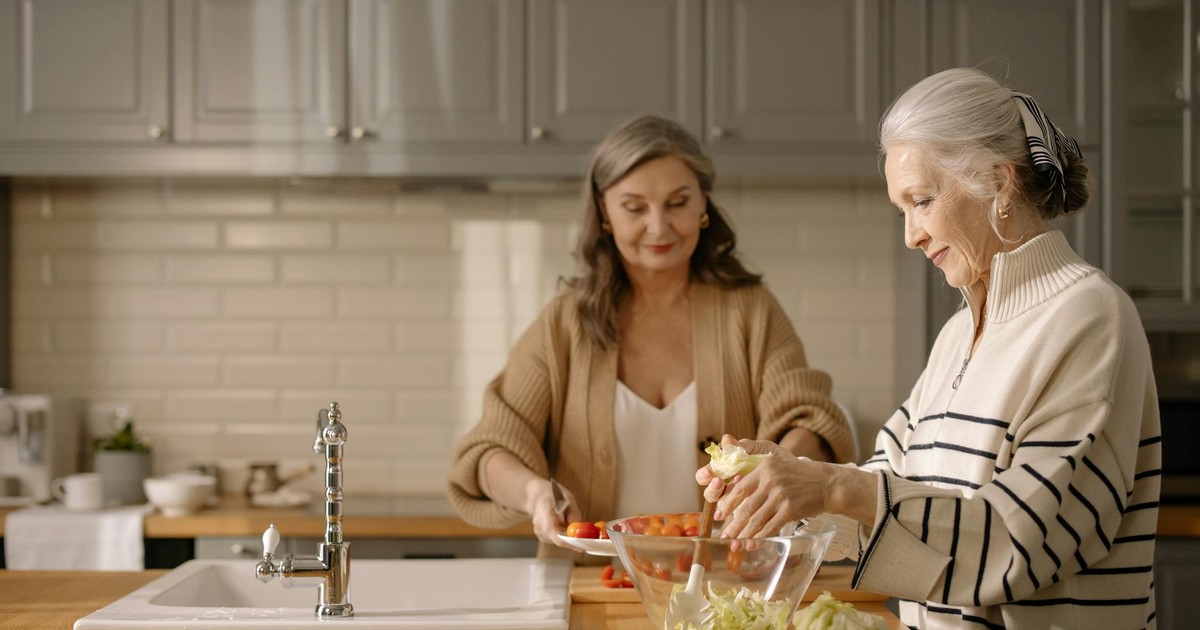
Here’s what vibrant aging habits around food tend not to involve: a laminated list of banned ingredients, a rotating cast of expensive superfoods, or a monthly crisis about the latest dietary trend. What they do involve is a generally sensible relationship with food – plenty of vegetables, protein present at every meal, not too much of the things that reliably make a person feel bad.
The research on diet and aging converges on a few consistent findings: more whole foods, less ultra-processed food, adequate protein (which becomes more important, not less, as muscle mass naturally declines with age), and staying hydrated. The Mediterranean diet pattern keeps appearing in longevity research not because it’s magical but because it reflects these principles and people can actually sustain it without misery.
What the most energetic older adults tend to share is that food is part of life, not a source of ongoing anxiety. They cook, they enjoy meals with people they care about, they occasionally eat the birthday cake. The relationship is practical and reasonably consistent, not perfect and not punishing.
4. They Stay Genuinely Curious

Ask someone in their late sixties who is clearly thriving what they’re interested in right now, and they will almost always have a ready answer. It might be a period of history they’ve been reading about, a language they picked up after a trip, a craft that turned into something more absorbing than they expected. The subject varies. The engagement behind it doesn’t.
Curiosity does specific things for an aging brain. Neuroplasticity – the brain’s capacity to form new connections – doesn’t simply switch off at a certain age, but it does require genuine stimulation to remain active. Pursuing something unfamiliar, wrestling with a problem, following a question somewhere unexpected: these keep the mind sharp in ways that passive consumption doesn’t. There’s a reason the people who age most vibrantly are often the ones who are still learning things, not just consuming them.
There’s an emotional dimension here too. People with active interests have something to look forward to. They have things to talk about, reasons to make plans, a relationship with the future that extends beyond waiting for what comes next. That forward orientation is protective in ways that go beyond the cognitive.
5. They Protect Their Vibrant Aging Habits Around Social Connection
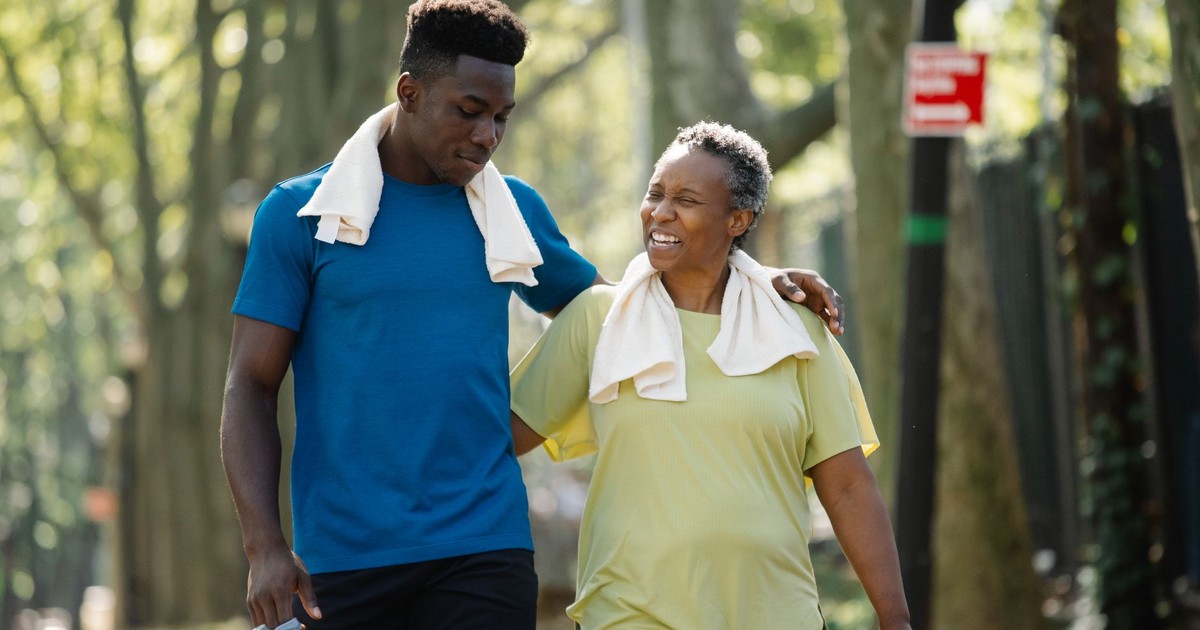
Social connection is one of the most well-documented factors in healthy aging, and it’s also one of the easiest to let slip without noticing. Life contracts in ways that are gradual – a colleague retires, a friend moves, a decade passes in which the friend group has slowly become whoever’s left. Vibrant older adults tend to push back against that contraction deliberately.
A 2024 study in the Cardiovascular Health Study, which followed more than 5,000 adults aged 65 and older for 25 years, found that higher social network scores were significantly associated with longer life expectancy and disability-free life expectancy. The benefit wasn’t just about having a lot of friends – it was about the quality, diversity, and frequency of connection. University of Florida’s aging research program reports that people with strong social bonds have a 50 percent greater chance of survival than those with poor social relationships – a figure drawn from an analysis of 148 studies. And a 2025 study from the English Longitudinal Study of Ageing, which tracked over 7,000 adults aged 50 and older, found that living alone, low social integration, and high social isolation were all risk factors for physiological age acceleration – meaning the body was aging faster than the calendar would predict.
What this looks like in practice doesn’t have to be ambitious. Regular phone calls with the people who matter. Saying yes to the invitation when inertia says no. Joining something, even something small: a book group, a community garden, a walking club. The specifics are less important than the habit of maintenance. Relationships, like everything else that ages well, require attention.
6. They Manage Stress Rather Than Just Absorbing It
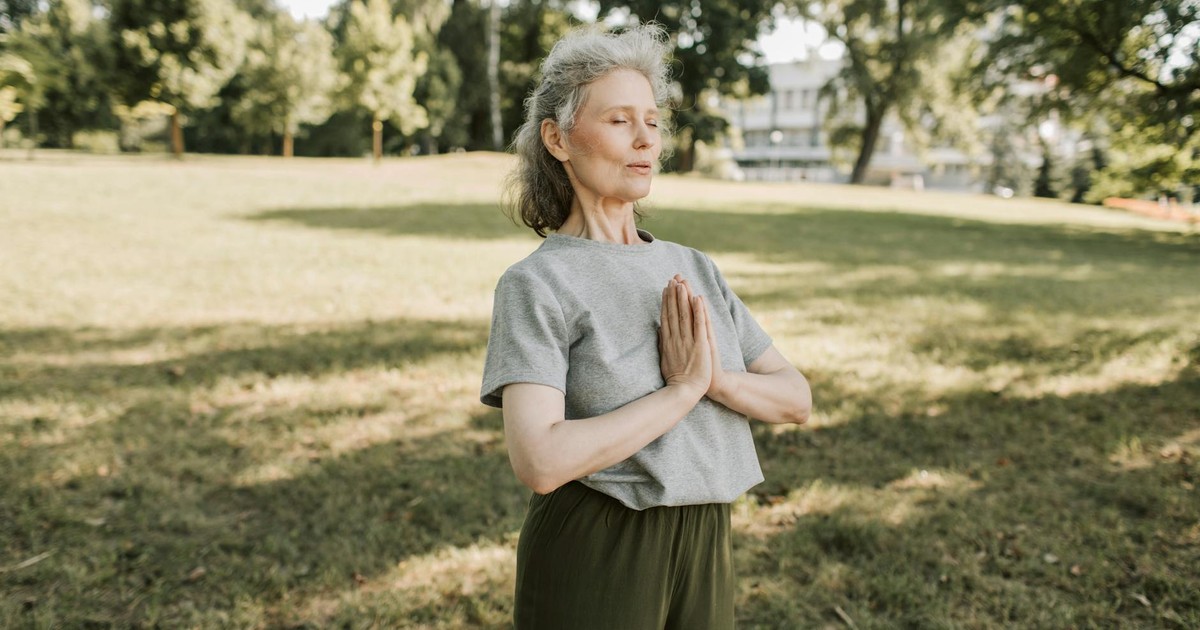
Chronic stress is not simply unpleasant – it has a measurable physical effect on the body. Cortisol, the hormone released under stress (think of it as a smoke alarm that keeps firing even after the smoke is gone), disrupts sleep, suppresses immune function, and accelerates aspects of cellular aging when it runs elevated for years rather than hours. The people who age most vibrantly are not people who have lives without stress. They’re people who have developed real methods for moving through it.
Those methods look different for different people. Some exercise, which metabolizes the hormonal residue of stress in the body. Some maintain practices like meditation or deliberate breathing. Some journal, or talk to someone they trust, or build in regular pockets of genuine rest. What the research on stress and aging consistently suggests is that the method matters less than the habit of actually using it, rather than relying on the common strategy of just pushing through and hoping it passes.
This is one of the vibrant aging habits that tends to get left off lists because it sounds either too obvious or too vague. But the physical toll of unmanaged chronic stress across years is real and cumulative. Protecting against it is not self-indulgent. It’s practical maintenance.
7. They Have a Relationship With Acceptance (Without Calling It That)
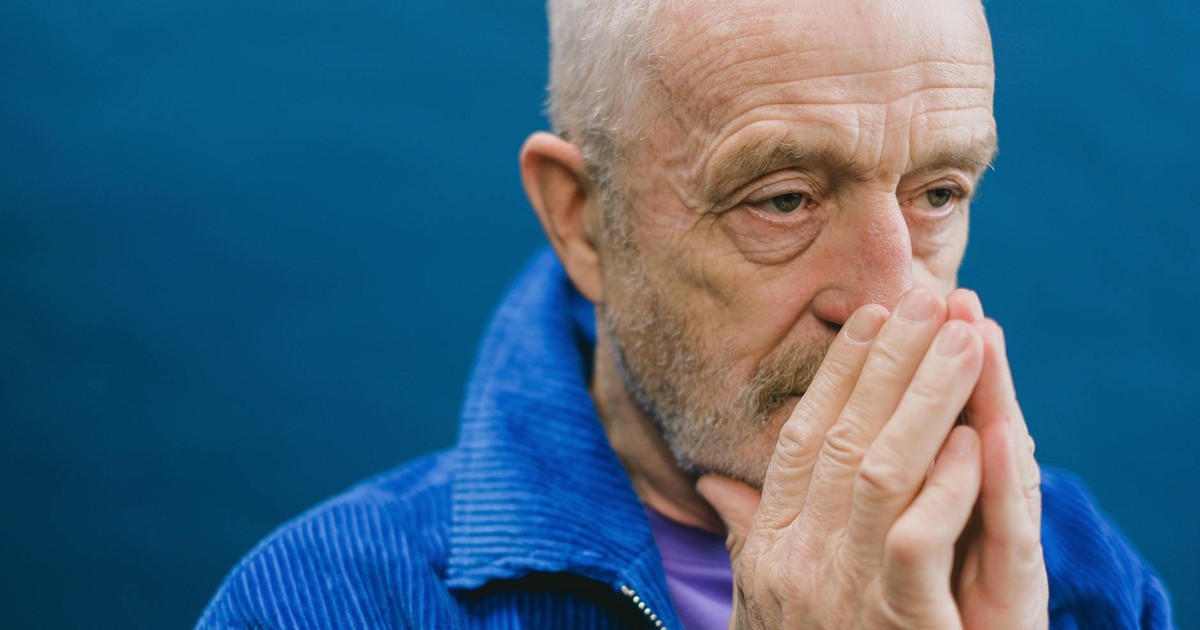
This one is harder to name, which is maybe why it gets less attention. The people who age most vibrantly have, somewhere along the way, developed a practical relationship with uncertainty and loss. Not because they’ve suffered less – often they’ve suffered more – but because they’ve stopped organizing their energy around resisting the things that cannot be changed.
That doesn’t mean resignation. It means a kind of pragmatic orientation: dealing with what’s in front of them, attending to what they can influence, and not spending the equivalent of three therapy sessions a week relitigating decisions that are already made. The attention freed up by not doing that goes somewhere. It usually goes toward people, projects, and experiences that are actually present.
For many people in their sixties and beyond, this comes through loss. A health scare, the death of someone close, a retirement that forces a renegotiation of identity – these can become openings, when the person is ready to let them be. The ones who come through those passages with more energy, not less, are often the ones who stopped needing the story of their lives to have gone differently.
8. They Still Find Things Worth Laughing About
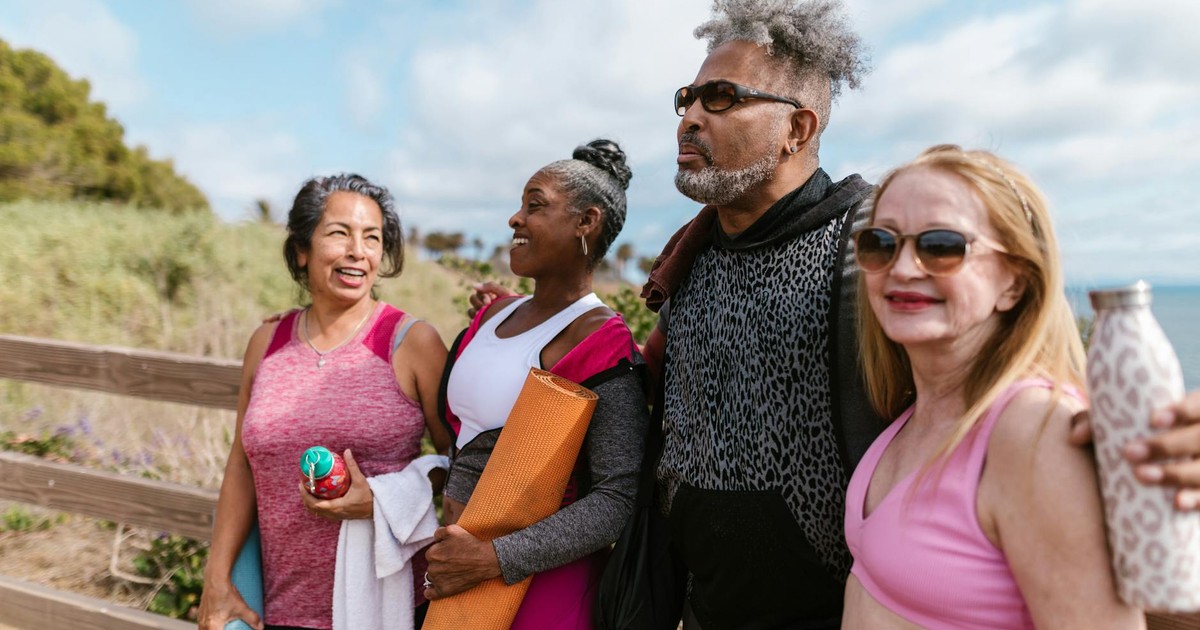
Humor is not a minor thing in aging well. The capacity to find something genuinely funny – not performing cheerfulness, but actually being amused by the ordinary absurdities of life – is connected to how a person carries difficulty across the years. The people who are most alive in their later years tend to have a dry and ready relationship with comedy, and they apply it to themselves as readily as to anything else.
This isn’t about manufacturing positivity. The people who age most vibrantly are not universally upbeat; many are quite candid about what’s hard. What they do have is a refusal to let difficulty become the whole frame. The ability to hold both things at once – the real weight of something and the fact that it’s also, occasionally, kind of ridiculous – is a form of cognitive flexibility that seems to protect against the kind of grinding, entrenched unhappiness that genuinely accelerates decline.
Laughter also has measurable physical effects: reduced cortisol, improved immune response, better cardiovascular function. But listing those effects almost misses the point. The people who laugh easily don’t do it because they’ve read a study. They do it because they’ve maintained enough lightness to let it happen.
9. They Remain Connected to a Sense of Purpose
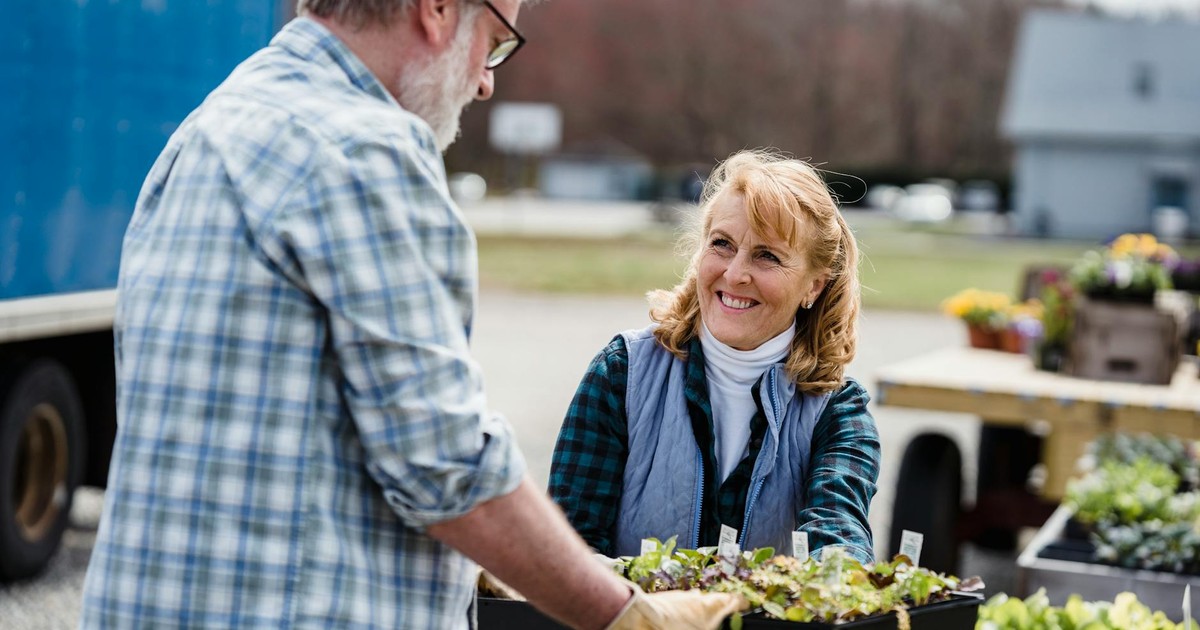
Purpose sounds like a large word for something that can be quite small in practice. It doesn’t require a mission statement or a second career or a reinvented identity. What it requires is having something that genuinely matters outside of yourself, and returning to it regularly. For some people that’s grandchildren. For others it’s a community role, a creative practice, a cause, a garden that genuinely needs tending.
Research published in Social Science & Medicine found that sustained investment in meaningful social relationships – the kind marked by mutuality and trust – is associated with two key outcomes in aging adults: fewer functional limitations and longer life. Purpose and connection are often the same thing, approached from different angles. The people who feel most alive in their later decades are almost always oriented toward something, even something modest, that gives their days a shape extending beyond the self.
What vibrant older adults seem to understand is that purpose doesn’t need to arrive in one dramatic moment of clarity. It builds from consistent investment in the small things that earn genuine care: the weekly call, the class, the garden, the neighbor who needs a conversation. The habit is less about grand meaning and more about returning, reliably, to whatever holds your attention in a good way.
What the Research Can’t Quite Capture
There’s something the studies on healthy aging collectively gesture toward but can’t fully name, which is that the people who age most vibrantly seem to have made a private peace with the fact that they are, in fact, aging. Not a cheerful denial of it, not a forced positivity about the parts that are genuinely hard – but a working relationship with what’s actually happening that leaves enough room for life to keep being interesting.
That peace isn’t passive. It doesn’t mean lowering expectations for how the years ahead will go. In fact, the people who embody these vibrant aging habits often have higher expectations in certain ways – for the quality of their relationships, for how they spend their time, for what they’re willing to keep tolerating and what they’ve quietly stopped tolerating at all. They’ve earned a kind of clarity that is, frankly, one of the more useful things age actually delivers.
None of this is about having it figured out. Some of the most vibrant people in their sixties and seventies are still working through things they thought they’d resolved decades ago. The difference is that they’re doing it while also living, rather than waiting to live until the working-through is done.
AI Disclaimer: This article was created with the assistance of AI tools and reviewed by a human editor.