

Half of Americans are struggling to afford food, and six in 10 people have worried about paying for groceries in the past month. The grocery store has become a financial battlefield. Prices have climbed, package sizes have quietly shrunk, and the store itself is engineered – every aisle, every display, every end cap – to pull more money out of your cart than you planned to spend. It’s not personal. It’s just very, very good design.
Most people are changing how they shop for groceries to minimize costs – 86 percent say so. But changing how much you spend is different from changing how you shop. You can clip coupons and still walk out $40 over budget if you haven’t fixed the habits doing the real damage. And most of those habits feel completely harmless in the moment. They’re not dramatic mistakes. They’re just small, common decisions that happen to be expensive ones.
Some of these are things you probably do every single week without realizing it’s costing you. Here’s what’s actually draining your grocery budget – and what to do instead.
1. Walking In Without a List
This one sounds basic, but the numbers behind it are genuinely surprising. A consumer study by Progressive Grocer’s 75th Consumer Expenditures Study found that 20 percent of shoppers don’t make a list at all before entering the store. No plan, no structure, no sense of what they already have at home. They’re essentially browsing, and grocery stores are very good at selling to browsers.
Impulse buying accounts for up to 62 percent of grocery sales revenue, which tells you something about who benefits when you wander the aisles without a plan. When you don’t have a list, you tend to buy by mood and memory, and both of those are unreliable. You forget the pasta but remember the fancy crackers you saw near the front. You grab duplicates of things you already have because you weren’t sure.
The fix is unglamorous: write the list before you leave the house. Even better, organize it by store section so you’re not looping back through aisles and picking up extra items along the way. That same Progressive Grocer research found that 63 percent of shoppers who do make a list still admitted to being open to additional purchases once they’re inside – which tells you a list is necessary, but it also needs to be followed.
2. Shopping While Hungry
This is the one everyone jokes about, but it’s no joke when you look at the bill. Shopping while hungry triggers the exact same brain chemistry as impulse buying: your body wants immediate reward, and your rational budget has very little power over that craving in the snack aisle. Everything looks good when you’re hungry, and you’re not pricing it out, you’re mentally eating it.
The effect is most pronounced in the center aisles, which is exactly where processed, high-margin items live. Grocery stores are brilliantly designed to make you spend more money than you planned, with layouts that route you past expensive snacks and bright, tempting displays at the end of each row. Add genuine hunger to that environment and you’re fighting the layout, the marketing, and your own stomach at the same time.
Eat something before you go – even something small. It genuinely changes what ends up in your cart. If you do find yourself shopping on an empty stomach, stick rigidly to your list and avoid the prepared foods section near the deli, which is specifically designed to appeal to hungry people with money in their hands.
3. Ignoring Store Brands
The name brand versus store brand debate is effectively over, and the store brand won. According to Consumer Reports, private-label groceries sell at prices typically 25 to 30 percent lower than their name-brand counterparts. As of March 2026, 24 percent of all grocery purchases in the U.S. were private label, up from 17.7 percent at the end of 2021. The stigma around generic products has largely dissolved, but brand loyalty built over years still costs people real money at checkout.
The savings gap stretches even further for personal care and health products, and the quality gap that used to justify the price difference? It’s mostly not there. Consumer Reports’ own expert taste testers found numerous store-brand pantry staples that equaled or outperformed their name-brand equivalents. Sometimes the same companies make both brand-name goods and the private-label products that mimic them – just with different packaging and slightly different labeling.
There’s also a shrinkflation advantage. Store-brand products may be among the last to succumb to shrinkflation, the trend in which manufacturers reduce the size or weight of a product package without lowering the price. So not only are you paying less per unit – you may actually be getting more of it. Start with pantry staples like rice, canned beans, flour, and pasta, where the taste difference is minimal and the savings compound fast.
4. Ignoring Unit Prices
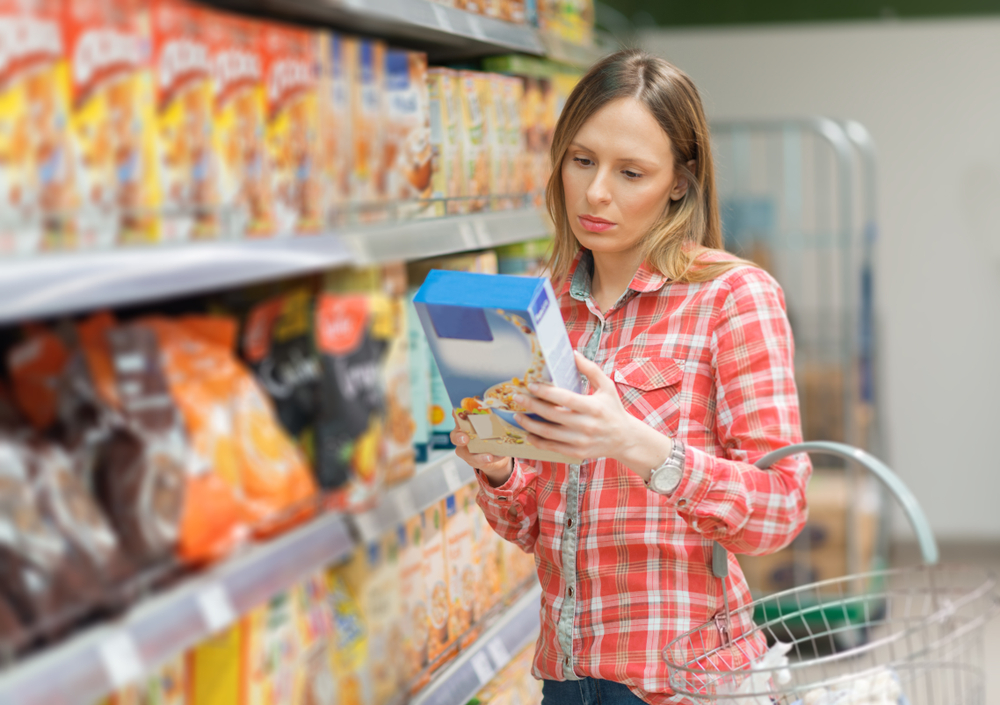
The sticker price on a product tells you what you’ll pay. The unit price tells you what you’re actually getting for that money. These are not always the same story, and grocery stores know it. Shrinkflation makes package sizes smaller while keeping sticker prices the same, so the sticker price alone is often misleading.
The unit price – usually shown in small print on the shelf tag, expressed as a cost per ounce or per serving – is the only honest comparison between products of different sizes. A bigger package is not always the better deal. A sale item is not always cheaper than the store brand at full price. The only way to know is to check the unit price, every time.
Consumer Reports recommends comparing prices per ounce or per pound to find out for sure which product gives you the best value, and notes that if your store displays unit prices on the shelf, you’re essentially already home free. Make it a habit to scan that small number before anything else. It takes about two seconds and can save you several dollars on a single item.
5. Skipping Loyalty Programs and Digital Coupons
Grocery loyalty programs used to mean a plastic card that got you access to the sale price everyone else was paying anyway. They’ve evolved significantly. Today’s loyalty programs offer cash-back rewards, discounts on specific products, and exclusive member-only pricing that isn’t available without the app.

Supermarkets now reserve their deepest discounts exclusively for digital app users – this is partly to track consumer shopping habits, but the savings are real regardless of the reason. If you’re shopping at a major chain without checking the app first, you’re paying more than you need to for items that have a digital coupon sitting unused.
Discounts and deals represent significant savings, with 65 percent of shoppers using sales and 59 percent using coupons to reduce their grocery bills. Digital coupons require no clipping, no organizing, and no forgetting them in the car. Download your store’s app, clip whatever applies before you shop, and let the register do the rest. It takes five minutes and the average saving is real enough to notice over a month.
6. Not Meal Planning Before You Shop
Meal planning sounds like something people do when they have extra time, which is the exact opposite of the situation most parents are actually in. But the cost of not doing it shows up clearly in wasted food, over-purchasing, and the repeated “I have no idea what’s for dinner” delivery app moment.
A survey of 2,568 users conducted by Plan to Eat found that meal planners reduced their food costs by $47 per person per month – that’s $564 a year per adult in the house, just from having a plan. The savings come from buying only what will actually get used, buying in the right quantities, and not making panic purchases mid-week when you’ve run out of ideas.
Meal planning doesn’t have to be elaborate. Even a rough sketch of four or five dinners on a Sunday evening, cross-referenced with what’s already in the fridge, is enough to cut your shopping list to what you actually need. It’s probably the single highest-return habit change on this list.
7. Wasting Food You Already Bought
This is the grocery mistake nobody counts, because it happens at home, three days after shopping. But the U.S. EPA put a number on it: the cost of food waste to each U.S. consumer is $728 per year. For a household of four, that’s $2,913 annually, or about $56 every single week going into the trash.
That’s not a rounding error – that’s more than many families spend on an entire week of groceries, vanishing into wilted produce and forgotten leftovers. And much of it originates at the grocery store: buying too much because there was no plan, buying perishables that don’t get used before they turn, grabbing a “deal” on a bulk item without considering whether the household will actually eat it.
The fix starts before you shop: check the fridge and pantry first, buy produce for specific meals rather than general optimism, and keep a running mental (or actual) note of what needs to be eaten first. Treating food waste as a budget leak rather than an inevitable kitchen reality can realistically save your family hundreds of dollars a year.
8. Making Too Many Small Shopping Trips
Multiple short trips to the grocery store feel efficient. You grab what you need, you’re in and out, no big wasted Sunday. The problem is that each trip is an opportunity to buy more than you came in for, and the accumulation across four or five trips a week adds up fast.
Nearly half of all shoppers (48 percent) report shopping weekly, while 30 percent make two to three trips per week. Frequent shoppers are also frequent impulse buyers – because every trip has a checkout lane, every checkout lane has temptation, and no one ever leaves the store with exactly what was on the mental list. Frequent trips also mean more exposure to “limited time” deals and promotions that feel like savings but are really just extra spending.
Consolidating your shopping into one or two planned trips per week reduces the number of times you’re exposed to a store designed to sell you things. It also gives meal planning a fighting chance, because you’re shopping for a week at a time rather than reacting to what’s in the fridge each day.
9. Grabbing Things at the Checkout
The checkout lane is the grocery store’s last attempt to separate you from your money. It’s stocked deliberately with small, affordable, high-margin items – candy, snacks, drinks, magazines – positioned at exactly the right height and exactly the right price point to feel like a harmless add-on. These items are not there by accident.
50 percent of consumers report making impulse purchases during their regular grocery shopping trips. The checkout zone accounts for a disproportionate slice of that. You’ve already spent the time walking the store, your decision-making energy is depleted, and a $3 item barely registers as spending when you’re already looking at a $150 total.
The practical move: use the waiting time to review your receipt or organize your bags, not to browse the shelf at eye level. If you shop with children, involve them in something else – the checkout lane is particularly effective at generating kid requests. Self-checkout removes some of the temptation by design, though it introduces its own distraction costs in terms of attention and scanning time.
10. Paying Full Price for Perishables Without Checking Markdowns
Most grocery stores reduce the price on perishable items approaching their sell-by date. Meat, bread, prepared foods, and baked goods all get marked down – often significantly – and those markdowns frequently happen at predictable times of day. The items are still perfectly good to eat; they just need to be used that day or frozen.
More than 30 percent of shoppers are now actively buying items at a reduced price or on clearance as a money-saving strategy, with women particularly likely to look for reduced meat and fresh produce. If you’re not checking the markdown section in the meat department or the discounted bakery rack, you’re missing legitimate savings on items you’d be buying anyway.
The approach requires a small shift in planning flexibility – you buy what’s marked down and build the meal around it, rather than building the meal first and then buying the ingredient at full price. It’s a habit that takes a few trips to establish, but the savings on protein alone can be meaningful, especially given that beef and veal prices rose 11.6 percent in 2025, making marked-down meat one of the better deals still available in the store.
11. Shopping Without Comparing Prices Between Stores
Brand loyalty to a grocery store costs money, just like brand loyalty to a product does. Only 55 percent of shoppers maintain steadfast loyalty to their primary grocery store, with 50 percent of millennials actively open to shopping at alternative stores for better savings. The other half are paying a loyalty premium they may not have consciously agreed to.
Different stores price the same categories very differently. 36 percent of shoppers switched to dollar or discount stores in 2024, with 66 percent citing lower prices as their main reason. Warehouse clubs like Costco tend to offer strong value on non-perishables and staples. Discount chains like Aldi consistently undercut traditional supermarkets on most categories. The strategic move isn’t to shop everywhere for everything – it’s to understand which store wins on your highest-spend categories and route your shopping accordingly.
Half of survey respondents shop at two different stores each month, and a quarter visit three or more – not because they enjoy the extra trip, but because the math supports it. A few minutes of price comparison before you shop, or a deliberate split between stores for specific categories, can bring the total down without adding significant time.
What to Do Now
The spending pressure on grocery budgets is real. More than half of Americans say they’re spending more on food than they were last year. But a lot of that overspend isn’t driven by prices alone – it’s driven by habits that quietly add up across every single shopping trip. None of the behaviors above require buying cheaper food or cutting out the things your family actually enjoys. They’re structural changes: plan before you go, compare before you grab, and pay attention to what you’re paying for rather than what the label tells you it’s worth.
Pick two habits from this list – just two – and commit to them for the next four weekly shops. Check the unit price on everything you’d normally buy on autopilot, and write a meal plan before you make your list. Those two changes alone are likely to show up on your next receipt. Groceries aren’t getting cheaper, but the gap between what you’re spending and what you need to spend is almost always wider than it looks – and most of it is closeable without giving up anything you care about.
AI Disclaimer: This article was created with the assistance of AI tools and reviewed by a human editor.