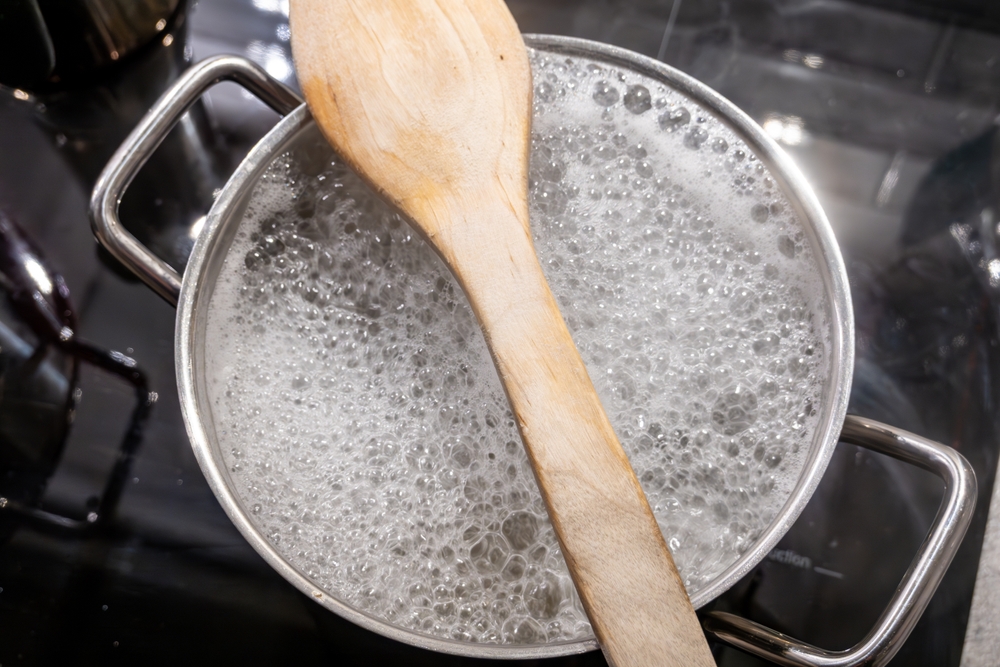

The pot of pasta water is ready, the strainer is in the sink, and you tip the whole thing over the drain without a second thought. It’s one of those kitchen moves that feels so automatic you’d barely call it a decision. Same goes for the boiling water you used to hard-boil eggs, or the kettle you just emptied while troubleshooting a slow-draining sink. The drain is right there. It seems like the obvious place for hot water to go.
Except plumbers would like a word.
This is one of those habits that sits right at the intersection of common sense and actual damage. It feels harmless because the consequences don’t show up on the day you do it. They show up weeks or months later, as a slow drain that won’t clear, a leak under the cabinet, or a repair bill you did not budget for. Understanding why this happens requires knowing a bit about what your kitchen pipes are actually made of, and what those materials can and cannot handle.
What Your Pipes Are Actually Made Of
Most people assume their plumbing can handle anything that comes out of a faucet or a pot. The reality is more specific. Polyvinyl Chloride, or PVC, is a thermoplastic polymer widely used in residential and commercial plumbing systems, particularly for drain, waste, and vent lines. It’s affordable, corrosion-resistant, and easy to install, which is why it became the standard choice in home construction over the past few decades. According to Wisler Plumbing, most homes today have PVC pipes installed under kitchen sinks, and any licensed plumber will advise against using boiling water to unclog a clogged drain pipe.
Here’s the core problem: PVC has a hard ceiling when it comes to heat. As Meticulous Plumbing explains, PVC pipes are typically rated to handle water temperatures up to around 140 degrees Fahrenheit, while boiling water straight off the stove can reach 212 degrees, which is more than enough to soften or even warp PVC pipes and joints. That’s not a small gap. You’re talking about pouring water that is 72 degrees hotter than the pipe is rated to handle. Exceeding that temperature causes the molecular chains within the plastic to become more active, initiating a process of softening that can compromise the pipe’s structural integrity over time.
Metal pipes are a different story. Balkan Plumbing notes that metal pipes like cast iron or copper can easily handle boiling water without any issue, with the only concern being PVC plastic pipes, which may soften or deform if boiling water sits in them. The catch is that most of us simply don’t know which material is running through our walls. If your pipes are the white plastic variety, visible under the kitchen sink, you’re almost certainly looking at PVC, and boiling water is not its friend.
The Three Ways Boiling Water Damages PVC
The damage doesn’t happen all at once, and that’s part of what makes this habit so easy to dismiss. There are three distinct mechanisms at work, each compounding the others over time.
Softening and warping. PVC as a material softens at elevated temperatures, and boiling water can cause the pipe to lose its shape. According to Bowers Plumbing, once PVC becomes soft, it may deform permanently, which compromises water flow and can lead to sudden bursts or structural failure. When the material temperature rises significantly above 140 degrees Fahrenheit, the pipe loses rigidity and can begin to sag or warp, especially across horizontal runs. That sagging creates a belly in the drain line where wastewater can pool, leading to future clogs and potential flow restriction. So you poured boiling water down the drain trying to clear a clog, and the result months later is a new clog forming in a different spot where the pipe has deformed.
Joint and adhesive failure. Some plastic pipes are joined together with a chemical glue, and the adhesive used is unable to withstand extreme heat. Wisler Plumbing explains that if you regularly expose your kitchen pipe to boiling water, the joints, which are usually held together with glue, will only soften or melt. Repeatedly pouring boiling water can accelerate wear on joints, seals, and adhesives, potentially leading to plumbing emergencies or costly drain repairs. The leaks that result often happen inside walls or under flooring, meaning you won’t see them until water damage is already well established.
Thermal stress and cracking. The sudden rush of boiling water into cold or room-temperature pipes creates rapid thermal expansion. Bowers Plumbing notes that thermal stress affects not just pipe walls but also their connections, and seals and threads may shift, leading to slow leaks that go unnoticed until water damage appears. In systems not designed for high heat, hairline fractures often go unnoticed until they evolve into major leaks. Think of it like pouring boiling liquid into a cold glass; the stress from an abrupt temperature swing can do structural damage that’s invisible at first but very real.
Why It’s Especially Bad When There’s a Clog

A common reason people reach for the kettle is a slow or blocked drain. It seems logical: if grease or food scraps are the problem, something hot enough to melt them should fix it. Plumbers point to two reasons why this logic breaks down.
First, the water doesn’t actually clear the blockage in any lasting way. While boiling water may help loosen or flush away soft, greasy buildup, it won’t resolve most blockages, and in some cases it may push debris further into the plumbing system, leading to bigger problems. Pouring boiling water into a grease-clogged kitchen drain may melt the grease just enough to move it deeper into your pipes, where it can cool again and harden. You’ve essentially relocated the problem to a part of the pipe you can no longer easily access.
Second, a partial blockage is more dangerous for PVC than a clear pipe. Boiling water cools rapidly inside a drain system, so kitchen drain pipes and hot or boiling water are a particular concern since they come into constant direct contact with each other. When a clog slows the water’s movement, the pipe is exposed to that heat for far longer than it would be in a clear line. The clog you’re trying to fix is the very thing that makes your boiling-water solution more damaging. The water sits and heats the pipe from the inside instead of flowing through and cooling down.
For ideas on other household habits that seem minor but carry real risk, the fire safety tips for your kitchen on this site are worth a read.
The Porcelain Problem Nobody Mentions
PVC pipes are the main concern, but they’re not the only vulnerable component. If your sink is made of porcelain, you should reconsider the boiling water idea entirely, as it can cause cracks in anything made of porcelain, such as sinks, toilets, and tubs. There is also a risk of thermal shock, which can damage older or already weakened porcelain sinks. Porcelain looks tough, but it responds to sudden extreme heat with thermal shock, the same way a cold ceramic dish can crack when you pour boiling liquid into it. A cracked kitchen sink is a far more visible and expensive repair than a damaged pipe joint.
And there’s a personal safety dimension worth taking seriously. Lifting and carrying a pot of boiling water from the stove to the sink and pouring it into the drain increases the risk of an accident, and the resulting burns and injuries can be severe. A slip or splash can cause serious burns or scalding, and the steam rising from boiling water can also cause major burns. With kids underfoot in most family kitchens, that’s not a risk worth taking for a DIY fix that probably won’t work anyway.
What to Do Instead
The good news is that the alternatives are not difficult, and most of them are things you already have in the house.
For regular maintenance and light buildup, using the hottest water available from the tap, typically regulated to a maximum of 120 to 130 degrees Fahrenheit, well below the PVC threshold, can be combined with a few tablespoons of liquid dish detergent, which acts as a degreaser to help break down soap scum and oil without any thermal stress. Hot tap water is genuinely hot enough to handle normal kitchen grease without the risk.
For a more active approach to a slow drain, a chemical-free solution involves pouring half a cup of baking soda down the drain, followed by a cup of white vinegar, which creates a foaming action that helps loosen debris and grime clinging to the pipe walls. Pour baking soda into the drain, follow with vinegar, wait at least 10 minutes, and flush with warm, not boiling, water. This isn’t a magic solution for major blockages, but for light buildup it’s safe and effective.
For anything more stubborn, tried-and-true mechanical methods include plunging, cleaning the P-trap (the curved pipe section directly under your sink), or using a drain auger. A drain auger, sometimes called a drain snake, is a flexible cable that physically reaches into the pipe and breaks up blockages instead of trying to melt them with heat. You can pick one up at any hardware store for less than twenty dollars. If clogs are recurring or accompanied by gurgling, slow drains, or odors, a camera inspection from a professional to locate the exact issue without guesswork.
The Bottom Line
The simplest change you can make right now: stop routing leftover boiling water to your kitchen drain. Let it cool to room temperature in the pot first, then drain it. Or use it on outdoor plants. Or tip it into the toilet, which is connected to different pipe materials that can typically handle the heat better than your kitchen’s PVC under-sink setup. Any of those options is a better choice than defaulting to the sink.
Regularly inspect your plastic drain pipes for signs of distortion, warping, or leaking pipe joints. It’s as simple as taking a peek under each of your sinks. Look for any moisture, visible warping of the white plastic, or discoloration around the joints. Signs that PVC pipes may be failing include softening or deformation at joints, along with evidence of slow leaks around seals. If you spot any of those signs, call a plumber before a small issue becomes a water-damaged cabinet floor. The repair is always cheaper when you catch it early, and considerably cheaper than the habit that caused it.
AI Disclaimer: This article was created with the assistance of AI tools and reviewed by a human editor.