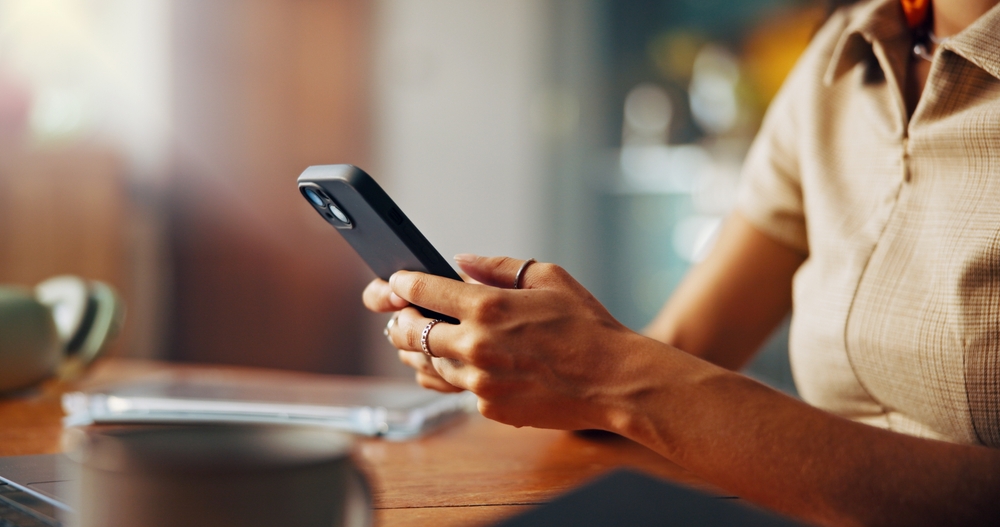

Your hands touch hundreds of surfaces before lunch. The door handle on your way out. The cart at the grocery store. The pen at the pharmacy counter. The phone you’ve been scrolling since 6 a.m. You wash your hands when they look dirty, or after obvious moments, like using the restroom or handling raw chicken. But the items that carry the heaviest bacterial loads are almost never the ones that look suspicious. They’re the ordinary ones. The familiar ones you reach for without thinking.
The idea that a toilet seat is the gold standard of filth is, frankly, one of the great hygiene myths. Toilets get scrubbed. They get disinfected. People are cautious around them. The real bacterial hotspots in your daily life get wiped down approximately never, held by hundreds of hands, and then pressed directly against your face or dropped onto your kitchen counter. The gap between what we think is dirty and what research actually shows is dirty is genuinely startling.
Research consistently points to Staphylococcus aureus and coagulase-negative staphylococci as the most commonly found organisms on everyday surfaces, including phones and shared objects, turning up in over a third of community studies. Meanwhile, the CDC confirms that germs from unwashed hands transfer easily to handrails, tabletops, and shared objects, and from there to the next person who touches them.
What follows are 18 everyday objects that carry more bacterial contamination than a toilet seat, backed by research. Some will be obvious. A few will genuinely surprise you.
What Everyday Items Have More Germs Than a Toilet Seat?
1. Your Phone Screen
You carry it everywhere, including the bathroom. You set it down on restaurant tables, counters, and desks. You press it against your face. Every single one of the 26 mobile phones tested in a 2022 study published in Scientific Reports was contaminated with microbes, including antibiotic resistance and virulent factors. Scientists have also identified the phone screen as the zone with the highest bacterial load, accounting for over 41 percent of contamination, with edge crevices trapping an additional 24 percent. The practical fix is simple: wipe your phone down with a 70 percent isopropyl alcohol wipe at least once a day, and stop taking it into the bathroom.
2. Your Kitchen Sponge
Researchers agree that kitchen sponges are among the dirtiest items in our homes. A Clemson University study found that sponges can contain over 7.9 million bacteria, while kitchen sinks have nearly 32,000 bacteria per 25 cm². In comparison, kitchen counters and toilet seats have much lower counts at 316 and 398 bacteria per 25 cm², respectively.
Worse yet, boiling or microwaving sponges often fails to eliminate bacteria. In fact, sponges that were regularly sanitized contained a higher percentage of harmful bacteria than those that were never cleaned. This is likely due to the survival of resistant strains after less resilient bacteria are killed.
To keep your kitchen safe, it’s best to replace your sponge every week. Alternatively, consider using a dish brush, which dries faster and holds significantly fewer bacteria. By making these simple changes, you can help maintain a cleaner and healthier kitchen environment.
3. Shopping Cart Handles
Professor Charles Gerba from the University of Arizona tested the handles of 85 shopping carts in four states and discovered that 72% were contaminated with fecal bacteria, with nearly half containing E. coli. The total bacteria count on some cart handles and seats reached as high as 11 million.
This is why you find sanitizing wipe dispensers near store entrances—use them! After wiping down the cart, remember to wash your hands before eating anything. Taking these simple precautions can help keep you safe from harmful bacteria while shopping.
4. Door Handles
The Mayo Clinic specifically flags door handles as a high-germ-transfer surface that warrants handwashing after contact, alongside gas pumps, shopping carts, animals, and garbage. The concern with doors isn’t just the number of hands. It’s the volume. A door handle in a busy office or school can be touched hundreds of times a day by people who have just coughed, sneezed, handled food, or used the restroom. Viruses and bacteria can survive on hard surfaces like metal and plastic for hours to days, which means a handle touched by one sick person in the morning is still a hazard at 3 p.m.

5. Gas Pump Handles
Testing across six major U.S. cities found that more than 60 percent of gas pump handles showed high contamination levels, with results released by a workplace hygiene study that sampled over 350 surfaces in high-traffic locations. You’re gripping a handle that hundreds of people touched that day, many of them immediately before or after handling food, cash, or their own children. Keep a small hand sanitizer in the car. It takes five seconds.
6. ATM Buttons and Touchscreens
The same multi-city contamination testing found that more than 40 percent of ATM machine buttons showed high contamination levels. Public touchscreens, whether at ATMs, self-checkout kiosks, or information terminals, are touched by an enormous volume of people and cleaned far less frequently than any personal device. The buttons themselves trap debris in their edges, and the flat glass surfaces transfer bacteria on contact.
7. Restaurant Menus
Think about it: menus go from table to table, hand to hand, all day. They’re almost never disinfected between uses. Research from the University of Arizona found 185,000 bacterial organisms on the average restaurant menu, significantly more than a toilet seat, which typically registers around 3,200 bacteria per square inch. Wipe your hands before eating and avoid resting your menu on your plate or cutlery.
8. Office Pens and Shared Pens
A borrowed pen at a pharmacy, hotel, or bank is one of the more overlooked bacterial hotspots in daily life. Research has found the average office pen carries about 200 bacteria per square inch, roughly 10 times the count found on the average office toilet seat. Pens at doctor’s office sign-in desks, passed between patients all day, carry exponentially more. If you regularly use shared pens, consider carrying your own or sanitizing your hands immediately after.
9. Light Switches
Light switches are touched constantly and almost never cleaned. According to the Mayo Clinic, touching shared surfaces like these and then touching your eyes, nose, or mouth is one of the primary ways people self-infect without realizing it. Switches in bathrooms and kitchens are particularly high-risk, since they’re often touched right before or after handling food, and right before washing hands. Teaching kids to wash their hands before touching communal surfaces is one of the most practical hygiene habits for kids you can build early. Add switches to your regular household disinfecting routine.
10. Gym Equipment
Treadmill handles, weight bars, and resistance machine grips are touched by dozens of people every hour, often by people who are sweating heavily and exhaling forcefully. The CDC notes that germs transferred to shared surfaces can move easily to the next person’s hands, and from there to their face. Equipment wipes are available at most gyms for a reason. Wipe down before you use a machine, not just after.
11. Money, Cash and Coins
Paper money is one of the most bacteria-dense items most people handle every day. Studies have found cash can carry pathogens including E. coli and salmonella, along with traces of a wide variety of other organisms. Coins are only marginally better. Cash passes through hundreds of hands before it reaches yours, and most of those exchanges don’t involve a handwash on either end. Wash your hands after handling cash, especially before eating.
12. Soap Dispenser Pumps
The irony is real. The thing you touch immediately before washing your hands can be one of the germiest items in the room. Refillable soap dispensers in public restrooms and workplaces are especially problematic, because bacteria can colonize the interior of the dispenser itself over time. A 2024 peer-reviewed study that sampled 32 public restrooms found that frequently touched non-toilet surfaces, including dispenser areas, showed bacterial growth far exceeding what was found on toilet seats in those same spaces, with coagulase-negative staphylococci making up 86 percent of Gram-positive isolates detected, according to a 2024 study. After pumping soap, don’t touch anything else before rinsing.
13. Pets and Their Accessories
Your dog is family. Your dog is also a germ vector. The Mayo Clinic lists animals and animal waste as specific items that warrant handwashing after contact, a reminder that’s often overlooked because pets feel safe and familiar. Pet food bowls, toys, and leads are among the more contaminated items in many homes, sitting on floors, in mouths, and on surfaces all day. Wash your hands after handling your pet, especially before preparing food, and clean pet bowls daily.
14. Kitchen Sink and Faucet Handles
In the Clemson University research, the kitchen sink registered nearly 32,000 bacteria per 25 cm², putting it dramatically above a toilet seat in the same study. Faucet handles are touched by dirty hands every time you come to the sink to wash up, which makes them circular germ transfer points. People rarely disinfect faucet handles with the same frequency they clean the sink basin. A quick wipe with a disinfectant cloth on the handles and tap after cleaning the sink takes ten seconds and actually completes the loop.
15. Airport Security Trays
Airport security trays collect the shoes, bags, belts, laptops, and loose change of millions of travelers daily. They’re rinsed occasionally but rarely disinfected properly. The CDC notes that a single gram of feces, roughly the weight of a paper clip, can contain one trillion germs, including Salmonella, E. coli O157, and norovirus. Security trays, which regularly receive the soles of shoes, are among the most contaminated shared surfaces in any public building. Hand sanitizer immediately after clearing security is a reasonable habit.
16. Cardboard Packages and Mail
Your delivered packages have been through warehouses, sorting facilities, delivery vehicles, and carrier hands before they reach you. Bacteria and viruses can survive on cardboard for up to 24 hours, and on plastic packaging for several days. The risk is relatively low in healthy adults, but it’s worth washing your hands after opening packages, particularly before touching your face or preparing food.
17. Water Fountain Buttons
Water fountain buttons and spigots are touched by a parade of hands throughout the day, many of them belonging to children who have just come off a sports field or playground. They are almost never cleaned between uses. The actual water from a maintained fountain is fine, it’s the hardware you press to get it that accumulates bacteria. If you use a public fountain regularly, pressing the button with a knuckle rather than a fingertip is a small but effective habit.
18. The Kitchen Counter (Especially After Grocery Bags)
Research found that over 70 percent of consumers don’t replace their dish sponges until well into their use, and over 50 percent also use the same sponge to clean kitchen countertops, potentially spreading contamination from one surface to another. Add to that the habit of placing grocery bags, reusable totes, and takeout containers directly on your kitchen counter, and you have a surface that receives a wide daily variety of external bacteria. Wiping down your counter with a disinfectant spray after groceries arrive, and before preparing food, is one of the most effective low-effort hygiene habits in a home kitchen.
How Do You Disinfect Commonly Touched Household Items?
The answer to this question is simpler than most people expect, and it doesn’t require a cabinet full of products. The CDC is clear that over-the-counter antibacterial soaps are no more effective at killing germs than plain soap and water, so if you’ve been buying antibacterial hand wash thinking it does more, it doesn’t. Regular soap, used correctly for at least 20 seconds, is the standard.
For surfaces, a standard household disinfectant wipe or spray containing at least 70 percent alcohol or an EPA-registered active ingredient handles the job on hard surfaces like light switches, door handles, faucet taps, phone screens, and countertops. The catch is frequency. Most households disinfect visibly dirty surfaces, which misses the point entirely. The Mayo Clinic explains that germs accumulate on hands throughout the day through ordinary touch, and can self-infect via the eyes, nose, or mouth at any point. High-touch surfaces need attention every day, not once a week.
What This Means for You
The biggest takeaway here isn’t that the world is crawling with dangerous germs and you should panic. Most bacteria encountered in daily life are harmless to healthy adults. But the 2024 restroom surface study found that some of the most contaminated zones were not toilets at all, high-contact surfaces in lower-end public restrooms showed uncountable bacterial growth of both types of bacteria most associated with illness and drug resistance. The point is that where you’re being careful and where you actually need to be careful are often different places.
The practical version of all this research fits into a few daily habits: wash your hands with regular soap and water after touching shared public surfaces, before eating, and after handling pets or packages. Disinfect your phone screen daily. Replace your kitchen sponge weekly. Wipe down high-touch home surfaces, specifically faucet handles, light switches, and door handles, with a disinfectant product regularly. Feces from people and animals is a key source of pathogens like Salmonella, E. coli O157, and norovirus, according to the CDC, and those pathogens travel on hands to surfaces and then to other people far more than most of us realize. You don’t need to be precious about it. You just need to know where the actual risk is.
Disclaimer: This article was created with AI assistance and edited by a human for accuracy and clarity.