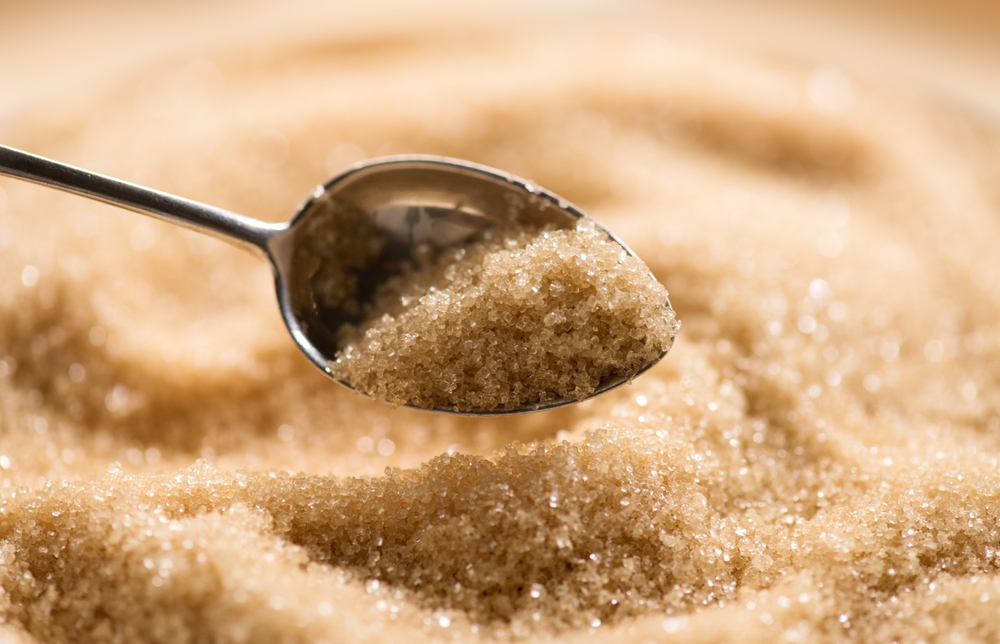

The sweetener aisle used to be a lot simpler. White sugar, maybe some honey. Done. These days you’re standing there staring at a wall of options – stevia, monk fruit, agave, coconut sugar, date syrup, sucralose, erythritol – and wondering if there’s a nutrition degree hidden somewhere in the fine print. Everyone seems to have an opinion. Your coworker swears by monk fruit. A wellness influencer told you agave is basically a superfood. Your grandmother thinks you’re overthinking it.
And maybe you’ve already made peace with one of these options. You switched from white sugar to raw honey months ago because it sounded better. Or you started using stevia because zero calories seemed like the obviously smarter play. But somewhere in the back of your mind, the question lingers: are these choices actually making a difference?
The answer is genuinely more interesting – and more useful – than most of us expect. Because when you ask actual registered dietitians and nutrition researchers what the single healthiest sweetener is, the response isn’t a brand recommendation or a product endorsement. It’s a reframing of the whole conversation. And what lands at the very top of the list isn’t the thing most people are reaching for in their kitchen cabinet. The healthiest sweetener and best natural sweetener, according to experts, turns out to be something you’ve probably been underestimating all along. Here’s what the evidence actually says.
Why “Natural” Sweeteners Don’t Mean What You Think
Let’s start with the thing people get wrong most consistently. Honey, maple syrup, coconut sugar, molasses – these are positioned in the market as the thoughtful, wholesome alternative to plain white sugar. They’re photographed beautifully. They come in amber jars with rustic labels. They feel like a better choice.
But nutrition experts are pretty clear that this framing is misleading. While honey, maple syrup, and coconut sugar are popular alternatives, they aren’t meaningfully different from regular sugar. They may contain small amounts of vitamins and minerals, but they still count as added sugars and can negatively affect health when consumed in excess.
Sweeteners like fruit juice, honey, molasses, and maple syrup do contain natural sugar and have some nutritional benefits. Fruit has fiber, vitamins, and antioxidants, and even raw honey and maple syrup can contain antioxidants and minerals like iron, zinc, calcium, and potassium. The problem isn’t that these things are toxic – it’s the health halo. When something feels virtuous, we tend to use more of it. Table sugar, honey, maple syrup, and molasses are all known as nutritive sweeteners, meaning they provide energy in the form of carbohydrates, according to the U.S. Department of Agriculture. Nonnutritive sweeteners – sugar substitutes or artificial sweeteners – contain very little if any carbohydrates or energy.
Registered dietitian Sapna Peruvemba, MS, RDN, puts it plainly: “There isn’t one single healthiest sweetener – it really depends on how it’s used and in what amount,” noting that nutritive sweeteners like honey and maple syrup provide calories and raise blood sugar, while non-nutritive sweeteners like stevia or sucralose provide little to no calories and don’t significantly raise blood sugar. The same source quotes nutritionist Rhiannon Lambert, who argues that “the bigger driver of health is how much sweetness we’re consuming overall” – not which specific sweetener is used.
The Low-Calorie Sweetener Question
Zero-calorie sweeteners are having a moment. Stevia, monk fruit, sucralose – the pitch is irresistible: all the sweetness, none of the sugar. If you replace added sugar with sugar substitutes, it could lower your risk of tooth decay and cavities. Sugar substitutes also don’t raise blood sugar levels, and for adults and children with overweight or obesity, they might help manage weight in the short term, according to the Mayo Clinic.
The science here is genuinely evolving. A large European intervention trial, published in 2025, found that incorporating low/no calorie sweeteners into a healthy, low-sugar diet helped people with overweight or obesity maintain weight loss over one year, according to the International Sweeteners Association (2026). A joint position statement from the British Dietetic Association, British Nutrition Foundation, and Diabetes UK emphasizes that low/no calorie sweeteners should be used as part of an overall balanced diet and not as a standalone solution. A series of meta-analyses of clinical trials also reinforces that low/no calorie sweeteners have a neutral effect on key cardiometabolic risk markers, including blood lipids, glucose control, and blood pressure.
But there are real caveats worth knowing. Sucralose – sold as Splenda – is made by chemically altering sucrose by swapping out three hydroxyl groups for chlorine atoms, a transformation that makes it roughly 600 times sweeter than sugar and also makes it resistant to digestion, meaning most of it passes through the gut and is passed as waste. The report also notes that stevia’s sweetness comes from steviol glucosides extracted and concentrated to be about 300 times sweeter than sugar, and unlike aspartame or sucralose, stevia reaches the colon intact where gut bacteria break it down, is absorbed, processed by the liver, and excreted in urine.
What the zero-calorie options don’t solve is the craving cycle. Yahoo Health’s report notes that even zero-calorie sweeteners “activate the same sweet taste receptors,” meaning the brain still registers sweetness without calories – and that this may make it harder, not easier, to dial back a taste for sweet things overall. These ingredients may get your tastebuds used to sweetness, which can also make drinking enough water a challenge, the Mayo Clinic notes.
What About Agave and the Glycemic Index?
Agave syrup has a loyal following among people who track glycemic index – the GI score measures how quickly a food raises blood sugar. Agave scores low on that scale, which sounds like a point in its favor. But this is where the GI myth gets interesting.
A low glycemic index doesn’t automatically mean a food is a better sweetener for your health. Agave is a plant nectar that, like stevia, is extremely sweet and is only needed in small amounts. It has a lower glycemic index because of its high fructose content, which means it won’t spike blood sugar. Agave nectar may also benefit gut health thanks to its prebiotic activity. However, studies have shown that the high fructose content can increase triglycerides and the risk of fatty liver disease. In other words, a lower GI score can coexist with real metabolic downsides. Agave is still a concentrated source of added sugar, just one that takes a slightly different route through your system.
As NYU nutrition professor Marion Nestle explains in National Geographic: “Glucose is the brain’s preferred fuel source.” And “it’s only excess sugar intake that causes problems,” because the hormones that maintain glucose levels can’t handle large amounts without being secreted excessively, which disrupts metabolism. Too much sugar raises disease risk through weight gain, inflammation, and insulin resistance.
The bigger picture – the one that keeps getting buried under sweetener debates – is that the type of sweetener matters less than total intake. Most Americans eat well over the recommended daily intake of sugar. The Dietary Guidelines for Americans recommend limiting added sugars to less than 10% of daily calories, which is about 50 grams for adults. Americans consume an average of 17 teaspoons of added sugar per day, which is more than two to three times the recommended intake, according to the American Heart Association.
So What Do Nutrition Experts Actually Recommend?
Here’s where the conversation gets genuinely useful for sweetener recommendations. When nutrition researchers stop talking about which processed sweetener is least bad and start talking about what actually serves your health, one answer keeps coming up – and it’s not in the specialty aisle of your grocery store.
Coming in at the No. 1 way to sweeten your food and drinks is by using fresh or frozen fruit. Unlike packaged and baked sweets, which are full of empty calories, fruits are packed with nutritional benefits like fiber, vitamin C, and potassium, along with natural sugar – making it an ideal sweetener, according to the Cleveland Clinic.
This isn’t as boring as it sounds. The reason fruit works as a sweetener – and not just as a food category – comes down to how its sugars are delivered. Fruit contains both fructose and glucose along with fiber, important vitamins and minerals, phytochemicals, and water. Because fruit sugar comes with fiber and water, the body takes more time to break it down. This contrasts with highly processed added and manufactured sugars, which are metabolized very quickly, leading to blood sugar spikes, hormonal changes, and cravings.
Registered dietitian Cara Harbstreet recommends adding fresh or dried fruit instead of sugar or artificial sweeteners, telling TODAY.com that not only does fruit add a natural boost of sweetness, it also provides additional nutrients – including gut-healthy fiber, vitamins, minerals, and antioxidants – that you won’t find in sugar or sweeteners.
The practical applications are easy to build into a regular routine. Johns Hopkins Medicine recommends using whole fruit as a sweetener – adding a mashed banana to oatmeal or blending dates into a smoothie, for instance. Dried fruit, such as dates and prunes, is also a versatile natural sweetener. Harbstreet recommends pureeing or blending rehydrated dried fruit to make a DIY “syrup” that mixes more easily into dishes, and is particularly enthusiastic about dates, which provide a hefty dose of fiber and minerals along with natural sweetness.
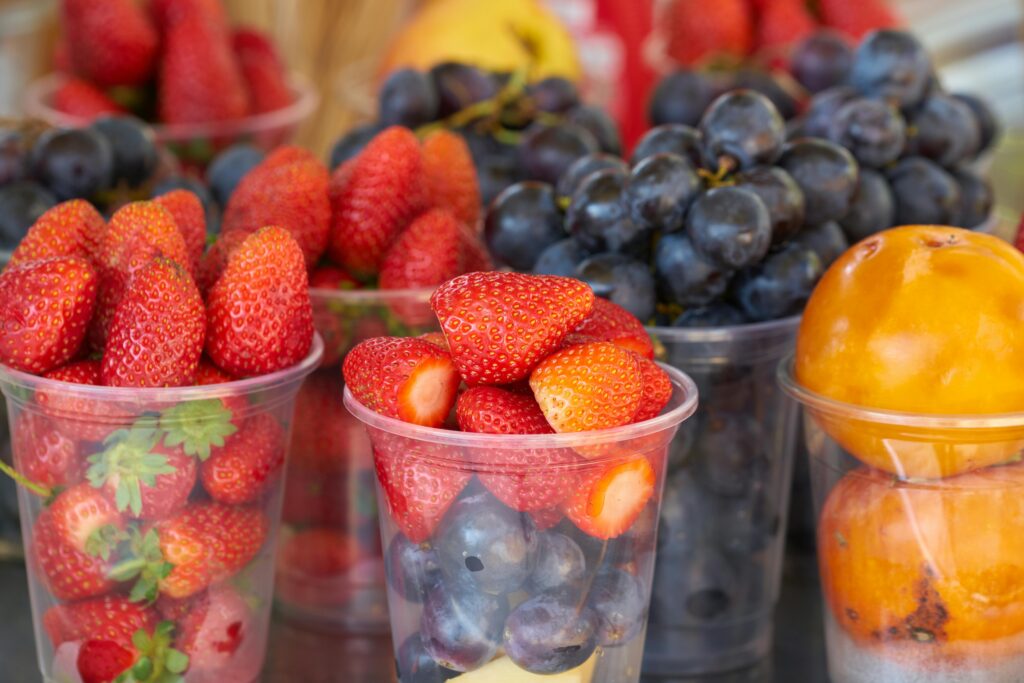
Cleveland Clinic also notes that fruits are perfect for getting your fill of vitamins, antioxidants, and other beneficial compounds, so they’ll add some sweet taste while also benefiting your whole-body health. That combination – sweetness plus genuine nutritional contribution – is what sets fruit apart from every other option on the shelf. It’s what do nutrition experts say is the healthiest sweetener to use instead of sugar: not a packet, not a syrup, but an actual whole food.
5 Tips for Naturally Reducing Your Craving for Sweets
Understanding the healthiest sweetener for your health is one thing – but what if you want to stop reaching for sweetness as often in the first place? Cravings aren’t a character flaw. They’re driven by blood sugar, sleep, stress, and habit. Here’s how to work with your body instead of against it.
1. Balance every meal with protein and healthy fat. One of the most effective ways to reduce sugar cravings is to eat well-balanced snacks and meals. When you crave sweets, you tend to reach for simple carbohydrates, like crackers, bread, and pasta, which are broken down by the body into sugar. These foods are digested quickly and leave you feeling hungry soon after. Balancing meals with healthy fats and protein slows digestion, keeping you satisfied longer, according to Bastyr University. Think avocado and eggs on toast rather than a bagel on its own.

2. Prioritize sleep. Lack of sleep raises ghrelin – the hunger hormone – and lowers leptin, the satiety hormone, making you crave sugar, according to a family medicine clinic resource. This isn’t about willpower. It’s about hormones. When your body is tired, it looks for quick energy, and sweet foods are exactly that. Getting consistent, quality sleep is one of the most underrated sugar craving strategies you have.
3. Stay hydrated. Dehydration is easily mistaken for hunger or a sugar craving. Before reaching for something sweet, try drinking a glass of water and waiting a few minutes. Drinking water and eating balanced meals are both practical tools that help curb cravings, according to the Cleveland Clinic. Infusing water with sliced strawberries, lemon, or cucumber gives it just enough flavor to make it more appealing – without adding sweetness that keeps the craving loop going.
4. Don’t deprive yourself completely. Treats in moderation can be part of a healthy diet. A well-known principle of Intuitive Eating explains that if you deprive yourself of certain foods, you’re going to crave them even more. This deprivation and craving cycle can lead to overeating those foods later. Allowing yourself a small piece of something you genuinely love – without guilt and with full attention – tends to produce better results than total restriction.
5. Swap sweet snacks for fruit first. Keep fruit handy for when sugar cravings hit – you’ll get fiber and nutrients along with some sweetness, according to WebMD. The fiber in fruit slows how fast the natural sugars hit your system, which means a more gradual energy curve and less of the crash-and-crave cycle you get from processed sweets. Fruits are packed with fiber that supports healthy digestion and gut bacteria. Fiber also promotes fullness, so replacing sugar with fruit in a recipe means you’re likely to feel more satisfied for a longer period of time.
Read More: Freezing Lemons: a Great Way to Use the Whole Fruit
What This Means for You
If you were hoping for a single sweetener recommendation that turns your coffee into a health drink, this probably isn’t it. But the picture that emerges from current research is actually more useful than a product swap. The sugar substitutes health debate is real, but it keeps pointing in the same direction: the type of sweetener matters less than total intake, and whole food sources of sweetness beat processed ones across the board.
The practical takeaway is this: if you’re going to add sweetness to something, reach for fruit first – in whatever form makes the most sense. A mashed banana in your oatmeal. Frozen blueberries stirred into plain yogurt. Dates blended into a smoothie. A few strawberry slices in your water bottle. Consuming whole foods that contain natural sugar is fine – plant foods also have high amounts of fiber, essential minerals, and antioxidants. Since your body digests whole foods slowly, the sugar in them offers a steady supply of energy to your cells, and a high intake of fruits, vegetables, and whole grains has been shown to reduce the risk of chronic diseases such as diabetes, heart disease, and some cancers, according to Harvard Health.
And if fruit isn’t an option for a particular recipe or moment? The evidence suggests that small amounts of any sweetener – used deliberately and infrequently – are unlikely to cause harm. The problem has never really been honey versus stevia. For the general public, minimizing dependence on the overall sweetness of food is key to improving health. As one expert put it: “Don’t let the food companies decide how much sugar you’re eating.” That’s the advice that applies regardless of which bottle is sitting on your counter.
Disclaimer: This article was created with AI assistance and edited by a human for accuracy and clarity.