

Millions of Americans are quietly packing up and heading somewhere new in 2026, and the places drawing the biggest crowds are not the ones you might expect. While coastal cities like New York and San Francisco dominate headlines, the real migration story is happening in smaller, more livable cities scattered across the Midwest and South – cities where housing costs are manageable, schools are strong, and life genuinely feels good. According to Niche.com’s 2026 Best Places to Live rankings, which analyze data from the U.S. Census Bureau, Bureau of Labor Statistics, and CDC, the most affordable cities to live in America 2026 are a varied, vibrant bunch – and they are pulling in new residents at a remarkable rate.
Niche is a platform that evaluates more than 18,000 cities, towns, and neighborhoods across the country. Its rankings combine public data sources with millions of resident reviews, creating a real-world picture of what it is actually like to live somewhere – not just what the numbers say on paper. Key factors include cost of living, job opportunities, school quality, safety, housing affordability, and access to amenities. That combination of hard data and lived experience is exactly what makes these rankings useful for families in the planning phase of a move.
The traditional divide between places for young professionals and families is narrowing, with many communities now ranking highly across both categories. The rankings show how quickly preferences are evolving – driven by affordability pressures and demand for dining, entertainment, and walkability. Put plainly: people want a full life, and they are discovering they can have it without paying a coastal price for it. Here are 12 of the most affordable and scenic cities drawing new residents in America right now, based on the best available 2026 data.
1. Naperville, Illinois – The Three-Peat Champion of Livability
Despite some movement at the top, Naperville, IL continues its run as the Best City to Live in America for the third consecutive year, reflecting strong performance across school quality, job opportunities, and overall livability. Located about 30 miles west of Chicago, this mid-sized city gives residents easy access to one of the country’s great metros while keeping its own streets calm, green, and family-friendly. The DuPage County setting means trails, parks, and the scenic Riverwalk are all within easy reach.
What makes Naperville stand out among the best cities for new residents 2026 is its rare combination of top-tier public schools, a low crime rate, and a cost of living that is genuinely manageable compared to Chicago itself. Families get the suburban peace they want without feeling cut off from the world. As Niche CEO Luke Skurman put it, “Whether you’re a young professional, raising a family, or planning your next move, Niche gives you a clear, data-driven picture of what a community actually offers.” Three consecutive years at the top is not a coincidence.
2. Huntsville, Alabama – Rocket City Has Lift-Off
Huntsville landed at the top spot on a separate Top 100 Best Places to Live list, with education, affordability, and economic opportunity cited as just some of the reasons. Nicknamed “Rocket City” for its historic ties to NASA and the Marshall Space Flight Center, Huntsville has grown into one of the most dynamic mid-sized cities in the South. Skilled workers from expensive coastal tech hubs are discovering Huntsville’s appeal: cutting-edge work without crushing expenses. With major government contracts and private space ventures expanding, 2026 looks bright for Huntsville’s continued growth.
Alabama’s cost of living sits 12% below the national average, with a median home price of $179,400. For a family coming from Seattle or Austin, that difference is life-changing in the best possible way. Add in genuine Southern charm, a growing food and arts scene downtown, and the U.S. Space and Rocket Center as a weekend destination, and Huntsville checks a lot of boxes. It also consistently appears on national rankings from U.S. News, in addition to Niche, which cross-confirms its strength as a relocation destination.
3. Fort Wayne, Indiana – Midwest Affordability at Its Finest
When it comes to the cheapest beautiful cities attracting new residents in the US, Fort Wayne belongs near the top of any honest list. The average home in Fort Wayne costs $235,000, considerably less than the national average, while the average apartment rents for 40 percent below the national average. Zillow data from early 2026 puts the typical home value in Fort Wayne at $219,041, with values up 3.8% over the past year – a healthy but not alarming rate of growth.
Fort Wayne regularly appears on national rankings for livability and family-friendliness, including lists that name it one of the best cities to raise a family and one of the top places to live in the U.S., thanks to its strong schools, accessible amenities, and community focus. Promenade Park along the riverfront is one of the city’s crown jewels – a revitalized green space that families genuinely love. The city’s economy centers on healthcare, insurance, and manufacturing, which has created steady housing demand without the mounting pressure found in larger markets. That balance is exactly what families searching for stability need.
4. Raleigh, North Carolina – The Research Triangle’s Star
Raleigh continues to shine as part of the Research Triangle, blending academic excellence with a booming technology sector. Its vibrant downtown offers craft breweries, music venues, and cultural festivals that attract young professionals. Affordable housing compared to larger metros makes it a magnet for families and entrepreneurs alike. Raleigh is one of the best places to relocate in America for anyone who wants a proper city with real parks, real culture, and real job opportunities, without real coastal pricing.
This fast-growing North Carolina hub offers families the perfect blend of affordability, opportunity, and comfort, with one of the strongest emerging housing markets in the country, where many neighborhoods remain surprisingly budget-friendly for a metro this size. A 2025 Checkr study found that Raleigh is among the emerging job markets for healthcare, tech, and logistics. The North Carolina Museum of Natural Sciences, Pullen Park, and the Marbles Kids Museum make weekends here easy and enjoyable. A note for buyers: Raleigh did see the highest year-over-year increase in housing burden among comparable cities, with housing costs rising from 21.58% to 23.83% of median income, so act sooner rather than later if this one is on your list.
5. Omaha, Nebraska – The Quiet Overachiever
Omaha does not get nearly the attention it deserves, which is exactly why it remains one of the best affordable cities to move to. The price of an average home in the city sits at approximately $285,000, while the typical apartment rents for $1,550 – about 22 percent less than the national average. Omaha has experienced slow but steady growth over the past several years, allowing builders to add new homes in step with rising demand, and the city still has a large inventory of older properties, well-kept and maintained, ensuring buyers have a wide range of price points.
Nebraska ranks among the best states to live in the nation and is an especially affordable place to live, boasting some of the lowest utility costs. The state’s largest city, Omaha, is an excellent Midwest city for everyone from young professionals to retired veterans. Berkshire Hathaway and Union Pacific both call Omaha home, making the job market far more robust than the city’s modest size might suggest. The Old Market neighborhood downtown – with its cobblestone streets, independent restaurants, and galleries – gives Omaha a character most people are not expecting.
6. Knoxville, Tennessee – Gateway to the Smokies
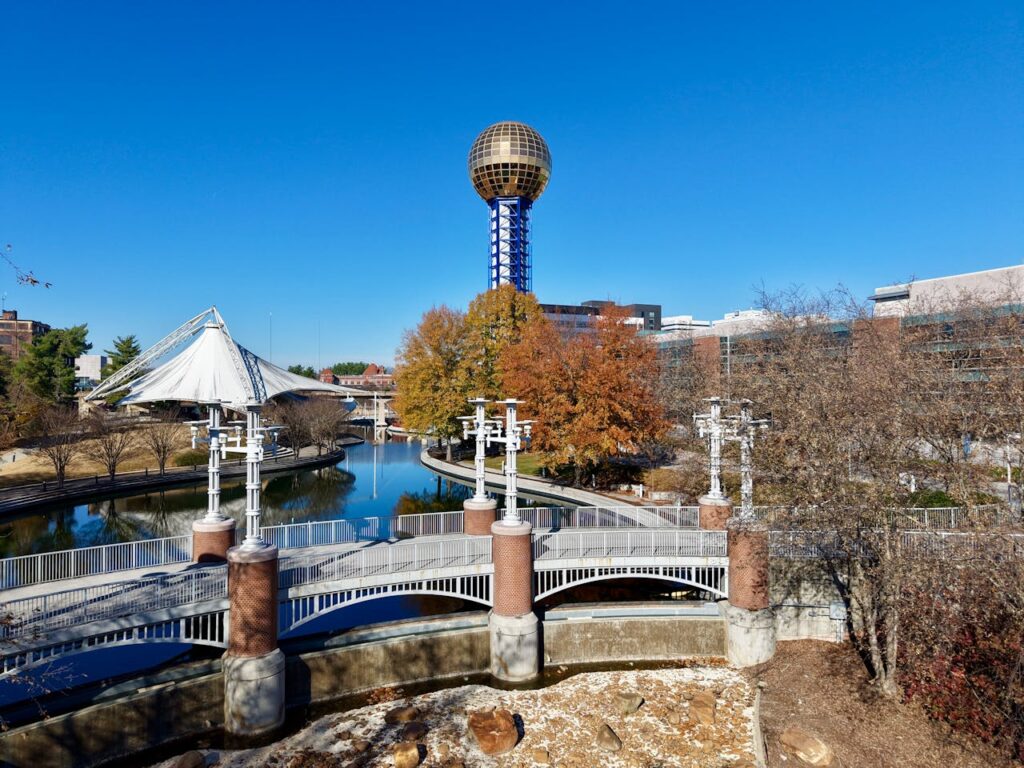
Positioned at the edge of the Great Smoky Mountains and alongside the Tennessee River, Knoxville offers something rare: genuine natural beauty paired with a low cost of living. The cost of living in Knoxville, TN is 14% lower than the national average, according to RentCafe’s March 2026 data. Knoxville’s housing is 23% cheaper than the U.S. average, while utilities are about 14% less pricey. Those are not small discounts when you compound them over years of household spending.
Surrounded by the Great Smoky Mountains and situated alongside the Tennessee River, Knoxville is an affordable city that provides locals with excellent job opportunities. Tennessee also levies no state income tax, which stretches take-home pay further than the raw cost-of-living numbers even capture. Healthcare in Knoxville is 24% lower than the national average, making it especially appealing for families with young children or aging parents in the picture. The University of Tennessee campus keeps the city young and energetic year-round.
7. Greenville, South Carolina – Small City, Big Momentum
Greenville is one of the clearest up and coming cities in the US right now. The population in Greenville increased from about 70,720 at the 2020 Census to an estimated 74,371 in 2024 – roughly a 4.1% rise in four years, according to Census Bureau estimates. The population of the broader metro area has grown by around 15% in the last decade. People are voting with their moving trucks.
According to Zillow data, the typical home value in Greenville sits around $318,309, while median list prices hold steady at $377,305. Even with recent price appreciation, the Greenville metro area remains very approachable for buyers on a budget, according to local real estate analysts. The Falls Park on the Reedy River runs right through downtown – a genuinely scenic stretch of greenway with suspension bridges, botanical gardens, and one of the most walkable main streets in the South. Jobs keep piling in with BMW’s Upstate hub and a steady stream of tech startups off Main Street, making Greenville a particularly strong option for families chasing both quality of life and career stability.
8. Spokane, Washington – Nature Access Without the Seattle Price Tag
Spokane is gaining attention for its scenic beauty and growing healthcare sector. Outdoor enthusiasts love its rivers, trails, and proximity to national parks. Affordable housing compared to Seattle makes it a practical yet vibrant alternative for those seeking a balance between nature and city life. For families who want mountains, rivers, and open sky but cannot stomach a King County mortgage, Spokane is one of the most compelling answers in the Pacific Northwest.
Population growth remains one of the most important factors influencing housing development in Spokane. The Spokane metropolitan area now approaches approximately 470,000 to 475,000 residents, reflecting steady growth over the past decade. Strong demand from local buyers and those relocating from higher-priced West Coast markets has helped maintain a stable housing environment. The Spokane River runs through the city center, Riverfront Park is steps from downtown, and Glacier National Park is reachable for a long weekend. For outdoor-loving families, that combination is hard to replicate at this price point.
9. Wichita, Kansas – The Underestimated Air Capital
Wichita does not get many glamour mentions, but it earns its spot among the scenic affordable cities USA on substance alone. Wichita has plenty of job opportunities, loads of amenities, and housing costs 22% lower than the national average, making it one of the most affordable cities in the U.S. Fort Wayne, Toledo, El Paso, and Wichita consistently rank among cities with the best combination of high wages and low cost of living.
The Keeper of the Plains – a steel sculpture standing at the confluence of the Arkansas and Little Arkansas Rivers – is one of those images that genuinely makes people reconsider this city. The Botanica gardens, Exploration Place, and the annual Wichita Mayfest arts festival round out a cultural calendar that punches above the city’s weight class. Aviation, manufacturing, and military sectors anchor the job market, with major companies like Textron Aviation and the McConnell Air Force Base providing stable, long-term employment.
10. Pittsburgh, Pennsylvania – From Steel to Startups
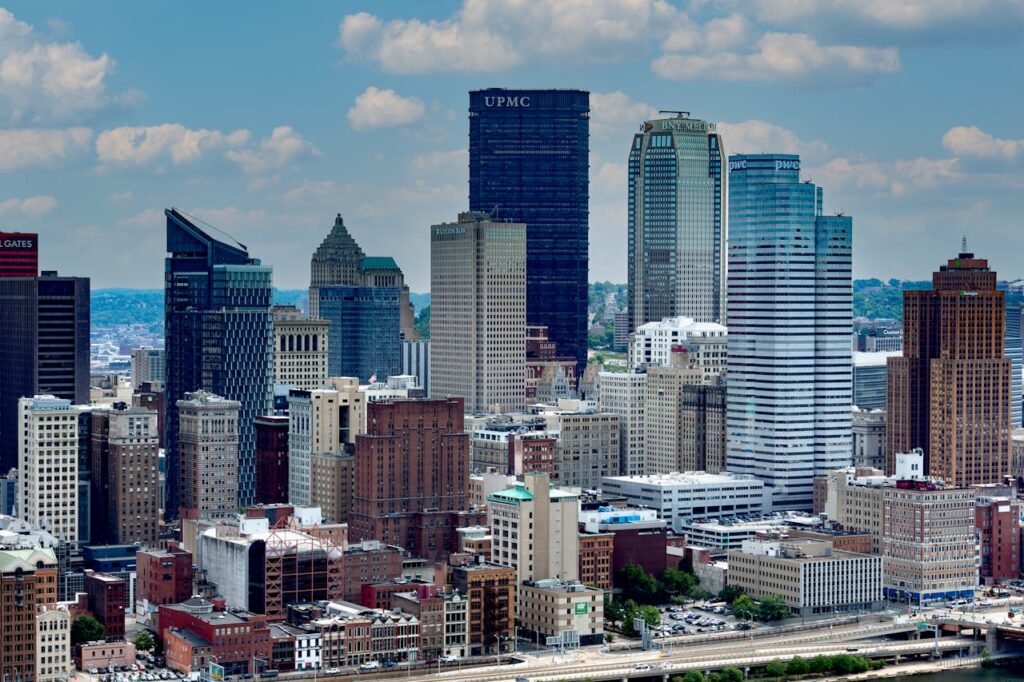
Few American cities have reinvented themselves as decisively as Pittsburgh. Pittsburgh has transformed from a steel town into an innovation hub. Healthcare, robotics, and education drive its economy, while its neighborhoods retain character and affordability. With cultural institutions and a strong sense of community, it is drawing newcomers who value both tradition and progress.
The three rivers, the bridges, the hills covered in row houses – Pittsburgh has always been scenic in an industrial, gritty kind of way. Now it has added world-class institutions like Carnegie Mellon University and UPMC to the mix, creating a tech and healthcare job ecosystem that supports the city’s revival. A single adult in Pittsburgh can live comfortably on significantly less than the $150,000+ required in coastal metros like San Jose or San Francisco. For families who want history, character, and a city that actually has seasons, Pittsburgh delivers on all counts.
11. Greenville-Spartanburg, South Carolina – The Dynamic Duo
Sitting at number four on PODS’ most popular moving destinations list, Greenville-Spartanburg proves you do not need a beach to attract thousands of newcomers. This manufacturing and logistics powerhouse offers solid jobs, affordable homes, and genuine Southern hospitality. Families appreciate the small-city charm, excellent schools, and easy access to both mountains and beaches. People from expensive northern cities are discovering what locals already know: this metro delivers big-city opportunities at small-town prices.
The Upstate South Carolina region is a strong example of what rankings consistently highlight: that quality of life and affordability are no longer mutually exclusive. BMW’s North American manufacturing headquarters is based here, alongside a growing cluster of automotive suppliers and tech firms. For the sixth consecutive year, South Carolina has proven to be one of the most moved-to states in the U.S., and the Greenville-Spartanburg area is a big part of why. The Blue Ridge foothills are visible on a clear day, hiking is a quick drive away, and the downtown food scene has exploded in the last five years.
12. Madison, Wisconsin – Brains, Beauty, and Bike Lanes
Madison rounds out this list of most affordable and scenic cities drawing new residents in America with a combination of intellectual energy and outdoor access that genuinely has no equal in the Midwest at this price point. Madison thrives on its progressive energy, anchored by the University of Wisconsin and a strong job market. The city’s lakes, bike trails, and lively food scene make it one of the most livable places in the Midwest. Its mix of affordability and cultural depth is attracting both students and professionals.
Wisconsin balances beautiful natural attractions with a strong economy, offering great value for homeowners, with a projected median home price of $311,000. Madison sits on an isthmus between Lake Mendota and Lake Monona – two clean, swimmable lakes that locals treat as backyard amenities. The Saturday Farmers’ Market on Capitol Square is one of the largest in the country. State Street, which runs from the Capitol to the university, is as walkable a stretch as you will find anywhere in the Midwest. For families who want culture, nature, and a city that still has genuine civic pride, Madison is the full package.
Read More: 10 Mountain Towns That Aren’t Just Beautiful, But Affordable As Well
What This Means for You
The question most people are actually asking when they search for the best affordable cities to move to is simpler than it sounds: Can I afford a real life here? The 12 cities on this list all answer yes – and they back it up with data. According to Statista, the national median home price was $419,200 at the end of 2024 and is forecast to rise to $426,000 by mid-2026, which makes the math increasingly difficult in high-cost markets. Cities like Fort Wayne, Knoxville, Wichita, and Omaha offer median home prices that are still comfortably below $300,000 in many neighborhoods, leaving room in the household budget for schools, savings, and the occasional family trip.
If you are in the research or planning phase of a move, the most actionable thing you can do right now is pick two or three cities from this list, use tools like Niche’s free city comparison tool to compare them against your current city, and then look at what your salary actually buys in each place. Housing cost is only part of the equation: factors like school quality, safety, access to amenities, commute times, and community feel all matter just as much to long-term happiness. The cities on this list score well across nearly all of those dimensions – which is exactly why people are moving there.
Disclaimer: Home price data and cost-of-living figures referenced in this article reflect information available as of early-to-mid 2026. Real estate markets can shift quickly. Always verify current pricing through a licensed real estate professional before making any relocation decision.