

Emotional withdrawal in relationships rarely announces itself. There’s no single argument, no dramatic moment, no obvious turning point. Instead, it tends to show up in the quiet spaces – in shorter conversations, in fewer glances across the dinner table, in a partner who seems physically present but emotionally somewhere else entirely. Researchers who study couples have spent decades trying to understand what emotional withdrawal actually looks like in day-to-day behavior, and the picture they’ve painted is both useful and, for many people, surprisingly familiar. This article covers 10 specific behaviors that researchers and relationship clinicians link to emotional withdrawal in relationships, what those behaviors mean, and what you can actually do when you notice them.
Before getting into the list, it helps to define the term. Emotional withdrawal in relationships refers to a pattern in which one partner pulls back from emotional connection – becoming less responsive, less open, and less invested in the bond between them. It’s essentially pulling back emotionally or physically by bottling up feelings or disconnecting from a partner. Importantly, partners are no longer fulfilling the emotional needs of one another – and pulling back isn’t always an intentional behavior. That’s worth holding onto, because it changes how you interpret what you’re seeing.
It’s also worth understanding what researchers actually mean when they study this. Emotional withdrawal happens when one partner shuts down, disengages, or retreats from connection. On the surface, it may look calmer than yelling, but it can leave the relationship on shakier ground. Silence can communicate rejection, disinterest, or even contempt – and over time, it creates a kind of emotional starvation where partners feel unseen and unsafe.
What the Research Says About Emotional Withdrawal in Relationships
Research by Dr. John Gottman, who has studied couples for decades, identifies stonewalling – when one partner withdraws from interaction – as one of the “Four Horsemen” that predict divorce. It signals disconnection, and repeated patterns of withdrawal can make partners feel abandoned in the moments they most need comfort. Yelling, though unpleasant, at least signals engagement.
Gottman’s research claims to predict divorce with 94% accuracy by observing couples’ interaction patterns, particularly the presence of criticism, contempt, defensiveness, and stonewalling. However, this statistic is based on specific studies and may not apply universally. It’s important to note that caveat: these are patterns associated with relationship breakdown, not guaranteed outcomes. Noticing one or two of these behaviors on a bad week doesn’t mean the relationship is doomed. It does mean the pattern deserves attention.
Research from the University of Michigan found that the absence of responsiveness from a partner predicted higher levels of stress and lower relationship satisfaction. In other words, it’s not just a feeling – emotional distance has measurable effects on both people in a relationship, not just the one experiencing the withdrawal.
What Causes a Person to Emotionally Withdraw From a Relationship?
Understanding why withdrawal happens is just as important as spotting the signs of emotional withdrawal. Withdrawal is often a protective strategy, not a sign of indifference. People shut down for several reasons: the conflict feels too big or too heated, and silence becomes a way to regulate emotions; past experiences may have taught someone that speaking up leads to escalation; some partners withdraw when they believe nothing they say will be “good enough” or that they’ll only be criticized; and not everyone grows up learning how to express emotions in healthy ways. Silence can feel safer than risking words that could hurt.
Often when a partner withdraws, they are feeling emotionally disconnected or unsafe. As a way to protect from getting more hurt, they pull their feelings out of the equation altogether. This is a critical distinction. Withdrawal is usually a fear response, not an act of cruelty – even though it can feel like one to the person on the receiving end.
Emotional distance doesn’t just happen. It typically builds from a combination of life stressors, unspoken feelings, or changes in partners’ communication styles. Common causes include work and parenting pressure, where stress and overwhelm leave little emotional energy; unresolved conflicts, where arguments are pushed under the rug rather than discussed; diverging emotional needs, where one partner longs for deep talks while the other prefers to process feelings alone; and routine and complacency, where couples settle into autopilot and prioritize responsibilities rather than each other.
1. They Pull Back From Physical Affection
One of the earliest and most consistent signs of emotional withdrawal in relationships is a reduction in casual physical touch. Not dramatic avoidance – just fewer moments of connection. The morning hug that gets skipped. The hand that doesn’t reach over in the car anymore. Emotional withdrawal often coincides with a decrease in physical affection, such as hugging, kissing, or holding hands. The person may also avoid physical contact, which can create a sense of emotional distance.
Over time, levels of “new relationship energy” are bound to dissipate – that’s normal. But if hugs, kisses, and affection have all but disappeared, it could be an indication that your partner is pulling away. “As interest begins to wane, so do displays of physical affection,” according to psychologist Jamie Goldstein. The key word is “all but.” A gradual cooling of intensity is natural in long-term relationships. A sudden or steep drop is worth paying attention to.
2. Conversations Become Shallow and Transactional
Research from the Gottman Institute shows that when couples begin to feel emotionally disconnected, interactions may become routine, lacking the depth they once had. When partners lack this emotional bond, everyday interactions become transactional – moments that once felt meaningful start to feel hollow.
An emotionally withdrawn partner might prefer to keep things light. They might be adept at holding conversations about what happened during their day, the latest news, or the weather. However, when faced with depth, they might shy away or shut down. A pattern of emotional withdrawal makes it difficult to identify and express what is truly going on for them. If you’ve noticed your conversations rarely go past surface level anymore – and they used to – that shift is worth noting.
3. They Stop Sharing Their Inner Life
There’s a particular kind of closeness that comes from knowing what your partner is really thinking about – their worries, their goals, their small daily observations. Sharing the minutiae of one’s day or thoughts is a form of intimacy. When a partner ceases to share, it’s a sign they’re pulling away, possibly finding the relationship less important as a source of support and connection.
This behavior often develops quietly. At first, a partner might stop mentioning work stress. Then they stop talking about things that excite them. Eventually, you realize you have no real idea what they’re thinking or feeling on any given day. Relationship counselors at The Couples Center note that this internal wall-building is one of the clearest markers of emotional detachment in a relationship – because sharing internal experiences is a fundamental form of emotional investment.
4. Conflict Resolution Falls Apart
Healthy couples argue. They get frustrated, they push back, they negotiate. What they don’t do is give up. Apathy can show up in the way a partner responds to conflict. Where once there might have been passionate discussions or even arguments, there’s now a sense of detachment. They may no longer feel compelled to resolve issues, preferring to let things slide without resolution.
Conflict resolution is essential in any relationship. If a partner begins to bypass opportunities to resolve disagreements, it signals a withdrawal from the collaborative effort required to maintain a healthy relationship – and indicates signs of emotional detachment in a relationship. A partner who no longer argues may seem easier to live with in the short term. But someone who has stopped fighting for the relationship may have stopped believing the relationship is worth fighting for. That’s a meaningful difference.
5. They Stonewall During Difficult Conversations
Stonewalling is what researchers call it when one partner completely shuts down during conflict – going silent, offering only monosyllabic responses, or physically leaving the room. The last of Gottman’s Four Horsemen is stonewalling – in a discussion or argument, the listener withdraws from the interaction, shutting down and closing themselves off from the speaker because they are feeling overwhelmed or flooded with emotion. Metaphorically speaking, they build a wall between them and their partner. Rather than confronting the issue, someone who is stonewalling will be totally unresponsive, making evasive maneuvers such as tuning out, turning away, acting busy, or engaging in obsessive behaviors.
85% of stonewallers studied in Gottman’s Love Lab were men. When women stonewall, it is quite predictive of divorce. That said, stonewalling can be a defense mechanism, a sort of retreat for self-preservation. “Stonewalling is rarely about not caring,” according to one therapist cited in a HuffPost analysis of the research. “It is more often a shutdown response that comes from poor boundaries and overwhelm.”
6. Irritability Replaces Engagement
This one surprises people. Emotional distance doesn’t always look like withdrawal – sometimes it looks like low-level, chronic irritability. A partner who snaps at small things, who seems perpetually on edge, who gets frustrated over situations that never used to bother them. When a partner seems constantly annoyed or irritated, especially over small things that wouldn’t normally bother them, it can be a sign that they are withdrawing from the relationship. This increase in frustration and irritability often indicates underlying dissatisfaction or unresolved issues. What might have been a minor inconvenience in the past now triggers a disproportionate reaction, making it feel as though your partner is always on edge. This behavior can create a tense and uncomfortable atmosphere, where every interaction feels like walking on eggshells.
Therapists at RAI Counseling describe this irritability as a kind of leakage – the emotional pressure building underneath finds a way out, just not through honest conversation. It’s one of the more confusing behaviors that indicate emotional withdrawal in a relationship, because it looks like the opposite of pulling away.
7. They Avoid Spending Time Together at Home
A person who is emotionally withdrawing may spend more time alone, isolating themselves from their partner, family, or friends. This behavior can include spending more time at work or engaging in solitary hobbies. There’s often a pattern: they stay late at the office more nights than before. They pick up new solo activities. They’re around, but not really present in the shared spaces of the relationship. When partners lack emotional closeness, they may seek fulfillment elsewhere, whether through hobbies, friendships, or, in some cases, extramarital connections.
This is worth separating from healthy personal space, which every person in a relationship needs. The difference lies in the pattern and the intent. A withdrawing partner uses solo time to avoid connection, not to recharge before returning to it. According to the Center for Growth and Connection, when emotional distance forms, date nights stop happening, thoughtful gestures disappear, and it begins to feel like two people are merely coexisting rather than choosing each other.
8. They Disengage From Your Daily Life

Think about what it looks like when a partner is genuinely interested in your life. They remember your Tuesday meeting. They ask how the difficult call with your mom went. They notice when something is bothering you before you say a word. Couples in healthy relationships take a genuine interest in each other’s lives – not just the major things, but also the smaller, everyday things. A partner who is engaged knows you have a nerve-racking work meeting and will text at lunchtime to ask how it went. A partner who has checked out might not remember or even care enough to ask. “As couples ‘tune out’ of their partner or the relationship, they stop being interested in the small things that are happening as part of each other’s day and life,” according to couples therapist Isiah McKimmie, quoted in HuffPost.
This loss of curiosity about your partner’s daily experience is one of the more painful signs of relationship withdrawal behaviors, because it signals that the emotional investment has genuinely contracted. Being seen in the small moments is a core part of feeling loved, and when that stops, the absence is felt deeply.
9. Future Plans No Longer Include Both of You
When a partner stops talking about the future or avoids making commitments for significant life events – such as vacations, moving, or discussing future goals – it can be a sign that they are emotionally disengaging. This shift can be particularly noticeable if they were previously enthusiastic about planning your future together. A reluctance to discuss or commit to future plans may indicate that they are unsure about the direction of the relationship or their level of investment in it.
This lack of future planning might show up as being non-committal about upcoming events, hesitant to make plans, or indifferent about goals once shared. They might avoid discussions about the future, leaving you uncertain where the relationship is heading. Future planning, in its smallest forms – booking a trip, talking about next summer, making a reservation for a birthday – is a form of emotional investment. When someone emotionally unavailable partner stops doing it, that withdrawal from forward-looking connection tells a story.
10. They Become Increasingly Guarded and Private
One of the most telling signs that a partner may be withdrawing from a relationship is an increase in secrecy. If a partner suddenly becomes more guarded about their activities, whereabouts, or communications, it could indicate that they are creating emotional or physical distance.
This behavior might manifest in various ways, such as being vague about plans, avoiding sharing details about their day, or becoming overly protective of their phone or personal devices. It’s important not to leap immediately to suspicion of infidelity – increased guarding can also reflect shame, personal struggles, or a growing need for emotional privacy as part of a withdrawal process. The partner who is being secretive may be dealing with personal issues they are reluctant to share, or they might be pulling away due to feelings of dissatisfaction, guilt, or a desire for independence. Whatever the reason, secrecy often indicates that something significant is happening beneath the surface that needs to be addressed.
How to Tell If Your Partner Is Emotionally Withdrawing
Knowing how to tell if your partner is emotionally withdrawing means looking at patterns rather than individual moments. Everyone has a bad week. Everyone goes quiet sometimes. The question isn’t whether you noticed one behavior once – it’s whether several of these behaviors have become the new normal over weeks or months. When a partner becomes emotionally withdrawn, both people often feel alone, confused, and disconnected. To begin healing, the focus should be on rebuilding the emotional bond while also addressing the unresolved emotional pain that may be driving the withdrawal.
Withdrawal often comes from unexpressed or unprocessed feelings that build into resentment and hopelessness. Often, unspoken fears, hurt, or unmet needs from the past resurface in moments of distance or conflict. This is why simply pointing out the behaviors rarely works. The conversation needs to go deeper than “you’ve been distant” – it needs to reach what’s underneath.
How to Deal With an Emotionally Withdrawn Partner
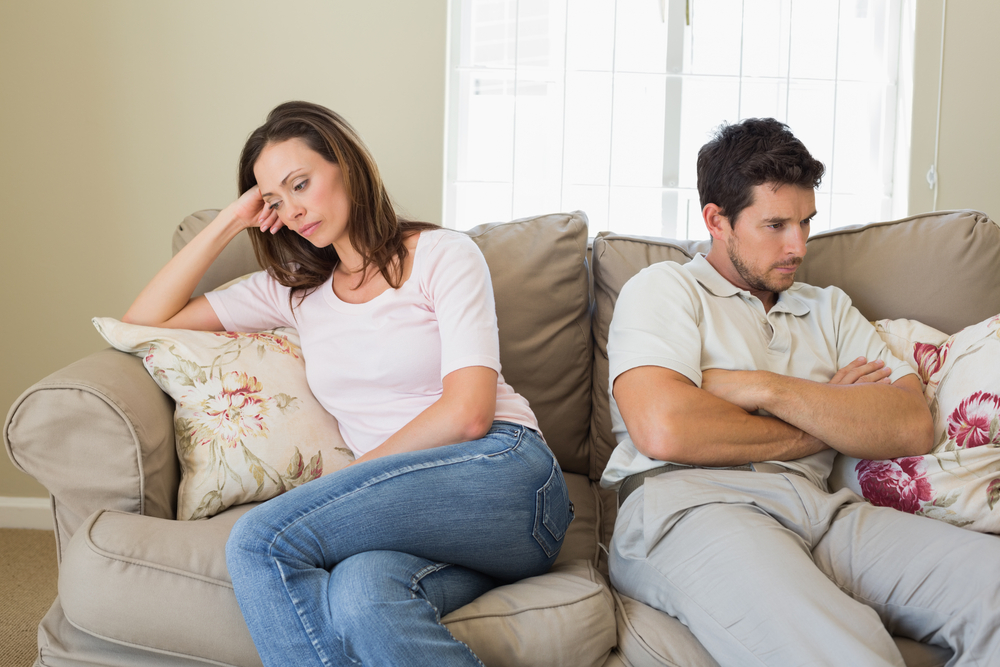
So what actually helps? The honest answer is that there’s no single fix, and a lot depends on whether both people are willing to engage with the problem. That said, research and clinical experience do point toward some clear starting points.
The antidote to withdrawal is not to force a partner to speak, but to create conditions where speaking feels safe. Couples can reduce shame by acknowledging the pattern together. Saying something like, “I notice we get stuck where I push and you pull away” brings the cycle into the open without blame. That framing – as a shared pattern rather than a personal failing – tends to lower defensiveness and open a door.
To deal with withdrawal, first identify the pattern of the relationship and the ways both partners impact the dynamic. Partners noticing the patterns their communication cycle falls into should also engage in some individual reflection on their own tendencies – whether withdrawing or pursuing their partner. For many couples, that self-awareness is the first real step forward. Start with honesty. Share what you’re feeling, without blaming or accusing. Instead of “You never talk to me anymore,” try “I miss the way we used to talk.” Instead of “You don’t care about me,” try “I feel disconnected, and I want us to find our way back to each other.”
When the pattern feels entrenched, professional support is genuinely worth considering. If approaching couples therapy, be sure to frame the work as a joint relationship effort. If one person is framed as the problem, they are unlikely to feel safe participating.
Read More: Couples Sleeping in Separate Beds: A Growing Trend or a Red Flag?
What This Means for You
Emotional distance in marriage and long-term relationships is not a death sentence. It’s not uncommon for couples to experience emotional distance at some stage of their relationship, but the good news is that it doesn’t have to signal the end. The behaviors listed here – from stonewalling and physical withdrawal to secrecy and surface-level conversations – are warning signs, not verdicts. They exist on a spectrum. Some are responses to temporary stress. Others reflect a deeper pattern that has been building for a long time. The difference matters enormously.
What researchers consistently find is that the behaviors that indicate emotional withdrawal in a relationship do the most damage when they go unacknowledged. Emotional disconnection can enter a relationship gradually. Recognizing the signs is a pivotal first step in rebuilding the connection – and research shows that recognizing the telltale signs, like shallow interactions and decreased emotional support, can be the first step towards healing. Whether you’re recognizing these patterns in yourself, your partner, or both, naming what’s happening – calmly, without attack – is where the real work starts. No relationship is too far gone to have that conversation. The question is whether both people are willing to have it.
Disclaimer: This article was created with AI assistance and edited by a human for accuracy and clarity.