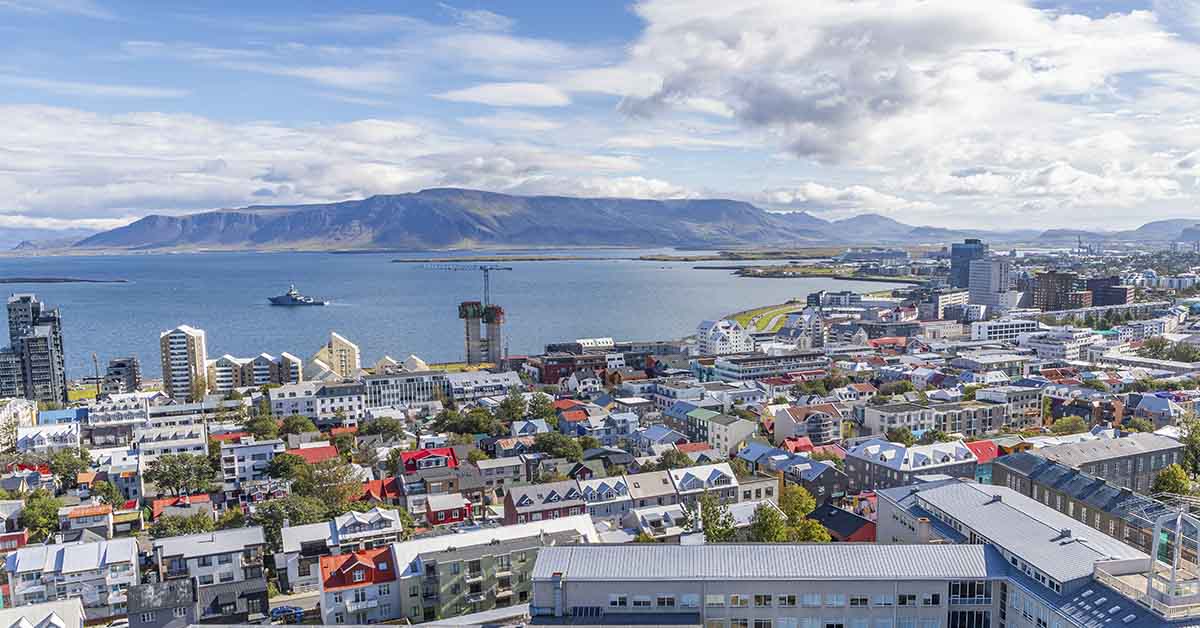

Nothing changes a trip faster than worry. You start scanning crowds, gripping your phone, and planning exits. Yet some places let you loosen your shoulders. In the latest “safest cities” ranking from Berkshire Hathaway Travel Protection, the top spot goes to Reykjavík, Iceland’s compact capital of color, coastline, and volcanic views. It is a city where people still walk, linger, and look up. Safety is not the only reason to go, but it shapes the whole experience. When the background hum of risk drops, the foreground gets sharper. Street art looks brighter. Sea air tastes cleaner. Even a simple coffee stop lasts longer. This guide explains why Reykjavík leads the list, what risks still exist, and how to travel smart while soaking up a city that turns everyday moments into postcards.
Why Reykjavík tops the “world’s safest city” conversation
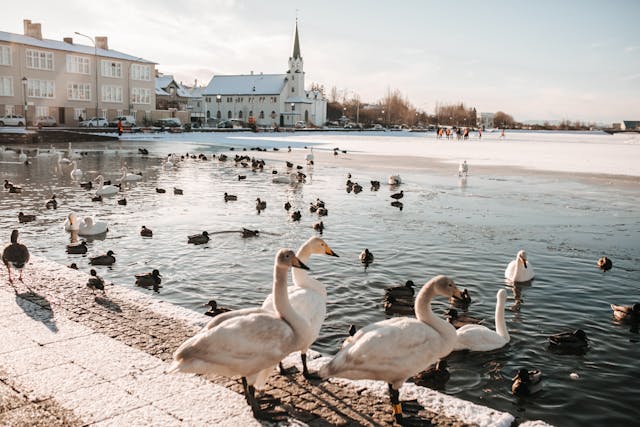
Berkshire Hathaway Travel Protection’s ranking puts Reykjavík at No. 1, with Copenhagen, Zurich, Amsterdam, and Honolulu close behind. The company frames the list as a traveler-driven measure, not a purely academic scorecard. It states, “only travelers who have actually been to the cities are allowed to rank them.” That detail helps explain why Reykjavík keeps rising to the top. Visitors tend to remember how easy the city is to navigate, and how quickly it shifts from downtown streets to wide-open nature.
Reykjavík also benefits from scale. The center stays human-sized, so travelers spend less time in stressful transitions. You can move between cafés, museums, the harbor, and geothermal pools without complicated logistics. The city’s color adds another layer. Painted corrugated buildings, bold murals, and clean sightlines create an environment that stays readable, even for first-time visitors. Safety here works like good lighting. You notice it most when you stop thinking about it.
Low violent crime, high trust, and a small-city advantage
Reykjavík’s reputation rests on more than vibes. The U.S. Overseas Security Advisory Council describes Iceland in plain terms and ties safety to social factors and policing. It notes “the low level of crime and very low level of violent crime,” and points to social trust, limited tensions, and a “well-trained, highly educated police force.” Those conditions spill into the visitor experience, because everyday routines stay predictable.
That does not mean “nothing happens.” Any capital city has alcohol-fueled scuffles, nuisance behavior, and occasional theft. Yet Reykjavík’s baseline remains low enough that most visitors experience the city as relaxed and orderly. People queue without drama. Streets stay well used late into the evening, especially around restaurants and music spots. Even when the weather turns, the city keeps operating with calm competence. For travelers, that steadiness becomes part of the attraction.
The real-world risk: petty theft, late-night hotspots, and simple habits
Safety rankings can tempt travelers into carelessness. Official travel advisories paint a more practical picture, including the small risks that actually affect tourists. Australia’s Smartraveller states, “Iceland has a low crime rate. However, you could face petty theft.” It also flags where that risk concentrates, noting it “often occurs around bars late at night in downtown Reykjavik.” That is not scary, but it is useful. It tells you when to switch on street-smart habits.
The fix is not complicated, and it does not require paranoia. Keep phones out of back pockets. Zip bags fully, especially in crowded nightlife streets. Avoid leaving valuables visible in parked cars, even in quiet areas. If you are taking taxis or rideshares late, confirm plates before getting in. Reykjavík rewards travelers who stay present. You can enjoy the city’s calm pace while still protecting the essentials that would ruin a trip if lost.
The risk nobody expects in a “safe” city: nature
In Reykjavík, the biggest hazards are not usually human. They come from weather, terrain, and the volcanic systems nearby. Iceland’s Meteorological Office has issued blunt advisories during severe conditions. In one red-warning notice, it states, “Travel is not advised while the warnings are in effect.” That single line captures the Icelandic approach. Authorities communicate clearly, and they expect people to take guidance seriously.
Volcanic activity also sits in the background of Reykjavík travel planning, especially around the Reykjanes Peninsula. The same agency regularly reports on magma accumulation and eruption likelihood. In one update, it warned, “The likelihood of a magma intrusion and an eruption remains elevated in the coming weeks.” Reykjavík itself can operate normally while nearby zones change quickly. Travelers should treat nature alerts like flight updates. Check them often, and adjust plans early, not at the last minute.
Reykjavík’s quiet superpower: emergency systems built for visitors
A safe city is not only about fewer crimes. It is also about what happens when something goes wrong. Iceland’s emergency infrastructure is unusually visitor-friendly, and officials lean into tools that help tourists communicate fast. On the national emergency site, it explains the purpose of its app in one sentence: “The 112 Iceland app is designed to speed information transfer in case of emergency.” For travelers driving rural roads or hiking near the city, that kind of system reduces risk in a practical way.
Smartraveller also highlights how Iceland routes guidance to tourists, pointing to the official safety portal and alerts. It notes that travelers “can register your itinerary and receive safety alerts through SMS.” That matters because Iceland’s conditions change fast. Wind can close roads. Visibility can collapse. An eruption can shift access rules in a day. A city can be “the world’s safest city,” and still demand planning. Reykjavík works because it pairs freedom with strong safety scaffolding.
Safety for women, LGBTQIA+ travelers, and the everyday reality on the street
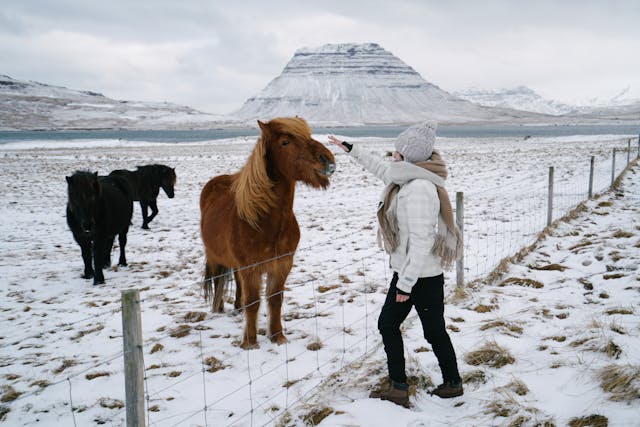
Many travelers consider safety in personal terms, not just crime statistics. They ask: Can I walk alone at night? Can I be myself? Will I face harassment? Iceland’s broader equality record does not guarantee every interaction, but it signals social norms that often show up in daily life. The World Economic Forum writes, “Iceland (92.6%, 1st) has led the Global Gender Gap Index for 16 editions.” That kind of long-running result reflects policy, culture, and enforcement working together over time.
In Reykjavík, those norms often translate into a street environment that stays less aggressive than many capitals. Travelers still need normal caution around nightlife, because intoxication changes behavior everywhere. Yet many visitors describe Reykjavík as straightforward. Service staff intervene early when situations escalate. Public spaces stay well used, which discourages opportunistic harassment. If you want added reassurance, choose central neighborhoods, stay aware after midnight, and use licensed transport. Safety is strongest when the city and the traveler do their part.
A tourism industry that is required to plan for risk
Reykjavík’s safety story also includes something less romantic: rules. Iceland’s Tourist Board sets expectations for organized tours, which matters because many visitors book glacier walks, lava-field hikes, and Northern Lights drives. On its guidance for operators, it states that “any party that operates organised tours within Icelandic jurisdiction must have safety plans in place for each type of tour offered.” That is not marketing copy. It is structural, and it changes how tours get designed, staffed, and audited.
The same page explains what those safety plans include, such as risk assessments and contingency planning. It also makes enforcement clear, saying the Tourist Board “may request them when necessary.” For travelers, this supports smarter booking decisions. Choose licensed operators, ask what safety plan covers your activity, and do not ignore briefings. A city can be safe, but the landscape remains powerful. Reykjavík’s advantage is that the tourism system treats that power with serious planning.
The beauty that takes your breath away, without adding stress
Reykjavík’s visuals land harder because the city stays easy. You can start the day on Laugavegur, drift toward Hallgrímskirkja, then end at the harbor with the sea cracking open the horizon. The architecture is bold without being oppressive. Color blocks break up winter light. Cafés glow against dark afternoons. Then there is the water culture. Geothermal pools turn bad weather into a reason to go outside, not a reason to hide. This is the “world’s safest city” appeal in its most practical form. Comfort keeps you moving.
Iceland’s wider stability also supports that experience. The 2025 Global Peace Index states, “Iceland remains the most peaceful country in the world.” That national context matters because many Reykjavík days include day trips well beyond the city limits. Travelers head to waterfalls, black-sand beaches, and lava fields, then return late. When the broader environment stays stable, those logistics get simpler. You spend less time calculating threats and more time watching clouds roll over mountains.
How “world’s safest city” rankings work, and how to use them well
Rankings can guide, but they should not hypnotize. Berkshire Hathaway Travel Protection explains that it builds its list by starting with popular cities and then surveying travelers. It says, “We then ask more than 1,500 survey respondents if they’ve visited any of these cities.” It also adds that it combines survey results with other indices, including “Numbeo and The Economist,” plus city ratings from GeoSure Global. That blend helps balance opinion with broader data, but it still reflects a moment in time.
Use the ranking like a compass, not a contract. Reykjavík sits at the top, but Copenhagen, Zurich, Amsterdam, and Honolulu also appear near the front for good reasons. Each has different trade-offs, including transport risks, nightlife issues, or natural hazards. Even in Reykjavík, the main threats often come from weather and geology, not street crime. The best travel plan keeps both truths in view. Pick destinations with strong safety records, then travel like a competent adult anyway. That combination is how a “world’s safest city” trip becomes the kind you want to repeat.
Runner-ups worth building a trip around
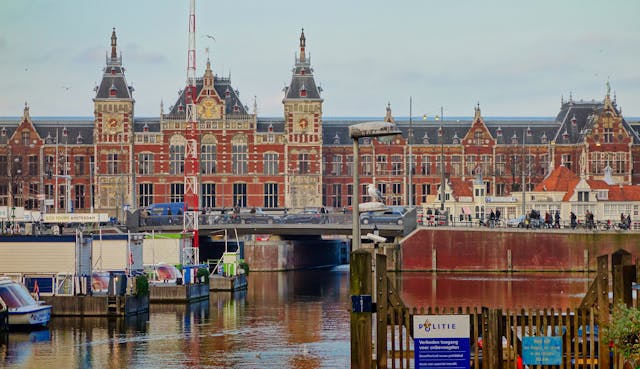
Copenhagen, Zurich, Amsterdam, and Honolulu rank just behind Reykjavík on Berkshire Hathaway Travel Protection’s list. Each rewards travelers who want beauty with less stress. Copenhagen runs on bikes and reliable transit. Still, OSAC advises visitors to “be cautious in the neighborhoods of Nørrebro and Christiania.” Zurich pairs lake views with Swiss efficiency. Yet OSAC reports that “overall crime increased by 14%” in 2023, mainly from property offenses. Keep your phone zipped and your bag in front. Honolulu earns its place with a clear message from local police. The Honolulu Police Department calls Oahu “one of the safest destinations in the U.S.” However, it also warns that opportunistic theft happens. Amsterdam calls for the same street smarts on trams and at stations.
OSAC notes, “Pickpocketing and phone thefts are the most likely risks.” Stick to well-lit routes late at night and book licensed transport when you can. In Zurich, watch bags in the main station. In Copenhagen, keep cameras down in Christiania. In Honolulu, use your hotel safe and never leave valuables visible in parked cars. These habits protect time and mood. Copenhagen offers canals, design museums, and waterfront walks that stay busy into the evening. Zurich gives mountain day trips, plus calm lake promenades inside the city. Amsterdam’s charm draws crowds, so keep cards separate from cash and watch your pockets on bridges. Honolulu adds ocean access, but theft often targets distracted beachgoers. Across all 4, choose central lodging, share locations with a friend, and store passport photos securely offline.
Read More: 25 Destinations and Experiences You’ll Want to Check Out in 2026
Conclusion
A “world’s safest city” label should never become a blindfold. It should become a smarter starting point. Reykjavík earns its reputation because everyday movement stays simple, and official systems stay clear. Yet the city still sits beside powerful forces. Wind can close roads. Volcanic activity can shift access rules. Therefore, the safest trip is the one that pairs trust with attention. Check official alerts, dress for fast weather changes, and keep your plans flexible when nature sets the schedule. Those habits protect more than your belongings. They protect your time, your energy, and your sense of ease. The runner-ups show the same principle in different forms. Copenhagen rewards travelers who move by bike lanes and metro lines, but it still asks for caution in a few specific areas.
Zurich offers order and scenery, but property crime still targets distracted visitors. Amsterdam delivers postcard streets, but crowded transit brings pickpockets. Honolulu adds beach beauty, but thieves look for unattended bags and rental cars with visible gear. In every city, the best safety tool is not fear. It is routine. Zip bags. Separate cards and cash. Use licensed transport at night. Keep a charged phone and a backup plan. When you travel like that, safety stops being a headline and becomes a quiet advantage. You linger longer at viewpoints. You talk to locals without rushing. You look up more often. Then beauty does what it should do. It takes your breath away, and it gives it back slowly.
A.I. Disclaimer: This article was created with AI assistance and edited by a human for accuracy and clarity.
Read More: Every Hotel Room Has This Bed Cloth—But Most Don’t Know Why