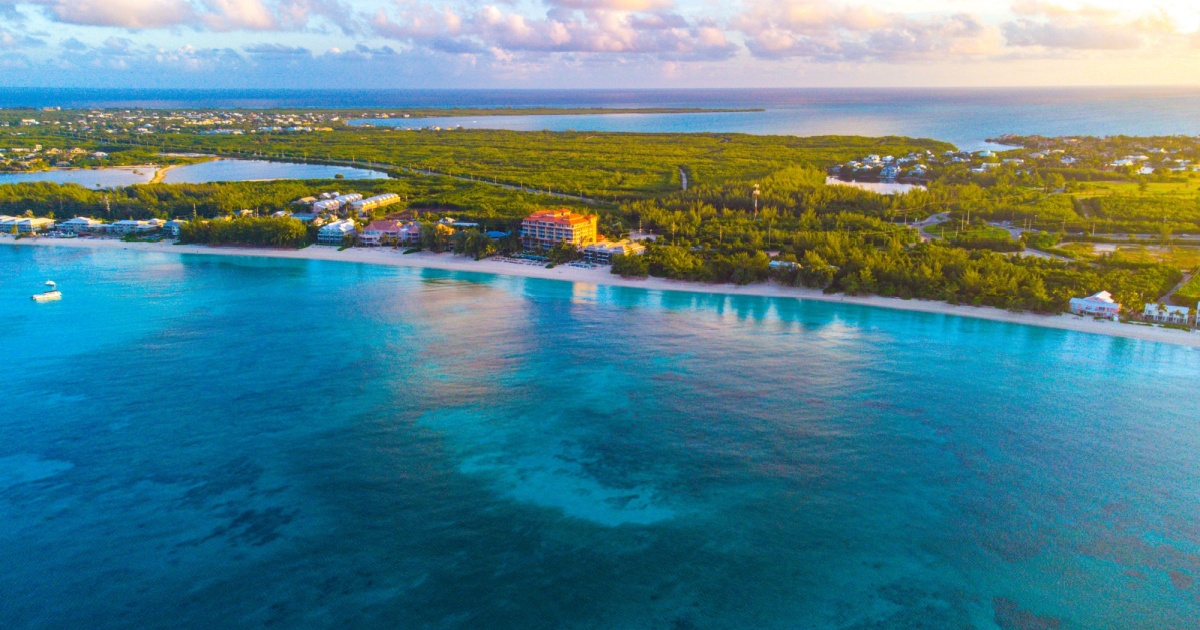

Modern vacations are supposed to feel like a break, but that is not always how they turn out. Flights run late, plans pile up, and suddenly you are more tired than before. That frustration sits right at the center of a new tourism campaign from the Cayman Islands, which is now looking for a Chief Relaxation Officer. The role exists to push back against rushed travel and remind people what real rest can feel like. From afternoon naps to slow mornings by the sea, the experience is about doing less and finally enjoying it.
Instead of selling packaged itineraries, this Caribbean getaway is selling permission. Permission to slow down, sleep longer, and stop treating vacations like a checklist. The campaign taps into burnout culture and the growing desire for calm.
Why the Idea of a Chief Relaxation Officer Exists
Travel did not always feel this exhausting. At some point, holidays became about seeing everything and proving you were there. Social media played a role, but so did the work culture that never fully switches off. Even on vacation, many people stay glued to phones or emails.
Tourism leaders in the Cayman Islands noticed this pattern. Research and visitor feedback kept pointing to the same thing: people wanted rest. Not adventure every hour, not tours stacked back to back. They wanted sleep, quiet, and time that felt open to do whatever your heart pleases.
So the Chief Relaxation Officer role was created to model a different way of traveling. Instead of promoting places alone, it promotes a mindset. Rest is not framed as lazy or unproductive, but rather as necessary and valuable.
What the Role Actually Involves
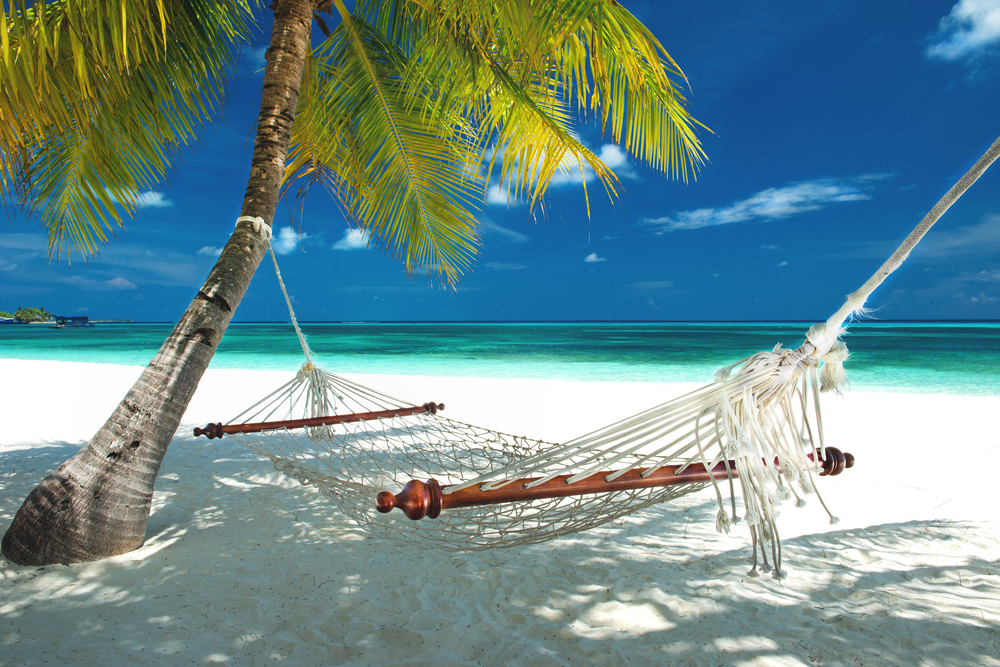
On paper, the ‘job’ sounds almost unreal. The selected person spends roughly two weeks on the islands with one main responsibility: to relax on purpose. There are guidelines, but they are gentle ones.
Sleeping at least eight hours a night is expected. Naps are not just allowed, they are encouraged. Time by the ocean matters, whether that means floating in the water or sitting still and watching it move. Meals are slow and focused on local food. Evenings are quiet, not rushed or loud.
There is also less screen time than most people are used to. Phones are used, but not constantly. The idea is to let the mind settle instead of staying stimulated all day.
The Chief Relaxation Officer shares parts of the experience through simple updates. These are not meant to be polished travel ads. They are more like honest check-ins about what slowing down actually feels like.
A Wellness Campaign That Does Not Feel Like One
Although the role sounds playful, it connects to a serious issue. Burnout rates continue to rise, and travel habits reflect that stress. People often return from trips feeling like they need another break.
Wellness tourism has grown quickly over the past few years. Sleep retreats, spa stays, and nature escapes are more popular than ever. The Cayman Islands campaign fits into that movement, but it takes a more relaxed approach.
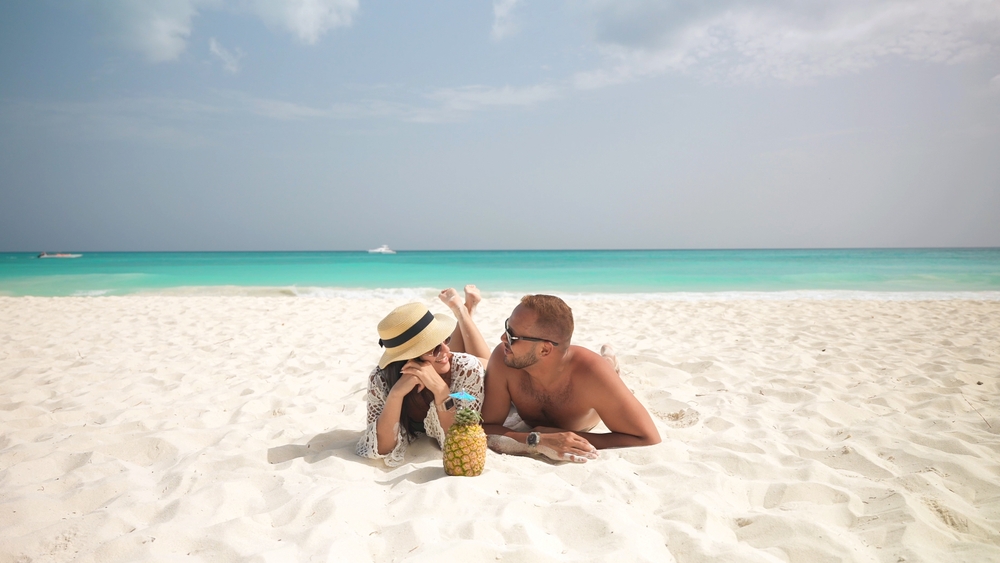
Instead of promising transformation or self-improvement, it promises nothing at all. There is no pressure to come back changed. The Chief Relaxation Officer is not there to fix anything; they are there to simply rest.
This aligns with scientific research, even if the campaign does not talk about it much. Studies show that unstructured rest improves mood and emotional balance. Natural environments lower stress hormones. Better sleep supports mental clarity. It also allows the mind to be quiet.
Where the Experience Takes Place
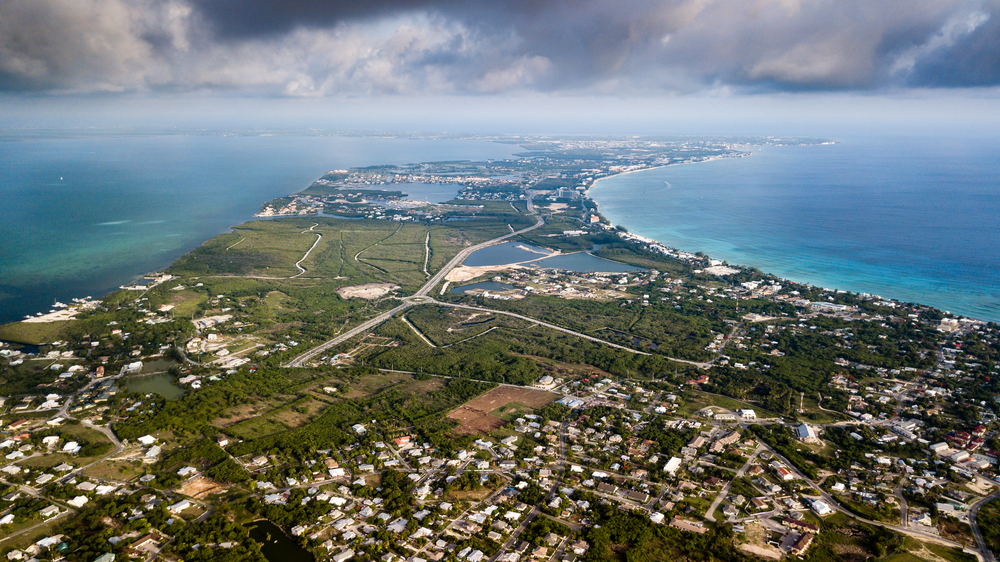
The stay includes different parts of the Cayman Islands, from beachfront settings to quieter inland spaces. This variety allows the experience to unfold naturally. Some days might include gentle activity, and others might include almost nothing at all.
Flights, accommodations, and transportation are covered. A daily stipend handles meals and small expenses. There is no rigid schedule waiting each morning. This lack of structure is what it is all about. Decision fatigue plays a big role in stress. When you remove constant choices, the mind relaxes faster, allowing you to be more present.
Who Can Apply and How Selection Works
The application process stays simple. Applicants must be U.S. residents and of the age of 21 to meet the travel requirements. The campaign asks for entries to describe their worst vacation experience. These stories usually involve rushing, poor sleep, or trips that felt more like work. The judges look for honesty rather than perfection. They want someone who understands exhaustion and values rest. The ideal candidate is not chasing attention. That approach matches the spirit of the campaign. Relaxation looks different for everyone, and there is no single right version.
Why Naps Became the Symbol of the Role
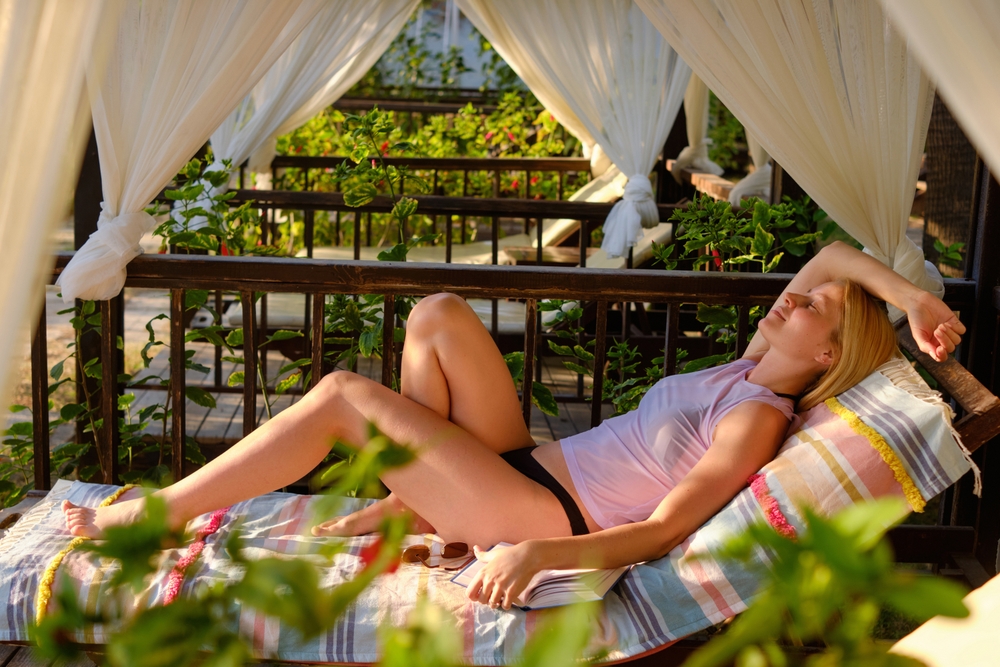
Naps grab attention because they still carry a stigma. Many adults feel guilty sleeping during the day. It gets labeled as lazy or indulgent. However, science tells a different story. Short naps can improve memory, mood, and focus. They reduce stress and help regulate emotions. Cultures that normalize rest tend to show a healthier work-life balance. By highlighting naps, the role challenges old ideas about productivity. It suggests that rest does not need to be earned. Sometimes it just needs to happen.
What This Says About Travel Right Now
This campaign reflects a broader cultural shift. People are starting to question hustle culture and being constantly busy. These days, mental health conversations are no longer niche topics, and travel is changing along with those values. Experiences matter more than proof that you were there. Presence matters more than Instagram-worthy photos. People want trips that feel human, not impressive. The Chief Relaxation Officer role captures that perfectly. It suggests that a vacation does not need to impress anyone else. It only needs to restore the person taking it.
How Slow Travel Supports the Brain and Body
When people slow down, their bodies respond almost immediately. Their heart rate drops. Sleep becomes deeper. Even digestion improves. These changes are not imagined; they are well-documented in health research.
Constant stimulation keeps the nervous system alert. We are constantly receiving notifications, filling our schedules, and dealing with noise, all of which push the body into a mild stress state. On a typical rushed vacation, that stress never fully turns off. You might change scenery, but your body stays tense.
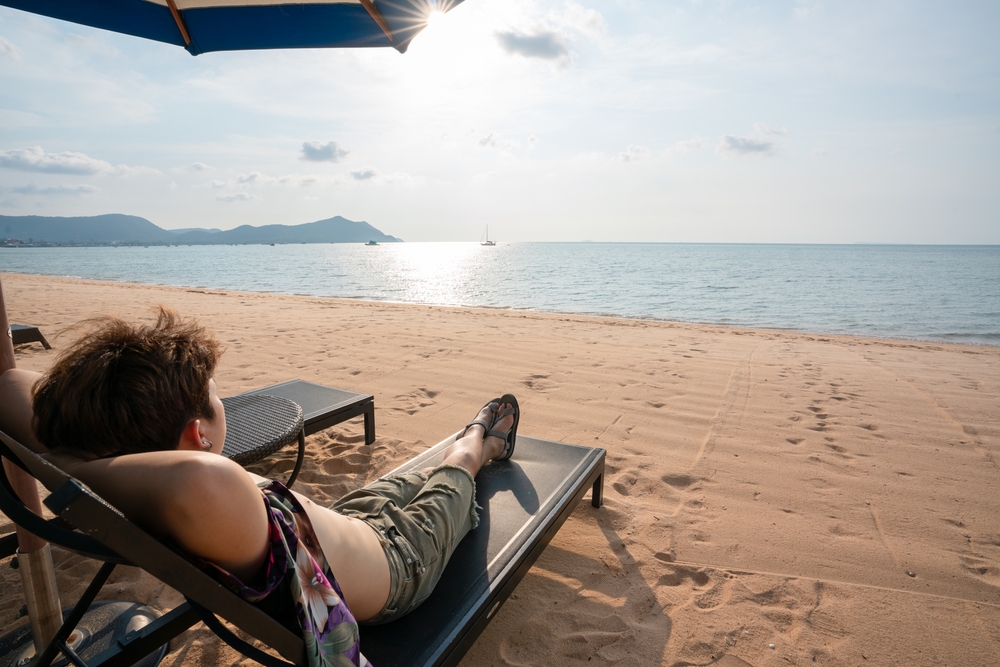
Slow travel works differently. Fewer decisions and longer rest periods allow the nervous system to reset. Spending time near water also plays a role. Studies show that ocean environments reduce cortisol levels and promote calm.
Why Doing Nothing Feels So Hard at First
Many people struggle with the idea of rest, even when they want it. The first few days of slowing down can feel uncomfortable. Minds race. Guilt creeps in. Some people even feel bored or restless. That reaction is common. Brains that are used to constant input need time to adjust. When stimulation drops, thoughts surface, and emotions show up. This phase passes, but only if rest continues.
The role allows space for that adjustment. There is no expectation to fill quiet moments. Sitting still is part of the experience, even when it feels awkward at first. Over time, people report clearer thinking and improved mood. Creativity often returns without effort. These effects are not instant, but they are consistent.
Public Reaction to the Role
Online reactions to the campaign were mixed, but mostly positive. Many people joked about applying immediately. Others questioned whether relaxing could really count as work. Some comments revealed deeper frustration, where people talked about never feeling rested, even after time off. Others shared stories of vacations that felt more stressful than normal life.

The idea of a paid relaxation role highlighted how rare true rest has become. For some, it felt inspiring. For others, it felt like a reminder of what they were missing. That emotional response is part of why the campaign worked so well. It sparked conversation about how people use their time, and why rest often comes last.
What Makes This Different From a Typical Giveaway
Many tourism campaigns offer free trips or contests. This one stands apart because of its framing. It does not promise excitement or exclusivity, but rather relief.
The Chief Relaxation Officer is not expected to review hotels or list attractions. There are no must-see spots or packed schedules. The focus stays on feeling rather than doing. It allows the destination to stand for something deeper than scenery. It positions the islands as a place where slowing down is supported and encouraged.
Could This Change How People Vacation
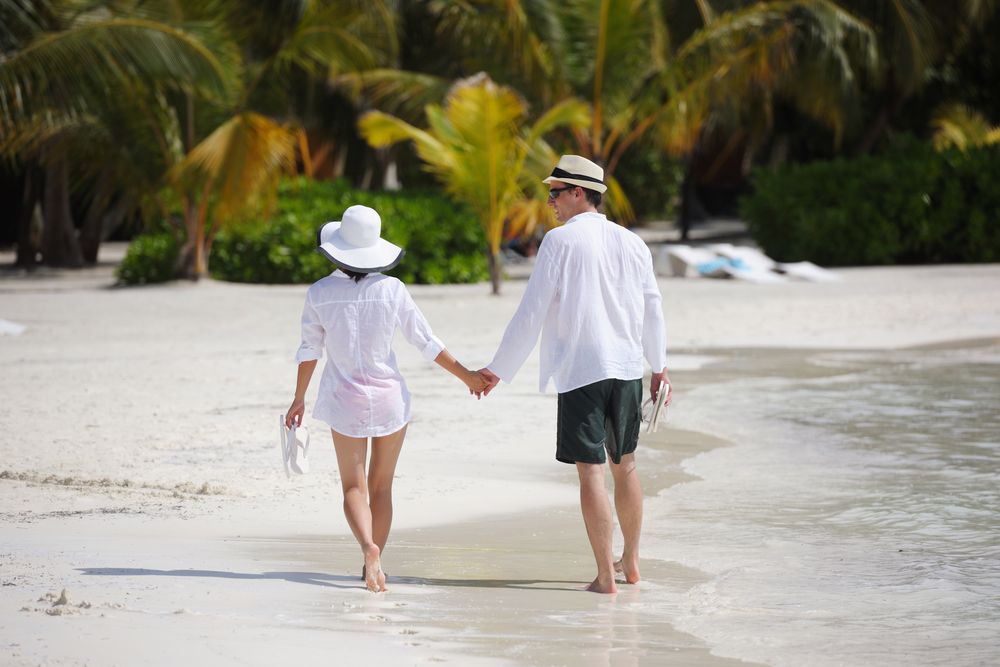
Campaigns like this often influence behavior more than expected. Even people who never apply start rethinking their habits. They ask different questions when planning trips. Do I really need to see everything? Can I leave space in my days? What would happen if I rested instead of rushing? The role plants those ideas gently and shows what is possible. Over time, that can change expectations. Travelers may choose fewer activities and rather stay longer in one place.
Read More: 25 Destinations and Experiences You’ll Want to Check Out in 2026
Why the Role Feels So Appealing
At first glance, the appeal is simple. The role validates something many people feel but rarely say. They are tired, and they want permission to stop and take a break. And we all know that any one of us would kill for a free 2-week vacation. Two weeks of doing absolutely nothing but focusing on you and resting your mind and body. Spending your days relaxing on the beach, nourishing your body with wholesome, delicious local foods.
Most people will never hold the title. Still, the lesson applies to everyone. You do not need a campaign to rest, but rather intention. That might mean scheduling fewer activities or leaving your phone in the room. It might mean taking a nap without guilt.
A.I. Disclaimer: This article was created with AI assistance and edited by a human for accuracy and clarity.
Read More: These 11 Stunning Locations Will Pay You Over $10,000 Just to Move In