

According to a woman who works as a professional stripper, she unknowingly performed at her own brother’s bachelor party and only realized what was happening once the performance had already started.
The story gained attention after she shared it on social media, where millions reacted within hours. Some people felt genuine sympathy. Others questioned how something like this could happen at all. The comment section quickly became the main focus for commenters.
The situation goes beyond shock value. It touches on family boundaries, adult entertainment, and how private work can suddenly collide with personal life. It also reopened a long-running debate about strippers at bachelor parties and whether the tradition still makes sense today.
The Viral Claim That Sparked the Conversation
The story comes from a woman who earns her living as an exotic dancer. In a short video, she described what she believed would be a routine private booking. According to her, many of these jobs are arranged through agencies or third parties, which means performers do not always know who will be attending.
She arrived at the location expecting nothing unusual. There was music, drinks, and a group of men gathered for what looked like a standard bachelor celebration. Everything felt familiar and nothing stood out right away.
Then, during the performance, she says she noticed a face in the crowd that did not belong there. It was her brother. That was the moment everything changed. She realized the event she had been hired for was his bachelor party.
By then, she explained, the performance was already in progress. Stopping suddenly would have raised questions and drawn attention, so she finished the routine and left as soon as she could. She did not share details like the city or date. That lack of specifics later became a point of debate. Many viewers felt the emotional reaction in her video was real, even if the details were unclear.
How Private Performances Are Often Booked
To some people, the story sounded impossible. To others, it felt uncomfortably believable. Much of that depends on how familiar someone is with how private bookings work. Many dancers receive bookings through managers, clubs, or online services. In those cases, performers often get limited information about the client. They know the time, the place, and the general type of event.
Bachelor parties often take place in private homes or hotel suites. Lighting can be low, and alcohol usually flows freely. People may not be paying close attention to who enters the room, especially once the party is underway.
Online Reactions Were Divided Almost Instantly
Once the video started circulating, reactions poured in. Some viewers responded with empathy. They imagined how humiliating the situation would feel and expressed support for her professionalism. Others leaned into humor with memes and jokes. Social media has a way of turning discomfort into entertainment.
There was also a large group of skeptics. Many questioned the timeline, and some wondered why no one warned her. Others believed the story was exaggerated or completely made up for attention. Platforms like TikTok often reward shocking personal stories with views and engagement. Because of that, audiences have grown more suspicious.
Why This Story Struck a Nerve
This situation made people uncomfortable for reasons beyond the headline. It touched on topics that are already sensitive. Family relationships and sexuality rarely mix well in public discussion.
Bachelor parties sit in a strange space culturally. They are meant to celebrate commitment, yet often involve behavior that feels disconnected from marriage. For some couples, hiring a stripper feels harmless. For others, it crosses a line they are not comfortable with. Adding a family connection made the scenario even more unsettling. It forced people to think about how compartmentalized adult work can be, and how fragile those boundaries really are.
Media Coverage Focused More on Reaction Than Reality
After the video went viral, entertainment websites quickly picked it up. Most framed it as a shocking personal story rather than a verified event. Headlines focused on the twist, not the details. Many articles relied heavily on social media reactions. The debate became the story, and whether it actually happened mattered less than how people felt about it.
This reflects a larger trend in digital media. Viral engagement often matters more than confirmation. That approach keeps stories moving, but it also raises questions about responsibility and accuracy.
The Broader Debate About Strippers at Bachelor Parties
Beyond the viral moment, the story reopened a familiar argument. Should adult entertainment still be part of bachelor parties at all? Some people say strippers are professionals providing a service. They argue it is fantasy, not intimacy. In their view, it does not threaten relationships when everyone understands the boundaries.
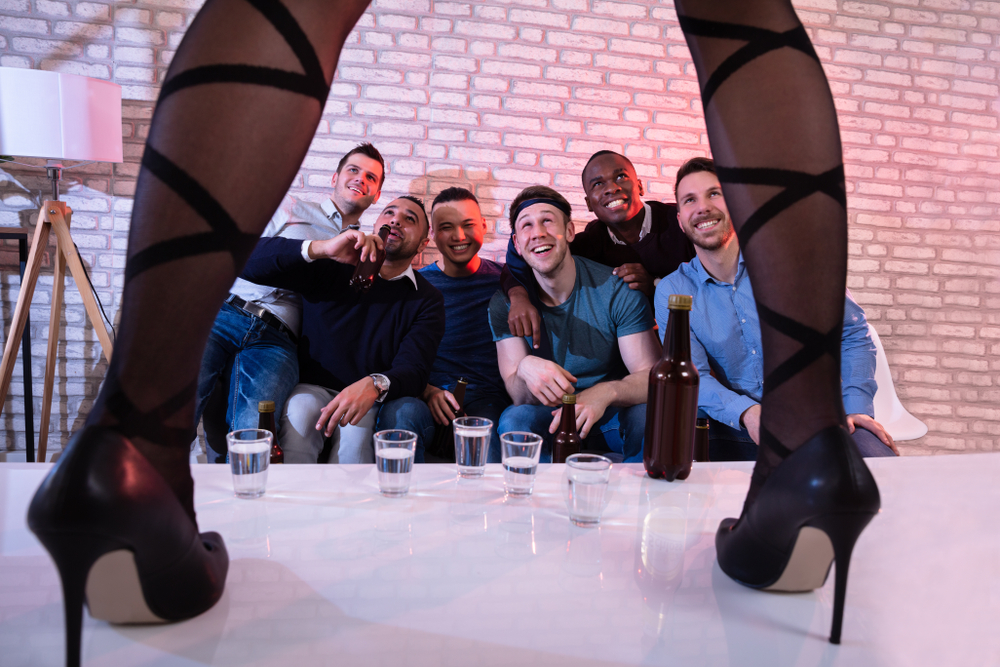
Other people disagree. They see the practice as outdated and disrespectful. For them, bringing an exotic dancer into a pre-wedding celebration can undermine trust and emotional safety. This debate often occurs in relationship discussions. The viral story simply gave people a new example to argue over.
When Personal Stories Become Public Property
One reason stories like this last is how quickly personal experiences turn into public property online. A single video can transform a private moment into a global discussion. For the woman involved, that means her work, her family, and her choices are now open to judgment. That is how internet storytelling works. Once a story escapes into public view, it no longer belongs to just one person.
As the story continued to circulate, a deeper layer of conversation emerged. It was no longer just about the awkward situation itself, but it became about whether people believe viral stories anymore. Many commenters pointed out how often shocking personal confessions turn out to be exaggerated. Some creators admit later that details were stretched to gain attention. Others quietly delete posts once interest fades. This has trained audiences to question everything.
At the same time, there were viewers who argued that not every viral story is fake. They noted that uncomfortable experiences do happen, especially in industries where anonymity and fast bookings are common. They felt the emotional tone of the video suggested embarrassment rather than performance. This tension reflects a larger trust issue online. People want authenticity, but they also know how easily it can be fabricated.
Adult Work and the Illusion of Separation
One theme that surfaced repeatedly was how society views adult entertainment work. Many people assume performers live in a separate world, disconnected from family and everyday life. Strippers, like anyone else, have siblings, parents, and personal histories. The work may happen at night or behind closed doors, but it does not erase real-world connections. When those worlds collide, the discomfort becomes visible.
Some commenters expressed sympathy specifically because of that collision. They pointed out that performers often rely on emotional distance to do their jobs. Losing that distance, even briefly, can feel deeply unsettling. Others used the story to criticize adult entertainment itself. They argued that this kind of work invites chaos into personal life.
Bachelor Parties and Changing Social Norms
The debate also highlighted how bachelor parties are evolving. What once felt like an expected tradition now feels questionable to many couples. Some people shared that they opted out of strippers entirely. Others said they replaced adult entertainment with group trips or shared experiences. The goal, they explained, was to celebrate friendship without crossing emotional boundaries.
However, plenty of people defended the tradition. They argued that trust within a relationship matters more than the activities themselves. For them, a bachelor party is symbolic, not threatening. This divide shows how social norms are shifting. There is no longer a single definition of what a bachelor party should look like.
Gender, Judgment, and Who Gets Blamed
Another part of the discussion focused on who people blamed most. In many comment sections, criticism landed squarely on the woman who shared the story. Some accused her of carelessness and questioned her professionalism.
Far fewer comments criticized the brother or the people who booked the entertainment. That imbalance did not go unnoticed. Several viewers pointed out how often women in adult industries receive harsher judgment than the clients who hire them. This pattern reflects broader cultural attitudes. Women are frequently expected to manage discomfort and absorb consequences quietly. When they speak publicly, they risk being accused of attention seeking.
Read More: She Made $80,000 Selling Her Toenails and Revealed the Shocking Reason People Buy Them
Why Stories Like This Spread So Easily
Part of what made this story travel so far was its emotional simplicity. It also combined multiple taboo elements. Family. Sex. Embarrassment. Those themes grab attention quickly, especially in short video formats. Social platforms are designed to reward engagement. Every comment, whether supportive or skeptical, helped push the story further. Algorithms do not care if reactions are positive or negative. They care that people stop scrolling.
The Cost of Going Viral

Going viral can bring validation, but it can also bring lasting exposure. A moment shared impulsively can follow someone for years. Screenshots circulate, and articles remain searchable. For someone working in adult entertainment, that exposure can carry real consequences. It may affect future bookings or impact personal relationships. Those risks rarely factor into audience reactions.
Whether the story is entirely true or partially embellished may never be confirmed. What matters more is that it reflected discomfort around adult work. It also highlighted changing attitudes toward bachelor parties and exposed how quickly personal experiences become public debate. Most of all, it reminded people how thin the line is between private life and public spectacle.
Closing Thoughts
The stripper who shared her story likely did not expect it to spark such a wide conversation. What began as a personal confession turned into a cultural discussion. Some people will always doubt it, and others will always believe it. In the end, the story says as much about the audience as it does about the event itself.
It shows how we judge and react to stories that turn discomfort into content. And it leaves behind an uncomfortable truth. In a world where everything can go viral, even the most private moments are never fully safe from public view.
A.I. Disclaimer: This article was created with AI assistance and edited by a human for accuracy and clarity.
Read More: Model Who Rejected Seven-Figure Offer to Lose Virginity on Camera Still Earns Millions on OnlyFans