

Lending is usually framed as kindness. Most of us grow up believing that sharing is always good and to help people when you can. But in many cultures, stories warn of curses and poverty that can follow from lending unwisely. Some things should not be handed over freely, no matter how well-intentioned the reason feels in the moment.
Across psychology, behavioral economics, and even stress research, one idea shows up again and again. When people give away certain core parts of their lives without limits, problems follow. Those problems often manifest as exhaustion, stalled progress, financial trouble, or emotional overwhelm. Many belief systems describe this pattern as curses and poverty.
In this context, curses and poverty do not mean magic or punishment. They describe cycles and patterns that repeat. The kind that builds when boundaries disappear. Understanding what not to lend can protect your energy, your finances, and your long-term stability.
Your Name and Reputation
Your name carries more weight than most people realize. When you allow someone to use your name, signature, or reputation, you take on risks that might not belong to you at all. This often happens through co-signing loans, backing projects you do not control, or vouching for someone out of loyalty. Behavioral finance research shows that social pressure pushes people into these decisions. They want to avoid guilt or conflict, so they agree.
When things fall apart, the damage stays. Credit problems, legal stress, and broken relationships follow fast. Fixing a damaged reputation takes time and emotional energy. That stress can affect sleep, focus, and judgment. Over time, the strain builds and feels like an ongoing financial struggle.
Your Peace of Mind

Peace is not something you stumble into. It is built through boundaries, routines, and emotional awareness. When people constantly pull you into drama or unresolved conflict, your nervous system absorbs it. Psychologists call this emotional contagion. Stress spreads easily, and even listening to repeated negativity raises cortisol levels.
Over time, this constant tension weakens decision-making and emotional control. When peace disappears, life choices suffer, and people rush decisions. They overspend to cope and avoid planning because everything feels heavy. This is how emotional imbalance turns into material instability. Many describe it as bad luck, but the pattern is clear.
Your Time Without Limits
Time feels endless until it is gone. Many people lend it casually, assuming there will be space later for their own goals. Hours slip away into favors, obligations, and distractions that lead nowhere. Productivity research shows that people who struggle to say ‘No’ experience higher burnout and lower satisfaction. They stay busy but feel stuck, and their own plans move more slowly while everyone else benefits. This creates frustration. You work constantly, yet nothing changes. Over months, this stalled momentum feels like a blocked life path. Some call it bad timing or fate, but often it is simpley over giving.
Money Without Structure

Image credit: Shutterstock.
Money itself is not the problem. The issue is vagueness. Lending without clear terms almost always causes tension. Expectations stay unspoken, and resentment grows quietly. Studies on informal lending show that loans between friends or family carry emotional costs. When repayment does not happen, the lender absorbs both the loss and the stress, and that stress influences future decisions. Repeated financial strain creates anxiety, which leads to poor judgment. Poor judgment leads to more loss. This loop explains why generous people sometimes struggle financially despite good intentions.
Lending Emotional Energy Excessively
Caring for others matters, but unlimited emotional labor drains people fast. Acting as a constant support system while ignoring your own needs leads to compassion fatigue. Mental health research links long-term emotional caregiving to depression and anxiety. These states reduce motivation and decision-making ability. Even simple tasks feel heavy, and people stuck in this pattern often feel frozen. They help others survive while their own lives pause. Over time, resentment appears, followed by exhaustion. This imbalance feeds instability and dissatisfaction.
Your Home and Personal Space

Your home shapes your mental state more than most people admit. Studies link unstable living environments to poor sleep, stress, and reduced focus. Inviting others into your space without clear rules disrupts routines. Privacy fades, and tension grows. Even short disruptions can leave lasting emotional residue. When home life feels unsettled, work and finances suffer too. Missed deadlines happen, rest disappears, and emotional strain leaks into every area. This chain reaction often looks like constant misfortune.
Your Attention to Constant Complaints
Listening is healthy, but absorbing endless complaints is not. Neuroscience shows that repeated exposure to negativity trains the brain to focus on problems. Over time, motivation drops, creativity shrinks, and opportunities feel invisible. Attention stuck on other people’s struggles leaves little space for growth. When focus stays outside yourself, progress slows. Life begins to feel like it is moving backward, even with effort. Many mistake this for bad luck.
Your Life Direction
The most damaging thing to lend may be your sense of purpose. Saying yes to paths that conflict with your values creates internal tension. Psychology studies show that misaligned goals reduce persistence and increase burnout. People stay busy but feel empty, and progress feels forced. Over time, this loss of direction shows up as regret, financial instability, and emotional fatigue. Life feels off course, and many describe it as a life that never quite works.
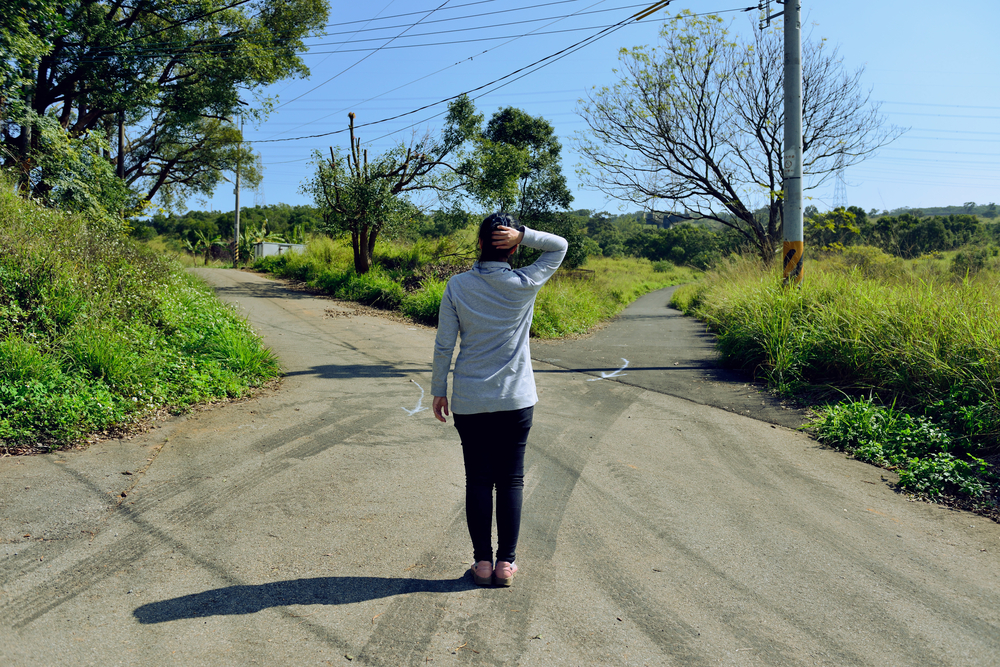
Image credit: Shutterstock.
How These Patterns Slowly Create Curses and Poverty
At first, none of these choices feels seriously damaging to ourselves. Lending time here, or emotional energy there. Saying yes when you should pause. Each moment feels small on its own, but the damage often goes unnoticed. Psychologists describe this as cumulative strain. When small stressors accumulate slowly, they wear you down. Over time, the body and mind operate in survival mode rather than growth mode.
When someone lives this way long enough, progress slows down, and opportunities feel harder to reach. Money comes in but never stays, and relationships feel heavy instead of supportive. This is the moment many people say they feel cursed or stuck in scarcity. The pattern comes from repeatedly giving without recovery.
Why Generosity Without Boundaries Backfires
Generosity is often praised without limits, as society tends to reward self-sacrifice. People who give endlessly are labeled kind, loyal, or strong. Rarely does anyone talk about the cost. Behavioral studies show that people who lack boundaries experience higher stress and lower long-term stability. They help others feel better while slowly harming themselves. This imbalance creates emotional debt. When emotional debt builds, decision-making suffers. People avoid change because they are tired, so they stay in situations that no longer fit. Over time, this creates stagnation that feels like failure.
The Nervous System Connection Most People Miss
Stress does not stay in the mind, but rather moves through the nervous system. Chronic stress changes how the brain evaluates risk and reward. When someone constantly lends peace, time, or emotional energy, the nervous system stays activated. Cortisol remains high, focus drops, and impulse control weakens. This affects finances directly. Overspending becomes more likely, and long-term planning feels overwhelming. Even good opportunities feel risky. Many cycles of poverty begin here, not with lack of effort, but with chronic nervous system overload.
Why Saying No Feels So Hard
Saying no triggers fear for many people. Fear of rejection, guilt, and being seen as selfish. These reactions are deeply social. Psychology research shows that humans are wired to seek approval. When boundaries threaten connection, the brain sounds alarms. That discomfort pushes people to say yes even when it hurts them.

Image credit: Shutterstock.
Unfortunately, avoiding short-term discomfort often creates long-term damage. Each unaligned yes reinforces the pattern. Over time, the habit feels impossible to break. Learning to say no is not about confidence alone. It is about retraining the nervous system to tolerate discomfort without panic.
Read More: Never Toss These 4 Things During a Family Member’s Funeral
Reframing Curses as Feedback
Instead of seeing curses and poverty as punishment, it helps to see them as feedback. Signals that something is out of balance.
- Financial strain often reflects emotional strain
- Burnout often mirrors over-commitment
- Stagnation often points to misalignment
When viewed this way, these experiences become messages rather than judgments. They show where boundaries are missing, and energy leaks exist. People who respond to this feedback early tend to recover faster. Those who ignore it often repeat the same cycles for years.
The Difference Between Helping and Self-Abandonment
Helping feels good when it comes from abundance. It feels draining when it comes from obligation. The difference matters. Healthy help leaves both people intact. Self-abandonment leaves one person depleted and resentful. Over time, resentment poisons relationships and motivation.
Studies on caregiver burnout show that people who neglect their own needs eventually withdraw completely. They stop helping anyone, including themselves. Sustainable support always includes limits. Without limits, kindness becomes corrosive.
Small Boundary Shifts That Change Everything
Boundaries do not need to arrive as outbursts or emotional confrontations. In most cases, meaningful change comes from smaller adjustments that happen in everyday moments. Pausing before agreeing to a request creates space for clarity. Asking follow-up questions before lending money or time helps expectations stay grounded in reality. These simple acts reduce regret later.

Image credit: Shutterstock.
Protecting rest also plays a critical role. When people guard their sleep, downtime, and mental space, their decision-making improves. Emotional energy becomes easier to manage, and reactions feel less intense. Limiting how much emotional labor you give in one direction prevents resentment from building silently. Clear expectations, even when they feel uncomfortable to state, protect both parties from confusion.
Over time, these small boundary shifts restore energy. Restored energy improves focus and leads to better decisions. Those decisions slowly reshape outcomes. What once felt like a constant struggle begins to loosen. Stability returns not through sudden change, but through consistent self-respect practiced in small moments.
Closing Thoughts
Not everything that feels generous is healthy. Some things cost more than they give back. Lending the wrong things for too long creates stress, stagnation, and loss. Curses and poverty, in this sense, are not mystical forces. They are outcomes. Predictable results of repeated boundary erosion.
Protecting your time, peace, energy, and direction is not selfish. It is necessary. When you stop lending what drains you, stability returns, and from there, generosity becomes a choice again, not a burden.
Read More: 25+ Things Men Secretly Do, But Will Never Tell You
Faith & Spirituality Disclaimer: Articles exploring faith and spirituality are intended to encourage reflection and understanding, not to define doctrine or assert factual certainty. Spiritual beliefs and experiences differ across individuals and traditions and exist alongside scientific and real-world perspectives. Readers are invited to approach these topics with openness, discernment, and respect for differing viewpoints.