
You can tell a lot about someone by what they eat, but you can tell even more by what they’d willingly stop eating forever. The foods we refuse to give up say something about our priorities, our comfort zones, and the difference between what we actually need versus what we just enjoy. This food quiz works in reverse. Instead of asking what you’d keep, we’re asking what you’d sacrifice.
Every food represents something beyond its taste. Some stand for comfort, others for adventure, and a few have become so embedded in our routines that abandoning them would mean changing who we are on some level. The question isn’t really about food at all. It’s about what you’re willing to lose and what that willingness says about the kind of person you’ve become. Some sacrifices cost nothing, while others feel impossible. Where that shift happens is different for everyone, and that difference matters more than the answer itself.
Tofu
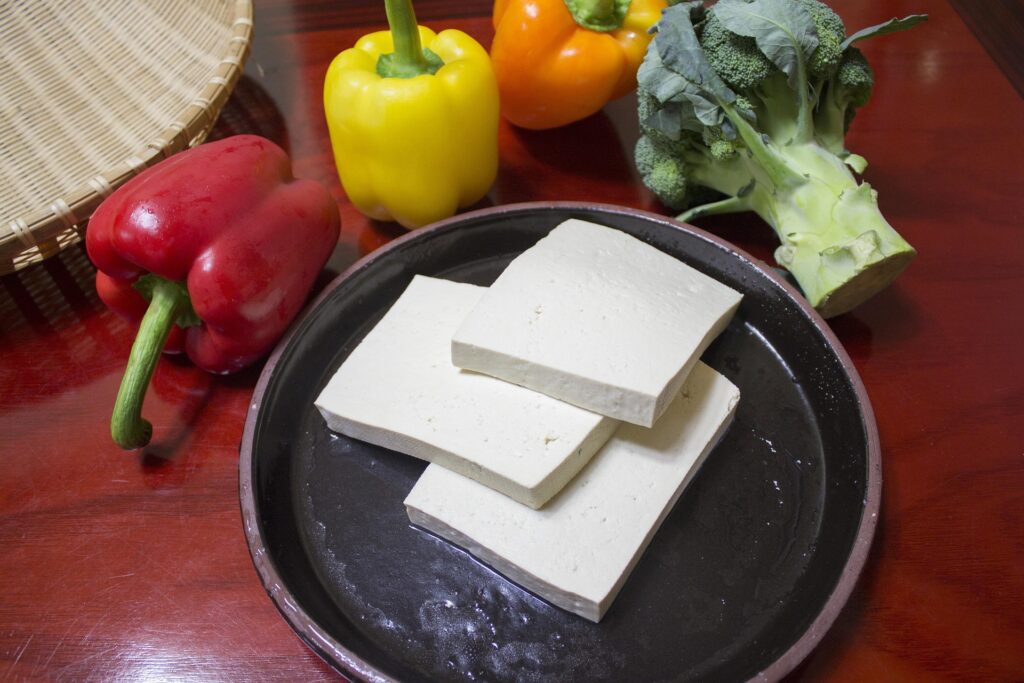
If tofu is a food you could live without with no hesitation, congratulations on being extremely normal. Tofu is coagulated soy milk pressed into blocks, and on its own, it tastes like almost nothing. That blandness is what people like about it because it absorbs whatever you cook it with. If this is what you’d drop, you value authenticity over trends, and you’re not the type to pretend you like something just because you’re supposed to. You’d rather go without than settle for something that’s trying to be something else.
Rice
If you’d give up rice without much thought, you’re someone who doesn’t confuse sustenance with satisfaction. Rice is functional and fills space on a plate, but it rarely makes anyone excited about a meal on its own. Walking away from it means you value foods that pull their own weight in terms of flavor and experience. You’re not dismissive of simplicity. You just want the simple things to actually matter when they show up.
Sushi
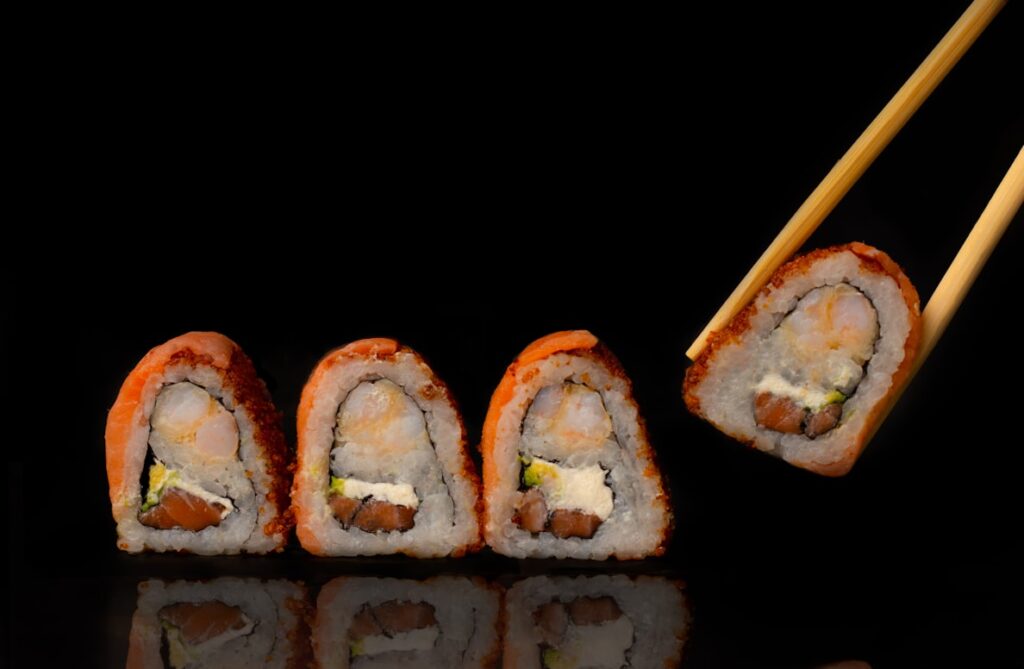
Walking away from sushi means you’re comfortable missing out on experiences other people treat as essential. You don’t need to be part of every cultural moment, and you’re fine letting others have their thing while you have yours. People who’d drop sushi first tend to be practical over adventurous, preferring reliability to novelty. You’re not close-minded, but you’re also not chasing experiences just because everyone else seems excited about them.
Oatmeal
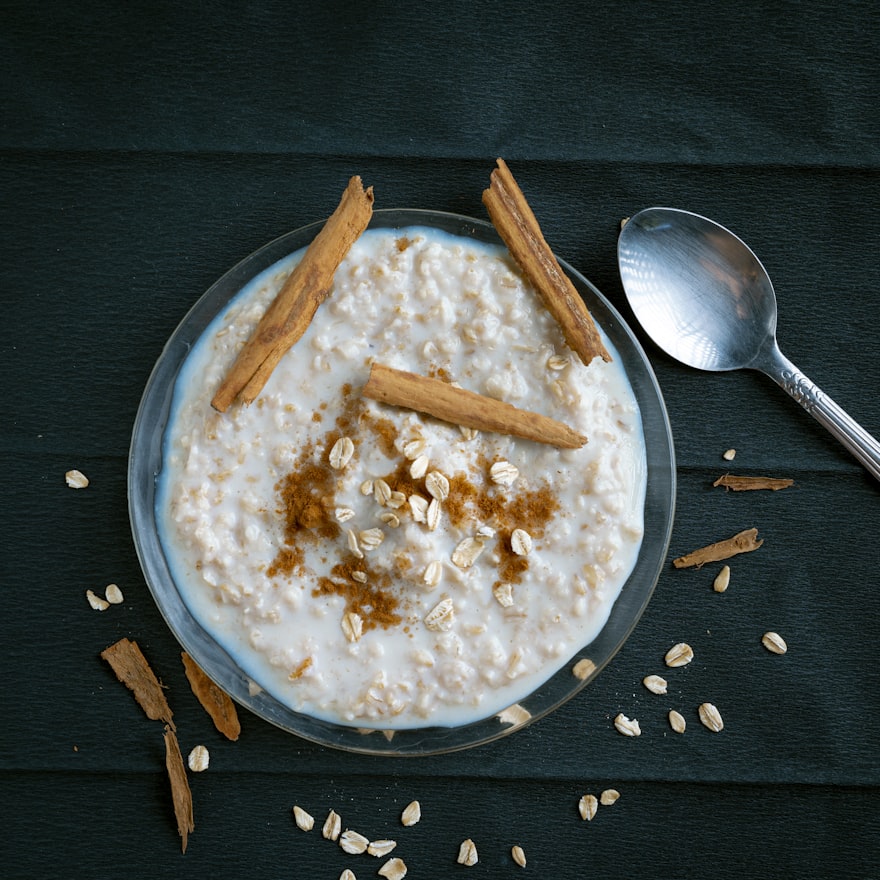
Giving up oatmeal suggests you resent the idea that food should be functional. You eat because you enjoy eating, not because something is good for you. The person who’d sacrifice oatmeal values pleasure over optimization. You’re probably skeptical of anyone who claims to genuinely love their morning routine of fiber and discipline. You’d rather sleep an extra 10 minutes than spend them being responsible. Life is too short for foods that exist purely because they’re sensible.
Salad
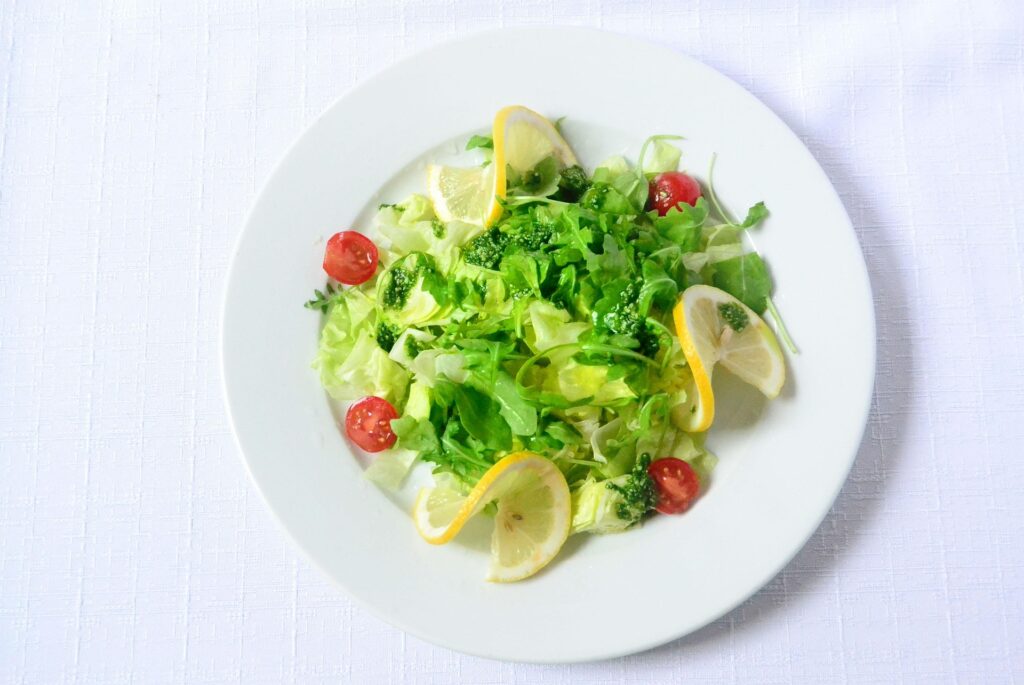
If salad is what you’d skip, you’ve made peace with who you are and stopped apologizing for it. You’re done pretending to be excited about leaves arranged on a plate, and you’re not interested in performing health for anyone’s approval. This doesn’t mean you’re unhealthy, just that you’re honest about what you actually want to eat. You value directness over appearances, and you’d rather admit your real preferences than maintain some fiction about loving kale.
Popcorn
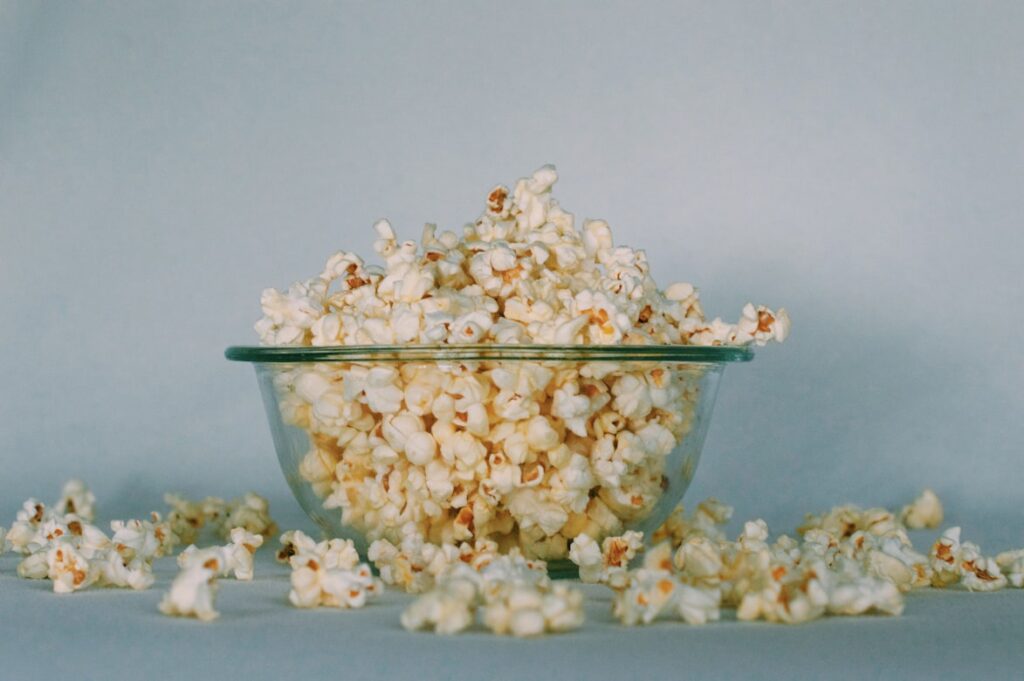
Abandoning popcorn means you don’t need rituals to enjoy experiences. You’ve never confused the snack with the entertainment, and you don’t rely on sensory cues to signal when fun is supposed to start. You’re probably the person who doesn’t need the perfect playlist to clean or the right mug for morning coffee, capable of being present without props. Low-maintenance in the best way, you enjoy things on their own terms without the full production.
Cereal
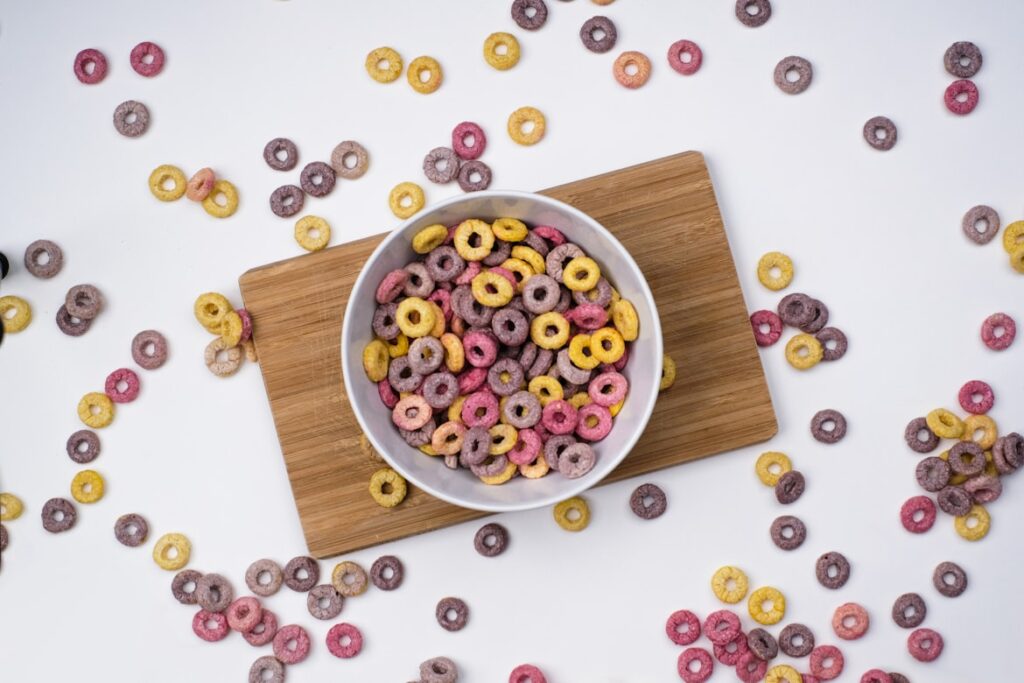
Letting go of cereal means you’ve outgrown certain conveniences without looking back. You probably associate it with a version of yourself you’ve left behind, someone who ate standing over the sink or poured a bowl at midnight because real meals felt like too much effort. People who sacrifice cereal first are more interested in who they’re becoming than who they used to be, but whether that forward momentum is growth or escape depends entirely on how you feel about the person you left at the counter.
Hot Dogs
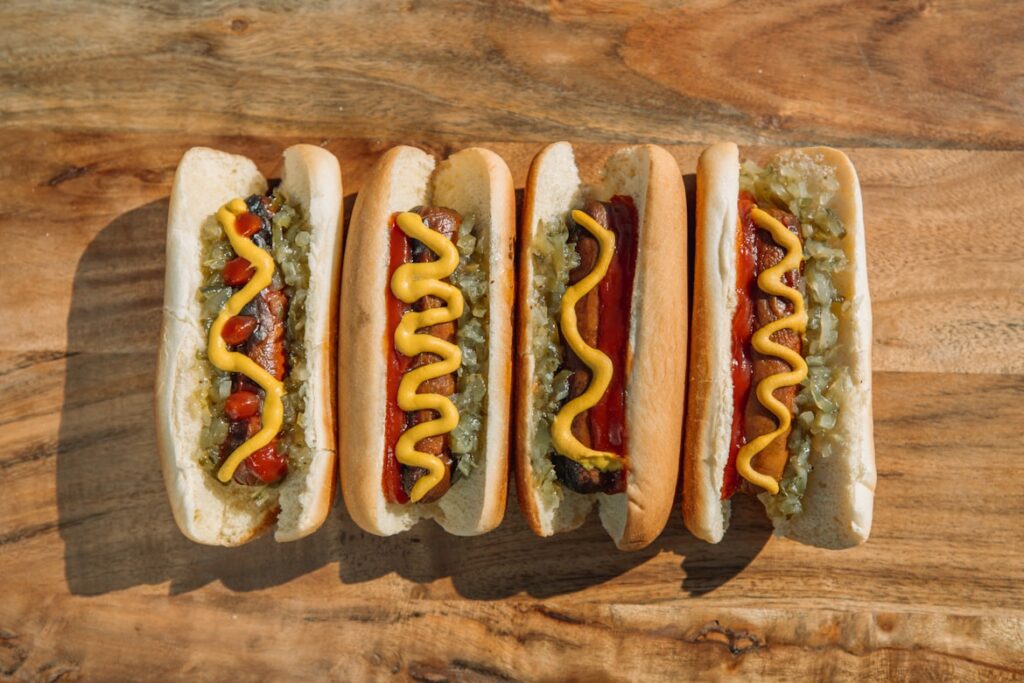
Giving up hot dogs means you’ve stopped pretending that nostalgia alone justifies keeping something around. You can appreciate a memory without needing to recreate it every summer, and you’re not going to eat something just because it reminds you of being 12. This makes you surprisingly clear-eyed about the difference between things that were fun and things that still are. You’ve grown up without losing your sense of enjoyment. You’ve just updated what you enjoy.
Chips
If chips are your answer, you’re either very self-aware about your habits or you just never liked them that much to begin with, and only you kTnow which is true. Chips exist mostly because they’re there, not because anyone craves them the way they crave other foods on this list, so walking away means you can tell the difference between wanting something and just reaching for it, a distinction that’s rarer than it sounds. You’re probably also the person who unsubscribes from emails instead of just deleting them, who fixes small annoyances rather than learning to live with them.
Pancakes
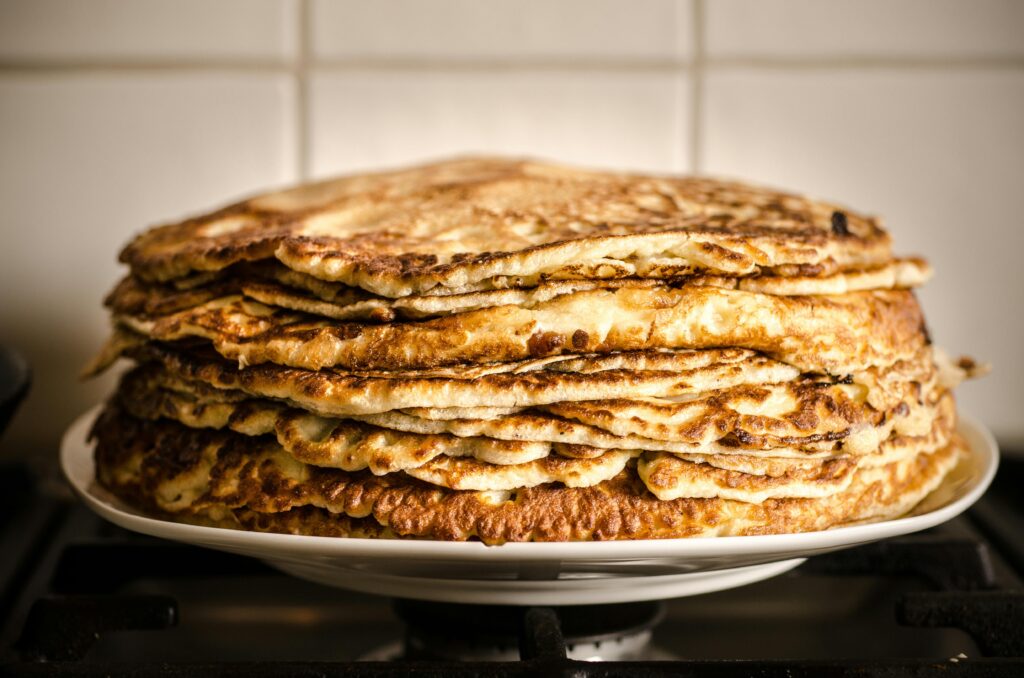
If you’ve chosen pancakes, you’re not particularly attached to weekend rituals. Some people build their entire sense of leisure around specific breakfast foods, but you’ve found other ways to mark the shift from weekday to weekend. You don’t need food to signal that you’re relaxing, and you’re not sentimental about brunch as a concept. You rest when you need to rest, and you don’t require a stack of carbs to give you permission.
Bread
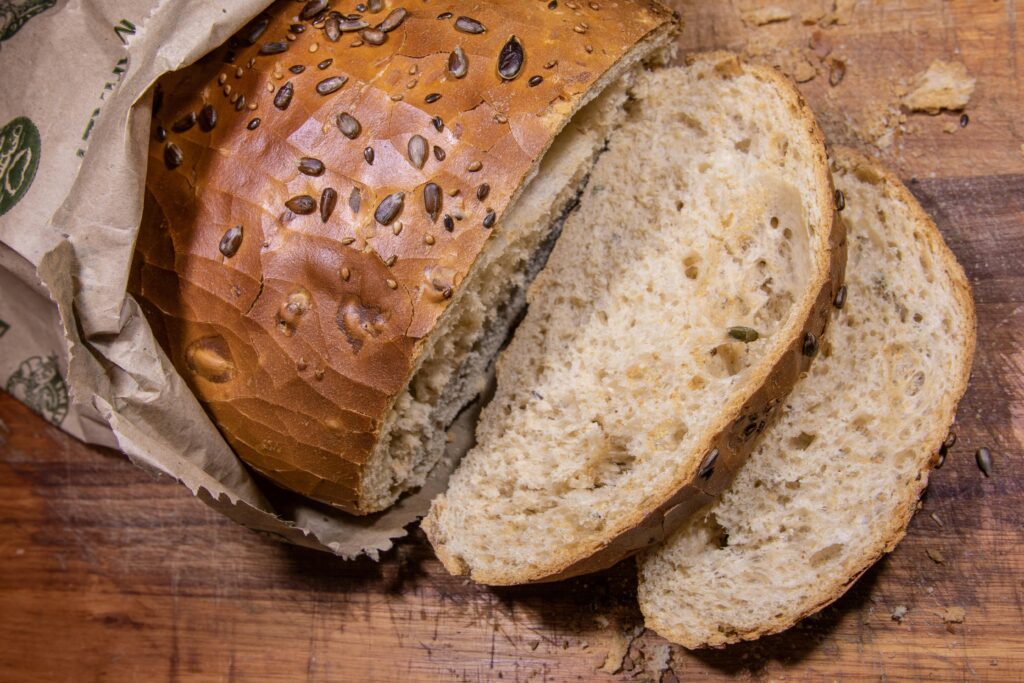
Sacrificing bread means you’re willing to make real changes for real results. Humans have baked bread for over 14,000 years, according to a study in the Proceedings of the National Academy of Sciences, so walking away from something that ancient takes more than casual willpower. You understand that getting what you want sometimes means giving up what comes easily, and this isn’t about following a diet trend. You’ve decided the outcome matters more than momentary satisfaction.
Pasta
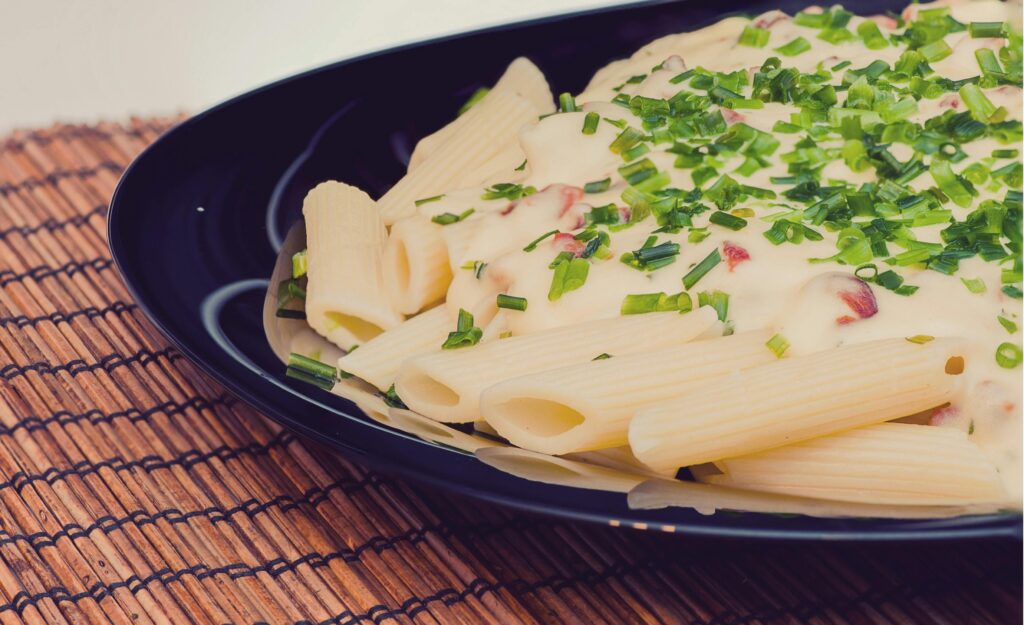
Walking away from pasta means you’ve learned to question things everyone else just accepts. Pasta seems essential until you realize it’s mostly a vehicle for other flavors, and you’ve noticed this. You’re analytical without being cold about it, and you make decisions based on what actually adds value rather than what tradition says you should keep around. You can let go of sacred cows when they stop making sense.
Peanut Butter
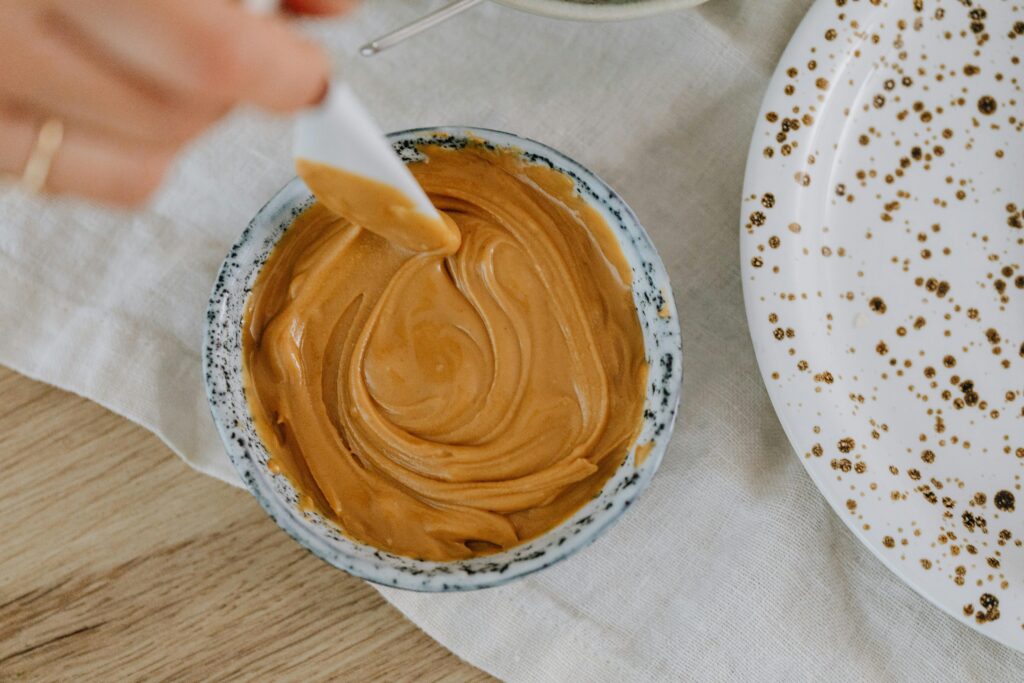
Abandoning peanut butter suggests you’re not particularly sentimental about the small stuff. Some people treat it like a personality trait, but you see it for what it is, just food. Unlike the taco people who don’t need food to signal their identity, you’ve gone a step further and stopped understanding why anyone would. You save your passion for things that actually deserve it, and peanut butter has never once made that list. That makes you even-keeled and easy to be around.
Tacos
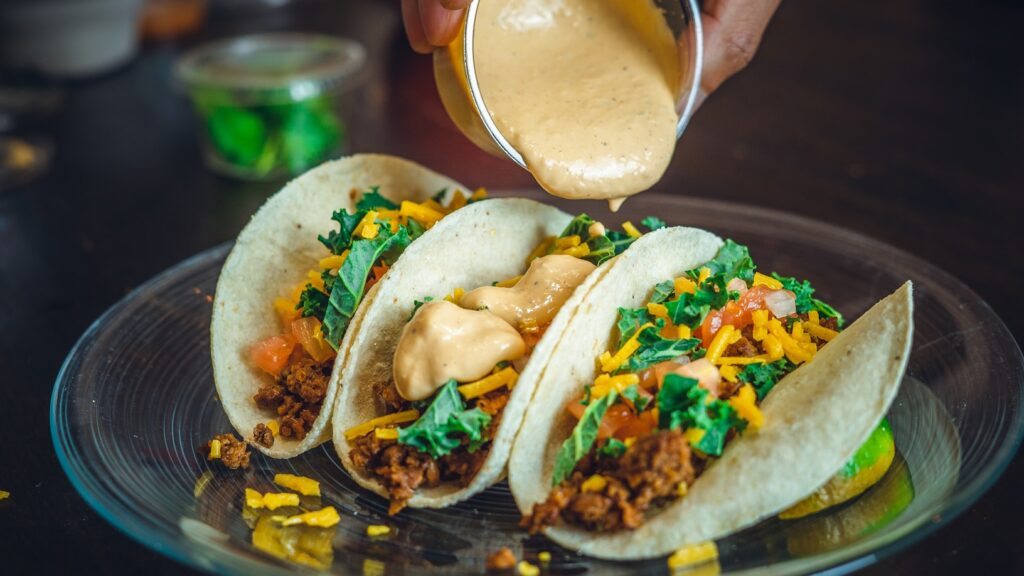
Walking away from tacos means you’re secure enough in your identity that you don’t need food to signal anything about your personality. Tacos have become cultural shorthand for being fun and casual, but you don’t need that shorthand. You’re comfortable being perceived however people perceive you, and you’re not using your food choices to communicate who you are. Your identity comes from somewhere more substantial than what you order.
Wings
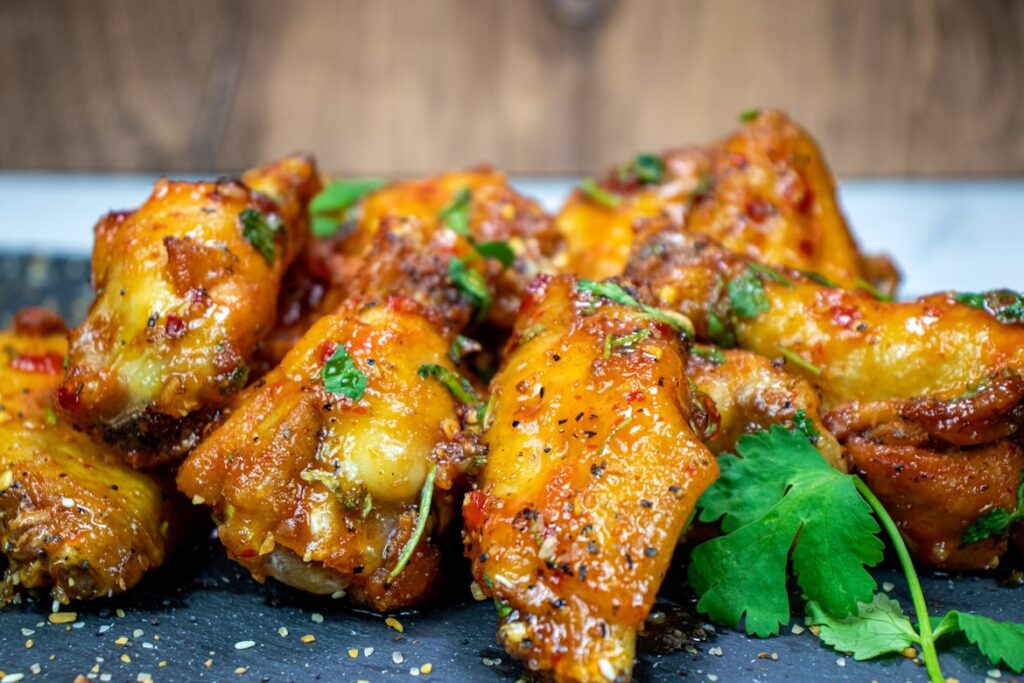
Walking away from wings means you can separate the social event from the food that comes with it. Wings have become synonymous with watching games and hanging out with friends, but you understand that you can do both without them. You’re present for the people and the experience, not the menu. This makes you adaptable in group settings because you’re not the one holding up decisions or insisting on a specific restaurant for everyone else.
Fried Chicken
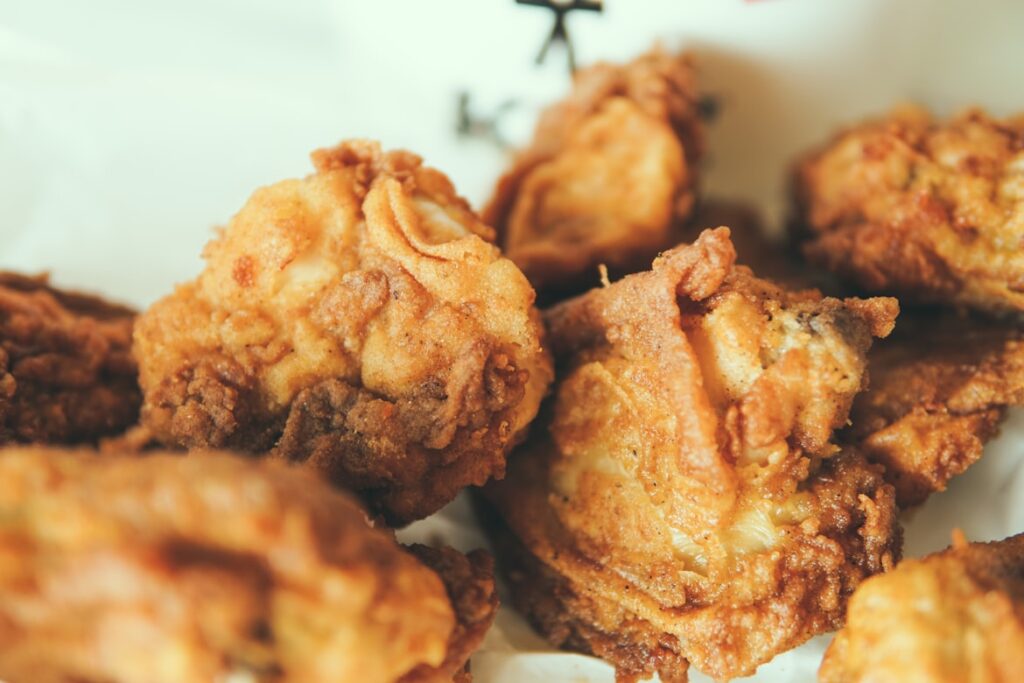
If fried chicken is what you’d leave behind, you’re probably someone who’s learning to separate comfort from indulgence. You understand that some pleasures come with baggage, and you’re willing to set them aside when the cost outweighs the reward. This doesn’t make you joyless, just thoughtful about what you actually need versus what you’ve been conditioned to crave. You’re figuring out what genuinely makes you happy versus what just feels familiar.
Mac and Cheese
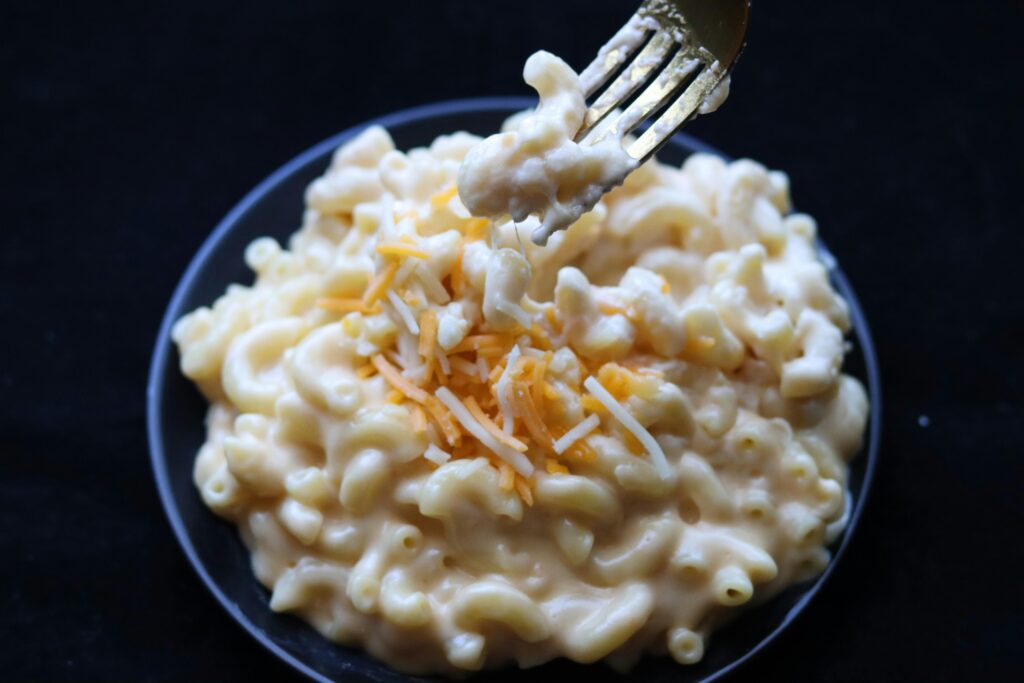
If mac and cheese tops your list, you’ve developed some resistance to comfort food as a category. Plenty of foods try to soothe you through texture and warmth and childhood memories, and mac and cheese does all three at once. Walking away means you’ve either found other ways to feel comforted or you’ve decided that comfort itself is something to be suspicious of. That second option might be worth examining, because people who reject easy comfort aren’t always being disciplined. Sometimes they’re just not great at receiving care, even from themselves.
Bacon
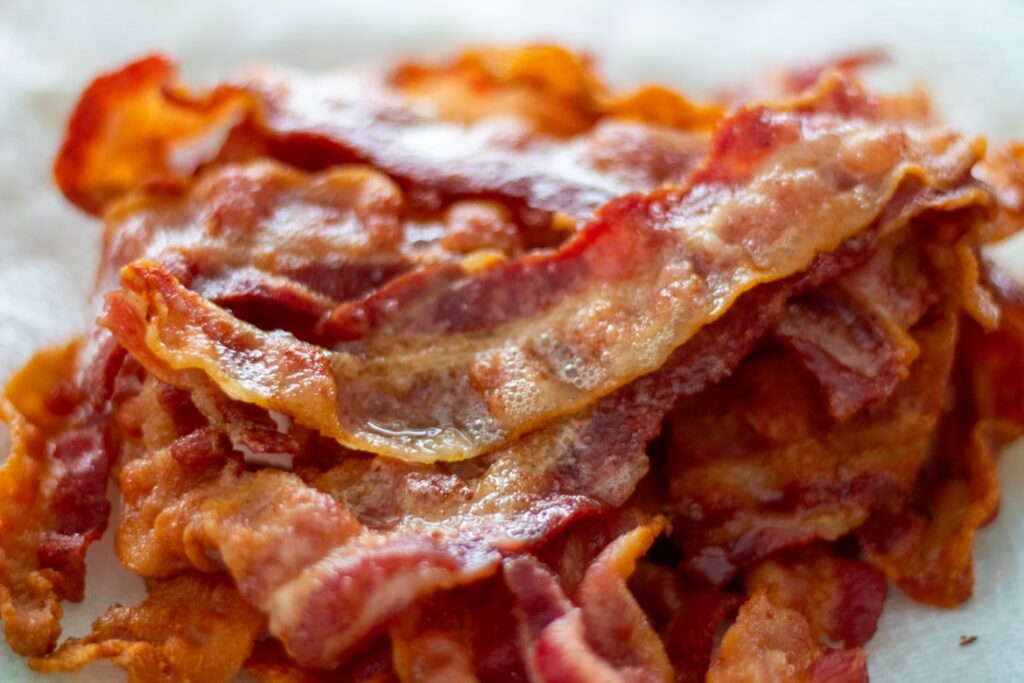
Giving up bacon signals that you don’t worship at the altar of maximalism. While others treat it as a mandatory addition to everything, you can take it or leave it. This suggests a certain groundedness, an ability to enjoy things without needing them to be extreme or excessive. You appreciate subtlety and don’t require every experience to be turned up to eleven. You find that restraint actually makes pleasure more meaningful when you do indulge.
Ice Cream

Letting go of ice cream means you’ve developed some immunity to nostalgia as a manipulation tactic. Plenty of foods try to remind you of being a kid, and ice cream is the most aggressive about it. You’re not heartless, but you’re also not making decisions based on how something makes you feel about your past. You live more in the present than most people, and you’re suspicious of anything that tries too hard to access your emotions through memory.
French Fries
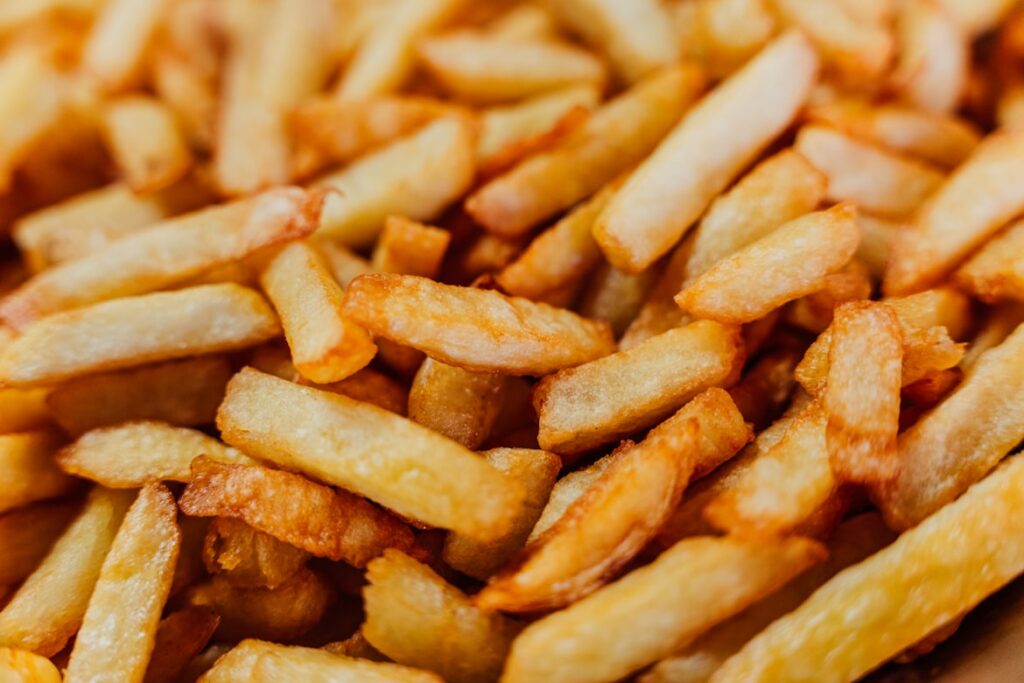
If french fries are what you’d give up. You’re capable of walking away from universally beloved things without feeling like you’re missing out. This takes genuine confidence because fries are one of the few foods almost everyone agrees they can’t live without, from kids to adults and across every demographic. You don’t need consensus to feel secure in your choices, and you’re comfortable being the exception without making a big deal about it.
Chocolate
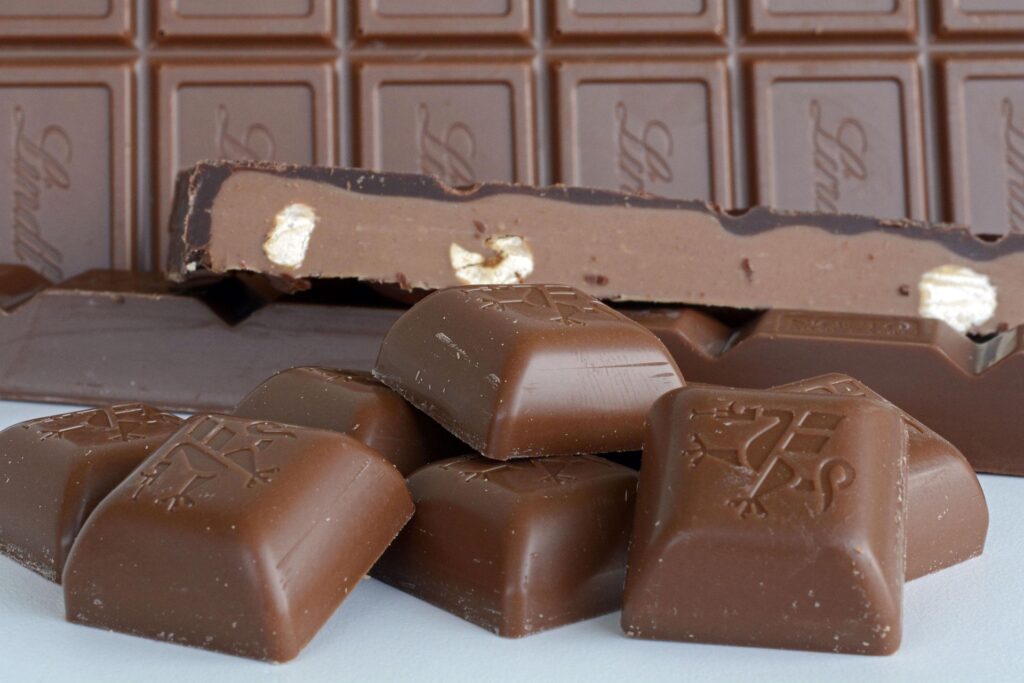
Abandoning chocolate puts you in rare company. Most people have an emotional relationship with it that goes beyond taste, but you’ve somehow avoided that attachment. You’re probably not easily soothed by external things in general, preferring to manage your emotions through other means. This could make you seem a bit self-contained to others, but it also means you’re not dependent on substances or rituals to feel okay.
Steak
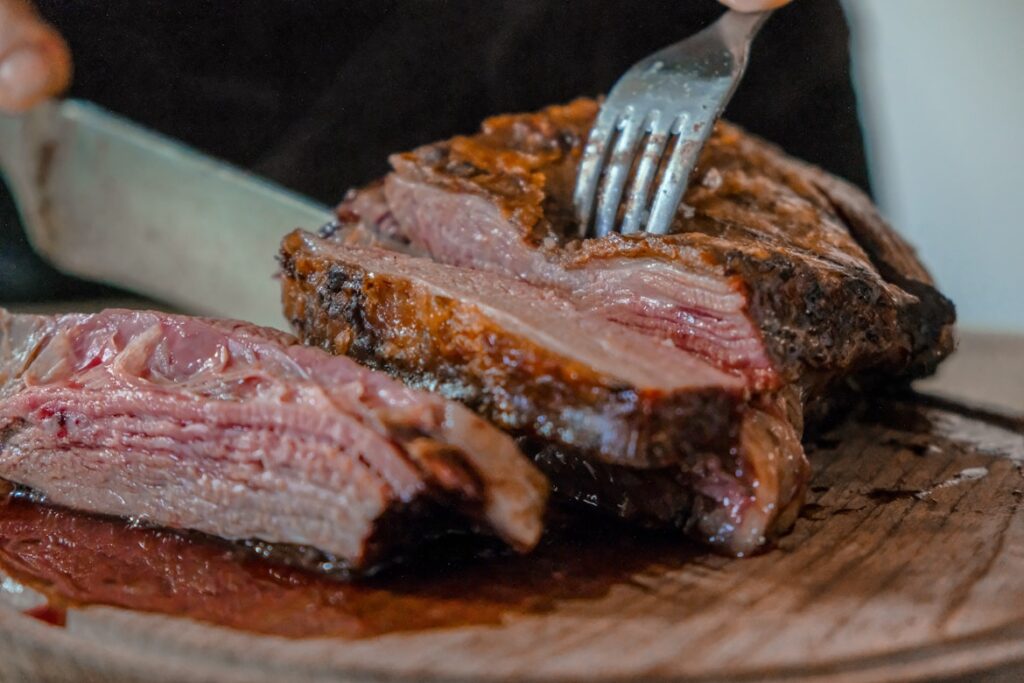
Giving up steak means you’re not particularly moved by foods that signal status or celebration. Steak carries connotations of achievement and reward that most other proteins don’t, and plenty of people use it to mark special occasions or tell themselves they’ve earned something. You don’t need that kind of reinforcement from your food. You celebrate in other ways, and you’re not convinced that what’s on your plate should have anything to do with how you feel about your accomplishments.
Read More: 20 Foods That Will Never Expire
Burgers
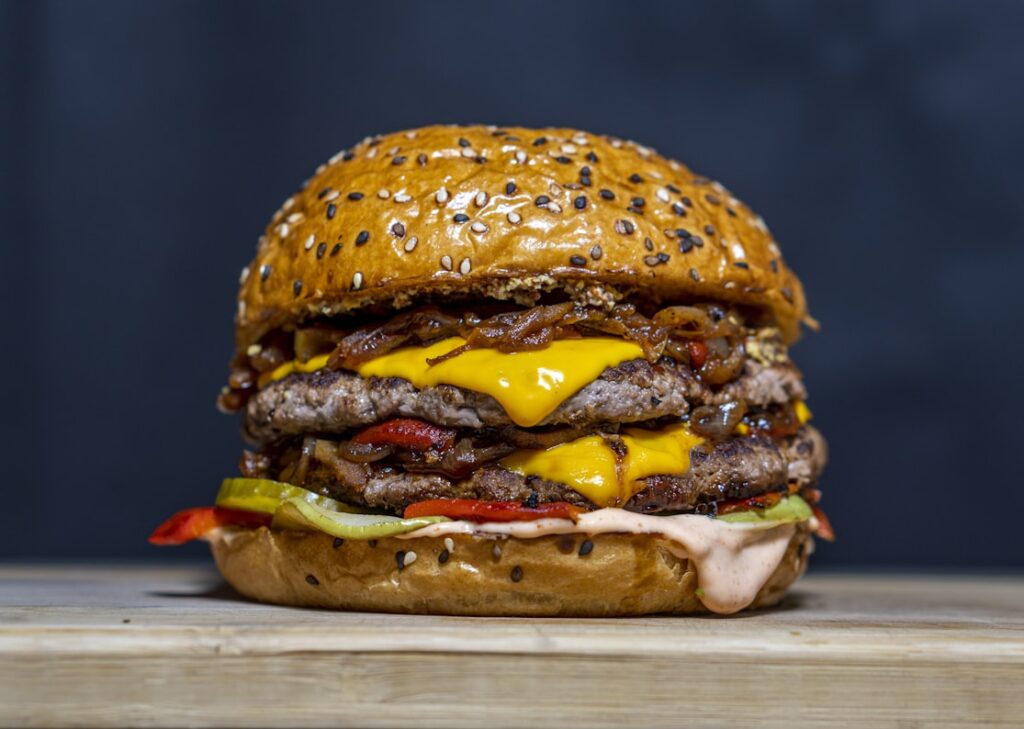
If burgers are what you’d cut, you’re willing to walk away from something embedded in shared cultural memory. This suggests you don’t automatically inherit your values from the world around you. Which takes a certain kind of self-awareness that not everyone develops. You think for yourself about what matters, and you’re not sentimental about traditions just because they’re traditions. You’re comfortable being slightly out of step with everyone else.
Pizza
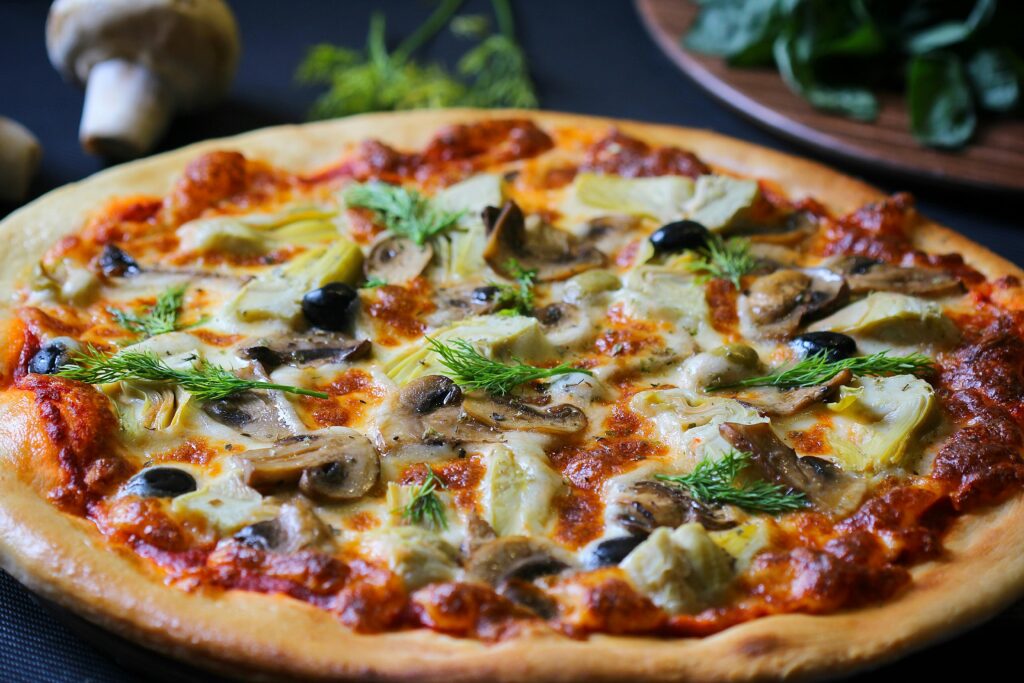
Giving up pizza means you’ve achieved a level of detachment that most people can’t access. Pizza represents shared experience, convenience, celebration, and comfort all in one. Walking away from it signals that you’re not driven by what’s easy or what everyone else is doing. You might be a bit of a loner in the best sense, someone who’s self-sufficient and doesn’t need group consensus to enjoy your life. Solitude feels more like freedom than deprivation to you.
Cheese
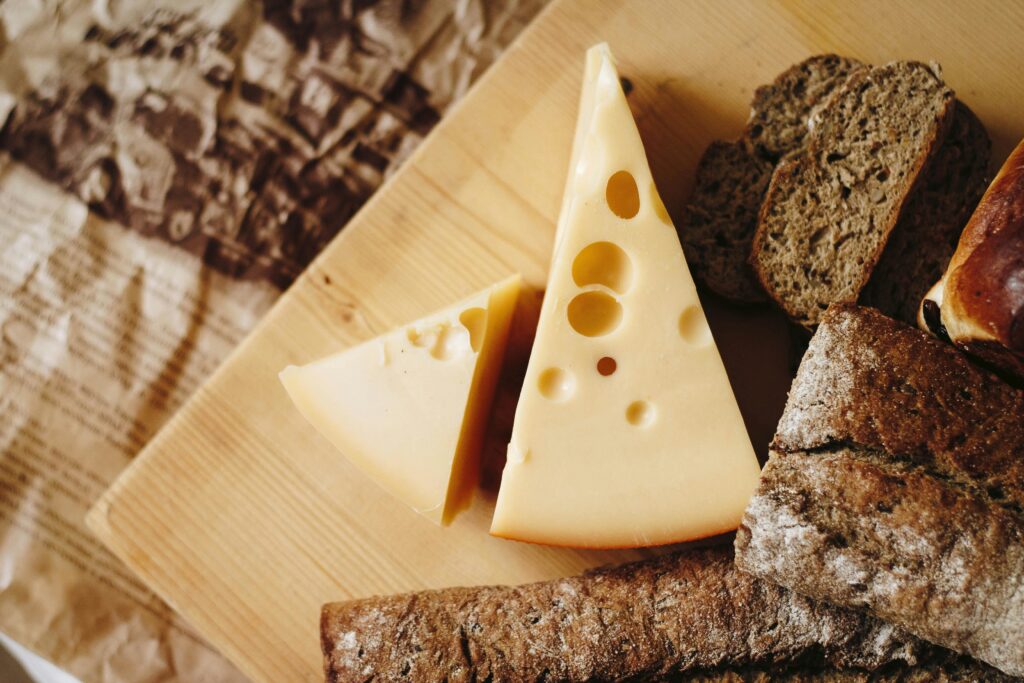
If cheese is your breaking point, you have rare self-control and very little sentimentality about pleasure. During digestion, the milk protein casein breaks down into casomorphins, which have an opiate-like effect. Though according to Houston Methodist, no studies show these compounds actually affect the human brain’s reward center enough to count as addiction. The real pull is fat and salt. Choosing to abandon cheese anyway suggests you operate on a different frequency than the cheese-obsessed majority.
Coffee

You’d give up coffee before anything else, which makes you rare. According to Johns Hopkins Medicine, about 90% of adults in the United States use caffeine regularly. And withdrawal affects 50% of habitual coffee drinkers. The DSM-5 recognizes caffeine withdrawal as a clinical syndrome, and it can kick in from as little as one small cup a day. Walking away from something this embedded in daily life is either the most disciplined choice on this list or the most chaotic.
So What Does It All Mean

The food you’d sacrifice says less about your taste and more about where you draw lines. Some people protect their daily rituals above everything else, while others guard the foods tied to celebration and connection. Neither is right nor wrong, and there’s no superior answer hiding at the top or bottom of this list. But knowing where your line falls can tell you something about what you actually value when everything else gets stripped away. The easiest sacrifices are the ones that don’t cost us anything we care about, and the hardest ones force us to admit what we can’t imagine living without.
Read More: The Most Iconic Food Brands From Each State