
As most households across the globe and particularly in the U.S. feel the financial crunch, people are searching for methods to cut spending. The U.S. Consumer Price Index rose 2.7% over 12 months ending December 2025; meanwhile, Canada’s inflation rate hit 2.2% year over year in November 2025. With these statistics in mind, it’s quite clear that household budgets feel particularly tight. Consequently, people are turning to budgeting systems that stop overspending without requiring daily willpower. One method, cash stuffing, has seemed to have caught on amongst households in an effort to cut spending and save. The age-old tradition of cash stuffing forces you to see your spending limits instead of assuming how much you spend.
Cash stuffing is a low-tech budgeting strategy that involves withdrawing physical cash, dividing it into labeled spending categories, and spending only what sits in each envelope. When an envelope runs empty, spending in that category stops until the next cycle. This approach makes your finances a physical, tangible thing rather than conveniently accessed through cards. However, jumping into a fully cash-only lifestyle can backfire fast without proper planning.
Why People Are Switching To “Cash-Only”

Inflation may be cooling on paper, but price fatigue changes behavior regardless of official statistics. You notice your grocery total and fuel receipts, not monthly CPI charts published by government agencies. Meanwhile, credit card balances and interest costs keep climbing for many households across North America. This combination makes the “swipe now, regret later” cycle feel unbearable for people juggling multiple expenses. Therefore, cash stuffing feels like a clean financial reset that replaces vague budgeting apps with hard stops. That mental shift can calm money anxiety quickly for those drowning in small purchases.
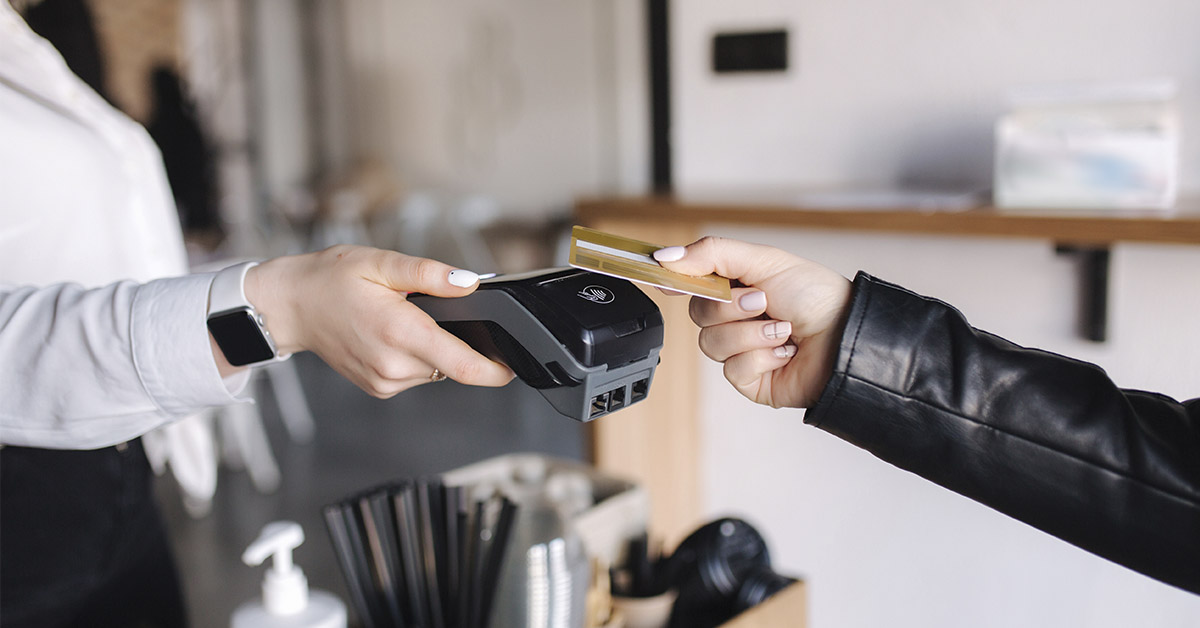
Cash also helps when you struggle with impulse buying that digital payments make too easy. Research published in 2025 on digital payment psychology links frictionless checkout processes to higher impulse purchase rates. In other words, when the payment process feels invisible, spending naturally increases without conscious thought. Cash brings back a physical sense of loss with every transaction you make. Consequently, many people spend substantially less when they hand over bills instead of tapping cards.
However, fear can push people into extreme financial choices they have not fully thought through. Banking worries, privacy concerns, and debt shame often drive someone toward a strict cash-only plan. However, in our modern world, living “cash-only” has operational limits. Many essential services require digital payment methods, including subscriptions, travel bookings, and emergency purchases. Additionally, cash offers no dispute resolution system after a transaction goes wrong with a merchant. Therefore, the best financial plan usually strategically blends cash discipline with card protection.
Setting Yourself Up To Do “Cash-Stuffing”
Start by choosing a budget cycle length you can realistically maintain over months, not weeks. Weekly cycles work best for people with irregular spending patterns or extremely tight budgets. Monthly cycles work better when you receive paychecks twice a month on predictable dates. However, never try to convert every spending category to cash at once from the get-go. Instead, carefully pick 2 to 4 problem categories where you consistently overspend each month. Groceries, takeout, and random personal shopping usually belong in envelopes first for most people.
Next, build your envelope amounts from actual spending data instead of wishful thinking. Pull your last 30 days of transactions directly from your bank or card statements. Then, total up each problem category separately and divide by your chosen cycle length. If groceries ran $800 last month, start testing $200 per week in that envelope. Meanwhile, leave all fixed bills like rent and utilities on automatic electronic payment systems. Cash stuffing works best for flexible discretionary spending, not for fixed obligations with late fees.
Now set up physical envelopes or a wallet system that matches your real daily life. Use paper envelopes, a zippered binder system with pockets, or a dedicated cash budgeting wallet. Label each envelope clearly with both the category name and the total cycle amount. Then withdraw only the exact total you budgeted for those specific envelopes at the start. Keep everything else safely in your bank account for bills, savings, and true emergencies. Following this setup, carry only the cash you actually need for that specific day’s errands. This single habit dramatically reduces your exposure to loss or theft while out in public.
Rules To Keep The System Operational
Make one clear rule about overspending before you even start your first cash cycle. With rule one: when the envelope is empty, spending stops completely. Rule two offers flexibility: you can move money between envelopes once per cycle, then stop. Either rule works fine, but you absolutely must decide which one before starting the system. Otherwise, you will negotiate with yourself every single day about exceptions and special circumstances. That constant negotiation kills budgets faster than overspending does in the first place. Therefore, write your chosen rule directly on each envelope in permanent marker for accountability.
Build a small buffer envelope specifically to prevent panic when unexpected costs appear suddenly. Label it something clear, like “Price jumps” or “Life happens,” so you remember its purpose. Put a small amount there each cycle, even if it is only $10 or $20. Then use that buffer only for real surprises, not boredom shopping or impulse buying wants, and not needs. Groceries can spike unexpectedly, children require last-minute school supplies, or parking costs hit you harder than planned. Without a dedicated buffer envelope, you will raid other categories, defeating the purpose of this method in the first place. Consequently, the buffer keeps you consistent through rough weeks when everything costs more than expected.
Track every single cash purchase in a way you will use long-term. Keep all receipts inside each envelope, then count up your totals each week to understand your spending patterns and behavior. Alternatively, log each cash spend immediately in your phone notes app right after the purchase. This tracking step is not optional if you want useful data to improve your budgets. Consequently, careful tracking helps you tighten categories strategically without random guessing or frustration. It also reveals exactly what you can cut without feeling genuinely deprived by the changes.
What You Gain With Cash-Only
Cash creates deliberate friction to purchases, and that friction changes how you spend. This friction helps especially with small daily purchases that seem harmless but add up. A $6 coffee does not register as a financial crisis at the time of purchasing. However, that daily habit adds up to $180 every single month without conscious awareness. Cash makes those micro-trades visible immediately because your envelope empties faster than you expect. Therefore, you notice spending patterns you completely ignored when swiping cards on autopilot. This heightened awareness often reduces discretionary spending naturally without feeling deprived or restricted constantly. Instead, it feels like regaining control over money that was slipping away right under your nose.
Cash can also protect you from dangerous interest rate spirals when credit becomes too easy. When you remove the option to borrow instantly at every checkout, you spend only what exists. As credit card interest rates feel like financially punishing on carried balances, this boundary can help mitigate any of the distress caused by credit card interest. However, cash alone does not remedy income gaps or structural budget problems permanently. It is only a method to assist you in controlling your monetary outflow more effectively than digital payments. Therefore, you still need a separate strategic plan for building savings and paying down debt. Cash stuffing can support that larger plan effectively, but it cannot replace comprehensive financial planning.
The Risks and Pitfalls of Cash-Only
Switching to cash-only living removes valuable card protections that save you when things go wrong. If a product arrives damaged or does not match the description, you can place a credit card dispute for the purchase. If a shop outright refuses to provide a promised refund, your card issuer may step in and contend on your behalf. Cash gives you almost zero options after the money leaves your hand in a transaction. Therefore, using cash for high-risk purchases with new vendors can backfire badly if there are any disputes or returns of the purchase. This risk includes travel bookings, large online orders, and hiring contractors for home projects. Keep cards available for those specific high-risk areas whenever possible for your own protection. Consumer protection matters far more than abstract “discipline” when you lose hundreds of dollars.
Cash also dramatically increases your chances of suffering a total loss from theft or accidents. If you lose your wallet while out shopping, that money is gone forever. In the event of a home robbery, any cash that is stolen is taken without any insurance or coverage. Additionally, carrying large amounts of cash around in public makes you a vulnerable target. Carry only that specific day’s budgeted money, not the entire month’s cash supply at once. Keep the rest hidden securely at home, and tell absolutely nobody where it sits. That single cautious habit reduces your theft risk immediately without compromising the budgeting system.
Living entirely on cash also creates significant administrative problems you must handle consistently. You must track income sources, categorize expenses, and organize receipts far more carefully than before. This tracking burden matters most for business owners and people with side hustles. Kelly Phillips Erb wrote clearly that getting paid in cash is completely legal. However, she specifically warned it can invite closer scrutiny from tax authorities without proper records. Therefore, heavy cash use actually requires stronger bookkeeping systems, not weaker or more casual tracking. If you genuinely hate tracking and recordkeeping, going cash-only will hurt you at tax time.
Tax & Legal Issues with Cash
Getting paid in cash is legal, but it opens you to higher scrutiny levels. Tax authorities may compare your reported income against industry standards to spot discrepancies between what came in versus what you reported. For example, if your income seems uneven across months, annotate your receipts with clear explanations. Keep detailed and consistent recordings of your earnings showing exact sales dates and amounts received from each transaction. If you accept a lot of physical cash daily, regularly reconciling cash in against cash out protects you. These records will be of greatest importance if questions arise years later during an audit review.
Large cash transactions can trigger mandatory reporting requirements under federal law in both countries. If you receive more than $10,000 in cash in one transaction, you must file IRS Form 8300. Transactions are considered related even if they occur more than 24 hours apart. You must report them if you know, or have reason to know, that each transaction connects. The Form 8300 instructions state it reports cash payments over $10,000 received in trade or business. Consequently, cash-heavy businesses or side hustles need proper systems, not just envelopes and good intentions. Failing to file when required triggers serious penalties that outweigh any perceived cash benefits.
Paying federal taxes with cash can work, but it has strict limits and fees. The IRS allows cash payments at retail partners, but limits apply to each transaction. IRS Publication 5250 states retail partners accept payments up to $10,000 per payment. Additionally, transaction fees apply, and payment barcodes expire after only 20 days from generation. If you want to pay more than $10,000 in cash directly, you must visit an IRS Taxpayer Assistance Center. You need an appointment scheduled 30 to 60 days before your desired payment date. Therefore, anyone relying heavily on cash should plan tax payments early and confirm channels. Last-minute cash tax payments create unnecessary stress and potential penalties for missed deadlines.
Travelling Safely with Cash
Carrying cash while traveling domestically requires caution but no special reporting in the United States. There is no legal limit to how much cash you can carry on domestic flights. However, you should prepare to answer questions if pulled aside by TSA or law enforcement. Dan Alban, senior attorney at the Institute for Justice, advises never consenting to vehicle searches. He notes police will probably search anyway if they suspect, but your lawyer can challenge it later. Keep your responses brief at any stop, providing only the license and registration required. Record as much of any encounter as possible, preferably video, but audio helps too.
Law enforcement can seize cash under civil forfeiture laws without charging you with any crime. Under these laws, the standard of proof is lower than criminal forfeiture requires. If police believe your cash could be connected to illegal activity, they may seize it. The Institute for Justice notes that in some states, the government can legally take property claimed to be connected to illegal activity without charging the owner. Therefore, carrying large amounts of cash creates the risk of seizure, even when you did nothing wrong. Keep receipts for large cash amounts, and never hide money in unusual compartments or false bottoms. Those actions create suspicion even when your intentions are completely legitimate and above board.
Crossing international borders with cash requires mandatory reporting above specific thresholds in both countries. If you carry cash or cash equivalents worth $10,000 or more, you must report it. Use FinCEN Form 105 when entering or leaving the United States with that amount. This reporting requirement applies whether you are entering the country or departing from it. Failure to report can result in seizure of your undeclared cash by customs authorities.
Read More: Son Impersonates Deceased Mother in ‘Mrs. Doubtfire’-Style Scheme to Collect Pension
What Works in The Long-Term
Cash stuffing works best as a temporary reset tool or a permanent system for problem categories. It rarely works as a complete replacement for your current and modern payment methods. Most people find success using cash for 3 to 5 flexible spending categories while maintaining one checking account and a credit card for everything else. This approach to your finances and spending avoids both the chaos of unlimited card access and the limitations of total cash reliance.
The key is building a system that matches your actual behavior, not ideal fantasies. If you hate carrying cash, do not force yourself into a permanent cash-only plan. If you cannot resist swiping cards, restrict card access to specific bill payments only. Therefore, honest self-assessment matters far more than following trendy budgeting advice from social media. Your system should reduce stress and increase control, not create new sources of shame. Test different approaches for 30 days each, then keep the ones that actually work in your life.
Finally, remember that no budgeting system fixes income problems or eliminates genuine financial emergencies. Cash stuffing controls discretionary spending, which helps when that is your actual problem. However, if your income cannot cover basic needs, you need income solutions alongside spending control. Therefore, pair cash stuffing with side income strategies, debt payoff plans, or professional financial counseling. The envelope system is a tool, not a complete financial solution for every situation. Use it strategically where it helps, and seek other solutions where it does not.