
Every year brings a new dessert obsession, and the treats that take over American kitchens say as much about who we were as what we craved. Some rise on advertising campaigns, others ride cultural moments like Hawaii’s statehood or a TV catchphrase that ended up on a cake mix box, and a few exist only because someone pulled a cake from the oven too early. None of it would have been possible if sugar had stayed a luxury only kings could afford, but once it became cheap and common, every generation found new ways to turn sweetness into something worth sharing. This is how it evolved, one year at a time.
Ancient Sweets and Honey-Soaked Beginnings
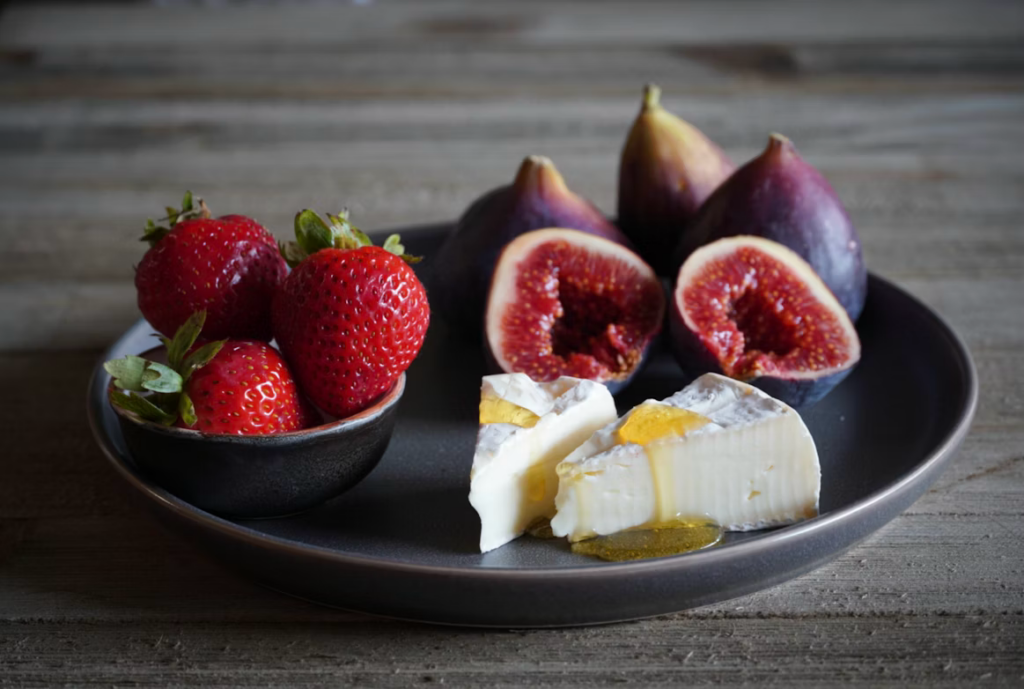
Long before sugar, we sweetened food with honey, dates, and figs. According to culinary historian Gil Marks, the earliest cakes in the ancient Near East combined mashed legumes with honey, and paintings in Ramesses II’s tomb depict folded honey cakes made with dates and nuts. Because honey acts as a natural preservative, Egyptians treated these cakes as symbols of immortality, placing them in tombs to sustain the dead and carrying them into battle to sustain the living. Greeks inherited the tradition and drizzled honey over fried dough, while Romans refined it by ending banquets with fruit and nut confections, establishing the Western custom of finishing a meal with something sweet.
Sugar Changes Everything
Sugar was first refined from cane in India around 500 BCE, and Arab traders carried it westward along the Silk Road. When it reached medieval Europe, it was so rare that people treated it like a precious spice or medicine, while the elite flaunted their wealth with elaborate sugar sculptures at banquets. They also practiced what they called the void, where guests left the dining hall while servants cleared the table, snacking on fruit, jelly, and sweets as they waited. This ritual laid the foundation for dessert as we know it. When Columbus brought sugarcane to the New World in 1493, he set in motion what would make sweetness accessible to everyone, and the first sugar harvest happened in Hispaniola just 8 years later.
The Rise of Modern Desserts
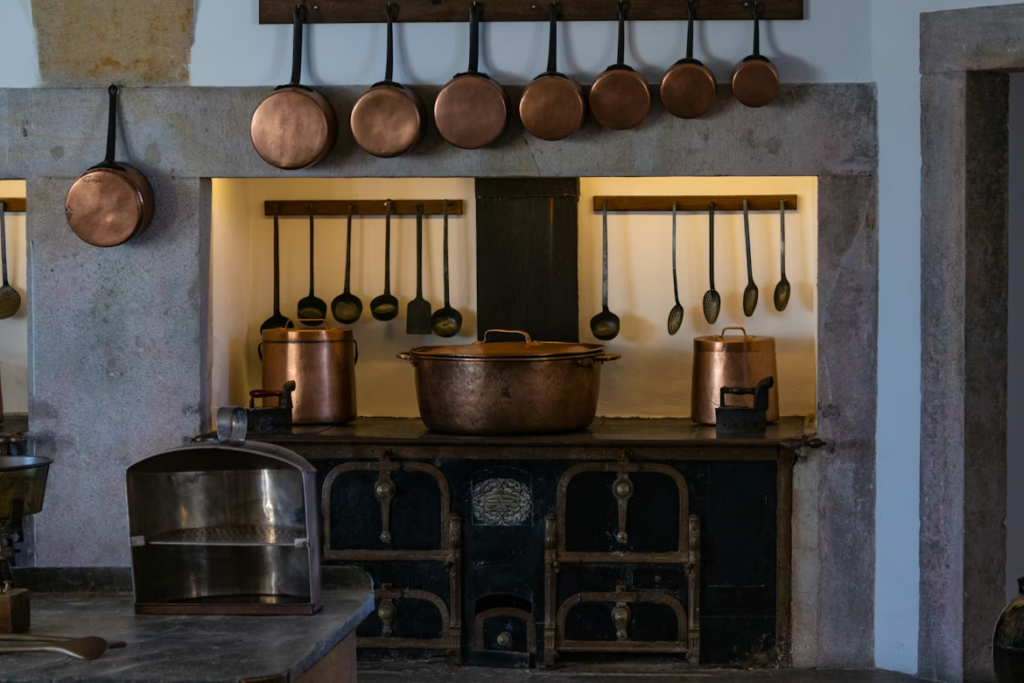
Sugar’s journey from luxury to staple happened fast, and by 1750, it had surpassed grain as Europe’s most valuable import, making up a 5th of all trade. But cheap sugar alone wasn’t enough to put pudding in ordinary homes. Cast iron stoves replaced open hearths in the 1800s, giving home cooks temperature control, and printed cookbooks carried French techniques into domestic kitchens. The oldest apple pie recipe appeared in England in 1381, but for centuries, only the wealthy could afford to make it.
The Convenience Era Takes Hold
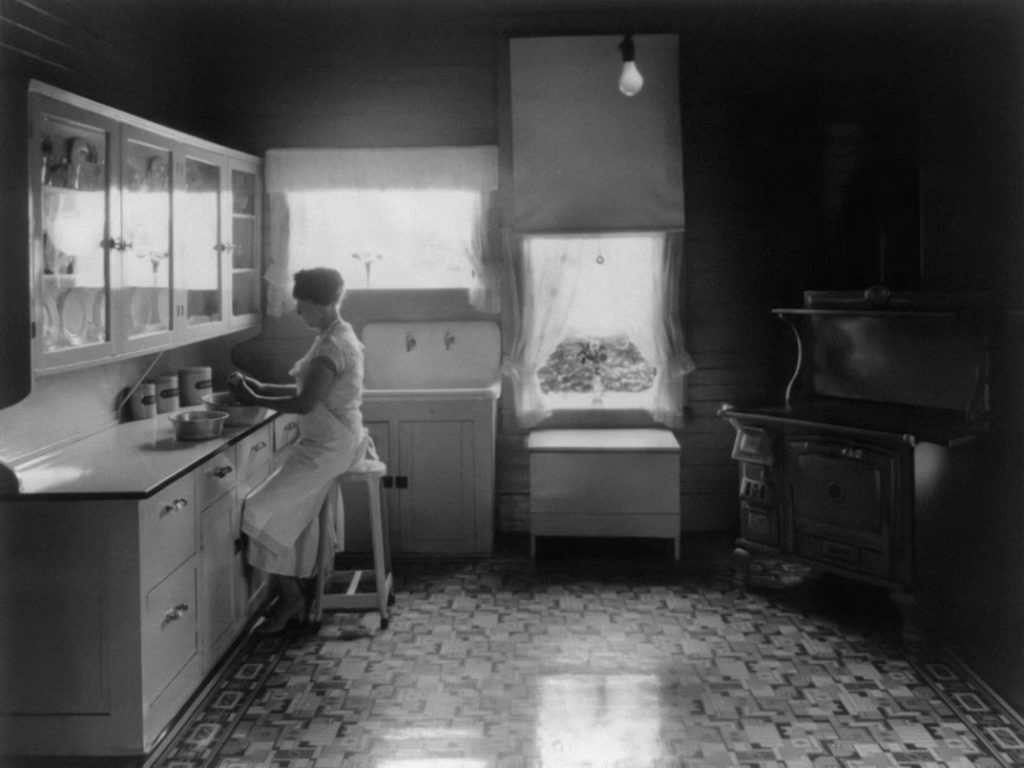
Image by: Unsplash
The 20th century brought refrigeration, boxed mixes, and Jell-O to American kitchens. Before powdered gelatin, making a molded treat meant hours of boiling beef bones, chilling and skimming stock, then heating it again to clarify. Jell-O changed that, though success didn’t come easily. The original patent holder tried to sell his product for $35 and couldn’t find a buyer, but after a desperate advertising campaign calling it “America’s Most Famous Dessert,” sales hit the million-dollar mark by 1906. Cake mixes followed, and by 1947, more than 200 companies produced them. Mass production and national advertising meant desserts could now rise and fall with the times.
1954 Angel Food Cake
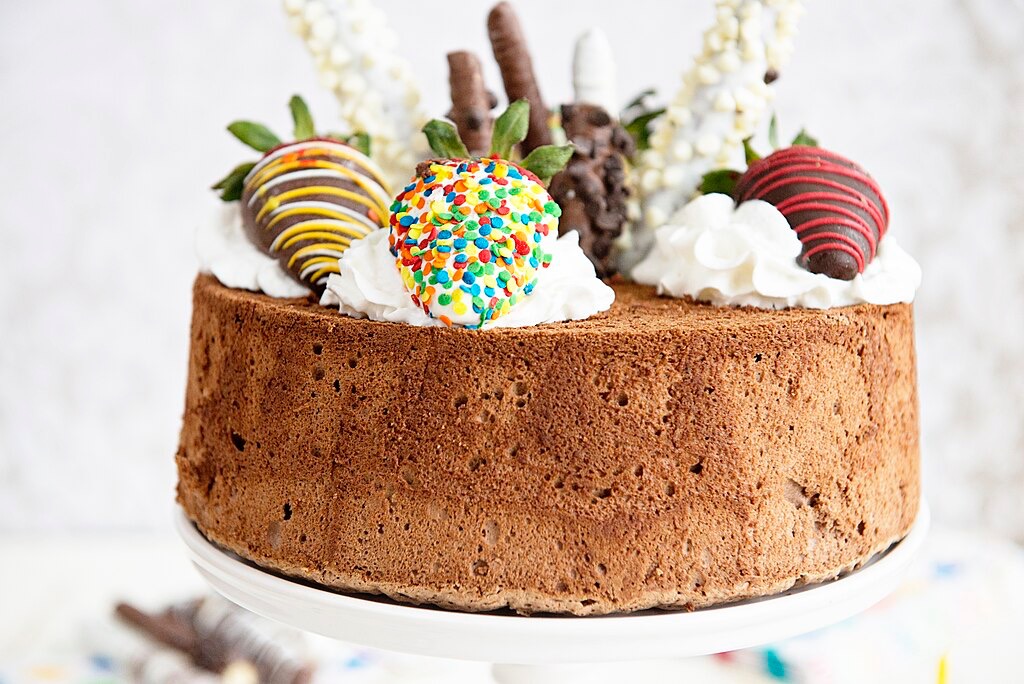
Angel food cake had always been the kind of showpiece that proved a baker knew what she was doing, but traditional recipes required a dozen egg whites beaten to stiff peaks, and one wrong move could deflate the whole thing. Betty Crocker solved that when General Mills released a boxed mix, and home bakers who had never attempted the recipe were pulling tall, golden-white cakes from their ovens.
1955 Pineapple Upside-Down Cake
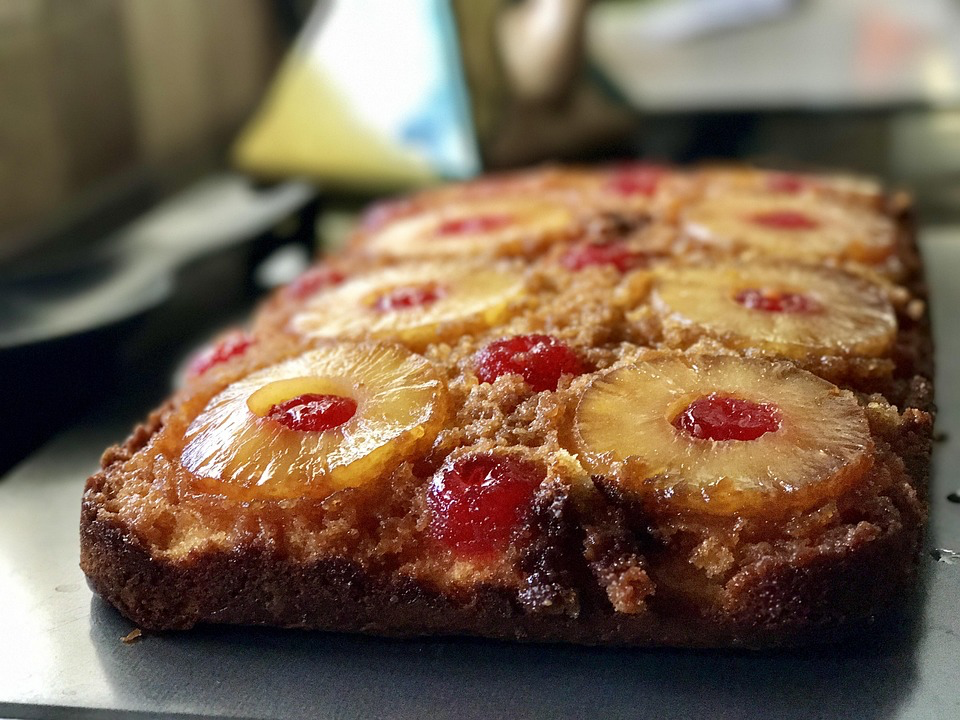
Canned pineapple had been around since the 1920s, but Dole and Del Monte were pushing it harder than ever with recipe ads in every woman’s magazine, and pineapple upside-down cake became the go-to way to use it. You started with butter and brown sugar in a skillet, layered pineapple rings and maraschino cherries on top, and poured cake batter over everything. When you flipped it onto a plate after baking, the fruit had caramelized into a glossy topping that looked like it took real skill. It didn’t, and the single skillet meant one less pan to wash.
1956 Baked Alaska
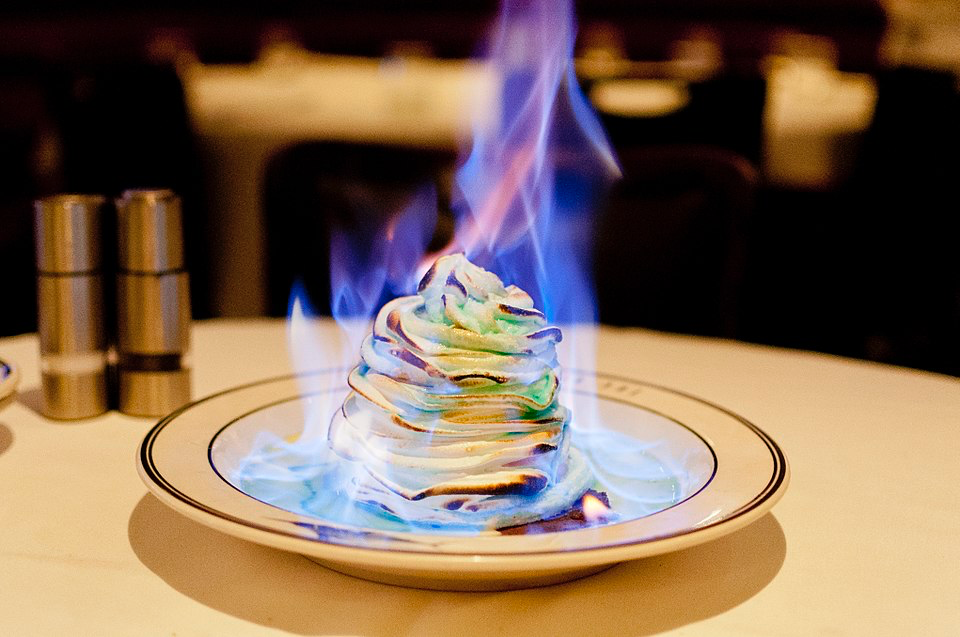
Baked Alaska had existed since 1867, but it found its moment when dinner parties became a competitive sport. You layered ice cream and sponge cake beneath thick meringue, then put the whole thing in a hot oven just long enough to brown the outside while the ice cream stayed frozen. That seeming impossibility was the point. Guests gasped when it arrived, but the timing had to be perfect, or everything melted into soup. Pulling it off meant you knew what you were doing.
1957 Cherries Jubilee
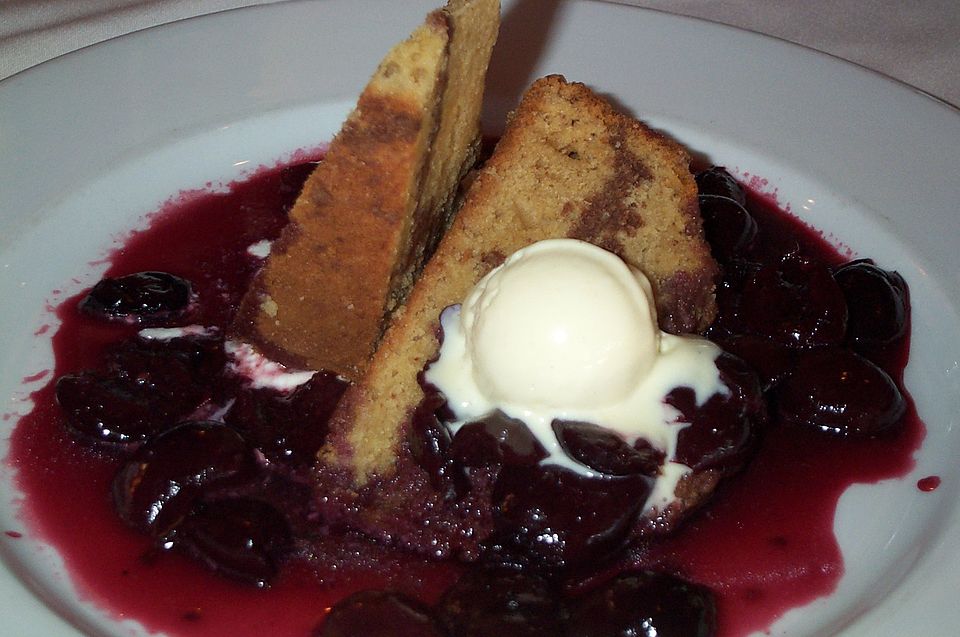
Tableside service reached its peak when waiters rolled flambé carts through dining rooms and set desserts on fire. Cherries Jubilee was the star, dark cherries swimming in brandy sauce that the waiter ignited right in front of you. The flames leaped up, burned off the alcohol, and left a warm, boozy syrup to spoon over vanilla ice cream. The theater justified premium prices and made diners feel like they were getting dinner and a show. The treat had been around since the Victorian era, but found new life when Americans started eating out more.
1958 Banana Split
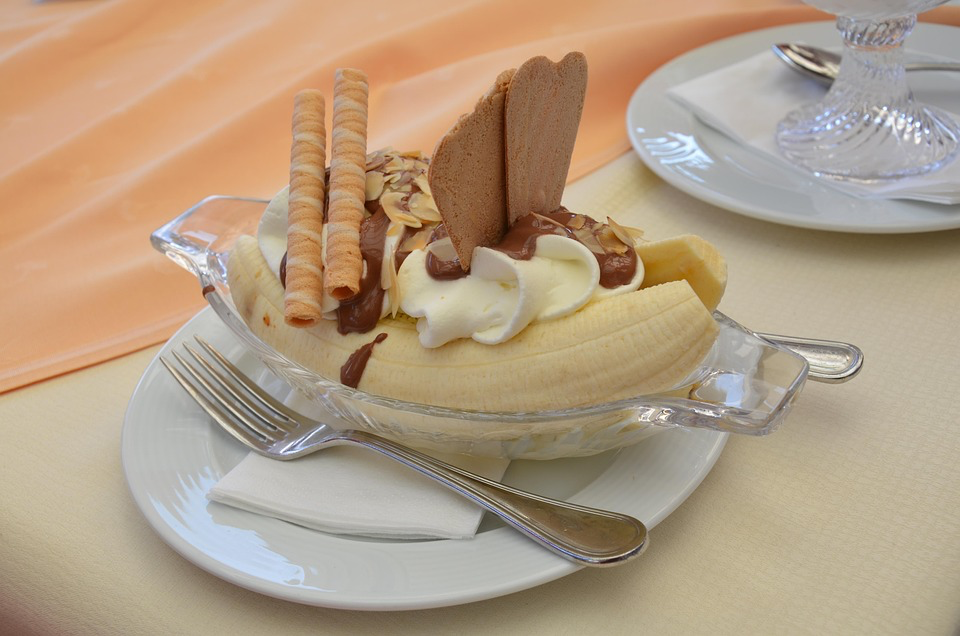
The banana split had been a soda fountain favorite since the early 1900s, but this was the golden age of the American drugstore counter, and the split was its crown jewel. A banana sliced lengthwise held three scoops of ice cream, each topped with its own sauce and finished with whipped cream, nuts, and a cherry. Too big for one person and too fun not to share, it was perfect for dates and family outings, and the long glass dish it arrived in made the whole thing feel like an event.
1959 Coconut Cream Pie
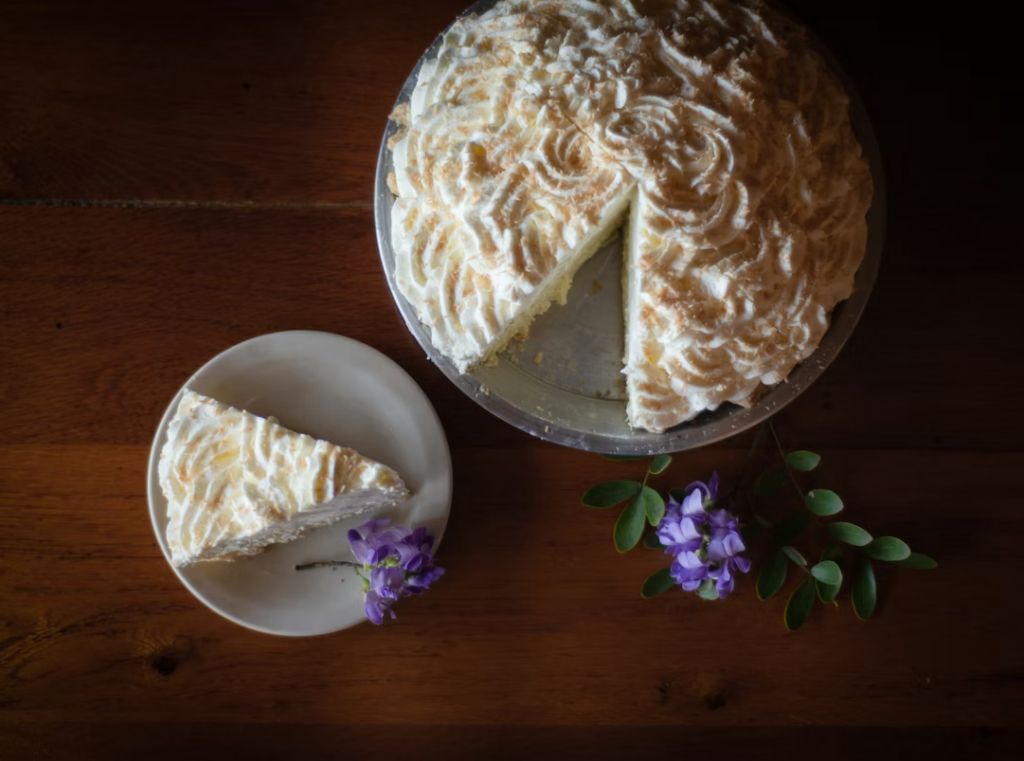
Hawaii became the 50th state, and Americans suddenly couldn’t get enough of anything tropical. Coconut cream pie fit the moment: a buttery crust filled with vanilla custard and topped with toasted coconut and whipped cream. The dessert had existed for decades, but statehood made it feel new, a little piece of island life that middle America could make at home. Bakeries added it to their menus while magazines ran recipes for housewives who wanted a taste of the Pacific without leaving their kitchens.
1960 Crepes Suzette
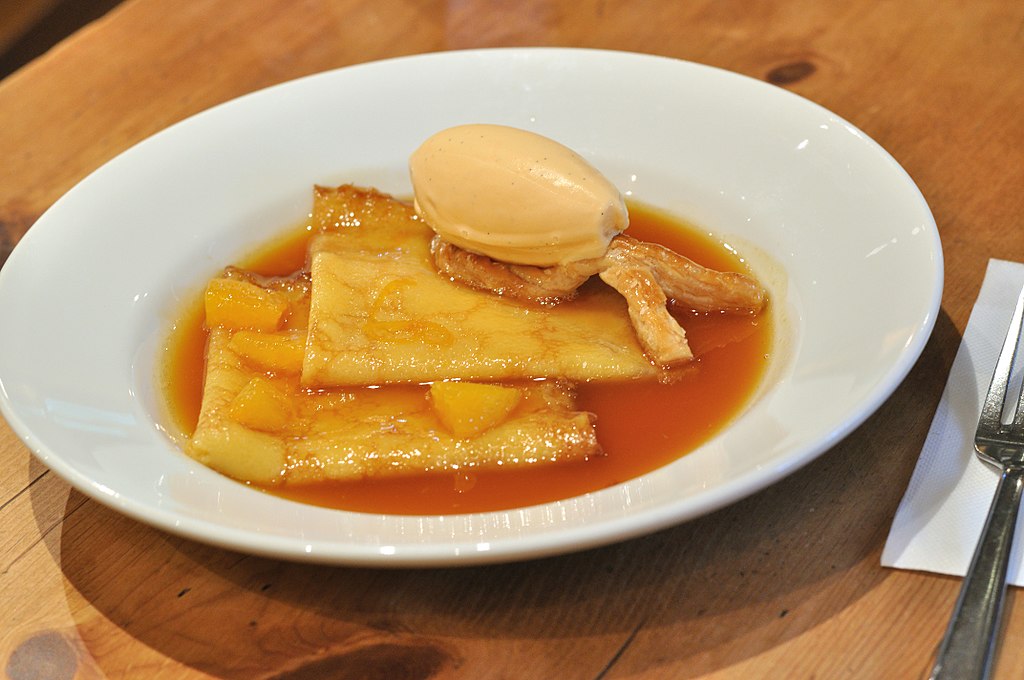
French cuisine was taking over American restaurants, and crepes Suzette became the dessert that proved you’d arrived. Thin crepes warmed in a buttery orange sauce, and when the waiter poured in Grand Marnier and touched a match to the pan, flames shot up, and the whole room turned to watch. The fire burned off the alcohol and left a caramelized citrus sweetness that clung to every fold. Diners paid premium prices because they were buying theater as much as dessert.
1961 Bananas Foster
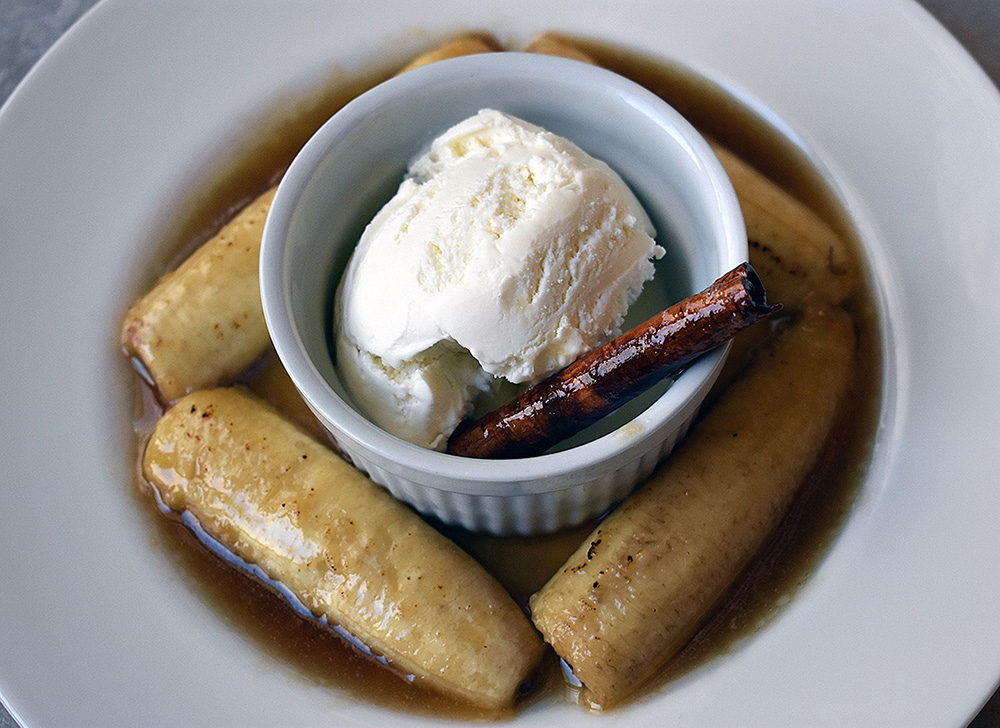
Brennan’s Restaurant in New Orleans had been serving Bananas Foster since 1951, but it took a decade for the rest of the country to catch on. Waiters sliced bananas into butter and brown sugar at the table, poured in rum, and touched a match to the whole thing. Flames burned blue and gold while the sauce caramelized, and when the fire died down, they spooned everything over vanilla ice cream. New Orleans was the biggest banana port in America, so the fruit was cheap, but setting it on fire made it feel like a luxury.
1962 German Chocolate Cake
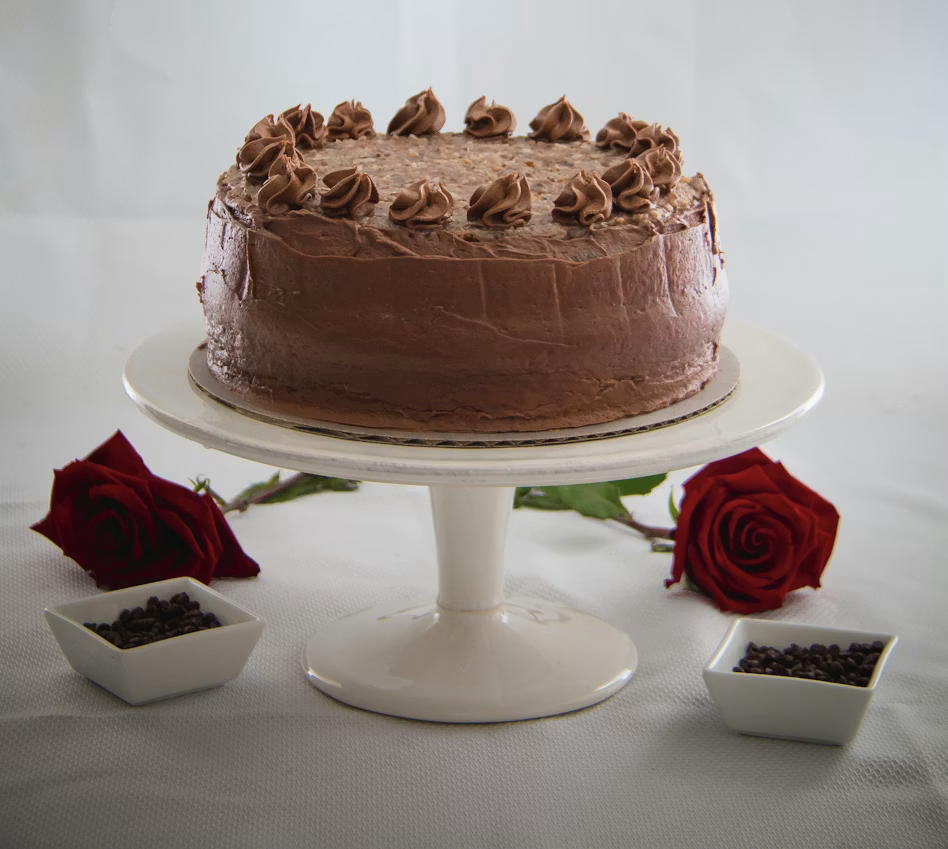
The name fooled everyone into thinking this cake came from Europe, but it was Texan through and through. A Dallas newspaper published the recipe in 1957 after a homemaker sent it in, and General Foods pushed it hard because the cake used their Baker’s German’s Sweet Chocolate, named after an English immigrant called Samuel German who developed the formula in 1852. It spread nationwide within a few years, carried by a frosting unlike any other, a gooey mixture of coconut and pecans cooked in evaporated milk that stayed soft instead of hardening into a shell.
1963 Boston Cream Pie
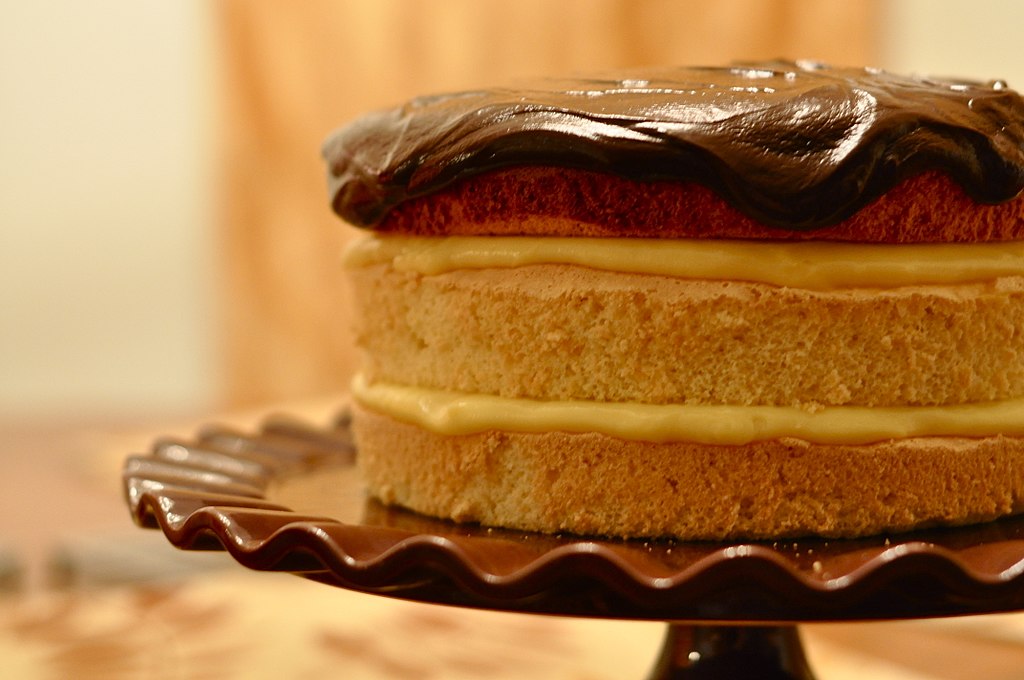
Boston Cream Pie isn’t a pie at all, which makes the name one of American baking’s stranger accidents. The pudding started at the Parker House Hotel in Boston in the 1850s, when “pie” and “cake” were used interchangeably, and the name just stuck. Two layers of sponge cake sandwich a thick vanilla custard while glossy chocolate ganache coats the top, and by 1963, the combination had become so tied to Massachusetts that the state would eventually make it the official dessert. Home bakers loved it because the components were simple but looked impressive stacked together.
1964 Chocolate Fondue
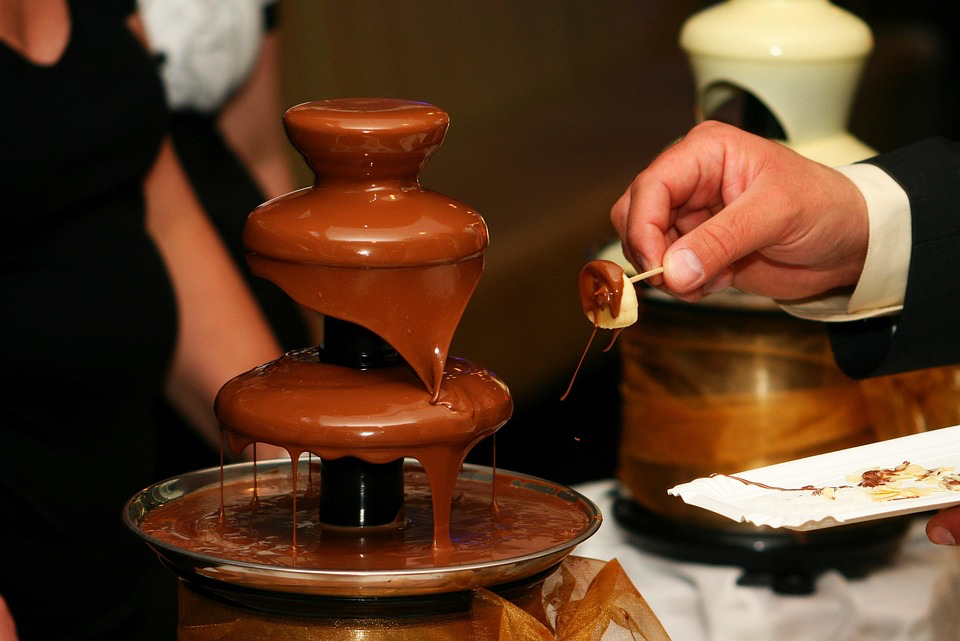
The Swiss Pavilion at the 1964 New York World’s Fair introduced Americans to cheese fondue, and it didn’t take long for someone to wonder what would happen with chocolate instead. Konrad Egli at the Chalet Suisse restaurant in New York figured it out, melting Toblerone with cream and kirsch into a communal pot where diners dipped strawberries, orange slices, and pound cake. The dessert turned eating into something you did together rather than side by side, and fondue sets became popular wedding gifts almost overnight.
1965 Spumoni
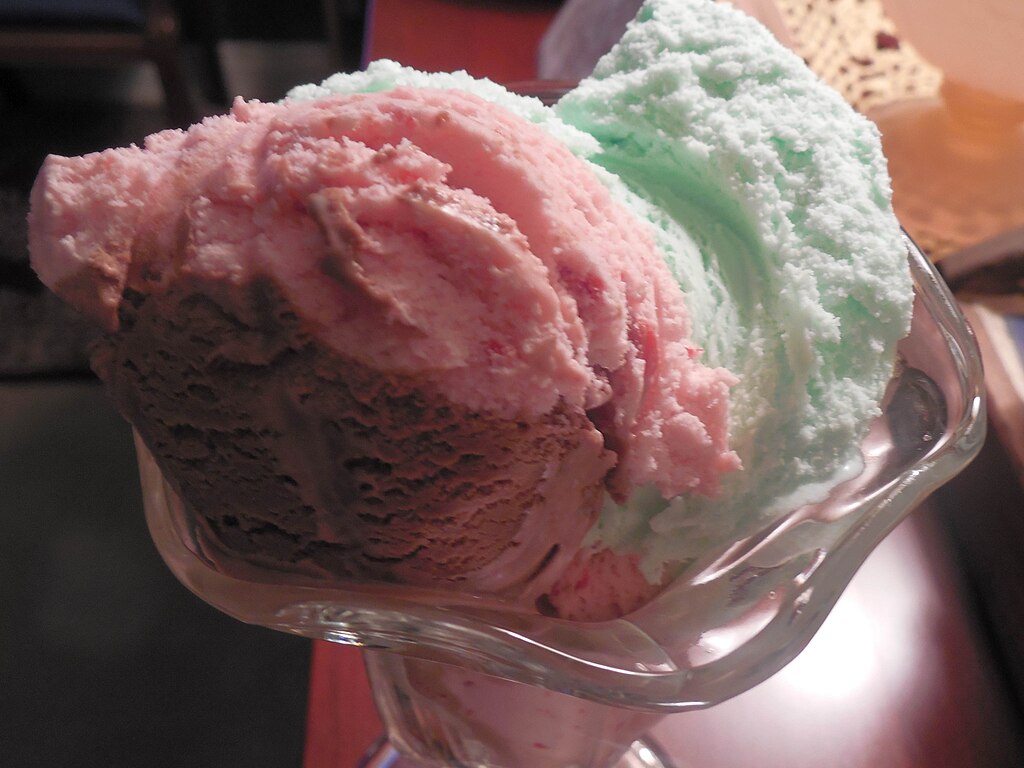
Three flavors of ice cream in a single slice made spumoni feel like you were cheating the system. Italian immigrants had brought the dessert over decades earlier, layering chocolate, pistachio, and cherry with candied fruit and nuts, and by the mid-1960s, grocery store freezers carried it coast to coast. The cross-section looked like an Italian flag, which gave it an air of authenticity that Neapolitan couldn’t match. Families served it at Sunday dinners and holiday tables because it felt festive without requiring any work.
1966 Tunnel of Fudge Cake
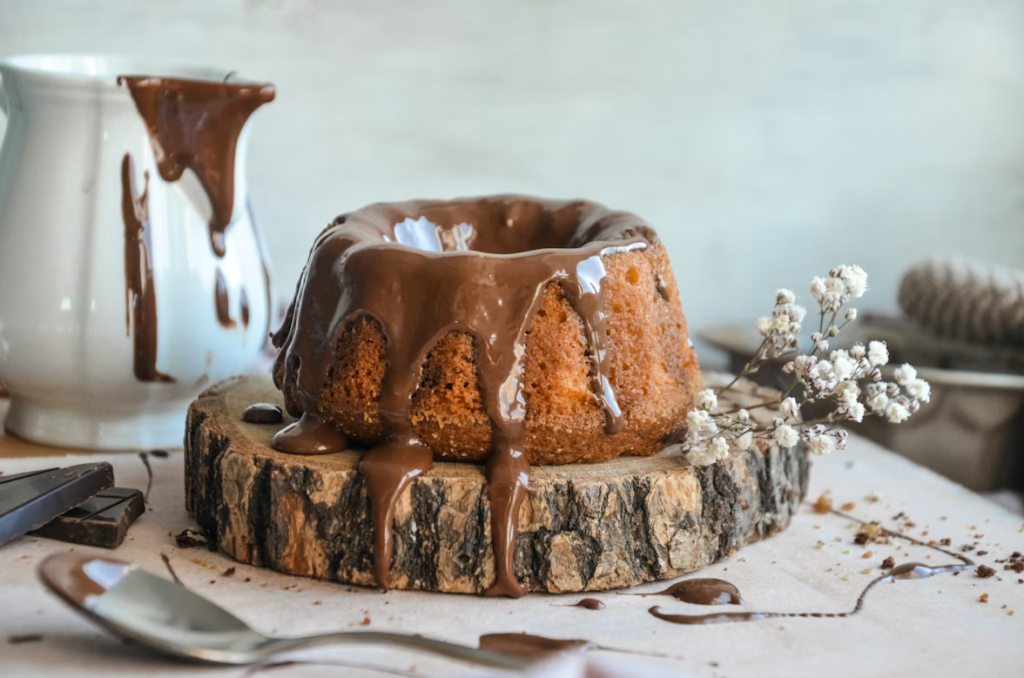
A Houston homemaker named Ella Helfrich entered a chocolate bundt cake in the Pillsbury Bake-Off and only won second place, but her recipe became the one everyone remembered. The magic was in the center, where a ring of fudgy chocolate formed on its own as the cake baked. More than 200,000 letters poured into Pillsbury asking for the recipe and wanting to know where to buy that strange fluted pan. Nordic Ware had been making bundt pans since the 1950s without much success, but suddenly, factories ran around the clock to keep up with demand.
1967 Sara Lee Cheesecake
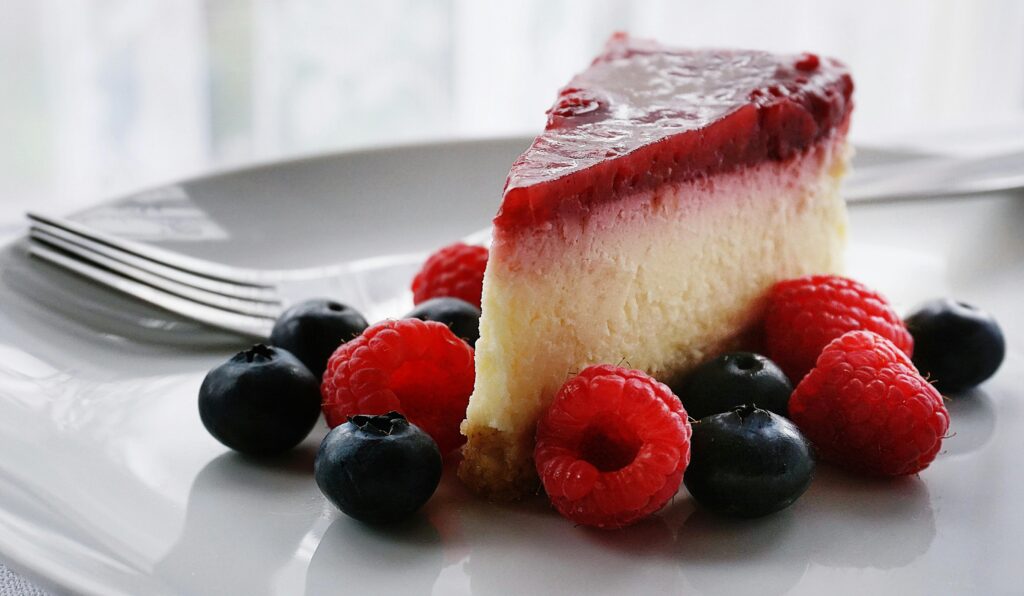
Sara Lee had been selling frozen baked goods since the 1950s, but their cheesecake changed what Americans expected from the freezer aisle. The company perfected a cream cheese recipe dense enough to survive freezing without turning grainy, and by 1967, grocery stores couldn’t keep it stocked. The jingle promised that nobody didn’t like it, and sales suggested that was true.
1968 Sock-It-To-Me Cake
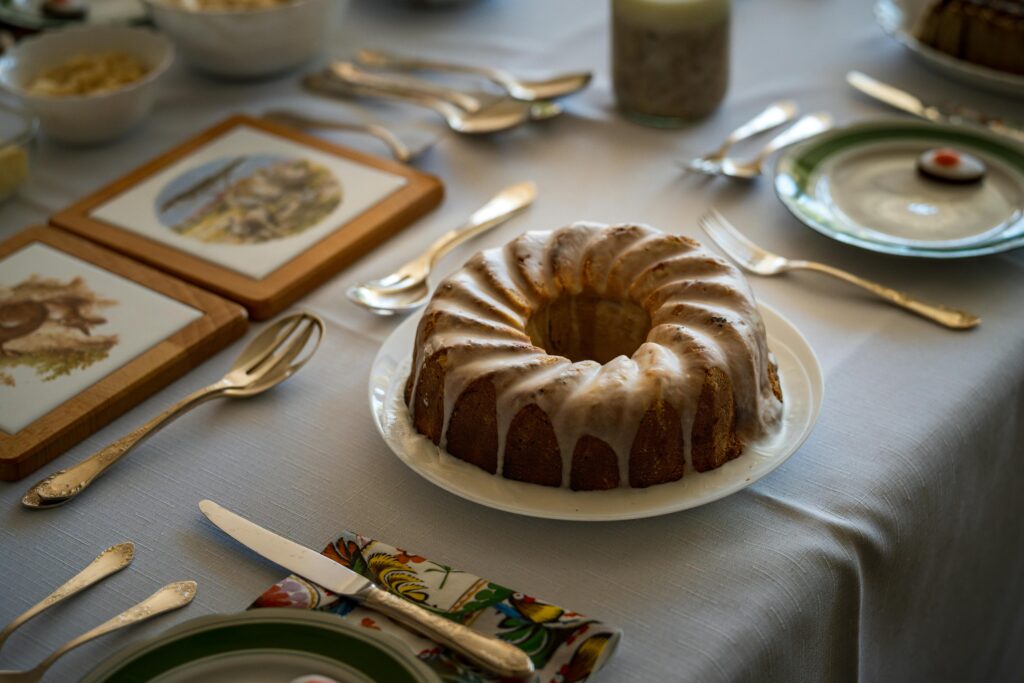
Rowan and Martin’s Laugh-In became a television sensation, and its catchphrase ended up everywhere, including the Duncan Hines cake mix aisle. The company released a sour cream coffee cake with a cinnamon-nut ribbon through the center and slapped “Sock it to me!” right on the box. The cake was moist and tender, and that swirl of brown sugar and pecans gave every slice something to discover.
1969 Poke Cake
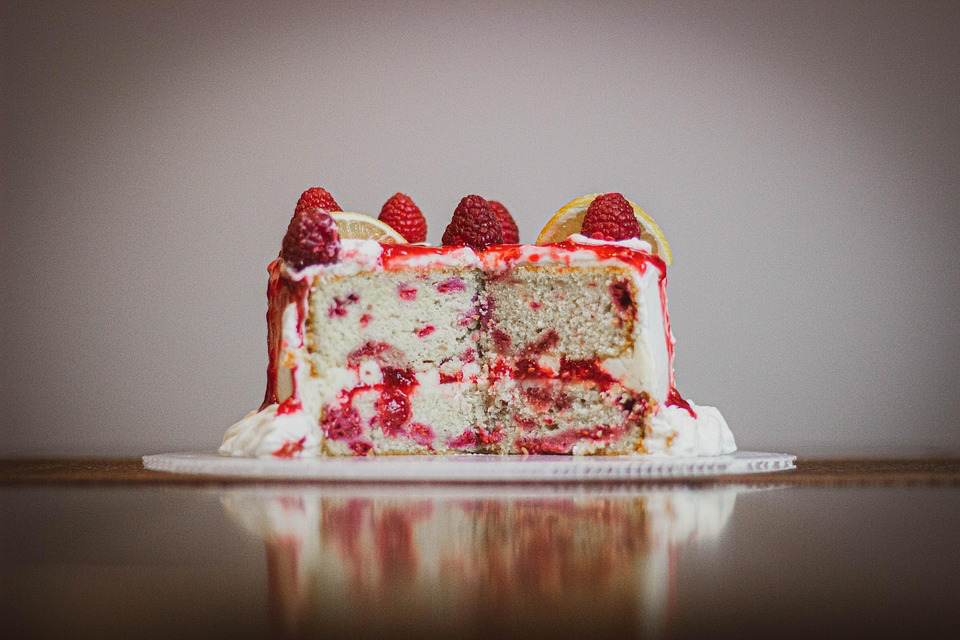
Jell-O found a way to make boxed cake mix feel homemade by telling bakers to stab holes in it. You baked a white cake, poked it full of holes with a fork while still warm, and poured liquid Jell-O over the top so it seeped into every opening. When the gelatin set, each slice showed off streaks of bright color running through the crumb. Potluck tables across America were better for it.
1970 Black Forest Cake
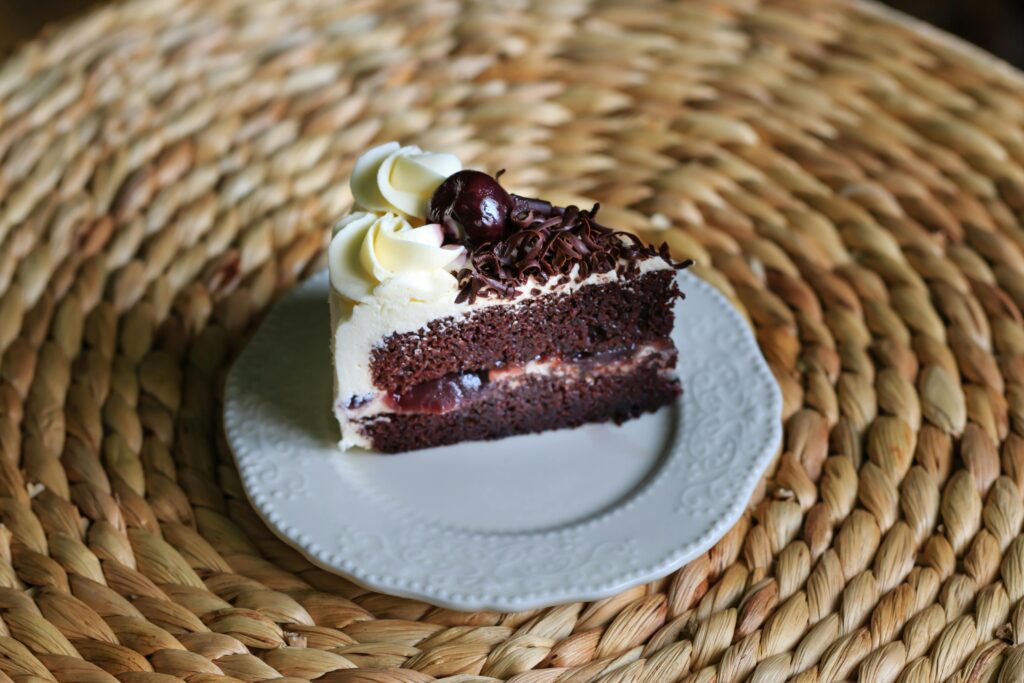
Black Forest cake had been a staple in German bakeries for decades. But American home cooks didn’t pay attention until it started appearing in women’s magazines and restaurant dessert cases. The combination made sense once you tried it. Layers of chocolate sponge soaked in kirsch and sandwiched between whipped cream and sour cherries, with chocolate shavings on top. The kirsch was supposed to give it an adult edge, though plenty of American versions left out the alcohol entirely.
1971 Carrot Cake
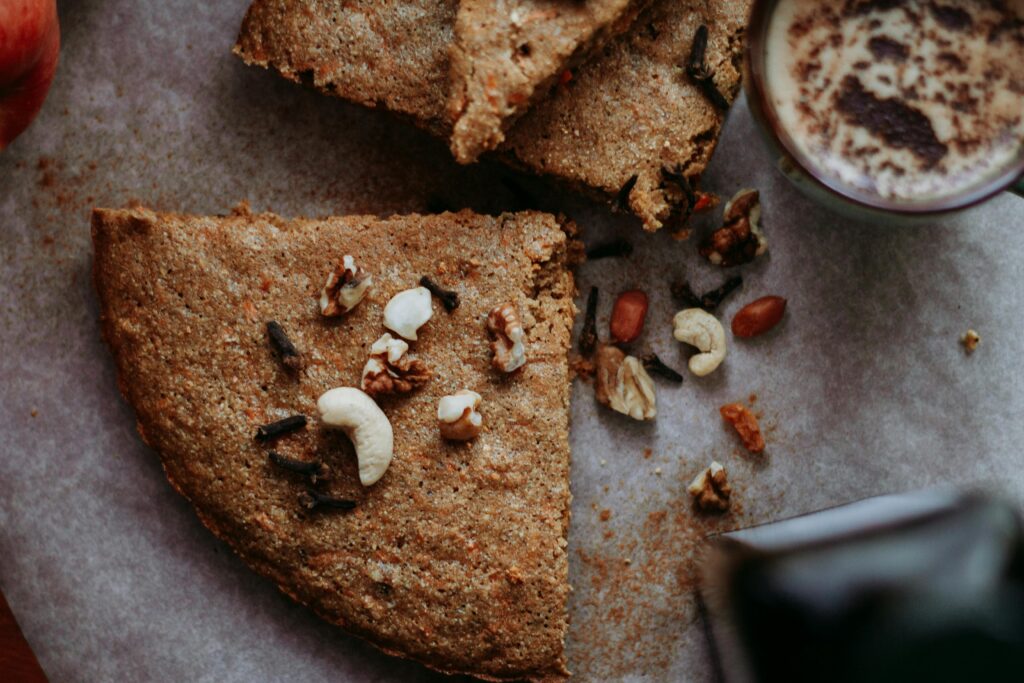
Health food culture crept into American kitchens, and carrot cake rode the wave because it felt virtuous even when it wasn’t. Carrots are vegetables, vegetables are healthy, so a cake full of shredded carrots must be better for you. Never mind that the recipe called for cups of sugar and oil, or that the cream cheese frosting added more calories than most candy bars. Walnuts and raisins made it feel even more wholesome, and the dense, spiced crumb gave it a homemade quality lighter cakes couldn’t match.
1972 Harvey Wallbanger Cake
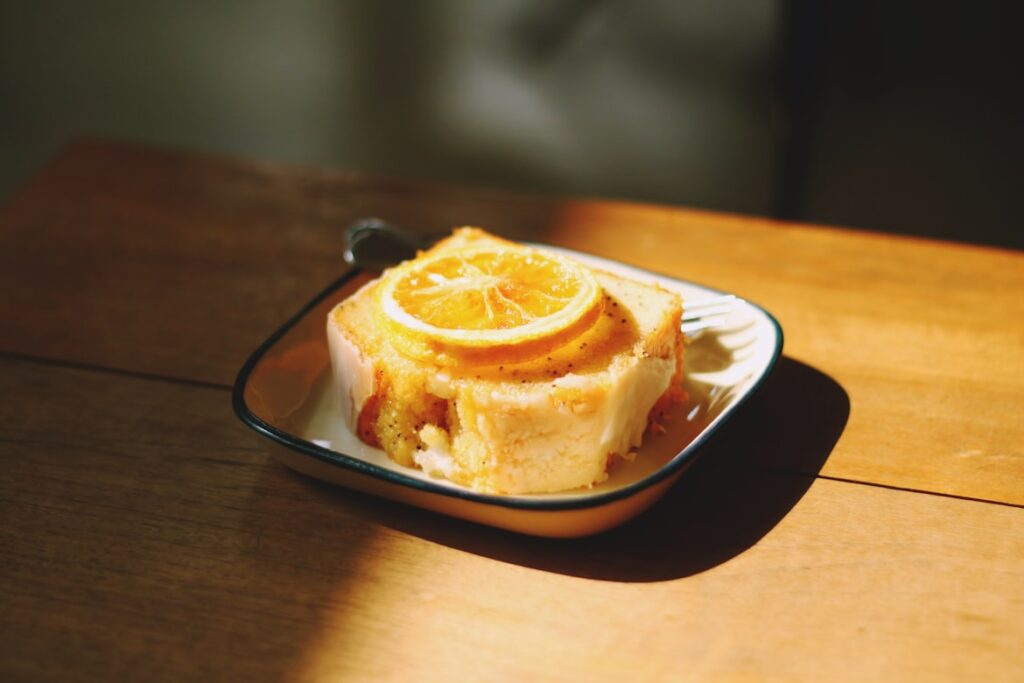
The Harvey Wallbanger cocktail had been a bar favorite, so it was only a matter of time before someone baked it into a cake. Home bakers started with boxed yellow mix and added vanilla pudding, orange juice, vodka, and Galliano, the herbal liqueur that gave the drink its sweetness. The alcohol mostly baked off but left a boozy warmth, and an orange glaze spiked with more Galliano soaked in while still warm. It became the cake you brought when you wanted people to ask for the recipe.
1973 California Truffles
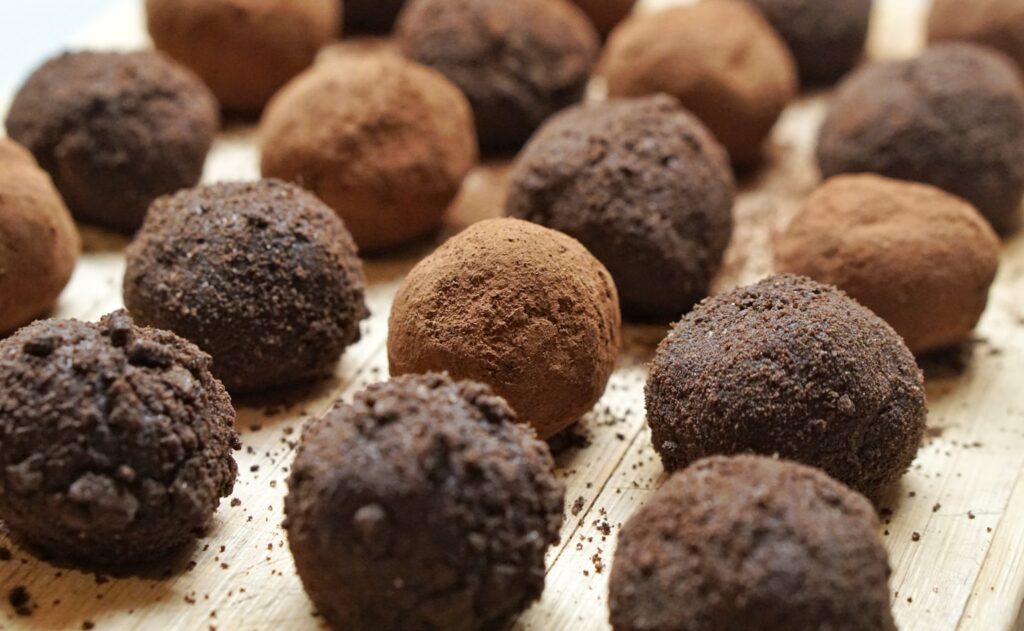
Chocolate truffles were a French secret until Alice Medrich started making them in her Berkeley kitchen after her Parisian landlady handed her a recipe scrawled on an envelope. She sold the cocoa-dusted confections at Pig-by-the-Tail, a charcuterie across from Chez Panisse, and within a week, she was delivering 300 a day. Her version came out larger and lumpier because she didn’t temper the chocolate, which made the centers impossibly soft. By 1976, Medrich had opened Cocolat, a shop that helped launch the American gourmet chocolate movement.
1974 Watergate Cake
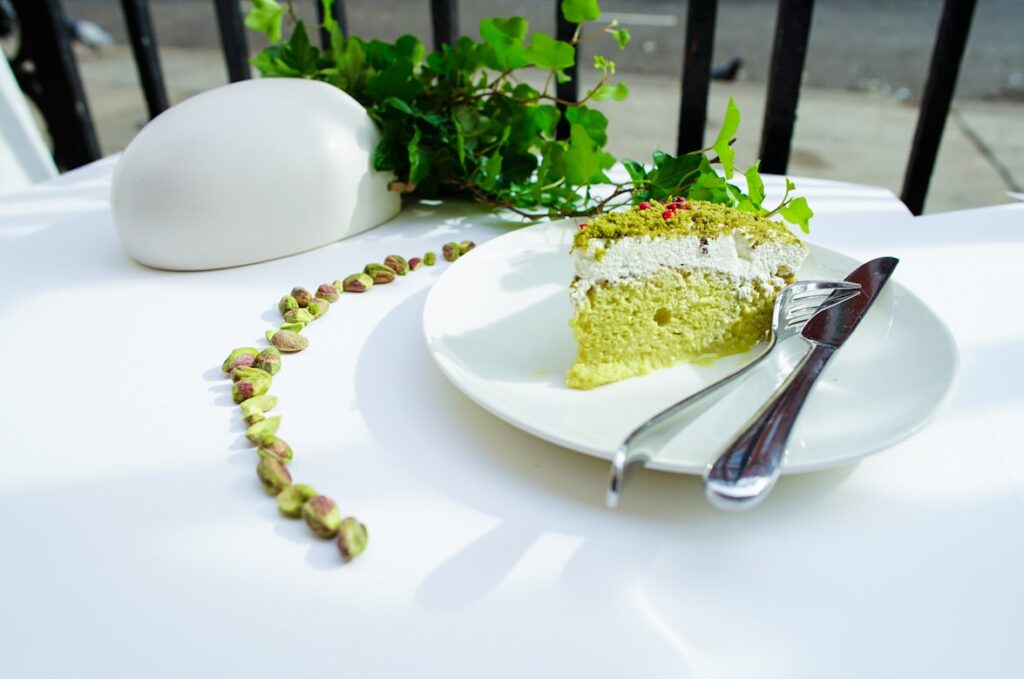
One month after Nixon resigned, Christine Hatcher of Hagerstown, Maryland, shared a recipe she called Watergate Cake. White cake mix, pistachio pudding, chopped walnuts, and club soda created a pale green bundt that she named, according to the local paper, “because of all the nuts that are in it.” Home bakers added their own punchline by calling the pistachio frosting “cover-up icing.” Political humor you could eat at a church potluck without starting an argument.
1975 Mississippi Mud Pie
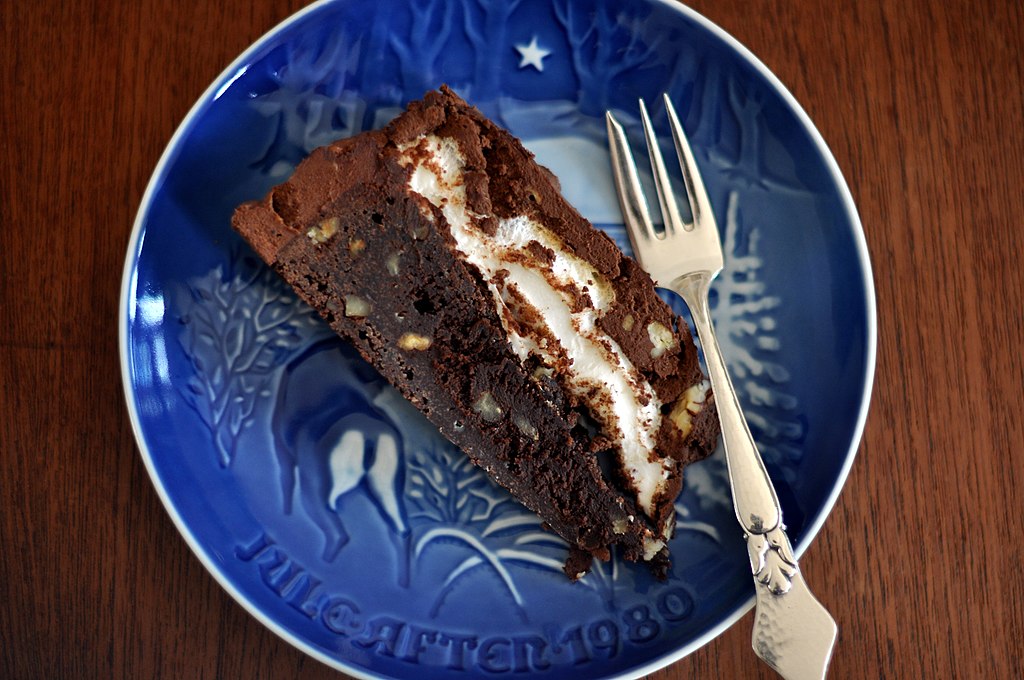
Mississippi Mud Pie earned its name by looking exactly like the dark, gooey banks of the river. A chocolate cookie crust held layers of pudding or mousse, sometimes coffee ice cream, always whipped cream, and the whole thing got drizzled with fudge sauce until it resembled actual mud. Recipes varied wildly because there was no original to copy. Just a general agreement that it should be as rich and messy as possible.
1976 Banana Pudding
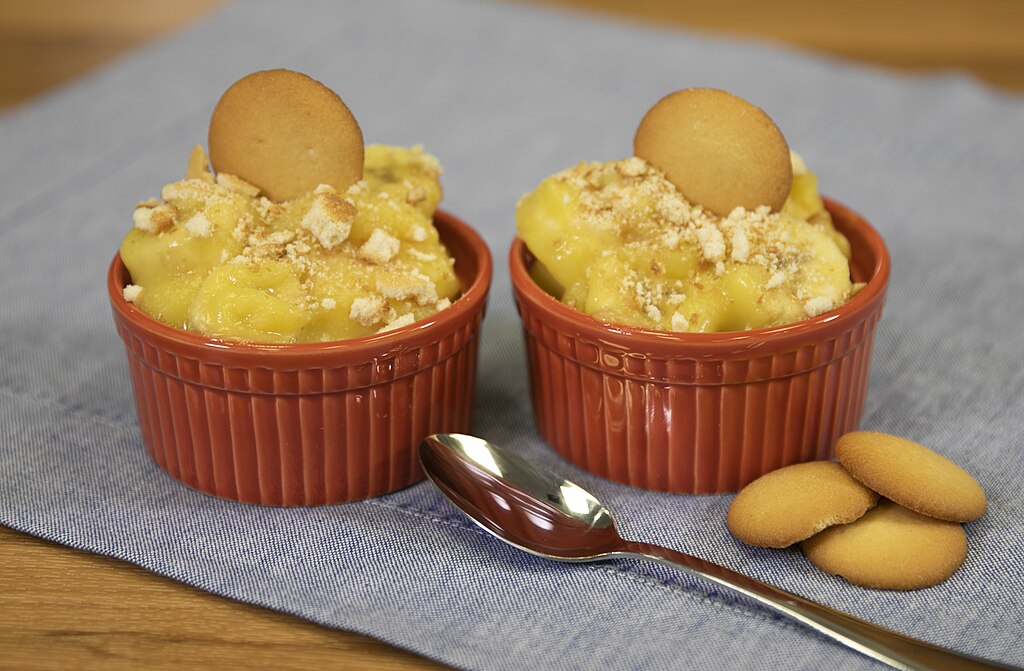
Banana pudding had been a Southern staple for decades, but Nabisco turned it into a national phenomenon by printing the recipe on every box of Nilla Wafers. The combination was simple enough that anyone could make it. With layers of vanilla pudding, sliced bananas, and those vanilla wafers that softened into something almost cake-like as they soaked up the custard. A blanket of whipped cream or meringue went on top, and the whole thing chilled until the flavors melded together. Church suppers and family reunions in the South had been serving it for years. And now kitchens across the country followed along.
1977 Instant Pudding
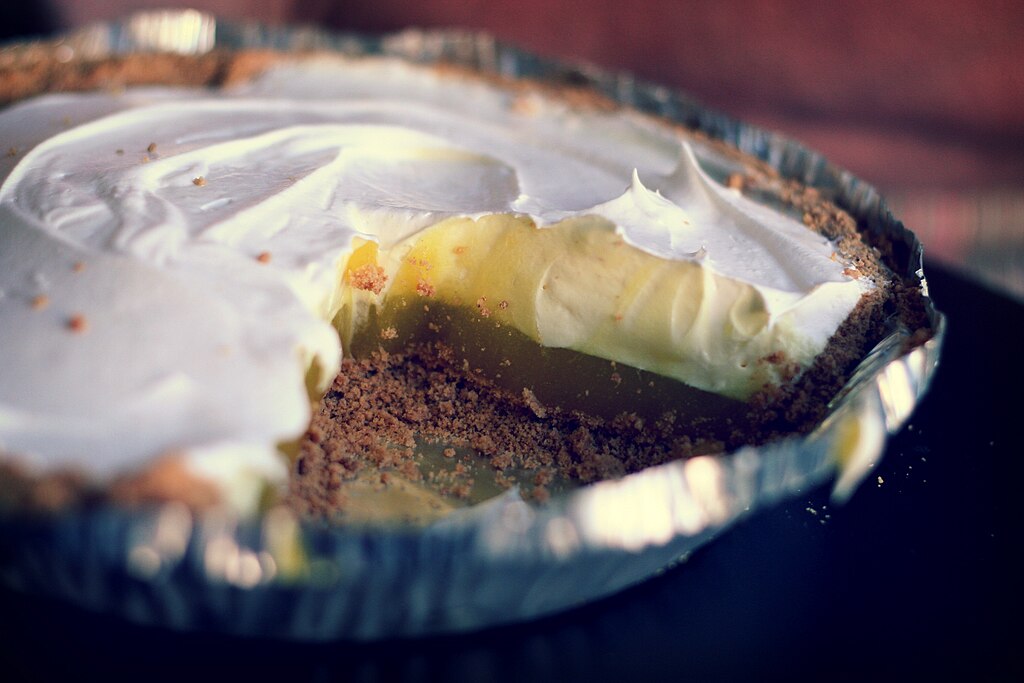
Jell-O had been selling instant pudding since the 1930s, but by now the packets had become a pantry essential. Home cooks folded the powder into cake batters to make them moister, layered it into icebox desserts, and whipped it into pie fillings that set without baking. The flavors kept expanding from vanilla and chocolate to butterscotch, pistachio, and lemon, and a single box cost almost nothing while turning into something that looked like real effort.
1978 Magic Cookie Bars
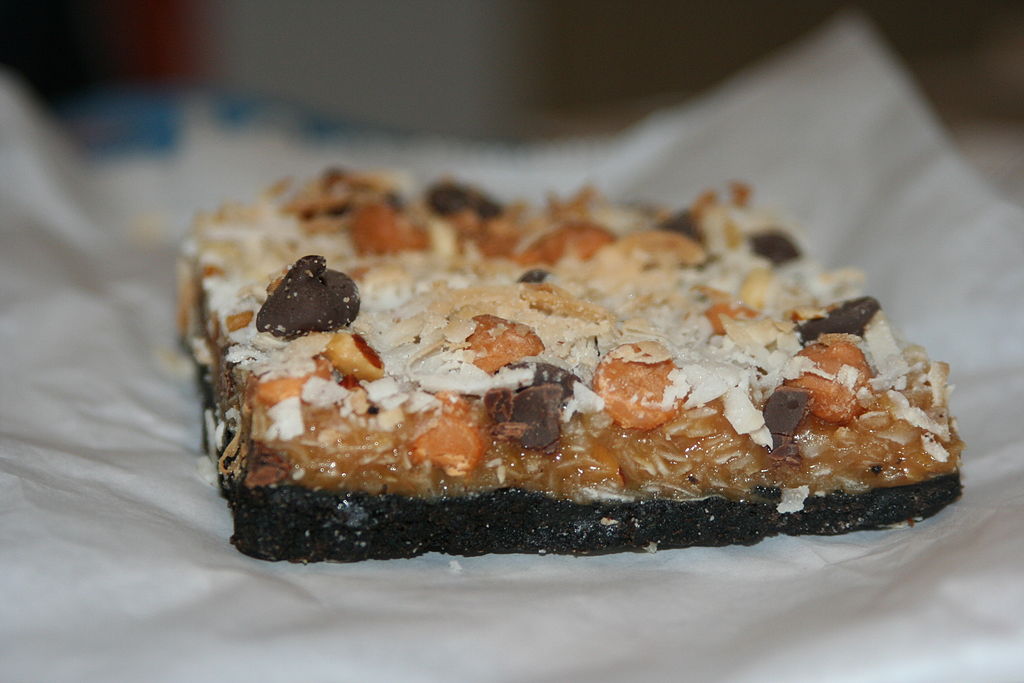
Eagle Brand sweetened condensed milk had been around for over a century, but the recipe on the back of the can turned it into something special. You pressed graham cracker crumbs into a pan, layered on chocolate chips, butterscotch chips, coconut, and nuts. Then poured condensed milk over everything and baked until the edges turned golden. No mixing bowl, no creaming butter and sugar. The recipe spread through church cookbooks and index card swaps.
1979 Lemon Bars
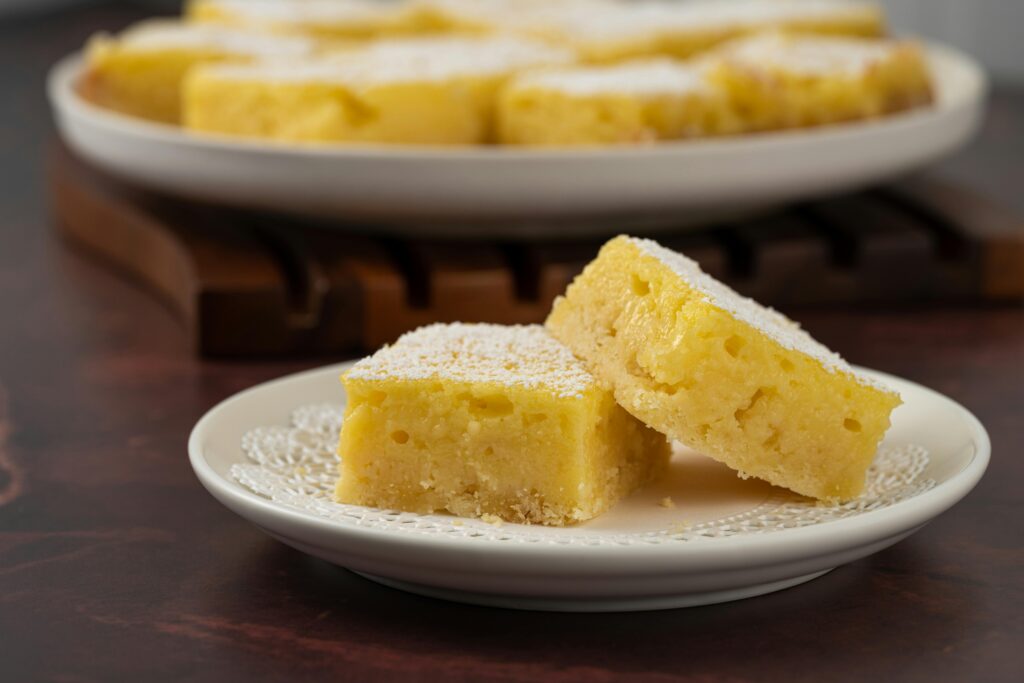
Lemon bars became the dessert you brought when you wanted to stand out at a bake sale without spending all day in the kitcchen. You baked a shortbread crust first, poured bright lemon custard over the top, and put it back in the oven until it set into something tangy and sweet at once. Powdered sugar on top hid any cracks, so even a first attempt looked polished. They traveled well, sliced neatly, and hit a balance between rich and refreshing that heavier desserts couldn’t match.
1980 Jell-O Pudding Pops
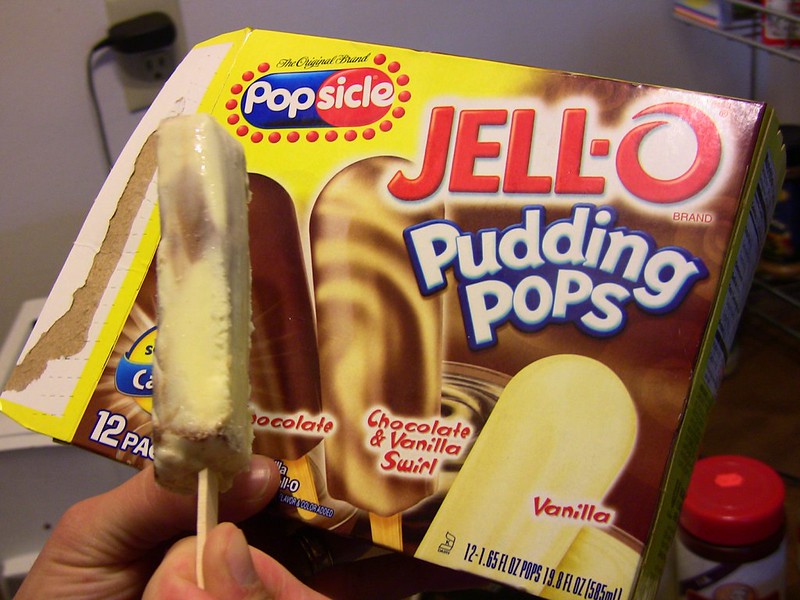
Frozen pudding on a stick became the must-have freezer treat of the decade. Pudding Pops landed somewhere between ice cream and popsicles. Creamy and dense but with fewer calories than a standard ice cream bar, so parents felt good about them, and kids didn’t care why. In their first year, they earned $100 million. And by year 5, that number hit $300 million. But they never turned a profit because the company behind Jell-O had no experience making frozen products and building out manufacturing and refrigerated distribution from scratch, which cost more than they could recoup.
1981 Robert Redford Dessert
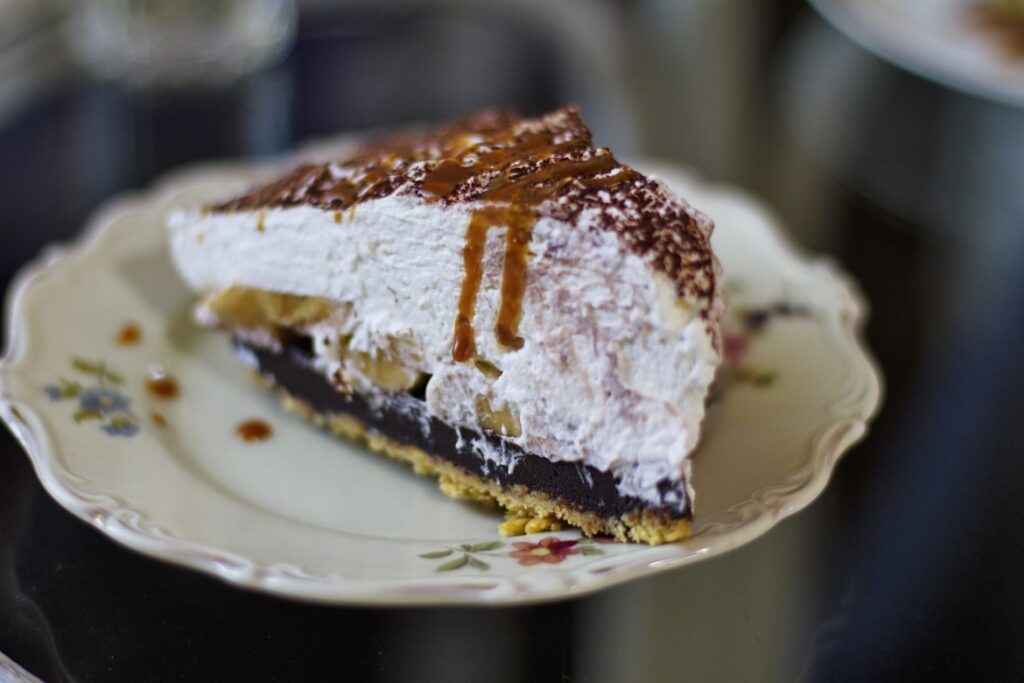
This layered refrigerator pudding earned its cheeky name because it was supposedly as rich and handsome as the actor himself. A pecan shortbread crust held layers of cream cheese, chocolate pudding, and whipped topping. And because the recipe used convenience products like instant pudding and Cool Whip, it required no baking and came together fast. That made it a potluck staple that impressed every time it appeared on the dessert table.
1982 Jell-O Jigglers
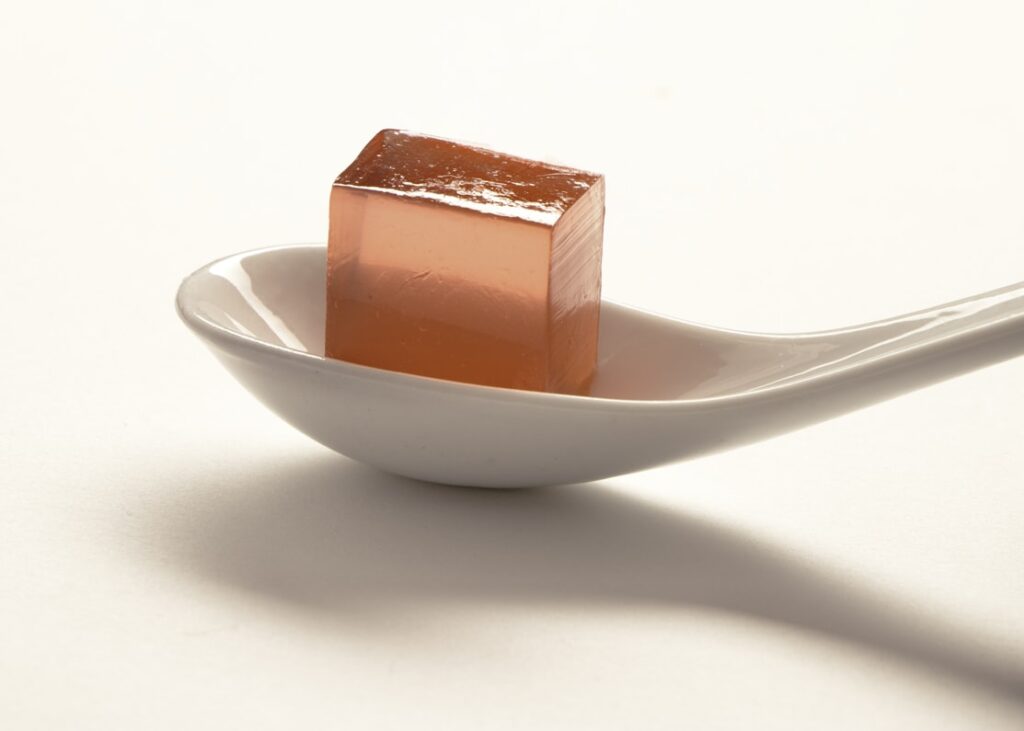
Jell-O gelatin sales had been declining for years, but the company found a way to make the product feel new again. Jigglers used extra gelatin powder to create firm, wiggly squares that kids could pick up and eat without a spoon. Parents could cut them into shapes with cookie cutters to turn snack time into playtime. The promotion worked, and Jell-O gelatin sales increased 7% in the first year alone.
1983 Chocolate Mousse
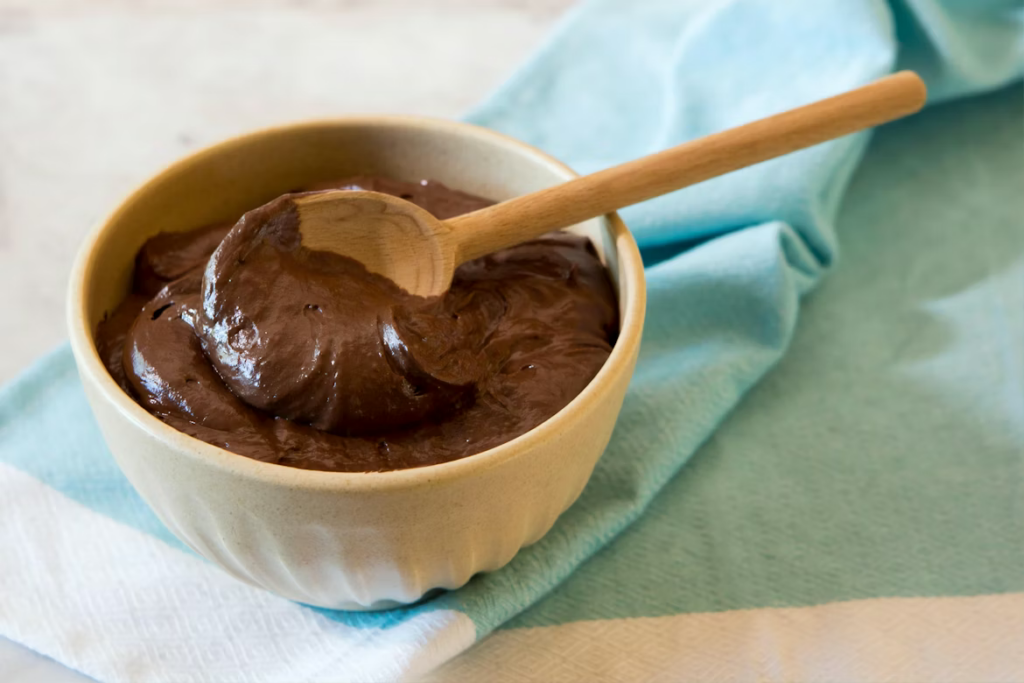
Chocolate mousse became the restaurant dessert of choice for anyone wanting to seem sophisticated. It arrived in stemmed glasses with a dollop of whipped cream, signaling that French cuisine had fully infiltrated American dining. The name comes from the French word for foam, and that lightness was the whole point. It tasted rich without the heaviness of a traditional cake. So diners could feel indulgent and refined at the same time.
1984 Crème Brûlée
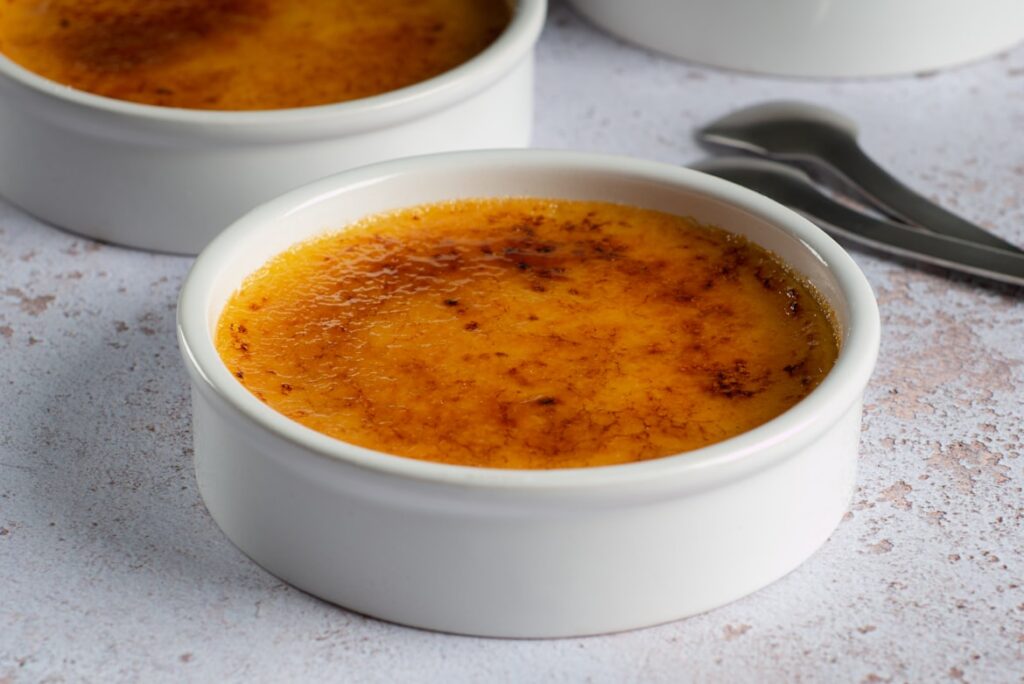
Crème brûlée brought French technique to American restaurant tables, but the real appeal was the crack. A silky custard hid beneath a glassy shell of caramelized sugar that shattered under a spoon. Restaurants leaned into the drama by torching the sugar tableside. France, England, and Spain all claim credit for inventing it. But in the 1980s, it became an American status symbol, the dessert you ordered when you wanted to seem worldly.
1985 Frozen Yogurt
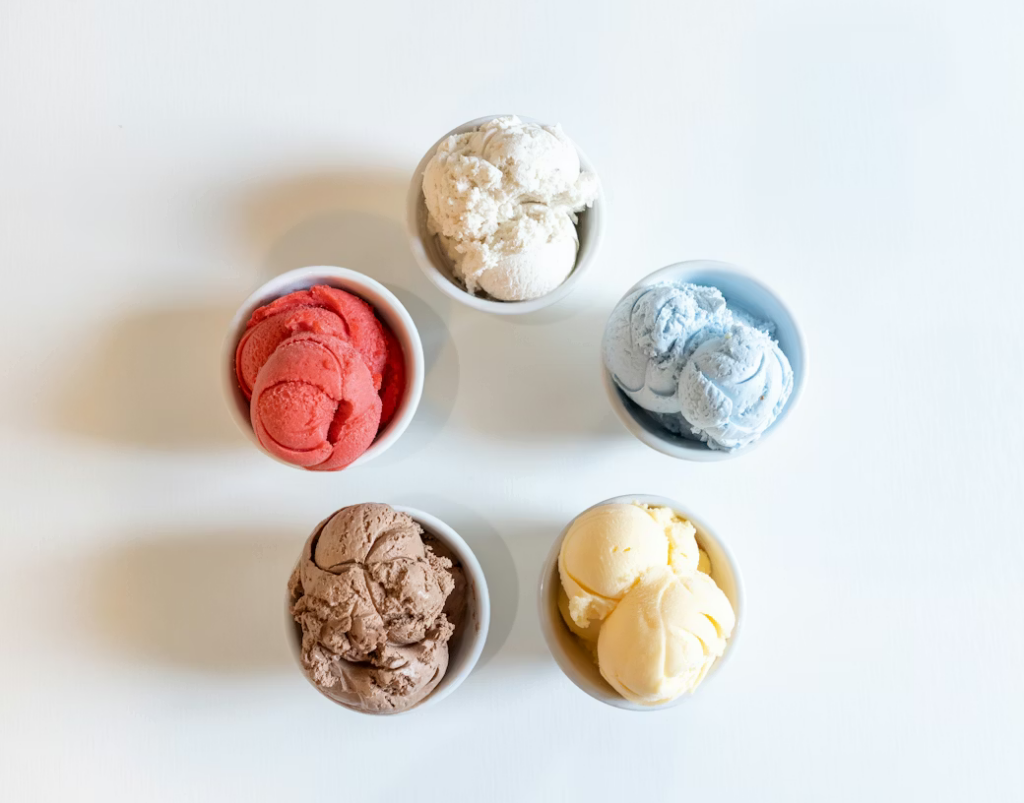
Hood Dairy in Massachusetts developed frozen yogurt in the 1970s, but the early versions were too tart for American palates. It took years of tweaking before the product tasted enough like ice cream to catch on, and by 1985, it had. Fro-yo promised creamy satisfaction with fewer calories and the supposed benefits of live cultures, and shops popped up in malls across the country. Health-conscious eaters finally had a frozen treat they could feel good about.
1986 Death by Chocolate
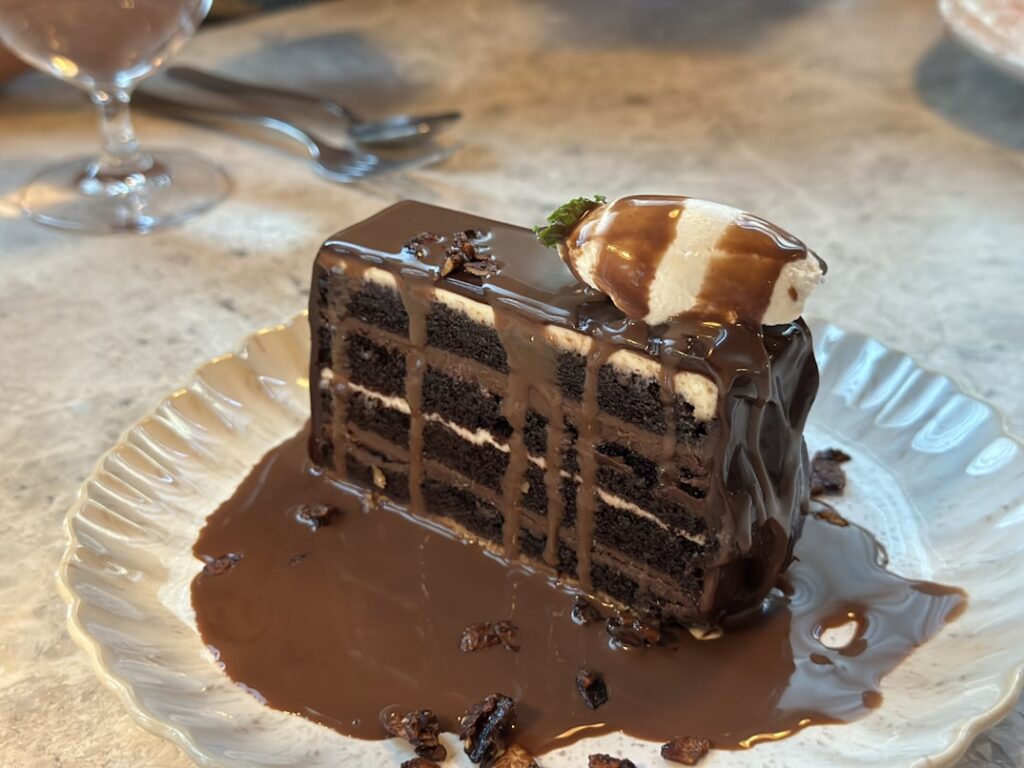
The name promised exactly what it delivered. Death by Chocolate was the dessert you ordered when you wanted to prove moderation was for other people. A towering construction of fudge cake, mousse, ganache, and chocolate shavings that required determination to finish. Restaurants competed to build the most outrageous versions, layering brownies beneath truffles beneath sauce until the plate looked almost architectural. The 1980s loved excess, and this was excess you could eat.
1987 Tiramisu
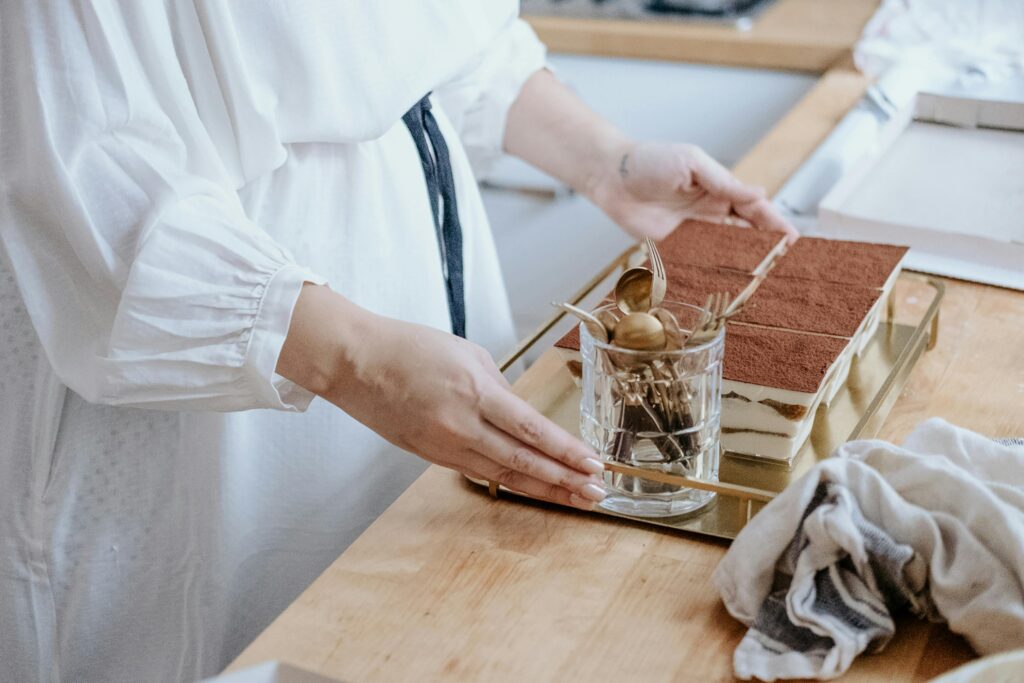
Tiramisu had conquered American Italian restaurants so thoroughly that the New York Times was running debates about which version counted as authentic. The dessert layered espresso-soaked ladyfingers with mascarpone cream and a dusting of cocoa. The name translates to “pick me up,” a nod to the caffeine that made it feel both indulgent and energizing. It came from Italy but became an American obsession.
1988 White Chocolate Mousse
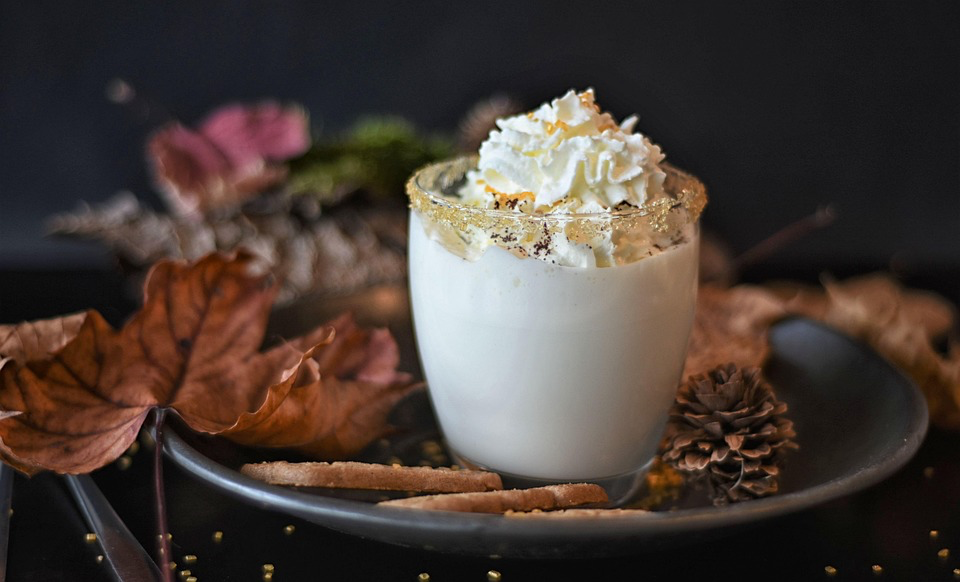
White chocolate technically isn’t chocolate at all because it contains no cocoa solids, only cocoa butter, but that didn’t stop it from starring in its own mousse. Sweeter and creamier than the dark version. It won over diners who found traditional chocolate too intense. And pastry chefs leaned into this by pairing it with raspberries and strawberries. The contrast between rich cream and tart fruit made it a fixture on fine-dining menus throughout the late 1980s.
1989 Funfetti Cake
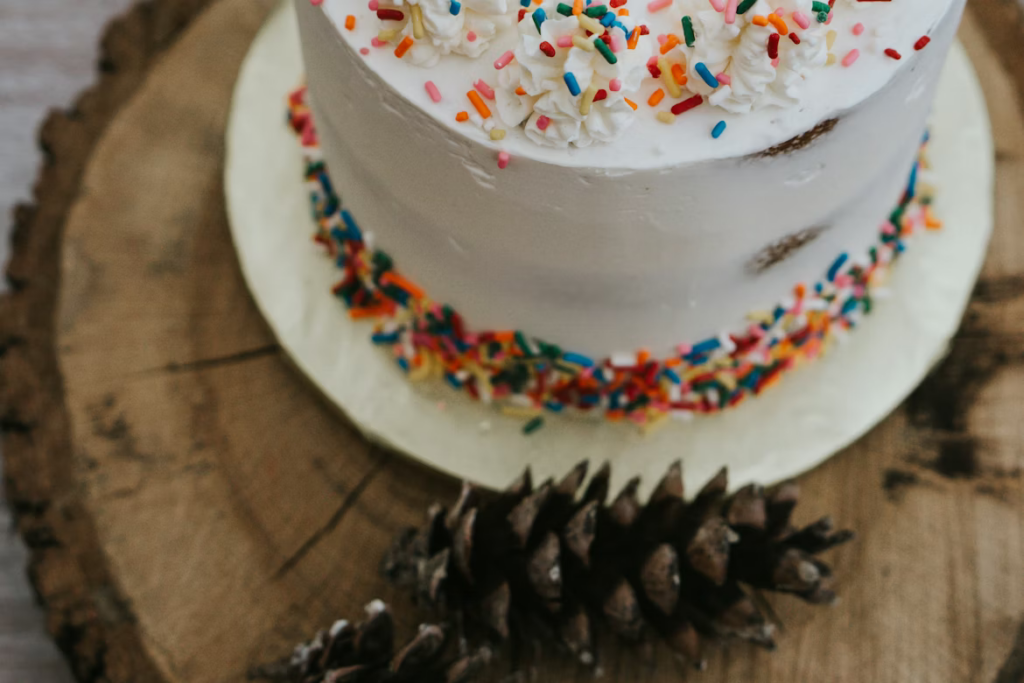
Pillsbury changed the birthday party scene in 1989 with Funfetti, a white cake mix with rainbow sprinkles baked right into the batter. Every slice came out looking like a celebration, and because it was a boxed mix, parents could produce impressive results without any real baking skill. Kids didn’t care about convenience; they just loved that there were sprinkles in every bite. The concept caught on so thoroughly that Funfetti has since inspired everything from cookies to macarons to wedding cakes.
1990 Peppermint Chocolate Cake
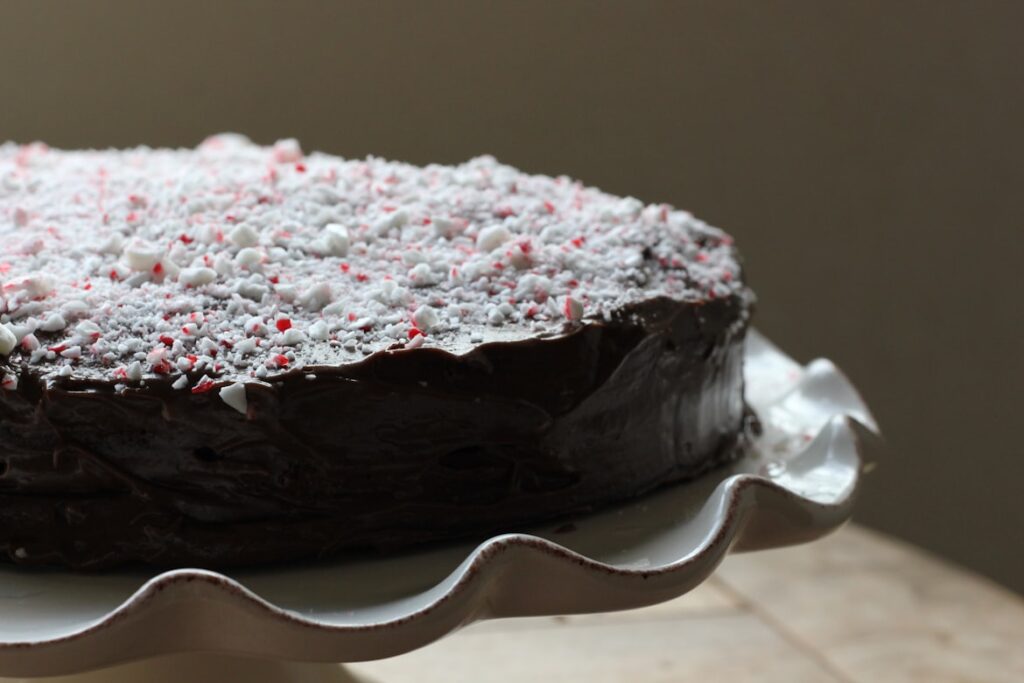
Mint and chocolate had been paired for decades, but the combination took over holiday baking in 1990. Duncan Hines promoted peppermint marble angel cake recipes, and home bakers ran with the idea, experimenting with peppermint ganache and crushed candy cane toppings. The coolness of mint cut through rich chocolate in a way that felt both festive and light, and by the end of the decade, peppermint bark, peppermint brownies, and peppermint hot cocoa had all followed.
1991 Molten Lava Cake
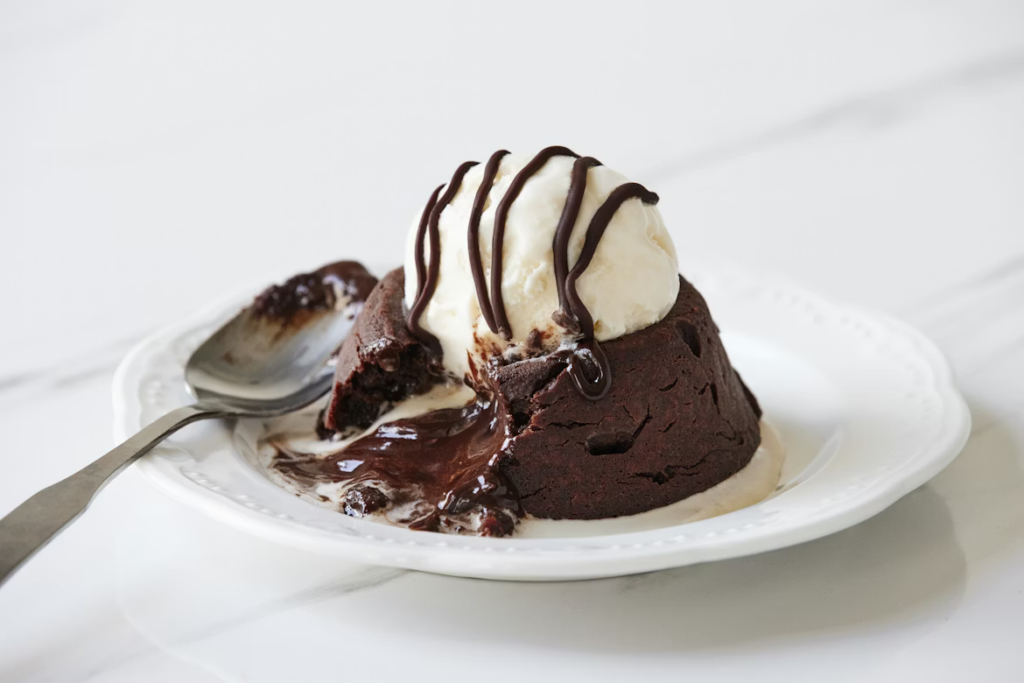
Jean-Georges Vongerichten invented molten lava cake by accident in 1987 when he pulled chocolate cakes from the oven too early and found the centers still liquid. Diners went crazy for it, but the dessert didn’t go mainstream until 1991 when he added it to the menu at his restaurant, JoJo. Within months, every fine dining spot in the country had a version, and the timing became a point of pride. Thirty seconds too long, and the center turned solid.
1992 Cookie Dough Ice Cream
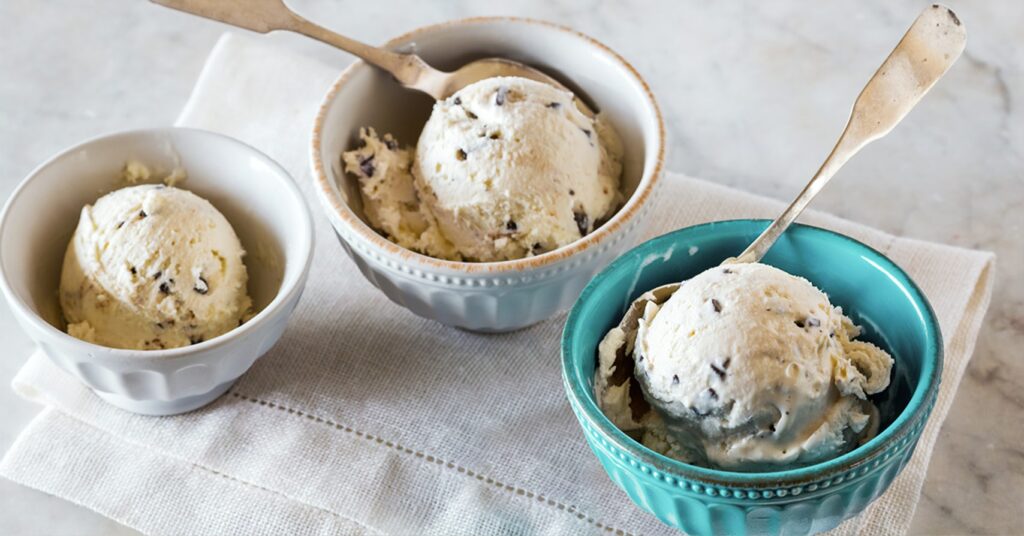
An anonymous customer at Ben & Jerry’s first scoop shop suggested putting chunks of chocolate chip cookie dough into vanilla ice cream, and six years later, the company figured out how to make it work. The trick was keeping the dough chewy at freezing temperatures, a problem they solved by partnering with a local manufacturer called Rhino Foods. By 1992, cookie dough accounted for 20% of Ben & Jerry’s total sales, and the flavor changed what people expected ice cream could be.
1993 Biscotti
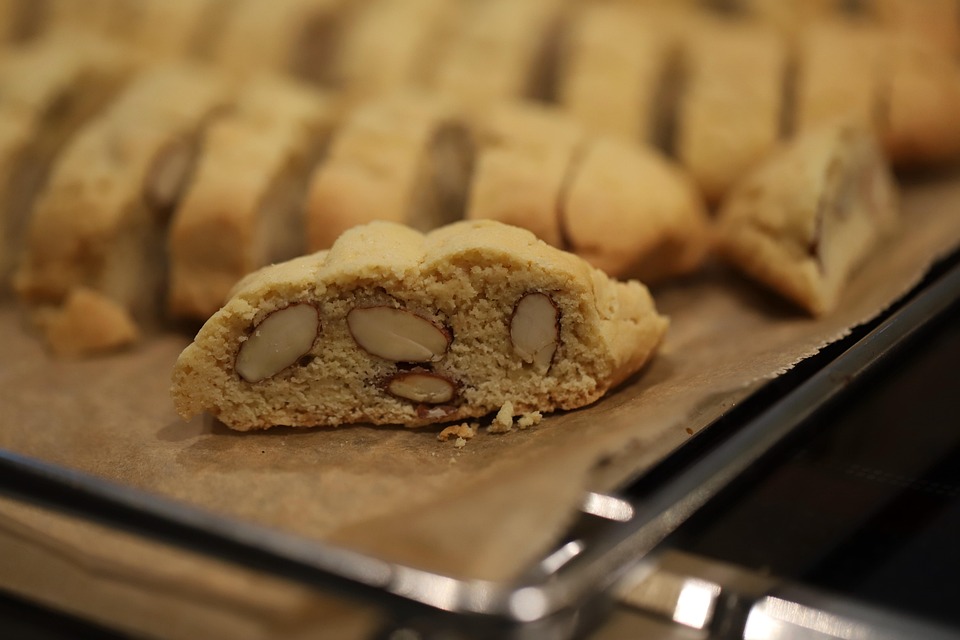
Coffee culture was reshaping American mornings, and biscotti arrived as the cookie sophisticated enough to keep up. These twice-baked Italian biscuits had been around for centuries, but Starbucks’ expansion brought them to café counters nationwide. The texture was the point. Hard enough to survive a dunk in hot espresso without falling apart, almond-scented and just sweet enough to count as dessert.
1994 SnackWell’s Devil’s Food Cookie Cakes
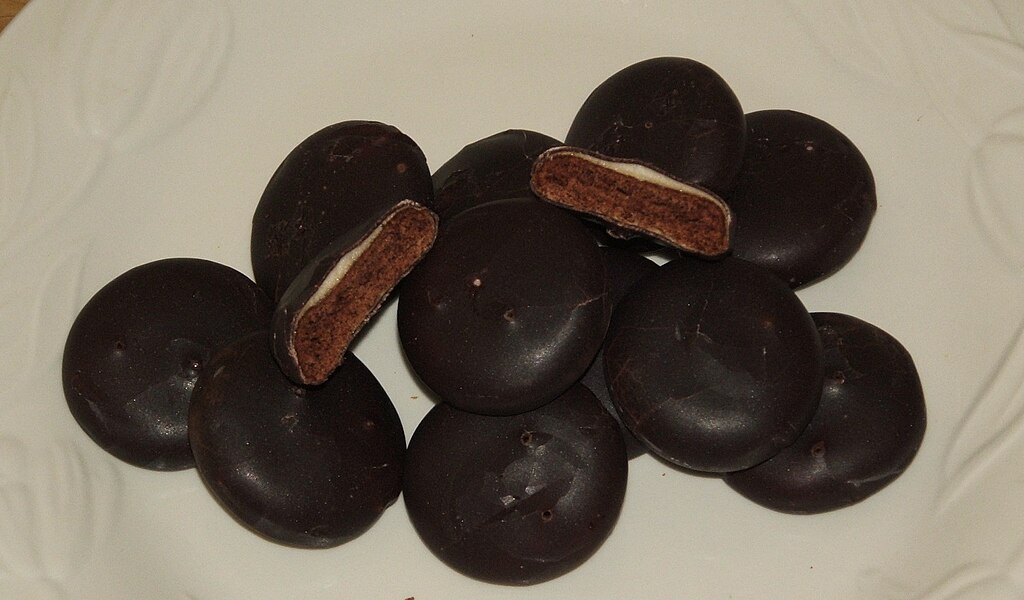
Fat was the enemy, or so America believed. SnackWell’s fat-free cookies flew off shelves faster than Nabisco could stock them, and the devil’s food cake version became so scarce that stores posted green “SOLD OUT” signs while ads featured a hapless “Cookie Man” stalked by women demanding more. Sales exploded toward $500 million. The cookies tasted decent enough, soft and chocolatey, but the real appeal was permission to eat something sweet without guilt.
1995 Frappuccino
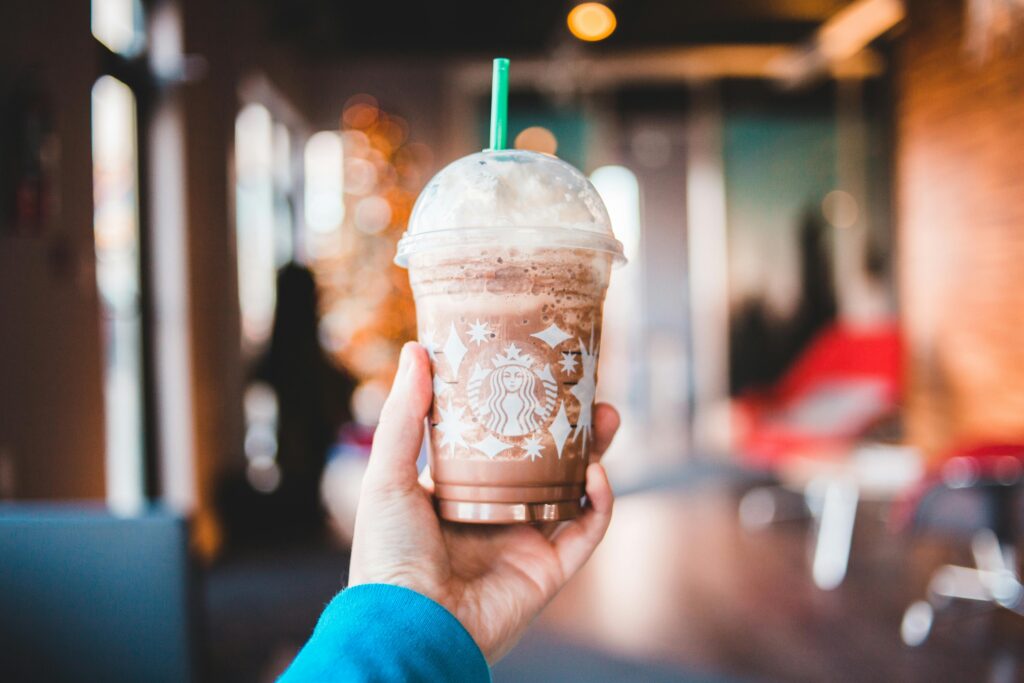
Starbucks had already conquered hot coffee, but summer sales always slumped. The solution was the Frappuccino, a blended drink that launched in 1995 and blurred the line between beverage and dessert. Ice, milk, coffee, and flavored syrup whirred together into something closer to a milkshake than a morning pick-me-up. Customers who would never order a sundae at 10 a.m. happily sipped one through a straw. The drink gave Starbucks a year-round revenue stream and gave Americans permission to call this sweet treat “coffee.”
1996 Magnolia Bakery Cupcakes
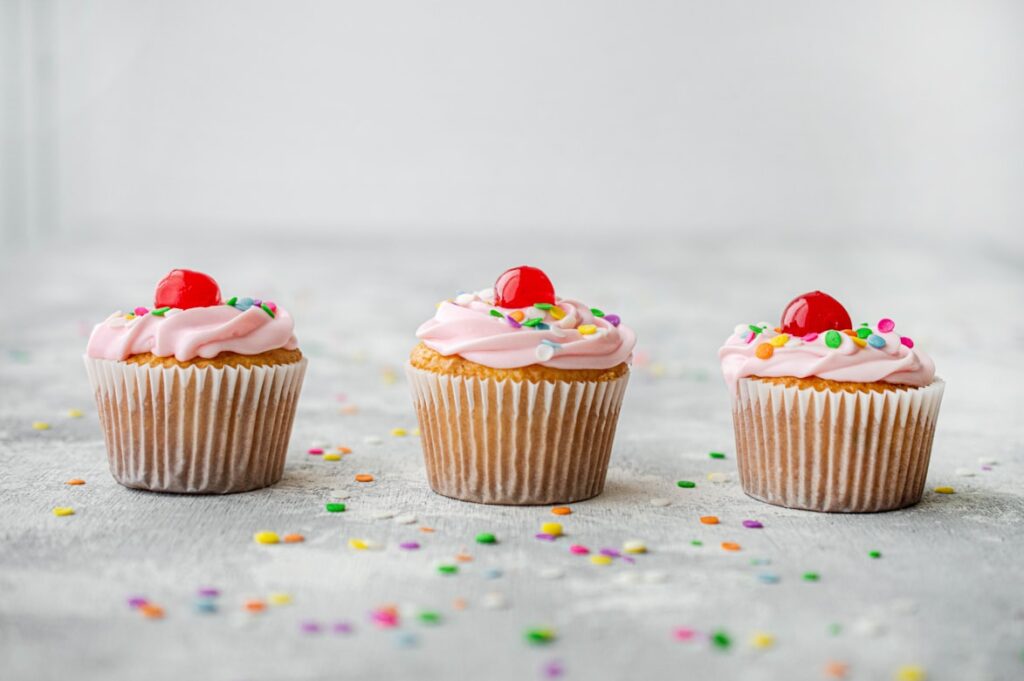
A small bakery opened on a cobblestone corner in Manhattan’s West Village, and the owners kept ending up with leftover cake batter. Their solution was to bake it into cupcakes they could sell one at a time. Lines formed down Bleecker Street. Magnolia didn’t invent the cupcake, but the shop made it feel like a treat worth seeking out. The real explosion came four years later when Sex and the City filmed a scene there, but Magnolia planted the seed.
1997 Oreo O’s
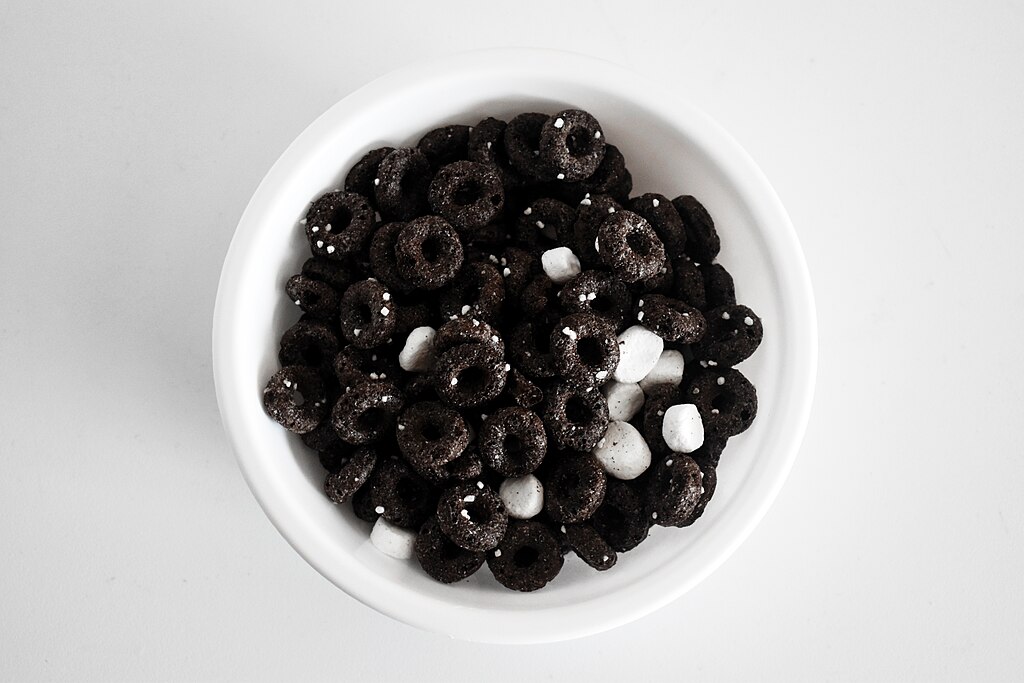
Post Cereals and Kraft Foods asked the question every kid had been wondering: why couldn’t breakfast taste like cookies? The answer arrived as chocolate O-shaped cereal dusted with creme-flavored sprinkles, and parents somehow approved. When the companies split in 2007, licensing disputes killed production everywhere except South Korea, where fans paid inflated prices for imported boxes until nostalgia brought Oreo O’s back in 2017.
1998 Warm Chocolate Chip Cookie Sundae
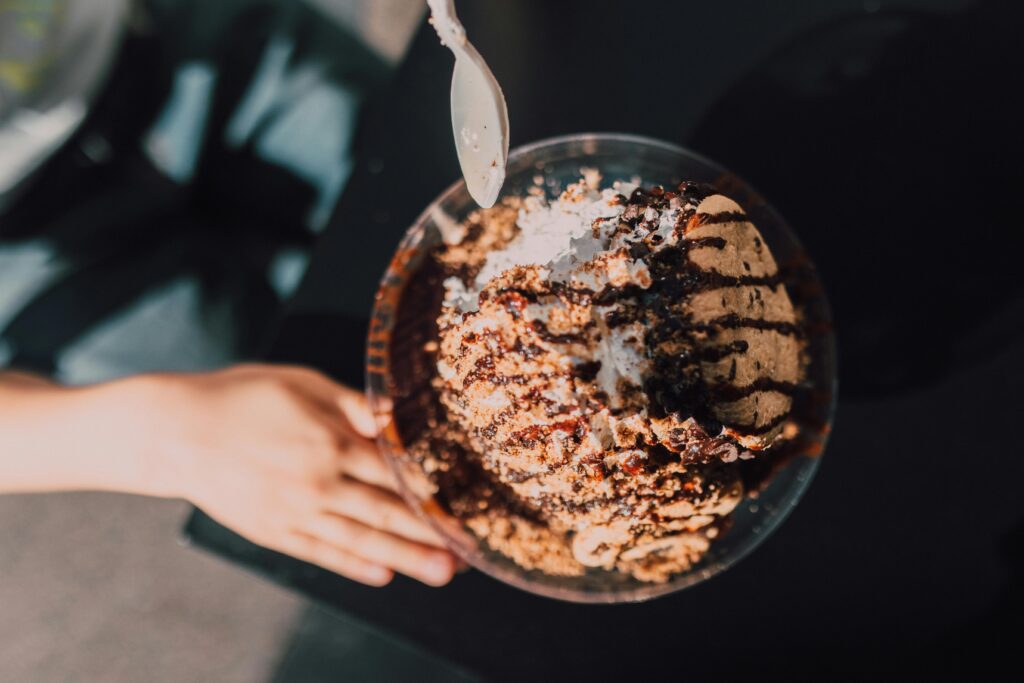
Casual dining chains figured out that the fastest way to sell dessert was to make it impossible to resist. By now, nearly every Chili’s, Applebee’s, and TGI Friday’s has a warm chocolate chip cookie served in a skillet with vanilla ice cream melting on top. Hot and cold, chewy and creamy, chocolate and vanilla all competing in a single bite. Servers mentioned it before entrées arrived because once you pictured that sizzling skillet, you’d already decided.
1999 Cinnabon
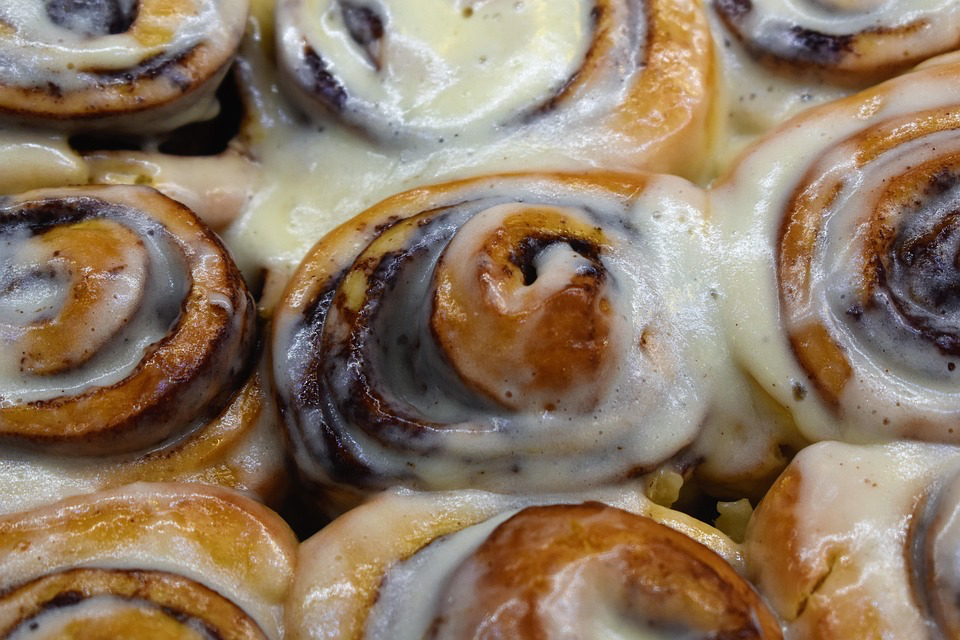
The smell hit you before you saw the sign. Cinnabon had been around since 1985, but by now the chain had perfected its real estate strategy and every major mall seemed to have one near the entrance. The combination of cinnamon, brown sugar, and cream cheese frosting created an aroma so distinct that shoppers joked it was pumped through the ventilation system. A single Classic roll packed over 800 calories, but eating one felt like a reward for surviving the crowds.
2000 Krispy Kreme Doughnuts
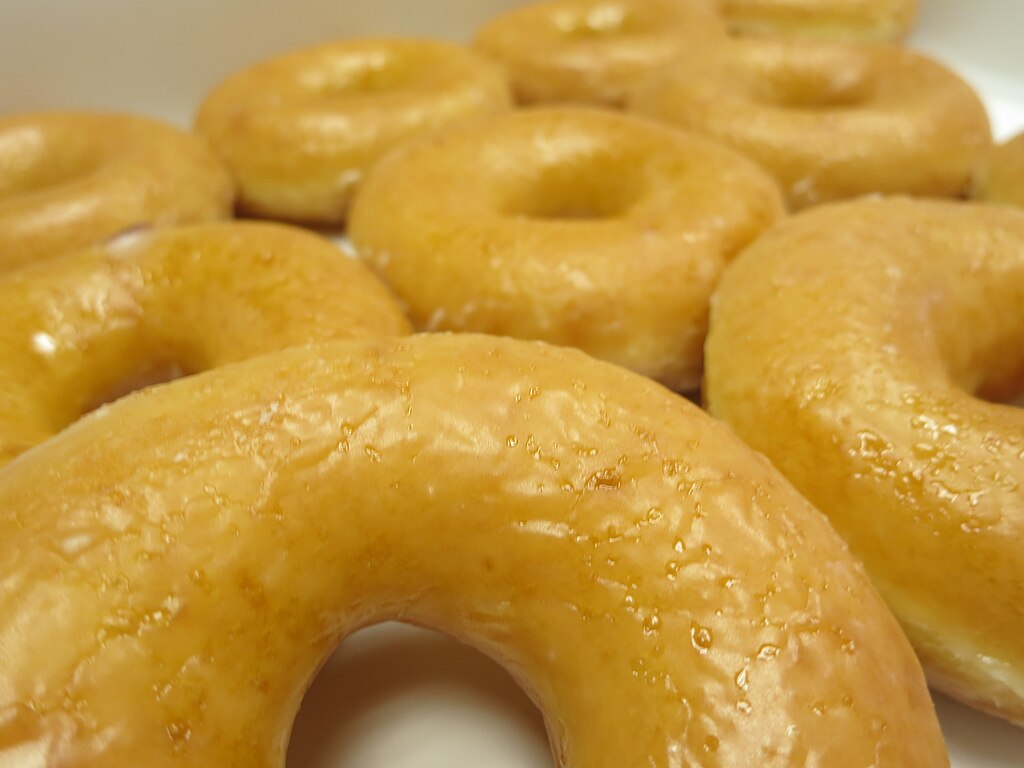
Krispy Kreme went public in April 2000, and the stock doubled on its first day of trading, which should tell you how crazy America had gone for those glazed doughnuts. The company had been around since 1937. But something shifted when they expanded beyond the South, and people discovered the hot light, that neon sign announcing fresh doughnuts coming off the line. Eating one while the glaze was still melting felt like a privilege you’d earned.
2001 Bread Pudding
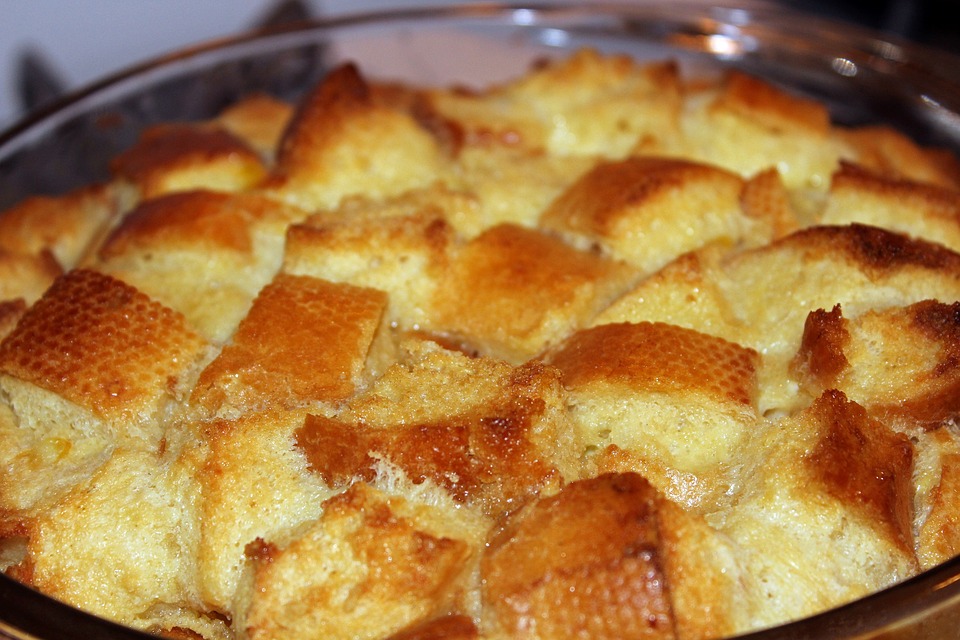
Comfort food found its moment after a year that left the country shaken, and bread pudding emerged as it felt like a warm hug from someone’s grandmother. Restaurants that had dismissed it as old-fashioned suddenly added it to their menus. And home cooks dug out recipes gathering dust for decades. The beauty was that it turned stale leftovers into something rich and custardy, a transformation that felt almost redemptive. People wanted food that reminded them of home, and bread pudding delivered.
2002 Red Velvet Cake
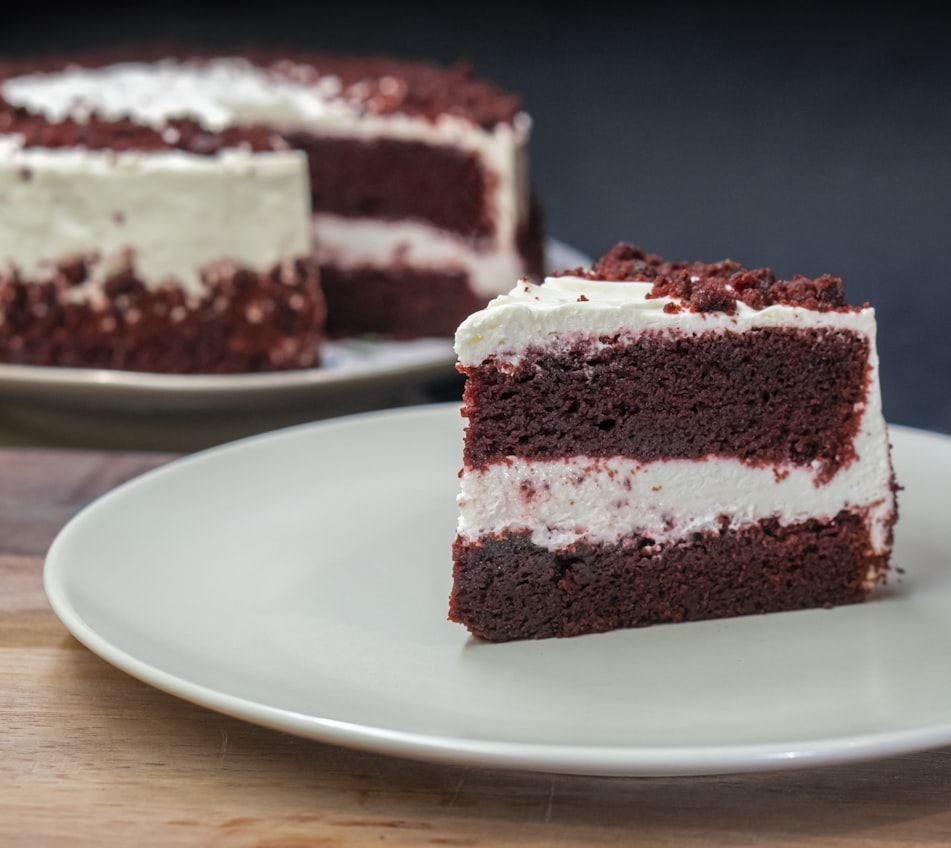
Red velvet had been a Southern staple for decades, but the rest of the country rediscovered it when bakeries started featuring it alongside their gourmet cupcake lines. The appeal was partly visual, that striking crimson crumb beneath swirls of cream cheese frosting, and partly nostalgic, tapping into a retro Americana that felt comforting. Recipes varied on how much cocoa to add, but everyone agreed the frosting had to be cream cheese and thick enough to balance that vivid red.
Read More: You’ve Been Using These 15 Things Wrong Your Whole Life
2003 Sticky Toffee Pudding
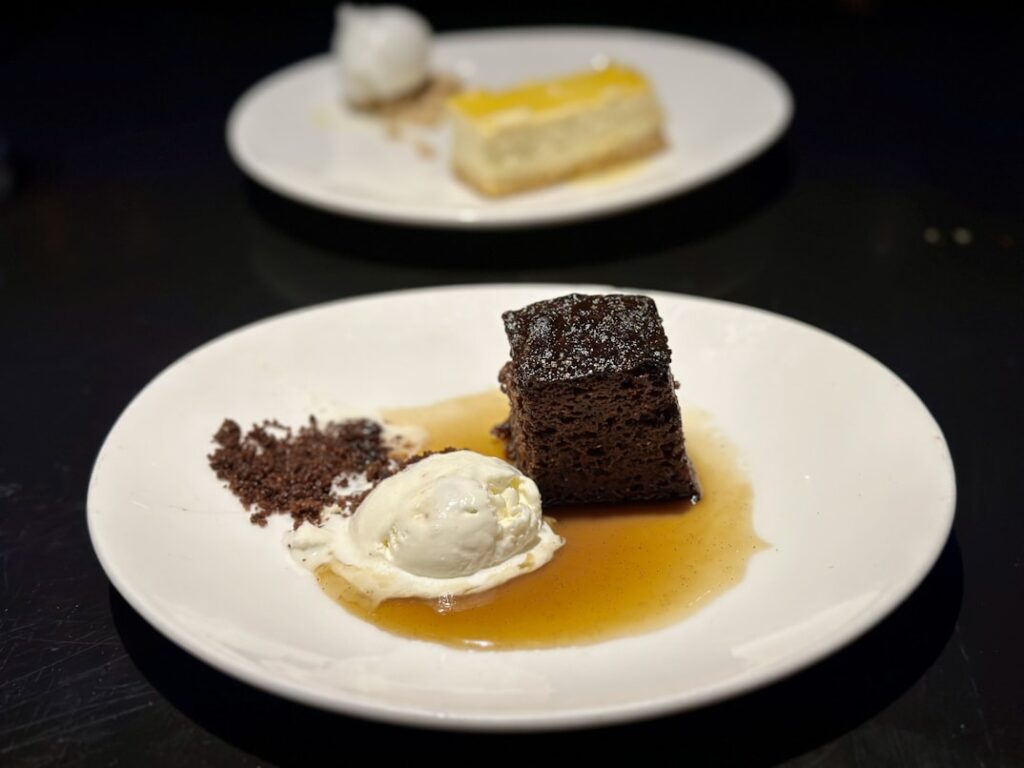
British gastropubs had been opening across American cities, and they brought sticky toffee pudding with them. The pudding was a dense date cake drenched in warm toffee sauce and served with vanilla ice cream, and the combination of hot and cold made every bite feel like a small event. Americans had never really done date desserts before, so the flavor felt both familiar and foreign at once.
2004 Panna Cotta
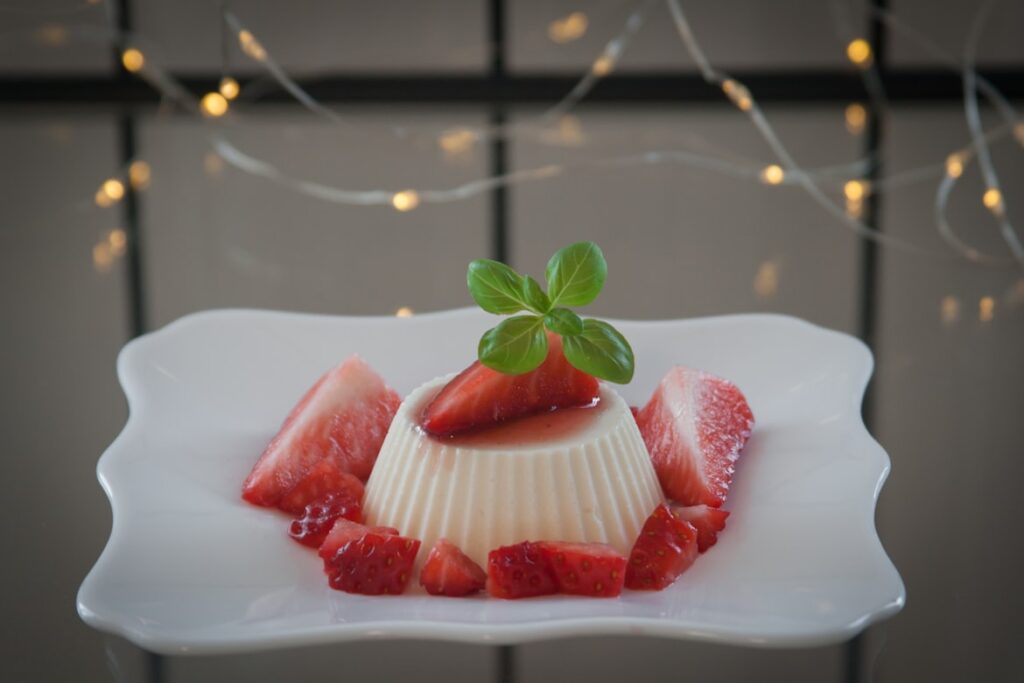
Italian restaurants had been serving panna cotta for years, but by now the silky custard had migrated from trattorias to fine dining rooms and home kitchens alike. Essentially, the cream was set with gelatin. It wobbled when it hit the plate and melted the moment it touched your tongue. Chefs loved that the neutral base took on any flavor, and home cooks loved that it required no baking. The name translates to cooked cream, and that simplicity was the whole point.
2005 Sprinkles Cupcakes
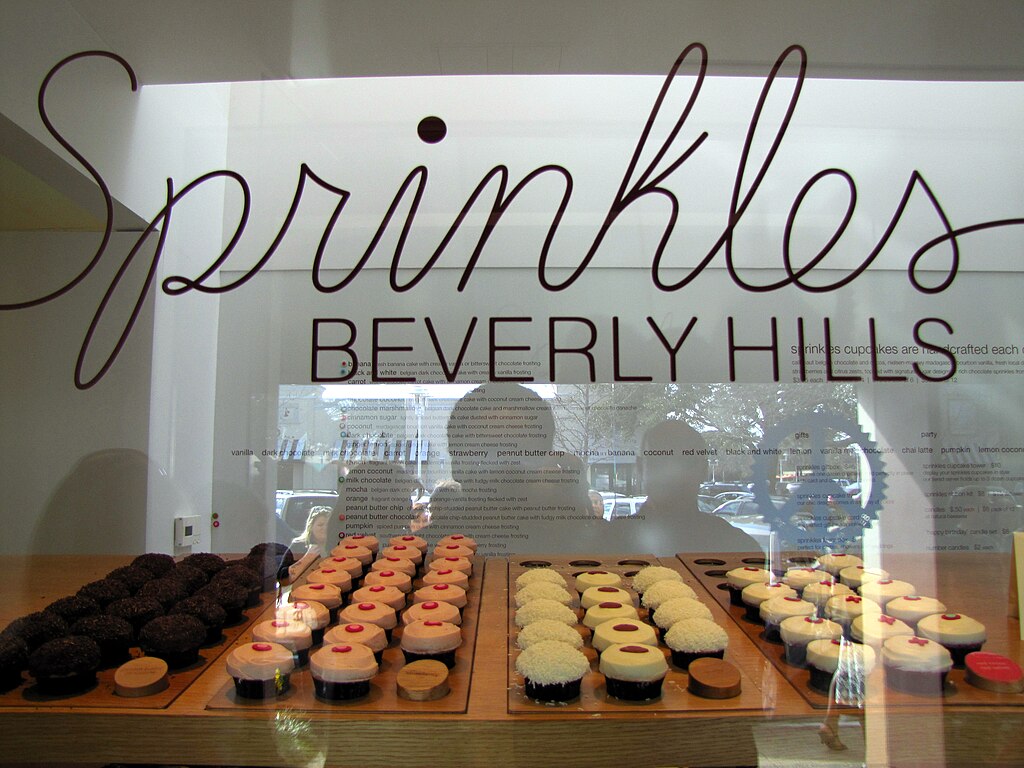
Candace Nelson opened Sprinkles in Beverly Hills, and the gourmet cupcake craze officially had a flagship. Lines formed for cupcakes that cost $3.25 each, a price that seemed outrageous until you tasted the dense, moist cake and that swirl of buttercream. Celebrities got photographed leaving with pink boxes, which only made the lines longer. Sprinkles proved that cupcakes could be a destination.
Read More: What Was The Life Expectancy The Year You Were Born?